Can You Climb a Nepal Trekking Peak Solo? Guide Rules, Fitness and Which First Peak (2027)

Last updated 15 October 2026.
Short answer: You can book a trekking peak on your own, but you cannot climb one on your own. A solo climber goes with a licensed guide and a climbing Sherpa, through a registered agency such as us, and the climb is private for you alone. Our Island Peak climbing, 14 days costs USD 3,499 (Budget), USD 4,999 (Standard) or USD 9,999 (Luxury) per person, and a solo climber pays that same price. Permits, the Nepal Mountaineering Association (NMA) royalty, all technical gear, emergency oxygen and the USD 500 garbage fee are included. You do not need to have climbed before. You do need to be very fit and to have trekked at altitude.
I am Shreejan. People often write to ask whether they can just turn up at Island Peak or Mera Peak, pay a fee and go. Here is the plain answer, then what a solo climb with us looks like.
Can you climb Island Peak, Mera Peak or Pisang Peak alone, without a guide?
No. We do not let anyone climb alone, and we do not sell a guide or Sherpa by the day for a peak. Nobody walks or climbs apart from the team. On the mountain your climbing Sherpa is roped to you and decides whether to go on or turn back.
Three bodies set the rules around this, and I can point to each one.
| Who | What they decide |
|---|---|
| Nepal Mountaineering Association | Keeps the list of 27 trekking peaks and publishes the royalty for each. We apply for the climbing permit and pay it for you |
| Nepal Tourism Board | Since 31 March 2023 a licensed guide and an agency-issued TIMS card are required on most trekking routes. Its list names Mera Peak, the Everest Base Camp trail that leads to Island Peak, and the Annapurna Circuit that leads to Pisang Peak and Chulu West |
| Department of Immigration | Issues restricted-area permits. Since 22 March 2026 one trekker can hold one, but only through a registered agency, with a licensed guide, and with no more than 7 trekkers per guide |
The Immigration rule is about restricted areas, and none of the peaks in this post sits in one. Island Peak, Mera Peak, Pisang Peak, Chulu West and Lobuche East are on the NMA list, so no restricted-area permit is needed. For the guide rule in plain words, read Is solo trekking banned in Nepal?
Can I join as a solo client, and what does it cost?
Yes. A solo climber books a private climb for one person. We never add strangers to a private booking, and the price per person does not change between a private trip and a group of the same size. If you would like company, tell me your dates and I will say whether another climber is going then. Nobody is added to your climb without their consent.
| Climb | Top | Days | Solo: Budget / Standard / Luxury | 2 to 4 climbers |
|---|---|---|---|---|
| Island Peak | 6,165 m | 14 | USD 3,499 / 4,999 / 9,999 | Same price |
| Mera Peak | 6,476 m | 14 | USD 3,499 / 4,999 / 9,999 | Same price |
| Pisang Peak | 6,091 m | 14 | USD 5,135 / 5,680 / 8,820 | USD 3,740 / 4,345 / 5,900 |
| Chulu West | 6,419 m | 15 | USD 5,405 / 5,950 / 9,150 | USD 3,890 / 4,515 / 6,110 |
| Lobuche East | 6,119 m | 15 | USD 5,835 / 6,475 / 10,715 | USD 4,375 / 5,360 / 10,715 |
| Everest Base Camp and Island Peak | 6,165 m | 18 | USD 6,040 / 6,890 / 12,025 | USD 4,420 / 5,835 / 11,670 |
All prices are per person. The Island Peak and Mera Peak pages price one to four people together, so a solo climber there pays the same as a pair. On the other peaks a solo climber pays more, because the Sherpa, the guide and the base camp crew cost the same whether one person or two are on the rope. My full costings are in Island Peak climbing cost and Mera Peak climbing cost.
The NMA royalty is USD 350 in spring and USD 175 in autumn, winter and summer for these peaks, and we build the spring figure into every price so the month does not change what you pay. The NMA fees guide has the rest. Send me your passport details early: climbing permits need 48 hours, counted in government working days.
What does the tier change for a solo climber?
The mountain, Sherpa, gear and permits are the same on all three. On Budget you share a room in a simple teahouse, pay for your own meals on the trek and carry your own pack. Food at base camp and above is included on every tier. On Standard you have a private room, three meals a day and fruit. Porters are shared one between two trekkers, so a solo Standard climber has no porter and the guide helps with a light bag. On Luxury you have a private deluxe room, all meals with fruit and nuts and unlimited soft drinks, and your own porter, even when you are alone. Luxury flies to Lukla and back by helicopter on the Everest-side climbs. Kathmandu hotels are not included on any tier.
Do I need climbing experience to climb a trekking peak?
No, you do not need to have climbed before. Your climbing Sherpa teaches the skills at base camp, in daylight, where a mistake costs nothing: walking in crampons, climbing a fixed rope with a jumar, coming down with a figure-of-eight and using the ice axe. What you do need is trekking at altitude. If you have never slept above 4,000 m, walk a long trek first. My notes on peak climbing for beginners and five easy trekking peaks explain what I look for. For the two Everest-side climbs, read Can a beginner climb Island Peak? and Can a beginner climb Mera Peak?
Lobuche East is the exception. Its page says it is harder than Island Peak and strongly advises a previous 6,000 m peak or good experience of snow, ice and cold. It is not a first peak.
How fit do you need to be to climb a 6,000 m peak?
Very fit. Walking days run 5 to 8 hours on the Everest side and 4 to 7 on the Annapurna side, and summit day is far longer. On Island Peak and Mera Peak it is 10 to 12 hours, and Mera starts around midnight from high camp at 5,780 m. On Pisang Peak and Chulu West I will only say it is a long day. The 8-week Mera Peak training plan and the Island Peak plan both work for any of the peaks. For trek-by-trek fitness, see How fit do you need to be?
Which trekking peak should I climb first?
| If you are | I would suggest | Why |
|---|---|---|
| Fit, trekked at altitude, want the lowest summit | Pisang Peak, 6,091 m | The lowest of our six, with five days on the Annapurna Circuit to acclimatise |
| Happy to learn rope skills and want a steep headwall | Island Peak, 6,165 m | Four days on the Everest trail first, and a skills session at base camp the afternoon before |
| Strong at altitude and happier with gentle ground than steep ice | Mera Peak, 6,476 m | The highest, with a full training day at Khare. The challenge is altitude, not technique |
| Already have a 6,000 m summit | Chulu West or Lobuche East | Both pages ask for more fitness and more mountain experience |
On the Everest side, my Mera Peak vs Island Peak post compares the two, and Lobuche East or Island Peak covers the other pair. For the Annapurna side, read Pisang Peak climbing in 14 days.
What does a climb day look like?
The days before the mountain are trekking days of 5 to 8 hours, with rest days for the altitude. Your guide checks your oxygen level and how you feel every day, and if you are not acclimatising, we do not go higher.
At base camp the tents are already up and food is included on every tier. Your Sherpa runs the skills session, and on the next day you move to high camp. Summit day starts in the dark. You walk by head torch, roped to your Sherpa, cross a glacier, climb whatever the peak asks of you (a fixed-rope headwall on Island Peak, snow slopes and ridges on Mera) and then come all the way back down. Our guide goes with you to base camp, and the climbing Sherpa goes from there to the summit. Emergency oxygen stays with the climbing team. Pisang Peak, Chulu West and Lobuche East each have a reserve day at base camp for a second try if weather or snow stops you. The Sherpa decides, and the price is the same whether you reach the top or not.
What gear do I need to bring for a peak climb?
Less than you fear. We provide the technical gear on every tier: double mountaineering boots, crampons, harness, jumar, figure-of-eight descender, ice axe and helmet. Sleeping bags and down jackets are lent too. You bring your own clothing: base layers, a fleece, a waterproof shell, insulated gloves with liners, a warm hat, a balaclava, glacier glasses, gaiters, and a head torch with spare batteries. The full list is on each package page, and my Nepal trekking packing list covers the rest.
When is the best time to climb a trekking peak in Nepal?
| Season | Months | What to expect |
|---|---|---|
| Spring | March to May | The main climbing season. Warmer, stable snow on the summit slope, and the busiest base camps. Best months are April and May |
| Autumn | October to November | Clear and cold. The second season, and the royalty is lower than in spring |
| Winter | December to February | Very cold with high wind on the summit. Only with winter climbing experience |
| Monsoon | June to mid-September | Snow, cloud and avalanche risk on the approach. I would not go |
For 2027, I would plan April or the first half of May, or October into early November, with a spare day before your flight home.
What insurance do I need for a peak climb?
Buy it at home, before you fly. It must cover mountaineering, not only trekking, and it must include helicopter evacuation, to the highest point of your climb rounded up to the next 500 m. All six climbs above top out between 6,091 m and 6,476 m, so the figure for each of them is 6,500 m. I advise against any policy bought in Nepal. Our insurance guide explains what to ask.
Questions people ask
Can I climb Island Peak without a guide? No. You climb with your guide to base camp and with a climbing Sherpa from base camp to the summit, and you book through a registered agency. We do not sell guides or Sherpas by the day for a peak.
Can I climb Mera Peak alone as a solo traveller? You can book it as a solo client, and it is a private climb for one person. You cannot climb alone. Mera Peak costs USD 3,499, USD 4,999 or USD 9,999 for a solo climber, depending on the tier.
Do I need a permit to climb a trekking peak in Nepal? Yes. We apply for the NMA climbing permit and the park and local fees, and they are in the price. None of these peaks needs a restricted-area permit.
Do I need previous climbing experience? No for Island Peak, Mera Peak, Pisang Peak and Chulu West, because your Sherpa teaches the skills. You do need to be very fit and to have trekked at altitude. Lobuche East asks for more.
What is the best first trekking peak in Nepal? I would start with Pisang Peak if you prefer a quieter trail, or Island Peak if you want to learn rope skills on the Everest trail. Tell me what you have done and I will say which.
How much does it cost to climb a trekking peak solo? From USD 3,499 on Budget for Island Peak or Mera Peak, and USD 5,135 for Pisang Peak. The table above has every peak.
What insurance do I need? A mountaineering policy bought at home, with helicopter evacuation, covering up to 6,500 m on any of these six climbs.
What are the terms for this trek?
We take groups of 1 to 20, so solo is welcome. You book with a 10 per cent deposit, which is non-refundable, and there is no refund if you cancel. What you can do is move to any date within one year, free of charge, if you tell us at least 72 hours ahead. You pay the balance when you arrive in Kathmandu, in USD or EUR, cash or card. Paying by card adds 3.5 per cent, and cash in Kathmandu adds nothing. We do not take Nepali rupees from foreign clients.
How do you plan this with us?
Message me on WhatsApp on +977 9810351300 with your dates, whether you are coming alone and what you have trekked or climbed so far. I will tell you which peak and which tier I would choose, and send you the exact quote.
Written by Shreejan Simkhada, CEO of The Everest Holiday, from a family of three generations of family guides. TAAN Member #1586. WhatsApp +977 9810351300.
Planning a trip to Nepal?
Drop us your details and tell us what you have in mind. We will put together a personalised plan and get back to you.
Not sure which Nepal trek is right for you?
Take our free 2-minute quiz and get personalised recommendations based on your fitness, experience, and travel style.
Find Your Perfect Trek →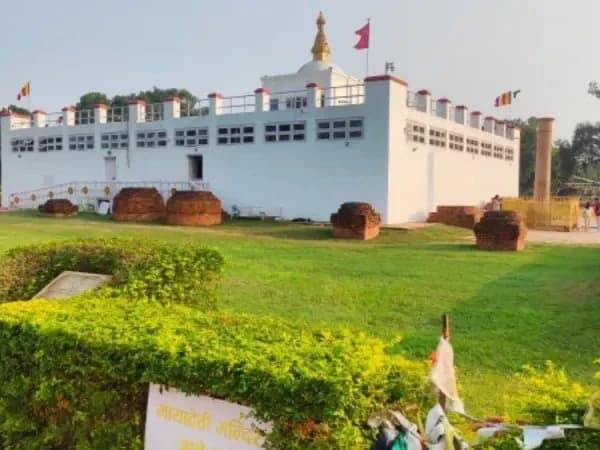
Nepal Buddhist Circuit in 7 Days: Lumbini, Kathmandu Valley Sites, Cost and Who It Suits (2027)
How our 7-day Nepal Buddhist Circuit runs from Kathmandu to Lumbini and back, which sites it covers, what each tier costs, the best months and who it suits.
Read More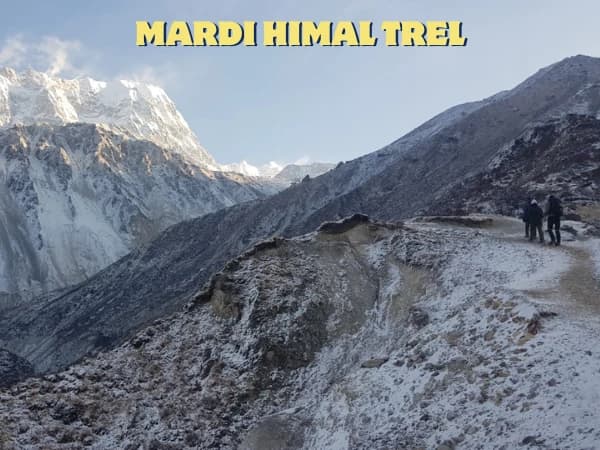
Mardi Himal and Khopra Danda in 12 Days: What the Combined Trek Is Like, Cost and Who It Suits (2027)
Two quiet Annapurna ridges in one 12-day private trek from Pokhara. How the combined trek runs, how hard it is, what it costs against the two single treks, and who it suits.
Read More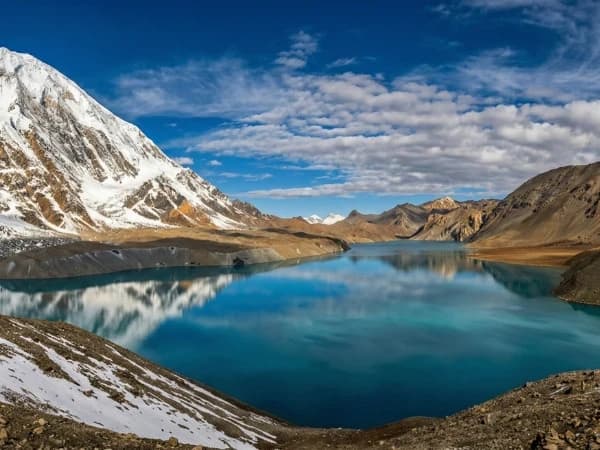
Tilicho Lake Trek in 11 Days: Cost, Difficulty and Best Time (2027)
Tilicho Lake is at 4,919 m. How our 11-day trek runs without the Thorong La, how hard it is, what each tier costs, the permits, and when to go.
Read More Chat with Shreejan