The complete Nepal trekking packing list. What to bring from home, what to rent in Thamel, and the 5 things every first-timer overpacks. By a local guide.
Govt Regd. No.: 147653/072/073
Travel Agency Licence: 2838/072
Nepal Trekking Packing List: What to Bring, What to Skip, What to Buy in Kathmandu

Short answer: What you pack depends on your route and the season, but the core is the same: layered clothing, a down jacket, a waterproof shell, broken-in boots, a warm sleeping bag, a head torch, a water bottle with purification and a small first aid kit. Skip anything heavy you will not use. Gear in Kathmandu is cheaper, but quality varies. Ask us about borrowing a sleeping bag or down jacket. Pack for our 12-day Everest Base Camp trek.
The Nepal Trekking Packing List I Actually Give My Clients (2027 Edition)
By Shreejan Simkhada | The Everest Holiday | Updated April 2026
Every week someone sends me a packing list they found online and asks if it's right. Usually it's 80 items long and includes things like a portable espresso maker. One person asked if they needed crampons for the Annapurna Base Camp trek. They don't.
Here's the problem with most Nepal trekking packing lists: they're written by gear companies trying to sell you things, or by bloggers who did one trek and assumed their experience was universal. What you actually need depends on where you're going, what season you're trekking in, and how much you're willing to spend in Kathmandu's Thamel district, where you can buy almost anything for a fraction of Western prices.
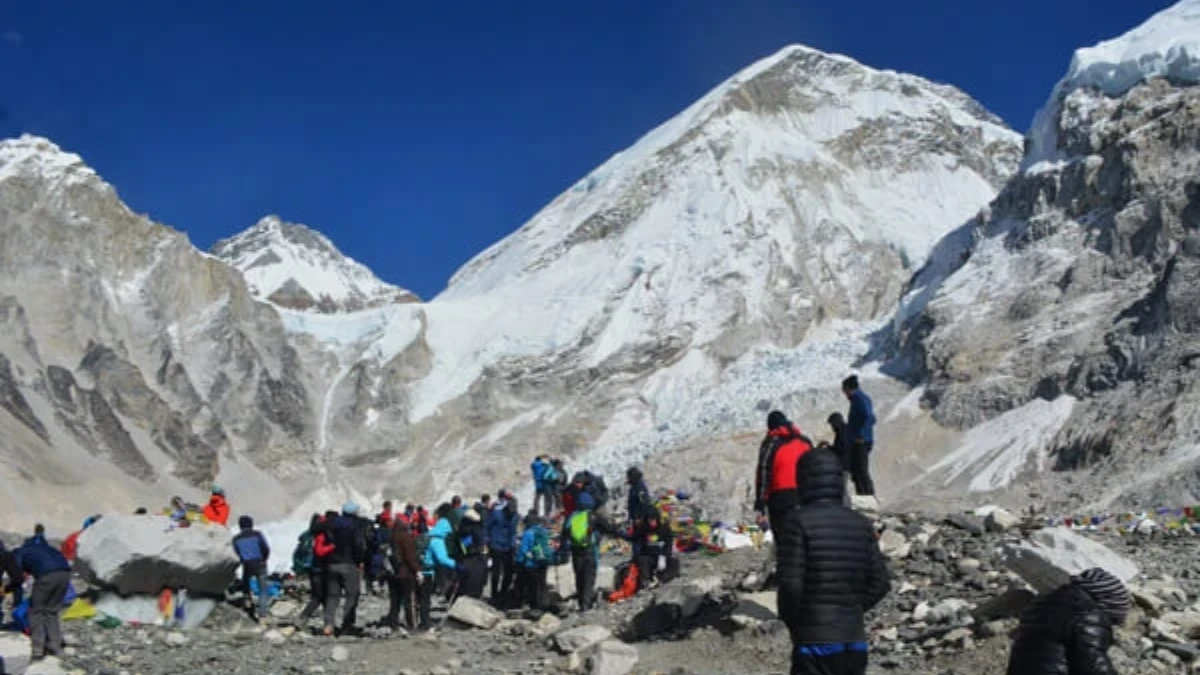
This is the list I send to every Everest Holiday client. It's been refined over years of watching what people actually use and what sits untouched at the bottom of their duffel bag for 12 days. I've organised it by category, noted what to buy in Kathmandu versus bring from home, and included the over-packing mistakes I see constantly. Most of this list is written around a trek like our 12-day Everest Base Camp trek.
How Heavy Should Your Trekking Pack Be?
Your porter carries your main duffel bag. Maximum weight: 20 kilograms per porter, which is the government limit. On Luxury your porter is yours alone, so your duffel can weigh up to 20kg. On Standard one porter is shared by two trekkers, so keep your duffel to 10kg each, which makes 20kg in total. On Budget there is no porter and you carry your own bag. This is not a suggestion: it's a rule enforced for porter welfare, and we take it seriously. Your porter is a human being carrying your bag on their back up steep mountain trails. Twenty kilos is the most any porter should carry.
You'll also carry a daypack (5-8kg) with water, snacks, rain gear, camera, and warm layers for the day's walk.
So your total gear, everything included, should be under 28kg on Luxury and under 18kg on Standard. If you're packing more than that, you're bringing too much. I promise you.
What Clothing Do You Need for Nepal Trekking?
Forget packing outfits. Pack layers. The temperature on a single trekking day can range from -10°C at a 5,000m sunrise to +15°C on a sunny afternoon descent. You'll add and remove layers constantly.
Base Layers (Against Your Skin)
| Item | Quantity | Notes | Buy in Kathmandu? |
|---|---|---|---|
| Merino wool or synthetic thermal top | 2 | Merino doesn't smell after days of wear. Worth the investment | Yes, good quality available, 800-1500 NPR |
| Merino wool or synthetic thermal bottoms | 2 | Wear one, pack one | Yes |
| Trekking t-shirts (synthetic/merino) | 3 | Cotton kills. It stays wet, chills you, takes forever to dry | Yes, Thamel shops sell them for 400-800 NPR |
| Underwear (synthetic or merino) | 4 | Not cotton. Seriously, not cotton | Bring from home |
| Sports bra (women) | 2-3 | High support. Bring from home for proper fit | Bring from home |
Mid Layers (Insulation)
| Item | Quantity | Notes | Buy in Kathmandu? |
|---|---|---|---|
| Fleece jacket or pullover | 1 | 200-weight fleece is ideal. Lightweight, packs small, dries fast | Yes, 1000-2500 NPR in Thamel |
| Lightweight down or synthetic insulated jacket | 1 | This is your critical warmth layer above 4,000m. 600+ fill power down packs small | Yes, decent options for 3000-6000 NPR. North Face/Rab copies are surprisingly functional |
| Trekking trousers (convertible zip-off) | 2 | One pair is fine for treks under 8 days. Two for longer | Yes, 1200-2000 NPR |
Outer Layer (Wind and Rain Protection)
| Item | Quantity | Notes | Buy in Kathmandu? |
|---|---|---|---|
| Waterproof/windproof jacket (Gore-Tex or equivalent) | 1 | This is the one item I'd recommend bringing from home if you own it. Good waterproofing is hard to replicate cheaply | Possible but risky: Thamel copies may leak in real rain |
| Waterproof trousers | 1 | Lightweight packable ones. You'll use them less than you think in autumn/spring, but when you need them you really need them | Yes, 1500-2500 NPR |
Extremities
| Item | Quantity | Notes | Buy in Kathmandu? |
|---|---|---|---|
| Warm hat (beanie/wool cap) | 1 | You lose enormous heat through your head | Yes, 200-500 NPR, beautiful hand-knitted options |
| Sun hat or cap | 1 | UV is intense at altitude. Non-negotiable | Yes |
| Buff/neck gaiter | 1 | Versatile. Face cover in dust, neck warmer at altitude, headband while walking | Yes, 300-600 NPR |
| Trekking gloves (liner) | 1 pair | Thin, touchscreen-compatible | Yes |
| Warm gloves or mittens | 1 pair | For high passes and cold mornings above 4,500m. Mittens are warmer than gloves | Yes, 500-1500 NPR |
| Trekking socks (merino or synthetic) | 4 pairs | This is one area where quality matters. Blisters ruin treks. Good socks prevent blisters | Bring from home, Thamel socks are hit or miss |
What Boots Should You Wear on a Nepal Trek?
This section is short because it's simple and non-negotiable.
- Trekking boots: Ankle-high, waterproof, broken in. I cannot stress "broken in" enough. Do NOT show up in Kathmandu with brand-new boots. Walk 50+ kilometres in them before your trip. Blisters on day two of a 12-day trek are miserable. Bring these from home
- Camp shoes/sandals: Something lightweight for teahouse evenings. Flip-flops work. Crocs work. Your feet need to breathe after 7 hours in boots
- Gaiters: Optional. Useful in snow above 4,500m or muddy trails in early spring. Available in Kathmandu for 500-1000 NPR
A note on trail runners: some experienced trekkers do the Poon Hill trek or lower-altitude routes in trail runners. It works if the conditions are dry. I wouldn't recommend it above 4,000m or in wet season. Your ankles will thank you for boots on rocky, uneven terrain.
Do You Need a Sleeping Bag for Nepal Trekking?
| Item | Notes | Buy/Rent in Kathmandu? |
|---|---|---|
| Sleeping bag (-10°C to -15°C comfort rating for EBC/high altitude; 0°C for lower treks) | This is your most important piece of gear after boots. Teahouse blankets exist but they're thin, shared, and not always clean | We provide one free on our trekking packages, on every tier including Budget. Trekking independently? Rent in Kathmandu for 150-200 NPR/day. Buying a good one costs 8,000-15,000 NPR. Renting is the smart move unless you trek regularly |
| Sleeping bag liner (silk or cotton) | Adds warmth and keeps your sleeping bag cleaner. Weighs almost nothing | Yes, 500-1000 NPR |
| Inflatable pillow | Optional luxury. Teahouses provide pillows but they're... variable | Bring from home if you want one |
What Gear Can You Rent in Kathmandu?
Thamel has dozens of gear rental shops. Quality varies, so inspect items before committing. Here's what makes sense to rent rather than buy or bring:
- Sleeping bag: 150-200 NPR/day, though we provide one rated to minus fifteen free on our treks, so check with your operator first. Best rental value by far. Check the zipper works and it doesn't smell terrible
- Down jacket: 100-200 NPR/day, and again we provide one free on our treks. If you don't own one and don't plan to trek again soon, renting is sensible
- Trekking poles: 50-100 NPR/day per pair. Essential for descents, especially if you have knee issues
- Duffel bag: 50-100 NPR/day. We provide these on our treks, so check with your operator before renting
Leave a deposit (usually the item's full value) and your passport copy. You get the deposit back when you return the gear. Shops near the Thamel tourist area all operate this way.
What Electronics Should You Bring Trekking?
| Item | Notes |
|---|---|
| Headtorch with spare batteries | Essential. Teahouses turn off generators at 9-10pm. You'll need this for bathroom trips and early starts. Bring from home, good headtorches in Kathmandu are overpriced |
| Phone + charging cable | Your phone is your camera, your journal, your alarm clock. Battery drains faster in cold. Keep it inside your jacket close to your body |
| Power bank (20,000mAh minimum) | Teahouses charge devices for 200-500 NPR per charge. A power bank pays for itself in two days. Charge it fully in Kathmandu before setting off |
| Universal adapter (Type C/D/M for Nepal) | Nepal uses a mix of plug types. A universal adapter handles all of them |
| Camera (optional) | Your phone is fine for 90% of people. If you bring a dedicated camera, bring spare batteries, cold kills battery life |
What you do NOT need: a laptop, a drone (permit required and expensive, 35,000 NPR+), a Bluetooth speaker (your fellow trekkers will hate you), or a Kindle loaded with 200 books. You'll be too tired to read.
What Toiletries Do You Need on the Trail?
- Sunscreen SPF 50+: At 5,000m, UV radiation is roughly twice sea-level intensity. You will burn. Apply to ears, nose, back of neck, and lips
- Lip balm with SPF: Cracked, sunburnt lips are one of the most common complaints
- Hand sanitiser: Soap and water aren't always available. Use it before every meal
- Wet wipes/biodegradable body wipes: You won't shower for days. These are your hygiene salvation
- Toothbrush and small toothpaste
- Personal medications: Bring enough for the entire trek plus 3 extra days in case of delays
- Toilet paper: Teahouses sometimes have it, sometimes don't. Carry a roll in a zip-lock bag
- Small quick-dry towel: Microfibre. Doesn't need to be large
- Earplugs: Teahouse walls are thin. Someone in the next room will snore. Guarantee it
What Should Be in Your Trek First Aid Kit?
Our guides carry full first aid kits, but you should have your own basics:
- Paracetamol and ibuprofen
- Diamox (acetazolamide), discuss with your doctor before the trip. Helps with altitude acclimatisation. Prescription required in most countries
- Imodium (loperamide) for diarrhoea
- Oral rehydration salts (Jeevan Jal, available everywhere in Nepal for 10 NPR)
- Blister plasters (Compeed or similar)
- Antiseptic cream
- Antihistamines
- Any prescription medications you take regularly
- Water purification tablets or SteriPen
What Documents Do You Need for Nepal Trekking?
- Passport (valid 6+ months from entry date, with at least 2 blank pages)
- Passport photocopies (4 copies, you'll need them for permits)
- Passport photos (4 copies, passport-sized, again, permits)
- Travel insurance documents (printed, not just on your phone, batteries die at the worst moments)
- Flight tickets/itinerary printouts
- Cash: Nepali Rupees for the trail (20,000-30,000 NPR for a 12-day trek covers tea, snacks, hot showers, charging, and tips). ATMs exist only in Kathmandu, Pokhara, and Lukla (unreliably). Bring USD or EUR to exchange in Kathmandu
- Credit/debit card: For Kathmandu hotels and emergencies. Visa and Mastercard accepted at most tourist-facing businesses in the city. Useless on the trail
What NOT to Bring (Common Over-Packing Mistakes)
I see these in people's bags constantly. Every single item is dead weight.
- Too many clothes. You don't need 7 t-shirts. You need 3 and you wash them. Nobody cares what you smell like on day 8. Everyone smells the same
- Jeans. Heavy, take days to dry, terrible for trekking. Leave them in your Kathmandu hotel
- Cotton anything. Cotton absorbs sweat, stays wet, and chills you. It's genuinely dangerous at altitude. Synthetic or merino for everything
- A large towel. A microfibre towel the size of a hand towel is plenty
- Multiple books. One paperback if you must. Swap books with other trekkers at teahouses, there's usually a shelf
- Heavy water bottles. One 1-litre Nalgene is enough. You refill constantly
- Fancy evening clothes. There are no dress codes at 4,000 metres. You'll eat dinner in the same fleece you trekked in
- Full-size shampoo/conditioner bottles. You'll wash your hair once, maybe twice. Bring sample sizes or buy sachets in Kathmandu for 20 NPR each
- Crampons and ice axes. Unless you're doing a high pass crossing in winter, you don't need technical mountaineering equipment for standard treks. Our EBC trek and ABC trek don't require them
How Does Your Packing List Change by Season?
Autumn (September-November), Peak Season
The list above is calibrated for autumn. Clear skies, moderate temperatures, low rainfall. You'll use your down jacket above 4,000m and your rain gear minimally.
Spring (March-May)
Warmer at lower altitudes. Add insect repellent (leeches below 3,000m, especially in wet forest). Slightly more rain gear usage. You can potentially drop one thermal layer for treks below 4,000m.
Winter (December-February)
Significantly colder. Upgrade your sleeping bag to -20°C comfort. Add a second pair of warm gloves, thicker base layers, and chemical hand/toe warmers. Trekking above 5,000m in winter is only for experienced trekkers.
Monsoon (June-August)
We generally don't recommend trekking during peak monsoon, but if you do: waterproof everything. Dry bags for electronics. Leech socks. Quick-dry everything. And accept that you will be wet.
Is Budget Trekking Gear Good Enough for Nepal?
You don't need to spend £2,000 on gear to trek in Nepal. Full stop.
Here's where quality matters: boots (bring broken-in, waterproof boots from home), sleeping bag (ours is free on every tier, and if you are trekking independently rent a good one rather than buying), and your waterproof jacket (cheap ones leak when it actually rains).
Here's where quality doesn't matter: fleece (a 1,500 NPR Thamel fleece works as well as a £120 Patagonia), trekking trousers (function over brand), gloves, hats, t-shirts, and buffs.
The total cost to buy everything on this list in Kathmandu's Thamel, assuming you bring only boots, underwear, socks, and a waterproof jacket from home: roughly 15,000-25,000 NPR (£90-£150). That includes a down jacket, fleece, trousers, thermals, hat, gloves, and accessories.
Some of these items are copies of name brands. Yes, the North Face jacket for 4,000 NPR is not genuine North Face. No, it doesn't matter for a 12-day trek. It'll keep you warm. If you're summiting K2, buy the real thing. For Everest Base Camp, the Thamel version is perfectly adequate.
How Do You Know If You Have Packed Too Much?
Once you've laid everything out, do this: pack your duffel bag and weigh it. If it's over 20kg on Luxury (10kg on Standard), remove items until it isn't. Then pack your daypack and make sure you can lift it comfortably overhead. If either fails, you've overpacked.
Then ask yourself: did I use this item on my last trip? If you haven't travelled before, ask: will I use this item every single day? If the answer to both questions is no, leave it at the hotel in Kathmandu. They'll store your extra bag for free or a small fee.
Still unsure what to bring? Get in touch. I'll give you a list customised to your specific trek, your dates, and your budget.
WhatsApp: +977 9810351300
Email: [email protected]
Shreejan Simkhada is the CEO of The Everest Holiday and a third-generation Himalayan guide. TAAN Member #1586.
Our full EBC packing list. Our Everest Base Camp Trek (12 Days) is private (your group only, no strangers), 2027 dates open, From USD $1399. WhatsApp us for tailored 2027 dates and current departures.
Planning a trip to Nepal?
Drop us your details and tell us what you have in mind. We will put together a personalised plan and get back to you.
Not sure which Nepal trek is right for you?
Take our free 2-minute quiz and get personalised recommendations based on your fitness, experience, and travel style.
Find Your Perfect Trek →Need Help? Call Us+977 9810351300orChat with us on WhatsApp
Related Trek Packages
(24 reviews)
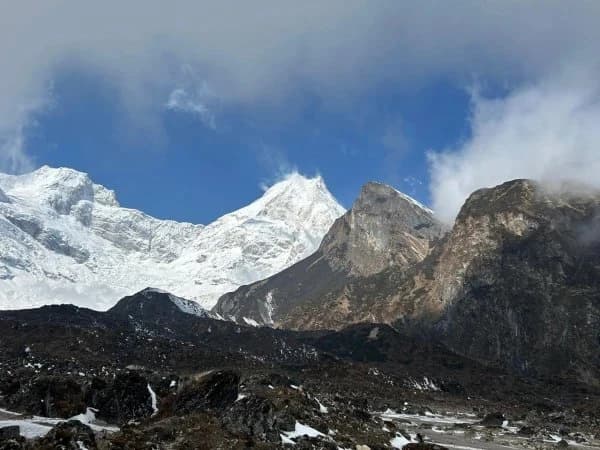
Manaslu Circuit Trek - 12 Days | Remote Larkya La Pass Expedition
Starts From
ExploreUS$799
Latest Travel Blogs
Christmas and New Year Treks from Pokhara 2026/27: 3 to 5 Days
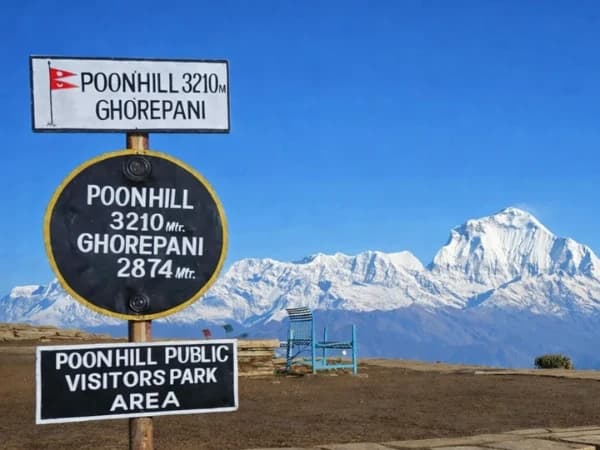
<p>Short treks from Pokhara for Christmas and New Year 2026/27: Panchase 3 days, Poon Hill 4 days and Mardi Himal 5 days. Weather, snow, what is open, and prices by group size.</p>
Read More
Thamdanda and Surke: The Road Head for Everest Base Camp by Road
Thamdanda is the road head where our Everest Base Camp trek by road starts and ends on foot. How to get there from Phaplu and what the first walk to Paiya is like.
Read MorePoon Hill Trek Permits 2027: ACAP, TIMS, Cost and What You Need
Poon Hill needs two permits: ACAP at NPR 3,000 and a TIMS card at NPR 2,000. Who arranges them, where they are checked, SAARC rates and the 2027 trek prices.
Read More Chat with Shreejan