Nepal Motorbike Tour - 7 Days

Quick Overview
Duration7 Days
Trip GradeModerate
CountryNepal
Maximum Altitude1,445m / 4,741ft
Group Size2 -20
StartsKathmandu
EndsKathmandu
ActivitiesMotorbike Riding Tour
Best TimeSpring (March–May) and Autumn (September–November)

The Nepal Motorbike Tour is a one-of-a-kind way to experience the country’s diverse landscapes and rich culture. From smooth highways to rugged mountain roads, every ride brings fresh scenery and adventure. Travel through remote villages, deep valleys, and high mountain passes while enjoying close contact with local life. This tour is perfect for riders seeking freedom, adventure, and an authentic journey through Nepal.

Highlight

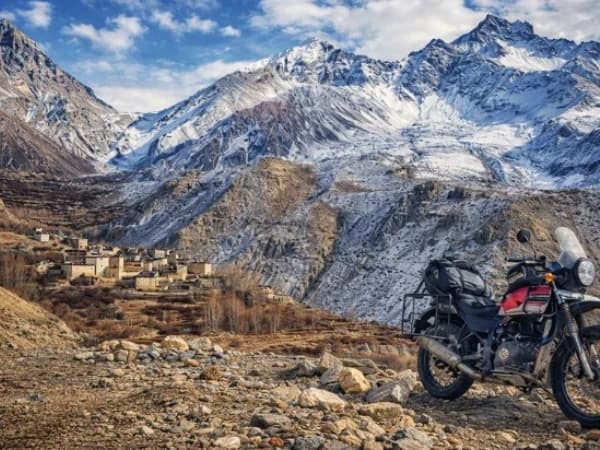
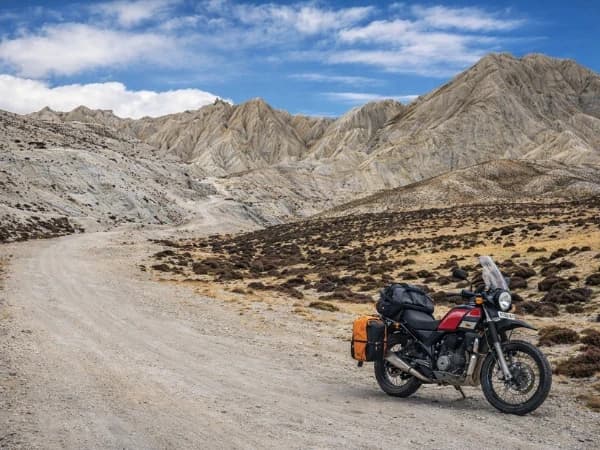
  • Ride across varied terrain, including paved highways, gravel roads, and high-altitude trails
  • Cross suspension bridges, river valleys, and dramatic mountain landscapes
  • Explore ancient monasteries, temples, and culturally rich Himalayan settlements
  • Experience changing climates in a single journey, from subtropical regions to alpine zones
  • Enjoy well-planned routes with support vehicles and experienced local guides
  • Capture stunning photography opportunities along some of Nepal’s most scenic roads
  • Discover lesser-known routes and off-the-beaten-path destinations on two wheels

Overview of Nepal Motorbike Tour 

The Nepal Motorbike Tour offers an unforgettable experience for riders eager to discover the country’s varied landscapes, rich culture, and lesser-known treasures on two wheels Starting from Kathmandu, the journey takes you through bustling city streets, winding hill roads, and scenic valleys, providing a perfect introduction to Nepal’s unique blend of urban life and natural beauty. Riding along the Prithvi Highway through the lush Rishuli Valley, travelers are rewarded with stunning views of iconic peaks such as Hiunchuli, Fishtail, Dhaulagiri, Manaslu, and Annapurna. Along the way, terraced fields, rivers, and small traditional villages showcase the authentic rural life of Nepal.

Heading south toward Chitwan, the terrain gradually transitions from hills to the flat Terai plains. Riders pass through forested areas, riverside towns, and local settlements before arriving at Chitwan National Park. Established in 1973 and recognized as a UNESCO World Heritage Site in 1984, this park is one of Nepal’s oldest and most treasured protected areas. It is home to Indian rhinoceroses, Bengal tigers, elephants, wild buffalo, and over 500 species of birds. Visitors can go on jeep safaris, river cruises on the Rapti River, guided treks, and cultural trips to surrounding Tharu communities to learn about local customs.

From Chitwan, the journey continues to Lumbini, the sacred birthplace of Lord Buddha. Well-maintained highways make this leg smooth and scenic, passing through peaceful countryside, farming communities, and riverside landscapes. Lumbini is not just a spiritual center, but it is also a culturally rich place with monasteries, peaceful gardens, and historical sites that give you a deeper understanding of Buddhist culture.

Form the Pokhara, the final stop on the journey, serves as the gateway to the Annapurna region. The ride climbs gradually along winding mountain roads and through river valleys, with landscapes that change at every turn. Upon arrival, travelers are welcomed by the peaceful waters of Phewa Lake, a lively lakeside atmosphere, and breathtaking views of the Annapurna Himalayan range. With its blend of adventure, natural beauty, and cultural experiences, Pokhara is the perfect place to end an unforgettable motorbike journey across Nepal.

Short Itinerary
Day 01: Arrival to Kathmandu and Evening test ride
Max Altitude: 1,400m/4,593ft.
Day 02: Ride from Kathmandu to Chitwan
Max Altitude: 415m / 1,362ft
Day 03: Jungle Activities in Chitwan National Park
Max Altitude: 415m / 1,3625ft
Day 04: Ride from Sauraha (Chitwan) to Lumbini
Max Altitude: 150m / 492ft
Day 05: Ride from Lumbini to Pokhara
Max Altitude: 800m / 2,697ft
Day 06: Ride from Pokhara to Kathmandu
Max Altitude: 1,400m / 4,593ft
Day 07: Departure to Kathmandu Airport
Max Altitude: 1,400 m /4,593 ft
Expand
Detailed Itinerary
Day 01:

Warm greetings from Kathmandu, a vibrant city of colors and sounds where Eastern and Western cultures meet in harmony. Upon your arrival at Tribhuvan International Airport, our team will be waiting at the arrival gate to welcome you according to your scheduled arrival time.

You will then be transferred to your hotel in the city for your overnight stay. After check-in and some time to rest, your Lower Mustang motorbike tour guide will meet you for a pre-ride briefing. During this session, the guide will explain the tour plan and provide important information about motorcycle riding rules and road conditions in Nepal.

In the evening, you will choose your favorite bike and spend time getting familiar with it. After a short introduction, we will go on a trial ride around the city with other riders. This test ride helps you adjust to local traffic, understand Asian road conditions, and improve basic riding and cornering skills.

The ride will be kept short, as an early and long journey to Chitwan is planned for the next day.

Max Altitude: 1,400m/4,593ft.Accommodation: Hotel
Day 02:

As riders leave Kathmandu, they navigate the city’s busy streets, passing through Kalanki and Thankot before joining the Prithvi Highway. This road, one of Nepal’s main highways, offers a smooth ride through the scenic green hills of the Rishuli Valley. Along the way, riders are treated to panoramic views of some of Nepal’s most famous peaks, including Hiunchuli, Fishtail, Dhaulagiri, Manaslu, and Annapurna. The route passes by small rivers, terraced farmland, and traditional villages, offering glimpses of daily rural life.

Continuing south, the landscape gradually changes from hills to the flat Terai region. The road winds through forested stretches and small towns, with occasional sections of dirt roads that add a touch of adventure for motorbike riders. Midway, the group may stop for refreshments or short photo breaks to capture the spectacular scenery along the way.

As riders approach Chitwan, they enter the lush lowlands and subtropical plains that are home to Chitwan National Park. This UNESCO World Heritage Site, established in 1973, is one of Nepal’s oldest and most important protected areas. It includes a wide range of ecosystems such as forests, grasslands, rivers, and wetlands, making it an ideal destination for wildlife lovers. The park is home to Indian rhinoceroses, Bengal tigers, elephants, wild buffalo, and more than 500 species of birds.

Upon arrival in Chitwan, riders check into their accommodation and have time to rest and enjoy a hearty lunch. In the afternoon, there is an opportunity to explore the park with a leisurely walk or a guided visit to nearby Tharu villages. Visitors can experience the culture of the Tharu people, one of Nepal’s indigenous ethnic groups, known for their colorful traditions, warm hospitality, and vibrant lifestyle. Optional activities, such as short jungle walks, river cruises along the Rapti River, or cultural demonstrations, add even more excitement to the day.

Max Altitude: 415m / 1,362ftMeals: Breakfast / Lunch / DinnerAccommodation: HotelDuration: 4 - 5 hoursDistance: 183 km / 114 milesElevation: 985m / 3231ft
Day 03:

The third day is a rest day for the bikes, giving our mechanic time to perform maintenance or repairs if needed. While the motorcycles take a break, riders enjoy a full day of adventure, wildlife, and cultural experiences in Chitwan National Park.

One of the most popular ways to explore the park is on a jeep safari, which can be chosen as a 4-hour trip or a full-day adventure from morning to evening. A professional guide and driver accompany visitors, stopping at key locations to spot wildlife such as Indian rhinoceroses, Bengal tigers, elephants, and various birds, making it a safe and memorable experience for everyone.

For travelers who enjoy water activities, a canoe trip on the Rapti River offers a peaceful way to spot crocodiles, water birds, and other wildlife along the riverbanks. Those looking for more excitement can opt for rafting on the Narayani or Reu Rivers, where thrilling rapids are set against beautiful jungle scenery.

Chitwan is also home to an elephant breeding center, where visitors can see these magnificent animals and their young up close.. Guests have the opportunity to feed, pet, and even bathe elephants, creating unforgettable memories and perfect photo opportunities.

Bird enthusiasts can take a guided jungle hike, learning about the park’s rich biodiversity and spotting exotic species with the help of experienced guides. The day concludes with a visit to a traditional Tharu village, where travelers can experience local customs, dances, handicrafts, and cuisine. The Tharu people, original inhabitants of the Terai region, provide a warm and welcoming cultural experience that perfectly complements the day’s wildlife adventures.

Max Altitude: 415m / 1,3625ftMeals: Breakfast / Lunch / DinnerAccommodation: Hotel
Day 04:

Today, we leave the jungle and wildlife of Chitwan behind as we ride toward Lumbini, the sacred birthplace of Lord Buddha. Riders cover roughly 150 kilometers, which usually takes 4 to 5 hours including stops, on mostly smooth highways and well-maintained roads. The ride takes you through the Terai plains, passing rivers, farmland, and small villages. Along the way, you can enjoy glimpses of everyday rural life in Nepal—farmers tending their fields, children playing along the roadside, and colorful local markets bustling with activity.

As you approach Lumbini, the atmosphere gradually becomes calm and peaceful, offering a perfect contrast to the energy of the ride. Upon arrival, you’ll explore the UNESCO World Heritage Site, starting with the Maya Devi Temple, the exact spot where Buddha was born. Stroll through the serene meditation gardens, visit sacred ponds, and admire the monasteries built by different countries, each reflecting unique architectural styles and cultural traditions. Every step in Lumbini feels reflective and inspiring, giving you a deep sense of history and spirituality.

The day also offers plenty of opportunities to take photos, relax, and soak in the surroundings. Whether you are capturing golden stupas, monks in meditation, or the quiet beauty of the gardens, Lumbini leaves a lasting impression. After exploring, riders check into their accommodation, enjoy local cuisine, and unwind, reflecting on the peacefulness of this spiritual hub before the next stage of the tour toward Pokhara.

This day is a perfect mix of riding adventure, rural Nepalese landscapes, and cultural and spiritual experiences, making it one of the most memorable parts of the Nepal Motorbike Tour.

Max Altitude: 150m / 492ftMeals: Breakfast / Lunch / DinnerAccommodation: HotelDuration: 7 - 8 hoursDistance: 175 km / 108 milesElevation: 265m / 869 ft
Day 05:

Today, we leave the spiritual calm of Lumbini and embark on an exciting ride toward Pokhara, the gateway to the Annapurna region. Covering approximately 280 kilometers, this ride takes about 6 to 7 hours, depending on stops, and combines smooth highways with scenic country roads. The journey passes through rural villages, riverside communities, and stretches of farmland, giving riders an authentic glimpse of Nepal’s countryside life. Along the way, you’ll see terraced fields, local markets, and rolling hills, making the ride both visually rewarding and immersive.

As you approach Pokhara, the landscape changes dramatically. The flat Terai plains gradually give way to winding hills, river valleys, and the foothills of the Himalayas, offering glimpses of the majestic mountain views ahead. Pokhara is renowned for its stunning natural setting, featuring the peaceful waters of Phewa Lake, lush green surroundings, and wide-ranging views of the Annapurna Himalayan range. Upon arrival, riders can enjoy a peaceful lakeside walk, explore local cafés, or simply relax and take in the stunning surroundings after the long ride.

Travelers can also enjoy cultural and adventure activities in Pokhara, including visits to Bindhyabasini Temple, Davis Falls, and the World Peace Pagoda.These activities provide them a taste of nature, spirituality, and local culture. The day concludes with a well-earned rest at your accommodation, enjoying local cuisine and reflecting on the journey so far.

This stage of the Nepal Motorbike Tour provides a perfect balance of long-distance riding, scenic landscapes, and cultural discovery, making it a highlight of the adventure and a memorable step toward exploring the Annapurna region.

Max Altitude: 800m / 2,697ftMeals: Breakfast / Lunch / DinnerAccommodation: HotelDuration: 6 - 7 hoursDistance: 203 km / 126 milesElevation: 650m / 403ft
Day 06:

Today, we leave the serene beauty of Pokhara and begin the ride back to Kathmandu, completing the final leg of our Nepal Motorbike Tour. Covering approximately 200 to 220 kilometers, this ride usually takes 6 to 7 hours, depending on stops and traffic. Riders travel along well-paved highways, winding through the foothills of the Himalayas, terraced farmland, and charming rural villages, offering one last immersive experience of Nepal’s breathtaking landscapes.

The journey starts with a gradual climb from Pokhara’s lush valley, following roads that wind through rivers, waterfalls, and hillside forests. Along the way, riders will pass small villages and local markets, where they can witness traditional Nepali life, interact with friendly locals, and even stop to capture some last memorable photographs of the countryside. The changing terrain—from rolling hills to steep mountain roads—adds a sense of adventure and excitement to the ride.

As you approach Kathmandu, the scenery transforms into the bustling valley filled with city life, historic temples, and vibrant culture. Upon arrival, riders can relax and unwind, reflecting on the incredible journey across Nepal’s diverse landscapes—from the Terai plains to the high hills and the spiritual serenity of Lumbini and Pokhara. This final ride also gives travelers an opportunity to explore local markets, enjoy traditional Nepali cuisine, or visit a few iconic landmarks in the capital.

This stage of the Nepal Motorbike Tour perfectly combines adventure, scenic riding, and cultural immersion, offering a satisfying conclusion to a week-long journey through the heart of Nepal. Riders finish the tour with memories of majestic mountains, serene lakes, rich culture, and unforgettable riding experiences.

Max Altitude: 1,400m / 4,593ftMeals: Breakfast / Lunch / DinnerAccommodation: HotelDuration: 6 -7 hoursDistance: 200 km / 124 milesElevation: 600m / 1968ft
Day 07:

Before departing for home, you may want to enjoy a quick shopping trip in Kathmandu to pick up souvenirs, local handicrafts, or gifts for family and friends. We hope that throughout your Nepal Motorbike Tour, we have provided the high level of service and care you deserve, making your adventure safe, enjoyable, and memorable.

As a final gesture, our private transport will take you to Tribhuvan International Airport (TIA) in time for your scheduled departure. With this, your Nepal Motorbike Tour comes to a close, leaving you with unforgettable memories of the Himalayas, breathtaking landscapes, and the rich culture of Nepal.

Max Altitude: 1,400 m /4,593 ftMeals: Breakfast
Couldn't find what you're after?Reach out to our travel experts.
Customize Trip

Equipment Lists

The Nepal Motorbike Tour is an exciting and unique adventure, where you feel the wind on your face, hear the roar of your bike, and share the experience with your group of riders. However, without the proper riding gear, this exciting journey can quickly become uncomfortable or unsafe. To make sure you enjoy the stunning scenery safely and comfortably, we have prepared a list of essential gear that every rider should bring on the tour.

Documents & Essentials

  • Passport, Visa & Passport Photo
  • International Driving License & Bike License
  • Emergency Contacts & Travel Insurance
  • Local Currency & Credit/Debit Cards
  • Booking Information

Motorbike Riding Gear

  • Helmet (Full Face with Bluetooth)
  • Protective Jacket with Pads (Shoulders & Elbows)
  • Riding Gloves (Full-Fingered, Knuckle Protection)
  • Riding Trousers with Knee & Seat Pads
  • Long Riding Boots with Thick Soles
  • Waterproof Rain Gear
  • Sunglasses or Safety Glasses
  • Kidney Belt

Clothing for Himalayan Adventure

  • Moisture-Wicking Shirts & T-Shirts
  • Thermal Layers & Comfortable Riding Pants
  • Waterproof Warm Jacket & Windbreaker
  • Sweaters, Fleece Jackets & Down Jackets
  • Thermal Underwear, Socks, Hats, Bandana

Luggage & Storage

  • Waterproof Backpack
  • Tank or Saddle Bags
  • Handlebar Bag & Cargo Straps

Navigation & Electronics

  • GPS or GPS Watch
  • Mobile Phone & Charger
  • Power Bank & Solar Charger
  • GoPro or Camera

Tools & Bike Maintenance

  • Basic Tools & Spares
  • Tire Repair Kit & Chain Oil
  • Multipurpose Knife / Swiss Army Knife
  • Duct Tape, Electrical Wire, Small Flashlight
  • Spare Bike Key

First Aid & Health Essentials

  • Painkillers, Antacids & Altitude Sickness Medicine (Diamox)
  • Bandages, Gauze, Disinfectant & Tweezers
  • Anti-allergic Medications & Common Remedies
  • Moleskin / Blister Pads
  • Eye & Ear Drops, Thermometer, Disposable Gloves

Toiletries & Personal Care

  • Toothbrush, Toothpaste, Floss
  • Soap, Shampoo, Conditioner, Moisturizer
  • Razor, Deodorant, Lip Balm
  • Microfiber Towels & Toilet Paper
  • Sanitary Pads, Cotton Swabs, Nail Clippers
  • Wet Wipes

Safety & Adventure Accessories

  • Thermal Blanket, Compass, Whistle
  • Mosquito Spray / Repellent
  • Water Filter or Purification Tablets
  • Binoculars
Essential Information

Arrival, Welcome, and Tour Start

When you arrive at Tribhuvan International Airport in Kathmandu, our representative will greet you warmly. You will be welcomed with a traditional marigold garland or Khada, and our team will be holding a sign with your name to make your arrival seamless.
After the welcome, you will be transferred to your hotel in a private vehicle, where you can settle in and relax. You will also have the opportunity to select your motorbike for the tour, ensuring a comfortable and suitable ride for the adventure ahead.
You will have some free time to wander through Kathmandu’s lively streets, explore local markets, buy souvenirs, or relax with a cup of Nepali tea at a cozy café. The next morning, after a hearty breakfast, your Nepal Motorbike Tour officially begins, marking the start of an unforgettable journey through Nepal’s breathtaking landscapes and cultural highlights.

Accommodation and Meal

Comfortable accommodation and good meals are an essential part of a Nepal motorbike tour. After long rides along through rural areas, a comfortable place to rest and fresh meals help you relax and fully enjoy the journey.

Accommodation

During the nepal motorbike tour, accommodation is arrange in hotels based on the route and location. You will stay in comfortable tourist standard hotels with private rooms attached bathrooms and complimentary Wifi and hot shower. 

Meals During the Nepal Motorbike Tour

Meals during the Nepal motorbike tour include a mix of local Nepali dishes and international options, depending on availability along the route. Breakfast is usually served at the accommodation. 

Traditional Nepali meals such as dal bhat, noodles, rice dishes, soups, and seasonal vegetables are commonly available. In popular destinations, you may also find continental, Indian, and simple Western meals. All food is prepared on the same day, and dining spots are chosen carefully to maintain hygiene and rider well-being.

Special dietary requirements, including vegetarian meals, can be arranged in advance. In remote areas, food choices may be limited, but meals are always filling and suitable for long riding days.

Why Choose Our Nepal Motorbike Tour Package?

Our Nepal motorbike tour package is designed for riders who want more than just a ride. It is about exploring Nepal’s landscapes, culture, and hidden routes with safety, comfort, and local expertise. Our motorbike tours in Nepal are thoughtfully planned to deliver adventure while ensuring a safe and reliable experience. Each route is carefully selected to include scenic mountain roads, remote villages, and iconic destinations such as Chitwan, Lumbini, and Pokhara. Our itineraries are realistic, allowing enough time for rest, photography, and meaningful local experiences.

With experienced local guides, you ride alongside people who understand Nepal’s terrain, weather patterns, and road conditions. Our team is trained to handle high-altitude routes, off-road tracks, and unexpected situations, ensuring a safer and smoother journey. We use well-kept adventure motorcycles that are perfect for the tough roads in Nepal. Regular mechanical checks and on-tour support help reduce the risk of breakdowns, even in remote areas.

Safety is our top priority. Our guided Nepal motorbike tours include support vehicles on selected routes, basic medical assistance, and help with permits and documentation. This allows you to focus on the ride while we manage the logistics. Our packages also provide authentic cultural experiences. From staying in local lodges to visiting traditional villages and monasteries, you experience Nepal beyond the usual tourist trails.
Whether you are a seasoned motorcyclist or riding in the Himalayas for the first time, our Nepal motorbike tour packages can be customized to match your skill level, travel schedule, and personal interests.

Choosing our Nepal motorbike tour means riding with confidence, discovering the real Nepal, and creating unforgettable memories on two wheels.

Why Participate in the Nepal Motorbike Tour?

Participating in a Nepal motorbike tour is more than just riding a bike—it’s a chance to explore the country’s breathtaking landscapes, rich culture, and hidden destinations in a way few travelers experience.

Nepal offers a variety of terrains, from smooth highways to rugged mountain roads, giving riders both adventure and challenge. Riding through the Himalayas, lush valleys, and traditional villages lets you connect with the natural beauty and local life of Nepal in an intimate way.

A motorbike tour also gives you the freedom to travel at your own pace. You can stop for photos, interact with locals, or simply enjoy the serenity of remote roads. Each day presents a new adventure, whether it’s navigating winding mountain passes, crossing rivers, or visiting culturally significant sites like Kathmandu, Lumbini, Pokhara, and Chitwan.

Moreover, a Nepal motorbike tour is ideal for those seeking personal growth and adventure. It tests your riding skills, endurance, and adaptability while rewarding you with unforgettable experiences and memories.From scenic rides and thrilling roads to authentic cultural experiences, joining a Nepal motorbike tour ensures an adventure that is both exciting and deeply rewarding.

Difficulties of the Nepal Motorbike Tour

A motorbike tour through Nepal, covering Kathmandu, Chitwan, Lumbini, and Pokhara, is an unforgettable adventure. However, riders should be aware of certain challenges to ensure a safe and enjoyable journey.

Road Conditions and Terrain

While highways between major cities like Kathmandu, Pokhara, and Lumbini are mostly paved, some sections may have potholes, uneven surfaces, or narrow stretches. Rural roads leading to villages around Chitwan or Lumbini may be gravel or dirt tracks, requiring careful riding.

Traffic in Cities

There is a lot of traffic in Kathmandu and Pokhara, especially around rush hour. Motorbikes must navigate crowded streets, busy intersections, and mixed traffic, including buses, taxis, and pedestrians. Extra caution is essential to avoid accidents.

Weather Variations

Weather can change quickly along the route. During the monsoon season (June to August), heavy rains can make roads slippery, particularly near river crossings or hilly areas around Pokhara. Early mornings and winters may bring fog, reducing visibility.

Limited Facilities in Rural Areas

While cities offer fuel stations, restaurants, and repair shops, remote areas near Chitwan, Lumbini, and mountain-access points may have limited facilities. Riders should carry extra fuel, tools, and basic first-aid supplies.

Physical Demands and Long Rides

Daily rides between these destinations can range from 100 to 200 kilometers, requiring stamina and focus. Long hours on a motorbike can cause fatigue, so regular breaks, hydration, and proper riding posture are important.

Cultural and Terrain Awareness

Some roads pass through villages where animals, pedestrians, and traditional transport share the road. Riders should respect local customs, stay patient, and maintain safe speeds.

Safety tis during the Nepal Motorbike Tour

Safety should always be a top priority when planning a Nepal motorbike tour. Nepal’s roads pass through mountains, river valleys, and remote regions, making preparation and awareness essential for a safe and enjoyable ride. Below are important motorbike safety tips for riding in Nepal that every rider should follow.

  • Always wear a certified helmet and full protective riding gear
  • Choose a motorbike suitable for Nepal’s mountain and off-road conditions
  • Inspect your motorbike daily, including brakes, tires, chain, and fuel
  • Ride at a safe speed and adjust to road and weather conditions
  • Avoid riding at night due to poor visibility and livestock on roads
  • Stay hydrated and take rest breaks, especially on high-altitude routes
  • Allow proper acclimatization when riding in Mustang and other high regions
  • Follow Nepal traffic rules and ride on the left side of the road
  • Use the horn carefully on blind corners in mountain areas
  • Carry all required documents, permits, and licenses at all times
  • Travel with an experienced guide or support vehicle in remote areas
  • Keep basic tools, a first-aid kit, and emergency contacts with you
  • Respect local culture, villages, and the natural environment
  • Check weather forecasts before starting each day’s ride

Best time for Nepal Motorbike Tour 

The best time for a Nepal motorbike tour is during the spring (March to May) and autumn (September to November) seasons. These months offer the most reliable weather, clear mountain views, and safer riding conditions across Nepal’s diverse landscapes.

Spring Motorbike Tour in Nepal (March to May)

Spring is one of the most popular seasons for motorcycle tours in Nepal. The weather is warm but comfortable, especially in the hills and mid-mountain regions. Roads are generally dry, and visibility is excellent, making it ideal for long rides through places like Pokhara, Mustang, Manang, and the Kathmandu Valley. During spring, rhododendron forests are in full bloom, adding color to mountain roads. Snow still crowns the high peaks, creating stunning Himalayan views while riding. This season is perfect for both on-road and off-road motorbike adventures, including Lower Mustang and Annapurna region routes.

Autumn Motorbike Tour in Nepal (September to November)

Autumn is considered the best season for motorbike tours in Nepal. After the monsoon ends, the air becomes fresh and clear, and the landscapes turn lush and green. Mountain visibility is at its best, offering uninterrupted views of Annapurna, Dhaulagiri, and other Himalayan ranges. Road conditions improve significantly once the monsoon dust settles, making this season ideal for high-altitude rides such as Upper Mustang, Muktinath, and Dolpo routes. Major Nepali festivals like Dashain and Tihar also fall during autumn, giving riders a chance to experience local culture along the way.

Winter Motorbike Tour in Nepal (December to February)

Winter can be a good time for low-altitude motorbike tours in Nepal, especially in regions like Kathmandu, Chitwan, Lumbini, and Pokhara. The weather is mostly dry, and roads are quiet with fewer tourists. However, high-altitude areas such as Mustang and Manang can experience heavy snowfall, road closures, and freezing temperatures. Winter tours are best suited for riders who prefer cultural routes and mild off-road experiences rather than extreme mountain passes.

Monsoon Motorbike Tour in Nepal (June to August)

The monsoon season is generally not recommended for motorbike tours in Nepal. Heavy rainfall can cause landslides, muddy roads, and poor visibility, especially in hilly and mountainous areas. That said, some experienced riders still choose rain-shadow regions like Upper Mustang, where rainfall is minimal even during monsoon.

Travel Essentials

Visa

Except for citizens of India, all foreigners need a visa to enter Nepal. The Kathmandu International Airport can provide visas upon arrival for most nationalities. You will need a password that is valid for at least 6 months, one passport-sized photo, and cash for the visa fee (US $50 for 30 days).

Travel Insurance

Travel insurance is essential for anyone taking a Nepal motorbike tour. Without the proper insurance, you may not be able to obtain the necessary permits for restricted or high-altitude areas. A good insurance policy protects both you and your motorbike. It covers medical emergencies, bike damage, breakdowns, and accidents. It can also help cover costs if your motorcycle unintentionally damages someone else’s property. When choosing insurance, look for coverage specifically designed for motorbike riders. This should include provisions for wearing protective gear and riding in challenging terrains. For high-altitude rides, especially in regions reaching up to 4,000 meters, make sure your policy covers air rescue and emergency evacuation. Carefully review the terms and conditions, noting any limits or exclusions, to ensure you are fully protected throughout your adventure.

Currency Exchange

The Nepali Rupee (NPR) is the country's official currency; one US dollar is equivalent to around 130 NPR. In Kathmandu, you may find banks and approved money exchange centers where you can exchange major foreign currencies. ATMs are widely available to withdraw NPR, but extra service fees may apply. Make sure your notes are new and undamaged, as old or torn bills may be refused. Only the 100 INR note from India is legally accepted in Nepal. Before traveling to trekking regions, it's best to exchange money in Kathmandu, as there are few exchange options in remote areas.

Extra Expense

While our package covers most of your expenses during the trek, you will need to budget for some personal items like meals and accommodation in Kathmandu, visa fees, snacks, hot showers, personal equipment, tips for the crew, etc. We recommend that you budget approximately $20 USD per day for these personal expenses during the trek.

FAQs

Q.1. What essential documents do I need for a Nepal motorbike tour?

To enjoy a smooth and hassle-free tour, make sure to carry:

  • Passport with at least six months validity
  • Nepal Visa (if applicable)
  • Passport-sized photos
  • International Driving Permit valid in Nepal
  • Motorcycle license for the bike you will ride
  • Travel insurance covering motorbike riding and high-altitude travel
  • Emergency contact information
  • Booking confirmations for the tour and accommodations
  • Local currency and credit/debit cards

Q. 2. When is the best time to go on a Nepal motorbike tour?

The ideal seasons are spring (March–May) and autumn (September–November).

  • Spring: Pleasant temperatures, clear skies, and blooming rhododendrons make the landscapes vibrant and colorful.
  • Autumn: Crisp air, dry trails, and excellent visibility offer perfect conditions for high-altitude riding and photography.

Q. 3. Do I need special permits for certain areas in Nepal?

Yes. Some regions, like Upper Mustang and restricted mountain areas, require permits. Common permits include:

  • Restricted Area Permit (if applicable)
  • • Annapurna Conservation Area Permit (ACAP)
  • • Trekker Information Management System (TIMS) card

Q. 4. What happens if it rains during the tour?

Safety is our top priority. Routes or speeds may be adjusted in wet conditions. Riders can use waterproof gear, and support vehicles are available to bypass slippery or unsafe sections. In heavy rain, the ride may be paused, allowing you to rest at lodges or explore nearby villages until conditions improve.

Q. 5. Who can join the Nepal motorbike tour?
This tour is suitable for riders with basic to intermediate riding experience. Participants should be comfortable on both paved roads and rough or high-altitude trails. Riders must hold a valid motorcycle license and be physically prepared for daily rides in varying conditions.

Q. 6. What happens if the motorbike breaks down during the tour?

A support vehicle with a skilled mechanic is available throughout the tour. Minor repairs can be done on the spot, and for major issues, the support vehicle can transport both bike and rider, ensuring the tour continues without delays.

Q. 7. How far will we ride each day?

Daily distances usually range from 50 to 60 kilometers, with breaks for meals, rest, and photography along the route.

Q. 8. Which motorbikes are recommended for a Nepal motorbike tour?

Bikes suitable for high-altitude and off-road conditions include:

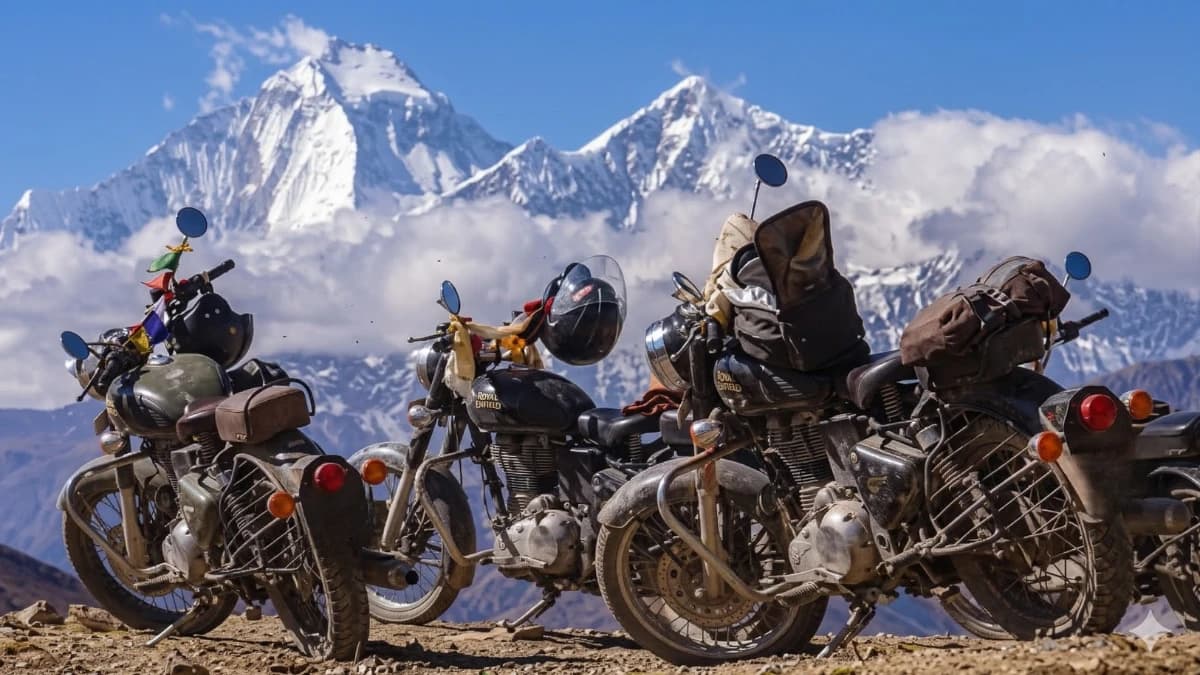
  • Royal Enfield Himalayan 411–450 – perfect for rough trails and long rides
  • Royal Enfield Classic 350 – durable and comfortable for extended journeys
  • Honda CRF 250 – lightweight and agile for narrow or uneven paths

Q. 9. Do I need to bring personal riding gear?

Yes. Riders must bring a helmet, riding jacket, gloves, sturdy boots, and weather-appropriate clothing to ensure both safety and comfort.

Q. 10. Do I need a valid driving license?

Yes. A valid motorcycle license is required for riding in Nepal, ensuring compliance with local regulations and safety.

Q. 11. Is travel insurance required?

Absolutely. Travel insurance is mandatory, especially for high-altitude routes. The policy should cover medical emergencies, accidents, bike damage, and emergency air rescue. Always review the terms for limits or exclusions before your tour.