Kathmandu, Bandipur, Pokhara, Chitwan tour - 8 Days

241 reviews
Kathmandu, Bandipur, Pokhara, Chitwan tour
Quick Overview
Duration7 Days
Trip GradeEasy
CountryNepal
Maximum Altitude1,400m / 4,593ft
Group Size2-20
StartsKathmandu
EndsKathmandu
ActivitiesTour
Best TimeFebruary, March ,April ,June, September, December

Our standard 7-day "Golden Triangle" trip is the best way to start your Nepali journey. This trip is perfectly timed to showcase the amazing variety of Nepal. It will take you from the old temples and busy markets of the city to the peaceful lakes and stunning Himalayan views of Pokhara and then to the wild, untamed jungles of Chitwan. In only one week, you may see the amazing mix of culture, landscape, and wildlife that makes Nepal a place you'll never forget.

Major highlight of the tour

  • Explore majestic UNESCO World Heritage Sites in Kathmandu Valley: Swayambhunath Stupa (monkey temple), Kathmandu Darbar Square, Pashpathunath, and Boddhanath Stupa. 
  • Explore the hidden 18th-century trader town of Bandipur.
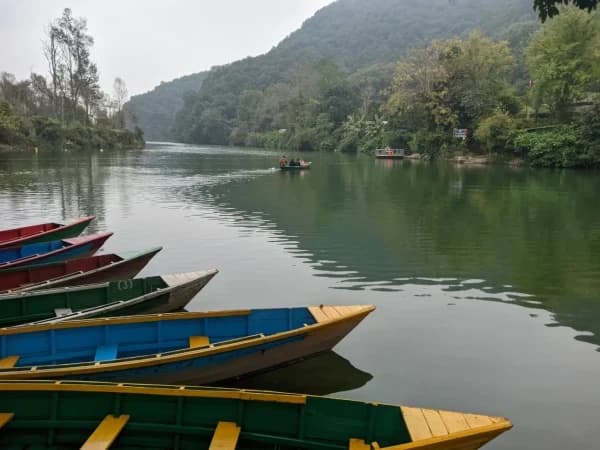
  • Take a boat ride on Phewa Lake and see the Annapurna range from the lake. 
  • Visit different caves and David Falls.
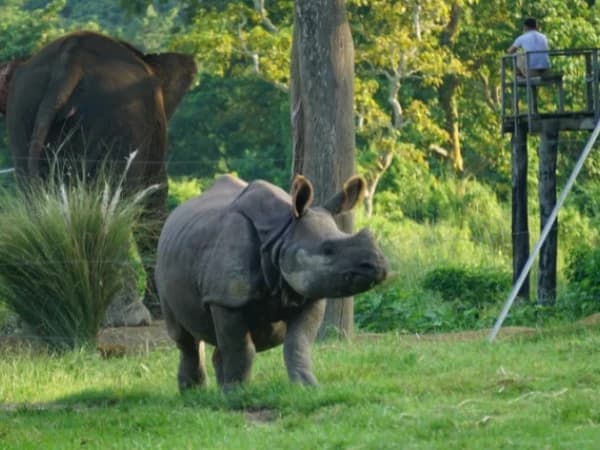
  • Chitwan Jungle Adventure: Take an exhilarating jeep safari through Chitwan National Park, a UNESCO World Heritage Site, to see rhinos, deer, monkeys, and, if you're lucky, the rare Bengal tiger.
  • The Tharu cultural dance with a local cultural practice.
  • Unique Wildlife Encounters: Take a traditional canoe ride, go to an elephant breeding site, and see a cultural performance by the Tharu people. 
  • Scenic Drives and Transfers: Tourist bus transfers are included; you may travel to sites comfortably and see how Nepal's landscapes change.
  • This journey is great for first-time travellers, families, and anybody who wants to see all of Nepal's culture, nature, and wildlife in one easy trip.

Overall Kathmandu, Bandipur, Pokhara, Chitwan tour—7 days 

Take a memorable 8-day trip to Nepal's most famous places. This is a terrific method to learn about the country's incredible diversity. This well-planned "Golden Triangle" journey is for travellers who want to see the real Nepal, from its ancient spiritual centre and stunning mountain views to its wild, untamed forests. In just over a week, you'll travel across a variety of landscapes, from busy cities to peaceful villages by the lake and lush subtropical plains. You'll get a full experience of the natural and cultural assets that make this Himalayan country so special.

The Kathmandu Valley is where your experience begins. Its religious sites are made of wood, stone, and spirituality intertwined into the Nepalese lifestyle. You will walk through the busy streets and see UNESCO World Heritage Sites like the Kathmandu Durbar Square and old Swayambhunath Stupa (Monkey Temple), the peaceful Boudhanath Stupa, and the sacred Pashupatinath Temple, feeling the spiritual energy that fills the air. From Kathmandu, we will take a beautiful journey to Bandipur, which is a quiet and amazing place to visit. Morning goes for the sunrise view above the horizon, where you can see the sunrise over the clouds. From there, a beautiful journey takes you to the beautiful city of Pokhara, which is next to a calm lake and surrounded by the stunning Annapurna mountain range. The pace slows down here, so you can enjoy the tranquil lakefront and the stunning Himalayan sunrises.

The trip takes a big swing as you go down from the Himalayan foothills to the subtropical forests of Chitwan. Chitwan National Park, a UNESCO World Heritage Site, has many different plants and animals because of the change in the topography. Get ready for exciting animal experiences, such as vehicle safaris to find the rare one-horned rhinoceros and calm canoe rides down jungle rivers. Being a part of the local Tharu community adds to the experience. Their traditional dance and hospitality provide you with a fascinating look into a life closely tied to the jungle.

This trip is well designed to provide us with a full and gratifying experience without feeling rushed. It combines comfort and adventure in a way that works well. You can fully enjoy the beauty of Nepal now that all the logistics, lodgings, and skilled guides are taken care of. This all-in-one itinerary is the best choice for first-time travellers and anybody who wants to have a stress-free vacation that shows off the amazing cultural, natural, and untamed spirit of this amazing nation.

Reminder

For a smooth and stress-free start, we recommend arriving in Kathmandu by 4 PM the day before we leave. This gives you enough time for a final gear check, a trip briefing with your guide, and to ensure you have everything you need before heading out on the tour.

Online briefing

This is like our first coffee before the trip, but online! This online meeting is your opportunity to learn about everything that will happen on the trip. We'll talk about everything from what gear to bring to what each day on the route will be like and how it will feel, and we'll answer any questions you have. After you book, we'll send you an email with a couple of times when we can talk. We'll set up our pre-adventure meeting as soon as you submit the papers we need.

Note to Tourist 

Experience the Himalayas on your terms. We create personal, intimate tours for groups of two or more. Whether you select our Budget, Standard, or Luxury package, your adventure will be exclusively for you and your companions, ensuring a comfortable and personal journey from start to finish.

Compare Our Three Packages

  Budget Standard Luxury
Price from USD 650 USD 1,000 USD 2,000
Meals Breakfast only (BB basis) All meals included (B/L/D) All meals + all drinks (except alcohol)
Room Tourist hotel 3-star hotel Luxury hotel
Porter
Guide 1 guide, assistant at 8+ 1 guide per 6, assistant at 6+ 1 per group
Transport Local vehicle Private tourist vehicle Luxury private vehicle
SIM data SIM only Limited data Unlimited data
Best for Budget-conscious travellers Comfortable touring Premium experience

Himalayas for Every Budget — same expert guides, same safety, three comfort levels.

Your Trek, Our Family

Shreejan Simkhada doesn’t just run a trekking company — he comes from three generations of Himalayan expertise. His grandfather arranged expeditions in the 1960s. His father served at the Nepal Tourism Board. Shreejan personally designs every itinerary and hand-picks the guide for your group.

Your guide will be one of our TAAN-certified professionals — qualified mountaineering experts, all with years of Himalayan experience. Shreejan briefs every guide personally before your trek begins.

Need anything? WhatsApp Shreejan directly: +977 9810351300.

Why Travellers Trust Us

Family roots in Nepal's tourism since the 1960s. Our grandfather supported Himalayan expeditions decades before trekking was fashionable. Today, Shreejan and Sam carry that legacy forward — personally checking every hotel, every vehicle, and every guide on your route. We don't outsource. We don't cut corners. We answer the phone at midnight if you need us.

320+ verified reviews. TripAdvisor Travellers' Choice 2024. Our guests come back year after year, and many bring their families.

Transparent pricing with three tiers. Budget, Standard, and Luxury — you see exactly what's included and what isn't before you pay a single rupee. No hidden charges, no surprises at the end.

Solo Travellers Welcome

Most of our trekkers join solo — you will be part of a small group of like-minded adventurers from around the world. Our groups are kept small (2-20 people) so you get a personal experience, not a conveyor belt. Many of our solo travellers tell us the group becomes like a second family by day three.

You also have the option to book the trek privately for yourself. If you choose to make it a public group, we will list your dates as fixed departures on our website so other solo travellers can join you.

Difficulty: Easy (1/5)

A comfortable cultural tour covering Nepal’s golden triangle of Kathmandu, Pokhara, and Chitwan. No trekking experience or special fitness required — the itinerary involves gentle sightseeing, short nature walks, and comfortable vehicle transfers between destinations. Suitable for all ages and fitness levels.

Your Trek Funds Children's Education

A portion of every booking supports the Nagarjun Learning Center, founded by our family in 2019. Today, 70 children receive free education and hot meals daily at our flagship centre in Saldum Village, Dhading District. We have also provided free medical care to 600+ people and reached 275+ women through empowerment programmes. The centre is verified and listed on the UN Partner Portal.

When you trek with us, you are not just climbing mountains — you are building futures. Trek With a Purpose.

What Trekkers Say About This Trek

"Had a wonderful Kathmandu highlights trip. Special appreciation for guide Raushan Chaudhary who was really helpful and kind. Everything was well organised and we felt safe throughout."

— Anoniem, Netherlands (TrustPilot, 5 stars)

"Langtang was exactly what we wanted — beautiful, quiet, and close to Kathmandu. No flights needed which saved money and hassle. The Tamang villages were charming and the valley itself was breathtaking. Shreejan organised everything perfectly."

— Sarah Chen, Australia (TripAdvisor, 5 stars)

"The Gosaikunda trek was short but beautiful. Sacred lakes at 4,380m surrounded by mountains. We did it in 5 days and it was perfect for our schedule. Close to Kathmandu so no internal flights needed. Our guide told us the legends of each lake."

— Amy Wilson, Ireland (TripAdvisor, 5 stars)

"This was my third Nepal visit with guide Shreejan, who is like a brother to me. Our experiences included monasteries, Upper Mustang, Kathmandu sightseeing, jungle safari, and a wedding ceremony. I rate the agency and guide 10 out of 10."

— Angelica Brady, United States (TrustPilot, 5 stars)

"Ruby Valley was recommended by Shreejan when I said I wanted something quiet and cultural. He was absolutely right. No other tourists, beautiful terraced farmland, and the most welcoming village people."

— Sophie Martin, France (TripAdvisor, 5 stars)

Read all 320+ reviews →

Short Itinerary
Day 01: Arrival in Kathmandu
Day 02: sightseeing in Kathmandu
Day 03: Drive from Kathmandu 150 km, 5-7 hours to Bandipur.
Day 04: Sunrise view from Thani Mai Temple in Bandipur and drive to Pokhara, Sightseeing.
Day 05: Morning visit Sarankot and drive 159 km/miles for 5-6 hours to Chitwan, and evening participate in the Tharu cultural dance
Day 06: Jungle safari and sunset view from canoeing in the Rapti River.
Day 07: Drive back to Kathmandu
Day 08: Final departure
Expand
Detailed Itinerary
Day 01:


Meals: Breakfast, Lunch, and DinnerAccommodation: Hotel
Day 02:

Namaste — and welcome to Nepal. The moment you step through the doors of Tribhuvan International Airport, the warmth of this country reaches out to greet you. Our representative will be waiting just beyond customs with a bright marigold garland and a genuine smile, ready to whisk you to your hotel in a private, air-conditioned vehicle.

The drive from the airport to Thamel takes roughly twenty minutes, though it feels like a masterclass in sensory overload. Motorbikes weave between taxis, vendors sell roasted corn from charcoal braziers on the pavement, and the distant sound of temple bells drifts through the open window. Don't worry about absorbing it all at once — you've got a full week ahead for that.

Once you've checked in and freshened up, the evening is yours. We'd suggest a slow wander through Thamel's narrow lanes, where colourful prayer flags crisscross overhead and the smell of freshly ground spices mingles with incense from corner shrines. Pop into one of the rooftop cafes for a pot of masala tea and watch the city glow amber as the sun dips behind the valley rim. If you're feeling adventurous, try your first plate of steaming momos from a street stall, pork or buff, folded into neat little parcels and served with fiery tomato achar. They're best eaten while they're still too hot to hold.

Your guide will join you for a brief orientation over dinner, walking you through the week ahead: temples, mountains, a hidden hilltop town, dense jungle, and a river canoe at sunset. It's a lot to look forward to. For now, let the jet lag soften while Kathmandu hums gently outside your window.

Meals: Breakfast, Lunch, and DinnerAccommodation: HotelDuration: 5-6 hoursDistance: 24km/14.91 mile
Day 03:

After a generous breakfast — think fresh fruit, warm chapatis, and strong Nepali coffee — we set out to explore Kathmandu's spiritual and architectural heart. The first stop is Swayambhunath Stupa, known locally as the Monkey Temple. Perched on a green hilltop above the city, the stupa's golden spire catches the morning light while its painted eyes gaze calmly in four directions. You'll climb 365 stone steps to reach the top, accompanied by langur monkeys lounging on the railings and occasionally inspecting your pockets. At the summit, the valley stretches out below, terracotta rooftops, patchwork fields, and a haze of blue hills on the horizon. Breathe in the juniper smoke drifting from brass incense burners and listen to the soft clatter of prayer wheels spinning in the breeze.

From there, we drive to Kathmandu Durbar Square, a living open-air museum of Malla-era architecture. Intricately carved wooden window frames, pagoda-roofed temples, and stone courtyards tell the stories of kings and craftsmen who built this city centuries ago. Keep your eyes on the Kumari Ghar, if you're fortunate, the Living Goddess may appear briefly at her carved wooden window. The square buzzes with daily life: flower sellers arranging marigolds, pigeons scattering across the flagstones, and the low murmur of locals performing their morning puja.

In the afternoon, we visit Boudhanath Stupa, one of the largest Buddhist stupas in the world. Join the steady stream of pilgrims circling the massive white dome, spinning brass prayer wheels as monks chant in the surrounding monasteries. The rooftop restaurants that ring the stupa are perfect for a cup of butter tea and a quiet moment of observation, watch how the late-afternoon light transforms the whitewash to warm gold.

As dusk settles, we make our way to Pashupatinath Temple, Nepal's holiest Hindu site. Along the banks of the Bagmati River, the evening aarti ceremony fills the air with the glow of oil lamps, the scent of sandalwood, and the rhythmic sound of bells and Sanskrit chanting. Sadhus draped in orange sit quietly on the stone ghats. It's a profoundly moving scene, life, death, and devotion unfolding together in the fading light. We return to the hotel carrying something that photographs can't quite capture.

Meals: Breakfast, Lunch, and DinnerAccommodation: HotelDuration: 4-5 hourDistance: 150 km/ 93mile
Day 04:

This morning, we leave the bustle of Kathmandu behind and head west towards one of Nepal's best-kept secrets. The first couple of hours follow the Prithvi Highway along the Trishuli River — a winding, dramatic route where the road clings to hillsides above churning green water. You'll see rafters navigating rapids below, women washing clothes on riverside boulders, and roadside stalls selling fresh mandarins and roasted soybeans.

At the junction town of Dumre, we turn off the highway and begin the steep, twisting ascent to Bandipur. The road switchbacks sharply through terraced farmland, each hairpin turn revealing a wider panorama of the valley below. By the time you reach the top, the noise of the highway has vanished entirely, replaced by birdsong and the rustle of wind through sal trees.

Bandipur is unlike anywhere else on this tour. A preserved 18th-century Newari trading town, its pedestrian-only main bazaar is lined with traditional brick-and-timber buildings, their carved wooden balconies draped in flowering bougainvillea. There are no honking horns here, no tuk-tuks, no tourist crowds — just the quiet click of your footsteps on old flagstones and the occasional greeting from a shopkeeper sitting in a doorway. The town once thrived as a trading post on the India-Tibet route, and you can still feel that mercantile history in the architecture: wide shop fronts with heavy wooden shutters, ornate brass door knockers, and courtyards where merchants once weighed their goods.

Settle into your hilltop hotel and step onto the terrace. If the clouds cooperate, you'll see the snowcapped peaks of the Annapurna and Manaslu ranges glowing pink above layers of forested ridges. Dinner tonight is a quiet affair, perhaps a plate of local dal bhat with gundruk (fermented leafy greens, a Bandipur speciality) and a cold Gorkha beer, eaten while the stars appear one by one in a sky untouched by city light. Set your alarm early. Tomorrow's sunrise is worth every lost minute of sleep.

Meals: Breakfast, Lunch, and DinnerAccommodation: HotelDuration: 4-5 hourDistance: 140 km/ 86mile
Day 05:

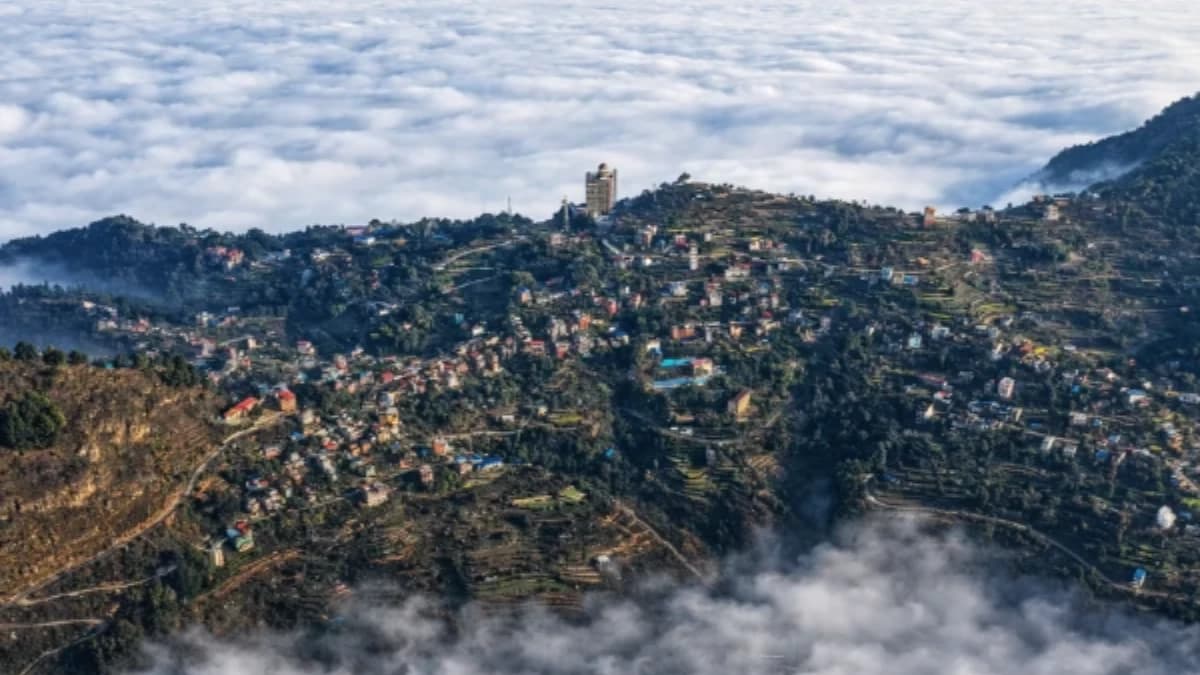
The alarm goes off while the sky is still indigo. Wrap up warm, grab your camera, and follow the trail from Bandipur's bazaar up to Thani Mai Temple — a short, steep climb of about twenty minutes through quiet forest. You'll hear the dawn chorus building around you: bulbuls, barbets, and the sharp whistle of a Himalayan whistling thrush. At the temple clearing, the panorama opens up in every direction. Then the sun crests the eastern ridges, and the Annapurna massif, Manaslu, and Dhaulagiri ignite in sequence — first pale rose, then deep gold, then blazing white against the morning blue. Below, a thick sea of cloud fills the valleys, and Bandipur floats above it like an island. It's one of those views that makes your chest tighten. Take your time here. The mountain light shifts every thirty seconds.

Back in town, a hot breakfast of Newari bara (lentil pancakes) and sweet milk tea restores warmth to cold fingers. We load the vehicle and begin the drive to Pokhara, roughly three to four hours west. The road passes through the lush Marsyangdi river valley, crossing bridges that rattle beneath the tyres and winding past villages where goats graze on roadside banks and children wave from school balconies.

Arriving in Pokhara, the atmosphere shifts immediately. This is Nepal's lakeside playground, greener, warmer, and more relaxed than Kathmandu. After checking in, we head out for an afternoon of exploration. We begin with a peaceful boat ride across Fewa Lake, the still water mirroring the entire Annapurna range in its surface. Brightly painted wooden boats drift past the small island temple of Tal Barahi while kingfishers flash electric blue along the reedy shoreline.

Next, we visit Devi's Falls, where the Pardi Khola river plunges suddenly underground through a narrow gorge, the roar of the water vibrating through the viewing platform beneath your feet. Just across the road, Gupteshwor Cave winds deep underground, its stalactites glistening in the torchlight alongside a small Hindu shrine tucked into the rock face. The day wraps up with a gentle hike to the World Peace Pagoda, whose white dome crowns a forested ridge above the lake. From its terrace, the entire Annapurna range, Machhapuchhre's fishtail summit front and centre, stretches across the northern sky while Pokhara glitters beside the water far below.

Meals: Breakfast, Lunch, and DinnerAccommodation: HotelDuration: 4-5 hourDistance: 159 km/98.798 mile
Day 06:

Another pre-dawn start, and this one rewards you handsomely. We drive up the winding road to Sarangkot, arriving at the viewpoint while the sky is still charcoal grey. Hot chai from a thermos warms your hands as you wait. Then the eastern horizon begins to blush — soft peach first, then amber, then a sudden flare of gold as the sun breaks free and floods the snow-covered wall of the Annapurna range with light. Machhapuchhre's fishtail peak stands so sharp and close in the clear mountain air that you could almost reach out and trace its ridgeline. Dhaulagiri's massive bulk glows to the west. Camera shutters click furiously, but honestly, this is one you'll remember with your eyes, not your lens.

We return to the hotel for a proper breakfast — perhaps tibetan bread with honey and a strong coffee, then load up for the drive south to Chitwan. The landscape transforms dramatically over the next few hours: cool mountain air gives way to humid subtropical warmth, terraced hillsides flatten into the broad, green Terai plains, and the roadside vegetation shifts from pine and rhododendron to banana palms and elephant grass.

Arriving at your jungle resort on the edge of Chitwan National Park, you'll feel the difference immediately. The air is thicker, warmer, alive with the calls of insects and birds. A cool welcome drink, fresh lime and mint, arrives as you settle into your room. Your guide briefs you on tomorrow's safari: what to wear, what to look for, how to stay safe near wildlife.

As the sun drops behind the sal forest canopy, the evening comes alive with the rhythmic thump of madal drums. Tonight, you'll witness the Tharu stick dance, performed by the indigenous people of the Terai. Their movements tell stories of harvests, hunts, and the deep bond between the Tharu people and the jungle that has been their home for generations. The dancers' feet pound the dusty earth in patterns passed down through centuries, their torches flickering against the dark treeline. It's vivid, rhythmic, and genuinely joyful, the perfect way to begin your time in the wild. You'll drift off to sleep tonight to the chorus of frogs and the distant calls of jungle birds settling into the canopy.

Meals: Breakfast, Lunch, and DinnerAccommodation: HotelDuration: 5-6 hourDistance: 15 km / 9 mile
Day 07:

The jungle wakes before you do. Barking deer call from the tree line, a troop of langur monkeys crashes through the canopy overhead, and somewhere in the thick sal forest, a peacock screams its metallic morning cry. Breakfast is early — eggs, toast, fresh juice, and strong tea — because your Chitwan National Park safari begins at first light.

Climbing into a sturdy 4x4 jeep, you head deep into the UNESCO World Heritage Site alongside an experienced naturalist guide. The jeep pushes through tall elephant grass that towers above the vehicle, fording shallow streams and navigating narrow tracks between towering sal trees. Your guide reads the forest like a book: fresh rhino dung means one is close; a pattern of hoof prints in the mud belongs to spotted deer; the alarm call of a langur, sharp and sudden, might mean a leopard or even a Bengal tiger is passing below. Keep your binoculars ready. Greater one-horned rhinoceroses are the park's most commonly spotted megafauna, you'll likely see several, their armoured grey hides glistening as they graze at the edge of marshland clearings. Wild boar root through the undergrowth, marsh mugger crocodiles bask on sandy riverbanks, and if fortune truly favours you, you may catch a glimpse of the park's elusive tigers.

After a packed lunch back at the resort, the afternoon slows to a gentler rhythm. We board a traditional hand-carved dugout canoe and glide onto the Rapti River. The only sounds are the drip of the paddle, the soft slap of water against the hull, and the calls of river birds: white-throated kingfishers perched on overhanging branches, great egrets standing motionless in the shallows, and storks picking their way along the muddy banks. Gharial crocodiles, long-snouted and prehistoric, lie half-submerged on sandbanks, barely distinguishable from driftwood until you're almost alongside them.

As the sun drops towards the horizon, the sky turns from pale gold to deep tangerine, its colours reflected perfectly in the still river surface. The jungle canopy darkens into silhouette on both banks, and a hush falls over the water. It's a moment of extraordinary calm, the kind of stillness that settles into your bones. Back at the resort, dinner is served by candlelight: grilled river fish, fresh seasonal vegetables, and warm roti. Above you, the Terai sky is thick with stars, undimmed by any city glow.

Meals: Breakfast, Lunch, and DinnerAccommodation: HotelDuration: 5-6 hour
Day 08:

There's time for one last quiet morning in Chitwan — a cup of tea on the veranda, listening to the dawn chorus filter through the treeline. After breakfast, we load the vehicle and begin the scenic 5-6 hour drive back to Kathmandu. The journey itself is part of the experience: the road climbs steadily from the Terai's flat, tropical landscape through winding river valleys where terraced rice paddies step up the hillsides in brilliant green layers. You'll pass through small market towns where vendors grill corn over charcoal and schoolchildren in neat uniforms walk the dusty verges.

As the terrain shifts from subtropical lowland to the temperate hills surrounding the Kathmandu Valley, the air cools and the vegetation changes — banana palms give way to pine and rhododendron. The Trishuli River runs alongside the road for long stretches, its turquoise water churning through narrow gorges. There are good spots to stop for a roadside dal bhat lunch at one of the simple restaurants that cater to long-distance travellers, hearty, freshly cooked, and always accompanied by a generous mound of rice and an array of pickles and side dishes.

Arriving in Kathmandu by late afternoon, you'll notice the city hits differently after a week of temples, mountains, hilltop villages, and jungle. The noise and colour that might have overwhelmed you on Day 1 now feels familiar, almost welcoming. Check into your hotel, take a hot shower, and then join your guide and fellow travellers for a special farewell dinner at a traditional Nepali restaurant. This is the evening for sharing favourite moments, the Bandipur sunrise, the rhinos in Chitwan, the fishtail peak at dawn, over plates of Newari feast food: choyla (spiced grilled meat), sel roti (sweet rice doughnuts), and beaten rice with spicy potato salad. It's a warm, relaxed ending to an extraordinary week.

Your guide will confirm your airport transfer time for tomorrow morning and make sure all your logistics are sorted. If you've got energy left, a final stroll through Thamel by night is a lovely way to say goodbye, the lanes glow with fairy lights, live music drifts from restaurant doorways, and the souvenir shops are still open for any last-minute gifts.

Meals: BreakfastAccommodation: Hotel
Couldn't find what you're after?Reach out to our travel experts.
Customize Trip
Availability
Book your own private small group trip
No. of traveler
Price per person
2 - 4 pax
US$649
5 - 8 pax
US$599
9 - 12 pax
US$549
13 - 20 pax
US$499

Discounts are determined exclusively by the size of your group. We do not add additional members to your group.

Book Now
hbl logo
Secure Payment by Himalayan Bank.
Cost Includes

Transportation

  • Airport pick-up and drop-off between Tribhuvan International Airport and your hotel.
  • Transportation from Kathmandu to Bandipur, Pokhara, and Chitwan and back to Kathmandu by local transport.

Accommodation and Food

  • Accommodation in Kathmandu at a tourist-standard hotel with breakfast and dinner.
  • Accommodation in Bandipur at a tourist-standard hotel with breakfast and dinner.
  • Accommodation in Pokhara at a tourist-standard hotel with breakfast (BB basis).
  • Accommodation in Chitwan at a tourist-standard hotel with breakfast (BB basis).

Guide

  • An English-speaking guide is provided throughout the tour.

Permits and Expenses

  • All entrance fees and permits required for sightseeing sites and the jungle safari are included.
  • All government taxes and official expenses.

Medical Assistance

  • First aid kit provided.
  • Emergency rescue coordination if required (funded by the traveller's own travel insurance).

Complimentary

  • The Everest Holiday branded T-shirt and cap before the tour.
  • A farewell dinner at a local restaurant in Kathmandu at the end of the tour, along with a certificate of completion.

Benefits

  • Free excess luggage storage at The Everest Holiday office for the duration of the tour.
  • A SIM card arranged for each traveller upon arrival in Kathmandu, with guidance on budget data packages and top-ups.
Cost Excludes

International Flight

  • International flight costs to and from Nepal.

Nepal Visa

  • Visa fees payable on arrival at Tribhuvan International Airport: USD 30 for a 15-day visa, USD 50 for a 30-day visa, or USD 120 for a 90-day visa. You may also apply in advance through a Nepalese embassy or consulate in your home country.

(Note: Travellers holding a pre-arranged visa enjoy express passage through the immigration queue. Visa fees at TIA Kathmandu must be paid in US dollars.)

Accommodation

  • Accommodation in Kathmandu before and after the tour is included in this package. Please let us know your preferences, budget, and preferred hotel standard during our online meeting so we can arrange it accordingly.

Guide

  • Tips for your guide (recommended).

Other Expenses

  • All drinks, including bottled water, soft drinks, juice, tea, coffee, and alcoholic beverages.
  • Additional costs arising from delays beyond our control, such as landslides, adverse weather, itinerary changes for safety reasons, illness, government policy changes, or strikes.
Essential Information

Customise Your Tour

The itinerary above is a suggested framework — we're happy to adjust it to suit your interests. Want to add a jeep safari extension, white-water rafting on the Trishuli, or an extra night in Bandipur? Just let us know. Reach us by phone, Viber, or WhatsApp at +977-9810351300, or by email at info@theeverestholiday.com.

Food

Three meals a day are included in Kathmandu, Bandipur, Pokhara, and Chitwan. You'll find a good mix of local Nepali dishes, Asian favourites, and Western options at each stop. Meals are freshly prepared, flavourful, and hygienically cooked. Vegetarian and dietary requirements can be accommodated with advance notice.

Visa and Passport

All nationalities except Indian citizens require a visa to enter Nepal. Most travellers can obtain an on-arrival visa at Tribhuvan International Airport. You'll need a passport valid for at least six months, one passport-sized photo, and the visa fee in USD (USD 50 for 30 days). Visit immigration.gov.np for the latest requirements. Citizens of SAARC countries and China may be eligible for free or reduced-fee visas — specific conditions apply. A small number of nationalities are not eligible for on-arrival visas, so please check before you travel.

Changing Money

Nepal's currency is the Nepali Rupee (NPR). At the time of writing, 1 USD is approximately 130 NPR. We recommend exchanging money at licensed exchange counters in Kathmandu rather than banks, as they offer better rates with less paperwork. ATMs are widely available in Kathmandu and dispense up to NPR 35,000 per transaction (Rs 500 fee applies). Please note: only Indian Rupee notes of 100 and 2,000 denomination are accepted in Nepal, and banks will not accept old, torn, or faded foreign notes. Exchange your currency in Kathmandu, as this service may not be available in smaller towns. Budget approximately USD 20-25 per day for personal spending.

Security

Your safety is our highest priority. All our guides are government-licensed, experienced, and trained in first aid. You'll be accompanied by your guide throughout the tour, which adds an extra layer of security, local knowledge, and peace of mind at every stop.

Trip Conclusion

Farewell Dinner

On your final evening in Kathmandu, we'll host a farewell dinner at a local restaurant. It's a relaxed occasion to share stories, swap photos, and give us your feedback. You'll also receive a certificate of completion to mark your journey through Nepal's cultural and natural highlights.

Departure

To arrange your airport transfer, please share your hotel name, room number, and flight departure details with your guide. We'll collect you from your hotel and take you to Tribhuvan International Airport in good time for your flight. We hope this trip stays with you long after you're home — and we'd love to welcome you back to Nepal again.

Tipping

Tipping is customary in Nepal and always appreciated. We recommend a group tip for your guide at the end of the tour. The amount is entirely at your discretion and may reflect the quality of service, the length of the trip, and your overall experience.

FAQs

Q1. What is the best part of this 7-day trip? 
This is Nepal's "Golden Triangle" trip, which is meant to provide you with a lot of different experiences in a short amount of time. Some of the best parts are: Kathmandu: The capital valley has old temples, palaces, and a lively culture. Pokhara: Beautiful vistas of the Annapurna range, quiet lakes, and a calm environment. Chitwan: Go on a jungle safari in Chitwan National Park to view rhinos, elephants, crocodiles, and, if you're lucky, the Royal Bengal Tiger.

Q2. How fast is this 7-day tour?
The speed is quick. You will be going to three different areas that are far apart from each other (via plane or tourist bus). It's a full schedule that will let you see the finest of each place quickly. There is less "free time" than there would be on a separate excursion or stay.

Q3. Is this trip good for families with kids or older people?
Yes, but with thought. There is no hard hiking to do. But the quick pace, long bus rides, and chance of heat in Chitwan may be hard on people. For convenience and to save time, it's best to take domestic flights between cities (Kathmandu-Pokhara and Pokhara-Chitwan).

Q4. When is the ideal time to go on this tour?
The finest times of year are

  • Autumn (October to November): The weather in Pokhara is perfect, with bright skies, nice temperatures, and great views of the mountains. This is the busiest time of year.
  • Spring (March to April): The weather is warm, and the rhododendrons blossom beautifully in the hills. The views are wonderful, but not necessarily as clear as they are in the fall.
  • Winter (December to February): The days are nice, but the mornings and nights in Kathmandu and Pokhara may be cold. The views of the mountains are still wonderful. During the day, Chitwan is really nice.
  • Monsoon (June to September): Not a good time. Heavy rain can make it hard to fly, drive, or see anything outside. You can't always see the mountains in Pokhara.

Q1. How will we get from one city to another? 
Most tour packages include a mix of 

  • By tourist bus: This is the most usual and cheapest way to go by road. Buses are pleasant and have air conditioning, although the trips are long (6–7 hours from Kathmandu to Pokhara).
  • By Domestic Flight: The best way to improve a 8-day tour. Flights between Kathmandu and Pokhara (25 minutes) and between Pokhara and Chitwan (or to and from Bharatpur) save a lot of time and give amazing views of the Himalayas. This costs more.

Q2. What kind of place to stay can we expect?
You will usually stay in hotels with three stars and share a room with another person. There are different places to stay in each city:

  • Kathmandu: City hotels, usually in the Thamel neighborhood, are easy to access for shopping and eating.
  • Pokhara: Hotels by the lake with great views and a calm atmosphere.
  • Chitwan: Jungle lodges or resorts, which are an experience in themselves, are generally on the edges of the national park.

Q3. What does a typical tour package include?
A normal all-inclusive plan usually includes:
All housing (7 nights).

  • All meals are included in the program, which usually includes breakfast in towns and full board in Chitwan.
  • All private car transportation for sightseeing and picking up and dropping off at the airport or bus station.
  • A certified, professional tour guide who speaks English.
  • All costs for getting into national parks and monuments.
  • In Chitwan, you may go on a jungle safari, ride in a jeep or a canoe, go on a nature walk, or see a traditional display.

Q4. What is usually NOT included?
Things that are usually not covered include:

  • Flights to other countries.
  • Fee for a Nepal visa.
  • Flights within the country (typically given as an extra).
  • Travel insurance.
  • In Kathmandu and Pokhara, lunch and supper are provided (just breakfast is normally included).
  • Personal costs include beverages, tips, washing, and so forth.

Q1. What should I bring on this trip?
You need to pack for three separate places:

  • Kathmandu: Casual clothes, comfy shoes for strolling, and a scarf or shawl to protect your shoulders in temples.
  • Pokhara: Wear clothes that are light and comfy. A light jacket for the nights. Shoes that are good for walking.
  • Chitwan: For the forest, wear light, breathable clothes in neutral colors like beige, green, and brown. A cap, shorts, a T-shirt, and heavy sunscreen. Don't wear bright colors when you're on safari.

Q2. Are there any specific shots I need?
There are no legal requirements for immunizations to enter; however, it is strongly advised that you get your normal vaccinations and consider getting shots for Hepatitis A, Typhoid, and Tetanus. A course of anti-malarial medication is generally recommended for Chitwan. Please talk to your doctor well before you leave. 

Q3. What about cash and visas?

  • Visa: Most people from other countries may get a visa when they arrive at Tribhuvan International Airport in Kathmandu. Bring a photo the size of a passport and cash (USD is preferable) for the charge.
  • Money: The Nepalese Rupee (NPR) is the money used in Nepal. You can use credit cards at bigger hotels and restaurants, but you should always have enough cash on hand for small purchases, tips, and meals that aren't included in your package. There are many ATMs in Kathmandu and Pokhara.