Ghorepani Poon Hill Yoga Trek - 9 Days

Quick Overview
Duration9 Days
Trip GradeModerate
CountryNepal
Maximum Altitude3210 m / 10,531 ft
Group Size2 -20
StartsKathmandu
EndsKathmandu
ActivitiesYoga and Trekking
Best TimeSpring (March to June ) and Autumn (September to November)

Highlight

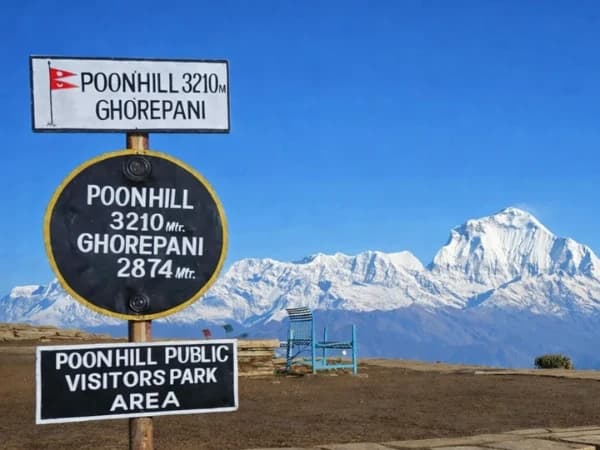
  • Witness a spectacular sunrise over the Annapurna and Dhaulagiri ranges from the famous Poon Hill viewpoint (3,210 meters / 10,531 feet).

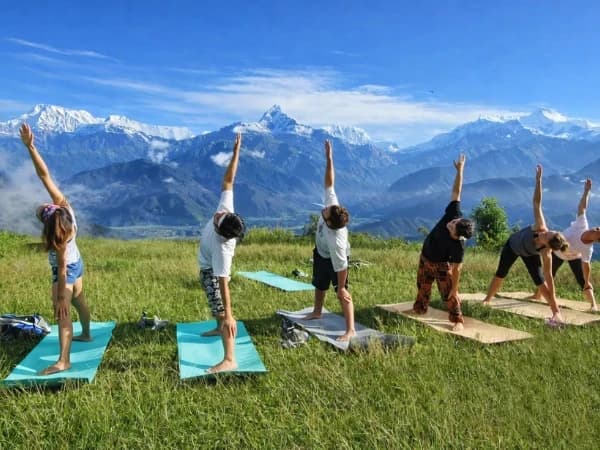
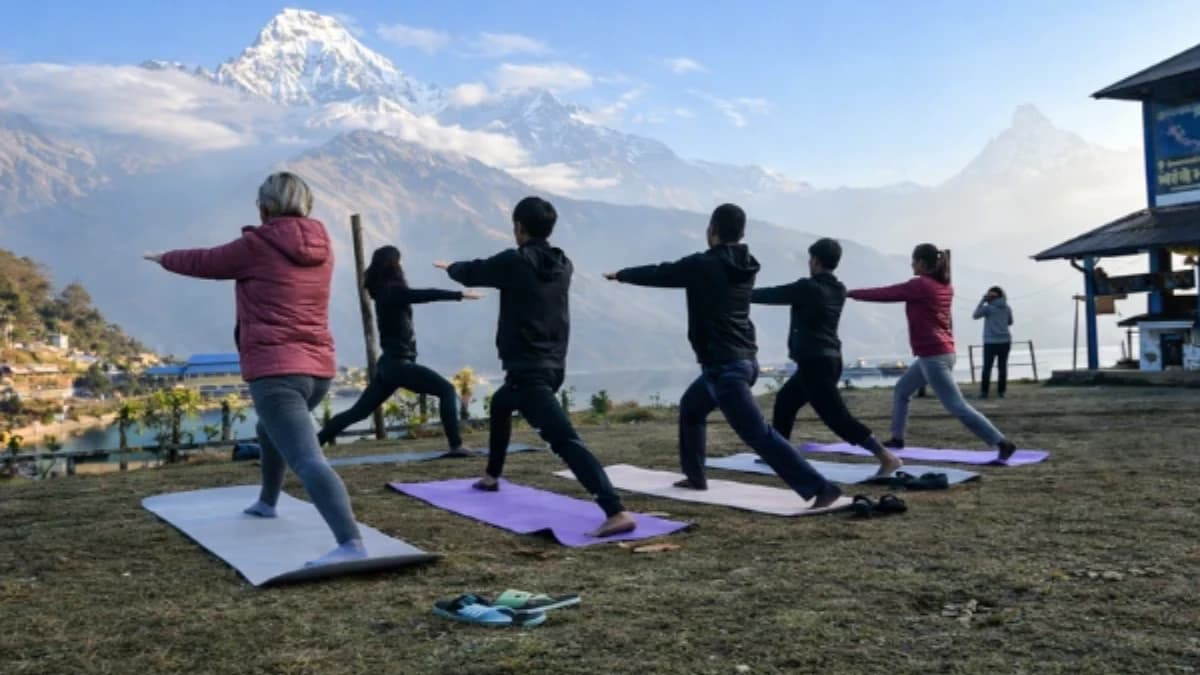
  • Enjoy guided yoga sessions in serene natural settings designed to enhance flexibility, strength, and inner peace.

  • Behold breathtaking vistas of Annapurna I (8,091m / 26,545ft), Dhaulagiri (8,167m / 26,795ft), Machhapuchhre (6,993m / 22,943ft), and other majestic peaks.

  • Walk through traditional Gurung and Magar villages, connecting with local hospitality and culture.

  • Experience a unique blend of moderate trekking and restorative yoga, suitable for most fitness levels.

  • Enjoy iconic scenery and culture without the demands of extreme high-altitude trekking.

  • Experience authentic Nepali hospitality with overnight stays in cozy, family-run lodges.

Overview of Ghorepani Poon Hill Yoga Trek

Experience the perfect blend of adventure and serenity on the 9-Day Ghorepani Poon Hill Yoga Trek. This unique journey combines the thrill of trekking in Nepal's Annapurna region with daily rejuvenating yoga practice, offering breathtaking mountain views and a path to inner peace.

Your adventure begins in the lively capital of Kathmandu, where you can explore ancient temples and rich culture. From there, a scenic drive takes you to the beautiful lakeside city of Pokhara the gateway to the Himalayas.

The trail leads you through charming villages like Tadapani, Ghandruk, and Ghorepani, where you’ll stay in cozy mountain lodges with stunning views of the Annapurna range. The trek’s highlight is the early morning hike to Poon Hill (3,210 m / 10,531 ft) for sunrise. From the top, watch the golden light spread across a panoramic sea of peaks, including Annapurna I (8,091 m / 26,545 ft), Dhaulagiri (8,167 m / 26,795 ft), and the iconic Machhapuchhre (6,993 m / 22,943 ft).

Each day includes guided yoga sessions in peaceful natural settings, helping you relax, build strength, and connect deeply with the mountain environment. After your descent, return to Pokhara and Kathmandu with unforgettable memories, beautiful photos, and a lasting sense of peace and accomplishment.

More than just a trek, this is a holistic journey for mind and body a perfect mix of adventure, wellness, and cultural discovery in Nepal’s majestic Himalayas.

Short Itinerary
Day 01: Arrival in Kathmandu
Day 02: Drive from Kathamndu to Pokhara
Day 03: Drive from Pokhara to Nayapul and trek to Tikhedhunga
Day 04: Trek start from Tikhedhunga to Ghorepani
Day 05: Trek start from Ghorepani to Tadapani
Day 06: Trek starts from Tadapani to Ghandruk
Day 07: Trek start from Ghandruk to Pokhara
Day 08: Drive from Pokhara to Kathmandu
Day 09: Final Departure
Expand
Detailed Itinerary
Day 01:

When you arrive at Tribhuvan International Airport, our representative will be there to greet you. They will welcome you with a traditional marigold garland and Khada while holding a sign with your name. After the warm welcome, you will be transferred to your hotel in a private car. After having some rest you will having a sound meditation session for 45 min which helps to come down your mind and to ride you out from all stress from travel.

(Note: after you aarive, there will be a briefing about the tour and we are checking all the equipment for the tour. If anything equipment are not available then we can provided or rent here. During the tour we will explain about the program and briefing time.)

Day 02:

After an early morning yoga and meditation session, your guide will meet you and scenic drive to Pokhara. The journey follows the Kathmandu–Pokhara Highway, passing through rolling countryside, rivers, waterfalls, rural villages, and winding roads, with distant views of the Himalayan peaks along the way.

Upon arrival at the Pokhara, a hotel representative will welcome you and transfer you to your hotel. After time to freshen up, your guide will take you on a relaxed walking tour around the beautiful Phewa Lake. The Lakeside area offers a blend of modern lifestyle while preserving local culture and heritage. After exploring Pokhara, you will return to your hotel for an overnight stay, followed by an evening session of yoga, meditation, and yogic breathing to end the day peacefully.

(note : you can also fly to Pokhara on a flight of around 35 min.)

Day 03:

Early in the morning, the day begins with a peaceful yoga and meditation session as part of the yoga trekking program. After breakfast, the journey continues with a scenic drive from Pokhara to Nayapul, the starting point of the trek. The drive takes approximately two hours and covers around 45 kilometers on a well-maintained road, accompanied by your experienced guide and porters. Along the way, you pass through charming villages such as Naudanda, Kanre, and Lumle, enjoying beautiful countryside views before reaching the small settlement of Nayapul.

From Nayapul, the trekking adventure begins in the warm subtropical region, with Tikhedhunga as the destination for the day. The trail follows the Modi River upstream to Birethanti, a village located at the confluence of the Modi and Bhurungdi rivers. Continuing along the eastern bank of the Bhurungdi Khola, the route passes waterfalls, lush green forests, and traditional stone staircases. Moss-covered trees and forests filled with colorful rhododendrons add to the natural beauty along the way. Lunch is served at a local teahouse during the trek before reaching Tikhedhunga. You will have your first yoga, meditation, and yogic breathing practice in the trekking area in the evening. After that, you will spend the night at a teahouse in Tikhedhunga.

Day 04:

After breakfast at your lodge, the day begins with another refreshing session of yoga, yogic breathing, and meditation before starting the trek toward Ghorepani, a historic resting point once used by traders and their horses. The trail begins with a steep ascent along a stone-paved staircase, leading to the village of Ulleri after a few hours of walking, with regular breaks along the way.

Ulleri is well known for its impressive views of the Annapurna range, Machhapuchhre, and Hiuchuli, as well as its lush hills and surrounding valleys. Beyond Ulleri, the trail becomes more gradual, winding through cool pine and rhododendron forests with gentle ups and downs. After passing through the villages of Banthanti and Nangethanti, the trek continues to Ghorepani, a village predominantly inhabited by the Magar community. Ghorepani offers outstanding views of the Annapurna and Dhaulagiri ranges along with several neighboring peaks, and it is also recognized for its well-preserved Magar culture. In the evening, a final yoga and meditation session helps you unwind after a rewarding day of trekking. Overnight stay at a teahouse in Ghorepani.

Day 05:

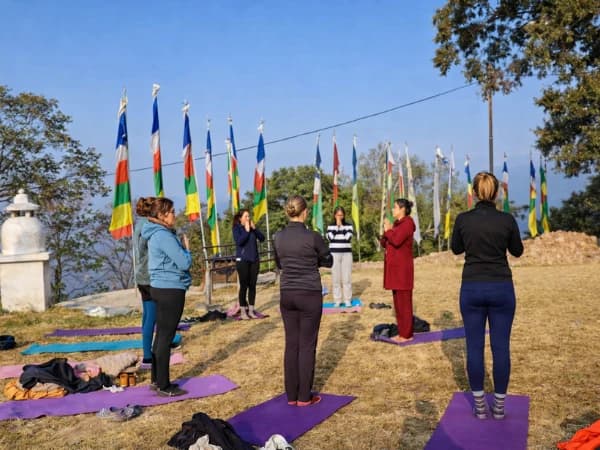
Before dawn, trekkers depart from the scenic village of Ghorepani after a short yoga and meditation session, setting out with headlamps and backpacks to witness one of the most memorable sunrises of the trek. A steady uphill walk of approximately 45 minutes leads to Poon Hill, where the first light of day reveals a breathtaking Himalayan panorama. Named after the Poon ethnic group, the traditional inhabitants of the Ghorepani area, Poon Hill offers sweeping sunrise views of the Dhaulagiri and Annapurna ranges to the west, along with the iconic peak of Machhapuchhre. To the east, the view extends across Manaslu and the Ganesh Himal range.

After enjoying the spectacular mountain scenery, the trail returns to Ghorepani for breakfast. The trek then continues toward Tadapani, passing through dense forests of pine, bamboo, and rhododendron. The route includes gentle ascents and descents, lush vegetation, and occasional mountain views along the way. Lunch is served at a teahouse en route. In the evening, the day concludes with another relaxing session of yoga, meditation, and yogic breathing, followed by an overnight stay at a teahouse in Tadapani.

Day 06:

The day begins with a refreshing session of yoga, meditation, and yogic breathing before starting the trek from Tadapani toward the traditional Gurung village of Ghandruk. The trail passes through one of the world’s largest rhododendron forests, following a gentle path for about an hour to reach Bhasi Kharka, a seasonal settlement used by local herders during the summer months. From here, the route descends toward Ghandruk, offering occasional views of the Annapurna range and the iconic Machhapuchhre (Fishtail) peak. Along the way, the trail crosses forest streams and small creeks, where white-faced monkeys are often seen moving through the trees.

Ghandruk, often referred to by trekkers as the “Switzerland of Nepal,” is a semi-modern village and a key gateway to the Annapurna Sanctuary. One of the largest settlements along the Annapurna trekking route, Ghandruk is renowned for its well-preserved Gurung culture, traditional stone houses, small local market, and panoramic Himalayan views. Stone stairways wind through the village, connecting homes and market areas and adding to its unique charm. Arriving in Ghandruk by lunchtime allows plenty of time to explore the village and experience Gurung traditions. The day ends with another calming yoga and meditation session, followed by an overnight stay in Ghandruk.

Day 07:

The Annapurna Trek concludes as we descend from Ghandruk and make our way back to Pokhara. After spending memorable days exploring Ghandruk, the trail leads downhill along a stone-paved path to Nayapul, the official starting and ending point of the trek. The trek to Nayapul takes approximately five hours, passing through small villages, terraced fields, and picturesque countryside. Along the route, trekkers enjoy stunning views of the Himalayas, cascading waterfalls, and flowing rivers, while also having opportunities to meet local villagers and observe horses and mules carrying goods. Shaded resting spots under large trees provide a relaxing break during the final day on the trail.

Upon reaching Nayapul, also known as New Bridge, we transfer by private vehicle back to Pokhara, arriving in the lakeside city after a couple of hours. This day includes both morning and evening sessions of yoga and meditation, allowing trekkers to relax and rejuvenate. Overnight stay is at a hotel in Pokhara, completing the unforgettable Annapurna trekking experience.

Day 08:

After an unforgettable experience in the Nepal Himalayas and a short rest in Pokhara, today’s journey includes a scenic drive back to Kathmandu through picturesque countryside that captivates every traveler. The day begins with breakfast and a brief yoga and meditation session before you are picked up from your hotel and transferred to the bus station at the scheduled time. Upon arrival in Kathmandu, our office representative will greet you and escort you to your hotel. After enjoying activities in the city during the day, the evening concludes with another rejuvenating session of yoga, meditation, and yogic breathing. Overnight stay is at a hotel in Kathmandu, completing a memorable Himalayan adventure.

(Note: You can fly to Kathmandu which takes 35 min)

Day 09:

The trek officially concludes today. After breakfast, you will be transferred to Kathmandu’s international airport at least three hours before your flight for your onward journey. A final session of yoga, meditation, and yogic breathing will be held in the morning before your departure. We hope that Nepal’s rich cultural diversity, stunning natural landscapes, abundant wildlife, vibrant flora and fauna, and remarkable architectural heritage have created lasting memories, inspiring you to return for another unforgettable adventure in this enchanting country.

Couldn't find what you're after?Reach out to our travel experts.
Customize Trip
Availability
Book your own private small group trip
No. of traveler
Price per person
2 - 4 pax
US$499
5 - 8 pax
US$449
9 - 12 pax
US$399
13 - 20 pax
US$199

Discounts are determined exclusively by the size of your group. We do not add additional members to your group.

Book Now
Cost Includes

Transportation

  • Airport Pickup and drop-off from Tribhuvan International Airport to the hotel of your choice by taxi or local Jeep transfer.

Accommodation and food

  • During the tour, Food or drinks are not included. 
  • You will stay at a Hotel in a shared room during the tour.

Permits and Expenses

  • Annapurna Conservation Area Project (ACAP)

  • Trekker Information Management System (TIMS)

Experienced Guide

  • A professional, friendly, and experienced yoga guide will be with you throughout the trip, ensuring your safety and providing valuable insights into the regions you visit.

Medical assistances

  • All riders are provided with first aid kits, including an oximeter to monitor blood oxygen levels at higher altitudes.

  • In case of any medical emergency, rescue operations can be arranged promptly, supported by the traveler’s own insurance coverage.

Complementary

  • Company's T-shirt and Cap before the trek.
  • At the end of your trip, you'll have a farewell meal at a restaurant in the area. At the farewell dinner after the Ghorepani Poon Hill Yoga Trek – 9 Days, we will give you a certificate of achievement.

Benefits

  • The Everest Holiday store offers free excess luggage storage for the duration of the trek.
  • We will arrange a SIM Card for trekker upon arrival in Kathmandu.
Cost Excludes

International Flight

  • International flight cost.

Nepali Visa

  • At Tribhuvan International Airport, you can pay the following fees upon arrival: $30 for a 15-day visa, $50 for a 30-day visa, and $120 for a 90-day visa. Alternatively, you can apply for and receive a Nepal visa from the Nepalese embassy or consulate in your country.

Insurances

  • Medical insurance are not included in the trek and must be arranged by the trekkers.

Other expenses

  • A backup jeep is not included in the budget package and will incur an additional cost if required. For groups of more than 8 participants, a support van is provided to ensure extra comfort and assistance throughout the journey.
  • All non-alcoholic drinks like bottled water, hot water, soft drinks, juice, tea, coffee and alcoholic drinks are not included, etc.
  • Additional costs due to delays caused by circumstances out of our control, like landslides, unfavourable weather, itinerary modification due to safety concerns, illness, changes in government policies, strikes, etc.

Equipment Lists

Packing the right equioment is a key part of your trek. The list below will help you prepare for the different weather and conditions youu'll find in the Annapurna region, so you can travel safely and in comfort. 

  • Sun Protection: A sun hat or cap. (Note: We provide a complimentary trekking cap.)

  • Warm Headwear: A warm woolen hat or beanie for cold conditions.

  • Neck Protection: A scarf or neck buff is highly recommended to protect against wind and cold.

  • Lighting: A headlamp or flashlight for nighttime use.

  • Eye Protection: Polarized sunglasses for UV and glare protection.

  • Insulating Gloves: Woolen or fleece gloves for warmth in the teahouses and during cooler mornings/evenings.

  • Protective Outer Gloves: Hard-shell, windproof (and ideally waterproof) gloves to wear over your insulating gloves for protection during windy or harsh conditions on the trail.

  • Marino Wool or comfortable, warm socks

  • Hiking socks

  • Liner socks

  • Trekking/hiking boots (waterproof recommended)

  • Crampons (For passes)

  • Casual shoes or sandals that are comfortable for the time in the tea house

  • Gaiters (lightweight for rain and snow)

  • Technical fabric base layer thermals are light for warmer months, heavy for colder months

  • Technical fabric t-shirts and sleeve sweaters or high-necks

  • Waterproof rain jacket

  • windproof jacket for the walk as it gets windy

  • Fleece jacket or down jacket

  • Thermals inner

  • Hiking pants at least 3

  • Comfortable pants for teahouses

  • Waterproof, windproof shell

  • Hiking shorts

  • Passport

  • Extra copies of passport-sized photos

  • Reusable water bottle

  • Toilet paper, small soap, and shampoo

  • Water purification tablets or UV water purifier (if you plan to treat water)

  • Water bladder for the day bag

  • Small towel for personal use

  • Pillowcase in case of allergies to new pillows

  • High-protein snacks (such as mountain bars or nuts)

  • Waterproof/dry bags for carrying essential documents, stuff, frequently used items, and money

  • Power bank or extra batteries

  • Cameras and mobile phone

  • Cards/book

  • Pee bottle/ pee funnel for women

  • Trekking poles

  • Whistle in case your voice is not loud enough to stop or start

  • Thermos for hot water during the nighttime

  • Sunscreen SPF- 50+

  • Lip balm or Vaseline

  • Ointment cream

  • Cough Syrup and strepsils (recommended for Khumbu Cough)

  • Creams and medicines (for any allergies or diseases)

  • Sleeping bags (suitable for -20°C / -4°F temperatures.)

  •  A warm puffy or down jacket for high altitudes.

  • Daypack (25-30 liter capacity) must include a rain cover.

Essential Information

Arrival, Welcome, and Tour Start

When you arrive at Tribhuvan International Airport in Kathmandu, our representative will welcome you and assist with your transfer to the hotel. After checking in, you can rest and recover from your journey or take some time to explore the nearby streets of Kathmandu at your own pace.

In the evening or the following morning, you will meet your trekking and yoga guide for a short briefing about the Ghorepani Poon Hill Yoga Trek. This session will cover the trekking route, daily yoga and meditation schedule, and important details to help you prepare for the days ahead.

Before starting the trek, you will have time to relax, adjust to the local environment, and enjoy a gentle yoga or breathing session to set a calm and focused tone for the journey. The next day, after breakfast, your Ghorepani Poon Hill Yoga Trek begins, leading you toward the peaceful trails, traditional villages, and Himalayan views of the Annapurna region.

Accommodation 

Accommodation on the Ghorepani Poon Hill Trek is provided mainly by teahouses and small hotels located along the route. These traditional, family-run lodges offer basic yet comfortable lodging and meals, making them the perfect choice for trekkers exploring the Annapurna region.

Teahouses are the most common type of accommodation on this trek. Rooms are simple and typically come with twin or single beds, clean bedding, and blankets. Bathrooms are generally shared, with cold water as the standard. Hot showers are available at some locations for an additional fee. Most teahouses feature a common dining area where trekkers can enjoy meals and relax after a day of walking.

In larger villages such as Ghorepani and Ulleri, you may find small hotels and lodges that offer a higher level of comfort than standard teahouses. These establishments often provide amenities like hot water, electricity, charging points, and Wi-Fi, though availability may vary depending on altitude and weather conditions.

Overall, teahouse accommodation on the Ghorepani Poon Hill Trek provides a comfortable and authentic trekking experience, allowing visitors to enjoy warm local hospitality while hiking one of Nepal’s most popular short trails.

Why Choose the 9-Day Ghorepani Poon Hill Yoga Trek?

The 9-Day Ghorepani Poon Hill Yoga Trek is more than just a walk in the mountains — it’s a balanced journey for body and mind. Carefully designed for those seeking both adventure and wellness, it is a shorter yet complete version of the classic trek that doesn't compromise on experience. Here are a few of the many reasons to choose this journey:

  • Breathtaking Mountain Views: This trek offers spectacular, up-close views of the Annapurna and Dhaulagiri ranges. Witness giants like Annapurna I (8,091 m), Dhaulagiri (8,167 m), and the distinct peak of Machhapuchhre (6,993 m).

  • Daily Yoga & Mindfulness: Start each day with guided yoga sessions in nature. These practices help you center your mind, enhance flexibility, and build strength, enriching your trek with deep personal well-being.

  • Rich Cultural Connection: Walk through traditional Gurung and Magar villages and immerse yourself in the authentic culture and warm hospitality of Nepal’s mountain communities.

  • An Accessible Himalayan Adventure: Experience the thrill of Himalayan trekking on a well-paced, manageable route that combines natural beauty with a rewarding physical challenge.

  • A Powerful Sense of Achievement: Reaching the summit of Poon Hill for sunrise delivers not only unforgettable panoramic views but also a profound feeling of personal accomplishment.

Get Ready for Your 9-Day Ghorepani Poon Hill Yoga Trek

A bit of preparation goes a long way in making your Himalayan yoga trek safe, enjoyable, and truly unforgettable. Here’s how to get ready for your 9-day adventure.

Get in Trekking Shape

While this is a moderate trek, being physically prepared will help you enjoy every step. Start training at least 6 weeks before you leave.

  • Build Your Stamina: Go for regular walks or hikes, gradually increasing your distance. Aim for at least 30 minutes of brisk walking most days.

  • Add Some Strength: Include simple strength exercises like squats and lunges to build leg strength for those uphill and downhill sections.

  • Practice with a Pack: Do a few training walks wearing the daypack you plan to bring, just to get used to the feel.

Start Your Yoga Practice

No prior experience is needed, but coming with some familiarity will deepen your experience.

  • Get Comfortable: Try a few beginner yoga classes or follow online videos to learn basic poses and breathing techniques.

  • Make it a Habit: Practicing regularly before you go will help your body feel more flexible and ready for our daily mountain sessions.

Pack Smart – The Essentials

Packing the right gear is key to comfort on the trail. Don’t forget these basics:

  • Solid Footwear: Well broken-in, waterproof hiking boots are your most important item.

  • Layered Clothing: Pack for all conditions – moisture-wicking base layers, insulating mid-layers (like a fleece), and a waterproof/windproof outer shell.

  • Sun & Rain Protection: Sunscreen, a hat, sunglasses, and reliable rain gear are must-haves.

  • Other Key Items: A reusable water bottle, a headlamp, basic personal toiletries, a small first-aid kit, and any personal medications.

  • For Yoga: Bring your own travel yoga mat if you have one (we can assist if needed).

  • Keep Documents Safe: Carry your passport, extra passport photos, and insurance details in a waterproof bag.

Take Care of the Practical Details

  • Travel Insurance: This is essential. Ensure your policy covers trekking up to 4,000 meters and includes emergency medical evacuation.

  • Health Check & Vaccinations: Visit your doctor for a check-up and discuss your travel plans. Ask about recommended vaccinations and any personal health considerations.

  • Permits & Paperwork: Don’t worry—we handle all the necessary trekking permits (like TIMS and Annapurna Conservation Area Permit) for you once your booking is confirmed.

Prepare Your Mindset

A positive attitude is your best gear. Be ready to embrace simple teahouse living, changing weather, and the incredible sense of community on the trail. Focus on the journey, the views, and the peace you’ll find.

By following these steps, you’ll arrive feeling confident and ready to fully embrace the magic of the mountains and the mindfulness of yoga. We’re here to help with any questions as you prepare

Local Culture on Ghorapani Poonhill Tour during trek

Your trek to Poon Hill is more than a hike it's a journey through vibrant, living culture. The trail winds through the heart of the Himalayas, where ancient traditions are woven into the rhythm of daily life. Here, you’ll discover the warmth of the Gurung and Magar communities and walk through a landscape rich in faith and tradition.

Walk Through Traditional Mountain Villages

The trail connects charming villages like Tikhedhunga, Ulleri, Ghorepani, and Ghandruk, where you'll see:

  • Stone and wood homes built into the hillsides.

  • Narrow stone-paved pathways winding between terraced fields.

  • A rural way of life shaped by farming, family, and the surrounding mountains.

These villages offer a window into a world where time moves at a different pace, and the mountains are both home and protector.

A Tapestry of Faith and Practice

Along the trail, you’ll feel the gentle presence of both Buddhism and Hinduism, blending with local beliefs:

  • Prayer flags carry blessings on the wind.

  • Mani stones and prayer wheels invite quiet reflection.

  • Small temples and stupas, such as the one at Poon Hill, provide quiet spaces to pause and reflect.

The air itself seems to hum with calm and reverence, inviting you to slow down and take it all in.

Celebrations, Music, and Warm Welcomes

The people of these mountains are known for their joyous spirit. If your timing is right, you might:

  • Hear the beat of a Madal drum or the tune of a local folk song.

  • Witness a traditional dance or even be invited to join.

  • Take part in a local festival where vibrant colors, music, and community spirit fill the air.

It’s in these moments that you truly feel the heart of the Himalayas beating strong.

Traveling with Heart and Respect

To connect respectfully with the local culture, here are a few simple tips:

  • Always ask before taking a photo of someone—a smile and a gesture go a long way.

  • Dress modestly, covering shoulders and knees, especially in villages and around sacred places.

  • Follow local customs, like walking clockwise around stupas or removing shoes before entering a temple or home.

  • Show appreciation. A sincere “Dhanyabad” (thank you) or a kind smile is always welcome. Tipping your guides and porters, while not required, is a meaningful way to show gratitude for their hard work.

  • Be present and respectful. Listen more than you speak, and let the local way of life guide your experience.

The Best Time for Your Ghorepani Poon Hill Yoga Trek

Planning when to go? The weather in the Himalayas changes with the seasons, and each time of year offers its own special magic. Here’s a simple, friendly guide to help you choose the perfect time for your yoga trek adventure.

Spring (March to May)

This is many trekkers' favorite season. The days are warm and sunny, the skies are clear, and the hillsides burst with colorful wildflowers, especially rhododendrons. It’s the perfect time for clear mountain photos and comfortable walking.

  • Weather: Mild and pleasant. Daytime temperatures are comfortable (around 10–20°C / 50–68°F), though mornings and evenings can be cool.
  • Trails: Dry and in great condition.
  • Special Bonus: Stunning views of the Annapurna and Dhaulagiri ranges, framed by blooming flowers.

Autumn (September to November)

Right after the monsoon rains, autumn brings crystal-clear skies and fresh air. This is the most popular trekking season, famous for its reliable weather and incredible mountain visibility.

  • Weather: Stable, sunny days and cool, crisp nights. Temperatures are similar to spring but can feel cooler as winter approaches.

  • Trails: Dry and clear, with excellent visibility.

  • Special Bonus: The chance to see festive celebrations like Dashain and Tihar and enjoy vibrant local culture.

Summer/Monsoon (June to August)

If you don't mind some rain and love lush landscapes, the monsoon season has its own beauty. The valleys are incredibly green, and you’ll find the trails much quieter.

  • Weather: Warm and humid, with frequent afternoon showers. Mornings are often clear. Temperatures range from 15–25°C (59–77°F).

  • Trails: Can be muddy, slippery, and sometimes affected by leeches. Good waterproof gear is essential.

  • Special Bonus: Spectacular greenery, fewer crowds, and lower prices on the trail.

Winter (December to February)

For those who love the cold and want to see the mountains under a blanket of snow, winter is a serene and beautiful time. Be prepared for chilly temperatures, especially at night.

  • Weather: Cold and dry, with the possibility of snow at higher elevations like Poon Hill. Days can be sunny and pleasant (5–15°C / 41–59°F), but nights can drop below freezing.

  • Trails: Generally clear at lower elevations, but can be icy and snowy higher up. Trekking poles and warm layers are a must.

  • Special Bonus: Absolutely breathtaking, snow-capped mountain views and a very peaceful trekking experience.

FAQs

Q.1. Is the Ghorepani Poon Hill Yoga Trek beginner-friendly?

Yes, the Ghorepani Poon Hill Yoga Trek is ideal for beginners. The trekking trails are well maintained, daily walking distances are moderate, and altitude gain is gradual. This makes the trek a great introduction to Himalayan trekking, especially for travelers who want to combine light adventure with yoga, meditation, and mindfulness in nature.

Q.2. What is the highest elevation reached during the trek?

The highest point of the Ghorepani Poon Hill Yoga Trek is Poon Hill, which stands at 3,210 meters above sea level. This elevation offers panoramic sunrise views of the Annapurna and Dhaulagiri ranges without the physical strain of extreme high-altitude trekking. The risk of altitude sickness is minimal compared to longer and higher Himalayan treks.

Q.3. How long do we trek each day?

On average, trekking days last between four and six hours. The pace is relaxed and suitable for all fitness levels. Regular breaks are included for rest, photography, tea stops, and enjoying mountain scenery, villages, and forests along the route.

Q.4. Is yoga suitable for first-time practitioners?

Yes, yoga sessions on this trek are suitable for complete beginners. The practices focus on gentle stretching, breathing exercises, relaxation, and recovery after walking. Experienced practitioners will also benefit from mindful movement and meditation in the peaceful Himalayan environment.

Q. 5. When and where are yoga sessions conducted?

Yoga and meditation sessions are usually held in the morning before breakfast, either outdoors with mountain views or in a quiet lodge space. Depending on weather conditions and group energy, light evening yoga or meditation sessions may also be offered to help relax the body and improve sleep.

Q.6. What level of fitness is required for this Ghorpani Poonhill Yoga trek?

A basic level of fitness is sufficient for the Ghorepani Poon Hill Yoga Trek. You should be comfortable walking several hours per day on uneven trails and stone steps. Preparing with regular walking, light hiking, or stair climbing for a few weeks before the trek will help improve endurance and enjoyment.

Q.7. What type of accommodation is available during the Ghorpani Poonhill Yoga trek?

Accommodation during the trek is in traditional teahouses operated by local families. Rooms are simple but comfortable, usually with twin beds and blankets. Bathrooms are shared, and hot showers are available in many teahouses for an additional charge. The communal dining area provides a warm space to relax and connect with fellow trekkers.

Q.8. What meals are included on the Ghorepani Poon Hill Yoga Trek?

Meals are freshly prepared at teahouses and include a mix of traditional Nepali food and simple international options. Common meals include dal bhat, noodles, soups, rice, pasta, eggs, porridge, and seasonal vegetables. These meals are designed to provide enough energy for trekking and daily yoga practice.

Q.9. How is drinking water managed on the trail?

Boiled drinking water is provided at teahouses along the trekking route. Trekkers are encouraged to bring refillable bottles along with purification tablets or water filters to reduce plastic waste. Bottled water can be purchased but becomes more expensive at higher altitudes.

Q.10. Will there be internet or mobile network access?

Mobile phone coverage is available in some villages but may be inconsistent. Many teahouses offer Wi-Fi for a small fee, though speeds can be slow. This trek offers a great opportunity to disconnect from daily routines and enjoy a digital detox in the Himalayas.

Q.11. How much extra money should I bring?

We recommend carrying around USD 300–400 (or equivalent in Nepali Rupees) for personal expenses such as snacks, drinks, hot showers, Wi-Fi, device charging, souvenirs, and tips for guides and porters.

Q.12. Is travel insurance mandatory for this trek?

Yes, travel insurance is required for the Ghorepani Poon Hill Yoga Trek. Your policy must cover trekking activities in Nepal, including emergency medical treatment and helicopter evacuation. Please ensure your insurance is valid for the full duration of the trek