Yoga in a monastery at 1,400m. Sunrise meditation facing Annapurna. Nepal's retreats range from $20/day budget to $200/day luxury. A local guide to finding yours.
Govt Regd. No.: 147653/072/073
Travel Agency Licence: 2838/072
Nepal Yoga Retreats: Finding Stillness Between the Mountains

Nepal Yoga Retreats: Finding Stillness Between the Mountains
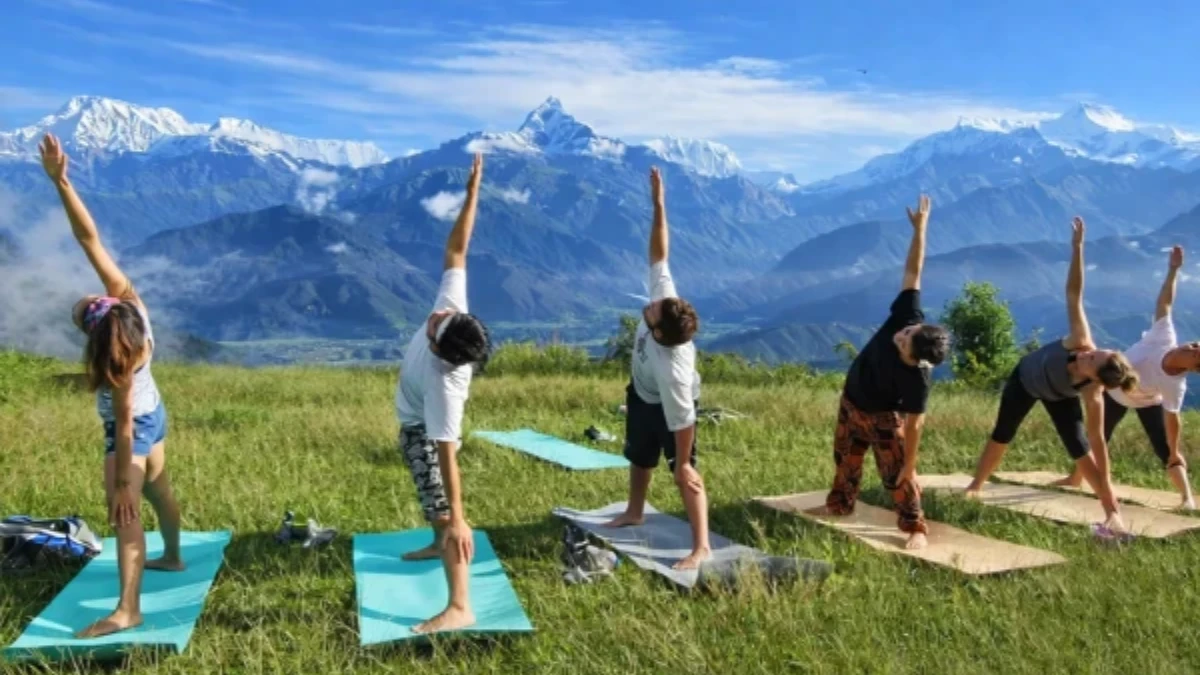
There's a moment in Pokhara, just before dawn, when the lake is perfectly still. Machhapuchhre, the fishtail peak, holds the last of the moonlight. The air is cold enough to see your breath. And if you're sitting on a yoga platform at one of the retreat centres above the lake, watching that mountain turn from silver to gold as the sun hits it, you understand why people have been meditating in the Himalayas for thousands of years.
Nepal isn't just a trekking destination. It's the birthplace of the Buddha. It's home to monasteries, meditation caves, and spiritual traditions stretching back millennia. And in recent years, it's become one of Asia's most compelling yoga retreat destinations, not because it's trendy, but because the setting is genuinely, profoundly conducive to inner work.
I'm a trekking guide, not a yoga teacher. But over twenty-seven years of guiding, I've watched the yoga and wellness community grow in Nepal from a handful of ashrams to a full ecosystem of retreats, teacher trainings, and mindful travels. Many of our clients now combine trekking with yoga. Some come specifically for yoga and discover trekking along the way.
This guide covers what's genuinely available, what it costs, and how to find the right retreat for your level and intention.
Why Nepal for Yoga?
India is yoga's homeland. Bali is yoga's Instagram backdrop. Nepal is something different. It's rawer, less commercial, and sits at a unique intersection of Hindu and Buddhist traditions that gives the spiritual practise here a particular depth.
- Altitude and air quality: Most Nepal retreats sit between 800 and 1,500 metres. The air is cleaner than lowland cities, oxygen levels are still high, and the mountain setting naturally slows the nervous system.
- Cultural authenticity: Yoga and meditation aren't imported wellness products in Nepal. Buddhist monasteries have practised seated meditation for centuries. Hindu temples ring with morning and evening chanting. The practise is woven into daily life.
- Affordability: Nepal is significantly cheaper than Bali, India's luxury retreat scene, or anywhere in Europe. Quality retreats start at $20-30/day including accommodation and meals.
- The mountains: Practising yoga with Himalayan peaks visible from your mat is something that doesn't need selling. It sells itself.
- Combination potential: Nepal lets you combine inner exploration with outer adventure. Trek for a week. Retreat for a week. Go home transformed.
Where are the best places for a yoga retreat in Nepal?
Pokhara
Pokhara is Nepal's yoga capital. The lake, the mountain views, the relaxed pace: it all creates ideal retreat conditions. Most yoga centres are clustered around the lakeside area or on the hillsides above, offering mountain views from practise spaces.
What you'll find: Hatha, Vinyasa, Ashtanga, Kundalini, Yin yoga. Multi-day retreats. 200-hour and 500-hour yoga teacher training (YTT) programmes registered with Yoga Alliance. Meditation courses. Sound healing. Ayurvedic treatments.
Price range: $20-50/day for budget retreats with shared rooms and vegetarian meals. $80-200/day for upscale retreats with private rooms, spa treatments, and smaller class sizes.
Kathmandu Valley
Kathmandu and its surrounding towns (Patan, Bhaktapur, Boudhanath, Pharping) offer a more culturally immersive yoga experience. Retreats here often incorporate Buddhist meditation practices, monastery visits, and temple exploration alongside asana practice.
Boudhanath, with its massive stupa and Tibetan monastery community, is particularly powerful for meditation retreats. Several centres offer Vipassana, Tibetan Buddhist meditation, and mindfulness programmes.
Pharping, about an hour south of Kathmandu, is considered a sacred site by Tibetan Buddhists. Guru Rinpoche is said to have meditated in a cave here. Several retreat centres now operate in this quiet valley, offering meditation-focused programmes away from Kathmandu's noise.
Nagarkot and Dhulikhel
These hilltop towns east of Kathmandu offer Himalayan panoramas (from Langtang to Everest on clear days) combined with peaceful countryside settings. Retreats here tend to be smaller and more intimate. Perfect for a weekend getaway or a 3-5 day programme.
Lumbini
The birthplace of the Buddha. Lumbini's energy is unique. Several monasteries from different Buddhist traditions (Thai, Japanese, Chinese, Myanmar, Korean) have built temples here, and some offer meditation programmes for visitors. It's less of a yoga destination and more of a meditation and pilgrimage site, but the combination can be profound.
Our Kathmandu-Pokhara-Chitwan-Lumbini tour includes Lumbini and can be adapted to include retreat time.
What types of yoga retreats can you do in Nepal?
Drop-in Yoga Classes
Most Pokhara and Kathmandu yoga centres offer daily drop-in classes for 500-1,500 NPR ($4-12). No commitment needed. Show up, practise, leave. Good for trekkers who want to stretch after days on the trail.
Short Retreats (3-7 Days)
The sweet spot for most travellers. A typical 5-day retreat includes two daily yoga sessions, meditation, vegetarian meals, and free time for exploration. Expect to pay $150-400 for budget options, $400-1,000 for mid-range, and $1,000+ for luxury.
Yoga Teacher Training (200-Hour)
Nepal has become a popular YTT destination. A 200-hour programme typically runs 21-28 days and costs $1,200-3,000, significantly less than equivalent training in India's premium centres, Bali, or the West. Ensure the programme is Yoga Alliance registered if you plan to teach internationally.
Meditation-Focused Retreats
Vipassana meditation centres operate in Nepal following the S.N. Goenka tradition. The standard 10-day silent retreat is offered on a donation basis, no fixed cost. These are serious, demanding programmes: 10+ hours of seated meditation daily, noble silence, no phone, no books, no writing. Not for beginners in meditation, though technically open to all.
Tibetan Buddhist meditation retreats at monasteries around Boudhanath and Pharping offer a gentler introduction, often combining sitting meditation with teachings, discussion, and walking meditation.
Yoga + Trekking Combinations
This is what we do best at The Everest Holiday. Our dedicated yoga-trek programmes combine morning yoga practise with daytime trekking, creating a physical and spiritual journey that neither activity achieves alone.
Our Kathmandu yoga tour offers a city-based yoga and cultural experience. The Kathmandu-Pokhara yoga tour combines Nepal's two main cities with daily practise and sightseeing. And the Ghorepani Poon Hill yoga trek is our most popular combination: sunrise yoga facing the Annapurna and Dhaulagiri ranges at 3,210 metres, followed by trekking through rhododendron forests.
What does a typical day at a Nepal yoga retreat look like?
Schedules vary, but here's a common structure at a mid-range Pokhara retreat:
| Time | Activity |
|---|---|
| 6:00 AM | Wake up, herbal tea |
| 6:30 - 8:00 AM | Morning yoga (Hatha or Vinyasa) |
| 8:00 AM | Breakfast (vegetarian, often Ayurvedic) |
| 9:30 - 10:30 AM | Meditation or pranayama session |
| 10:30 AM - 12:30 PM | Free time (explore, rest, journal, swim) |
| 12:30 PM | Lunch |
| 2:00 - 3:30 PM | Workshop (philosophy, anatomy, Ayurveda, or sound healing) |
| 4:00 - 5:30 PM | Afternoon yoga (Yin or Restorative) |
| 6:00 PM | Dinner |
| 7:30 - 8:15 PM | Evening meditation or chanting (optional) |
The best retreats balance structure with freedom. You shouldn't feel imprisoned by the schedule. Equally, the structure provides a container that helps deeper practise emerge.
How do I choose the right yoga retreat in Nepal?
Questions to Ask Before Booking
- What yoga styles are taught? (If you love vigorous Vinyasa, a purely Yin retreat will frustrate you.)
- What's the teacher's background and training?
- How many students per class? (Smaller is almost always better.)
- Is the retreat Yoga Alliance registered? (Matters for YTT, less so for retreats.)
- What's included? (Accommodation, meals, airport transfer, excursions?)
- Is it alcohol-free or flexible?
- What's the cancellation policy?
- Are rooms private or shared?
Red Flags
- Teachers with no verifiable training or lineage
- "Enlightenment guaranteed" or similar promises
- No reviews from previous participants
- Pressure to commit to expensive add-on programmes
- Ashrams that restrict your freedom to leave
Matching Retreat to Intention
Stress recovery and rest: Choose a restorative/Yin retreat with spa elements. Pokhara lakeside. 5-7 days.
Deepening an existing practice: Ashtanga or Iyengar intensive. Kathmandu or Pokhara. 7-14 days.
Spiritual exploration: Meditation-focused retreat near Boudhanath or Pharping. Buddhist or Hindu tradition. 7-10 days.
Physical challenge + inner work: Yoga + trekking combination. Our Ghorepani Poon Hill yoga trek or a custom itinerary pairing a Langtang Valley trek with pre/post retreat days.
Career change (yoga teaching): 200-hour YTT programme, 21-28 days, Yoga Alliance registered.
Can you combine yoga and trekking in Nepal?
Trekking is, in many ways, already a moving meditation. The rhythm of walking, the focus on breath, the gradual stripping away of digital distraction. Adding structured yoga practise before or after a trek deepens both experiences.
Several of our treks naturally pair with yoga. The Annapurna Circuit starts and ends near Pokhara, where retreat centres are plentiful. The Annapurna Base Camp trek and Mardi Himal trek leave from Pokhara as well. A week of trekking followed by three days of yoga is a combination our clients come back raving about.
For something gentler, the Kathmandu Valley tour combines temple visits and cultural exploration with easy day walks. Add yoga mornings and evenings, and you have a mindful cultural immersion.
If your priority is mountain views without high-altitude challenge, the Ghorepani Poon Hill trek reaches only 3,210 metres, well within comfort for most people, and delivers some of Nepal's finest panoramas.
Even the Everest Base Camp trek can be paired with retreat time. Several clients have done a week of yoga and meditation in Kathmandu before heading to Lukla, arriving at the trailhead centred, calm, and physically warmed up.
For those interested in Nepal's broader spiritual landscape, the Everest View trek offers mountain views without the intensity of the full Base Camp route, leaving energy for contemplative practise along the way.
Do I need experience for a Nepal yoga retreat?
You don't need to be flexible. You don't need to be able to touch your toes. You don't need to own expensive yoga clothes or have any previous experience. I've watched sixty-year-old retired engineers with zero flexibility walk into a Nepal yoga retreat and leave a week later practising headstands. Not because the teaching is magic, but because the environment, away from daily stress, surrounded by mountains, eating simple food, sleeping well, allows the body to open in ways it can't at home.
Most Nepal retreats are welcoming to beginners. Teachers modify poses. Nobody judges you. The competitive studio culture that plagues yoga in Western cities largely doesn't exist here. People come to practise, not to perform.
That said, some programmes are explicitly advanced. Ashtanga intensives and Mysore-style programmes assume familiarity with the primary series. Check the level description before booking.
What Should You Know Before a Nepal Yoga Retreat?
What to Pack for a Yoga Retreat in Nepal
- Comfortable, stretchy clothing (yoga pants, loose tops)
- A light shawl or wrap for meditation (mornings are cool)
- Your own yoga mat if you're particular (most centres provide mats, but quality varies)
- A journal and pen
- Earplugs (roosters, dogs, and temple bells start early)
- Warm layers for October-March (retreat spaces can be cool)
- Insect repellent for outdoor sessions
- An open mind
Food
Most retreats serve vegetarian meals, often vegan-friendly. Nepali dal bhat, lentils, rice, vegetables, and pickles, is an ideal yoga diet: light, nutritious, and endlessly variable. Some retreats follow Ayurvedic dietary principles. If you have allergies or dietary requirements, communicate them clearly before arrival.
Connectivity
Wi-Fi is available at most retreats, though some deliberately limit connectivity. If digital detox is part of your intention, choose a retreat that encourages it. If you need to stay connected for work, confirm Wi-Fi quality before booking.
Frequently Asked Questions
Do I need yoga experience to attend a retreat in Nepal?
No. Most Nepal retreats welcome complete beginners. Teachers modify poses for all levels. The environment is supportive rather than competitive. If you're choosing a specific programme (like an Ashtanga intensive), check the level requirements, but general retreats are open to everyone.
How much does a yoga retreat cost in Nepal?
Budget retreats start at $20-30 per day including shared accommodation and vegetarian meals. Mid-range options run $50-100/day with private rooms and more structured programming. Luxury retreats cost $150-200+ per day. A 200-hour yoga teacher training programme typically costs $1,200-3,000 for 21-28 days, which is significantly cheaper than equivalent programmes in India, Bali, or Western countries.
What is the best time of year for a yoga retreat in Nepal?
October to December and February to April offer the best weather, clear skies, comfortable temperatures, and low rainfall. January can be cold, especially for early morning outdoor sessions, but the clear winter air and mountain views are extraordinary. The monsoon (June-September) brings rain and humidity but also lush green landscapes and fewer tourists.
Can I combine yoga with trekking?
Absolutely. This is one of Nepal's unique offerings. You can book dedicated yoga-trekking programmes like our Ghorepani Poon Hill yoga trek, or simply add retreat days before or after any trek. A common pattern is 3-5 days of yoga in Pokhara followed by a trek in the Annapurna region, or yoga in Kathmandu before an Everest region trek.
Are Nepal yoga retreats suitable for solo travellers?
Yes, and solo travellers make up a large proportion of retreat participants. The retreat environment naturally builds community. You'll share meals, practice, and free time with other participants. Many solo travellers describe retreats as one of the easiest ways to meet like-minded people. Safety for solo women travellers at established retreat centres is good.
Find Your Retreat
Whether you want a pure yoga retreat, a meditation programme at a monastery, or a yoga-trekking combination that feeds both body and spirit, we can help you find the right fit. We work with established retreat centres across Nepal and build custom itineraries that combine inner work with outer adventure.
Tell us what you're looking for.
WhatsApp: +977 9810351300
Email:[email protected]
Written by Shreejan Simkhada, third-generation Himalayan guide and founder of The Everest Holiday. Licensed trekking operator, TAAN member #1586. Not a yoga teacher, but a lifelong student of the mountains and the stillness they offer.
An alternative to fixed-location retreats is the yoga trekking Nepal experience: daily practice in changing mountain settings rather than one ashram.
Yoga retreats start with our Kathmandu Pokhara Yoga Tour. Our Kathmandu Pokhara Yoga Tour (8 Days) is private (your group only, no strangers), 2027 dates open, From USD $1049. WhatsApp us for tailored 2027 dates and current departures.
Planning a trip to Nepal?
Drop us your details and tell us what you have in mind. We will put together a personalised plan and get back to you.
Not sure which Nepal trek is right for you?
Take our free 2-minute quiz and get personalised recommendations based on your fitness, experience, and travel style.
Find Your Perfect Trek →Need Help? Call Us+977 9810351300orChat with us on WhatsApp
Latest Travel Blogs
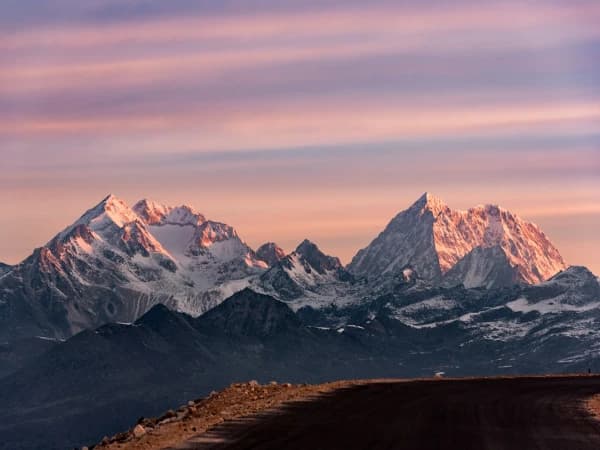
Swanta: The Magar Village on the Khopra Danda Descent, and What the Walk Down Is Like
Swanta is a Magar village at 2,214 m on the way down from the Khopra ridge to Ghorepani. The long descent, the night in the village, the walk to Ghorepani and the treks that stop here.
Read MoreDobato on the Khopra Danda Trail: The Tree-Line Night Stop Above Tadapani
Dobato is a handful of lodges at the tree line, 3,420 m, on the Khopra Danda trail. The climb from Tadapani, the Dhaulagiri evening view, the Muldai sunrise and why we sleep here.
Read More
Everest Base Camp Trek Cost from Argentina: Peso Prices, Flights, Visa and Payment
Everest Base Camp trek cost from Argentina: trek prices in dollars and pesos, Buenos Aires to Kathmandu fares and journey time, visa on arrival, Spanish on the trail and how to pay.
Read More Chat with Shreejan