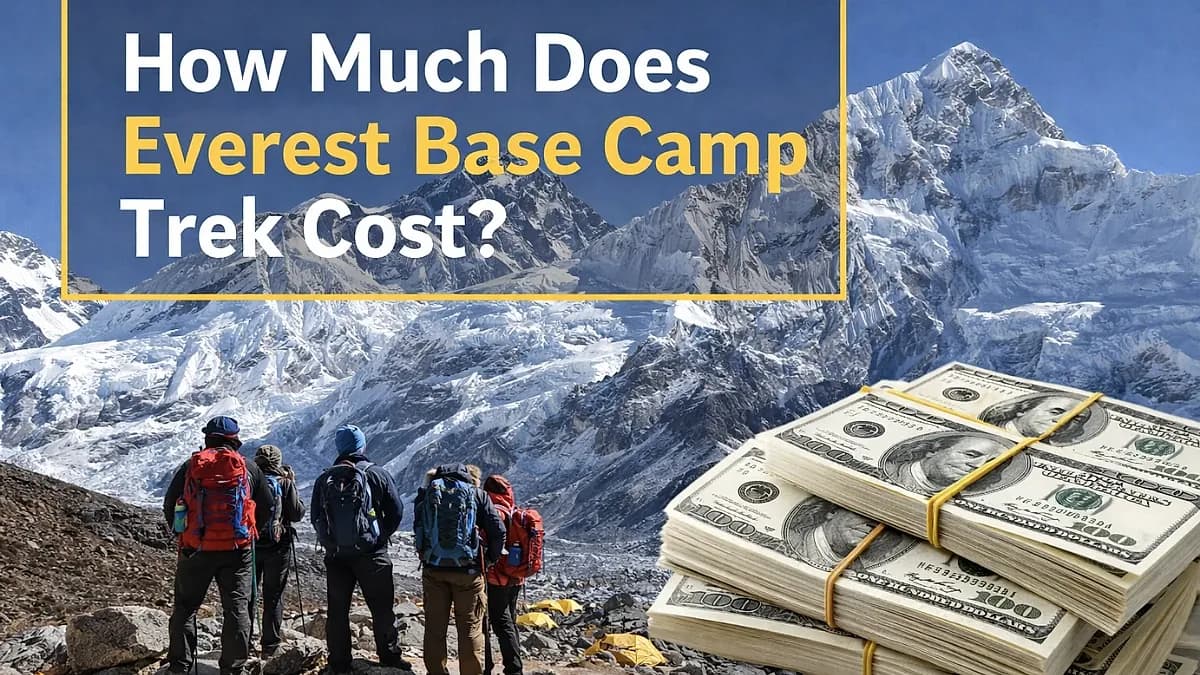
"How much does it actually cost to trek to Everest Base Camp?"
\n \nIt's the first question nearly everyone asks me. And honestly, the answer you'll find online ranges from "$500" to "$5,000+" — which isn't very helpful.
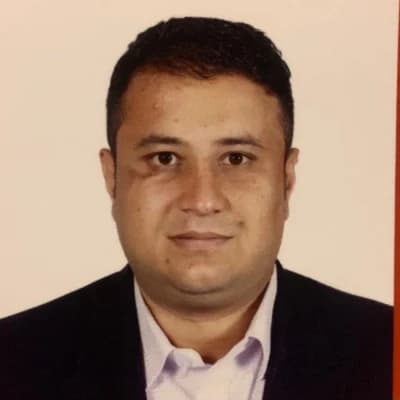
\n \nI'm Shreejan Simkhada, founder of The Everest Holiday and a third-generation Himalayan guide. I've been sending trekkers to Base Camp for over a decade. Here's what it really costs in 2026, broken down so you can plan properly.
\n \n \n
\nThe short answer
\n \nFor a fully guided Everest Base Camp trek with a reputable company, expect to spend:
\n \n-
\n\t
- Budget: $1,399 per person \n\t
- Standard: $2,499 per person \n\t
- Premium/Luxury: $4,999 per person \n
These are the costs of the trek package itself. Your total trip budget — including flights to Nepal, visa, insurance, and spending money — will be higher. I'll break that down below.
\n \nWhat's included in a trek package
\n \nA good trekking company should include all of this in their price:
\n \n-
\n\t
- Airport pickup and drop-off in Kathmandu \n\t
- Hotel nights in Kathmandu (usually 2–3 nights) \n\t
- All meals on the trek (breakfast, lunch, dinner) \n\t
- An experienced, licensed trekking guide \n\t
- Porter service (typically 1 porter per 2 trekkers) \n\t
- Sagarmatha National Park entry permit \n\t
- TIMS card (Trekkers' Information Management System) \n\t
- First aid kit and pulse oximeter \n\t
- Farewell dinner \n
If a company's quote doesn't include permits, meals, or a guide, that's a red flag. You'll end up paying more in hidden costs along the trail.
\n \n \n
\nWhat's not included
\n \nThese costs are on you, regardless of which company you choose:
\n \n-
\n\t
- International flights to Kathmandu \n\t
- Nepal visa ($30 for 15 days, $50 for 30 days — paid on arrival) \n\t
- Travel insurance (mandatory, must cover altitude up to 6,000m) \n\t
- Lukla flight or road transport to the trailhead \n\t
- Personal spending, drinks, and snacks \n\t
- Tips for your guide and porters \n\t
- Gear you don't already own \n
Lukla flight vs the road route
\n \nMost EBC treks start with a flight from Kathmandu to Lukla. That flight costs around $180–$200 each way for foreigners in 2026. It's a short, dramatic flight — but it's also frequently delayed by weather, which can throw off your entire schedule.
\n \nWe offer an alternative: the EBC Road Trip. Instead of flying, you drive through Nepal's hill country to reach the trailhead. It adds a couple of days to the trip, but you see more of Nepal, avoid the Lukla flight risk, and it's often cheaper.
\n \nOur 15-day EBC by Road Trip starts at $1,133 per person for the budget package.
\n \nPermits and fees
\n \nYou'll need two permits for the Everest region:
\n \n-
\n\t
- Sagarmatha National Park Entry Permit: $30 \n\t
- TIMS Card: $20 \n
These are usually included in your trek package. If they're not listed, ask your company before booking.
\n \nTotal trip budget by country
\n \nHere's a realistic total budget, including everything, flights, trek, visa, insurance, gear, and spending money:
\n \nFrom the UK:
\n \n-
\n\t
- Return flights to Kathmandu: $500–$900 \n\t
- Trek package (standard): $2,499 \n\t
- Visa, insurance, tips, extras: $300–$500 \n\t
- Total: roughly $3,300–$3,900 \n
From the US:
\n \n-
\n\t
- Return flights to Kathmandu: $700–$1,200 \n\t
- Trek package (standard): $2,499 \n\t
- Visa, insurance, tips, extras: $300–$500 \n\t
- Total: roughly $3,500–$4,200 \n
From Australia:
\n \n-
\n\t
- Return flights to Kathmandu: $600–$1,000 \n\t
- Trek package (standard): $2,499 \n\t
- Visa, insurance, tips, extras: $300–$500 \n\t
- Total: roughly $3,400–$4,000 \n
These are mid-range estimates. You can do it cheaper on a tight budget, or spend more for private rooms and the best lodges.
\n \nBudget vs standard vs premium, what's the difference?
\n \nBudget ($1,399):
\n \nYou'll stay in shared teahouse rooms, eat dal bhat (the classic Nepali meal, it's delicious and filling), and have a guide and porter. Everything you need, nothing fancy.
\n \nStandard ($2,499):
\n \nPrivate rooms where available, a wider menu at teahouses, better lodges in popular stops like Namche Bazaar. This is what most of our trekkers choose.
\n \nPremium ($4,999):
\n \nThe best available lodges at every stop, private rooms guaranteed, extra acclimatisation days, and sometimes helicopter options for the return. Good for trekkers who want more comfort at altitude.
\n \nThe 10% deposit, how it works
\n \nAt The Everest Holiday, we ask for just 10% to secure your booking. Your deposit goes through Himalayan Bank Limited (HBL), one of Nepal's largest banks. Nepal's central bank requires international payments to go through a licensed bank gateway, so you'll be briefly redirected to HBL's secure payment page. It's the same system Nepal's airlines use.
\n \nYou pay the remaining 90% when you arrive in Kathmandu, in cash (USD, EUR, GBP all accepted) or by bank transfer via Wise.
\n \nFree cancellation up to 60 days before departure. No tricks.
\n \nHow to avoid overpaying
\n \nA few tips from years of watching trekkers get burned:
\n \n-
\n\t
- Don't book through a middleman. Big international booking platforms take 20–30% commission. That money comes from somewhere, usually your guide's wages or your food quality. \n
-
\n\t
- Ask what's included. A $900 trek that doesn't include meals, permits, or a Lukla flight will cost you $1,500+ by the end. \n
-
\n\t
- Check the company's TAAN membership. TAAN is the Trekking Agencies' Association of Nepal. If they're not a member, they may not be properly licensed. We're TAAN Member #1586. \n
-
\n\t
- Talk to the owner. If you can't get a real person on the phone before you book, that's not a good sign. I reply personally to every WhatsApp message. \n
What your money supports
\n \nWhen you book with The Everest Holiday, a portion of your trek fee goes directly to the Nagarjun Learning Center, a charity my wife Shamjhana and I founded in 2019. We provide free education and hot meals to 70 children across a learning centre in rural Nepal.
\n \nYour trek doesn't just take you to Everest. It helps a child go to school.
\n \n\n
Ready to experience Nepal for yourself?
\n \nThe Everest Holiday has guided trekkers through the Himalayas for over a decade with a near-perfect five-star TripAdvisor rating.
\n \nBrowse our Nepal treks: www.theeverestholiday.com
\n \nChat with Shreejan on WhatsApp: +977 9810351300
\n \n\n
Related Treks & Guides
\n \n-
\n\t
- Ama Dablam Base Camp Trek \n\t
- Everest Base Camp Trek By Road Trip \n\t
- Everest Heli Photography Tour \n
Daily Food and Drink Costs on the Trail
\n \nIf you book with us, all meals on the trek are included in your package. But here is what things cost if you want extras:
\n \n \n\t \n\t\t \n\t\t\t \n\t\t\t \n\t\t\t \n\t\t\t \n\t\t \n\t\t \n\t\t\t \n\t\t\t \n\t\t\t \n\t\t\t \n\t\t \n\t\t \n\t\t\t \n\t\t\t \n\t\t\t \n\t\t\t \n\t\t \n\t\t \n\t\t\t \n\t\t\t \n\t\t\t \n\t\t\t \n\t\t \n\t\t \n\t\t\t \n\t\t\t \n\t\t\t \n\t\t\t \n\t\t \n\t\t \n\t\t\t \n\t\t\t \n\t\t\t \n\t\t\t \n\t\t \n\t\t \n\t\t\t \n\t\t\t \n\t\t\t \n\t\t\t \n\t\t \n\t\t \n\t\t\t \n\t\t\t \n\t\t\t \n\t\t\t \n\t\t \n\t \n| Item | Lukla-Namche | Namche-Dingboche | Above Dingboche |
|---|---|---|---|
| Dal bhat (rice and lentils) | NPR 500-600 ($4-5) | NPR 600-800 ($5-6) | NPR 800-1,000 ($6-8) |
| Pizza or pasta | NPR 600-700 ($5-6) | NPR 700-900 ($6-7) | NPR 900-1,200 ($7-10) |
| Fried rice or noodles | NPR 400-500 ($3-4) | NPR 500-700 ($4-6) | NPR 700-900 ($6-7) |
| Tea or coffee | NPR 80-100 ($0.60-0.80) | NPR 100-150 ($0.80-1.20) | NPR 150-250 ($1.20-2) |
| Bottled water (1L) | NPR 150-200 ($1.20-1.50) | NPR 200-300 ($1.50-2.50) | NPR 300-500 ($2.50-4) |
| Beer (bottle) | NPR 500-600 ($4-5) | NPR 600-800 ($5-6) | NPR 800-1,000+ ($6-8+) |
| Snickers/chocolate bar | NPR 150-200 ($1.20-1.50) | NPR 200-300 ($1.50-2.50) | NPR 300-400 ($2.50-3) |
Everything is carried up by porters and yaks, prices increase with altitude because transport costs increase. A Snickers bar at Gorak Shep costs three times what it costs in Kathmandu. This is not a rip-off, it is the real cost of carrying goods to 5,000 metres on someone's back.
\n \nTravel Insurance, What You Need and What It Costs
\n \nTravel insurance is mandatory for all EBC trekkers. We check your policy before departure. Without it, you cannot trek.
\n \nMinimum requirement: Coverage for helicopter emergency evacuation up to 6,000m and medical treatment at altitude.
\n \nCost range:
\n \n-
\n\t
- Basic trekking insurance (up to 6,000m): $50-100 for 2-3 weeks \n\t
- Full travel + trekking insurance: $100-180 for 2-3 weeks \n\t
- Premium with trip cancellation coverage: $150-250 \n
Recommended providers used by our trekkers: World Nomads, Global Rescue, IMG (International Medical Group), and Allianz Travel. Always confirm your policy specifically covers "trekking above 5,000m" and "helicopter evacuation", some standard travel policies exclude these.
\n \nA helicopter evacuation from EBC to Kathmandu costs $3,000-5,000. Without insurance, you pay this yourself. With insurance, it is covered. The $100 insurance premium is the best money you will spend.
\n \nGear Rental and Purchase Costs in Kathmandu
\n \nThamel in Kathmandu has dozens of gear shops. Prices are a fraction of Western countries:
\n \n \n\t \n\t\t \n\t\t\t \n\t\t\t \n\t\t\t \n\t\t\t \n\t\t \n\t\t \n\t\t\t \n\t\t\t \n\t\t\t \n\t\t\t \n\t\t \n\t\t \n\t\t\t \n\t\t\t \n\t\t\t \n\t\t\t \n\t\t \n\t\t \n\t\t\t \n\t\t\t \n\t\t\t \n\t\t\t \n\t\t \n\t\t \n\t\t\t \n\t\t\t \n\t\t\t \n\t\t\t \n\t\t \n\t\t \n\t\t\t \n\t\t\t \n\t\t\t \n\t\t\t \n\t\t \n\t\t \n\t\t\t \n\t\t\t \n\t\t\t \n\t\t\t \n\t\t \n\t \n| Item | Rent (per day) | Buy in KTM | Buy at home |
|---|---|---|---|
| Down jacket | $1-2 | $30-80 | $150-400 |
| Sleeping bag (-15C) | $1-2 | $40-100 | $200-500 |
| Trekking poles (pair) | $1 | $10-25 | $50-150 |
| Duffel bag (65L) | $0.50-1 | $5-15 | $30-80 |
| Fleece jacket | $0.50-1 | $10-25 | $40-100 |
| Waterproof jacket | $1-2 | $25-60 | $100-300 |
Quality tip: check zips, stitching, and brand labels carefully. Much of what is sold as "North Face" or "Marmot" in Thamel is locally made. It works fine for one trek but will not last years. For a single EBC trip, rental makes the most financial sense.
\n \nOur Standard and Premium packages include a down jacket and sleeping bag, the two most expensive items. Budget trekkers save $24-48 by renting these in Thamel for 12 days.
\n \nTipping Guide, How Much and For Whom
\n \nTipping is not mandatory in Nepal but is customary and deeply appreciated. Your guide and porter earn modest salaries, tips make a meaningful difference to their families.
\n \n \n\t \n\t\t \n\t\t\t \n\t\t\t \n\t\t\t \n\t\t \n\t\t \n\t\t\t \n\t\t\t \n\t\t\t \n\t\t \n\t\t \n\t\t\t \n\t\t\t \n\t\t\t \n\t\t \n\t\t \n\t\t\t \n\t\t\t \n\t\t\t \n\t\t \n\t \n| Person | Suggested tip per day | Total (12-day trek) |
|---|---|---|
| Lead guide | $15-20 | $180-240 |
| Porter | $10-15 | $120-180 |
| Total tips | $300-420 |
Tips are typically given at the end of the trek in Kathmandu, in a sealed envelope. If you are in a group, pool tips together. Cash in NPR is preferred but USD is also accepted.
\n \nOur guide Manoj told us honestly: "Tips are what allow us to support our families between trekking seasons. A generous tip from a happy client means more than any review." We encourage fair tipping but never pressure clients.
\n \nFacility Costs Along the Trail
\n \n \n\t \n\t\t \n\t\t\t \n\t\t\t \n\t\t\t \n\t\t \n\t\t \n\t\t\t \n\t\t\t \n\t\t\t \n\t\t \n\t\t \n\t\t\t \n\t\t\t \n\t\t\t \n\t\t \n\t\t \n\t\t\t \n\t\t\t \n\t\t\t \n\t\t \n\t\t \n\t\t\t \n\t\t\t \n\t\t\t \n\t\t \n\t \n| Facility | Lukla-Namche | Above Namche |
|---|---|---|
| WiFi (per device) | NPR 200-300 ($1.50-2.50) | NPR 300-500 ($2.50-4) |
| Phone charging | Free - NPR 200 | NPR 200-500 ($1.50-4) |
| Hot shower | NPR 200-300 ($1.50-2.50) | NPR 300-500+ ($2.50-4+) |
| Laundry (per kg) | NPR 300-500 ($2.50-4) | Not available above Namche |
Pro tip: Buy an Everest Link WiFi card in Namche for NPR 500-1,000. It works at most teahouses from Namche to Gorak Shep and is faster than teahouse WiFi.
\n \nBring a 20,000mAh power bank, this alone saves you $20-30 in charging fees over the trek.
\n \n\n
The short answer: A realistic total budget for EBC from the UK is $2,200-3,200 depending on your tier. From the US add $200-400 for flights. From Australia add $100-300. Our Budget package at $1,399 is the trek itself, add flights, visa, insurance, tips, and extras for the true total.
\n \nChat with Shreejan on WhatsApp: +977 9810351300 for a personalised cost estimate based on your specific plans.
\n \nEBC 2026 cost broken down honestly. Our Everest Base Camp Trek (12 Days) is private (your group only, no strangers), 2026 dates open, From USD $1399. WhatsApp us for tailored 2026 dates and current departures.
\nReady to start? See our full Everest Base Camp Trek — 12-day guided itinerary, cost from $1,399, daily departures.