
Chitwan Photography Tour - 6 Days Itinerary and Cost

Quick Overview
Duration6 Days
Trip GradeEasy
CountryNepal
Maximum Altitude1,400 m / 4,593 ft
Group Size1 - 15
StartsKathmandu
EndsKathmandu
ActivitiesWildlife Photography
Best TimeMarch to May / October to November

Join a carefully planned 6-day wildlife photography tour in Nepal that will take you deep into the unique biodiversity of UNESCO-listed Chitwan National Park. This carefully designed trip is ideal for photographers, offering private vehicle safaris, peaceful canoe rides, and guided jungle walks focused on photographing iconic wildlife such as the Royal Bengal Tiger and the greater one-horned rhinoceros. The journey also gives great opportunity for cultural photography in Tharu villages and at real dance shows, in addition to animals. You can focus completely on getting the ideal photo of Nepal's beautiful scenery and majestic animals since all of the details, such as ground transportation, park permits, and jungle lodge accommodations, are taken care of.

Highlights

  • Exclusive Jeep Safari: For the best animal views and photography, spend 4–5 hours in the core section of the national park with a trained tracker.

  • Ethical Wildlife Encounters: Go to an elephant sanctuary and crocodile conservation center that doesn't use chains to take pictures of animals responsibly.

  • Different Places to Shoot: From riverine sceneries (a canoe trip) to deep sal woods (a jungle hike) to cultural settlements (the Tharu community).

  • Golden Hour Photography: Special times for taking pictures of the Rapti River at sunrise and sunset.

  • Expert Guidance: Professional naturalist guides who know a lot about animal behavior and the best places to see them.

  • All logistics are taken care of, including domestic flights (Kathmandu-Bharatpur-Kathmandu), all park permits, all activities, jungle lodge lodging, and most meals.

  • Cultural Immersion: Take pictures of the distinctive Tharu stick dances and everyday life in the community.

Overview of Chitwan Photography Tour

You will start this photography trip in Kathmandu, and it lasts six days and five nights. From there, you'll have a lovely drive to the Terai region. You'll stay in a pleasant jungle camp in Chitwan National Park, which is one of the best sites in Asia to see animals in the wild. We schedule each day around the optimal periods for lighting and animal activity. 

Enjoy a four- to five-hour private jeep safari through the park’s grasslands and forests, led by an experienced naturalist who knows the best places to spot wildlife. You may see rare birds and crocodiles from a boat trip down the Rapti River, and guided nature hikes enable you to snap close-up macro and scenic photographs. 

For example, the agenda includes visits to a crocodile protection center and an elephant sanctuary that doesn't use chains. These are examples of ethical encounters with wildlife. Being a part of a culture is a significant part of everything, from capturing images of the golden hour sunset over the river to writing about the vivid traditions of the Tharu people. This all-inclusive tour is great for photographers of all skill levels because it covers permits, transportation, hotel, and meals. It also makes it simple to put up an incredible portfolio of Nepal's cultural and natural history.

Reminder

For a smooth and stress-free start, we recommend arriving in Kathmandu by 4 PM the day before we leave. This gives you enough time for a final gear check, a trip briefing with your guide, and to ensure you have everything you need before heading out on the Chitwan photography tour.

Online briefing

This is like our first coffee before the trip, but online! This online meeting is your opportunity to learn about everything that will happen on the photography tour. We'll talk about everything from what gear to bring to what each day's activity will be like and how it will feel, and we'll answer any questions you have. After you book, we'll send you an email with a couple of times when we can talk. We'll set up our pre-adventure meeting as soon as you submit the papers we need.

Note to Tourist

Experience the Himalayas on your terms. We create personal, intimate tours for groups of two or more. Whether you select our Budget, Standard, or Luxury package, your adventure will be exclusively for you and your companions, ensuring a comfortable and personal journey from start to finish.

Short Itinerary
Day 01: Arrive in Kathmandu, where you'll have a welcome and a short tour of Nepal.
Day 02: Drive starts with 183 km from Kathmandu (1,400 m / 4,593 ft) to Chitwan (415 m / 1,362 ft), usually around 5 to 6 hours, with a total elevation change of 985 m / 3,231 ft.
Max Altitude: 415m / 1,362ft
Day 03: Full Day of Bird, Crocodile, and Wildlife Photography on an Immersive River Safari and Jungle Hike
Max Altitude: 415m / 1,362ft
Day 04: Visit to the Ethical Elephant Sanctuary and a long Jeep safari in the jungle. This is the best way to take pictures of wildlife in Chitwan.
Max Altitude: 415m / 1,362ft
Day 05: Drive starts with 183 km from Chitwan (415 m / 1,362 ft) to Kathmandu (1,400 m / 4,593 ft), usually around 6 hours, with a total elevation change of 985 m / 3,231 ft
Max Altitude: 1,400 m / 4,593 ft
Day 06: Last Day—Transfer to the Airport and End of the Tour
Expand
Detailed Itinerary
Day 01:

When you arrive at Tribhuvan International Airport in Nepal, you'll be greeted with a warm welcome. After a smooth meet-and-greet, you will be taken privately to your accommodation in Thamel, Kathmandu's lively tourist center. You have free time in the afternoon to explore on your own, which is great for taking street photos in Thamel's busy marketplaces and colorful lanes. In the evening, you'll get a full briefing on your Chitwan National Park safari schedule, critical photographic gear packing suggestions for Nepal, and important safety rules for taking pictures of animals. This session makes sure you're ready to take beautiful pictures in the next several days.

Day 02:

Take a beautiful trip from Kathmandu to Chitwan National Park that lasts 5 to 6 hours and is like a picture shoot. The road goes down from the Kathmandu Valley, which makes for great road trip photography in Nepal since the scenery changes so dramatically. Take pictures of the meandering roads that go through the Himalayan foothills, terraced farmland, and quaint communities along the Prithvi Highway. The panorama changes to beautiful fields and river valleys as you approach the subtropical Terai plains. From your car, you may take a lot of pictures of the culture and the nature. When you get to your riverside jungle lodge in Chitwan, get settled in before your first guided tour, which will be a stroll to a typical Tharu hamlet. This immersive experience is perfect for taking real ethnic lifestyle and portrait photos that concentrate on the community's everyday routines and unique mud-and-straw buildings. Set yourself up for amazing sunset photos over the Rapti River as the afternoon light fades. The golden hour lights up the lake and the trees around it. The day ends with a Tharu tribal cultural dance performance under the stars. This is a great time to take action and take low-light photos.

Max Altitude: 415m / 1,362ftMeals: Breakfast / Lunch / DinnerAccommodation: HotelDuration: 5 - 6 hoursDistance: 183 km / 114 milesElevation: 985m / 3,231ft
Day 03:

Your day starts at daybreak, when the morning light is clear and the animals are busy. Take a peaceful ride in a classic dugout boat on the Rapti River. This is a great way to take pictures of a Chitwan river safari. This quiet glide over the water gives you the best chance to take pictures of birds along the river in Nepal. When you're ready with your telephoto lens, you'll be able to get great pictures of Pied Kingfishers diving, Great Egrets wading, and Grey Herons standing still in the shallows. The tranquil waters also provide photographers a unique chance to get up close and personal with crocodiles in Chitwan. You may focus on the highly endangered Gharial, which has a long snout, and the stronger Marsh Mugger as they sunbathe on the sandy banks. Their ancient shapes make for great subjects.

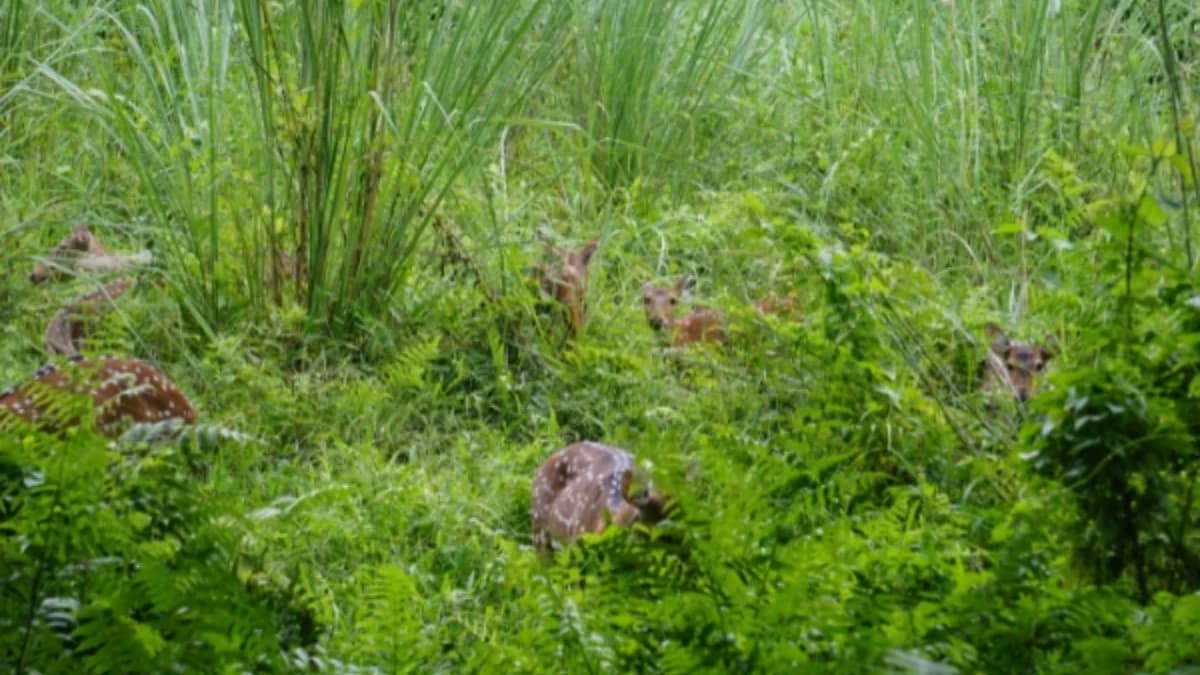
In the afternoon, go on a guided jungle walking safari with a naturalist and exchange the water for the forest floor. This slow-paced trip is perfect for close-up jungle macro photography, so you can focus on the small things, such the dew on spider webs, the bright colors of forest mushrooms, the colorful insects, and the rough bark and leaves. The trek also gives you chances to take candid pictures of animals in their natural environment. If you're patient, you could get pictures of spotted deer, wild boar, or languor monkeys in the sal trees. Your guide's knowledge is very helpful for understanding animal indications and keeping a safe, moral distance.

The elephant bathing ceremony at the Rapti River is one of Chitwan's most famous events and happens at the end of the day. Stand on the bank during the mellow, diffuse light of the late afternoon, which is called the "golden hour." This is when you may get great shots of elephants playing, splashing water, going under, and engaging with their mahouts. This time of day is great for taking pictures of animals in action because the light on water and skin creates lovely patterns, and the animals move about a lot. It's a strong ending to a day spent looking at the many different types of wildlife photography.

Max Altitude: 415m / 1,362ftMeals: Breakfast / Lunch / DinnerAccommodation: Hotel
Day 04:

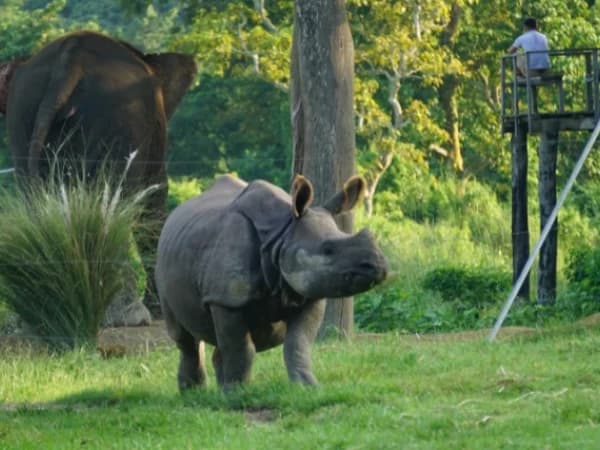
The day starts with a strong focus on ethical and responsible wildlife tourism in Nepal. Your first visit is to a well-known elephant sanctuary and rehabilitation center in Chitwan, where rescued elephants dwell in a natural, wooded area. This visit is all about taking ethical elephant portraits, so you may watch and shoot these beautiful animals as they play, eat, and wash in ponds without being restrained. The location is respectful and far enough away for striking, realistic photographs that communicate the story of conservation. This is very different from regular riding camps. Your guide will tell you the stories of how each elephant was saved, which will give dimension to your story.

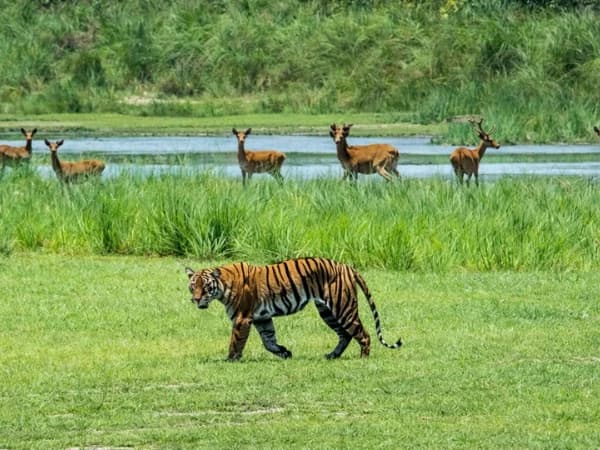
After this important session, the journey gets even better with a private full-day 4x4 jeep safari deep into the heart of Chitwan National Park. Your open-top vehicle is ready for professional wildlife photography in Nepal. It drives through a variety of environments, including huge elephant grasslands (Phanta), thick Sal forests, sparkling Ox-bow lakes, and the banks of the Rapti River. You will learn to interpret pugmarks, alarm sounds, and other signals with the help of a professional naturalist tracker. The ultimate goal is to get a once-in-a-lifetime snapshot of a Royal Bengal Tiger in its native environment. The trip also promises exciting shots of the famous Greater One-Horned Rhinoceros, which is commonly spotted eating or rolling about. Your lens will also be busy taking pictures of Chitwan deer types (including Spotted Deer and Sambar), groups of Rhesus Macaques and Langurs, and a lot of different kinds of birds.

On the way back to your resort, the focus of the photos changes to conservation as you visit the Gharial and Mugger Crocodile Breeding Center. Chitwan National Park is the best for taking close-up pictures of reptiles. You can get detailed photographs of this critically endangered species at all stages of life, from hatchlings to fully grown adults, with ideal lighting and composition control. This day is a great mix of ethical animal interactions, exciting wildlife tracking, and learning about conservation. It will make sure that your portfolio shows the entire range of Chitwan's wild heart.

Max Altitude: 415m / 1,362ftMeals: Breakfast / Lunch / DinnerAccommodation: Hotel
Day 05:

After breakfast, take a private drive back to Kathmandu that lasts 5 to 6 hours and enjoy the last chances to take photographs of the beautiful scenery along Nepal's highways. When you check back into your Thamel hotel, you will have the rest of the day free to shop for souvenirs, go over your portfolio, and back up your photos. End your trip with a goodbye meal at a typical Nepali restaurant, where you may think back on your amazing wildlife photography experience.

Max Altitude: 1,400 m / 4,593 ftMeals: Breakfast / Lunch / DinnerAccommodation: HotelDuration: 5 - 6 hoursDistance: 183 km / 114 milesElevation: 985m / 3,231ft
Day 06:

Today is the last day of your wildlife photography trip to Nepal. A Tiger Encounter representative will pick you up from the airport in Thamel and take you to Tribhuvan International Airport on time. This way, you will arrive three hours before your international flight, making your departure simple. Take home not just amazing pictures of Bengal tigers, one-horned rhinos, and Tharu culture, but also the memories of a well-planned all-inclusive photography vacation in Chitwan National Park.

Meals: Breakfast
Couldn't find what you're after?Reach out to our travel experts.
Customize Trip
Availability
Book your own private small group trip
No. of traveler
Price per person
2 - 4 pax
US$999
5 - 8 pax
US$949
9 - 12 pax
US$899
13 - 20 pax
US$849

Discounts are determined exclusively by the size of your group. We do not add additional members to your group.

Book Now
Cost Includes

Transportation

  • Airport Pickup and drop-off from Tribhuvan International Airport to the hotel of your choice by taxi or local Jeep transfer.

  • Transportation from Kathmandu to Chitwan and Back to Kathmandu. 

  • All ground transport inside the national park 

Accommodation and food

  • During the tour, Three meals (Breakfast, Lunch, and Dinner) will be provided. Tea, coffee, Cold Drinks, juices, and mineral water are provided whenever you need them—everything except Alcoholic drinks.

  • You will stay at a Hotel, private deluxe rooms with attached bathrooms (whenever available). All the expenses for hot showers, charging, bed heaters, and internet (whenever available) are provided.

Experienced Guide

  • A professional, friendly, and experienced photogarpher tour guide will be with you throughout the trip, ensuring your safety and providing valuable insights into the regions you visit

Permit

  • All entracne and National Park fees 

Medical assistances

  • All riders are provided with first aid kits, including an oximeter to monitor blood oxygen levels at higher altitudes.

  • In case of any medical emergency, rescue operations can be arranged promptly, supported by the traveler’s own insurance coverage.

Complementary

  • Company's T-shirt and Cap before the tour.

  • At the end of your trip, you'll have a farewell meal at a restaurant in the area. At the farewell dinner after the Chitwan Photography Tour – 6 Days, we will give you a certificate of achievement.

Benefits

  • The Everest Holiday store offers free excess luggage storage for the duration of the tour.

  • We will arrange a SIM Card for tourist upon arrival in Kathmandu.

Cost Excludes

International Flight

  • International flight cost.

Nepali Visa

  • At Tribhuvan International Airport, you can pay the following fees upon arrival: $30 for a 15-day visa, $50 for a 30-day visa, and $120 for a 90-day visa. Alternatively, you can apply for and receive a Nepal visa from the Nepalese embassy or consulate in your country.

Accommodation

  • Meals provided during the tour are included, but any additional meals such as in Kathmandu, or special dietary requests are not included and are at your own expense.

Insurances

  • Insurnaces which cover, medical, emergency evacuation, lost, etc

Other expenses

  • All non-alcoholic drinks like bottled water, hot water, soft drinks, juice, tea, coffee and alcoholic drinks are not included, etc.

  • Additional costs due to delays caused by circumstances out of our control, like landslides, unfavourable weather, itinerary modification due to safety concerns, illness, changes in government policies, strikes, etc.

Equipment Lists

Packing Essentials for Photographers:

  • Camera Equipment: For taking pictures, you'll need a DSLR or compact camera with a long zoom lens (like a 100–400mm or 150–600mm lens), a wide-angle lens for landscapes and scenes, extra batteries, memory cards, a lens cleaning kit, and a weather cover.

  • Clothes: Long sleeves and slacks that are light and breathable (in neutral colors), a sun hat, solid walking shoes, and a waterproof jacket.

  • General: a power bank, binoculars, a universal adaptor, and a personal first-aid kit.

Essential Information

Essential Information 

Visa Requirements

Everyone who is not Indian needs a visa to go to Nepal. You may get a tourist visa when you arrive at Kathmandu Airport. You need a passport that is valid for at least six months, one passport-sized photo, and cash to pay the charge (USD 30 for 15 days, USD 50 for 30 days).

Travel Insurance

You must have full travel insurance. Your coverage needs to cover medical evacuation in an emergency, hospitalization, and canceling your vacation. Make sure it clearly includes adventure activities and wildlife expeditions.

Money and Currency

The Nepalese Rupee (NPR) is the native currency. You may change major currencies at banks, authorized counters downtown Kathmandu, or at the airport. There are ATMs in Kathmandu and Bharatpur, but cash is king in Chitwan. Bring smaller cash for gratuities and other modest expenditures.

Health and Safety

  • It is a good idea to get shots for Hepatitis A, Typhoid, and Tetanus. Talk to your doctor about taking anti-malarial drugs.

  • When you're in the jungle, always do what your guide tells you to do.

  • For safaris, wear clothes that aren't too bright and use a strong bug repellent.

Best Time for Photography Tour in Nepal

The best season for a photography tour in Nepal is from October to May, when weather conditions, light, and visibility are at their best. Each season offers something different for photographers, depending on whether the focus is landscapes, wildlife, or culture.

Spring (March to May) is one of the top choices for photographers. Skies are generally clear, temperatures are comfortable, and the countryside comes alive with color. Rhododendron forests bloom across the hills, snow-capped peaks remain visible, and wildlife activity increases as animals move more frequently during warmer days. This period is excellent for both nature and wildlife photography.

Late winter to early spring (February to April) is especially good for wildlife photography in national parks such as Chitwan and Bardiya. As temperatures rise, animals often gather around rivers and waterholes, making sightings more frequent and predictable. Morning and evening light is soft, which is ideal for capturing detailed wildlife images.

Autumn (October to November) is another prime season, particularly for landscape and mountain photography. After the monsoon rains, the air is clear, visibility is sharp, and Himalayan views are at their clearest. Festivals such as Dashain and Tihar also provide great opportunities for cultural photography.

The monsoon season (June to September) is generally not recommended for photography tours. Heavy rainfall, high humidity, dense vegetation, and leeches can make travel challenging. Wildlife sightings are limited, and some parks may close temporarily due to flooding.

For the best overall photography experience in Nepal, plan your trip between October and May, with spring and autumn being the most reliable seasons for clear skies, active wildlife, and a wide range of photographic subjects.

Are you ready to capture the wild heart of Nepal?

You'll be taken to the best places at the best times on this 6-day Chitwan Wildlife Photography Tour, so you can take shots you'll never forget. From the thrill of the adventure to the peace of the river, The Everest Holiday will take care of everything so you can focus on your camera.

Trek booking

Personal trek

We can only provide a personal trek, so you will only be trekking with your group. We will never add strangers to your treks. All the treks are customizable per your schedule.

Individual to Group bookings

Our treks are organized with a minimum of 2 people, so If anyone is alone and does not have a friend or family joining them, we can organize a group trek open for all. If you prefer to join a group, we can also help you connect with other trekkers. Once you confirm, your group trek will be posted on our website, so others can join too.  This is our policy to make every trek into your own personal holiday in the Himalayas. 

Trust trek booking

The Everest Holiday is a registered and bonded trekking operator, ensuring a secure booking process. We are proudly members of the Trekking agency Association of Nepal (TAAN) and the Nepal Mountaineering Association (NMA). Our Founder, Mr. Ganesh Simkhada, was a former Director of the Nepal Tourism Board (NTB) and formal General Secretary of the Nepal Mountaineering Association (NMA). To confirm your booking, we require a 10% advance payment. Payment options include the Himalayan bank online portal (on our website), major credit cards, bank transfers, Wise, and Western Union. After your arrival in Kathmandu, you can pay the remaining balance. Please send us your important travel documents, such as a passport copy, within one week of booking. Please make sure your passport has a minimum of 6 months of validation period remaining at your arrival date in Nepal.

Last-minute booking

We recommend booking your trek in advance. However, we also offer a last-minute booking option, which requires full payment 24 hours before departure. For the last-minute booking, please contact Shreejan (Joe) at +977-9810351300 or email us at info@theeverestholiday.com. Please note that last-minute treks may face delays due to circumstances beyond our control.

Flexible Schedule

Our trip schedule is determined by your travel date, and you can make any changes to it. If our scheduled trek dates don't work for you, please let us know, and we will be happy to arrange a trip according to your time and schedule.

Trip Extension

You can easily extend your stay with other adventures. We can arrange exciting activities for you, such as a jungle safari (Chitwan and Bardiya), bungee jumping (Pokhara, Everest, Bhote Koshi, and Kushma), rafting (Bhote Koshi, Trishuli, and Seti rivers), kayaking (Trishuli and Pokhara), paragliding (Pokhara and Kathmandu), zip-flying (Kathmandu, Pokhara, and Kushma), and canyoning (Pokhara and Sukhuta Beach), according to your interests. We can also set up sightseeing tours around the Kathmandu Valley if you're more interested in culture and history.

These tours will take you to UNESCO world heritage sites like Bhaktapur Durbar Square, Patan Durbar Square, Kathmandu Durbar Square, Swayambhunath (Monkey Temple), Boudhanath Stupa, Changunarayan Temple, and Pashupatinath Temple. We suggest a trip to Nagarkot and Dhulikhel, a hill station just outside of Kathmandu, around sunrise for a serene getaway. We can also set up spiritual trips for Buddhists and Hindus that take you to temples, stupas, monasteries, and meditation centers. When you're booking a trip, please have a look at our ADD-ON package for an amazing adventure during the trek.

Ecotourism practices

We ask that you join our eco-friendly hiking practice because we are very dedicated to keeping the Everest region's fragile beauty safe. At the start of our excursion, each person will obtain their own eco-waste bag. Please put all of your rubbish that can't be composted, like snack wrappers, plastic bottles, and batteries, in this bag. Don't leave anything on the trail, please. Instead, take this bag with you as we walk down, and our guides will show you where to find the public trash cans and recycling bins where you can throw it away correctly. We need your help to keep the Himalayas clean and lovely for the next generation.

The Family

We are a family firm that has been in the tourism business in Nepal for three generations. We believe that all of our employees and teams are family. we started as porters and now run an agency. Our professional and experienced guides and Sherpas will be with you the whole time to make sure your trek is safe and memorable. They know how to do first aid in the bush and rock climbing and how to stay safe in the mountains. They also speak good English. They are from the upper Himalayas, so they know the area well. We take care of their insurance, food, housing, and medical. Please treat our workers like family, and don't hesitate to ask for help or have questions at any time.

Ending your adventure

Farewell Dinner

To celebrate your wonderful achievement, we will have a dinner in Kathmandu to say goodbye. This is a terrific chance for you to share your thoughts and experiences with us. We will also give you a tour achievement award to remember your experience.

Departure 

To arrange your airport transfer, please let us know your hotel name, room number, and flight departure details. We will take you from your hotel to Tribhuvan International Airport so you may catch your trip home. We sincerely hope you had an amazing journey and hope to see you again soon for another trip in Nepal.

Tipping culture

Giving a tip is a common method to say thank you for great service. Although they are encouraged at the end of the tour and are best given as a group gift. The quantity of the gratuity should depend on how good the service was, how much the tour cost, and how long it was.

FAQs

Q.1. Where to practice wildlife photography in Nepal?

There are several places in Nepal where you may take pictures of animals. Rhinos, tigers, and birds love to go to Chitwan National Park. Bardia National Park in the west has more tigers and is farther away from other people. Koshi Tappu Wildlife Reserve is one of the best places in the world to take pictures of wetlands and migrating birds. Sagarmatha (Everest) National Park and Annapurna Conservation Area in the Himalayas are great places to see mountain animals, including the snow leopard, Himalayan tahr, and high-altitude birds.

Q.2. What is the best time for wildlife photography in Nepal?

The best times are from October to November and from February to April, when it is dry. The weather is nice, animals gather around water sources, and visibility is good throughout these months. The time between the monsoons (October to November) is when the plants are at their most lush, while the time before the monsoons (February to April) is when the ground is drier, making it easier to see animals. Winter (December to January) might be nice, although it's quite cold, especially in the Terai. The monsoon season (June to September) is usually bad because of rain, floods, thick plants, and leeches.

Q.3. What is the best digital camera for wildlife photography?

he best cameras have high-resolution mirrorless or DSLR bodies, rapid focusing, and high burst rates. The Sony A1, Canon EOS R5, and Nikon Z9 are some of the best models since they are fast and good at tracking subjects. If you're looking for a cheaper solution, you might want to look into the Sony A7 IV, Canon R7 (APS-C), or Nikon Z8. Advanced animal-eye focusing, a rapid frames-per-second (FPS) rate (10+), and strong performance in low light are all important attributes to look for.

Q.4. What kind of lens do I need to take photographs of animals in Nepal?

You need a telephoto zoom lens. The 100-400mm or 150-600mm (full-frame equivalent) range is the most flexible since it blends reach with mobility for vehicle safaris and walks. A 500mm or 600mm f/4 prime lens is great for birdwatching or taking pictures of things far away, like tigers, but it is hefty. Always use a strong monopod or tripod with your telephoto lens, especially when you're hiding. Also, bring a wide-angle lens (16–35mm) for landscapes, towns, and environmental shots.

Q.5. What wildlife can be seen in Chitwan National Park?

Chitwan National Park is home to some of Nepal’s most iconic wildlife, including the Royal Bengal Tiger and the greater one-horned rhinoceros. Other commonly seen animals include Asian elephants, sloth bears, leopards, wild gaurs (bison), and several species of deer such as spotted deer, sambar, and barking deer. The park’s rivers and wetlands support gharial and mugger crocodiles, making it an important destination for reptile enthusiasts. Chitwan is also a paradise for birdwatchers, with over 500 bird species, including the Giant Hornbill, Bengal Florican, and a wide variety of kingfishers, eagles, and storks.

Q.6. Do you need permits for wildlife photography in Nepal’s national parks?

Yes, permits are required for wildlife photography in Nepal’s national parks. Visitors must obtain a national park entry permit and pay the applicable conservation fees. If you plan to use professional photography or filming equipment, a special photography or filming permit from the Department of Tourism may also be required. Reputable tour operators typically arrange all necessary permits in advance, allowing photographers to focus fully on their experience

Q.7. Do I need a guide for wildlife photography tours in Nepal?

Yes, you must have a licensed nature guide with you in all national parks and reserves. A guide who knows a lot about professional photography is really helpful for finding subjects, knowing how animals act, keeping everyone safe, and helping with logistics.

Q.8. What should I wear to go on a wildlife photography safari in Nepal?

To blend in, wear clothes that are neutral colors like khaki, olive, or brown. Wear long sleeves and slacks that are light and breathable to protect yourself from the sun and bugs. You need to wear strong, closed-toe shoes or boots. It's highly advised that you wear a wide-brimmed hat, sunglasses, and a good rain jacket.

Q.9. What is the right way to take pictures of animals in Nepal?

Always keep a safe and polite distance. Don't ever call, bait, or bother animals. Do exactly what your guide tells you to do. Don't use flash on animals that are sensitive. Choose operators who are dedicated to responsible wildlife tourism and support ethical sanctuaries (chain-free elephant centers).

Q.10. Is it possible to go on a wildlife photography tour in Nepal by myself?

You can go alone, but you need a guide to go inside protected regions. Joining a small-group photography tour is the greatest way to get the most out of your trip. These trips provide professional advice, help with logistics, shared resources, and access to the best spots at the best times.