
Last updated 16 October 2026.
Short answer: The Langtang region is the closest major trekking area to Kathmandu, a day's drive to Dhunche and Syabrubesi. Our Langtang Valley trek starts from USD 320 per person for 2 to 4 trekkers (8 days), with Helambu and Gosaikunda as other options. Permits are the Langtang National Park fee (NPR 3,000) and a TIMS card.
- The road to Dhunche and Syabrubesi is open again (October 2026); with no hotels running in Syabrubesi, we walk on to the first open lodge
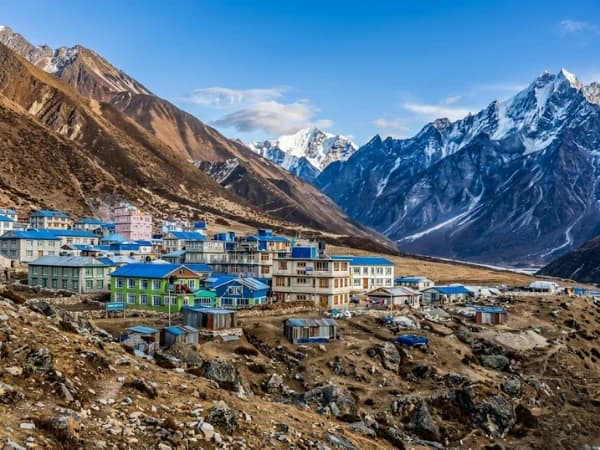
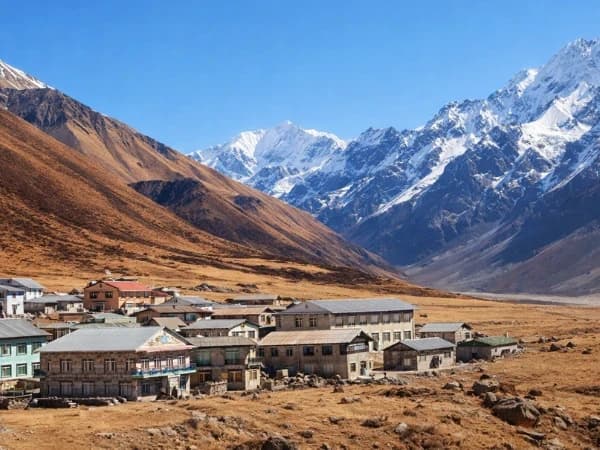
- Kyanjin Gompa 3,870 m; Kyanjin Ri and Tserko Ri are optional climbs
- Best months: March to May and late September to November
- Tamang Heritage north (Thuman, Timure) needs the Rasuwa restricted-area permit
Related: Langtang Trek 8 days · Helambu Trek 6 days · Gosaikunda Trek 5 days · Langtang region guide
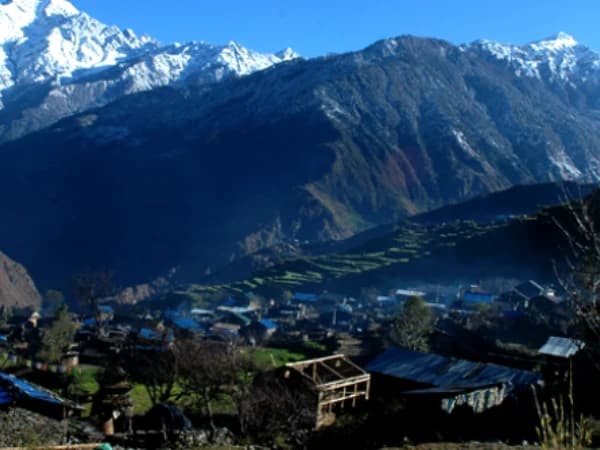
The Langtang Region is the best place to go trekking since it has easy access to the Himalayas, a strong Tamang Buddhist culture, and dramatic alpine scenery—all within a short drive from Kathmandu. Langtang is sometimes nicknamed "the valley of glaciers." It is home to famous hikes like the traditional Langtang Valley Trek, the sacred Gosainkunda Lake Trek, and the immersive Tamang Heritage Trail. It provides amazing views of Langtang Lirung (7,227m) and is an excellent place for anyone who wishes to be alone and learn about the culture while trekking.
Why You Should Go Trekking in Langtang Next
A Langtang Region Trek is a great choice since it offers great pricing, deep cultural experiences, and shorter travel times without sacrificing the beauty of the Himalayas. Langtang is great for people who don't have a lot of time because it's close to Kathmandu. You may have a full Himalayan experience in just 5 to 12 days. The area is a living museum of Tamang and Tibetan culture, and the reconstructed villages have shown amazing strength since the earthquakes in 2015. Our eco-friendly itineraries focus on community-based tourism, which helps local homestays and makes sure that your trip helps the valley's continuous regeneration.
Best Time for Langtang Trekking: A Seasonal Guide
The best times to go hiking in Langtang are in the fall (October to December) and the spring (March to May). October and November have beautiful skies, consistent weather, and ideal views of the mountains, making them great for photography and high passes like Laurebina Pass. In the spring, the rhododendrons blossom brightly, the weather gets warmer, and the paths come alive. The August full moon pilgrimage to Gosainkunda Lake is a unique cultural event in Langtang, even though the trails are damp. Winter (January-February) is beautiful and calm, but you need to be ready for snow and cold, especially at higher elevations. The main valley doesn't usually get a lot of rain and leeches during the monsoon season (June to September).
Natural and cultural highlights
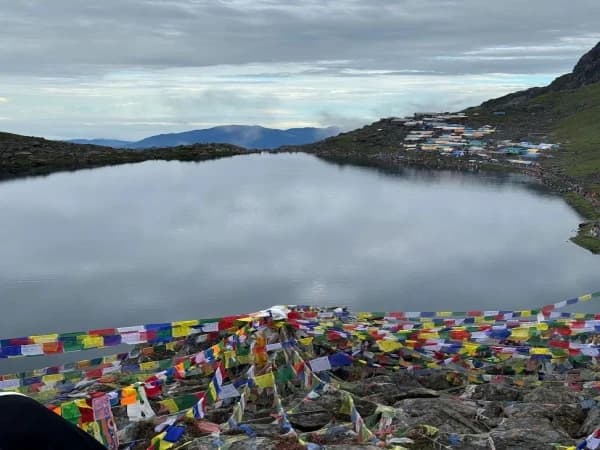
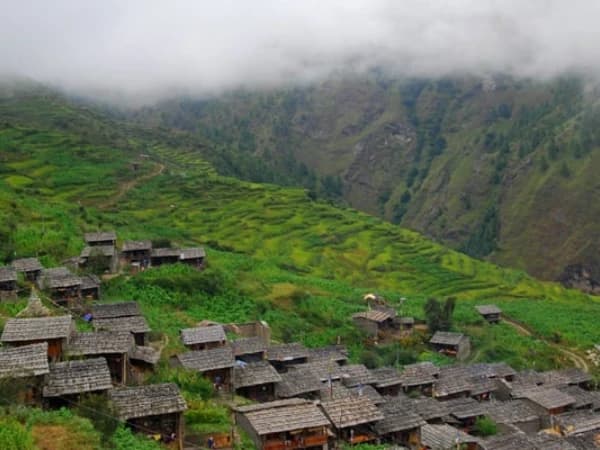
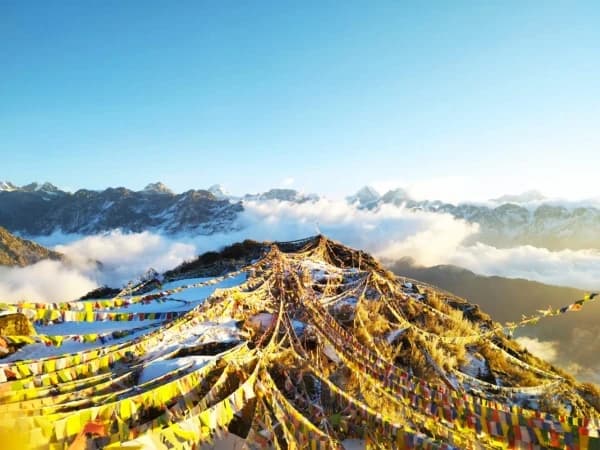
The Langtang journey is all about getting to know the culture and seeing a lot of different types of plants and animals. There are gorgeous wooden houses, old Buddhist monasteries, and traditional dance shows along the Tamang Heritage Trail. The holy Gosainkunda Lake is very important to religious people, and pilgrims bathe in its cold waters. Langtang National Park is home to red pandas and langur monkeys. As you go through the park, you'll see lush woods and high-altitude valleys where yaks graze under the watchful eye of Langtang Lirung. The cheese factory at Kyanjin Gompa and the panoramic top of Kyanjin Ri (4,773m) are two important places to see.
Our nearest neighbour, our quietest trail
Langtang is the closest of all the Himalayan trekking regions to where our family is actually from. Our home district of Dhading shares a border with Rasuwa, the district that Langtang sits in. Before there were highways and tour buses, the trail through Langtang was simply how people from the upper villages of Dhading walked north into the mountains, and the trail down through Dhunche and back through Dhading was simply how people from Langtang came south to Kathmandu. That is not a marketing line. That is how the geography of the central Himalayas actually works.
For our family this means Langtang is something between a backyard and a corridor. The elders walked these hills for generations not as tourists but as people moving through their own neighbourhood. When our grandfather Hari Lal Simkhada was arranging logistics for foreign expeditions in the seventies and eighties, Langtang was the kind of region he could reach in a couple of days from Saldum without thinking twice. When you trek the Langtang Valley or the Tamang Heritage Trail with us today, you are walking on terrain that is closer to our home than even the Manaslu trails are.
There is one trek in this region that we care about more than any other and that is the ruby valley trek. Ruby valley sits in the upper part of Dhading district itself, and the nine-day route walks from Dhading Besi through Tipling and Borang and over the Pangsang Pass at three thousand eight hundred and forty-two metres before dropping into Gatlang and Syabrubesi where it joins the Langtang circuit. This is a trek that is geographically half in our home district and half in Langtang. It is the trail that physically connects the two regions.
For years almost nobody walked this route. It was not on any of the well-known trekking lists. It had no infrastructure to speak of. We made a deliberate decision as a company to put it on the map. We built the package, we wrote the guides for every village along the way, we walked the route ourselves in every season to figure out where the lodges were trustworthy and where they were not, and we have been bringing trekkers through it ever since. It now has seventeen real reviews on our website from people who walked it with us. It is one of the quietest and most rewarding treks in Nepal and we believe we are one of the very few companies who have done the work to make it actually bookable.
The work in this region is not just commercial. Through our charity, the Nagarjun Learning Center, we have run education and health programmes in the upper Dhading communities that ruby valley passes through. Seventy children at our flagship centre in Saldum get a free education and a hot meal every school day, more than six hundred people in the surrounding villages have received free medical care through our annual health camps, and ten percent of every booking we take here helps keep that work going. When you trek ruby valley with us you are not just walking through a region, you are walking through villages where our family is known by name and where our charity is part of the fabric of life.
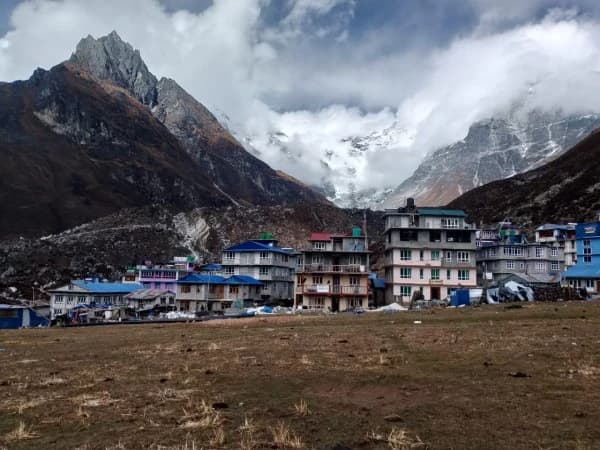
Our father, Ganesh Prasad Simkhada, served as general secretary of the Nepal Mountaineering Association from 2005 through 2008 and then on the Board of Executive Directors of the Nepal Tourism Board from 2009 to 2011. Through those roles he worked on opening and developing trekking infrastructure across Nepal, Langtang included. Langtang National Park has gone through significant changes since the 2015 earthquake destroyed much of the upper valley, and our team has been walking it through recovery and rebuild. We know which lodges in Kyanjin Gompa are real lodges and which are still rebuilding. We know which sections of the trail above Langtang Village have been re-routed since the slide. We know which families in Tipling have just opened a new homestay and which have been hosting trekkers since before the trekking industry knew what to call them.
When you trek Langtang or ruby valley with us, you are not getting a Kathmandu agency that decided this region was a good seller. You are getting a team that has walked it long enough to remember it before and after, with a charity rooted in its villages and a family history that goes back generations into the next valley over.
Frequently asked questions
Is the Langtang trek open now?
Yes. The road to Dhunche and Syabrubesi reopened in October 2026. There are no hotels running in Syabrubesi, so on day one we walk on to the first open lodge. We check road and trail 48 hours before every departure.
How hard is the Langtang Valley trek?
It is a moderate trek of about a week, reaching Kyanjin Gompa at 3,870 m. It suits fit beginners who walk at a steady pace.
How much does the Langtang trek cost?
From USD 320 per person on the Budget tier for 2 to 4 trekkers, USD 570 on Standard and USD 800 on Luxury.
Langtang or Annapurna?
Langtang is closer to Kathmandu and quieter. Annapurna has more route choice and bigger mountain views from Poon Hill and Annapurna Base Camp.
 Chat with Shreejan