Kailash Mansarovar Tour 15-Days Itinerary and Cost

Kailash Mansarovar Tour
Quick Overview
Duration15 Days
Trip GradeModerate
CountryTibet
Group Size2-20
StartsKathmandu
EndsKathmandu
ActivitiesMansarovar Tour
Best TimeSpring and Autumn

This carefully crafted 15-day pilgrimage tour from Kathmandu will take you on the ultimate spiritual journey to the holy Lake Mansarovar and the famous Mount Kailash. This life-changing trip takes you across the Nepal-Tibet border into the mysterious landscapes of the Tibetan Plateau, following old pilgrimage paths to the home of Lord Shiva. This vacation is for people who want to experience deep spiritual fulfillment in some of the world's most beautiful and sacred places. It includes cultural immersion in Kathmandu and Bhaktapur, as well as a challenging high-altitude hike around Mount Kailash (Kora).

Highlight

  • Visit the holy Mount Kailash, a spiritual site that draws visitors and adventurers from all over the world.

  • See Potala Palace, Jokhang Temple, Chiu Monastery, Rakshas Tal, and more. Lake Mansarovar is one of the world's highest freshwater lakes and a holy site.

  • Get to know the deep spiritual meaning of the Kailash Mansarovar Yatra. Buddhism views this route as a symbol of balance and unity.

  • Learn why people of many religions see the Kailash Mansarovar trek as a way to reach spiritual freedom and inner peace.

  • Take part in the Mount Kailash Kora (parikrama), a holy walk that is thought to wash away past sins and bring about good change.

  • See why it's thought that people who return from the Kailash Mansarovar tour have more energy and a spiritual awakening

  • Go on a trip that you will never forget that combines a trek, Tibetan culture, and beautiful Himalayan scenery.

Kailash Mansarovar Tour: A Holy Journey to Lake Mansarovar and Mount Kailash

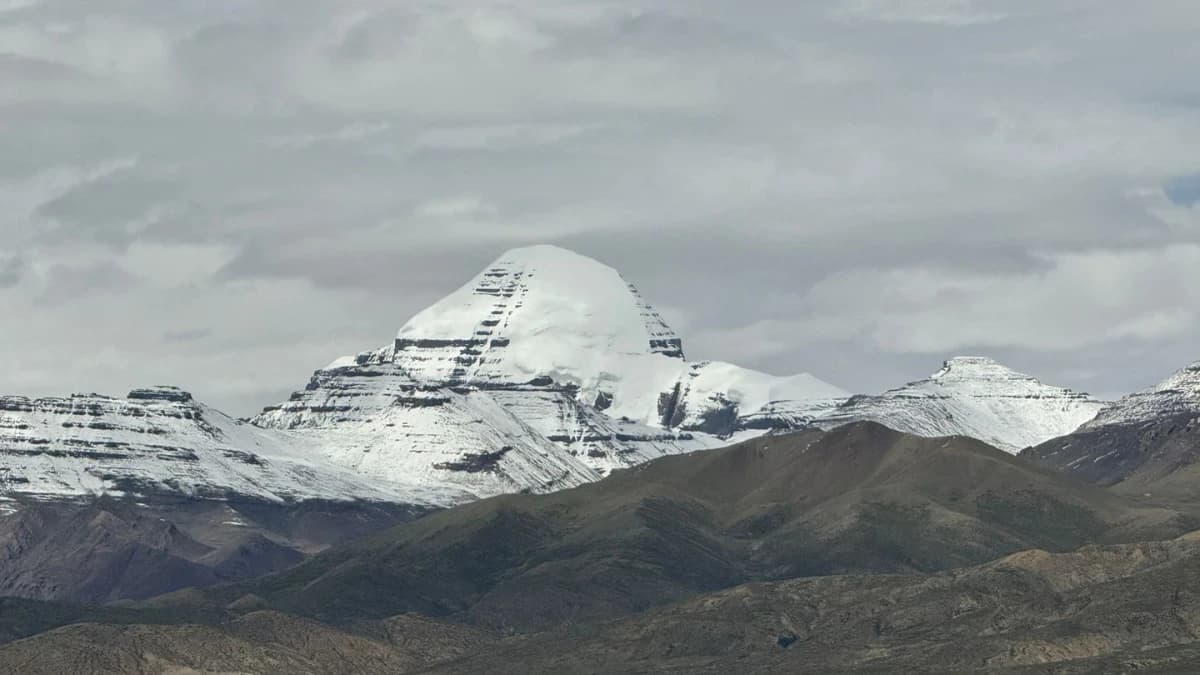
Many tourists have a lifelong spiritual desire to go on the Kailash Mansarovar Tour, which is one of the most important pilgrimage tours in Tibet. The holy Kailash Mansarovar Yatra transports pilgrims to Mount Kailash (6,638 m) and the holy Lake Mansarovar, which are both in the far western region of China's Tibet Autonomous Region. Hindus, Buddhists, Jains, and Bon adherents all see this voyage as crucial for their faith.

A trip to Tibet's Kailash Mansarovar is more than just a pilgrimage. Travelers visit famous Tibetan sites like Lhasa, Jokhang Temple, and the famous Potala Palace, as well as Lake Mansarovar and the Mount Kailash parikrama (kora walk). Along the route, the tour gives visitors breathtaking vistas of the Himalayas, such as Mount Kailash, Mount Everest (8,848 m), and Mount Cho Oyu (8,201 m).

Hindu mythology says that Mount Kailash is the holy home of Lord Shiva and that it formed millions of years ago when the Himalayas were first forming. As a result, many consider the Kailash Mansarovar Darshan trip to be among the most profound spiritual journeys in Asia.

The Kailash Mansarovar Lhasa travel package is popular with people of various faiths, including Hindus, Buddhists, Jains, and Bon, making it a meaningful pilgrimage for everyone. The Mansarovar Lake and Kailash Parikrama journey is still the best option for pilgrimage travel in Tibet.

Right now, you can do a 10- to 13-day overland tour from Kathmandu to Kailash Mansarovar by driving up to Yamdwar. The Mount Kailash kora trip normally takes two to three days to finish. There are also special Kailash Mansarovar travel packages for older people and anyone who is going on their first pilgrimage. These tours start in Kathmandu or Lhasa.

In Tibet, Mount Kailash is in the southwest of the Ngari area. It is also known as Kang Rimpoche. You can get there by four primary routes: two through Nepal, one through India, and one through Pakistan. The price of the Kailash Mansarovar tour depends on how many people are in the group, how long the trip is, and which route you choose.

Lhasa is about 1,213 kilometers away from Mount Kailash. May, June, July, August, and September are the greatest months for the Kailash Mansarovar Yatra since the weather is best for traveling and hiking.

The Everest Holiday offers Kailash Mansarovar tours during the season, which can be private, group-joined, or customized to your specifications. The Kailash Mansarovar circuit tour is good for people of all ages because the trip includes extensive driving and just trekking during the parikrama. Horse accommodations can be made up to Zuthul Puk for pilgrims who have trouble on the trek. After that, they can travel overland.

You need specific Tibet travel licenses for all Kailash Mansarovar parikrama tours. These can be secured through official Tibet travel firms. The Everest Holiday is a licensed Kailash Mansarovar tour operator in Nepal. They provide guests with customizable itineraries that they can alter or extend to suit their needs.

There are also budget Kailash Mansarovar tours for anyone who wants to go with a group. The Kailash Mansarovar tour is considered difficult because of the high altitude, although it is doable for both new and experienced tourists who are in ordinary shape.

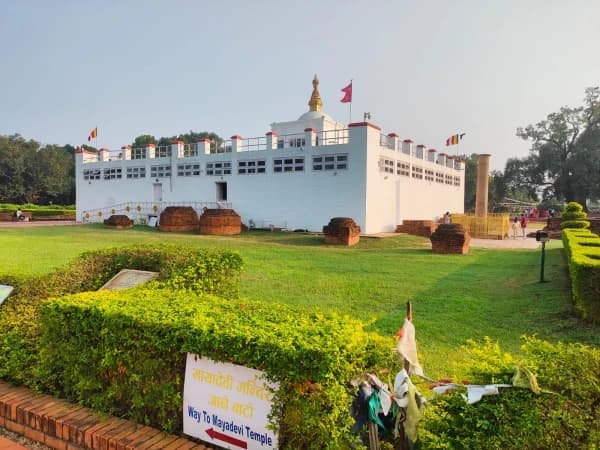
For hundreds of years, people have held Lake Mansarovar in high regard. Ancient Sanskrit books like the Puranas even mention it. People say that Goddess Mayadevi, who was the mother of Buddha, bathed in Mansarovar before she gave birth. As a result, people consider the Kailash kora trekking tour to be among the world's most sacred pilgrimage trips.

A Kailash Mansarovar tour in Tibet offers pilgrims a once-in-a-lifetime experience to see Mount Kailash, Lake Mansarovar, and the cultural treasures of Lhasa, such as the Potala Palace.

You can start the Kailash Mansarovar pilgrimage tour in either Lhasa or at the Tibet border at Kodari. The Everest Holiday can set up Kailash vacations that start in Kathmandu or Chengdu. Depending on what and when passengers want to go, they can fly to Lhasa or drive there from Nepal.

Lake Mansarovar is in the southwest portion of Tibet, near the border with Nepal. Hindus and Buddhists believe that the four important rivers in the Indian subcontinent connect to Mansarovar. The Sutlej River starts right at the lake.

Travelers are strongly well organized. Travelers should arrange their Tibet Kailash Mansarovar tour through a government-registered Nepal travel company such as The Everest Holiday. Their efforts will make sure that their trip is safe and well-organized. The Everest Holiday respects all the rules set by the government and makes sure that your trip to Tibet is safe, meaningful, and unforgettable.

Reminder

For a smooth and stress-free start, we recommend arriving in Kathmandu by 4 PM the day before we leave. This gives you enough time for a final gear check, a trip briefing with your guide, and to ensure you have everything you need before heading out on the trek.

Online briefing

This online meeting serves as our first coffee before the trip! This online meeting is your opportunity to learn about everything that will happen on the trip. We'll discuss what to bring, what each day will be like, and answer any questions. After you book, we'll send you an email with a couple of times when we can talk. We'll set up our pre-adventure meeting as soon as you submit the papers we need. Also, our tour itinerary does not include your hotel stay in Kathmandu.  So, while in the online meeting, please let us know your preferences, budget, and standard of the hotel you would like to stay in Kathmandu. 

Short Itinerary
Day 01: Arrival in Kathmandu
Max Altitude: 1400m
Day 02: Trip Preparation, visa process, and Kathmandu Sightseeing
Max Altitude: 1400m
Day 03: Visa Processing, Bhaktapur sightseeing.
Max Altitude: 1400m
Day 04: Drive from Kathmandu to the border, then customs check-in and drive to Kerong
Day 05: Kerong – day free for acclimatization
Day 06: Morning drive from Kerong to Saga.
Max Altitude: 4,450m /
Day 07: Morning drive start from Saga to Mansarovar (Chiu Gomba)
Max Altitude: 4,558m /
Day 08: Drive from Mansarovar to Darchen (4600m), Manasarovar lake parikrama
Max Altitude: 4,600m /
Day 09: Morning drive from Tarchen to Tarboche around 13 km / Trek to Dirapuk (4860m)
Max Altitude: 4,860m /
Day 10: Trek start from Dirapuk to Zuthulpuk (18 km trek / 9-10 hrs) (passing through Dolma-la pass 5660 m)
Max Altitude: 4,760m /
Day 11: Morning start from Zutulpuk to Darchen trek, then drive back to Saga
Max Altitude: 4,450m /
Day 12: Drive back to Nuwakot (Nepal) via Kerong– This day can be reached in Kathmandu if the long drive till 8/9 pm
Day 13: Drive back to Kathmandu
Day 14: Extra Spare Day
Day 15: Final Departure
Expand
Detailed Itinerary
Day 01:

Greetings and a warm welcome to Nepal! When you get to Tribhuvan International Airport, our representative will welcome you with a beautiful marigold garland or khada.

After that, a private, comfortable vehicle will take you to your hotel. Upon arrival at the hotel, you may rest and get used to the lively bustle of Kathmandu, receive a short briefing about the Kailash Mansarovar Yatra tour, and receive official arrangements for the China visa processing. 

You may take your time settling in and getting a first look at the city's busy streets in the evening. The tourist town Thamel is famed for its colorful markets and pleasant cafes. You might want to check it out.

Max Altitude: 1400mAccommodation: Hotel
Day 02:

You spend your second day exploring Kathmandu's rich culture and making important plans for your Kailash tour. Our team from The Everest Holiday will give a full pre-trip training in the morning. We will check your papers for the Chinese Group Visa, compare your gear to our Kailash packing list, go over the whole schedule, talk about high-altitude health precautions, and answer all of your questions. This will help your journey get off to a smooth and organized start.

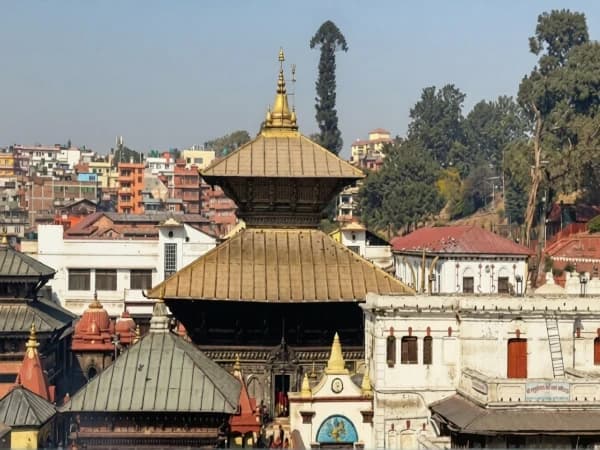
In the afternoon, go on a guided walk of Kathmandu's UNESCO World Heritage sites. It is a big Hindu temple complex on the banks of the Bagmati River. You will also see the huge Boudhanath Stupa, which is a center for Tibetan Buddhism and one of the largest circular stupas in Nepal. This will help you understand more about Buddhism before you go to Tibet.

Max Altitude: 1400mMeals: BreakfastAccommodation: Hotel
Day 03:

On the third day, you'll finish getting your Tibet travel pass and see another beautiful part of the Kathmandu Valley. Our staff will pick up your passport and any other papers you sent in so that the Chinese Group Visa can be issued at the embassy. We oversee the entire process and ensure compliance with all Tibet's travel regulations for your Kailash Mansarovar Yatra.

After taking care of the paperwork, you will enjoy a beautiful drive to Bhaktapur Durbar Square. This medieval city on the UNESCO list is a living museum of Newari culture. Many people visit and enjoy the beautiful pagoda-style temples, detailed woodcarvings, and pottery squares. When you go to Bhaktapur, you can learn more about the area's rich artistic and architectural history. It also looks very different from the Tibetan scenery you will soon be seeing.

Max Altitude: 1400mMeals: Breakfast
Day 04:

Experience the tremendous change from the hills of Nepal to the high plateau of Tibet. The first part of your Mount Kailash journey is a beautiful drive from Kathmandu to the Nepal-China border at Rasuwa Gadhi/Timure in the early morning. You may see parts of rural Nepal and the tall Langtang Himalayan range along the way. After you finish going through customs in Nepal, you'll go across the Friendship Bridge to the Chinese side, where you'll go through the process of getting into Tibet. This is a crucial stage that requires your Tibet Travel Permit and passport. 

After all the paperwork is done, meet your Tibetan guide and driver for the beautiful journey up to Gyirong (Kerong), a border settlement in a lush valley. The drive itself gives you a taste of Tibet's huge landscapes. It's important to follow the right rules when crossing the border for Kailash tours. Make sure all your papers are in order so everything goes well. Get some rest in Kerong (2,700m) to help your body adjust to the Kailash Mansarovar Yatra.

Meals: Breakfast, Lunch, and DinnerAccommodation: HotelDistance: 91.6 km/
Day 05:

For a trouble-free trip, this leisure day is a must-have. Acclimatization in Kerong entails easing into a state of somewhat decreased oxygen intake. At this point, you're far less likely to contract Acute Mountain Sickness (AMS) when hiking the higher plateau that lies ahead. Soak up some rays and see all the region has to offer during the day. For a glimpse into Tibetan life, visit Gyirong Town; alternatively, go for a stroll to a nearby lookout. 

Pay close attention to your vitals, avoid alcoholic beverages, and drink enough water. To wrap up preparations for the Kailash expedition, this is a wonderful chance as well. Mount Kailash Kora (parikrama) requires you to divide your main luggage from a small bag. Before you set out on your journey, consult your guide for any last-minute information you may need. Get ready for high altitudes if you want to enjoy the spiritual journey, not merely get through it.

Meals: Breakfast, Lunch, and DinnerAccommodation: Hotel
Day 06:

To traverse the vast Tibetan plateau, you must first take the well-known China-Nepal Friendship Highway, the first of its kind. Over the course of six to seven hours, you will travel 240 kilometers from Kerong to Saga (4,450 m), taking in stunning views of steep valleys, faraway snow peaks, and the formidable Yarlung Tsangpo (Brahmaputra) River. You will reach genuinely high-altitude country as the road gradually ascends. You must show your permits at the Lhatse checkpoint.

As you wind your way through the drive, the breathtaking, awe-inspiring plateau comes into view. The moment you set foot in Saga, the tremendous rise in elevation will strike you. It's critical to keep up with acclimatization practices: take it easy, hydrate well, and keep an eye out for symptoms of altitude sickness. A stay at a simple Saga guesthouse will set you up for the next leg of your journey to the holy sites.

Max Altitude: 4,450m /Meals: Breakfast, Lunch, and DinnerAccommodation: HotelDuration: 6-7 hoursDistance: 240 km
Day 07:

See the first holy view of Mount Kailash and Lake Mansarovar, which every pilgrim dreams about. The drive from Saga to the beaches of Lake Mansarovar (4,558m) is the most spiritual and beautiful part of the trip. Cross the Mayum La pass and go across wide plains before the breathtaking view appears. The stunning turquoise-blue waters of Manasarovar Lake and the majestic dome of Mount Kailash (Kang Rinpoche) in the background are deeply affecting for people of all faiths. 

You'll sleep in Chiu Gomba, a monastery on a hill that looks out over the lake. Pilgrims typically take holy baths in Mansarovar or do rituals on the coast. The light on Kailash at night is something you will never forget. This day symbolizes the real start of the spiritual trip, which takes place in a sacred place that has been honored for thousands of years.

Max Altitude: 4,558m /Meals: Breakfast, Lunch, and DinnerAccommodation: HotelDuration: 7-8 hoursDistance: 277km /
Day 08:

After making a spiritual circuit around the lake, return to where you began your hike. Carve out some time in the morning to perform the sacred 90-kilometer Lake Mansarovar Parikrama (Kora). As you make your way around the lake, you'll see pilgrims from all walks of life praying and genuflecting at hallowed sites like Gossul Gompa. Many people feel that the parikrama of Mansarovar might help them gain spiritual merit and purify themselves of sin. Darchen (4,600m), a lively frontier town at Mount Kailash's base and the beginning location for the high-altitude trek, is a short drive away after this dramatic encounter.

Spend the afternoon in Darchen getting ready for the Kailash Kora. If you need a horse or a porter, rent one. Then, fill up your daypack and make sure you don't miss your guide's vital briefing. Before you get up early, make sure you have all the gear you need for the Kailash Trek, including sturdy footwear, trekking poles, and layers of clothes.

Max Altitude: 4,600m /Meals: Breakfast, Lunch, and DinnerAccommodation: Hotel/ LodgeDistance: 40 km/
Day 09:

Get ready to go on a life-altering three-day journey around the center of the cosmos. Your Mount Kailash walking kora will begin after a brief drive to Tarboche, the designated starting point of the hike and the location of the yearly Saga Dawa flagpole ceremony. A 7-kilometer (or 5- to 6-hour) hike across the Lha Chu Valley awaits you on the first day of your adventure. Along the way, you'll get breathtaking views of Mount Kailash's North Face, a steep granite cliff with glaciers gushing down it.

Along the way, you may see prayer flags and meet other travelers. At Dirapuk Monastery (4,860 m), you'll find a guesthouse with a breathtaking view of the north face of Kailash. You should aim for a steady pace and fully immerse yourself in the landscape today. The holy peak, which typically becomes a fiery red at sunset, is a must-see on any Kailash trek.

Max Altitude: 4,860m /Meals: Breakfast, Lunch, and DinnerDistance: 13 km Drive and 7 km Trek
Day 10:

Ascend the highest point of the trek, which is both physically and spiritually demanding. The final day of the challenge is an 18-kilometer hike that will take 9 to 10 hours. Dolma La Pass, at 5,630 meters, is the highest point of the Kailash Kora, and you will reach it after a difficult ascent. At the symbolic Shiva Tsal (place of prostration), the pass is flanked by numerous prayer flags and serves as a location of profound passion and devotion. Because of the high altitude, the climb is difficult, but the reward is worth it. Proceed down into the beautiful Dzulphuk Valley after you have prayed, passing by Gauri Kund (Lake of Compassion). The last leg takes you to Zuthulpuk Monastery (4,760 m), well-known for the great yogi Milarepa's meditation cave. Spiritually, this is the day of "death and rebirth," when the pilgrim is purified of all sins committed throughout their lifetime, but physically, it is a test of endurance.

Max Altitude: 4,760m /Meals: Breakfast, Lunch, and DinnerDuration: 9-10 hoursDistance: 18 km
Day 11:

Return after completing the holy circuit. The 52-kilometer Mount Kailash parikrama culminates in a tranquil and serene 14-kilometer (three- to four-hour) walk from Zuthulpuk back to Darchen, following the Barkha plain. This completeness brings about a deep sense of delight and contentment. You will have a little celebration in Darchen before starting the lengthy drive (around 7 or 8 hours) back to Saga, where you will spend the night. You can reflect on the great physical and spiritual journey you just completed during this drive. As you make your way back to the border from the difficult pilgrimage zone, you will pass Saga. Day one is filled with joy at having finished the kora, and day two is filled with exhaustion from the long day of driving and the reflective thoughts that come with it.

Max Altitude: 4,450m /Meals: Breakfast, Lunch, and DinnerDuration: 7-8 hours
Day 12:

Get back to Nepal's beautiful landscapes after leaving the Tibetan Plateau. Set out from Saga on the picturesque but lengthy journey back to the border between Gyirong and Kerong. You will return to the Friendship Bridge to finish the Nepal entry processes once you have finished the China departure customs in Kerong. Your Nepali crew is on the way. You have the option of driving straight to Kathmandu (a lengthy journey that ends late) or stopping at Nuwakot for the night, as shown in this itinerary, depending on the group's energy and schedule. Offering a charming and more tranquil alternative, Nuwakot is a medieval town boasting a spectacular 7-story palace. Staying here makes re-entering Nepal easier; you can take in the verdant scenery and lower elevation before making the last trip to Kathmandu.

Meals: Breakfast, Lunch, and Dinner
Day 13:

Take a short, beautiful trip back to the comforts of Kathmandu. The last three-hour drive back to Kathmandu starts after breakfast in Nuwakot. The Tibetan plateau is dry and barren, while the Kathmandu Valley is full of life and greenery. When you get there, check into your hotel and enjoy the luxury of a hot shower and a comfortable bed. You have the afternoon and evening off. This is the best time to buy souvenirs in Thamel, have a farewell supper with your colleagues, or just relax and think about the trip that changed your life. It's a day to relax, talk to other pilgrims, and start to think about the deep experience of the Kailash Mansarovar Yatra.

Meals: Breakfast, Lunch, and Dinner
Day 14:

We deliberately plan this spare day as a crucial safety and logistical component of the trip. Having a buffer day in Kathmandu is very important because the trip is so far away, and many things could go wrong, such as bad weather on the Tibet plateau, poor road conditions, or health issues. If everything goes as planned, you can use this day to visit UNESCO sites in Kathmandu that you might have otherwise missed, like Patan Durbar Square or Bhaktapur. You might also spend the day completely relaxing, getting spa treatments to relax sore muscles, or sorting through your images. However, its main goal is to make sure that your international flight out of Kathmandu is never in danger, so you may end your trip without any worries.

Meals: Breakfast
Day 15:

Your life-changing voyage comes to an end as you head to the airport for your next trip. After breakfast, take some time to experience Nepal one more time before you have to leave. You will be taken to Tribhuvan International Airport (KTM) for your trip home or to your next stop. As you leave, you take with you not just memories, but also the deep spiritual value and personal achievement of completing one of the world's most famous pilgrimages: the holy journey to Mount Kailash and Lake Mansarovar. Tashi Delek! (For good luck and congratulations in Tibetan).

Couldn't find what you're after?Reach out to our travel experts.
Customize Trip
Availability
Book your own private small group trip
No. of traveler
Price per person
2 - 4 pax
US$2499
5 - 9 pax
US$2399
9 - 12 pax
US$2299
13 - 20 pax
US$2199

Discounts are determined exclusively by the size of your group. We do not add additional members to your group.

Book Now
Cost Includes
  • Arrival at Kathmandu airport, transfer to the hotel, welcome drink

  • Arati Darshan for Pashupatinath temple

  • 3 nights in a hotel in Kathmandu (double-bed room on BB Basis)

  • 3 meals a day (breakfast, lunch, dinner), pure vegetarian food

  • Drive from Kerung to the Tibet border to Kathmandu by private tourist coach

  • Tibet side for less than 15 persons, provide an air-conditioned mini bus

  • Nepali team leader with fluent English /Hindi language

  • Basic first aid kit box and altitude sickness medicine Diamox

  • Life medical insurance for Nepali Kailash staff and the team leader

  • Twin sharing accommodation at the best available hotel/ guest house along the highway to Mt. Kailash. Three days in tented camps. Bed and breakfast on the other day, but a full board for three days during kora.

  • Yaks and yak helpers/ porters during Kailash Jora to carry the luggage (not for riding use)

  • All necessary permits and their arrangements.

  • Environmental protection fee.

Cost Excludes
  • In Anything not mentioned above, like lunch and dinner, tips, and personal nature expenses, etc.

  • Tibet visa fee is US$:-125.00 (If American and Canadian Passport Holder extra US$:-90.00)

  • Rescue and emergency costs, medical and hospital expenses

  • Travel insurance, personal riding horse, personal use porter, and international flight tickets.

  • A personal natural expense like Laundry, Intl calls, etc.

  • Travel insurance.

  • Tips for the guide, staff, and driver.

Essential Information

The Kailash Mansarovar Yatra and Its Cultural and Spiritual Importance

Hindus, Buddhists, Jainites, and Bon adherents all hold the Kailash Mansarovar Yatra in the highest regard, ranking it among the world's holiest pilgrimages. While Hindus believe Mount Kailash to be Shiva's home, Buddhists see it as the legendary Mount Meru, the galactic center. People come from all over the world to partake in the famous Lake Mansarovar dip and the sacred Kailash Parikrama (Kora), which is thought to wash away sins and grant spiritual emancipation. This is more than a simple pilgrimage; it is a profound spiritual experience steeped in long-established traditions and beliefs.

Kailash Mansarovar Tour Routes and How Long They Last

There are many well-known Kailash Mansarovar tour itineraries. The most famous one is the overland trip from Kathmandu to Kerung, which usually takes 12 to 15 days. This route lets you get used to the high altitude slowly as you travel the Tibetan plateau between Saga and Darchen. The Lhasa to Kailash tour is another popular choice. It lasts about 15 to 18 days and includes stops at famous places like the Potala Palace and the Jokhang Temple before going west. The Kailash Parikrama is a 52-kilometer hike that takes 2 to 3 days and goes across the Dolma La Pass, which is 5,630 meters high.

The Best Time to Go to Kailash Mansarovar

May to September is the best time to go to Kailash Mansarovar because the weather is usually stable and the mountain passes are open. These months include clearer skies, temperatures that are easier to deal with, and safer circumstances for hiking. March, June, July, August, and September are the best months for the yatra because summer is the best time to go to high altitudes. Many pilgrims also want to go on full moon Kailash Mansarovar tours, which are seen to be very lucky and spiritually important.

How challenging it is and how fit you need to be for the Kailash Yatra

The Kailash Mansarovar Yatra is a difficult high-altitude pilgrimage since it involves protracted stays above 4,500 meters and the hard Dolma La Pass crossing. The trip is planned with enough acclimatization days, so average people can do it. The trek can be hard on your body and mind, but there are ways to get help, such as horse or porter services, along the Parikrama. To finish the yatra safely, you need to be well-prepared and have a positive attitude.

The Everest Holiday's Kailash Mansarovar Tour: Key Highlights

The Everest Holiday's Kailash Mansarovar tour provides a full spiritual and cultural experience with no problems with transportation. Pilgrims can walk around Mount Kailash, take holy baths at Lake Mansarovar, and see holy places like the Chiu Gompa monastery. As a licensed Tibet tour operator, we handle all of the travel permits, group visas, transportation, lodging, and guided services for Tibet trips in a professional way. Private groups, seniors, and pilgrims who want to join a group can choose from special tour choices that keep them comfortable, safe, and focused on their spiritual trip.

Checklist for Getting Ready for the Kailash Mansarovar Yatra

To have a successful Kailash Mansarovar Yatra, you need to get ready in the right way. The tour organizer takes care of getting all the pilgrims a Chinese Group Visa and a Tibet Travel Permit. Getting ready for health means seeing a doctor, learning about altitude sickness, and following acclimatization rules. A strong backpack, hiking poles, sun protection, personal medication, water purification pills, and warm layered clothing are all things you need to pack. A pilgrimage that is well-planned is safer, goes more smoothly, and is more spiritually gratifying.

Food and lodging

We shall follow three sorts of accommodations while you are on your trip. You will stay in a comfortable 3-star hotel in Kathmandu for 4 nights, in 3- and 4-star hotels in Tibetan towns, including Lhasa, for 8 nights, and in standard, clean, pleasant tea houses for 3 nights during the Kora. All of the places you'll stay on the journey will be shared with another person. If you ask for it, you can have a single supplement for an extra $380 USD. But a single supplement might not always be possible, especially at higher elevations above Mansarovar.
You may eat real Nepalese food in Kathmandu and exotic Tibetan food in Tibet on our Mount Kailash and Mansarovar Lake Yatra. You can also eat food from all over the world, such as Italian, Indian, and Continental. Your trip to Mansarovar (Day 10) only includes breakfast. After that, lunch and dinner are also covered. Along the rest of the trip, our cook will provide you with tasty and clean meals. Every morning, the hotel will serve breakfast. You can buy dinner from the hotel or from the menu at the lodge where you stay the night. You can eat lunch on the way to your next stop.

Changing Money

For the Kailash Mansarovar trip, the official currency of Tibet is the Chinese Yuan (CNY), which is also called Renminbi. During the tour, you can only use Yuan to pay for your lodging, permits, transportation, meals, and local goods. US dollars and other foreign currencies rarely find acceptance in Tibetan cities and villages. Nepalese pilgrims frequently exchange their US dollars or Nepalese Rupees (NPR) for Chinese Yuan before traveling to Tibet. They can do such transactions in the border towns of Kerung or at well-known banks in Kathmandu. There aren't many ATMs along the Kailash route, and credit cards aren't frequently accepted, so you should always have enough cash on hand in small notes. If you have some extra cash on hand, it will be easier to buy meals, leave tips, and make little purchases while you're on the high-altitude climb.

Security

The Everest Holiday promises that its clients will be safe, secure, and happy. Your safety is the most important thing to us. Our guides are experienced, licensed by the government, and have had a lot of training in first aid. We will go sightseeing together every day, which will make it much safer.

Trip conclusion 

Farewell Dinner 

We will have a farewell meal for you in Kathmandu after the Mansarovar Kora tour, remember. This is a great opportunity to share stories from your adventure and provide us with your feedback. We will also present you with a certificate of achievement to recognize your incredible accomplishment.

Departure 

To arrange your airport transfer, please let us know your hotel name, room number, and flight departure details. We will take you from your hotel to Tribhuvan International Airport so you may catch your trip home. We hope you had an amazing time and can't wait to see you back in Nepal for another tour.

Tipping culture 

Tipping is accepted in Nepali culture but is not mandatory. The amount should reflect the quality of service, the length, and the cost of the tour. This recommends giving tips to the crew collectively at the end of the tour.