

Update, 26 August 2026: a large flood came down the Bhote Koshi river on 26 August and damaged the Rasuwagadhi border crossing, the customs post and the road through Timure and Syabrubesi. The overland route into Tibet described on this page is not running for the rest of the 2026 season. The western route to Kailash, which flies Kathmandu to Nepalgunj to Simikot and then crosses by helicopter to Hilsa, is in a different part of the country and is unaffected. I have written the full account of what happened, and what it means for each route, here. I will update this page once the crossing has been properly assessed.
Some trips take you across maps, while others take you across lifetimes. The Kailash Mansarovar Yatra is in the second group.
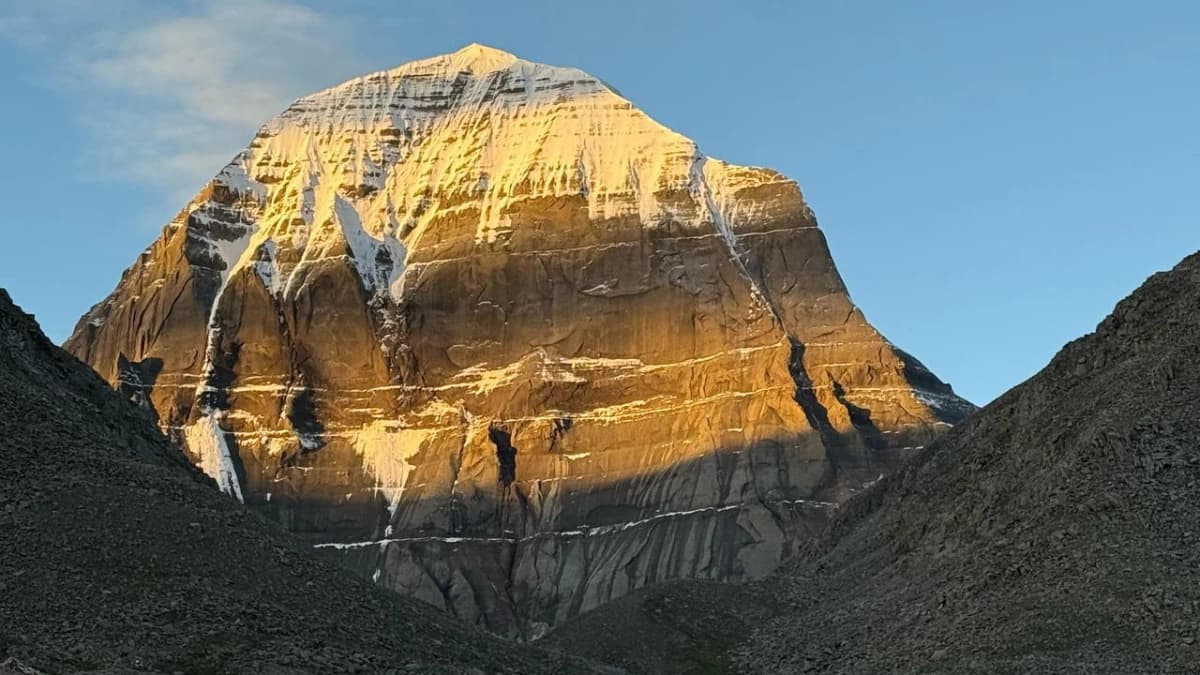
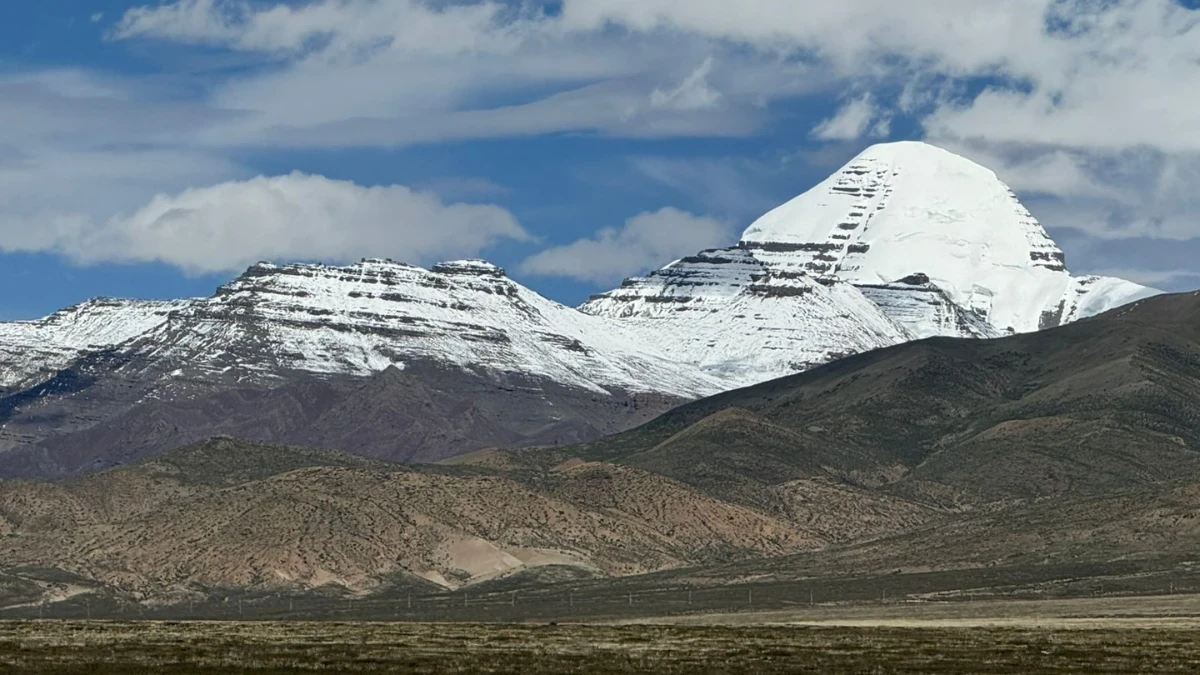
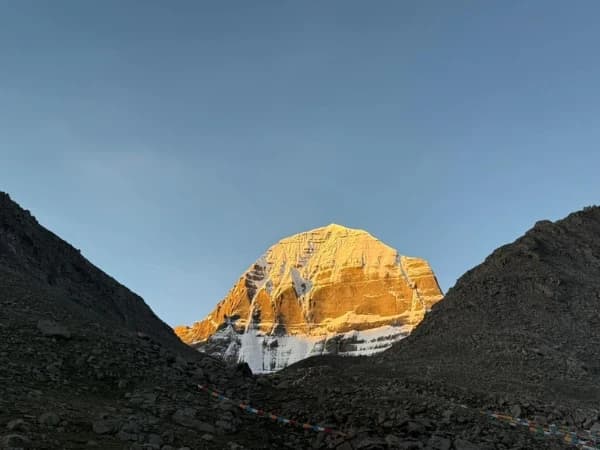
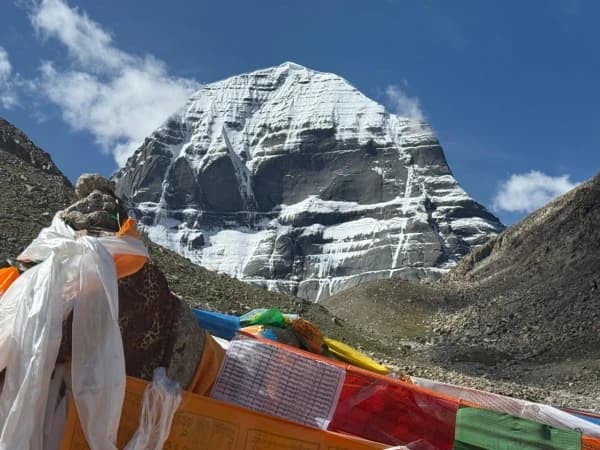
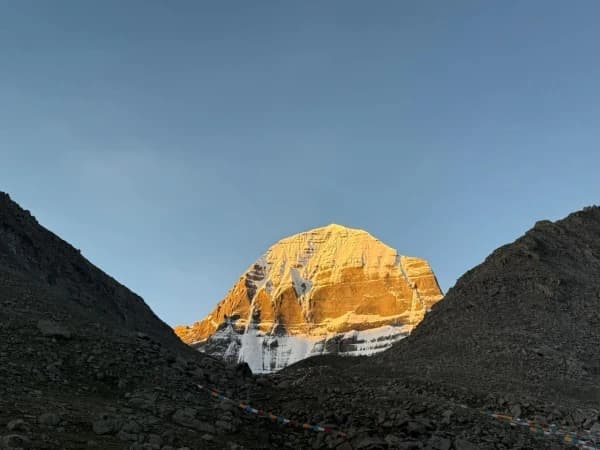
For thousands of years, people have travelled to western Tibet to see one mountain. Mount Kailash, which is 6,638 metres high, is not the tallest mountain in the Himalayas. It is located on the barren Tibetan plateau. It doesn't require the technical skill of Everest or the fame of Annapurna. But no other mountain on Earth has more spiritual force. Hindus think that Lord Shiva is always meditating there. Buddhists hold it in high regard as the centre of the universe. Jains revere it as the location where their inaugural prophet achieved enlightenment. The oldest spiritual movement in Tibet, Bon, sees it as a holy nine-story swastika mountain.
Lake Mansarovar, a huge body of freshwater that shines at 4,590 metres, is at the bottom. Hindu mythology claims that Lord Brahma created it, and its waters purify the sins of a hundred lifetimes. People say that one dip cleanses the soul completely.
Kailash Mansarovar Yatra 2026 at a glance
- Cost: quote on request, tailored to your group size, route and dates (we do not sell fixed off-the-shelf prices for this pilgrimage)
- Duration: 11–20 days, depending on route · Max altitude: 5,630 metres at Dolma La · Best time: May to October
- Routes: overland from Kathmandu via Kyirung, or helicopter for a shorter, gentler pilgrimage
Overland Yatra Helicopter Tour or WhatsApp us to plan your yatra and ask for current 2026 dates and a tailored quote.
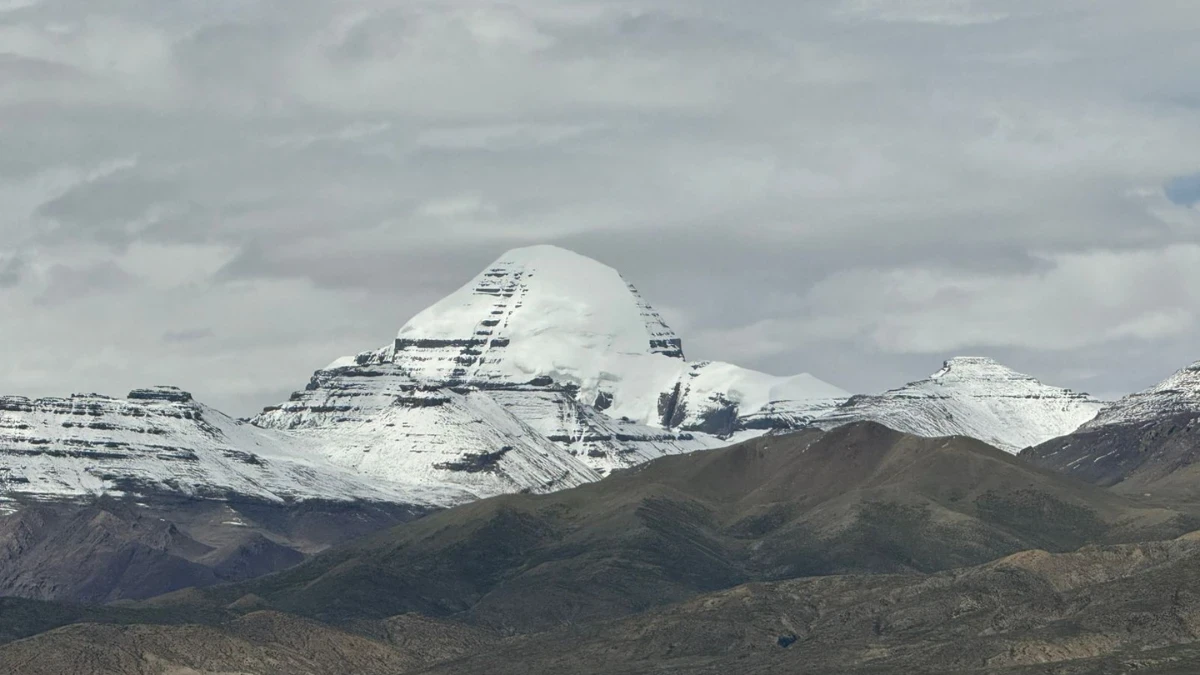
For millions of people, standing at Kailash, walking the 52-kilometre circumambulation known as the Parikrama or Kora, and bathing in Mansarovar are the most spiritual things they can do. The trip isn't straightforward. It takes physical strength, mental toughness, and faith that never wavers. At Dolma La Pass, the air has half as much oxygen as at sea level. The winds can push you off course. The land goes from dusty plains to cold hills with big rocks on them.
But people who finish it talk about something more than the physical. They talk so deeply that you can hear your own heart beating. They speak of mountains that appear to be alive, watching, and blessing. There are moments when the distinction between the self and the sacred completely dissolves.
This handbook is here to help you get ready for that trip. The following will help you with the practical while keeping your mind on the spiritual, whether you come from Nepal or Lhasa, by road or helicopter, or if this is your first pilgrimage or your fiftieth.
The mountain is waiting. The water shows what will last forever. And in western Tibet, Lord Shiva sits in meditation and welcomes everyone who makes the climb.
Why Is Kailash Mansarovar Called a Pilgrimage, Not a Trek?
Knowing the spiritual geography of this area helps explain why so many people want to go on this trip.
Mount Kailash: The Centre of the World
In Hindu mythology, Mount Kailash is the physical form of Mount Meru, which is the cosmic axis around which everything revolves. The revered ascetic sits there all the time, smoking hemp and thinking about the meaning of life. It is the home of Lord Shiva and Goddess Parvati. The four sides of the mountain face the four directions, and the four biggest rivers in India (the Indus, Brahmaputra, Sutlej, and Karnali) start within 50 kilometres of the base.
For Buddhists, Kailash is the mandala of Demchok, a god who embodies the highest level of happiness. People who finish the Kora gain merit and go closer to enlightenment. For Jains, the mountain is Mount Ashtapada, where Rishabhadeva, the first Tirthankara, reached nirvana. Bon practitioners believe that Tagzig Olmo Lungring is the holy mountain where their founder, Tonpa Shenrab, came down from heaven.
There is no other place on Earth that is so spiritually important to so many different cultures.
Lake Mansarovar: The Waters of Creation
In Hindu mythology, Lord Brahma thought of Lake Mansarovar before it came into reality on Earth. The word "Manas," which means "mind" or "consciousness," is where the name comes from. People think that the lake is the epitome of cleanliness and that bathing in its waters will wash away the karma of many lives.
The lake is around 320 square kilometres, and its bright blue waters stand out against the brown and ochre of the plains around it. On clear days, the surface of Lake Kailash completely mirrors the mountain. This view alone makes the trip worth it.
The Importance of Circumambulation
Walking around Mount Kailash is more than just a hike. Every step is a physical prayer and a moving meditation. Most pilgrims take three days to walk the 52-kilometre round, but the most dedicated do full-body prostrations the whole way, which adds weeks to the journey.
People think that each step gets rid of negative karma. Each time you bow down, you get closer to freedom. The outer Kora goes through beautiful scenery, over the Dolma La Pass at 5,630 metres, and by places where thousands of pilgrims have placed offerings for thousands of years.
The Year of the Fire Horse is 2026.
The year 2026 is very important. It is the Fire Horse Year in the Tibetan calendar, which happens only once every 60 years. In a Fire Horse Year, doing one circumambulation is worth the same spiritually as doing 12 or 13 circumambulations in a normal year.
Because of this, interest in the 2026 Yatra has already grown. People who have been waiting for decades are making plans. Quickly filling spaces. Now is the time to get ready.
Route Options: Picking Your Way
There are three main ways for pilgrims to get to Kailash Mansarovar. Each one has its own set of experiences, problems, and rewards. Knowing them will help you make a good choice.
Route One: Go overland from Kathmandu to Kyirung
Most pilgrims, especially those from India, now prefer this route. This route provides the perfect balance of comfort, acclimating to a new culture, and fostering a deeper understanding of the local people.
|
Route Overview |
Details |
|
Duration |
12 to 14 days |
|
Starting Point |
Kathmandu, Nepal |
|
Border Crossing |
Rasuwagadhi–Kyirung |
|
Maximum Altitude |
5,630 metres at Dolma La |
|
Best suited for |
First-time pilgrims, families, and photographers |
The Journey Begins
Your trip starts in Kathmandu, where you will begin your spiritual preparation at Pashupatinath Temple, Lord Shiva's most holy sanctuary outside of India. The trip north along the Trishuli River takes you through terraced hills and traditional villages, giving you a taste of rural Nepal before you get to the border town of Timure.
When you cross into Tibet at Rasuwagadhi, you are instantly in a different world. The Tibetan plateau is starkly beautiful compared to the lush green of Nepal. The Kyirung Valley, also known as the "hidden valley," is full of surprises. Snow covers the steep hills, and woods cling to them.
The route from Kyirung goes up progressively across the plateau, passing through Saga and endless fields of yak herds and nomadic tents. At first, Lake Mansarovar looks like a distant haze, but suddenly it grows to span the horizon. Finally, you can see Darchen, the dusty settlement at the foot of Kailash, where the Parikrama begins.
Why Pilgrims Take This Route
-
Getting used to the higher altitude slowly is the best way to do it.
-
From jungle to high desert, the geography is amazing.
-
Tibetan villages are full of rich cultural immersions.
-
The cheapest of the three options
-
A proven track record with hundreds of successful pilgrimages
What is the 14-day Kailash Mansarovar Yatra itinerary from Nepal?
Day 1: Get to Kathmandu
Day 2: Sightseeing in Kathmandu and getting ready
Day 3: Drive from Kathmandu to Syabrubesi, which is 150 kilometres and takes 7 to 8 hours.
Day 4: Drive from Syabrubesi to Kerung, Tibet (4–5 hours, including crossing the border)
Day 5: Drive 200 km from Kerung to Saga (5–6 hours)
Day 6: Acclimatise at Saga
Day 7: Drive from Saga to Lake Mansarovar, which is 270 km away and takes 6 to 7 hours.
Day 8: From Lake Mansarovar to Darchen (30 km, 1 hour)
Day 9: Getting ready for Darchen and Yam Dwar
Day 10: The first day of Parikrama is from Darchen to Dirapuk (12 kilometres, 5–6 hours).
Day 11: Parikrama Day Two: 18 km from Dirapuk to Zutulphuk (8–9 hours)
Day 12: Parikrama Day Three: 8 kilometres from Zutulphuk to Darchen (3–4 hours)
Day 13: Drive from Darchen to Kyirung
Day 14: Drive from Kyirung to Kathmandu.
Day 15: Leave.
Permits: Navigating the Paperwork
You need to get a permit via China's permit system to go to Kailash Mansarovar. Understanding your requirements in advance prevents disappointment.
The Permit Landscape
Foreigners can't go alone in Tibet. All pilgrims must book through licensed tour companies that take care of all the paperwork. There are many steps in the permit process:
China Group Visa
Pilgrims who go through Nepal get a group visa in Kathmandu, not individual passport stickers. To get this visa, you need to:
-
Joining the group at the border
-
Going in and out together
-
Going on the group's planned trip
-
No independent departure
Important: Don't mention Tibet or Kailash when you apply for an ordinary Chinese visa. This will keep you from getting a group visa.
Tibet Travel Permit
The main permit that lets you enter Tibet. The Everest Holiday gets this before you arrive. It is checked:
At the borders on land
At several checkpoints all around Tibet
-
Alien Travel Permit: You need this to go somewhere outside of Lhasa, like Kailash. Depending on your travel plans, you will receive this once you arrive in Tibet.
-
Military Permits: You need extra military permits to go to the border areas. Your operator takes care of these, but they slow down processing.
Checklist for your operator (60 days before travel):
-
Colour passport scan (printout)
-
Passport-sized photographs (4 copies)
-
Application forms completed
-
Trip insurance certificate Travel insurance certificate
To Carry Always
-
Original passport (original)
-
Paper permit copies
-
Insurance documents Insurance documents
-
The operator contacts the emergency
Important Timing
It takes at least 20 to 25 business days to process a permit. Get your application in early. Processing times are even longer at busy times, like the 2026 Fire Horse Year.
Medical Approval
Pilgrims over 70 cannot be taken, because the China side bans them. Everyone else needs medical credentials to prove they are well enough to travel at high altitudes, and some companies need such documents for people of all ages. Talk to your operator about what you need. Related: Kerung: The Hidden Gateway Between Nepal and Tibet.
Requirements for Travel Insurance
Insurance must cover
-
Trekking at high altitudes, up to 6,000 metres
-
Helicopter evacuation in an emergency
-
Getting medical care in Tibet and Nepal
-
Canceling or changing a trip
-
Recommended minimum coverage of $100,000
How difficult is the Kailash Mansarovar Yatra?
The Kailash Mansarovar Yatra is hard on travellers in every way: physically, mentally, and spiritually. Being honest with yourself before you go will help you avoid disappointment.
Physical Demands
The Parikrama is a 52-kilometre walk that takes three days. On the second day, it crosses Dolma La at 5,630 metres. This is a big physical challenge.
Daily Breakdown
-
Day One: 12 kilometres, slowly going up, 4–5 hours
-
Day Two: 18 kilometres, strong ascent and descent, 8–9 hours
-
Day Three: 8 kilometres, a slow descent, 3 to 4 hours
Challenges with the terrain:
-
Rocky paths that need careful treading
-
Steep switchbacks on the way up Dolma La
-
Scree that isn't tight on descents
-
Even in excellent seasons, it can snow
-
Crossing streams on melting glaciers
Altitude Challenges
At 5,630 metres, the amount of oxygen is about half of what it is at sea level. Some effects are:
-
Breathlessness with little effort
-
Tiredness and headache
-
Less appetite and worse sleep quality
-
Taking longer to think and make decisions
Who can attempt
The Yatra is good for pilgrims who:
-
A good level of fitness
-
Having been at high altitudes before (useful but not necessary)
-
No major problems with the heart or lungs
-
Realistic expectations about how hard things will be physically
Not Recommended For
-
People whose blood pressure is out of control
-
Very bad breathing problems
-
Recent heart problems or procedures
-
Can't walk on rough ground for 6 to 8 hours
How to Get Ready
Six Months Before
-
Start doing cardiovascular activity regularly
-
Walking, running, biking, and swimming
-
Build up to 45–60 minutes, four to five times a week.
Three months before
-
Add climbing stairs with a heavy rucksack.
-
If you can, practise on steep ground.
-
Walk for 2 to 3 hours longer.
One Month Before
-
Long walks on back-to-back days
-
Test gear and shoes
-
Last medical checkup
Getting Ready Mentally
Being physically healthy is important, but being mentally strong is frequently what makes you successful:
-
Accept that some portions will be hard to deal with
-
Take it one step and one prayer at a time.
-
Get strength from other pilgrims
-
Keep in mind why you came
The Dolma La Factor
At 5,630 metres, Dolma La is the most important part of the trip. This day is hard for most pilgrims, no matter how fit they are. Important strategies:
-
Get up very early (3–4 AM)
-
Take your time and rest often.
-
Always drink water
-
Look for signs of altitude sickness
-
If conditions call for it, turn back. The mountain will wait.
When Is the Best Time for Kailash Mansarovar Yatra?
The timing of your Yatra makes all the difference.
Main Seasons
Summer (May to September):
-
The most popular window
-
The warmest temperatures
-
Skies are clearer
-
All routes are open
-
Peak crowds, especially in July and August
September to October:
-
Very nice weather
-
Conditions that stay the same
-
Great light for taking pictures
-
Not as many pilgrims as in the summer
-
Nights get cold
Seasonal Breakdown
|
Month |
Conditions |
Pros |
Cons |
|
May |
Cool, possible snow |
Fewer crowds |
Unstable early weather |
|
June |
Warming, clearer |
Good balance |
Increasing crowds |
|
July |
Warmest, stable |
Best conditions |
Peak crowds |
|
August |
Warm, stable |
Reliable |
Very crowded |
|
September |
Cooling, clear |
Excellent weather |
Night’s cold |
|
October |
Cold, possible snow |
Solitude |
High passes may close |
The Year of the Fire Horse in 2026
2026 is a unique and remarkable chance. In the Tibetan calendar, the Fire Horse Year only happens once every 60 years. During this time, pilgrims who finish the Kora get more spiritual merit, which is like doing it 13 times in regular years.
This means:
A lot of pilgrims are anticipated to come
-
Permits will be sold out months in advance.
-
Accommodation at full capacity
-
Reservations must be made 8 to 12 months in advance.
-
Prices are higher than they are in most years.
Thinking About the Weather
The weather at Kailash is always variable, even during peak seasons:
-
Clouds and wind in the afternoon are common.
-
It can snow at Dolma La any month of the year.
-
Daily temperature changes of more than 20 degrees
-
The sun is very strong at high altitudes, no matter how hot or cold it is.
What should you pack for the Kailash Mansarovar Yatra?
Packing correctly can mean the difference between comfort and misery.
Clothing Layers
Base Layer (Wicking)
-
2 sets of thermal underwear
-
Quick-dry trekking shirts
-
Lightweight trekking pants
Insulation Layer
-
Fleece jacket or pullover
-
Insulated vest (optional)
-
Warm trekking pants
Outer Layer (Protection)
-
Waterproof and windproof jacket
-
Waterproof trekking pants
-
Down jacket for evenings
Accessories
-
Warm woollen hat
-
Sun hat with brim
-
Neck gaiter or balaclava
-
Light gloves and heavy gloves
-
Multiple pairs of wool socks
-
Liner socks to prevent blisters
Footwear
-
Sturdy trekking boots, well broken-in
-
Camp shoes or sandals for evenings
-
Gaiters for snow sections
Gear
-
Sleeping bag rated to -10°C minimum (-15°C recommended)
-
Trekking poles (essential for Dolma La)
-
Headlamp with extra batteries
-
Water bottles (2–3 litres capacity)
-
Water purification tablets or filter
-
Sunglasses with UV protection (glacier glasses ideal)
-
Backpack for day use during Parikrama
-
Duffel bag for porter transport
Health and Hygiene
-
Personal first aid kit
-
Diamox for altitude (consult doctor)
-
Pain relievers
-
Blister care supplies
-
Hand sanitiser
-
Wet wipes
-
Toilet paper
-
Sunscreen SPF 50+
-
Lip balm with SPF
-
Personal medications (10 days extra supply)
Spiritual Items
-
Rudraksha malas for japa
-
Photos of family for blessings
-
Small offerings for the mountain
-
Prayer flags to add at Dolma La
-
Sacred items for purification in Mansarovar
Health and Safety
Altitude Sickness Awareness
Acute Mountain Sickness affects everyone differently. Know the symptoms:
Mild AMS:
-
Headache
-
Nausea
-
Fatigue
-
Dizziness
-
Loss of appetite
Severe AMS (requires immediate descent):
-
Severe headache unresponsive to medication
-
Vomiting
-
Confusion
-
Difficulty walking
-
Shortness of breath at rest
Prevention Strategies:
-
Ascend gradually (built into itineraries)
-
Drink 3–4 litres of water daily
-
Avoid alcohol completely
-
Eat lightly but regularly
-
Rest adequately
-
Consider Diamox after consulting a doctor
Medical Facilities
Medical facilities along the route are extremely basic:
-
Kathmandu: Good hospitals
-
Lhasa: Basic clinics
-
Saga, Darchen: Very basic health posts
-
On trail: No facilities
Carry everything you might need. Ensure insurance covers helicopter evacuation.
Food and Water Safety
-
Drink only boiled or treated water
-
Avoid raw vegetables and salads
-
Eat freshly cooked foods
-
Carry snacks you trust
-
Hand sanitiser before eating
Cultural Etiquette and Spiritual Preparation
- At Sacred Sites
-
Circumambulate stupas and monasteries clockwise
-
Remove shoes before entering temples
-
Ask permission before photographing monks or interiors
-
Speak quietly, move slowly
-
Offer donations thoughtfully
During Parikrama
-
Maintain respectful silence at prayer flags and cairns
-
Do not remove stones or offerings
-
Pass others on the trail considerately
-
Help fellow pilgrims in difficulty
-
Remember why you came
Spiritual Preparation
-
Begin daily prayers or meditation before departure
-
Read sacred texts about Kailash
-
Set intentions for your journey
-
Consider a vow or sankalpa
-
Prepare offerings for the mountain and lake
Frequently Asked Question
1. Is it possible for me to complete the Yatra on my own?
No. You can't travel alone in Tibet. All pilgrims must book their trips through licensed tour guides.
2. What's the ideal way for people who have never done it before?
For most first-time pilgrims, the Nepal overland route is the ideal choice because it is comfortable, helps them get used to the altitude, and is a fantastic value.
3. Do I need to have done trekking before?
Having experience trekking is helpful, but not necessary. Being fit and having a positive mindset are more important.
4. How healthy do I need to be?
You should be able to walk for 6 to 8 hours on tough ground at a high altitude. Cardiovascular health is the most important thing.
5. What if I can't finish the Parikrama?
Many pilgrims who can't finish the whole Kora because of health or weather, nevertheless get blessings. The mountain knows. People who need help can use horse and yak transportation.
6. Can older people try this?
Yes, many seniors finish the Yatra, especially the helicopter route. You need medical clearance.
7. Is it safe to drink the water at Mansarovar?
People think the lake is holy, but they don't treat it that way. Most pilgrims don't drink; they only dunk their heads in the water. Only for ritual bathing.
8. What should I do if I get sick from being at a high altitude?
Your guide keeps the safety of all pilgrims. For mild cases, rest, fluids, and medicine are the best treatments. Immediate descent is needed for severe cases. If necessary, insurance will pay for a helicopter evacuation.
9. How early should I book for 2026?
For the Fire Horse Year 2026, you must book 8 to 12 months in advance. There won't be many open spaces.
10. Is it possible to combine this itinerary with other trips to India or Nepal?
Yes, many pilgrims go to other holy places as well. Talk to your operator about how to make plans.
Last Thoughts
The trip to Kailash Mansarovar is more than just a hike. In the most ancient and profound meaning, it is a pilgrimage: a departure from the mundane, an entry into sacred terrain, and an encounter with a reality greater than oneself.
The mountain doesn't care how much money or power you have. It doesn't care about your titles or what you've done. It just asks that you come with an open heart and willing legs, that you walk its circuit with prayer on your lips, and that you wash in the lake with humility.
Individuals who complete this journey share experiences beyond words. They spoke about standing at Dolma La with prayer flags snapping in the wind and tears freezing on their faces, instantly understanding why this spot has attracted searchers for thousands of years. They talk about the first time they see Kailash, when it is mirrored in the peaceful lakes of Mansarovar. They realise right away that they have come home to a place they have never been before.
There is a rare and important possibility in 2026. The Fire Horse Year comes round only once every 60 years, and a kora made in it is believed to carry far more merit than usual. Those who answer the call this year will always carry something special with them.
Have a safe journey. I hope your prayers are heard. May the mountain meet you in the way it has greeted pilgrims for a long time.
Om Namah Shivaya.
Related Treks & Guides
- Kailash Mansarovar Tour 15 - Days Itinerary and Cost
- Kailash Trek via Simikot: 20 - Day Sacred Pilgrimage & Adventure
- Kailash Mansarovar Helicopter Tour
For the full itinerary and pricing, see our Kailash Mansarovar Tour (15 days). We also offer the Kailash Trek via Simikot (20 days) for those who want to trek in rather than drive, and the Kailash Helicopter Tour (11 days) for a shorter option.
Kailash Mansarovar is not a trek. It is a pilgrimage that happens to involve trekking. Hindu, Buddhist, Jain, and Bon practitioners have been circling this mountain for thousands of years, and when you join them on the kora, you understand why. There is no summit to reach. There is no base camp photo to take. There is just the mountain, the lake, and the oldest walking meditation on earth.
We run the Kailash Mansarovar Yatra every year and handle all permits, Tibet group visa, transport, and logistics. It is one of the most complicated trips to organise in Asia, and we have been doing it for years.
WhatsApp:+977 9810351300
Email:[email protected]
Written by Shreejan Simkhada, CEO of The Everest Holiday and third-generation Himalayan guide. TAAN Member #1586.
Booking Kailash Mansarovar for 2026? Our Kailash Mansarovar Overland Yatra (14 Days) is private (your group only, no strangers), with 2026 dates available on request. Pricing is quote on request, tailored to your group size and route. WhatsApp us for tailored 2027 dates and current departures.
 Chat with Shreejan