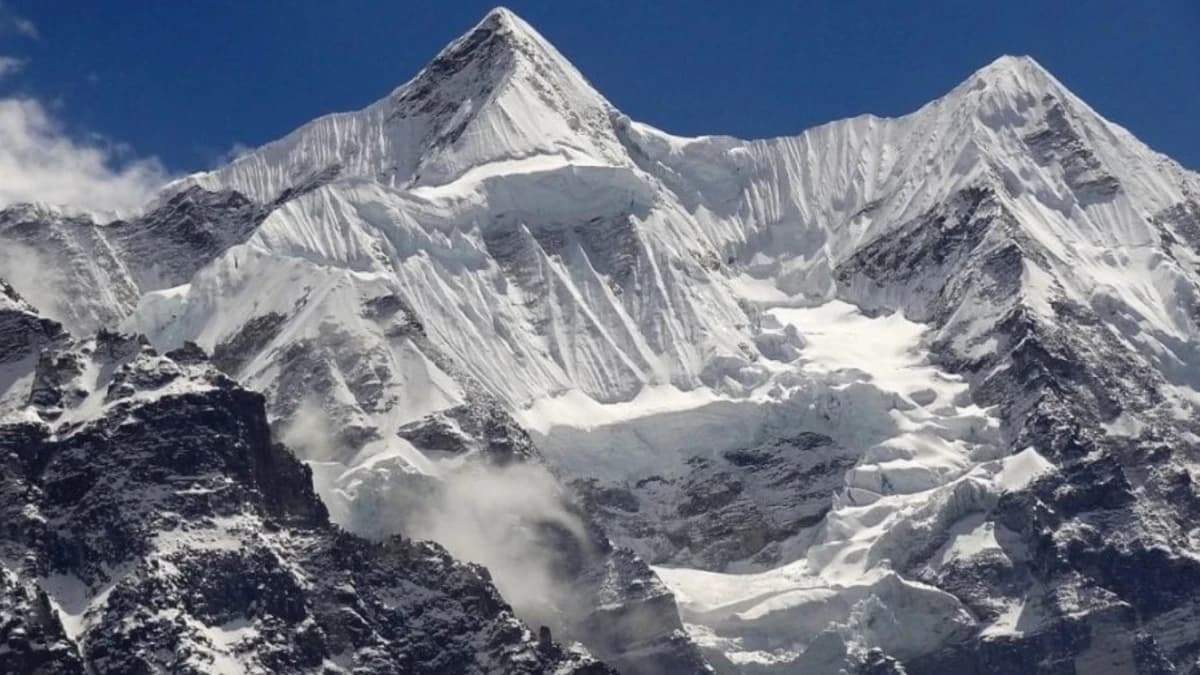
The Kanchenjunga Region is the ideal place in the Himalayas to go hiking. Adventurous trekkers can reach the huge base camps of the world's third-highest mountain (8,586m). This epic Kanchenjunga Circuit Trek is a real wilderness adventure. To reach both the North Base Camp (Pangpema) and the South Base Camp (Torontan), you have to camp out and cross the beautiful, biodiverse Kanchenjunga Conservation Area. This walk is in a carefully controlled area so that you may enjoy peace and quiet, vast glacier views, and real cultural experiences with the Rai and Limbu villages on Nepal's far eastern frontier.
Why choose the Kanchenjunga Trek?
If you want a challenging, off-the-grid trek far from the teahouse routes, the Kanchenjunga region is for you. This is one of Nepal's longest and hardest treks, and the only one in the country where you can walk to two separate base camps of an 8,000m mountain on the same trip. The area's restricted access keeps the ecosystems intact and the trail genuinely quiet. Our tours handle all the hard work, such as securing special permissions, providing complete camping support with skilled crews, and selecting expert guides who know this remote area well. Such accessibility is a sign of real respect for the native cultures and environment and keeps everyone safe.
The Best Time to Go Trekking in Kanchenjunga
The best time to trek Kanchenjunga is in the spring (April to early June) and fall (October to November). October has the brightest skies after the monsoon and consistent weather, although the nights get chilly. April and May have warmer days, beautiful wildflowers, and clearer views before the monsoon clouds come in. However, there is a higher risk of clouds in the afternoon. During the winter (December to March), the weather is frigid, and there is a lot of snow, which makes the high passes perilous. The monsoon (June to September) is impossible because of heavy rain, landslides, and leeches. Timing is crucial for a successful circuit because the trip will take a long time and be at high altitudes.
Cultural and Natural Highlights
The Kanchenjunga walk takes you deep into the cultural heartlands of the Rai and Limbu peoples, where you'll meet friendly villagers in places like Ghunsa and Yamphudin and learn about their unique languages and customs. The trail goes through areas with considerable changes in the environment, from subtropical trees and terraced farms to high alpine meadows and the long glacier moraines at Pangpema. For many people, the most memorable moment is standing at Pangpema and looking up at Kanchenjunga's north face from a distance of less than ten kilometres. The South Base Camp sits under the Yalung Glacier on the southern side of the mountain. This area has an incredible variety of plants and animals, including snow leopards, red pandas, and ancient woods. There is nowhere else in Nepal that feels this remote.
How we have worked in the far east
The Kanchenjunga region sits on the far eastern edge of Nepal where the country meets India and Tibet. The mountain itself is the third highest in the world at eight thousand five hundred and eighty-six metres, and the trek into the base camp area is one of the longest, hardest, and quietest treks in the country. Nepal opened the Kanchenjunga Conservation Area as a community-managed protected area in 1997, which is unusual because most conservation areas in Nepal are managed by government bodies. That detail matters because it means the locals here have had a more direct hand in shaping how tourism works in their own region than locals in most other parts of Nepal.
Our family is not from Kanchenjunga. We are from Gorkha and Dhading on the central side of Nepal, almost as far across the country as you can get from the far east. So we are not going to tell you we grew up there. What we can tell you is what is actually true.
Our father, Ganesh Prasad Simkhada, served as general secretary of the Nepal Mountaineering Association from 2005 through 2008 and then on the Board of Executive Directors of the Nepal Tourism Board from 2009 to 2011. Through both of those roles he worked on the development of trekking regions across the whole of Nepal, including the Kanchenjunga region, on permit and conservation regulations, on training and certifying mountaineering guides to international standards, and on programmes to improve the working conditions and benefits of trekking guides, climbing guides, and porters in every region. Kanchenjunga was part of his portfolio because his portfolio was the whole country.
Through our charity, the Nagarjun Learning Center, my wife Shamjhana and I have worked with a number of organisations and individuals over the years to run health camps, disaster relief efforts, and community programmes in many parts of Nepal, including in regions far from our home district. We keep most of that work quiet because the people we partnered with did not ask to be named in a marketing piece, but it shapes how we approach a region like this. When we send a trek into Kanchenjunga we do it with the same care we would put into a trek closer to home, because the porters and the lodge owners and the families along the trail depend on the income in the same way and deserve the same respect.
The Kanchenjunga Base Camp trek is for serious trekkers. It is nineteen days, the daily walking is hard, the altitude is real, and the route is genuinely remote with limited rescue options compared to the Everest or Annapurna regions. We are not going to undersell that. What we will promise is that the team walking with you knows what they are doing, the permits and the paperwork are sorted properly through our office before you arrive in Kathmandu, and the planning is built around the realities of a remote trek instead of the conveniences of a busy one.
 Chat with Shreejan