Maha Shivaratri at Pashupatinath Highlights
- Two-day pilgrimage tour built around Maha Shivaratri (Feb-Mar), the night Lord Shiva is honoured at Pashupatinath, Nepal's holiest Hindu temple
- Night vigil at Pashupatinath with hundreds of thousands of pilgrims, sadhus from across India and Nepal, and the ash-smeared aghori ascetics who travel here only for this night
- Day-one orientation tour of Pashupatinath in daylight, with full context of the temple layout, the cremation ghats, and the ritual meaning of the festival
- Vehicle access during the festival hours when ordinary taxis are blocked off, plus a guide trained to navigate the crowd safely
- Optional Bagmati riverside meditation and arati ceremony viewing at dawn
- One of the most powerful cultural events on the Nepali calendar, suitable for travellers of any faith who want a window into living Hindu practice
Why I built this trek the way I did
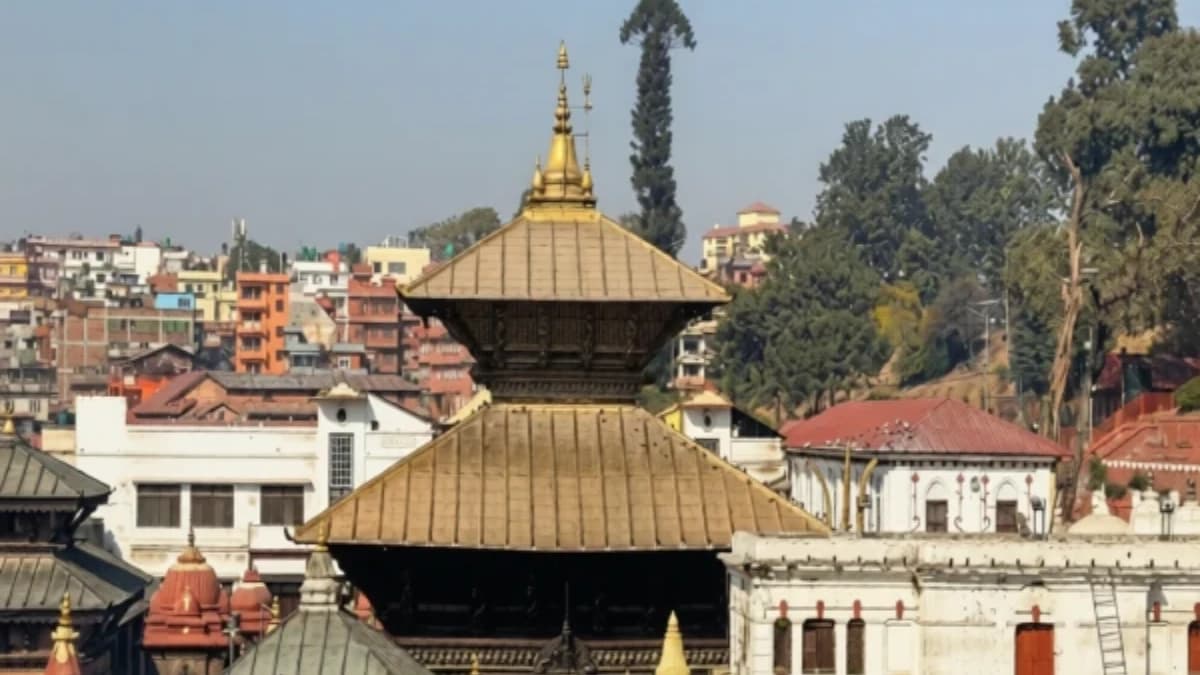
I am Shreejan, the founder of The Everest Holiday. Maha Shivaratri at Pashupatinath is the cultural event of the Nepali year that international visitors most often hear about and most often miss. The temple is closed to non-Hindus on ordinary days, but the surrounding compound is open during the festival and the energy is unlike any other night in Kathmandu. I built this two-day tour to give visitors the orientation they need to attend safely and the cultural context they need to understand what they are seeing.
The crowd is the challenge. Hundreds of thousands of pilgrims fill the temple complex through the night. Without a guide who knows the layout, you spend the evening lost in a press of bodies and you miss the rituals that make the night meaningful. With a guide, you see the sadhus arrive, you watch the offering ceremonies, you understand why the Bagmati ghats are lit with thousands of oil lamps. The guide is the trip.
Every booking helps fund the teacher's salary at our Nagarjun Learning Center in Saldum, where 70 children get free education out of my own pocket.
The bells begin before dusk. First one, then dozens, then hundreds, ringing from every corner of the Pashupatinath Temple complex until the sound becomes a single continuous tone that vibrates in your chest. The ghats along the Bagmati River glow with sacred flames. Ash-smeared Naga Sadhus sit motionless in meditation, their tridents planted in the earth beside them. Somewhere in the crowd, a million voices chant Om Namah Shivaya in unison, and the sound rises into the March night like something older than language. This is Maha Shivaratri — the Great Night of Lord Shiva — and you're standing at its spiritual epicentre, Kathmandu's ancient Pashupatinath Temple.
This two-day guided experience takes you inside one of Nepal's most powerful festivals. You won't watch from the edges. With your bilingual guide explaining every ritual, every offering, and every tradition, you'll participate in the all-night vigil, witness the Rudra Abhishek ceremony, walk among the Sadhus who've journeyed from across the subcontinent, and feel the full force of a gathering that draws millions of devotees to a single sacred site. It's not tourism. It's immersion. And for those willing to stay awake through the night, it's one of the most intense cultural experiences on earth.
What Makes This Experience Like No Other
- Join the sacred all-night vigil (Jaagran) at Pashupatinath Temple, a UNESCO World Heritage Site and the holiest Shiva temple in the world, during Maha Shivaratri — the Great Night of Lord Shiva.
- Participate in the Rudra Abhishek ceremony with guided offerings of milk, water, and Bael leaves — the ancient rituals that have been performed here for centuries.
- Witness and interact with Naga Sadhus, the ascetic holy men who travel from across India and Nepal for this night, performing intense spiritual rites beside the sacred fires.
- Experience the overwhelming power of a million voices chanting Om Namah Shivaya in unison along the ghats of the Bagmati River, with sacred flames reflected in the water.
- Your bilingual guide (English and Hindi) explains every ritual, every symbol, and every tradition in real time, so you understand the meaning behind what you're witnessing.
- Group camp setup at Pashupatinath so you have a base during the all-night celebrations — a practical detail that makes the long night far more comfortable.
- All entrance fees, vegetarian meals, and local transport included in a single, straightforward price — no hidden costs, no surprises.
- Small group format means your guide can answer questions, cross the crowds safely, and make sure you don't miss the key moments of the night.
2-Day Maha Shivaratri Experience Overview
This is a festival experience, not a trek, and it runs to the rhythm of the celebrations rather than a fixed walking schedule. On the first day, your guide collects you from your hotel and takes you to Pashupatinath Temple, where you'll receive a full briefing on the site's history, the festival's significance, and the rituals you'll witness. The atmosphere builds throughout the afternoon as devotees arrive from across Nepal and India, the temple drums begin, and the preparations for the night's ceremonies take shape.
As evening falls, the energy shifts. The Rudra Abhishek ceremony begins, sacred fires are lit along the ghats, and the Naga Sadhus take their positions. The most sacred moment is the Nishita puja, close to midnight (about 23:53 on 6 March). Your guide leads you through the all-night vigil, explaining each phase of the rituals and making sure you're positioned to see and experience the most significant moments. A group camp provides a base where you can rest, eat, and warm up during quieter intervals.
The following morning, 7 March, after the final rituals and a late breakfast, you'll have time to absorb the post-festival calm at Pashupatinath before your guide returns you to your hotel. Vegetarian meals (satvik food, appropriate for the festival) are included throughout.
Before You Arrive
We recommend arriving in Kathmandu by 4:00 pm on 6 March 2027. This gives you time to rest, meet your guide, and prepare for the intense experience ahead. The all-night vigil demands stamina — a rest in the afternoon before the vigil is strongly recommended.
What to Expect
This is a festival with millions of participants. Expect large crowds, noise, smoke from sacred fires, and the energy of a massive religious gathering. Your guide will keep you safe, positioned well, and informed at all times. Dress modestly — shoulders and knees covered — and wear comfortable shoes. Read our guide to Nepal's cultural etiquette before you go. Nights in Kathmandu in early March can still be cold, so bring a warm jacket, hat, and gloves for the outdoor vigil. Leave valuables at your hotel.
The Package
| Maha Shivaratri 2027 Package | Details |
|---|---|
| Price | Price on request: message us on WhatsApp for 2027 rates |
| Duration | 2 days (6-7 March 2027) |
| Meals | Vegetarian lunch and dinner included |
| Guide | Bilingual guide (English and Hindi) for the full experience |
| Transport | Pick-up and drop-off at Pashupatinath |
| Camp | Group camp setup at Pashupatinath for the all-night vigil |
| Entrance | All temple entrance fees included |
| Deposit | USD 9 (10%) to reserve your place |
One price, everything included. No hidden fees, no tiers — just the full Maha Shivaratri experience.
Maha Shivaratri at Pashupatinath at a glance
| Duration | 2 days, from Kathmandu |
|---|---|
| Route | Pashupatinath temple, Kathmandu |
| Style | Private or small group, easy, a living-festival experience |
| Good for | Pilgrims and culture travellers who want to witness one of Nepal's biggest festivals |
| When it runs | On the Maha Shivaratri festival day; we confirm the exact date with you when you book |
Your Tour, Our Family
When Hari Lal Simkhada helped international travellers experience the Himalayas, he could not have imagined his grandson would be guiding spiritual seekers through Nepal's most sacred festivals, in a family with three generations of guiding in the Himalayas. His son, Ganesh Prasad Simkhada, went on to hold senior positions in Nepal's tourism and mountaineering institutions. Today, Shreejan Simkhada carries that legacy forward as CEO of The Everest Holiday, personally designing every itinerary and hand-picking the guide for your group.
For this Maha Shivaratri experience, your guide will be one of our cultural specialists with deep knowledge of Hindu traditions and temple etiquette. Shreejan briefs every guide personally before your experience begins.
Need anything? WhatsApp Shreejan directly: +977 9810351300.
Why Festival-Goers Trust Us
We celebrate Shivaratri ourselves. This isn't a tour we invented for tourists — Maha Shivaratri is our festival too. Our team knows the rituals, the timings, the best vantage points, and the etiquette. You won't just watch. You'll understand.
Access and safety. Pashupatinath draws hundreds of thousands during Shivaratri. We cross the crowds, secure the best spots, and ensure you experience the festival without the chaos.
Over 300 reviews on TripAdvisor, Google and Trustpilot. Family-run since 2016. TAAN member. When you join us for Shivaratri, you join a family that has celebrated it for generations.
Solo Travellers Welcome
Attending a festival alone can feel overwhelming, especially one this large. That's exactly why a guided experience makes sense. You'll have a knowledgeable guide by your side all night, explaining what's happening and keeping you safe in the crowds. Group size ranges from 1 to 20, and the shared intensity of the all-night vigil creates bonds quickly.
Many of our solo travellers tell us that experiencing Maha Shivaratri together — the cold, the chanting, the sacred fires, the exhaustion, and the dawn — is the kind of thing that turns strangers into friends by morning.
Difficulty: Easy
This is a cultural festival experience, not a trek. There's no hiking, no altitude, and no physical fitness requirement. The main challenge is the all-night vigil: staying awake and on your feet (with rest breaks at the group camp) from evening through to the early hours. Early March nights in Kathmandu can still be cold, so warm clothing is essential. The temple complex involves walking on stone paths and steps, and the crowds can be dense. Comfortable shoes, patience, and a willingness to lose yourself in the experience are all you need.
Trek With a Purpose — Changing Lives, One Step at a Time
In 2019, Shreejan Simkhada and Shamjhana Basukala founded the Nagarjun Learning Center to give back to the communities that shaped their family. Today, 70 children receive free education and hot meals daily at the flagship centre in Saldum Village, Dhading District. The centre has expanded to 7 locations across Nepal, provided free medical care to over 600 people, and brought internet access to 65 children for the first time in their village's history.
A portion of every booking with The Everest Holiday supports the Nagarjun Learning Center, which is verified and listed on the UN Partner Portal. When you join us for Maha Shivaratri, every step helps change a life.