Kailash Mansarovar Helicopter Tour - 11 Days Itinerary and Cost

Quick Overview
Duration11 Days
Trip GradeModerate
CountryTibet
Maximum Altitude5,600m / 18,372ft
Group Size2-20
StartsKathmandu
EndsKathmandu
ActivitiesHelicopter Tour and Trek

The Kailash Mansarovar Helicopter Tour is an 11-day pilgrimage that offers a swift and comfortable journey to the sacred abode of Lord Shiva, combining scenic helicopter flights with spiritual immersion. This carefully crafted yatra takes you on a round-trip to Mount Kailash (6,638m) and the pristine Lake Mansarovar, where you can perform holy rituals, undertake the legendary Kailash Kora (circumambulation), and see old temples like Khojarnath, which is devoted to Lord Ram, Sita, and Laxman. Designed for modern pilgrims with limited time, the tour minimizes physical strain while maximizing the authentic Himalayan experience—allowing you to embrace the raw beauty of the trans-Himalayan region, unwind in its unique culture, and witness breathtaking aerial views of the world's highest peaks, all with the assurance of hassle-free logistics and comprehensive support for the 2026 and 2027 seasons.

Highlights

  • Go up to the famous "Shangri-La" in the Himalayas and see a strange-looking view of snow-capped peaks.

  • Mount Kailash, which reaches 6,638 meters, is the most sacred mountain in South Asia. In mythology, it is where Lord Shiva lives. Take a heavenly trip around it.

  • If you reside in the isolated trans-Himalayan area, there is a simple, unique approach to connect with the raw, authentic soul of the Himalayas.

  • You can immerse yourself in history at the renowned Khojarnath temples. You will feel like you're in heaven when you visit the old temples to Lord Ram, Sita, and Laxman.

  • You may relax and learn about the people who live in the high-altitude desert, their culture, old customs, and pleasant manners.

Kailash Helicopter Tour overview

The Kailash Mansarovar Helicopter Tour is more than just a trip. Mount Kailash (6,638 meters) is one of the most sacred mountains in the world. The journey to the holy fields around it is deeply magical. For hundreds of years, people of many faiths have traveled over rough terrain to see it. Today, this helicopter option makes that long trip easier and faster, without diminishing its spiritual importance.

Hindus think that Mount Kailash is the home of Lord Shiva and Goddess Parvati. Buddhists pray to it as Kang Rinpoche, which means "Precious Jewel of Snow," and they consider it to be the spiritual center of the universe. Mount Ashtapada is the name of the place in Jainism where Rishabhadeva reached freedom. People who follow the old Bon tradition also consider the mountain to be a place of spiritual strength. There aren't many places in the world that are important to four religions.

The sacred kora, or circumambulation, around Mount Kailash is a crucial part of the expedition. Believers assert that completing a complete circle purges them of all their sins. People say that doing 108 circumambulations will release them from the cycle of birth and death. There is a holy lake nearby called Manasarovar, where pilgrims go to pray and take ceremonial showers. The still water and the mirror of the snow-covered peak make a strong spiritual environment that words can't always describe.

The 11-day helicopter tour is for pilgrims who don't have the time or energy to go on a long overland trip. Most of the time, the trip starts with a flight from Kathmandu to Nepalgunj, then a helicopter ride to Hilsa, which is close to the border between Nepal and Tibet. From there, the route goes through the huge Tibetan plateau toward Lake Mansarovar and Mount Kailash. Even though the trip is shorter, you still get to see the stunning scenery of the trans-Himalayan region, including wide open sky, high passes, and silent monasteries.

The Everest Holiday focuses on having the pilgrimage go smoothly and be well-organized. You can focus on the spiritual goal of your visit because the fee of the tour usually includes permits, transportation, lodging, and meals. People who are planning can book early and in groups for 2026 and 2027.

Many people fantasize about standing in front of Mount Kailash for years. The Kailash Mansarovar Helicopter Tour is a meaningful way to see one of the most hallowed places on Earth, whether you come for religious reasons, to think about your life, or to see the beautiful Himalayas.

Short Itinerary
Day 01: Arrival in Kathmandu and Transfer to the hotel.
Max Altitude: 1,400m / 4,593ft
Day 02: Divine Blessings in Kathmandu & Flight to Nepalgunj
Max Altitude: 150m / 492ft
Day 03: The Great Ascent – Flight to Simikot & Helicopter to Hilsa (3,640m / 11,942ft) and Drive to Purang
Max Altitude: 3,900m / 12,795ft
Day 04: Rest & Acclimatization in Purang (Taklakot)
Max Altitude: 3,900m / 12,795ft
Day 05: Purang to Lake Mansarovar – The First Darshan
Max Altitude: 4,590m / 15,059ft
Day 06: Lake Mansarovar to Darchen: Getting Closer to the Holy Mountain
Max Altitude: 4,670m / 15,321ft
Day 07: Darchen to Yamdwar and then a trek to Dirapuk
Max Altitude: 4,890m / 16,043ft
Day 08: The Demanding Crossing: From Dirapuk to Zutulphuk via Dolma La Pass (5,600m / 18,372ft)
Max Altitude: 4,800m / 15,748ft
Day 09: Finishing the Kora and going back to Purang/Hilsa
Max Altitude: 3,640m / 11,942ft
Day 10: Fly Hilsa to Nepalgunj via Simikot, then to Kathmandu
Max Altitude: 1400 m / 4,593ft
Day 11: Final Departure
Expand
Detailed Itinerary
Day 01:

The moment you set foot in Nepal's lively city, your spiritual journey begins. When you leave Tribhuvan International Airport, the energy of the Himalayas welcomes you. You will be taken to your accommodation in a quiet part of Kathmandu. The evening is intentionally left open so that people can think quietly and get ready at the last minute. You can feel the excitement growing in the silent hours. Tomorrow, the real trek to the Kailash Mansarovar Yatra begins.

Max Altitude: 1,400m / 4,593ftAccommodation: Hotel
Day 02:

You ask for blessings on holy ground before going into the high Himalayas. You went to the famous Pashupatinath Temple this morning. It is the most sacred place for devotion to Shiva. The tour takes on a serious tone due to the incense smell and the sound of uttered prayers. After that, you can learn about hundreds of years of history as you walk around the old courtyards of Durbar Square in Kathmandu.

After lunch, you'll be on an aircraft to Nepalgunj, a pretty city on the Indian border in the Terai plains. As you leave behind your last night of comfort, the trip takes an abrupt turn as the terrain changes a lot and the altitude drops a lot. The air is filled with excitement because of the flight tomorrow.

Max Altitude: 150m / 492ftMeals: Breakfast and DinnerAccommodation: Hotel
Day 03:

The scenery changes drastically today. An early morning flight travels from the lowlands up the Himalayas to the isolated airport of Simikot. At this altitude, you will experience life for the first time. The helicopter trip, which skims over valleys and ridges and offers views that feel like waking dreams, happens after a brief acclimatization pause.

The final Nepalese outpost on the Tibetan border, Hilsa, is where you touch down. Traveling along the Karnali River canyon leads you to the ancient village of Purang (or Taklakot) when you cross into Tibet. Spend the next two nights at this historic trading center, situated near the meeting point of three countries.

Max Altitude: 3,900m / 12,795ftMeals: Breakfast, Lunch, and DinnerAccommodation: Hotel / GuesthouseDuration: 2-3 hoursDistance: 55 km / 34 miles
Day 04:

Purang provides the ideal environment for your body to adjust to the new environment. This is not just a "rest day." It's an active recovery day meant to get you ready for the next level. You take a slow walk through the dusty streets of this border town, where you can see how Tibetan and Nepali traditions mix.

The old Khojarnath Monastery is a wonderful place to go if you have the energy. In this high-desert area, you can see precious treasures from the Ramayana era, like temples devoted to Lord Ram, Sita, and Laxman. It is a humbling reminder that people from all faiths have lived in this area for thousands of years. 

Max Altitude: 3,900m / 12,795ftMeals: Breakfast, Lunch, and DinnerAccommodation: Hotel / Guesthouse
Day 05:

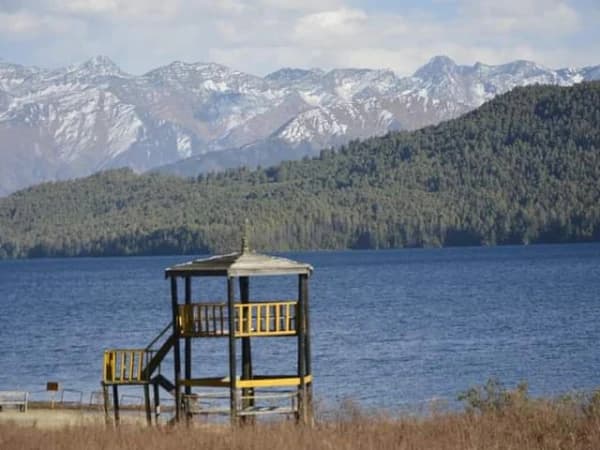
You have been excited about today for a long time. The road from Purang slowly goes up, and when you get to the top, everything stops. The dry Tibetan plateau surrounds Lake Mansarovar, which is a big body of turquoise water that is below you. Hindus think this lake is the holiest freshwater on Earth because Brahma made it.

You check in at the guesthouse on the lake's edge. In the afternoon, there won't be any rituals. Pilgrims go to the water's edge by doing puja, having a holy dip, and saying prayers. The warmth of the spirit is stronger than the coldness of the water. When the sun goes down, the golden and pink reflections of Mount Kailash and Gurla Mandhata's snows on the lake are something you'll never forget.

Max Altitude: 4,590m / 15,059ftMeals: Breakfast, Lunch, and DinnerAccommodation: Hotel / GuesthouseDuration: 5-6 hoursDistance: 200 km / 124 miles
Day 06:

As the first rays of the sun strike the water, the morning starts with another chance to sit by the lake, maybe to meditate or do yoga. After breakfast, you drive a short distance to Darchen, a little town that is the base camp for the Kailash Kora.

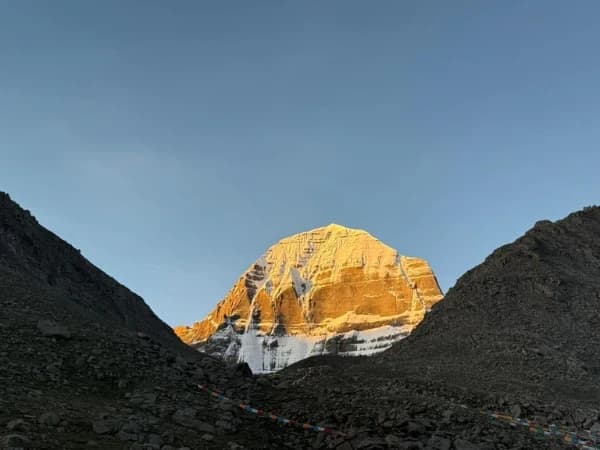
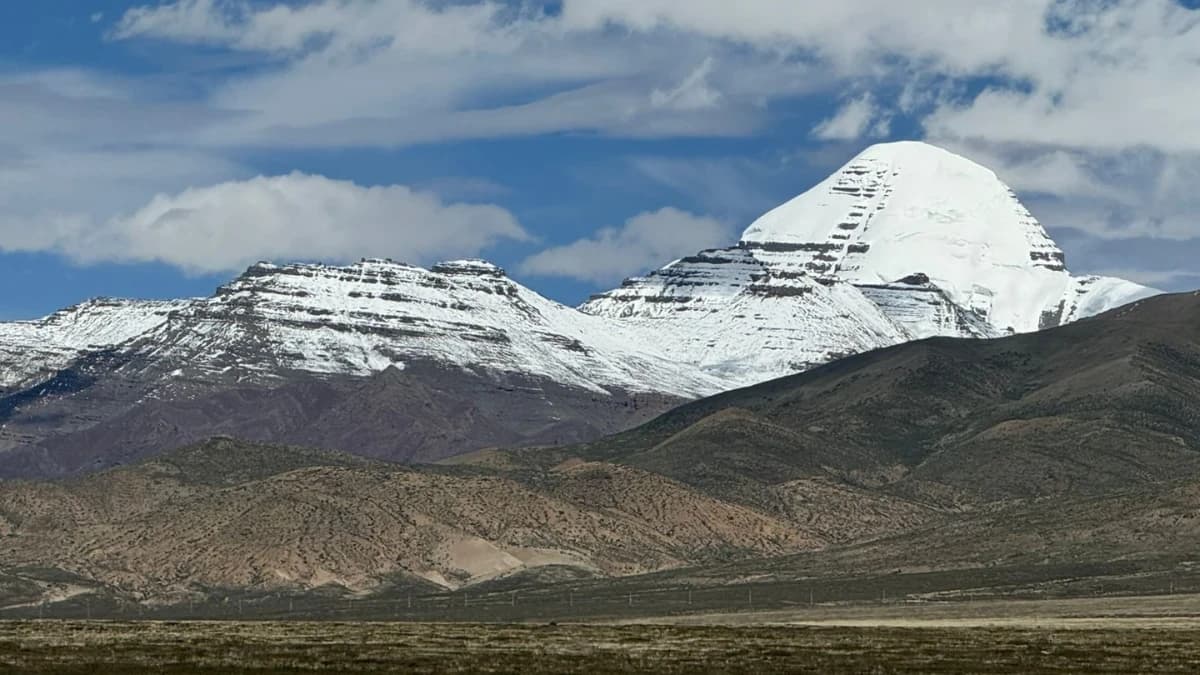
You drive around the Mansarovar Parikrama before you get to Darchen. This lets you take in the lake's vitality from every perspective. When you get close to Darchen, you can see the whole southern side of Mount Kailash. It is not the tallest mountain at 6,638 meters (21,778 feet), but its flawless pyramid shape and geometric shadows make it look like a god. You sleep tonight in the shadow of the peak you came to adore.

Max Altitude: 4,670m / 15,321ftMeals: Breakfast, Lunch, and DinnerAccommodation: Hotel / GuesthouseDuration: 4-5 hoursDistance: 110 km / 68 miles
Day 07:

The Kailash Parikrama officially starts today. A short drive will take you to Yamdwar (Yama Dwar), which means "Gate of the God of Death." This locale is where pilgrims leave behind their ego and earthly ties. You started walking in the valley of the Lha Chu River. The path goes up slowly and is surrounded by colorful rock formations. You can see the north face of the mountain from time to time.

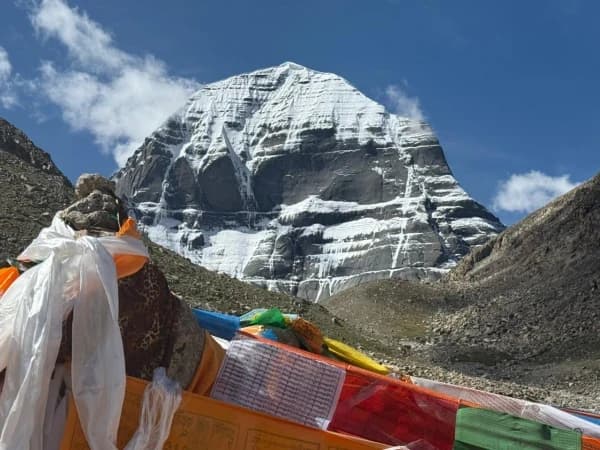
After spending hours walking in meditation, you arrive at Dirapuk Monastery. Mount Kailash's massive, icy north face towers over you, providing a picturesque vista of the Yatra. The energy here is strong and raw, which is a wonderful way to end your first day of the Kora.

Max Altitude: 4,890m / 16,043ftMeals: Breakfast, Lunch, and DinnerAccommodation: Hotel / GuesthouseDuration: 5-6 hoursDistance: 12 km / 7.5 miles
Day 08:

This is the most challenging day of the Kailash Mansarovar Yatra in terms of physical and spiritual challenges. You get up early since you have to hike to the Dolma La Pass. As you go up, the trail gets steeper, and the air gets thinner. Thousands of pilgrims have put up prayer flags along the trail.

Getting to the peak of Dolma La (5,600m) is an emotional high point. People believe that crossing this pass purifies you of all the sins you've committed in your life. It is dedicated to the goddess Dolma (Tara). You stop to pray and hang your flag on the mountain. The steep descent goes by the holy blue waters of Gauri Kund, where the mythology says Goddess Parvati took a bath. You finally get to Zutulphuk, your overnight stop, where meditating saints once left hands and footprints on the rock. You are tired but happy.

Max Altitude: 4,800m / 15,748ftMeals: Breakfast, Lunch, and DinnerAccommodation: Hotel / GuesthouseDuration: 8-10 hoursDistance: 22 km / 13.7 miles
Day 09:

The last part of the Parikrama is a peaceful walk along the green banks of the Bhagirathi River. The scenery gets softer, which cools off your body and mind. You finish the circuit by walking the full 52 kilometers (32 miles) around the holy mountain. A feeling of calm success pervades the air.

You get in your car at the road head and drive back toward the border. At Hilsa, you cross back into Nepal, where the comforts of lower altitudes await you. You have finished the circle and are now reborn.

Max Altitude: 3,640m / 11,942ftMeals: Breakfast, Lunch, and DinnerAccommodation: Hotel / GuesthouseDuration: 3 hoursDistance: 8 km / 5 miles
Day 10:

After days in tough terrain and high passes, you get on the helicopter to go back to Nepal. The vistas from above that used to seem strange now seem familiar—a wave goodbye from the mountains. You connect through Simikot and go back to the lowlands of Nepalgunj by the afternoon.

You take a flight back to Kathmandu from Nepalgunj, where your journey began in the busy metropolis. The difference is huge: the capital's honks and yells are very different from the Himalayas' stillness. You check into your hotel, fatigued but pleased. In the evening, we will gather for a successful farewell and a token of love.

Max Altitude: 1400 m / 4,593ftMeals: Breakfast, Lunch, and DinnerAccommodation: Hotel
Day 11:

Today was the last day of your helicopter trip to Kailash Mansarovar. After breakfast, you will transfer to the airport. You will take home the blessings of Mount Kailash, the peace of Lake Mansarovar, and the knowledge that you have completed one of the world's most sacred pilgrimages, along with the souvenirs from Nepal

Couldn't find what you're after?Reach out to our travel experts.
Customize Trip
Essential Information

Kailash Mansarovar Helicopter Tour 2026–2027: A New Way to Go on a Holy Pilgrimage

For hundreds of years, the holy Mount Kailash and the clear Lake Mansarovar have been the most important spiritual places for millions of people. The remote trans-Himalayan region of Tibet hosts this pilgrimage, often known as the Kailash Mansarovar Yatra. It has always been a test of endurance. The Kailash Mansarovar Helicopter Tour makes this life-changing trip easier to get to than ever before, blending deep spirituality with modern ease.

This book covers everything you need to know about the 11-day helicopter tour, including its deep theological roots and the practical elements of the itinerary. It will help you arrange a stress-free vacation in 2026 or 2027.

Why Mount Kailash is the Center of the Spiritual World

Mount Kailash is not the tallest peak in the Himalayas, but it is the most sacred. It is 6,638 meters tall. People consider it to be the mythical Mount Meru, the center of the universe. It is important to know the four main religions:

  • For Hindus, it is the earthly version of Shiva's home, where Lord Shiva and Goddess Parvati meditate together for all time.

  • For Buddhists, it is the residence of Buddha Demchok and is called Kang Rimpoche (Precious Snow Jewel). It stands for ultimate enlightenment.

  • For Jains, it is called Mount Ashtapada, and it is where the first Tirthankara, Rishabhadeva, reached Nirvana.

  • For Bon Po: It is a holy nine-story swastika mountain that is home to the sky goddess Sipaimen.

The Kailash Mansarovar Tour is not just a trip; it is a holy responsibility. Pilgrims think that doing a Kailash Kora (Parikrama), which is a 52-kilometer walk around the mountain, cleanses them of all their sins. They also think that doing 108 rotations frees them from the cycle of rebirth.

The Modern Solution: The Kailash Mansarovar Helicopter Tour

The Yatra's biggest problem has always been that it is far away and at a high altitude. The Kailash Mansarovar Helicopter Trip is meant to help with these problems. This is the best option for seniors, busy professionals, or anyone who wants to minimize the physical strain of a long trip by land.

This tour cuts down on physical activity and the chance of getting altitude sickness by replacing the long drive from Hilsa with a helicopter flight. This lets you focus completely on the spiritual side of the trip.

What You Can Expect on Your 11-Day Spiritual Journey

The 11-day schedule is meticulously planned to include spiritual activities, sightseeing, and getting used to the new environment.

1. The Aerial Way to the Himalayas

Your trip starts with a beautiful flight from Kathmandu to Nepalgunj. The next day, a short but amazing helicopter ride takes you to the border between Tibet and Nepal at Hilsa. This flight path gives you the best views of the Himalayan giants, like Makalu, Kanchenjunga, and the Api and Saipal Himal ranges. It sets the mood for the amazing experience to come.

2. Spiritual immersion in Lake Mansarovar

Lake Mansarovar is one of the highest freshwater lakes in the world, sitting at 4,590 meters. Hindu mythology says that Lord Brahma initially thought of it and made it. Standing on its banks and gazing at the pristine blue water reflecting the sky is a profoundly moving experience. You will have time to perform rituals, take a holy dip that is said to clear karma, and meditate and practice yoga in the most peaceful area on earth.

3. The Old Town of Taklakot (Purang)

Getting used to the weather in Taklakot, also called Purang, is an important part of the trip. This old trading center, located near the meeting point of Nepal, India, and Tibet, is rich in culture. It gives you a look at the past of the area, with old monasteries like Simbiling and Korjak close by. You can feel the rivers and cultures coming together here, flowing from this holy place.

4. The Famous Kailash Kora (Parikrama)

The Mount Kailash Kora, which lasts three days, is the best part of the Yatra. The helicopter tour makes things easier, but the Kora is still a moving meditation. You will traverse through challenging valleys, offer prayers with prayer flags, and challenge yourself at the trip's highest point, the Dolma La Pass (5,636m). People think that crossing this pass, which is dedicated to the goddess Dolma (Tara), helps pilgrims get rid of their bad actions. The satisfaction of finishing the circuit and the spiritual fulfillment it brings are indescribable.

The Best Time to Go to Kailash Mansarovar

May to September is the best time to go to Kailash Mansarovar because the weather is usually stable and the mountain passes are open. These months include clearer skies, temperatures that are easier to deal with, and safer circumstances for hiking. March, June, July, August, and September are the best months for the yatra because summer is the best time to go to high altitudes. Many pilgrims also want to go on full moon Kailash Mansarovar tours, which are seen to be very lucky and spiritually important.

Changing Money

For the Kailash Mansarovar trip, the official currency of Tibet is the Chinese Yuan (CNY), which is also called Renminbi. During the tour, you can only use Yuan to pay for your lodging, permits, transportation, meals, and local goods. US dollars and other foreign currencies rarely find acceptance in Tibetan cities and villages. Nepalese pilgrims frequently exchange their US dollars or Nepalese Rupees (NPR) for Chinese Yuan before traveling to Tibet. They can do such transactions in the border towns of Kerung or at well-known banks in Kathmandu. There aren't many ATMs along the Kailash route, and credit cards aren't frequently accepted, so you should always have enough cash on hand in small notes. If you have some extra cash on hand, it will be easier to buy meals, leave tips, and make little purchases while you're on the high-altitude climb.

Security

The Everest Holiday promises that its clients will be safe, secure, and happy. Your safety is the most important thing to us. Our guides are experienced, licensed by the government, and have had a lot of training in first aid. We will go sightseeing together every day, which will make it much safer.

Trip conclusion 

Farewell Dinner 

We will have a farewell meal for you in Kathmandu after the Mansarovar Kora tour, remember. This is a great opportunity to share stories from your adventure and provide us with your feedback. We will also present you with a certificate of achievement to recognize your incredible accomplishment.

Departure 

To arrange your airport transfer, please let us know your hotel name, room number, and flight departure details. We will take you from your hotel to Tribhuvan International Airport so you may catch your trip home. We hope you had an amazing time and can't wait to see you back in Nepal for another tour.

Tipping culture 

Tipping is accepted in Nepali culture is mandatory. The amount should reflect the quality of service, the length, and the cost of the tour. This recommends giving tips to the crew collectively at the end of the tour.