Last updated 16 October 2026.
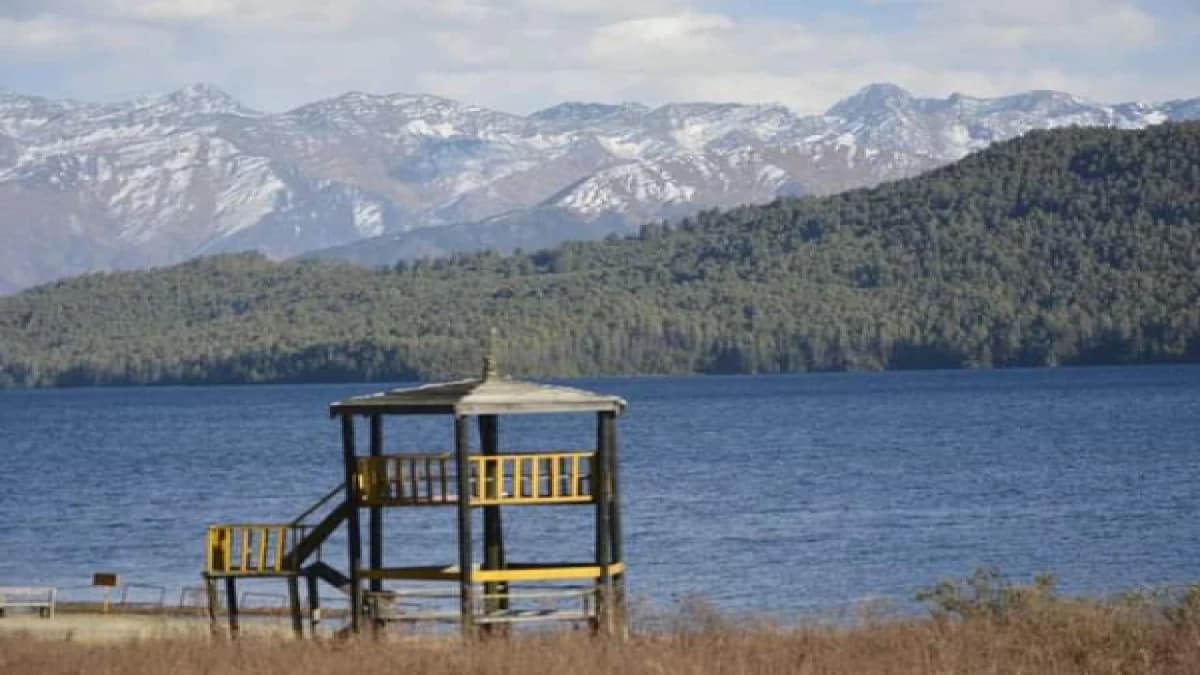
Short answer: The Far Western and Karnali region is Nepal's most remote trekking country, with Rara Lake, Nepal's largest lake, and the Dolpo valleys. Our Rara Lake trek starts from USD 699 per person (9 days) and the Lower Dolpo Circuit from USD 2,590 per person for 2 to 4 trekkers (15 days).
- Rara Lake sits in Rara National Park (park fee NPR 3,000)
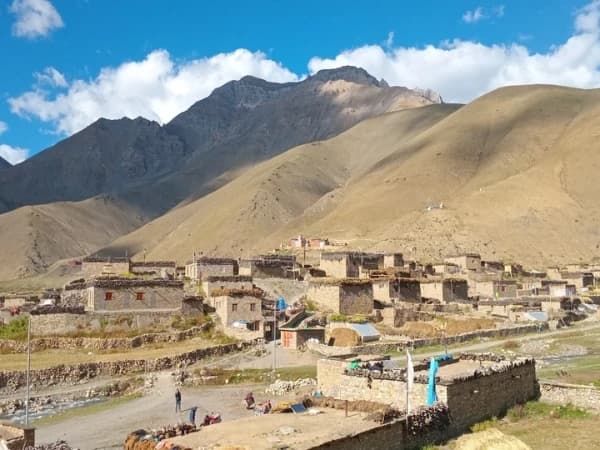
- Lower Dolpo is a restricted area: USD 20 per person per week plus USD 5 per extra day, with a licensed guide
- Few teahouses; some nights are in simpler lodges or camps
- Best months: April to June and September to November
Related: Rara Lake Trek 9 days · Lower Dolpo Circuit 15 days · Rara Lake guide
Nepal's Far Western Region is the best place to go trekking because it has some of the country's most remote and culturally intact scenery. This remote border area, which is shared by Tibet and India, is home to famous places like the beautiful Rara Lake in Rara National Park and the Lower Dolpo Circuit Trek. In contrast to the well-known trails of Everest and Annapurna, trekking in Far Western Nepal lets you explore a real wilderness through untouched pine forests, high mountain passes, and traditional villages of the Magar, Thakuri, and Tibetan-influenced communities. You will need to go on full camping expeditions and have a real sense of adventure to do this.
Why Should You Go on a Trek in the Far Western Region?
If you want to trek somewhere that still feels like Nepal looked thirty years ago, this is the region. The trails into Rara and Lower Dolpo see fewer foreign trekkers in a year than the Everest Base Camp trail does in a day. Some of the best places to visit are Nepal's largest lake, Rara, which looks beautiful as it reflects the nearby mountains, and the culturally rich Limi Valley in Humla, which is a hidden gem of Tibetan Buddhism. Our expeditions take care of all the complicated details for these camping treks in remote areas. Our assistance includes getting you there, getting permits, hiring expert local guides, and sending full support crews. This approach makes sure that your trip into Nepal's last magnificent wilderness is safe and very satisfying.
Best Time to Go Trekking in the Far West
September through November and April through early June are the best times to go hiking in Far Western Nepal. The safest conditions are in October: stable weather, clear skies for seeing the mountains, and temperatures that are easy to handle. In May, wildflowers bloom, especially near Rara Lake, and the fields are very green. Because the area is so remote and has many high hills, winter (December–March) is very harsh, and it is hard to get to because heavy snow blocks the roads. From July to August, the monsoon season, landslides and rough river crossings make the journey unsafe. This area doesn't have as much of a window for safe hiking as other places.
Natural and Cultural Highlights
The Far Western trek is unique because of its real culture and wide range of ecosystems. The Rara Lake Trek takes you to a beautiful alpine lake that is home to many rare birds. It goes through remote Magar towns and thick forests. The Limi Valley Circuit in Humla gives you a deep look at Tibetan culture. In towns like Til and Jang, old customs are still practiced, and beautiful monasteries can be seen. The Karnali River starts here, and the area has a stark, natural beauty that feels very different from modern life.
How we have worked in the Far West
The Far Western region of Nepal is one of the most remote and least-visited parts of the country. Rara Lake, Dolpo, and the trails leading to them are the kind of places where the modern infrastructure of Nepali tourism barely exists yet, and the people who live there have not had the same flow of foreign visitors and foreign money that the Everest and Annapurna regions have had for the last fifty years. For our family this is a region with two layers of meaning.
The first layer is institutional. Our father, Ganesh Prasad Simkhada, served as general secretary of the Nepal Mountaineering Association from 2005 through 2008 and then on the Board of Executive Directors of the Nepal Tourism Board from 2009 to 2011. Through both of those roles he worked on opening up new trekking regions across Nepal and on developing the infrastructure that would let foreign visitors actually reach them safely. The Far West was one of the regions that mattered most to him because it had been left behind, and because the people there needed the income from tourism more than the people in the busier regions did. Some of the regulatory and licensing groundwork that lets you trek in Lower Dolpo or Rara today was built during the years he was inside those institutions.
The second layer is personal. Through our charity, the Nagarjun Learning Center, my wife Shamjhana and I have worked with a number of organisations and individuals over the years to run health camps, disaster relief efforts, and other community programmes in many different parts of Nepal, including villages in regions far from where our family is from. We are not going to list every project here because most of that work is not done for marketing and the people we worked with did not ask to be named on a website. But it has shaped how we think about a region like the Far West. When we send a trek into Rara or Lower Dolpo we do it knowing that the money the local lodges and porters earn from that trek matters more in this part of the country than it does in regions where the tourism economy is already mature.
Our family is not from the Far West. The oral history in the family says we came from Jumla, in the Far West, around fourteen hundred years ago, but we are not pretending that means anything more than a story passed down by elders. What we can promise is that the team you trek with on a Far Western route is going to be people who know the trails, who have been there in different seasons, and who care about the small economies of the villages you walk through. We keep our group sizes small, we use local guides and porters wherever possible, and we make sure the lodges along the way are getting paid fairly for what they provide.
 Chat with Shreejan