

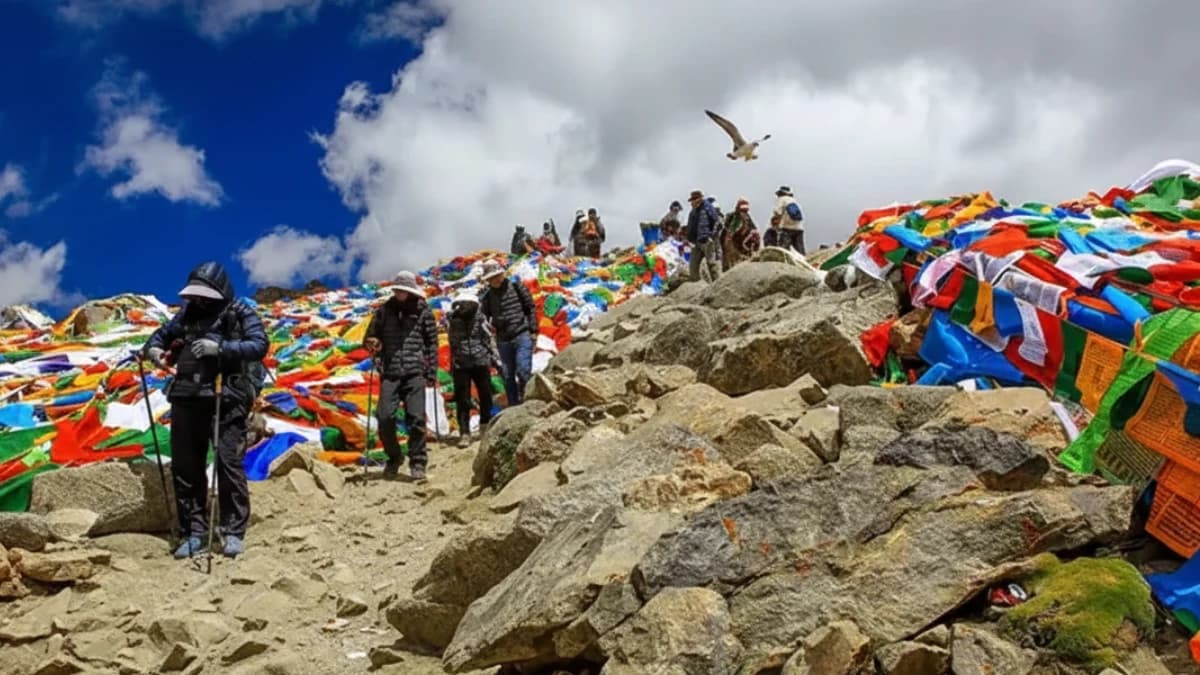
Dolma La Pass: The Roof of the World Where Prayers Turn into Wind
Short answer: Dolma La is the highest point of the Mount Kailash outer kora, at about 5,630 metres. Pilgrims cross it on day 2 of the three-day walk, from Dira Puk to Zutul Puk, in roughly 8 to 10 hours. It is a hard day because of the altitude, not because of any technical climbing. We cross it on our Kailash Mansarovar overland yatra after several nights above 4,400 metres.
Last updated 7 October 2026. The Kailash yatra is on hold at present after the 26 August Rasuwa flood closed the overland crossing, so ask us for the current position before you plan. The pass facts below are checked against our own itineraries.
There is a location where the earth forgets to be earth at about 5,630 metres above the sea. There are no plants on the rocks. The air is not very thick. The wind talks in a language that is older than people can remember. This is Dolma La, the highest pass on the Mount Kailash kora. This is the place where pilgrims challenge their physical and spiritual limits.
The pass is more than just a place on the map. It is a place of death and rebirth, a boundary between worlds, and a location where the goddess Dolma waits to assess the hearts of those who cross. Hindus call her Tara, the saviour. Buddhists see her as the personification of compassion. She is the reason why everyone who is having a difficult time climbing these rocky mountains, gasping for breath in air that has only half the oxygen of the plains, arrived.
Who is the goddess Dolma La Pass is named after?
The name Dolma La comes from the Tibetan Buddhist goddess Dolma, who is known for her kindness and protection. She is the female Buddha, the one who hears the world's screams and answers right away. In icons, she sits with one leg outstretched, ready to get up and help. Her right hand reaches down to bless. She has a lotus in her left hand that never dies.
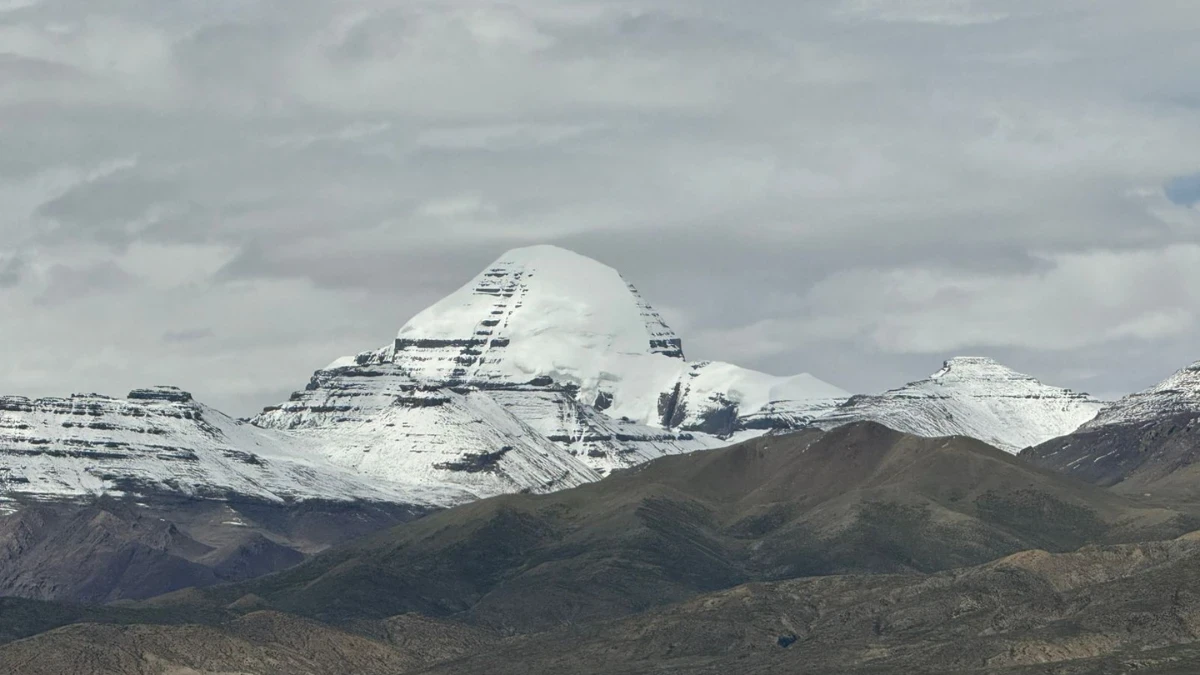
Dolma is there in stone at the pass. People think that her image is on a huge rock face that has natural striations. People who go on pilgrimages touch their foreheads to it, leave clothes and hair as sacrifices, and say prayers that the wind carries right to her ears. They think that crossing Dolma La while she is there cleanses all of their sins and that getting to this point with noble intentions assures a better rebirth.
The pass is the best part for people who make the kora. All of this leads up to this. What occurs on this frigid mountaintop sets off everything else.
How hard is the climb to Dolma La Pass?
The trek to Dolma La starts hours before daybreak. In the cold dark, pilgrims depart the last campground at Dira Puk, their breath making clouds. Headlamps made little circles of light on the rocky path. The trail keeps going up, with switchbacks that make each step higher than the last.
At 5,000 metres, the body fights back. It looks like it's going to stop at 5,300. At 5,600, every motion is a battle between will and biology. The pilgrims stop all the time, leaning on walking sticks, gasping, and feeling their hearts beat against their ribs. Some cry. Some people chant. Some people just look at their feet and walk, one step, then another, then another.
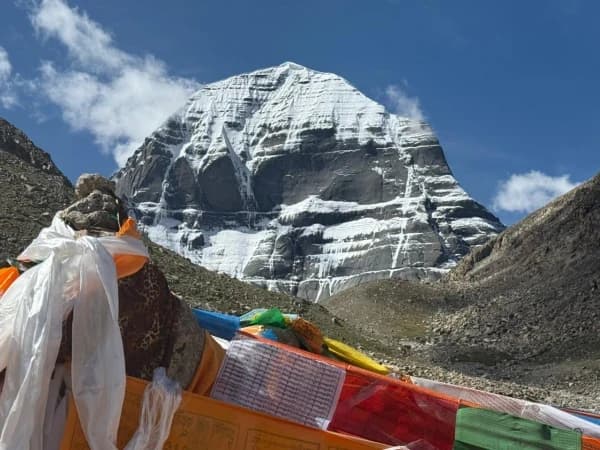
There are signs of people who have walked the trail before. Clothes left behind as gifts, hair tied to rocks, and prayer flags so thick that they make a rainbow of colours. It is important in Tibetan culture to leave something at the pass. A bit of you, a sign of your love, something to remember your crossover.
Sherpa guides walk among the pilgrims, giving them support and looking for signs of altitude illness. They know this mountain very well and have travelled this pass many times. They look for the headache that implies trouble, the stumble that means tiredness, and the glazed eyes that mean the brain is swelling. They bring oxygen with them, just in case. They always bring prayers.
The Time of Crossing
The top of Dolma La isn't a peak; it's a saddle, which is a low point between two higher peaks. The wind here is always strong and tearing at clothes, stealing warmth, and making it hard to talk. Pilgrims gather behind rock walls that other travellers built to protect themselves for a short while before moving on.
A pile of stones marks the exact high point. There are prayer flags on every surface, but the colours have faded after months of UV exposure. Pilgrims bring their flags, stones, and gifts. They lie down on the freezing ground with their bodies flat. They are crying. They laugh. They hug people they don't know who have become friends on this difficult voyage.
The resurrection is the time for Hindus to move from normal life to freedom. For Buddhists, death and rebirth are the end of the old self and the beginning of the new. People who go on pilgrimages think that Dolma La is where their karma is weighed, and their future is decided. They look at the goddess and pray that she smiles.
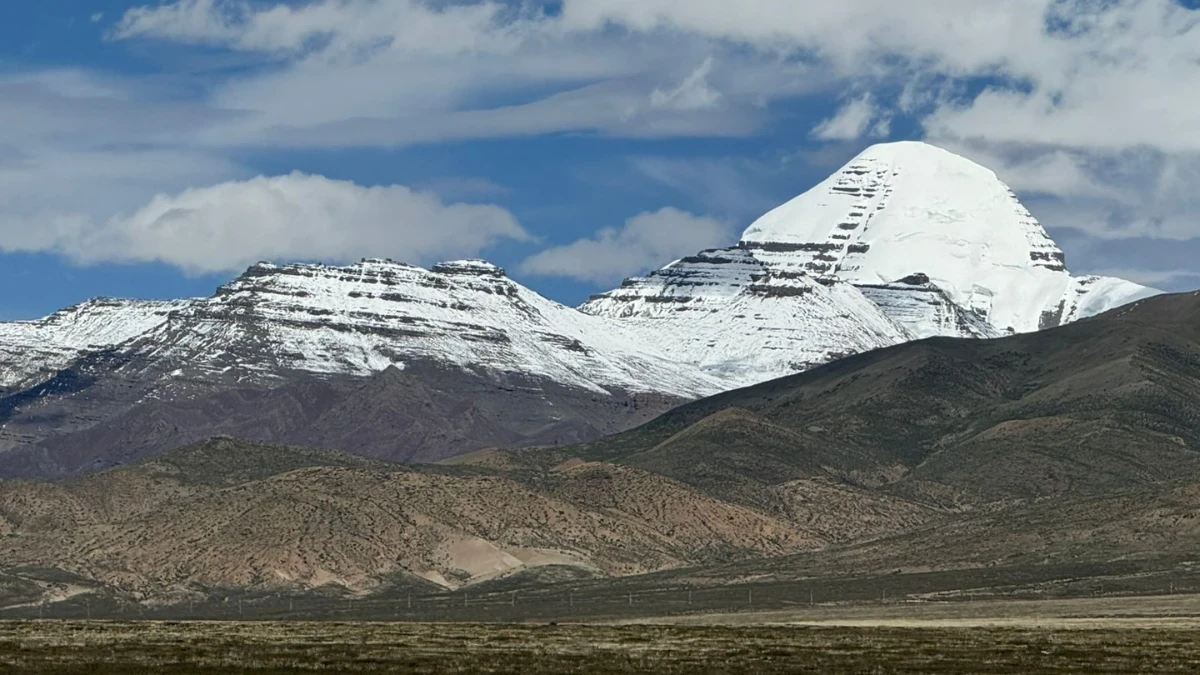
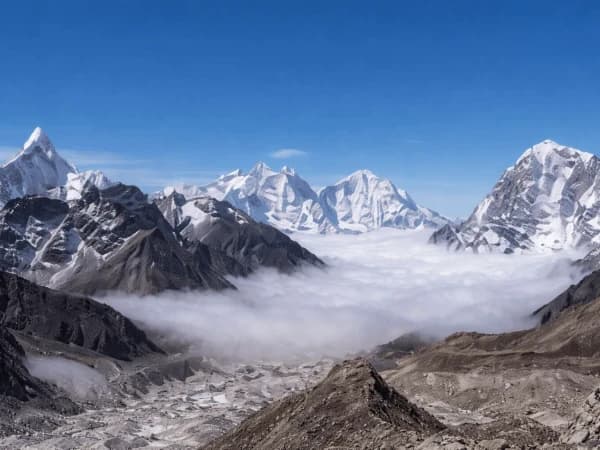
The view from the pass is immense. The holy lake Gauri Kund is frozen in its high basin to the south, and its waters reflect the sky. To the north, the Kailash mountain rises in a way that seems inconceivable, with its peak veiled in clouds or shining brightly. The mountains, with wave after wave of rock and ice, stretch on and on without a person in sight. The only people present are pilgrims crossing this one location.
How long does it take to cross Dolma La Pass?
Crossing Dolma La is just the first portion of the trip. The plunge on the other side is steep and dangerous, going quickly down toward the valley below. Pilgrims who had to climb now had to climb down, and their knees took the brunt of each step while their lungs were still starving for air.
The path goes via Gauri Kund, the lake where Hindus believe the goddess Parvati bathed. Even in the summer, the water is freezing blue, and pilgrims stop to pray. Some people take a short detour to touch its shore, but it's too cold to swim.
The path goes down from the lake and ends up at the campsite at Zutul Puk. By the time the pilgrims get there, they have walked for eight to ten hours on our itinerary, covering roughly twenty kilometres and going up and down more than a thousand metres. They fall into tents and lodges, worn out, happy, and altered forever.
Why do pilgrims cross Dolma La Pass?
What makes them come? Why do Hindus and Buddhists from all over Asia, including India, Nepal, Tibet, Bhutan, Mongolia, and other places, put themselves through this? What makes them travel for days at heights that would kill most people, through cold, wind, and tiredness, and risk their lives just to see a mountain?
The replies are as different as the pilgrims themselves. Some come to keep promises they made when things were worse. Some people come to pray for ailing family members. Some people come to cleanse themselves after losing a loved one. Some people come because their parents came, their grandparents came, or their people have always come.
And some people come because they think that something happens at Dolma La, the highest point of the kora, that can't happen anywhere else. A veil rises. A door swings open. The goddess says something.
For Tibetan Buddhists, the kora is a tangible representation of the spiritual journey. What's hard to get over on the trail is also hard to get over mentally. Tiredness is a way to clean yourself. The height reminds us how close God is. They are not only climbing a mountain when they cross Dolma La. They are relinquishing themselves and reborn in love. Related: Mount Kailash Parikrama: 3-Day Kora Route, Dolma La Difficulty, and Spiritual.
The Goddess Who Looks
Dolma, the goddess of the pass, is not a faraway god. She is quite close to the people who ask her for help. Every day, Tibetan Buddhists say her mantra: Om Tare Tuttare Ture Soha. They picture her green body, her smiling face, and her hand reaching down to pull them out of pain.
She is especially present at Dolma La. As pilgrims make their way up the hill, they can sense her observing them. They feel her blessing when they leave their gifts. They can feel her love as they finally reach the top, breathless, crying, and overjoyed.
Some people say they see things at the pass, including Dolma herself, lights in the sky, or memories of past incarnations fading away. Some people feel nothing but tired and cold, but they nevertheless come home altered and still talk about the past with tears in their eyes. The experience isn't always dramatic, but it's always real.
When is the best time to cross Dolma La Pass?
| Kora day | Route | Altitude and time |
|---|---|---|
| Day 1 | Darchen to Dira Puk | Darchen about 4,575 m, Dira Puk close to 5,000 m. About 6 to 7 hours on foot |
| Day 2 | Dira Puk to Zutul Puk over Dolma La | Pass about 5,630 m, night about 4,800 m. 8 to 10 hours, roughly 20 km |
| Day 3 | Zutul Puk back to Darchen | Short walk of about 2 hours, then the drive on |
If you want to cross Dolma La, you need to be ready. The pass isn't difficult in terms of climbing, rope work, or crossing glaciers, but the high altitude makes it one of the hardest days of any trekker's life.
Getting used to it is the most important thing. Before trying to pass, pilgrims hike at lower altitudes for at least three days. They sleep at camps between 4,500 and 5,000 metres, giving their bodies time to adjust. Still, many people have headaches, nausea, and tiredness. Some people turn around. Some people die.
Spring (May-June) and fall (September-October) are the greatest times of year. During the summer, monsoon clouds block the vista, and snow can make the route dangerous. The snow is too deep, and the cold is too harsh in the winter. The windows for crossing are small; pilgrims need to plan.
For people who don't know the area well, guides and porters are essential. They provide supplies, set up camps, cook meals, and give important help on the day of the crossing. Knowing the mountain, the weather, and the signs of altitude sickness can be the difference between success and failure.
What Awaits You After Crossing Dolma La?
Dolma La stays in the minds of pilgrims long after they go home. The picture of that rocky saddle, the sound of the wind blowing through prayer flags, and the feeling of being at the highest point they will ever reach will never go away.
People who have never been there are confused by how much they respect the past. They say it's a location where the normal laws of life don't work. They say that prayers are answered right away at Dolma La, that the goddess hears every whisper, and that blessings go around the world on the wind.
Maybe the phenomenon is just what happens to brains that don't get enough oxygen at high altitudes. It could be something else. The belief is true, and it has brought people here to pray for more than a thousand years.
At a Glance: Dolma La Pass
|
Aspect |
Details |
|
Elevation |
About 5,630 metres (18,471 feet) |
|
Location |
Mount Kailash kora, Tibet |
|
Significance |
The highest point of the sacred circuit |
|
Goddess |
Dolma (Tara): Buddhist goddess of compassion |
|
Hindu Name |
Tara Pass |
|
Part of |
Mount Kailash pilgrimage (kora) |
|
Typical Crossing Time |
8-10 hours from Dira Puk to Zutul Puk |
|
Best Seasons |
May-June, September-October |
|
Key Feature |
Massive rock face with natural image of Dolma |
|
Nearby Landmark |
Gauri Kund (sacred lake) on descent |
|
Offerings |
Clothing, hair, prayer flags, personal items |
Related Treks & Guides
- Kailash Mansarovar Tour 15 - Days Itinerary and Cost
- Kailash Trek via Simikot: 20 - Day Sacred Pilgrimage & Adventure
- Kailash Mansarovar Helicopter Tour
- Lake Manasarovar
- Potala Palace
Dolma La is the highest point of the Kailash parikrama on the Kailash Mansarovar Tour. The Kailash Helicopter Tour changes how you reach Tibet, not the kora: you still walk the pass on the same day of the circuit.
Dolma La is the roof of the Kailash pilgrimage and the hardest single day most pilgrims will ever face. At about 5,630 metres, with the prayer flags snapping in the wind and the view into the Valley of God below, you understand why this pass is considered sacred. Every step up is a prayer. Every step down is a blessing.
Dolma La is crossed on Day 2 of the kora on our Kailash Mansarovar Tour. Our guides carry emergency oxygen and know exactly when to push and when to rest.
WhatsApp:+977 9810351300
Email:[email protected]
Written by Shreejan Simkhada, CEO of The Everest Holiday and third-generation Himalayan guide. TAAN Member #1586.
Dolma La is the toughest day of the Kailash kora. Our Kailash Mansarovar Overland Yatra (14 Days) is private (your group only, no strangers), private departures on your dates, pricing on request. WhatsApp us for the current position on departures.
 Chat with Shreejan