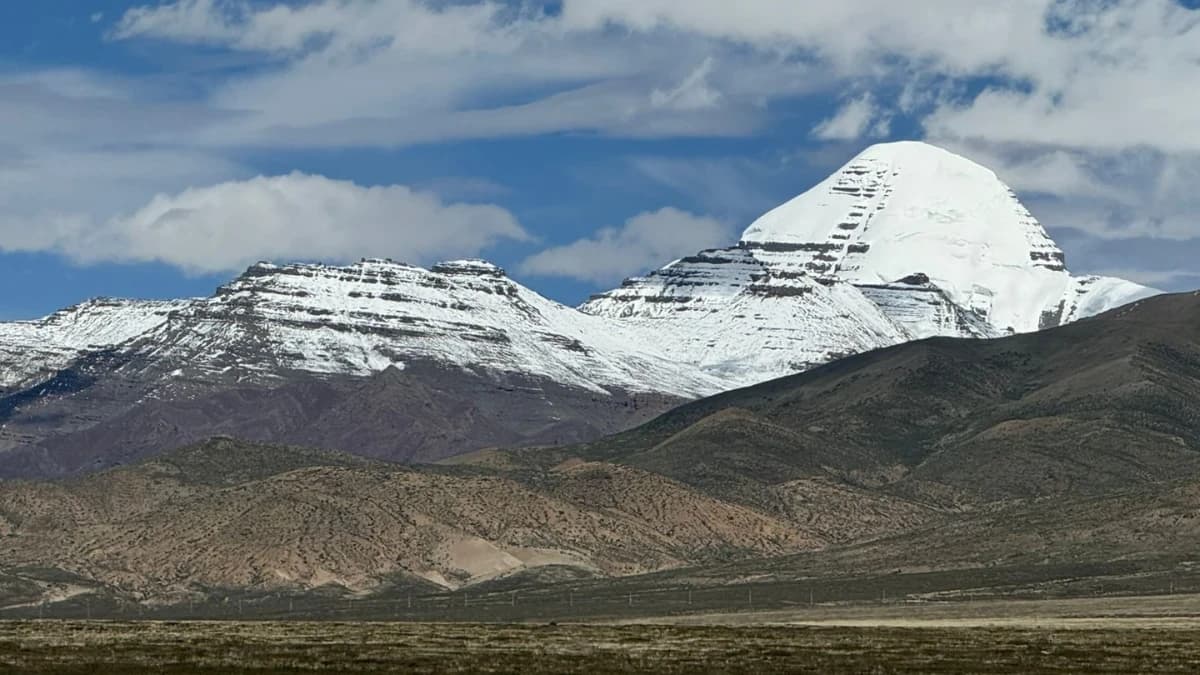
Kailash Trek via Simikot-20-Day Itinerary and Cost

Quick Overview
Duration20 Days
Trip GradeModerate
CountryTibet
Group Size2-20
StartsKathmandu
EndsKathmandu
ActivitiesAdventure and Trekking

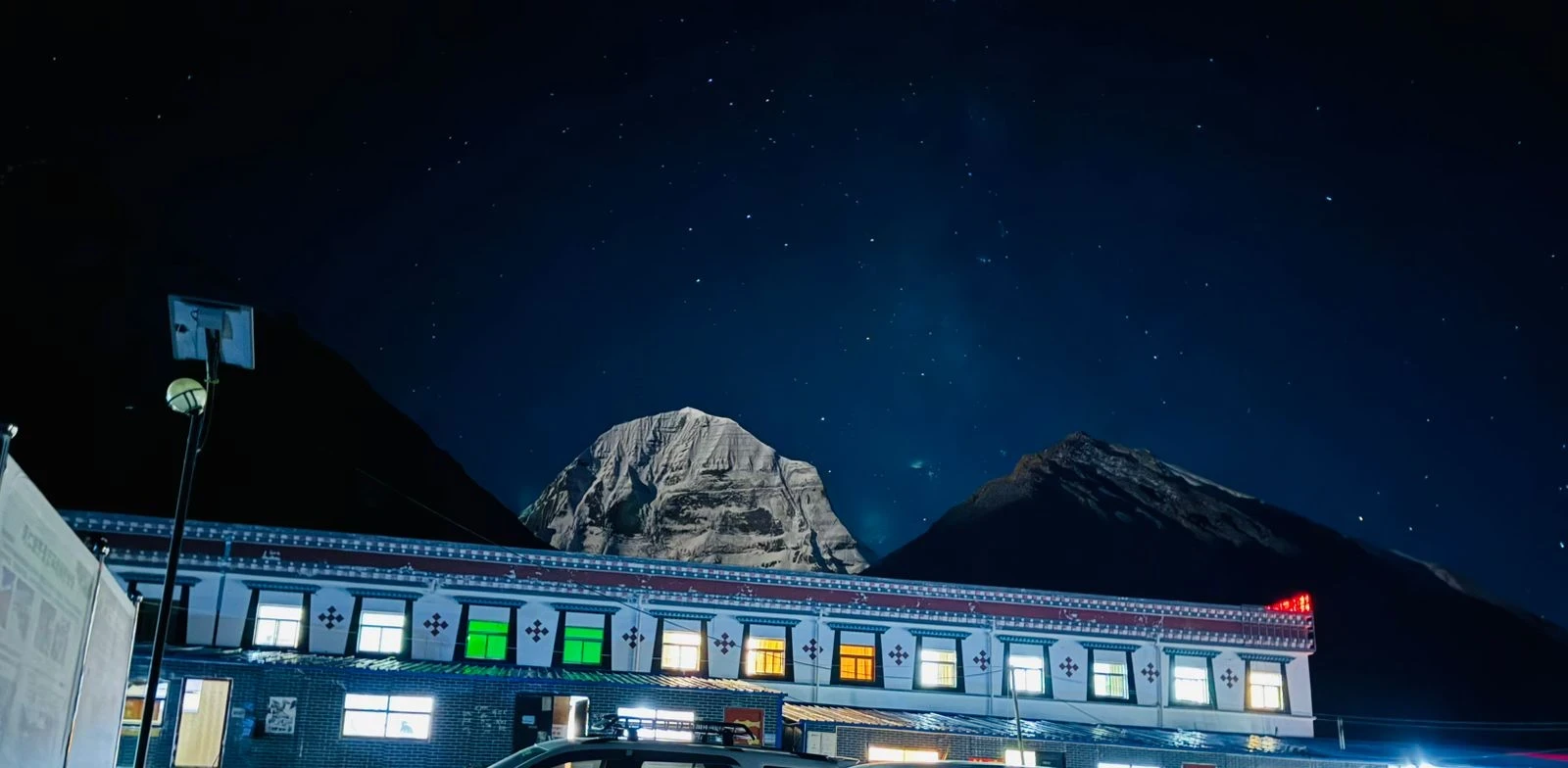
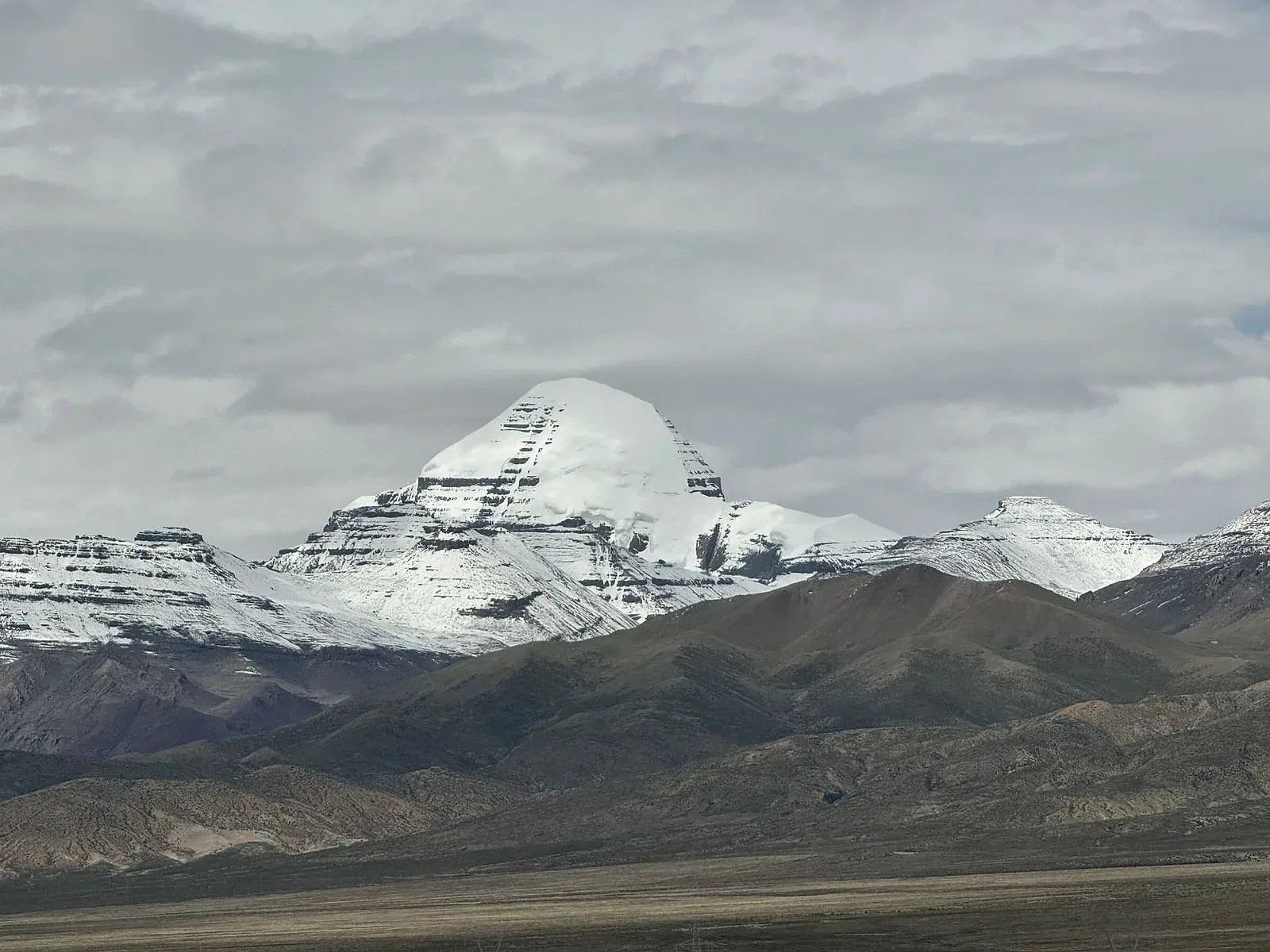
The shortest and most culturally rich way to get to holy Mount Kailash is the Kailash Trek through Simikot. It combines high-altitude adventure with deep spiritual meaning. This trail has been open since 1993 and goes through Nepal's remote Humla area. It leads to the Tibetan Plateau, the holy lake Manasarovar, and the tough Kailash Kora (Parikrama). Mount Kailash is one of the most important places for Hindus, Buddhists, and Bon followers to go on a journey. This trip offers breathtaking landscapes, ancient towns, and a once-in-a-lifetime spiritual experience with knowledgeable local guides. It is perfect for people looking for a meaningful Kailash tour package, especially during the holy Saga Dawa Festival.

Highlights

  • The quickest way to get to Mount Kailash is to hike through the wild Simikot border. This is the most direct and exciting way to get to the holy Kailash Mansarovar Yatra.

  • Off-the-Beaten-Path Trekking: Go to Nepal's far-west Humla district, where few trekkers ever go. It's a wild and untamed place.

  • Cross the Nara La Pass to see the stunning change from Nepal's verdant slopes to Tibet's harsh plateau.

  • Sacred Lake Manasarovar: Go to the holy Lake Manasarovar to pray, take ritual dips, and see beautiful reflections of Mount Kailash.

  • Saga Dawa Festival: See the colorful Saga Dawa Festival in Darchen, which includes the famous raising of the enormous prayer flag at Tarboche.

  • Complete the sacred Kailash Kora (Parikrama) around Mount Kailash, the highest form of pilgrimage.

  • Take on the challenge of conquering Dolma La Pass (5,640m), the highest point of the hike and a spiritually significant milestone.

  • The Everest Holiday is a real Kailash trip specialist that takes care of all the permits and logistics for you.

Kailash Mansarovar Trek overview

For the true adventurer and the dedicated pilgrim, the route to Mount Kailash through Simikot is more than just a hike; it's a voyage through time. This route through Nepal's rural Humla region has been the shortest physical distance to the holy sites of Western Tibet since the border opened in 1993. However, it requires a spirit of adventure.

The Everest Holiday wants you to find out what makes this journey so exceptional. Some alternative routes require long drives at high altitudes, but the Simikot trip blends a real Himalayan trekking experience with the ultimate spiritual purpose. You will stroll in the footsteps of old salt traders, cross the exciting Nara La Pass, and then go down to the Tibetan Plateau to see the magical Lake Manasarovar and the huge Mount Kailash.

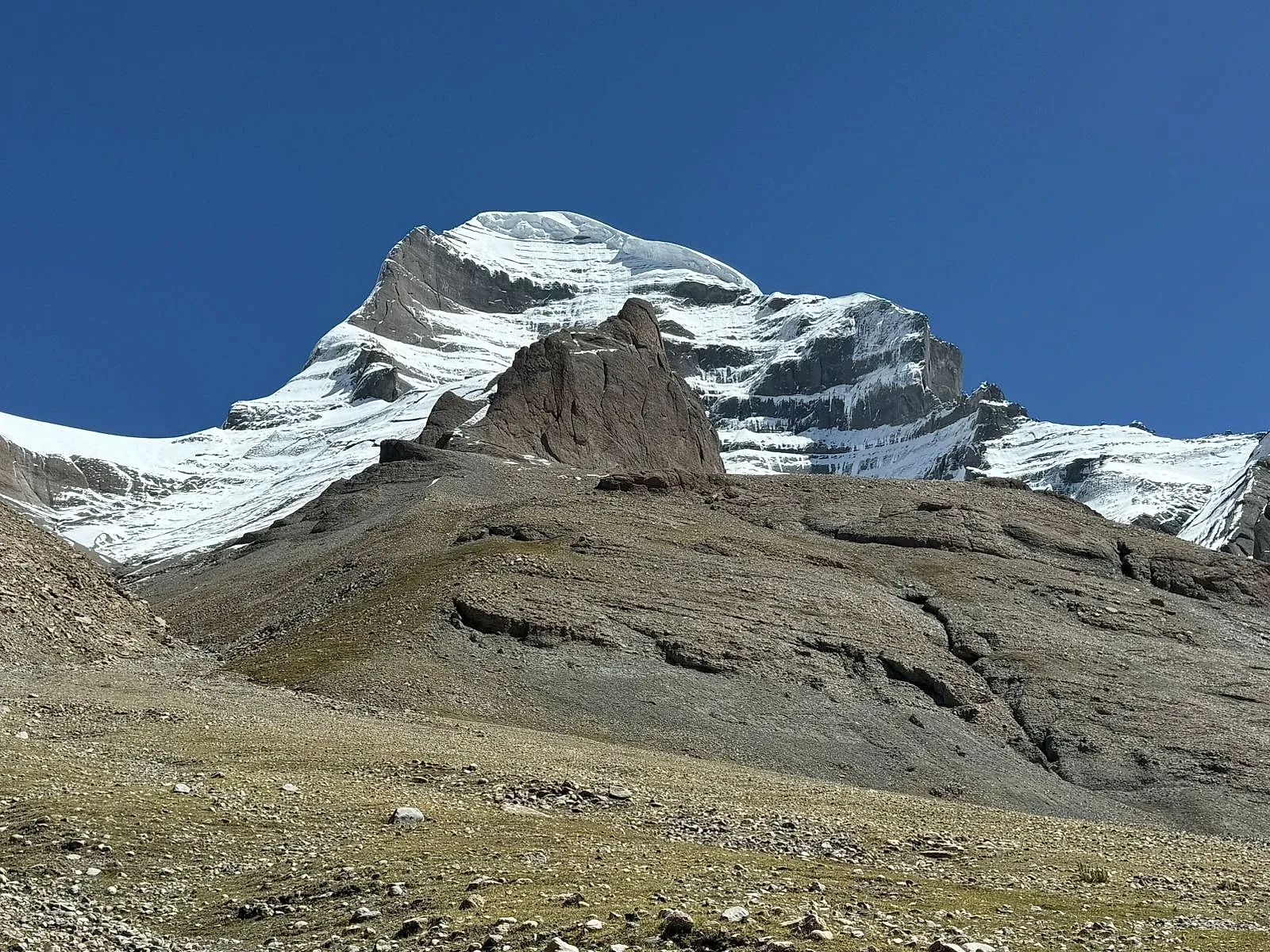
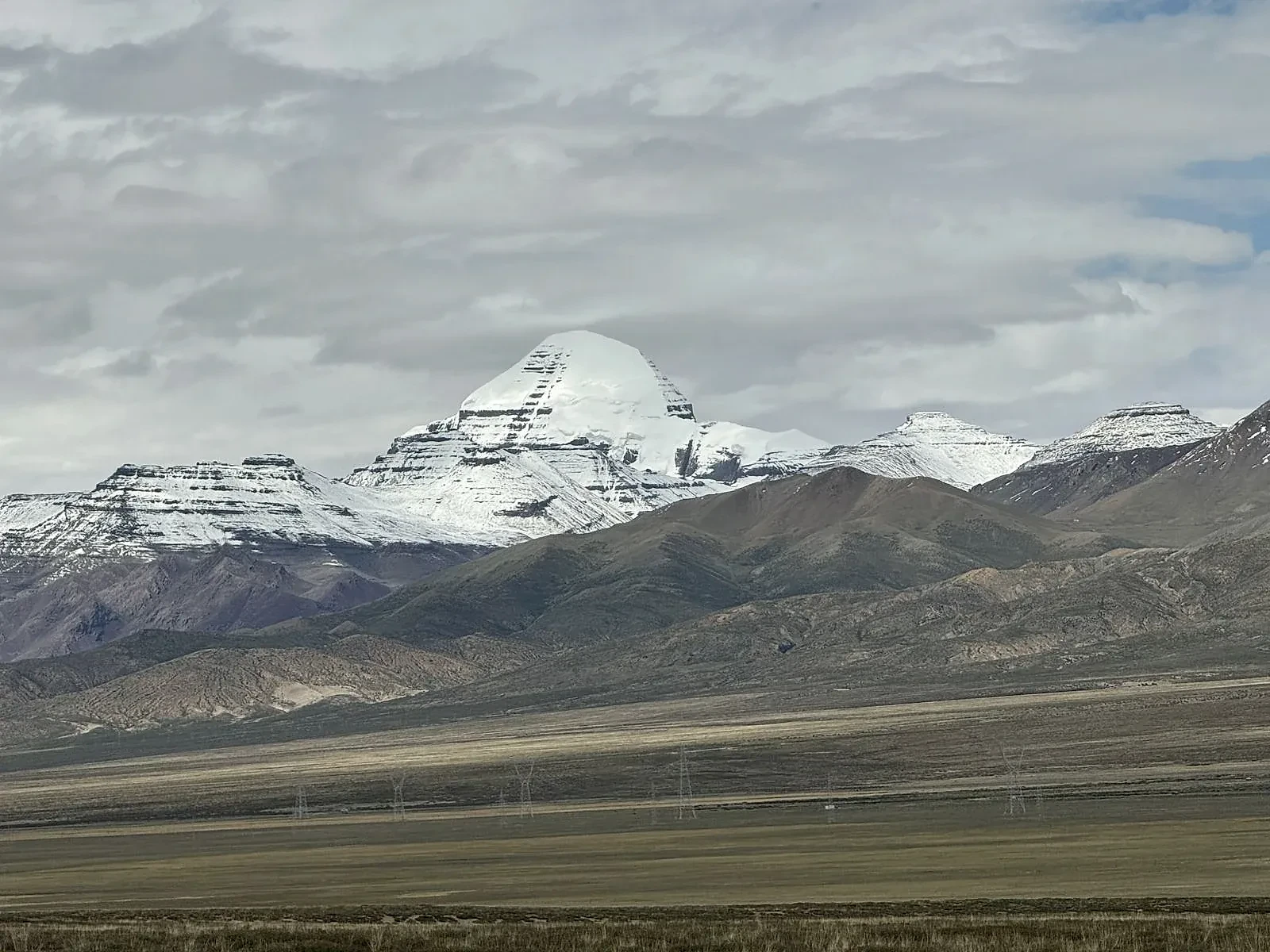
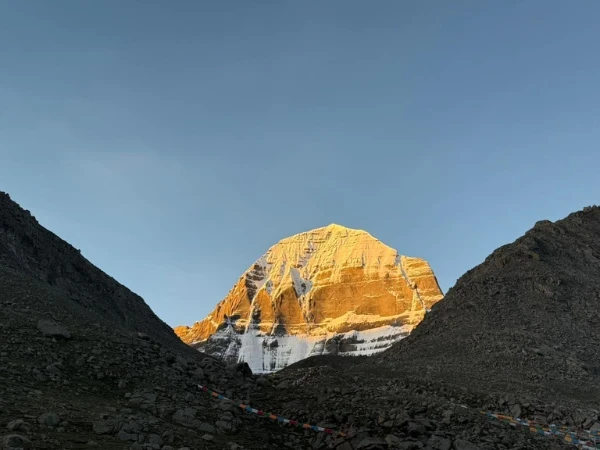
Mount Kailash is not the tallest mountain in the area at 6,714 meters, but it is the most holy. Hindus consider it the heavenly home of Lord Shiva, Buddhists see it as the mountain demon-conquering Demchok, Jains see it as the place where their first Tirthankara found enlightenment, and Bonpos see it as the spiritual center of their ancient land. It gets visitors from all over the world. People think that walking the 52-kilometer circuit (Kora/Parikrama) around this summit will wash away all of their sins.

By choosing The Everest Holiday, you are putting your trip in the hands of a crew that has done this exact route multiple times. We don't just sell tickets; we also help you navigate the tricky world of restricted permissions, high-altitude trekking, and cross-border logistics so you can focus on the spiritual and natural beauty of the trip.

Note: If the given itinerary does not meet your timeframe or trekking tour route, then just let us know for a tailor-made one; we are happy to make it to your specifications. The route can exit from the Kerong border instead of the Lhasa route.

Reminder

We strongly suggest that you get to Kathmandu by 4 PM the day before we leave so that everything goes smoothly and without worry. This gives you time to check your gear, talk to your guide, and make sure you have everything before you leave.

Briefing online

This is like our first coffee before the vacation, but it's online! This online gathering is our chance to show you all the things that will happen on the trip. We'll discuss what to bring and what each day on the route will be like. We'll also address any questions you have. Once you book, we will send you an email with a few times when we can talk. Once the booking procedure is complete, we will schedule the meeting. Also, your hotel stay in Kathmandu is not part of our trek program. Please tell us about your preferences, budget, and the level of service you expect from the hotel you want to stay at in Kathmandu during the online conference. We will make the necessary arrangements for you.

Nepalgunj and Simikot flight information

From Kathmandu to Simikot, there are no direct flights. Instead, all travelers must fly from Kathmandu to Nepalgunj, the primary business center in midwestern Nepal, or take direct bus transportation to Nepalgunj. This flight lasts about an hour, and the drive will take a day; then you spend the night in Nepalgunj. When the weather is most favorable, small planes like the Dornier or Twin Otter fly to Simikot in 40 to 50 minutes early the next morning. The views of the Himalayas along the route are amazing. To avoid delays and make sure your Kailash pilgrimage goes smoothly, it is highly recommended that you include at least one buffer day before and after your trip.

The Civil Aviation Authority of Nepal is in charge of flights, notably during the busiest trekking seasons in the spring and fall. Simikot flights do not go through the Lukla route, like flights to the Everest region. Instead, they go through Nepalgunj Airport. The Everest Holiday takes care of all the travel arrangements, including transfers and flights, so you may focus on your spiritual experience without worrying about travel.

Short Itinerary
Day 01: Arrival in Kathmandu and Transfer to the Hotel
Max Altitude: 1400m
Day 02: Reserve day for group Visa - Kathmandu Sightseeing.
Max Altitude: 1400m
Day 03: Reserve day for group Visa - Rudraabhishek, Puja, and Hawan at Pashupatinath Temple, and get prepared for Yatra.
Max Altitude: 1400m
Day 04: Flight to Nepalgunj or Drive (150 m)
Max Altitude: 150 m
Day 05: Flight to Simikot (2,970m / 9,744 ft) and Trek to Dharapuri (2,349m / 7,706 ft).
Max Altitude: 2,349m / 7,706 ft
Day 06: Trek to Kermi (2,650 m) – 4–5 Hours, Overnight Tented Camp
Max Altitude: 2650 m /
Day 07: Trek to Yalbang Monastery (3107 m)
Max Altitude: 3107 m /
Day 08: Trek to Tumkot Khola (3031m)
Max Altitude: 3031 m /
Day 09: Trek to Thado Dhunga (4050m)
Max Altitude: 4050 m
Day 10: Trek to Nara La pass (4548m), and Hilsa (3650 m). Drive to Purang (3885 m)
Max Altitude: 3885 m
Day 11: Drive to Manasarovar Lake (4565 m), Tirthapuri.
Day 12: Drive to Darchen (4647m), about 40 km, stay in a guesthouse for the night.
Max Altitude: 4,647m
Day 13: Rest Day. During the season of May Saga Dawa Festival
Day 14: Morning drive to Tarboche and trek to Dirapuk (5077 m).
Max Altitude: 5,077 m
Day 15: Trek to Juthulpuk (4807 m) crossing Dolma La pass (5640 m).
Day 16: A short trek to Darchen, then drive to Saga (3502 m)
Day 17: Drive to Kerong (2900m)
Max Altitude: 2,900 m
Day 18: Cross the Tibet immigration of Kerung and continue to drive to Kathmandu.
Max Altitude: 1,400 m
Day 19: Free day in Kathmandu
Max Altitude: 1,400 m
Day 20: Transfer to Airport (back to Home Country)
Expand
Detailed Itinerary
Day 01:

Greetings and a warm welcome to Nepal! When you get to Tribhuvan International Airport, our representative will welcome you with a beautiful marigold garland or khada.

After that, a private, comfortable vehicle will take you to your hotel. Upon arrival at the hotel, you may rest and get used to the lively bustle of Kathmandu, receive a short briefing about the Kailash Mansarovar Yatra tour, and receive official arrangements for the China visa processing.

You may take your time settling in and getting a first look at the city's busy streets in the evening. The tourist town Thamel is famed for its colorful markets and pleasant cafes. You might want to check it out.

Max Altitude: 1400mAccommodation: Hotel
Day 02:

You spend your second day exploring Kathmandu's rich culture and making important plans for your Kailash tour. Our team from The Everest Holiday will give a full pre-trip training in the morning. We will check your papers for the Chinese Group Visa, compare your gear to our Kailash packing list, go over the whole schedule, talk about high-altitude health precautions, and answer all of your questions. This will help your journey get off to a smooth and organized start.

In the afternoon, go on a guided walk of Kathmandu's UNESCO World Heritage sites. Kathmandu Durbar Square, Swayambhunath (Monkey temple), and Boudha Stupa.

Max Altitude: 1400mMeals: BreakfastAccommodation: Hotel
Day 03:

You will spend a lot of time thinking on the first day of the Kailash Yatra. You will go to the holy Pashupatinath Temple first thing in the morning. This is one of the most important places to visit if you want to honor Lord Shiva. During the important Vedic ceremony called Rudra Abhishek, you will also serve sacred chanting, milk, honey, and holy water to the Shiva Lingam. The objective of this ritual is to ask God for help in ascending Mount Kailash safely and in excellent health. The temple grounds are next to the Bagmati River. The best way to be ready for your trip is to stay inside, where the atmosphere is calm and very spiritual.

A Puja and Hawan ceremony takes place after Rudra Abhishek. During Hawan, priests say mantras over and over again to purify themselves and get rid of obstructions. They also give holy fire. People who are going on the Kailash Yatra generally pray for health, safety, and wisdom along the way. You can't just do the rituals on this day; you also need to be emotionally and spiritually ready. At the end of the ritual, you will feel grounded, blessed, and ready to make your sacred trek to Mount Kailash with full devotion.

Max Altitude: 1400mMeals: BreakfastAccommodation: Hotel
Day 04:

This is the end of your prep and the start of your trip to western Nepal. You may either fly from Kathmandu to Nepalgunj in an hour or drive there, which takes about 15 hours, depending on traffic and road conditions. Most pilgrims choose to fly since it's speedier and more comfortable. This gives them more energy for the upcoming Kailash Yatra.

You will go to your hotel and rest when you get to Nepalgunj. The main way to get to the remote Humla region is through Nepalgunj, which is also where flights to Simikot depart. This night stay is important so you can get acclimated to the warmer weather in the Terai and be ready for the early morning travel to the mountains the next day. This is a quiet but necessary time before trekking farther into the Himalayas toward Mount Kailash.

Max Altitude: 150 mMeals: Breakfast, Lunch, and DinnerAccommodation: Hotel
Day 05:

Get up before dawn for your trip to Simikot, the district capital of Humla, which is commonly termed Nepal's "Wild West." The brief trip over the mountains gives you amazing views of the foothills of the Himalayas. When you land, if the weather is good and you have time, you will start your hike right away. The path goes up a hill above Simikot and then down a steep slope to the powerful Karnali River. Dharapuri is a beautiful place beside the river where your camp will be.

If your flight is delayed because of the weather, you will have to spend the night in Simikot. There, you can see the mix of Thakuri Hindus and Bhotia Buddhists, who are Tibetan migrants who control trade in this area. Here, sheep and mule caravans still use old roads to carry grains and salt. You can stay overnight in a tented camp or lodge in Simikot.

Max Altitude: 2,349m / 7,706 ftMeals: Breakfast, Lunch, and DinnerAccommodation: Tent Camp
Day 06:

Your trip starts with a beautiful hike along the Karnali River, which is one of Nepal's cleanest rivers. The walk goes through orchards of peach and walnut trees, which provide shade and a look at how people farm in the Himalayas. Along the way, you'll find a lovely waterfall that flows into the river. This is a great place to take pictures.

Kermi is a typical Bhotia Buddhist village that sits above the campsite. The people there still follow old practices and are very kind. If you have time, you can go to the natural hot springs that are close by. They are between the village and the campsite and are a great place to unwind after your hike. This path goes through one of Nepal's most remote areas and offers both stunning natural beauty and a real cultural experience.

Max Altitude: 2650 m /Meals: Breakfast, Lunch, and DinnerAccommodation: Tented Camp
Day 07:

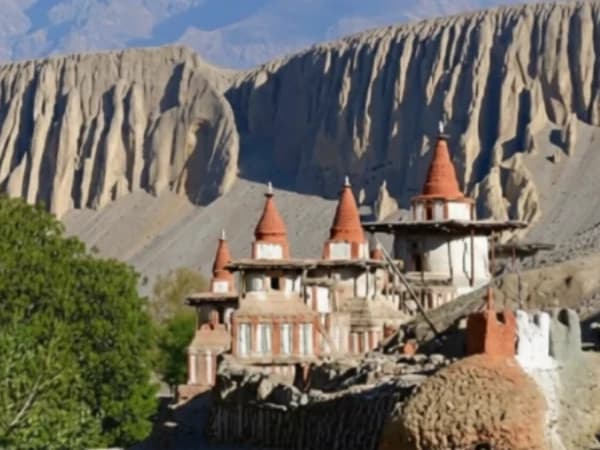
Today's hike traces a narrow path alongside the Salle Khola River, gradually unveiling the Tibetan-influenced culture of the region. The path goes up through thick pine forests to a hill pass at 2,990 m, and then it goes down toward the river. Others may camp around Salle Khola before going up to Yalbang Gumba, a peaceful Tibetan Buddhist monastery, depending on their plans. The evening is a wonderful time to see a monastery puja, where you can see the monks' spiritual activities and chants up close. Most of the communities along this road are Tibetan Buddhist. You will see traditional prayer flags, mani walls, and little gompas that add to the beauty of the Himalayas. This journey is ideal for anyone who wants to have fun and learn about the spiritual and cultural history of western Nepal.

Max Altitude: 3107 m /Meals: Breakfast, Lunch, and DinnerAccommodation: Tented Camp
Day 08:

The journey takes you via beautiful Himalayan settlements like Yangar (2,850 m) and Muchu (2,920 m), where you can see how farmers live at high altitudes. Farmers grow barley, wheat, and potatoes on fields that are terraced. Along centuries-old trade routes, you may witness salt sellers transporting their products with sheep and goats. One of the best things about the day is crossing the Karnali River at the bottom of Muchu. The views of the valley around the river are beautiful.

The hike then slowly goes up to Tumkot, where you sleep in a tent. The undulating hills and gorgeous scenery surrounding Tumkot make it an ideal place to relax and prepare for higher elevations. This trek will show you how the Kailash Yatra combines cultural legacy, natural beauty, and adventure hiking in a way that no other tour does.

Max Altitude: 3031 m /Meals: Breakfast, Lunch, and DinnerAccommodation: Tented Camp
Day 09:

The journey takes you all the way along the Kailash pilgrimage path through Smikot. The trail is a gorgeous track, and you'll witness some waterfalls flowing across the path. The village of Yari, situated at an elevation of 3,670 m, is considered to be the highest point in Nepal. There are breathtaking views of the Saiphal Himal, which rises to a height of 7,000 meters. The landscape is empty and features Tibetan imaginary characters. Your camp is more than an hour away from Yari.

Max Altitude: 4050 mMeals: Breakfast, Lunch, and DinnerAccommodation: Tented Camp
Day 10:

Today is a day for high-altitude trekking that is slower but has many beautiful views. You hike up to Sipsip (4,300 m) and then across the Nara La Pass (4,580 m), where you get your first outstanding views of the Tibetan plateau. As you go down toward the Karnali River, you get to Hilsa (3,720 m), which is the border between Nepal and Tibet.

After going through customs and other formalities, you drive for about an hour to Purang (Taklakot), an ancient Tibetan settlement on the Karnali River. Purang is a busy market for Tibetan wool, yaks, and a wide range of commodities from Nepal, India, and China. From the slope above town, you can see adjacent gompas and snow-capped peaks. This is your first genuine taste of Tibetan culture before you spend the night in a guesthouse.

Max Altitude: 3885 mMeals: Breakfast, Lunch, and DinnerAccommodation: Hotel / Guesthouse
Day 11:

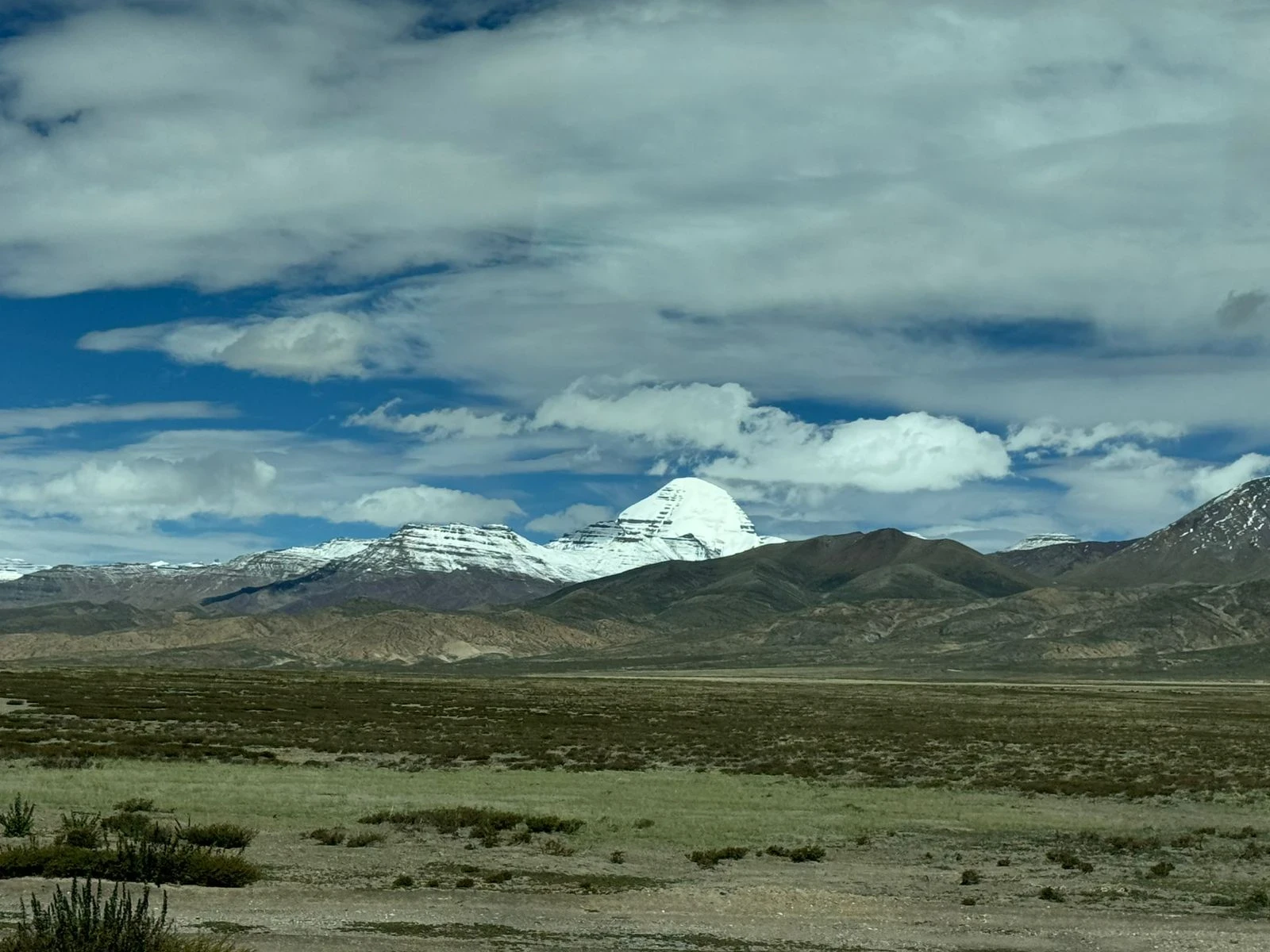
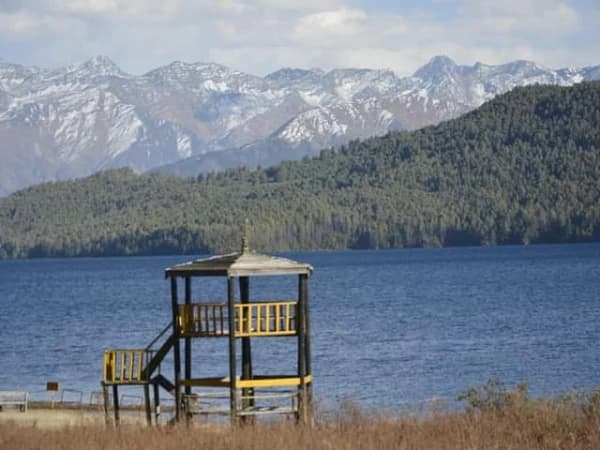
As you drive from Purang, you go closer to the holy area around Mount Kailash and see the Mandala of the holy peak, which is a beautiful sight. Rakshasa Tal (Lake Manasarovar) is to the right, while Mount Kailash, which looks like a pyramid, is in the middle. If you keep going to Tirthapuri, you'll come to a place where Padmasambhava used to meditate. The area still has the spiritual energy of old Tibet, and the natural hot sulfur springs are a wonderful place to relax and recharge. This quiet place is ideal for meditation and getting ready for the holy Kailash Kora.

Meals: Breakfast, Lunch, and DinnerAccommodation: Hotel / Guesthouse
Day 12:

Today, you drive to Darchen, which is the starting point for the Kailash Kora. This peaceful Tibetan village is where the holy trip around Mount Kailash begins. Guests retreat into cozy guesthouses and take time to get used to the high altitude before the challenging hike ahead.

Max Altitude: 4,647mMeals: Breakfast, Lunch, and DinnerAccommodation: Hotel / Guesthouse
Day 13:

A day to rest and get acclimated to the lifestyle in Darchen, which is the base camp for the Kailash Kora. If you go in May, you can experience the vibrant celebrations for Lord Buddha's birth, enlightenment, and Parinirvana, which will be celebrated on May 31, 2026 (15th day of the 4th Tibetan month). People from all around the world flock to local monasteries to pray, do rituals, and celebrate the full moon. This day is wonderful for reflecting on your spiritual life, following Tibetan Buddhist traditions, and getting ready spiritually and physically for the sacred walk around Mount Kailash.

Meals: Breakfast, Lunch, and DinnerAccommodation: Hotel / Guesthouse
Day 14:

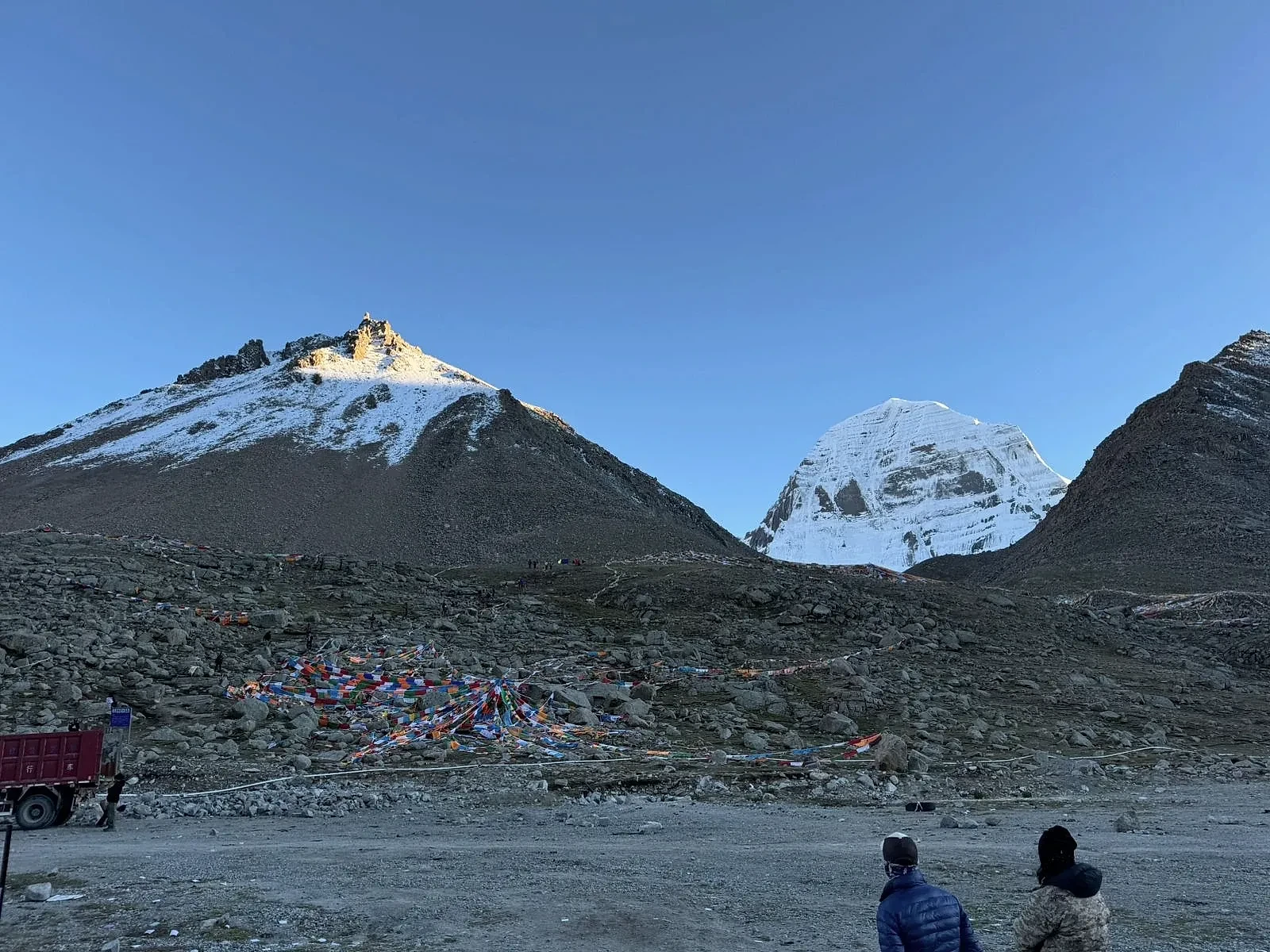
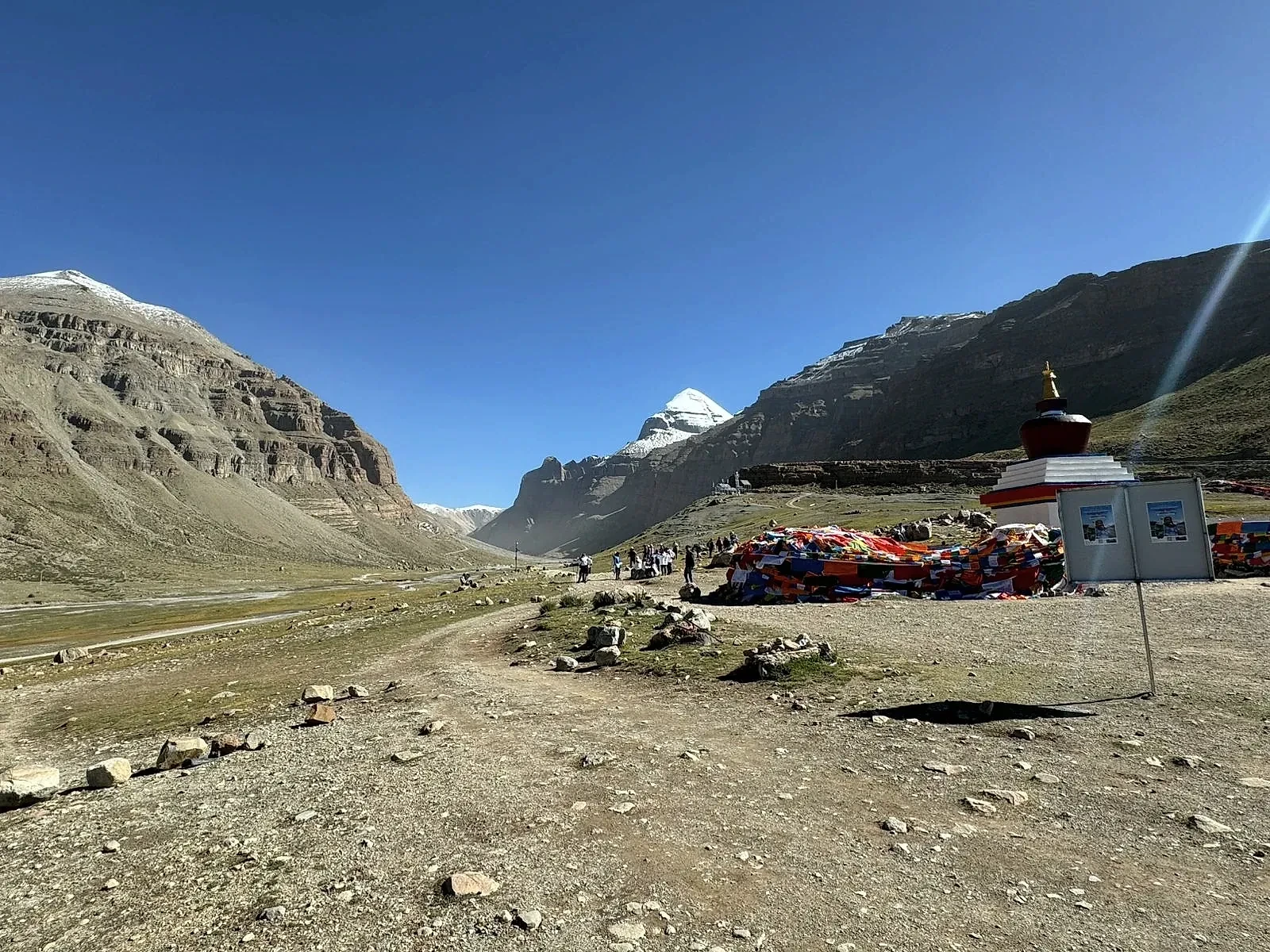
Prepare yourself for a transformative three-day journey around the universe's center. After a short drive to Tarboche, where the Mount Kailash walking kora officially begins and the annual Saga Dawa flagpole ceremony takes place, you will begin your trek. On the first day of your trip, you'll hike 7 kilometers (5 to 6 hours) across the Lha Chu Valley. You'll get amazing vistas of Mount Kailash's North Face, a sheer granite rock with glaciers flowing down it, along the journey.

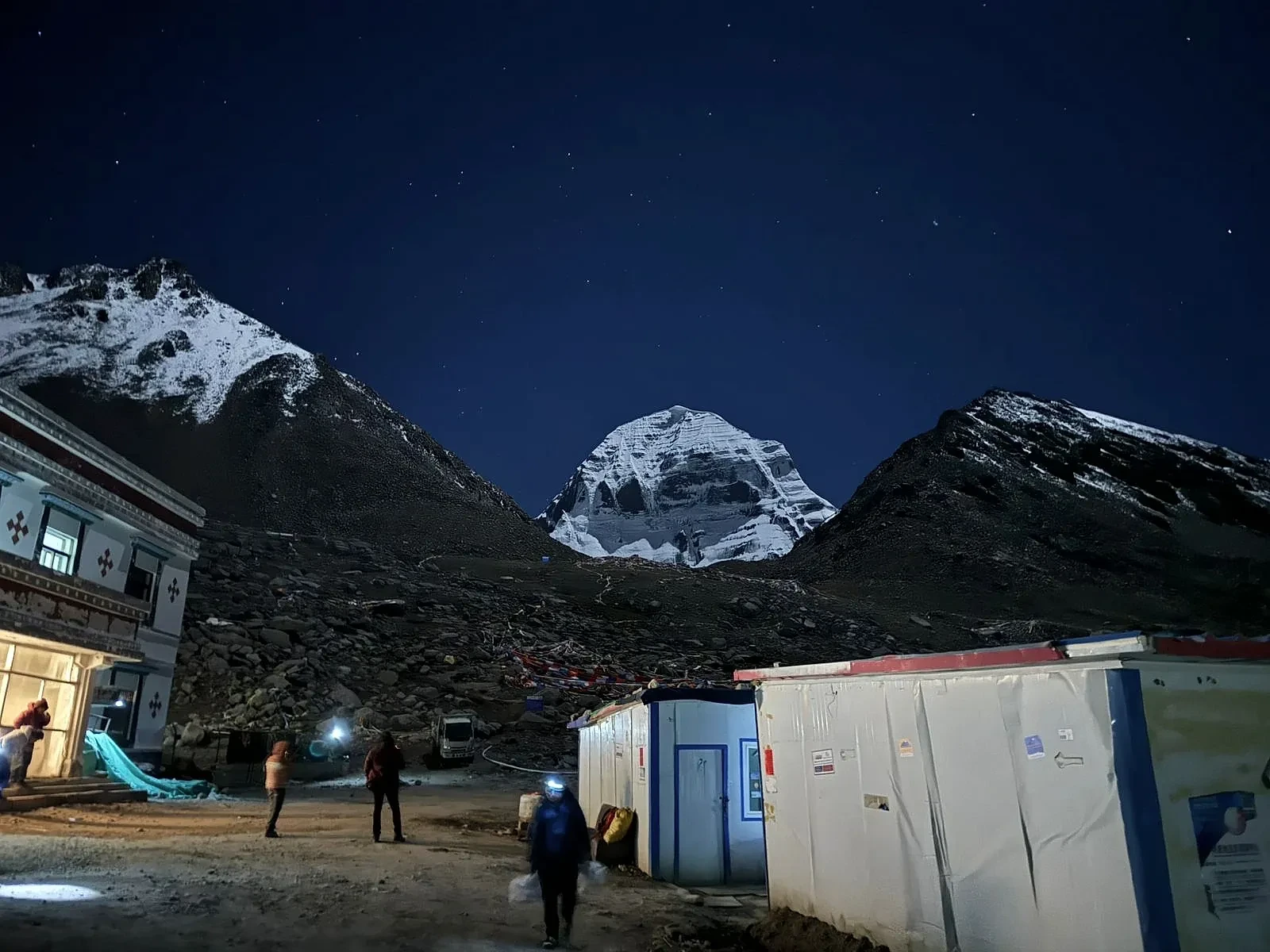
You might see prayer flags and meet other travelers along the road. There is a guesthouse at Dirapuk Monastery (4,860 m) with a stunning view of the north face of Kailash. Today, you should try to keep a steady pace and really take in the scenery. The holy mountain, which usually becomes a flaming crimson at sunset, is a must-see on any Kailash tour.

Max Altitude: 5,077 mMeals: Breakfast, Lunch, and DinnerAccommodation: guesthouse
Day 15:

The fifteenth day of Mount Kailash Kora is the most challenging and significant for the psyche. You begin to climb to the Dolma La Pass, which is the highest point on the holy circuit at 5,640 meters. This very high trail enables hikers see the Tibetan plains, the snow-covered slopes, and the north side of Mount Kailash.

The pass is very lucky in Tibetan Buddhism because it represents spiritual renewal and cleansing. The trail goes down to Juthulpuk, a little guesthouse where you can stay after you cross Dolma La. Along the walk, you can see prayer flags, mani stones, and sacred chortens. These things make the famous Kailash walk through Simikot even more spiritual.

Meals: Breakfast, Lunch, and DinnerAccommodation: Guesthouse
Day 16:

Take a moment to think on your trip around the sacred mountain as you head back to Darchen after completing the last part of the Kailash Kora. Saga, a Tibetan town that is 3,502 meters above sea level, is a 45-kilometer journey from Darchen. This road goes through traditional Tibetan villages, rivers in the high mountains, and the wide plains of the Tibetan highlands. You will be staying in a comfortable hotel in Saga for the night, which will give you a chance to relax and recover after the long Kora travel. You will walk through stunning scenery and slowly descend from the sacred pilgrimage road to Tibetan communities at lower elevations on this day.

Meals: Breakfast, Lunch, and DinnerAccommodation: Hotel
Day 17:

Kerong is a little town on the border between China and Nepal. It's not far from the trade route between Nepal and China, and you may get there by going down from the Tibetan plateau. The drive is around 160 km long and goes through high-altitude vistas, river valleys, and traditional Tibetan settlements. Anyone who wants to see real Tibetan culture, shop at local markets, and take in the stunning scenery of southern Tibet should stop in Kerong on their journey back to Nepal. Plans are made for you to stay the night in a hotel or guesthouse nearby. This is the last day of your high-altitude pilgrimage. You've experienced the local culture, seen the stunning views of the Himalayas, and felt the emotional and spiritual satisfaction of reaching the finish of your journey at Mount Kailash and Lake Manasarovar.

Max Altitude: 2,900 mMeals: Breakfast, Lunch, and DinnerAccommodation: Hotel
Day 18:

After completing exit formalities at the Tibet Immigration office in Kerong, you drive a short distance to the Friendship Bridge, the border crossing between Tibet and Nepal. You walk across the bridge, bidding farewell to your Tibetan team, and meet your The Everest Holiday representative on the Nepalese side. From there, you enjoy a scenic Five-to-Six-hour drive through the Trishuli River valley, watching the landscape transform from arid mountains to lush green hills. By late afternoon, you arrive back in Kathmandu, where you transfer to your hotel, completing your unforgettable Kailash pilgrimage. Overnight at a hotel in Kathmandu.

Max Altitude: 1,400 mMeals: Breakfast, Lunch, and DinnerAccommodation: Hotel
Day 19:
Max Altitude: 1,400 mMeals: Breakfast and DinnerAccommodation: Hotel
Day 20:

As you leave to the airport for your next trip, your life-changing journey comes to an end. Take some time to see Nepal one last time after breakfast before you have to depart. You will be taken to Tribhuvan International Airport (KTM) for your flight home or to your next stop. You depart with more than just memories. You also have the deep spiritual worth and personal achievement of completing one of the most famous pilgrimages in the world: the sacred journey to Mount Kailash and Lake Mansarovar. Tashi Delek! (For good luck and congratulations in Tibetan).

Couldn't find what you're after?Reach out to our travel experts.
Customize Trip
Essential Information

Best Time to Visit Mount Kailash Trek from Simikot in 2026.

It's important to pick the correct time for your Kailash Mansarovar Yatra so that you can have a safe and spiritually fulfilling trip. After years of advising pilgrims, we think the following seasons are best for 2026.

Best Time: May to September

The best time to do the Kailash Yatra from Simikot in 2026 is between May and September. The weather on the Tibetan Plateau is rather consistent throughout these months. The skies are clear, and the temperatures are tolerable, which makes it the optimum time to cross the high mountain passes and finish the sacred Kailash Kora.

Things to think about during peak season:

In the spring (May to June), wildflowers bloom all over the place, and the skies are usually very clear. The Saga Dawa Festival, the year's most important Buddhist festival, is also in May. It usually happens on the full moon in May or June. In September, early fall, the air is fresh, the sights are amazing, and the weather is nice for Trekking.

Kailash Tour Visa and Permit Update 2026

Getting the right paperwork to travel to the Tibet Autonomous Region is not easy. The Everest Holiday takes care of all the permits for you, so you don't have to worry about anything. These are the most important changes for 2026.

What you need to get a Chinese visa and a Tibet travel permit

For 2026, the People's Republic of China has changed the rules for getting a visa and travel permit for Tibet and Mount Kailash. All international pilgrims, save Indians who have their own accord with China, need to get a Chinese Group Visa and a special Tibet Travel Permit.
The Steps:

  • Submitting Passports: Pilgrims must send their passports to The Everest Holiday well ahead of time.
  • Group Visa Application: We coordinate with our partner travel agent in China/Tibet to secure the necessary papers and an entry permit from China's Foreign Affairs office.
  • Visa Processing: Foreign passengers must fill out a visa application form. It usually takes the Chinese Embassy 2–3 business days to issue the group visa and the Tibet Travel Permit that goes with it.

Important Requirement for Arrival

All travelers must go to The Everest Holiday office or contact us at least one or two days before the trip starts to make this official process work. This buffer makes sure that your visa is ready and processed before we leave for the border. During this required waiting time in Kathmandu, we will manage the hotel on a BB basis. (Lunch and dinner in Kathmandu are excluded from our package).

Kailash yatra is banned

The Everest Holiday wants to let all pilgrims be aware that there is a huge change in the rules that will affect the Kailash Yatra. The Kailash trek from Simikot, which includes touching the holy face of Mount Kailash, is still closed since the Chinese local administration has banned it. People who are on a pilgrimage can't approach the base of the mountain anymore.

The Good News: The Sacred Kora Keeps Going

Even though this rule is in force, pilgrims can still complete the traditional and just as good Kailash Kora (circumambulation). The most essential element of the pilgrimage is still walking the 52 kilometers around Mount Kailash, across the Dolma La Pass, and to Gauri Kund. All faiths view this as the supreme act of devotion.

Changing Money

For the Kailash Mansarovar trip, the official currency of Tibet is the Chinese Yuan (CNY), which is also called Renminbi. During the tour, you can only use Yuan to pay for your lodging, permits, transportation, meals, and local goods. US dollars and other foreign currencies rarely find acceptance in Tibetan cities and villages. Nepalese pilgrims frequently exchange their US dollars or Nepalese rupees (NPR) for Chinese yuan before traveling to Tibet. They can do such transactions in the border towns of Kerung or at well-known banks in Kathmandu. There aren't many ATMs along the Kailash route, and credit cards aren't frequently accepted, so you should always have enough cash on hand in small notes. If you have some extra cash on hand, it will be easier to buy meals, leave tips, and make little purchases while you're on the high-altitude climb.

Security

The Everest Holiday promises that its clients will be safe, secure, and happy. Your safety is the most important thing to us. Our guides are experienced, licensed by the government, and have had a lot of training in first aid. We will go sightseeing together every day, which will make it much safer.

Trip conclusion 

Farewell Dinner 

We will have a farewell meal for you in Kathmandu after the Mansarovar Kora Trek, remember. This is a great opportunity to share stories from your adventure and provide us with your feedback. We will also present you with a certificate of achievement to recognize your incredible accomplishment.

Departure 

To arrange your airport transfer, please let us know your hotel name, room number, and flight departure details. We will take you from your hotel to Tribhuvan International Airport so you may catch your trip home. We hope you had an amazing time and can't wait to see you back in Nepal for another tour.

Tipping culture 

Tipping is accepted in Nepali culture but is not mandatory. The amount should reflect the quality of service, the length, and the cost of the tour. This recommends giving tips to the crew collectively at the end of the tour.