Every travel blog says don't trek Nepal during monsoon. A local guide with a decade of experience disagrees, and explains which trails are actually safe, dry, and spectacular between June and September.
Govt Regd. No.: 147653/072/073
Travel Agency Licence: 2838/072
Monsoon Trekking in Nepal: Which Trails Are Actually Safe? A Local Guide's Honest Answer (2027)

Short answer: Yes, you can trek in Nepal during the monsoon (June to August) if you choose a rain-shadow route such as Upper Mustang or Dolpo, which get far less rain than the south side of the Himalaya. The lower Annapurna and Everest trails are possible but wet, with leeches, cloud and landslides on the roads. As of 14 October 2026 the monsoon is over, autumn trekking is running, and the Chame and Jomsom roads are open again. For a rain-shadow trek, see our Upper Mustang trek.
Update, 6 October 2026
The monsoon is ending and autumn trekking is running on most routes. Here is where things stand, based on published reports and what we confirm with our guides before each departure. For a trek that sits in the rain shadow, see our 10-day Upper Mustang trek.
What happened. A large flood came down the Bhote Koshi and Trishuli valley in Rasuwa on 26 August 2026 and damaged the Rasuwagadhi border crossing and the road corridor towards Langtang and Gosaikunda. A separate spell of heavy rain from 24 September then set off floods and landslides in many districts, mostly cutting roads and bridges (Kathmandu Post, 27 September 2026).
Roads and trails are not the same thing. Most of the damage reported was to vehicle roads and bridges, not to the walking trails. The Besisahar to Chame road on the Annapurna Circuit side and the Beni to Jomsom road towards Mustang were both blocked by landslides in late September, and no damage to the trekking trails there was reported. As of 14 October 2026 the Besisahar–Chame road and the Beni–Jomsom road are repaired and open to vehicles again. We still check road and trail conditions 48 hours before every departure. The Everest region, reached by flight to Lukla, lies in a different river system and was not in the flood corridors.
Besisahar to Chame road. The road is repaired and open to vehicles again as of 14 October 2026. We confirm the road and trail position 48 hours before departure, and we will tell you plainly if a start point needs to change.
The monsoon is ending. The Department of Hydrology and Meteorology puts the normal withdrawal date at about 2 October, and in recent years it has come between 8 and 16 October. Early October is still a transition period, with clearing skies and the odd late shower.
One area to ask us about. As of the late-September reports, road access through the Rasuwa corridor towards Langtang and Gosaikunda was still disrupted. If you are planning a trek there, message us for the latest before you book.
Live Trail Update, 12 July 2026: Annapurna Base Camp & Ghorepani Poon Hill
An honest update from us here in Nepal. On 12 July 2026, heavy monsoon rain set off a landslide that briefly dammed the Kimrung Khola above the Annapurna trail. When that natural dam burst, the flood eroded a section of the Nayapul–Birethanti–Ghandruk road near Syauli Bazaar and swept away a suspension bridge over the Kimrung Khola on the trekking route. Vehicle access to Ghandruk, one of the main gateways to Annapurna Base Camp and the Poon Hill loop, is cut for now. There was no loss of life, and a team from the local government, Nepal Police, the Armed Police Force and the Annapurna Conservation Area Project (ACAP) is already on the ground.
This is a normal, if dramatic, part of the monsoon here. Only a few sections are affected, the crews repair them quickly, and there are still other ways into the region.
If you are trekking in autumn or winter, this does not affect you at all. It will be long repaired before you arrive.
What is affected: the lower Nayapul–Birethanti–Ghandruk road and a bridge on the Kimrung Khola. In the monsoon it is almost always the roads and lower river crossings that take the damage, not the high country.
What is still open: Annapurna Sanctuary and Poon Hill can be reached from more than one starting point. With the Ghandruk road cut, groups can start higher via Kande and Australian Camp, or wait the short time it takes to reopen the road. Our guides live in these hills and route each group around whatever is affected on the day.
When it clears: monsoon damage in Nepal looks alarming and mends fast. By September the roads and bridges are repaired and the trails dry out, which is why autumn, September to November, is our main season, with the clearest mountain views of the year. Winter carries on with cold, quiet trails.
Trekking right now, in July or August? It can be done with a proper plan, buffer days and a guide who knows the day's conditions, but you accept mud, leeches lower down, cloud that hides the peaks, and the odd delay like this one. For most people the better plan is autumn or winter.
We watch conditions here every week and will always give you the real picture from the ground. For the exact state of a route in any given week, just message us on WhatsApp.
Monsoon Trekking in Nepal: Which Trails Are Actually Safe? A Local Guide's Honest Answer (2027)
Every travel blog, every guidebook, every forum post will tell you the same thing: don't trek in Nepal during monsoon. Avoid June to August. Wait for autumn.
I disagree. And I say that as someone who has spent the last decade guiding treks through these mountains year-round.
I'm Shreejan Simkhada, CEO of The Everest Holiday, a third-generation Himalayan guide. My team and I trek every month of the year, including the wettest ones. And here's the truth that most companies won't tell you: some of Nepal's finest trekking happens between June and September, if you know exactly where to go.
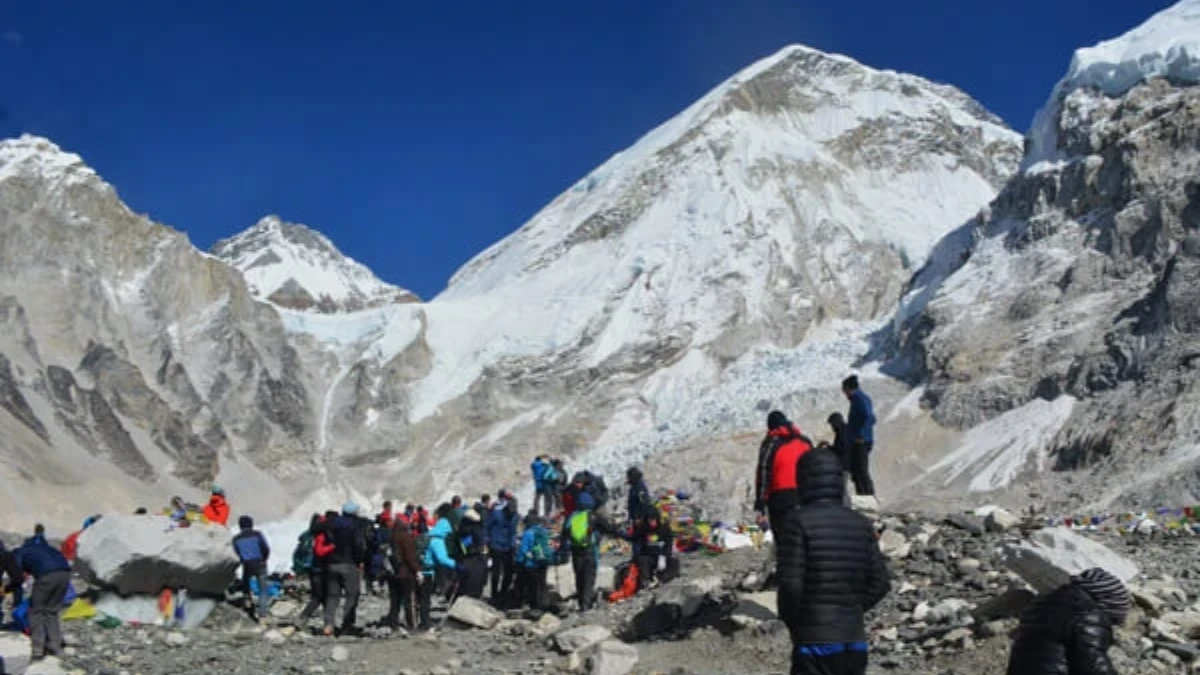
The key word is "where." Not every trail is safe during monsoon. Some are genuinely dangerous. But others (tucked behind the Himalayan rain shadow) actually receive less rainfall during the monsoon than London does in an average summer. This article is my honest breakdown of which trails work, which don't, and what to expect if you choose to trek Nepal during the off-season.
Why Monsoon Isn't What You Think
Most people picture monsoon as non-stop torrential rain from dawn to dusk. That's not how it works in Nepal. The typical monsoon pattern looks like this:
-
Early morning (5am-10am): Clear skies, often brilliantly clear. Some of the best mountain views of the year happen at dawn during monsoon because the air has been washed clean overnight.
-
Late morning to early afternoon: Clouds start building from the south. Humidity rises.
Himalayan mountain landscape in Nepal -
Afternoon to evening (2pm-8pm): Rain arrives, sometimes heavy. Thunder and lightning are common in the hills.
-
Night: Rain tapers off. Stars often appear by midnight.
This pattern means you can trek comfortably for five to six hours every morning if you start early. Our monsoon itineraries always begin walking by 6am and finish by noon. You spend the afternoon in a warm teahouse while the rain drums on the roof, which, honestly, is one of the cosiest experiences Nepal has to offer.
Then there's the beauty. Nepal during monsoon is staggeringly green. The hills are covered in wildflowers. Waterfalls that are thin trickles in autumn become thundering cascades. Rice paddies glow an almost impossible shade of emerald. The rhododendron forests below 3,000 metres are dense, misty, and atmospheric. If you're a photographer or simply someone who appreciates landscapes at their most alive, monsoon Nepal will stop you in your tracks.
Which Nepal trekking regions stay dry during monsoon?
Here's the geography lesson that changes everything about monsoon trekking.
The monsoon winds blow north from the Bay of Bengal, carrying enormous amounts of moisture. When these clouds hit the Himalayan barrier (the highest mountain range on Earth), they dump their rain on the southern slopes. That's why Pokhara, Kathmandu, the Annapurna foothills, and the Everest approach get soaked.
But the areas behind the main Himalayan ridge (the trans-Himalayan zones) sit in what's called a rain shadow. The mountains have already wrung the clouds dry before they reach these regions. The landscape there is arid, almost Tibetan. Brown hills, blue skies, dry air.
How dry? Upper Mustang receives roughly 200mm of rain per year. London receives about 600mm. So when someone tells you "don't go to Nepal in monsoon," they're ignoring an entire category of trekking regions that are actually at their best during those months.
The main rain shadow areas in Nepal are:
-
Upper Mustang: behind the Annapurna and Dhaulagiri ranges
-
Dolpo: behind Dhaulagiri, one of Nepal's most remote regions
-
Nar Phu Valley: a restricted side valley off the Annapurna Circuit
-
Upper Manang: the high section of the Annapurna Circuit above 3,500m
-
Upper Mustang approach via Jomsom: the Kali Gandaki corridor funnels wind, not rain
These are not compromise treks. These are some of the most spectacular routes in the Himalayas, and monsoon is genuinely their ideal season.
Safe Trails During Monsoon: The Detailed Guide
1. Upper Mustang Trek (10 Days): The Number One Monsoon Trek
If I could recommend only one trek for the monsoon season, it would be Upper Mustang without a second's hesitation.
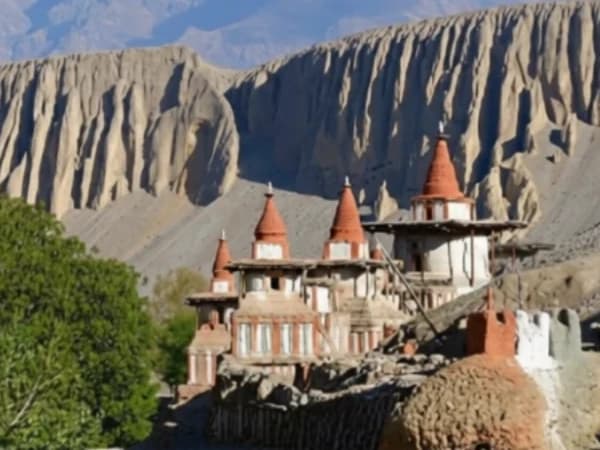
Upper Mustang is a restricted area that sits entirely behind the Himalayan rain shadow. The landscape looks like Tibet: eroded red and ochre cliffs, ancient cave dwellings, whitewashed monasteries, and vast open plateaus under blue skies. While the rest of Nepal is getting drenched, Upper Mustang is bone dry.
Why it works in monsoon:
-
Annual rainfall is only around 200mm, less than a third of London's
-
Our Upper Mustang trek goes in by road as standard, with Kathmandu to Pokhara and Pokhara to Jomsom flights on request, and the Jomsom flight is more reliable than Lukla flights because the Kali Gandaki valley creates its own wind patterns
-
The trail is well-maintained and the terrain is arid, so there's no mud or landslide risk
-
Temperatures are pleasant: warm days around 20-25°C, cool nights around 5-10°C
-
The Tiji Festival, one of Upper Mustang's most important cultural events, falls in late May or early June
What to expect: You'll walk through a landscape that feels more like the high deserts of Ladakh or the American Southwest than anything you'd associate with Nepal. The walled city of Lo Manthang, the ancient capital, is one of the most remarkable places I've ever visited. Prayer flags snap in the wind. Monks chant in 600-year-old monasteries. And the sky is enormous: clear, blue, and empty.
The honest caveat: Upper Mustang requires a restricted area permit, which costs USD 50 per person per day, billed only for the days you are inside Upper Mustang. It's not a budget trek. But the permit fee keeps crowds away: you might see five other trekkers in two weeks. In autumn, that number climbs to fifty or more.
Difficulty: Moderate. The highest point is around 3,800m, so altitude sickness is less of a concern than on Everest or Annapurna routes.
2. Lower Dolpo Circuit: Remote, Dry, Spectacular
Dolpo is Nepal's largest district and one of its least visited. The Lower Dolpo Circuit takes you through a landscape of turquoise lakes, ancient Bon-Buddhist monasteries, and some of the most isolated communities in the Himalayas.
Why it works in monsoon:
-
Sits firmly behind the Dhaulagiri range in the rain shadow
-
The terrain is high and dry, most of the trail sits between 3,000m and 5,000m
-
Phoksundo Lake, the centrepiece of the trek, is at its most vivid blue during summer months
-
Virtually no other trekkers, you'll have the trail to yourself
The honest caveat: Dolpo is remote. Really remote. Teahouse infrastructure is basic, and some sections require camping. Flights to Juphal (the trailhead) can be weather-affected. You need a restricted area permit (USD 20 per week for Lower Dolpo, USD 500 for ten days for Upper Dolpo). This trek suits experienced trekkers who are comfortable with basic conditions and genuine wilderness.
Difficulty: Moderate to challenging. Several passes above 4,000m. Requires good fitness and previous trekking experience.
3. Nar Phu Valley, Rain Shadow, Off the Beaten Path
Nar Phu is a restricted side valley that branches off the Annapurna Circuit near Koto. It's a two-to-three day detour that takes you into a high, dry valley with Tibetan culture, spectacular mountain views, and almost no other trekkers.
Why it works in monsoon:
-
The valley sits behind the Annapurna range and receives significantly less rain than the main circuit
-
The villages of Nar and Phu are above 4,000m, well above the leech line and the worst of the rain
-
The landscape is stark and beautiful, stone villages, yak pastures, and towering peaks
The honest caveat: Getting to Nar Phu requires passing through the lower Annapurna Circuit, which does get wet during monsoon. The road from Besisahar to Koto can be affected by landslides. A restricted area permit is required (USD 100 per week). The trek involves one high pass (Kang La, 5,322m) if you cross into Manang, though most monsoon trekkers return the way they came.
Difficulty: Challenging. High altitude, remote terrain, and basic infrastructure.
4. Upper Manaslu (Higher Sections)
The Manaslu Circuit is one of Nepal's great treks, and while the lower sections get soaked during monsoon, the upper portions, particularly above Samagaon (3,530m), are noticeably drier. The Larkya La base camp area sits in a partial rain shadow created by the Manaslu massif itself.
Why the upper sections work:
-
Above 3,500m, rainfall drops significantly
-
The Tibetan-influenced villages of Samagaon, Samdo, and Dharamsala are in the drier zone
-
Wildflowers in the alpine meadows are spectacular during monsoon
The honest caveat: The lower sections of the Manaslu Circuit (Soti Khola to Deng, roughly the first three to four days) are genuinely risky during monsoon. The Budhi Gandaki gorge is narrow, steep, and prone to landslides when saturated. Leeches are abundant below 2,500m. If you trek Manaslu during monsoon, you need to accept that the first few days will be wet, muddy, and challenging. The reward comes higher up.
Difficulty: Challenging. The Larkya La pass (5,160m) is a serious undertaking in any season.
5. Tilicho Lake via Upper Annapurna Circuit
The Annapurna Circuit with Tilicho Lake is one of the classic Nepal treks, and while the lower sections are off-limits during monsoon, the upper circuit, from Manang onwards, sits in the rain shadow and stays relatively dry.
Why it works (partially):
-
Manang (3,519m) and above are in the Annapurna rain shadow
-
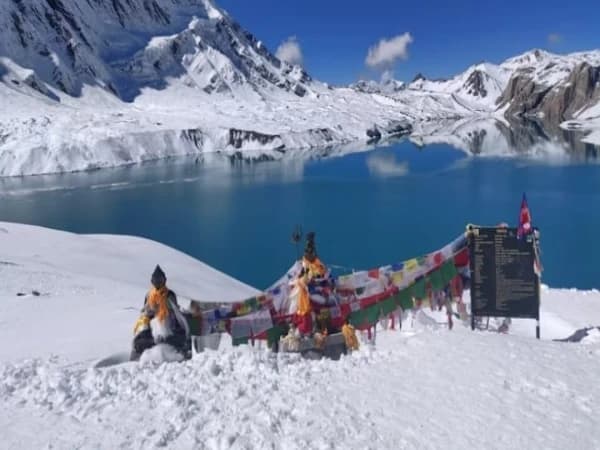
Tilicho Lake (4,919m) is worth visiting during monsoon, fewer visitors, clearer morning skies
-
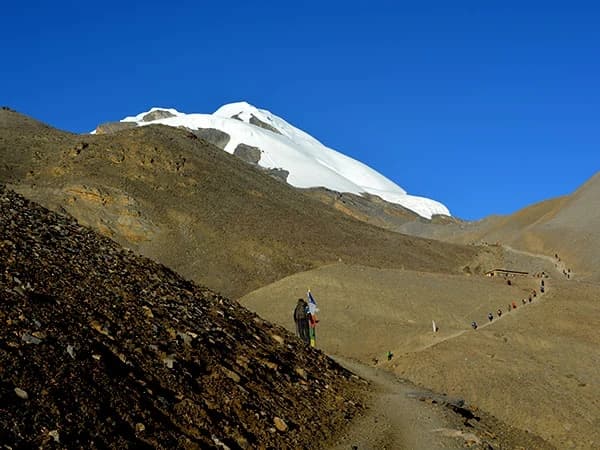
The Thorong La pass crossing is feasible during monsoon, though snow is possible
The honest caveat: The problem is getting to Manang. The lower Annapurna Circuit from Besisahar to Chame gets heavy rain, and the road is prone to landslides and blockages. Many trekkers flying into Humde (when flights operate) to skip the lower sections. This is not a trek I'd recommend for first-timers during monsoon. If you have trek and flexibility with your schedule, it can work. If you need certainty, choose Upper Mustang instead.
Difficulty: Challenging. Thorong La (5,416m) is one of the highest trekking passes in Nepal.
Which Nepal treks should you avoid during monsoon?
I could easily write a marketing piece telling you every trail in Nepal is fine in monsoon. But that would be dishonest, and potentially dangerous. Here are the routes I actively advise against between June and August.
Everest Base Camp
The EBC trek during monsoon has three serious problems. First, Lukla flights. The small mountain airstrip at Lukla is weather-dependent at the best of times. During monsoon, cancellations and delays are frequent, sometimes for days. I've seen trekkers stranded in Lukla for three days waiting for a break in the clouds, eating into their holiday time and their patience. Second, the trail below Namche Bazaar is leech territory during monsoon. The forested sections between Phakding and Namche become muddy, slippery, and alive with leeches. Third, cloud cover above Namche means you'll likely miss the big views, the very reason most people trek to Everest in the first place. You might reach Base Camp and not see Everest at all.
My advice: Wait for autumn (October-November) or spring (March-May). The EBC trek is too expensive and too logistically dependent on clear weather to risk during monsoon.
Annapurna Circuit (Lower Sections)
Everything below Manang on the Annapurna Circuit is a monsoon concern. The Marsyangdi Valley is a natural funnel for monsoon rain. Landslides regularly close the road between Besisahar and Chame. The trail is muddy, the rivers are swollen, and the views are hidden behind clouds. Leeches are everywhere below 3,000m.
Langtang Valley
Langtang receives some of the heaviest rainfall in Nepal's trekking regions. The valley is oriented directly towards the monsoon winds from the south. Add to this the region's history of landslides, the devastating 2015 earthquake triggered a catastrophic landslide that buried the village of Langtang, and you have a trail that carries real risk during the saturated monsoon months. The trail has been rebuilt and is safe in autumn and spring, but I don't recommend it June to August.
Poon Hill / Ghorepani
Poon Hill is one of Nepal's most popular short treks, and it's one of the worst choices during monsoon. The trail sits at lower altitude (1,000m to 3,200m) directly in the path of monsoon clouds. Ghorepani and Tadapani are two of the wettest places in Nepal. You'll trek through rain, arrive at Poon Hill in cloud, see nothing, and come down covered in leeches. I say this with genuine regret because Poon Hill in autumn is absolutely magnificent. But in monsoon? Skip it entirely.
What Gear Do You Need for Monsoon Trekking?
If you decide to trek during monsoon, and on the right trail, you absolutely should, here's what our guides recommend based on years of wet-season experience.
Gear
-
Waterproof jacket and trousers: Non-negotiable. Bring proper Gore-Tex or equivalent, not a cheap poncho. You'll be wearing it every afternoon.
-
Waterproof pack cover: Plus dry bags inside your pack for electronics, documents, and spare clothing.
-
Quick-dry clothing: Cotton is your enemy in monsoon. Synthetic fabrics or merino wool dry in hours. Cotton stays wet for days.
-
Sturdy waterproof boots: Trails are muddy and slippery. Ankle support matters more than ever. Break them in before you arrive.
-
Gaiters: Keep mud and leeches out of your boots. Worth their weight in gold below 3,000m.
-
Leech socks: Tight-weave socks or dedicated leech socks that tuck into your trousers. More on leeches below.
Daily Routine
-
Start early: On the trail by 5:30-6:00am to maximise dry hours.
-
Finish by noon: Aim to reach your teahouse before the afternoon rain arrives.
-
Dry everything overnight: Hang damp clothes in the teahouse dining room. Most lodge owners are understanding about this.
-
Carry a thermos: Hot tea during a rainy afternoon is genuinely one of life's small pleasures.
Trail Conditions
-
Expect mud on any trail below 3,000m. Above that altitude, trails are generally rockier and drain better.
-
River crossings can be higher and faster than in dry season. Never cross a swollen river without your guide's approval.
-
Some suspension bridges become slippery. Take your time.
-
Landslide debris may block parts of trails. Our guides know the detour routes.
The Cost Advantage, Why Monsoon Is the Budget Trekker's Secret
Here's something the "don't trek in monsoon" crowd never mentions: it's significantly cheaper.
| Cost Factor | Peak Season (Oct-Nov) | Monsoon (Jun-Aug) | Saving |
|---|---|---|---|
| Domestic flights | Full price | 20-30% discounted | USD 30-80 |
| Teahouse accommodation | Full price, often full | Negotiable, always available | USD 2-5/night |
| Guide and porter rates | Peak rates | Off-season rates | 10-20% |
| International flights to KTM | High season pricing | Low season pricing | USD 100-300 |
| Hotels in Kathmandu | Full price, book weeks ahead | Walk-in discounts common | 20-40% |
On a typical 14-day trek, monsoon season can save you USD 200-500 compared to the same route in October. For budget-conscious trekkers, that's the difference between a Standard and Luxury package.
There's also the crowd factor. In October, popular trails like EBC and Annapurna Circuit see hundreds of trekkers per day. Teahouses are full by early afternoon. You're queuing for meals, sharing rooms with strangers, and walking in a long line of hikers. During monsoon, even on trails that are trekked, you'll often have the path to yourself. That solitude has a value no discount can match.
Are there leeches when trekking Nepal in monsoon?
Let's talk about leeches, because they're the thing that makes most people say no to monsoon trekking. I understand the reaction. Nobody likes leeches. But the reality is less dramatic than the horror stories suggest.
Where They Are
Leeches in Nepal are almost exclusively found below 3,000 metres in forested, damp areas. They're most active during and just after rain. The classic leech zones are:
-
The trail between Phakding and Namche (Everest region)
-
The lower Annapurna Circuit below Chame
-
The entire Poon Hill / Ghorepani trail
-
The lower Manaslu Circuit below Deng
-
Langtang Valley, particularly the first two days
Where They're Not
Above 3,000 metres, leeches are extremely rare. The terrain is too dry and too cold for them. This means that rain shadow treks like Upper Mustang, Dolpo, and Nar Phu are essentially leech-free, even during peak monsoon. If leeches are your number one concern, choose a high-altitude rain shadow trek and you won't encounter a single one.
How to Deal With Them
-
Prevention: Tuck your trousers into your socks or gaiters. Apply DEET insect repellent to your boots, socks, and lower legs. Some trekkers carry a small bag of salt or tobacco, leeches release when salt is applied.
-
During the trek: Check your boots and legs at every rest stop. Leeches are painless when they attach, so you often won't feel them. A quick visual check every thirty minutes keeps them under control.
-
If one attaches: Don't panic. Don't pull it off, that can leave the mouthparts in your skin. Apply salt, a lighter flame held near (not on) the leech, or simply wait until it's full and drops off naturally. The bite will bleed for a while because leech saliva contains an anticoagulant. Clean it, apply antiseptic, and carry on. It's not dangerous.
-
Perspective: Our guides deal with leeches every monsoon. They treat them the way you'd treat mosquitoes, a mild annoyance, not a reason to cancel a trip. In twenty minutes of attention per day, you can keep them completely under control.
Photography During Monsoon
Every photographer I've guided during monsoon has said the same thing: they came expecting to be disappointed and left with the best photos of their trip. Here's why.
-
Waterfalls: Nepal's waterfalls during monsoon are extraordinary. Thin autumn trickles become towering cascades hundreds of metres high. The approach to Upper Mustang via the Kali Gandaki has waterfalls pouring off cliffs on both sides of the valley.
-
Green landscapes: The terraced hillsides glow an almost neon green. Rice paddies reflect the sky. The contrast between green hills and grey clouds is dramatic and beautiful.
-
Dramatic skies: Monsoon clouds create the kind of skies landscape photographers dream about. Towering cumulonimbus, shafts of light breaking through, double rainbows over mountain ridges. The light during monsoon, particularly at dawn and dusk, is rich, warm, and constantly changing.
-
Wildflowers: The alpine meadows between 2,500m and 4,000m explode with wildflowers during monsoon. Blue poppies, primulas, orchids, and dozens of other species bloom in profusion. The Annapurna and Langtang regions are particularly famous for monsoon wildflowers.
-
Clear mornings: The hours between 5am and 9am during monsoon often offer sharp mountain views because overnight rain washes the atmosphere clean. Some of the sharpest, most vivid mountain photographs are taken at dawn during the monsoon months.
Gear tip: Bring a waterproof camera bag and lens cloths. Lots of lens cloths. Condensation is your main enemy. Keep your camera in a sealed dry bag when not shooting, and allow ten minutes for it to adjust to the humid air before you start photographing.
What Our Guides Say
I asked three of our most experienced guides, each with over fifteen years on Nepal's trails, for their honest monsoon advice.
On Upper Mustang: "I prefer Upper Mustang in monsoon over autumn. The sky is cleaner, the colours are brighter, and you have the trail to yourself. Last July I guided a group of four from Germany, we didn't see another trekking group for eleven days. In October, that's impossible."
On trail safety: "The biggest risk during monsoon isn't rain. It's river crossings. Rivers that are ankle-deep in October can be waist-deep in July. We never cross without checking upstream first. If a crossing looks unsafe, we wait or find another route. Patience keeps everyone safe."
On leeches: "Trekkers worry about leeches for weeks before they arrive. By day three, they've stopped caring. I always carry salt and a lighter. Five minutes at each rest stop to check legs and boots, that's all it takes. Nobody has ever asked to end a trek because of leeches."
On the reward: "Monsoon trekking is for people who want Nepal without the crowds. You eat dinner alone in the teahouse. You stand at a viewpoint with nobody else there. The mountains come out of the clouds just for you. It's a different experience, quieter, more personal, more real."
Which is the best month for monsoon trekking in Nepal?
June, The Transition Month
Monsoon typically arrives in Nepal between the first and second week of June. The first half of June can still feel like late spring, warm, partly cloudy, with afternoon showers building gradually. The second half brings heavier, more consistent afternoon rain. June is an excellent month for Upper Mustang, as the Tiji Festival often falls in late May or early June, and the rain shadow is fully in effect. Temperatures are warm and pleasant at altitude.
Best trails: Upper Mustang, Lower Dolpo, Nar Phu Valley
Rainfall level: Building, moderate by month's end
Crowds: Very low, the tail end of spring trekkers have left, and monsoon hasn't fully deterred everyone yet
July, Peak Monsoon
July is the wettest month in Nepal. The southern hills and valleys receive heavy daily rain. Kathmandu can feel steamy and waterlogged. But the rain shadow regions remain dry. Upper Mustang in July is warm, clear, and beautiful. Dolpo is at its most isolated and magnificent. The high alpine meadows of Manang and the Annapurna region are carpeted in wildflowers.
Best trails: Upper Mustang (ideal), Lower Dolpo, upper sections of Manaslu
Rainfall level: Heavy in most regions, light in rain shadow areas
Crowds: Lowest of the year. You will have trails almost entirely to yourself
August, Late Monsoon, Still Wet
August is similar to July, heavy afternoon rain in most areas, dry in the rain shadow. By late August, the rainfall intensity starts to decrease slightly. This is the month when domestic flights are most likely to be disrupted, so build buffer days into your itinerary. The upside: August offers the most dramatic cloud formations and the most spectacular waterfalls.
Best trails: Upper Mustang, Lower Dolpo, Nar Phu Valley
Rainfall level: Heavy, beginning to ease by month's end
Crowds: Extremely low. Prices at their cheapest
September, The Clearing Month
September is a transitional month and one of the most underrated for trekking. The monsoon begins to retreat in the second half of the month. Rain becomes less frequent, skies clear for longer periods, and the mountains start emerging consistently. By late September, many trails that were off-limits in July and August become feasible again. The landscape is still lush and green, but the worst of the mud and river swelling has passed.
Best trails: Upper Mustang (still excellent), Manaslu Circuit (upper sections), Annapurna Circuit (from mid-September), early Everest Base Camp departures (late September)
Rainfall level: Decreasing through the month
Crowds: Low in early September, building by late September as autumn season begins
Frequently Asked Questions
Is it safe to trek in Nepal during monsoon?
Yes, on the right trails. Rain shadow treks like Upper Mustang and Dolpo are safe and dry during monsoon. Trails in the southern hills and river valleys carry higher risk due to landslides, swollen rivers, and muddy conditions. The key is choosing your route carefully and trekking with an experienced local guide who knows monsoon conditions. Our team treks year-round and adjusts itineraries in real time based on weather and trail conditions.
Will I see any mountain views during monsoon?
Yes, particularly in the early morning. Dawn views during monsoon can be exceptionally clear because overnight rain washes the atmosphere. In rain shadow areas like Upper Mustang, mountain views are consistent throughout the day. On lower-altitude trails, expect cloud cover from late morning onwards, with views opening up again at dusk and dawn.
How bad are the leeches, really?
Leeches are present below 3,000 metres in forested areas during monsoon. They're a nuisance, not a danger. With proper precautions, gaiters, leech socks, DEET repellent, and regular leg checks, most trekkers encounter only a few during an entire trek. Above 3,000m, and in all rain shadow regions, leeches are virtually non-existent. If leeches are a deal-breaker for you, choose Upper Mustang or Dolpo and you won't see a single one.
Are flights to Lukla and Jomsom reliable during monsoon?
Lukla flights are unreliable during monsoon and frequently cancelled for days at a time. I don't recommend planning an EBC trek that depends on Lukla flights between June and August. Our Upper Mustang trek goes in by road as standard, with Kathmandu to Pokhara and Pokhara to Jomsom flights on request. Jomsom flights are somewhat more reliable because the Kali Gandaki valley has different wind patterns, but delays are still possible. Always build two to three buffer days into your itinerary during monsoon, and consider road alternatives where available.
What permits do I need for monsoon treks in restricted areas?
Upper Mustang requires a restricted area permit of USD 50 per person per day, charged only for the days you are actually inside the restricted zone. The old flat USD 500 for ten days was abolished in December 2025. Lower Dolpo requires a restricted area permit of USD 20 per week plus USD 5 per day beyond the first week; Upper Dolpo is USD 500 for the first ten days. Nar Phu Valley requires a restricted area permit of USD 100 per week. The Manaslu Circuit requires a restricted area permit of USD 100 per week. The minimum of two trekkers was scrapped on 22 March 2026. We handle all permit arrangements as part of your trek package, you don't need to visit any government offices yourself.
Can I trek solo during monsoon?
A licensed guide is required in most trekking areas under the Nepal Tourism Board rule from April 2023, so fully solo trekking is not an option on most routes. The rule covers the Everest (Khumbu) region too, and we always trek with a licensed guide. However, you can absolutely trek as a solo traveller with a guide. During monsoon, having an experienced guide is especially important, they know which river crossings are safe, which trail sections to avoid after heavy rain, and how to adjust the itinerary if conditions change. We regularly guide solo trekkers during monsoon and adjust our pricing accordingly.
Ready to Trek Nepal This Monsoon?
If you've read this far, you're not the kind of person who follows the crowd. Monsoon trekking in Nepal is for travellers who want empty trails, lower prices, dramatic landscapes, and something that most visitors never get.
I've personally designed our monsoon itineraries to keep you in the dry zones, start early each morning, and give you the Nepal that only locals usually see during these months. Our guides trek year-round and know monsoon conditions inside out.
Get in touch and tell me your dates. I'll tell you honestly which trail is right for you, and if monsoon isn't the best fit, I'll say so. That's how we've earned over 300 reviews on TripAdvisor, Google and Trustpilot.
Chat with me on WhatsApp: +977 9810351300
Email: [email protected]
Response within 30 minutes during Nepal business hours.
Shreejan Simkhada is the CEO of The Everest Holiday and a third-generation Himalayan guide. He has trekked every major route in Nepal across all seasons and personally designs every itinerary. TAAN Member #1586.
Monsoon doesn't close every trek. Our Everest Base Camp Trek (12 Days) is private (your group only, no strangers), 2027 dates open, From USD $1399. WhatsApp us for tailored 2027 dates and current departures.
Planning a trip to Nepal?
Drop us your details and tell us what you have in mind. We will put together a personalised plan and get back to you.
Not sure which Nepal trek is right for you?
Take our free 2-minute quiz and get personalised recommendations based on your fitness, experience, and travel style.
Find Your Perfect Trek →Need Help? Call Us+977 9810351300orChat with us on WhatsApp
Related Trek Packages
(24 reviews)
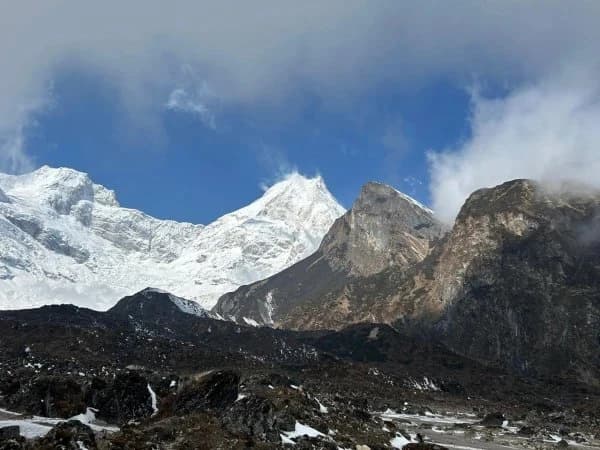
Manaslu Circuit Trek - 12 Days | Remote Larkya La Pass Expedition
Starts From
ExploreUS$799
 US$2,590
15 DaysMax 20
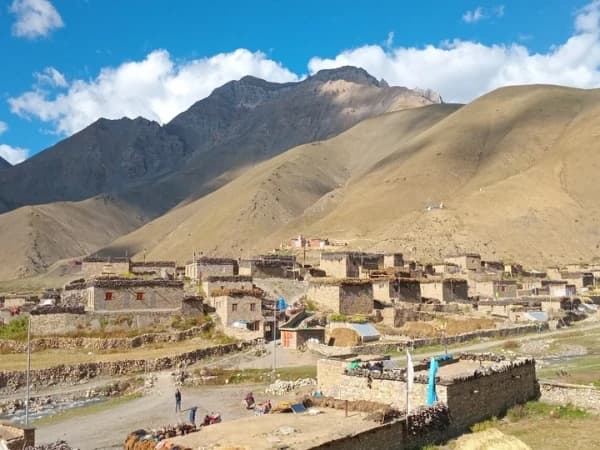
Lower Dolpo Circuit Trek - 15 Days
Starts From
ExploreUS$2,590
 US$1,290
10 DaysMax 20
Annapurna Circuit Trek with Tilicho Lake - 16 Days
Starts From
ExploreUS$1,495
 US$1,480
9 DaysMax 20
Latest Travel Blogs
Thamdanda and Surke: The Road Head for Everest Base Camp by Road
Thamdanda is the road head where our Everest Base Camp trek by road starts and ends on foot. How to get there from Phaplu and what the first walk to Paiya is like.
Read More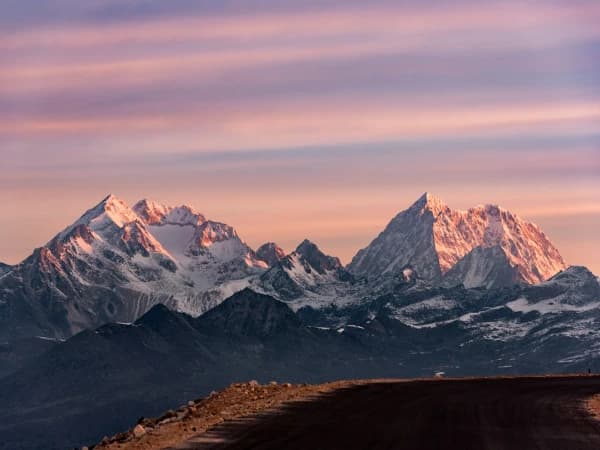
Poon Hill Trek Permits 2027: ACAP, TIMS, Cost and What You Need
Poon Hill needs two permits: ACAP at NPR 3,000 and a TIMS card at NPR 2,000. Who arranges them, where they are checked, SAARC rates and the 2027 trek prices.
Read More
Mera Peak Climbing Itinerary 2027: 14 Days, Day by Day
Mera Peak in 14 days, night by night. The Hinku valley, a full rest day at Khare, Mera High Camp at 5,780 m, summit day, 2027 prices and the best months.
Read More Chat with Shreejan