

There comes a time on every trip to Bandipur when the road stops working. It quits attempting to look modern and as if it belongs in the twenty-first century. Instead, it just becomes a road again. The switchbacks get tighter. The trees in the forest are getting closer. And then, all of a sudden, you discover yourself on a ridge where time has set up a chair and decided to stay for a while.
Bandipur is on a mountain saddle that is 1,030 metres above sea level. It looks down on the Marsyangdi River as it winds through the valley below. It's not a big town. It takes 15 minutes to cross, or less if you don't stop to look at every carved window and temple entrance. But fifteen minutes isn't enough. Bandipur wants you to slow down.
What Is the Old Bazaar Street in Bandipur Like?
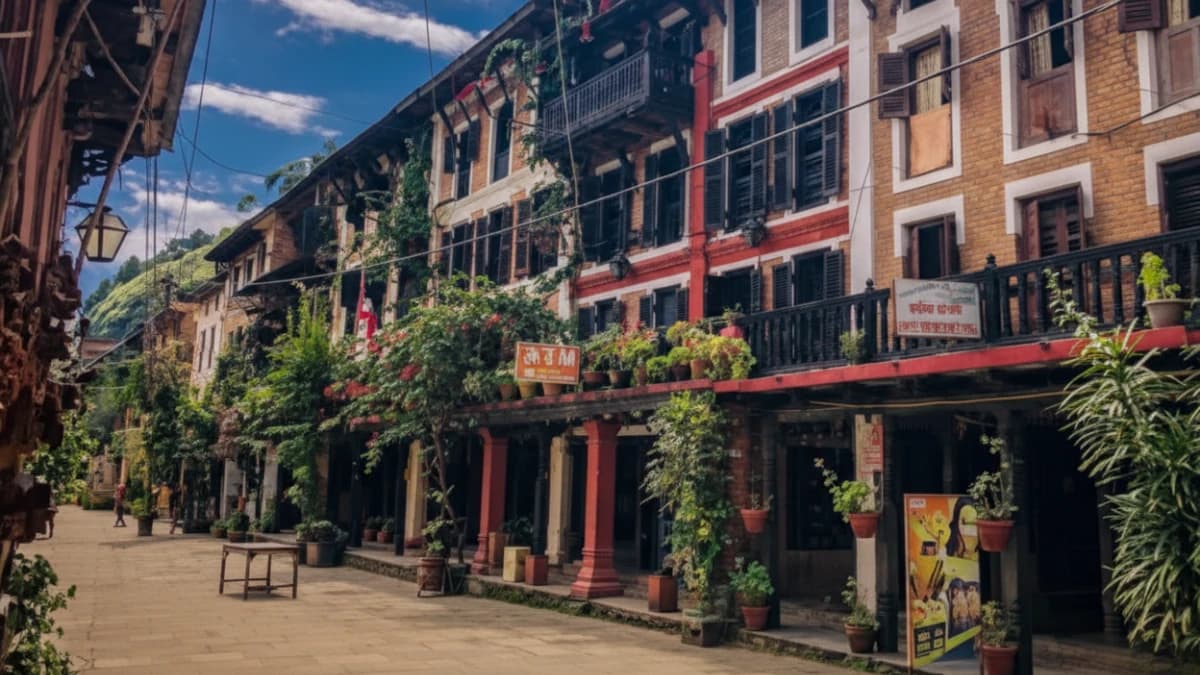
A single cobblestone lane with structures that have been there for 200 years is the primary bazaar in Bandipur. They are made of brick, wood, and patience in the Newari style. The bricks are red and not quite straight. They were laid by people who knew that sturdy walls are more important than straight lines. The wood is dark because it is old, and it has been carved into shapes of gods, flowers, and geometric puzzles that repeat themselves but never quite the same way twice.
The first thing that stands out about this street is how quiet it is. No motorcycles, no honking taxis, and no vehicles grinding their gears are here. In 1992, the inhabitants of Bandipur made a choice that looks easy but took a lot of bravery: they banned cars from the main bazaar. They collected the broken cobblestones from the wheels and replaced them. People could walk on the street again and stop to talk, and kids could run between the wooden pillars of the covered porch on the north side.
The porch is significant. It protects both retailers and consumers from the rain. It provides you with shade so deep and refreshing that you forget how hot it is just beyond its border. Old men sit on benches, watching the street with the calmness of those who have seen it all. As you walk by, they nod, which is something between a greeting and ignoring you. It's just a way of saying that you are both here, alive, and sharing this time on this mountain.
Why was Bandipur an important India-Tibet trading town?
It wasn't always quiet in Bandipur. It was one of the busiest trading centres between India and Tibet two hundred years ago. The Newar traders who arrived from the Kathmandu Valley knew what they were doing when they picked this ridge. It was high enough that traders in the lowlands didn't contract malaria and die. It was low enough that yaks from Tibet could spend the winter here and then go back north. And it sat exactly at the point where the hills ease into the plains, where goods must change hands from mountain porters to valley carts.
Those traders constructed well. Their houses were also shops, warehouses, and temples to the gods who protected their commerce. The ground floors opened right onto the street, and there were wooden shutters that could be folded down to provide counters where people could trade fabric from India for salt from Tibet. The family lived on the higher floors, and the windows were so beautifully carved that they became pieces of art in their own right. There are fifty or sixty unique pieces of wood in some of those windows. Each piece fits perfectly into the next without a single nail. The joinery is so fine that two hundred years of monsoon rains have not been able to loosen it.
At the height of Bandipur's wealth, there were well over two hundred of these houses on this street. People came from as far away as Lhasa and Kolkata to trade. The town had its schools, courts, and library. It was, for a time, the most important place between Kathmandu and Pokhara.
Why did Bandipur decline and become nearly abandoned?
Then the road showed up. It was not the road that led to Bandipur, but rather the road that circumnavigated it.
In the 1970s, Nepal built the Prithvi Highway through the Marsyangdi Valley. It was an engineering marvel that shortened the time it took to get from Kathmandu to Pokhara from days to hours. But it ran down the river, eight kilometres below Bandipur and a thousand metres lower. The trucks and buses that carried Nepal's commerce no longer needed to climb the mountain. They just sped along, not knowing that a town was withering above them.
The merchants followed the highway. They transferred their enterprises to Narayanghat, Chitwan, and other towns that had suddenly become easy to get to. The kids left for school and never came back. The houses were unoccupied. The etching on the windows began to deteriorate. The slate paving stones broke when the few cars that still made the climb, carrying provisions for the old folks who were too stubborn or too poor to leave, drove over them.
Bandipur slept for almost twenty years. Travellers who stumbled upon it called it a ghost town, and they were not wrong.
How did Bandipur recover and revive itself?
A few people who couldn't stand to see their hometown die started the revival of Bandipur. Most of them had departed for jobs in Kathmandu and other places. But they came back whenever they could, on weekends, holidays, and other times. They saw not degradation but potential in the decaying structures.
They created a committee in 1992. It was easy; all they had to do was get together and speak about what they could achieve. But that encounter started a movement. Each person gave what they could to help raise money. They taught local women how to run homestays by showing them how to make beds, cook for guests, and speak enough English to make them feel at home. They made signs and pamphlets and told anyone who would listen about the settlement on the ridge.
Tourists came slowly at first. Most of them were hikers seeking something different. They found a village that was still asleep but starting to wake up. They located families who would let them stay with them, serve them dal bhat, and show them the view from Tundikhel. They informed other travellers, who also joined them.
Bandipur is awake again today. The houses have been renovated, and the exterior walls are painted in colours that honour the past and welcome the new. There are cafes, guesthouses, and businesses on the street that sell handmade paper, pashmina, and jars of honey created in the area. But it's not a tourist trap. It is still a real community where real people live real lives. The kids who play on the cobblestones are the great-grandchildren of the people who built this spot. The elderly men seated on the veranda recall the days when the street was empty.
What Can You See from Tundikhel in Bandipur?
A short stroll northeast of the bazaar will take you to Tundikhel, a grassy plateau that is Bandipur's best view of the Himalayas. On a clear morning, snow blankets the entire northern horizon.
The peaks speak a language that is older than words. Dhaulagiri, towering and white, holds up the western end. After that, there are the Annapurna mountains, which are a whole range in themselves, each with its own name and personality. The fishtail shape of Machhapuchhre's twin peak makes it stand out in the sky. Manaslu, the eighth-highest mountain on Earth, appears in the distance like a promise. And beyond them, one peak after another, they fade into the haze until the eye can't tell the difference between a mountain and a cloud.
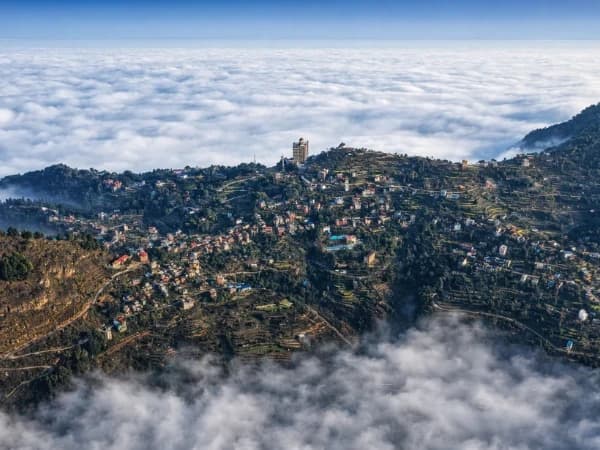
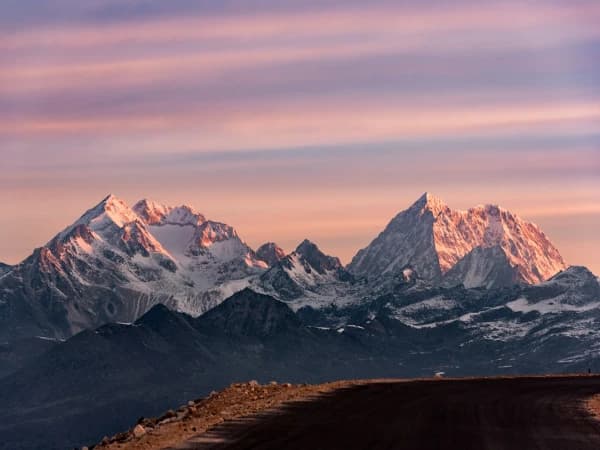
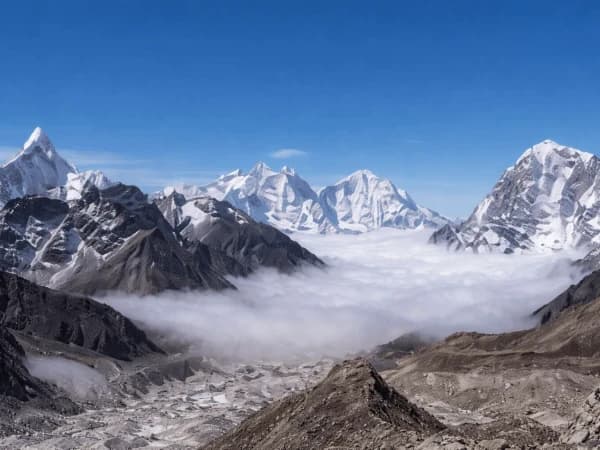
People from the area come to Tundikhel to fly kites, work out, sit on benches, and watch the light change. When the sun rises, the tops of the mountains glow pink and gold. In the evening, they shine with alpenglow, which is the short time when the last light of day colours the snow in pink and copper tones. The valley below fills with clouds in between those periods. The clouds are a sea of white that hides the river, the roads, and the cities. Only the mountains are left floating above like islands in the sky.
What is Siddha Cave near Bandipur?
After Tundikhel, the ground slopes off into the woods. Siddha Cave is hidden in that woodland. A group of hikers found it in 1988, perhaps not expecting to find anything intriguing.
The entrance is a big hole in the limestone mountainside that is 18 feet wide and 50 feet tall. The cave opens up into rooms so big that your torchlight can't reach the ceiling. Some stalactites are as thick as tree trunks, while others are as thin as straws. They hang like frozen waterfalls. Stalagmites have been growing and wrapping around each other for millennia.
We still don't know how big the cave is. Explorers have sketched out several kilometres of corridors, but people in the area think it extends far deeper, maybe even linking to other caverns in the hills or leading to rooms where no one has ever been. The bats that reside here know those paths, but they aren't saying anything.
You descend downhill for about an hour on a path that goes through the woodland and terraced farms to arrive at the cave. The walk is enjoyable because there are trees around and birds singing. It's challenging to go back up, and you'll feel the altitude in your lungs, but there are teahouses along the way where you can rest and drink sweet milk tea.
There are temples on every corner.
There are many temples in Bandipur. They aren't as big and impressive as the ones in Kathmandu, but they are beautiful in their own way. The Bindhyabasini Temple, which is located near the western end of the market, is the most important. The roof has three levels and is higher than the other buildings around it. The wooden struts are carved with pictures of gods and goddesses that have been worshipped here for more than 200 years.
To arrive at the Mahalakshmi Temple, you have to climb a high flight of stone stairs. The hike is challenging, but the view from the summit is worth it. You can see the whole bazaar below, with its red brick houses, green hills, and white peaks in the distance. You can see individual houses, follow the main street, and observe people going about their everyday lives on clear days.
People in the area are very devoted to Khadgadevi Temple, which is dedicated to the goddess of the sword. During the Khadga Jatra celebration, people carry sacred swords through the streets in a parade. The blades shine in the sun on the mountains. The event connects present-day Bandipur to its warrior ancestors, who once inhabited these hills, engaged in fierce battles, and carried a khukuri in their hands.
What food is Bandipur known for?
The food at Bandipur is simple and filling, perfect for folks who have been walking in the hills all day. Lentil soup over rice, with vegetables and pickles, and often a piece of fried fish or buffalo meat, is the main dish. You eat it with your right hand, mixing everything together. The lentils sink into the rice, and the pickles make the subtle flavours sharper.
Sel roti are rings of dough made from rice flour that are deep-fried until they are crispy on the outside and soft on the inside. They are sweet, with a hint of cardamom, and go great with tea in the morning. Women cook them in their kitchens and sell them from baskets on the street.
The hills drink Tongba. They offer it with a straw and a kettle of hot water. It is millet beer that has been fermented in wooden containers. As you sip carefully and add more water, the alcohol content steadily goes down, and the warmth spreads through your chest. This drink isn't for becoming drunk; it's for sitting by a fire on a cold night, listening to stories, and letting time pass at its own speed.
The People Who Stayed
Bandipur's resurgence has brought in tourists, but it hasn't transformed the place itself. People still work as farmers, retailers, teachers, and mothers here. They still get up early, work hard, and go to the temples on festival days. They have just added a new job to their lives: host.
You stay with a family for a few days and sleep in their house, eat at their table, and live with them. Your granny might show you how to grind spices. The kids might be able to teach you some Nepali terms. Your father can take you to his fields and show you how he grows rice on these steep terraces. You are not a customer; you are a guest.
This attitude is what makes Bandipur outstanding. It did not create a tourist industry. It just opened its doors.
When is the best time to visit Bandipur?
-
The ideal months are October and November. The air is clear after the monsoon, and the mountains stand out against the sky with amazing clarity. The days are pleasant, the evenings are cool, and the light is perfect for taking pictures.
-
From March to May, spring comes. The slopes are full of blossoming rhododendrons, and the air seems fresh and new. The mountains are less clear, but the warmth is refreshing after the cold of winter.
-
The monsoon season runs from June to September. It rains almost every day, sometimes in light showers and occasionally in heavy rains that turn the streets into rivers. You should bring an umbrella and be ready to change your plans, but fewer visitors are beneficial.
-
From December to February, it's freezing. The mornings are cold, and you'll need to wear all the layers you brought. The skies are clear again, the mountains are covered in fresh snow, and the cafes have fireplaces going.
The Way Home
You will leave at some point. You will stroll back down the main street, past the old folks on the porch, the carved windows, and the temple bells. You will get onto a jeep or bus and drive down the mountain, with the switchbacks unfolding below you and the valley rising to meet you. You will get back on the highway, back into the modern world, and back into the rush of traffic, time, and duty.
But a part of Bandipur will always be with you. There will always be a slight sense of slowness. There's also a subtle element of patience. There is a distinct feeling that certain locations hold significance, not due to their fame or grandeur, but rather due to their authenticity.
Bandipur is a genuine place. That is what makes it special. It will be waiting for you on its ridge above the river whenever you need to remember what real life is like.
What are the best hotels to stay in Bandipur?
| Hotel | Context |
| Bandipur Kaushi Inn | +977 9803008170 |
| The Old Inn, Bandipur | +977 65-520110 |
| Hotel Aagaman: Best Family Hotel in Bandipur | +977 9841313690 |
| Bandipur Mountain Resort | +977 65-520125 |
| Hotel Durbar Himalaya | +977 9856042404 |
Related Treks & Guides
- Tsum Valley Trek
- Kathmandu Mountain Bike Tour
- Bardiya Lumbini and Chitwan Photography Tour: 12-Day Itinerary and Cost
- Namobuddha
- Lumbini, Nepal
Bandipur is the Nepal that existed before the highway bypassed it. The hilltop bazaar, the Newari architecture, the view of the Himalayan range from the main street: it is a museum that people still live in. Half an hour off the Kathmandu-Pokhara road, and most travellers drive straight past it. Their loss.
We include Bandipur as a stopover on our Kathmandu to Pokhara tours. One night here changes the whole trip.
WhatsApp:+977 9810351300
Email:[email protected]
Written by Shreejan Simkhada, CEO of The Everest Holiday and third-generation Himalayan guide. TAAN Member #1586.
Bandipur pairs with our Kathmandu-Pokhara tour. Our Kathmandu & Pokhara Tour (7 Days) is private (your group only, no strangers), 2027 dates open, From USD $749. WhatsApp us for tailored 2027 dates and current departures.
 Chat with Shreejan