
Not every trek demands the same fitness. This guide matches your level to the right trek.
Govt Regd. No.: 147653/072/073
Travel Agency Licence: 2838/072
How Fit Do You Need to Be for Nepal Trekking? Trek-by-Trek Fitness Guide

Short answer: How fit you need to be depends on the trek. If you can walk 4 to 5 hours with light exercise each week, Poon Hill suits you. Langtang and Annapurna Base Camp need comfortable 5 to 7 hour days on hills. Everest Base Camp and Gokyo need 6 to 8 hour days, and the Circuit and Three Passes need real endurance. Train with long walks and stairs. A good middle option is our Annapurna Base Camp trek.
The Question Nobody Asks Correctly
"How fit do I need to be?" is the wrong question. The right question is: "How fit do I need to be for which trek?" Nepal has treks that suit retired teachers and treks that break professional athletes. The difference is altitude, duration, and daily elevation gain.
I've guided hundreds of people across Nepal's trails. The fittest person on a trek isn't always the first to reach camp. And the person who worried most about fitness often surprises everyone, including themselves. What matters is matching your current fitness to the right trek, then preparing properly for it.
Which Nepal trek matches my fitness level?
| Fitness Level | Description | Suitable Treks | Max Altitude |
|---|---|---|---|
| Beginner | Can walk 4-5 hours on flat ground without stopping. Light exercise 1-2 times per week. | Poon Hill, Kathmandu-Pokhara Tour, Yoga Tour | 3,210m |
| Moderate | Can walk 5-7 hours on hilly ground. Exercises 2-3 times per week. Comfortable with stairs. | Langtang Valley, Annapurna Base Camp, Mardi Himal | 3,870-4,130m |
| Good | Can walk 6-8 hours over uneven terrain. Exercises 3-4 times per week. Has done multi-day walks before. | EBC 12 Days, Gokyo Lakes, Manaslu Circuit | 4,984-5,545m |
| Strong | Regular endurance training. Can walk 8+ hours with a pack. Previous altitude experience helps. | Annapurna Circuit, EBC + Gokyo, Three Passes | 5,360-5,545m |
| Very Strong | Serious endurance athlete or experienced trekker. Used to sustained effort at altitude. | Mera Peak, Island Peak, Kanchenjunga | 5,400-6,476m |
What "Fitness" Actually Means for Trekking
Trekking fitness isn't gym fitness. A bodybuilder who can bench 150kg may struggle more than a retired schoolteacher who walks her dogs for an hour every morning. That's because trekking demands:
- Cardiovascular endurance: Your heart and lungs need to sustain effort for 5-8 hours, not 30 minutes.
- Leg endurance: Not power. Your legs need to repeat the same motion (step up, step down) thousands of times per day without failing.
- Joint resilience: Knees, ankles, and hips take repeated impact, especially on descents. The stone steps on Nepal's trails are unforgiving.
- Load tolerance: Carrying a 5-8kg daypack for hours changes how your muscles work. Train with weight.
- Recovery capacity: You trek 6 hours, sleep at altitude (poorly), then do it again. Your body needs to bounce back overnight. This is a trainable quality.
How fit do you need to be for each Nepal trek?
Poon Hill (Easy)
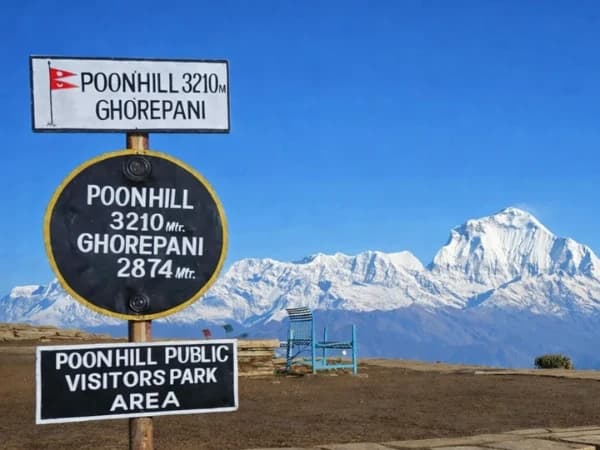
The easiest multi-day trek in Nepal. Maximum 3,210m. Walking 4-5 hours per day on clear trails. Stone steps are the main challenge. If you can climb 10 flights of stairs without stopping, you can do Poon Hill. No previous trekking experience required.
Langtang Valley (Moderate)
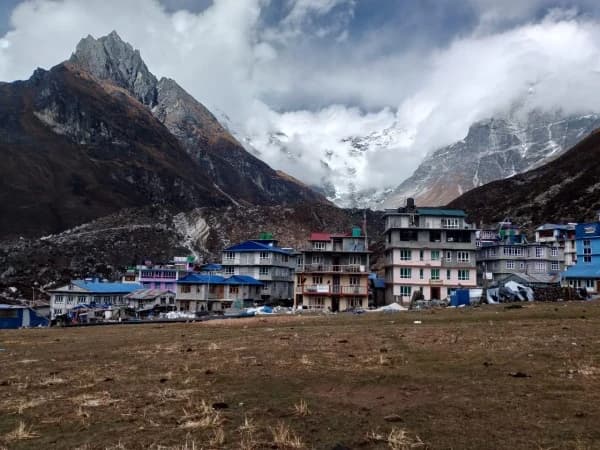
7-10 days, maximum 3,870m (Kyanjin Gompa) or 4,984m if you climb Tserko Ri. Walking 5-7 hours per day with 400-600m of elevation gain. You should be comfortable walking 3 hours uphill continuously and able to walk for 6 hours in a day with a pack.
Annapurna Base Camp (Moderate)
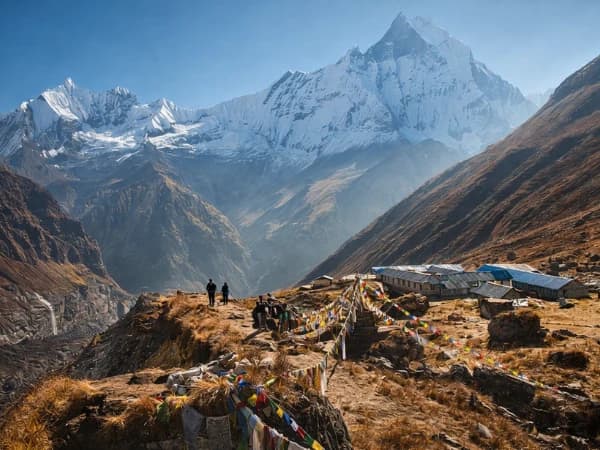
8-10 days, maximum 4,130m. The trail is well-maintained with good teahouses. The final approach to ABC is steep. You need decent cardiovascular fitness and strong legs for the stone stairs. Similar requirement to Langtang.
Everest Base Camp (Strenuous)
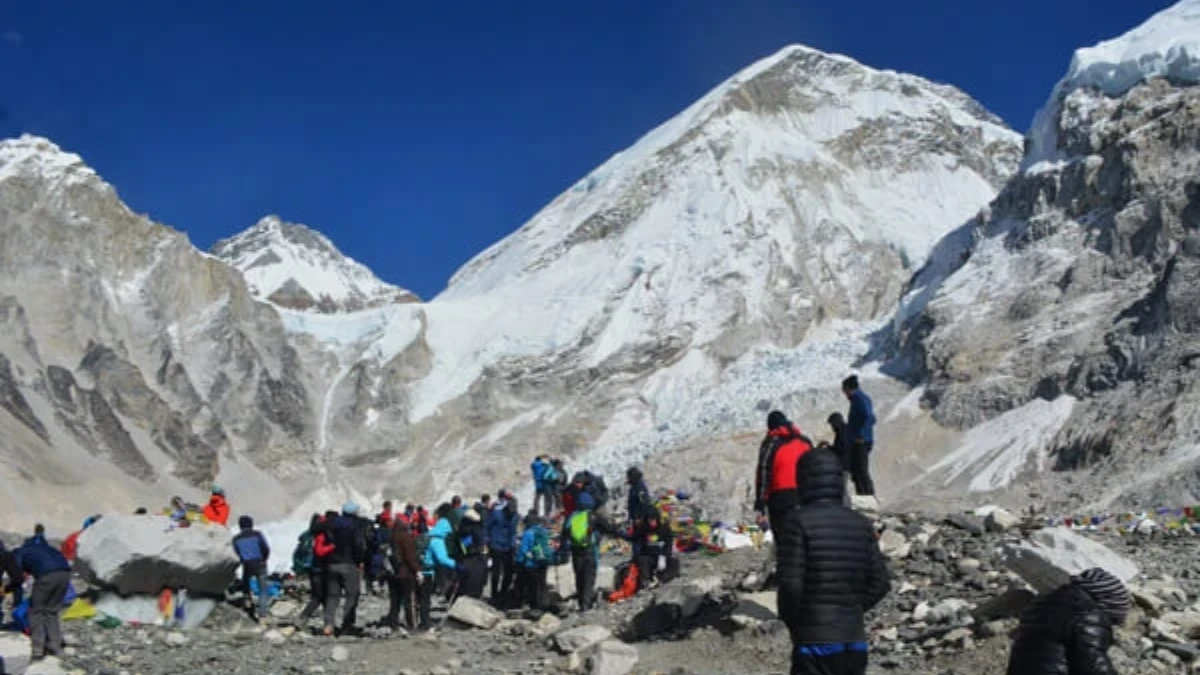
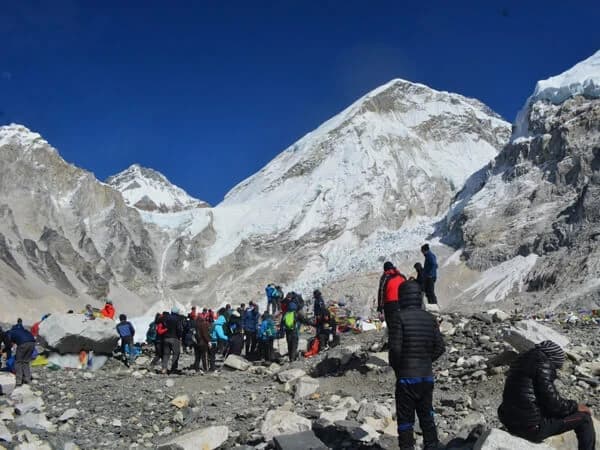
12-14 days, maximum 5,545m (Kala Patthar). The altitude is the main factor, not the trail difficulty. You need to walk 5-8 hours per day, handle sleeping above 4,000m for multiple nights, and have enough reserve capacity that altitude doesn't completely deplete you. Read our honest EBC difficulty guide.
Annapurna Circuit (Challenging)
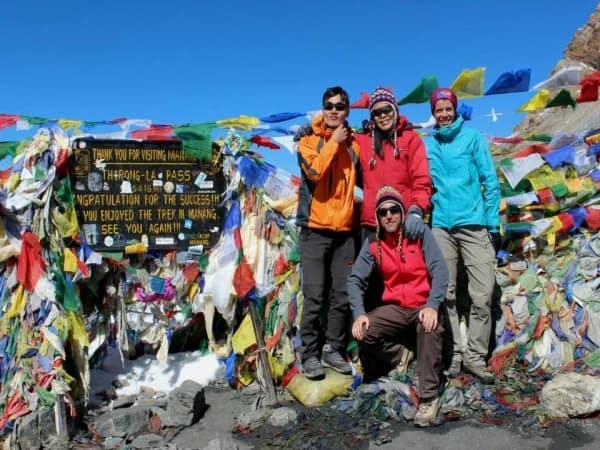
14-18 days, Thorong La pass at 5,416m. The longest common trek in Nepal. The pass day involves 1,000m of ascent starting at 4am after a night at 4,500m+. You need strong legs, good cardio, and the mental resilience to push through a hard day when you haven't slept well.
Mera Peak / Island Peak (Very Challenging)
These are climbing peaks, not treks. Mera Peak (6,476m) and Island Peak (6,165m) require roped glacier travel, crampon use, and the ability to function at extreme altitude. Previous high-altitude trekking experience is strongly recommended. Related: Can a Beginner Climb Mera Peak? What You Actually Need to Know.
How can I test if I am fit enough to trek Nepal?
Here's a simple test you can do at home to gauge your readiness:
- Put 7kg in a daypack
- Walk uphill (or climb stairs) continuously for 45 minutes
- Then walk on flat ground for 2 more hours
- Assess: how do you feel?
If you feel fine: You're ready for moderate treks (Langtang, ABC, Poon Hill).
If you feel tired but OK: You have 6-8 weeks of training to do before EBC or the Annapurna Circuit.
If you're exhausted: You need 12+ weeks of preparation before any trek above 3,500m.
Are you ever too old to trek in Nepal?
We've had older trekkers complete EBC. Age doesn't disqualify you from anything in Nepal. What matters is preparation and pace.
Older trekkers (50+) benefit from:
- Longer preparation time (16-20 weeks instead of 12)
- Extra acclimatisation days built into the itinerary
- Daily stretching routine focused on hips, knees, and calves
- Walking poles (reduce knee impact by 25-30% on descents)
- A slower daily pace. There's no rush on a trek. The person who arrives at the teahouse last still arrives.
Read our dedicated guide for trekkers over 60. Related: Trekking in Nepal Over 50: The Honest Guide for Older Trekkers.
Preparing If You're Starting from Zero
If you currently do no regular exercise, give yourself 16-20 weeks before your trek. Start with daily 30-minute walks for the first four weeks. Build to hilly walks with a pack. Add stair climbing. The body adapts quickly when you give it consistent stimulus.
The key insight: consistency beats intensity. Walking 30 minutes every day for 12 weeks builds more trekking fitness than running hard twice a week. Nepal's trails reward endurance, not speed.
What do trekking guides watch for at altitude?
Our guides monitor every trekker daily. Here's what they look for:
- Walking pace: Steady is good. Sprinting then stopping is a sign of poor endurance.
- Appetite: Altitude kills appetite. If someone stops eating, we watch them closely.
- Sleep quality: Trouble sleeping above 3,500m is normal. Trouble sleeping plus headache plus nausea is a warning sign.
- Oxygen levels: We carry pulse oximeters and check SpO2 levels above 3,500m. Below 80% combined with symptoms means we descend.
- Mood: Withdrawal, irritability, or unusual silence can indicate altitude affecting the brain. Our guides know the difference between "tired" and "in trouble."
Frequently Asked Questions
I run 5km three times a week. Am I fit enough for EBC?
Your cardiovascular base is good, but running doesn't fully prepare you for loaded uphill walking and descent. Add stair climbing with a pack, long walks on weekends, and downhill training to your routine. With 8 weeks of trek-specific preparation on top of your running fitness, you'll be well prepared.
Can I do EBC if I'm overweight?
Weight alone doesn't disqualify you. Cardiovascular fitness and leg endurance matter more than the number on a scale. If you can walk 5 hours on hilly terrain with a pack, your weight is not the limiting factor. That said, every extra kilogram makes uphills harder and descents rougher on joints. Training to improve cardio fitness while maintaining a healthy diet is the best approach.
Is there a minimum fitness requirement?
No formal requirement. But we'll be honest with you during the booking conversation. If you describe your fitness level and it doesn't match the trek you want, we'll suggest alternatives or recommend a preparation timeline. We'd rather you succeed on a moderate trek than struggle on a hard one.
Do I need to train at altitude?
No. Altitude acclimatisation happens on the trek through the built-in rest days. What you CAN do is arrive with strong cardio fitness, which gives your body more capacity to handle altitude stress. A fit body acclimatises faster than an unfit one.
What if I get to Nepal and I'm not fit enough?
We'll adapt. Shorter daily stages, extra rest days, or switching to an easier route if needed. Our guides have dealt with every situation. Nobody gets abandoned on a mountain. But it's much better to prepare properly than to rely on plan B.
The most important thing: start. Whatever trek you're considering, start preparing today. Your future self will thank you somewhere above the clouds.
WhatsApp:+977 9810351300
Email:[email protected]
Written by Shreejan Simkhada, CEO of The Everest Holiday and third-generation Himalayan guide. TAAN Member #1586.
How fit for EBC? 12 weeks of training is enough. Our Everest Base Camp Trek (12 Days) is private (your group only, no strangers), 2027 dates open, From USD $1399. WhatsApp us for tailored 2027 dates and current departures.
Planning a trip to Nepal?
Drop us your details and tell us what you have in mind. We will put together a personalised plan and get back to you.
Not sure which Nepal trek is right for you?
Take our free 2-minute quiz and get personalised recommendations based on your fitness, experience, and travel style.
Find Your Perfect Trek →Need Help? Call Us+977 9810351300orChat with us on WhatsApp
Related Trek Packages
Latest Travel Blogs
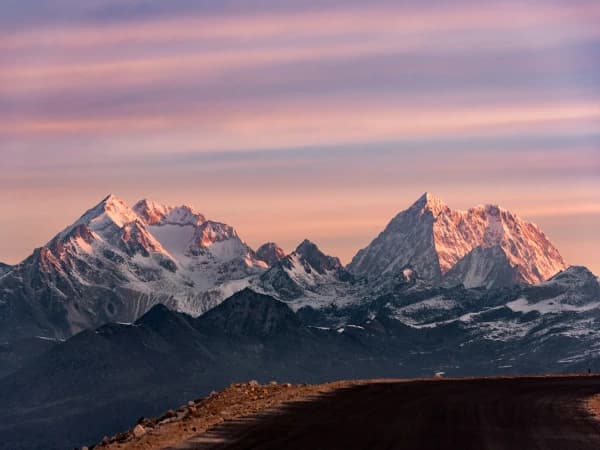
Christmas and New Year Treks from Pokhara 2026/27: 3 to 5 Days
<p>Short treks from Pokhara for Christmas and New Year 2026/27: Panchase 3 days, Poon Hill 4 days and Mardi Himal 5 days. Weather, snow, what is open, and prices by group size.</p>
Read More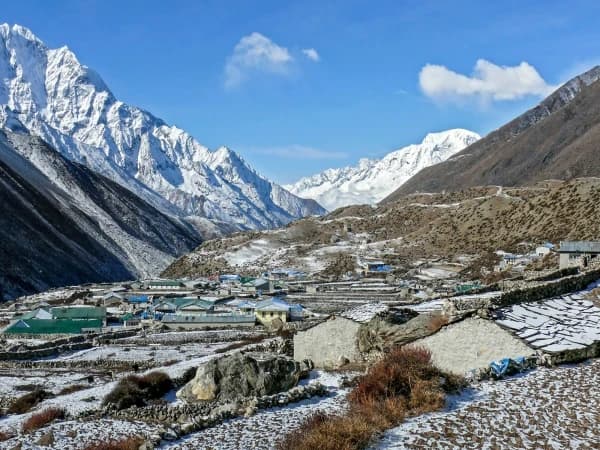
Thamdanda and Surke: The Road Head for Everest Base Camp by Road
Thamdanda is the road head where our Everest Base Camp trek by road starts and ends on foot. How to get there from Phaplu and what the first walk to Paiya is like.
Read MorePoon Hill Trek Permits 2027: ACAP, TIMS, Cost and What You Need
Poon Hill needs two permits: ACAP at NPR 3,000 and a TIMS card at NPR 2,000. Who arranges them, where they are checked, SAARC rates and the 2027 trek prices.
Read More Chat with Shreejan