

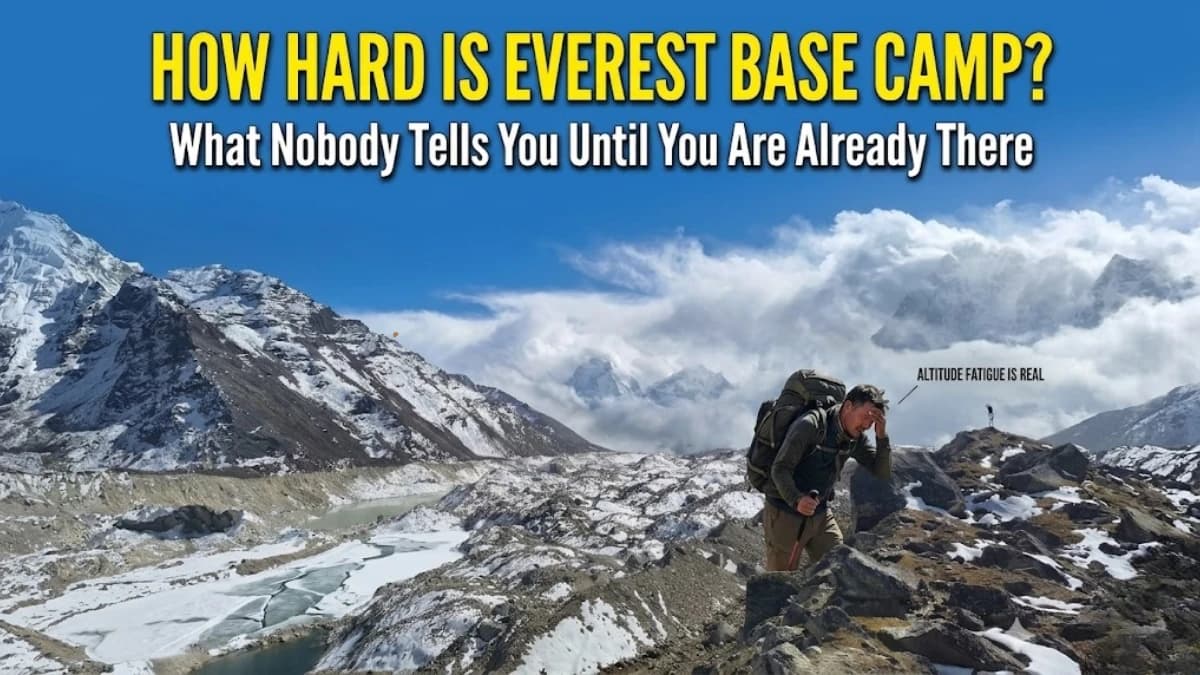
Somewhere around Dingboche, at four thousand four hundred metres, there comes a moment that every Everest Base Camp trekker knows. You have been walking for six days. Your legs feel like concrete. The air tastes thin and metallic. A set of stone steps that would take ten seconds at sea level takes you two minutes of gasping, bent-over recovery. And you still have three days to go.
The trekker behind you, a twenty-three-year-old from California who runs half marathons, is sitting on a rock with her head between her knees. The sixty-seven-year-old retired dentist from Edinburgh is somehow twenty metres ahead, walking slowly but steadily, stopping to photograph a Himalayan thar on the ridge above.
This is the truth about Everest Base Camp difficulty that no amount of reading can fully prepare you for: it is not about fitness. Not really. It is about altitude. And altitude is the great equaliser: it does not care how many kilometres you run at home.
Is Everest Base Camp suitable for beginners?
Yes, if you are reasonably fit and you accept that it is hard. The trek is non-technical, so you need no climbing skills, but it asks you to walk five to seven hours a day for twelve days at altitude, in cold rooms and thin air. Altitude, not fitness, is the real risk, which is why pace and acclimatisation days matter more than your training. For a first trek I would choose our Standard tier, where a porter is shared between two trekkers, or Luxury, where you have your own porter. On Budget you carry your own bag, which is a lot for a first high-altitude trek. If you are not sure about twelve days at altitude, the shorter and lower Everest View Trek (7 days) is a good way to see the Khumbu, and the Ghorepani Poon Hill trek is a gentler first trek from USD 499. Compare the tiers on the Everest Base Camp trek page.
The Three Things That Make It Hard
After watching over a thousand trekkers attempt this route, the pattern is remarkably consistent. The difficulty comes from three sources, and most people guess the wrong one.
Altitude is sixty percent of the difficulty. At five thousand metres, the air contains roughly half the oxygen your body is accustomed to at sea level. Every physical action (walking, eating, sleeping, even thinking clearly) requires more effort than it should. This affects everyone. Elite athletes get altitude headaches. Couch potatoes sometimes acclimatise perfectly. Your body's response to reduced oxygen is largely genetic and unpredictable.
Duration is twenty percent. Twelve consecutive days of walking with only two rest days. Your body accumulates fatigue in a way that weekend hikes do not prepare you for. Day 1 feels fine. Day 5 feels manageable. Day 8 feels like you have been walking your entire life and cannot remember what a sofa feels like.
Mental endurance is the remaining twenty percent. Day 8 at Lobuche, when your legs ache and your head pounds and the teahouse is cold and the food is basic and you still have three hard days ahead, that is when the trek becomes a mental exercise more than a physical one. The trekkers who finish happiest are not the fittest. They are the ones who expected difficulty and chose to meet it rather than be surprised by it.
What Does Each Day of the EBC Trek Actually Feel Like?
Days 1-3: Why the First Three Days Feel Easyyable
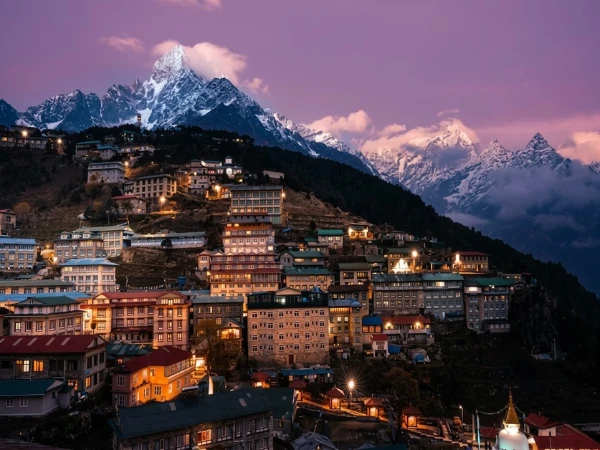
The walking itself is not technical. Stone steps, dirt paths, suspension bridges over glacial rivers. You gain altitude gradually, from 2,610 metres at Phakding to 3,440 at Namche Bazaar. Five to six hours of walking per day at a pace slow enough to hold a conversation. Most people describe these days as "a really good hike" rather than anything intimidating.
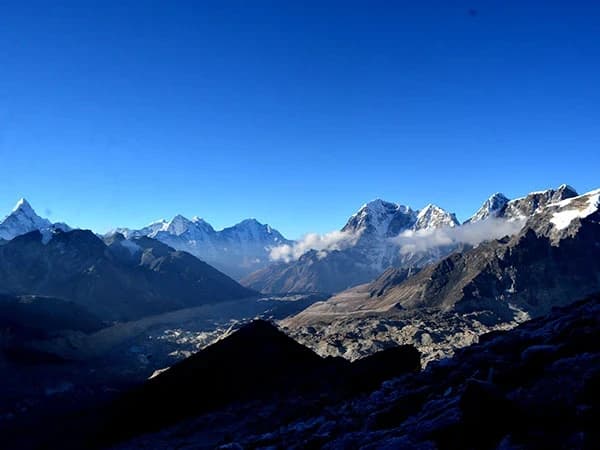
The scenery helps. Rhododendron forests give way to pine. Prayer flags snap in the wind at every bridge crossing. The first views of Ama Dablam appear through gaps in the trees, a mountain so improbably beautiful it looks digitally rendered. You are too busy being amazed to notice the altitude creeping up.
Day 4: What Happens on Your Acclimatisation Day?
Namche Bazaar. Acclimatisation day. You do not walk to a new destination, but you do hike, up to the Everest View Hotel at 3,880 metres and back down. This climb-high-sleep-low technique is essential for your body to produce additional red blood cells. Many trekkers feel their first altitude effects here, a dull headache behind the eyes, a vague sense of breathlessness when climbing stairs, a restless night of half-sleep.
This is normal. This is acclimatisation working. The headache is not a crisis, it is your body adjusting to a new normal.
Days 5-7: When the Trek Gets Genuinely Hardl
Tengboche to Dingboche. You are now above 3,500 metres and the altitude has teeth. Walking the same distance takes noticeably more effort. Conversations become shorter, not because you have nothing to say but because talking while walking uphill requires oxygen you cannot spare. The stone steps that were scenic on Day 2 are now the enemy.
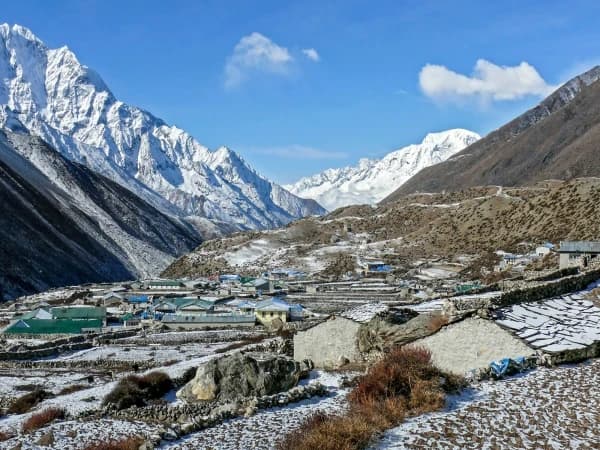
Dingboche at 4,410 metres is where most people first think, genuinely, "this is hard." A second rest day here is not optional, it is the difference between reaching base camp and turning back with altitude sickness.
Days 8 and 9: The Summit Push
Lobuche at 4,940 metres. Gorak Shep at 5,164 metres. Everest Base Camp at 5,364 metres. The air has roughly half the oxygen of sea level. Everything is effort. Walking. Eating. Putting on boots. Your appetite drops, food tastes like cardboard but you need to eat because your body is burning more calories than at any point in your life. Sleep is shallow and broken. Headaches are common even with perfect acclimatisation.
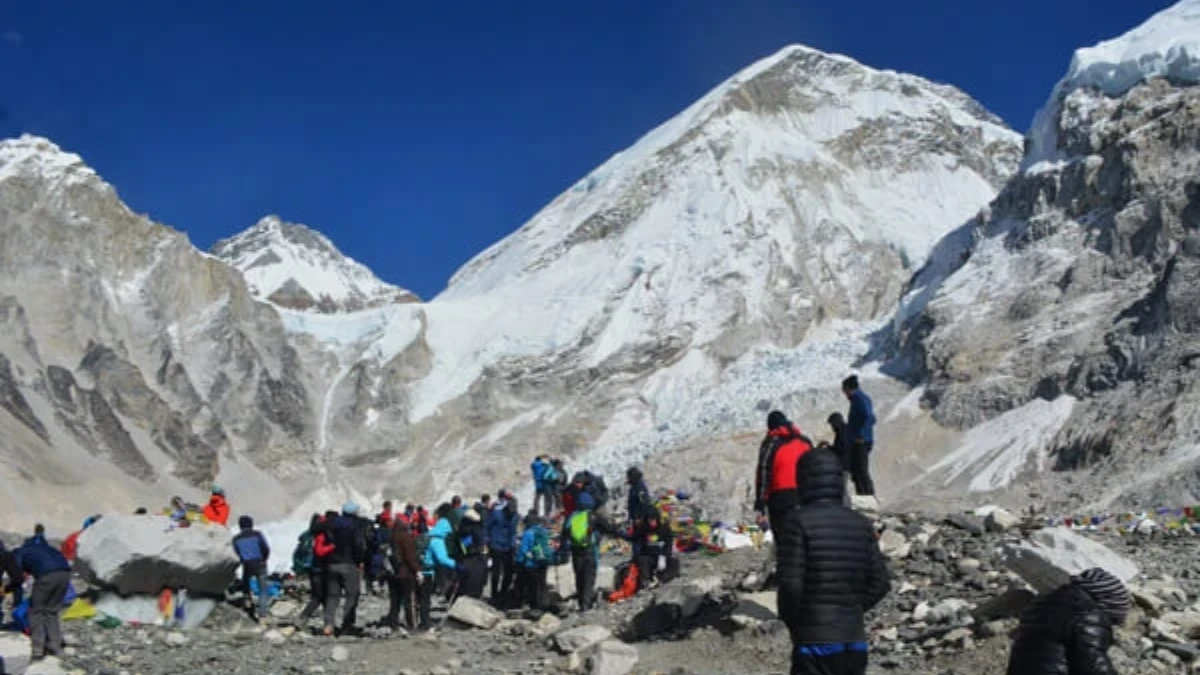
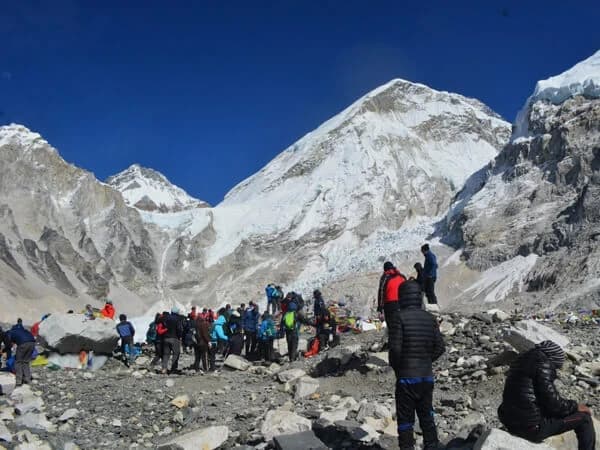
The walk from Gorak Shep to Everest Base Camp across the Khumbu Glacier moraine is three hours of rough, rocky terrain at extreme altitude. It is not beautiful in the conventional sense, it is a grey, rubble-strewn wasteland of glacial debris. But when you see the prayer flags and the memorial stones and the vast icefall above, and you realise where you are standing, the landscape becomes the most meaningful place you have ever been.
Day 10: Kala Patthar at Dawn
You wake at four in the morning. The temperature outside your sleeping bag is minus fifteen. You dress in every layer you own, strap on your head torch, and start climbing. The path to Kala Patthar at 5,545 metres is steep, dark, and relentless. Your lungs burn. Your legs feel hollow. Every ten steps you stop to catch breath that refuses to be caught.
And then the sun rises. Over Everest. Over Lhotse. Over Nuptse. Gold light pours across the highest peaks on earth and you are standing there, watching it happen, and nothing in your life has ever felt quite like this.
The descent is joyful. Dramatic, immediate relief as oxygen floods back into your blood with every hundred metres of altitude lost.
Days 11 and 12: The Easy Part
Going down is a different trek entirely. Your body feels reborn, the headaches vanish, appetite returns, energy surges back. Two days of relaxed downhill walking to Lukla, stopping for tea at teahouses where you struggled to eat on the way up, chatting with trekkers who are on their way up and looking at you with a mixture of envy and apprehension. Related: The Mental Game: When Your Brain Says Stop But Your Body Can Keep Going.
Can You Do It?
If you can walk fifteen kilometres with a seven-kilogram pack over hilly terrain without excessive fatigue, you have the fitness for Everest Base Camp. That is the honest benchmark. You do not need to run marathons or spend hours in a gym. You need the ability to sustain moderate physical effort for six to eight hours, day after day, at a slow and steady pace.
Age is not the barrier people assume. We have guided trekkers in their seventies who trained properly and completed the trek comfortably. We have seen trekkers in their twenties who assumed their youth was enough preparation and suffered from Day 5 onwards. Preparation defeats youth every time.
Most trekkers who take acclimatisation seriously reach Everest Base Camp. With proper acclimatisation built into the itinerary and an experienced guide monitoring health daily, the odds are firmly in your favour. The few who turn back almost always have a specific physiological reaction to altitude, not a failure of fitness or willpower.
What Makes the Difference
Train for eight to twelve weeks before you arrive. Stairs with a loaded pack is the single best preparation, the trail is essentially climbing stairs for twelve days. Drink three to four litres of water per day on the trek. Eat even when not hungry. Walk slowly, your guide sets the pace for a reason. And tell someone immediately if you feel unwell. Pride has no place above four thousand metres.
The trekkers who enjoy Everest Base Camp the most are not the strongest or the youngest or the most experienced. They are the ones who arrived prepared, accepted the difficulty as part of the experience, and trusted the process of putting one foot in front of the other, slowly, for twelve extraordinary days.
For the full day-by-day altitude profile, see our EBC Trek page. We build in two acclimatisation days at Namche and Dingboche. For a shorter option, the Everest View Trek (7 days) reaches Namche without going above 4,000 metres.
The honest answer: Everest Base Camp is hard, but it is not as hard as the internet wants you to think. If you can walk six hours a day uphill for twelve days, you can do it. You do not need to be an athlete. You do need to be willing to be uncomfortable: cold rooms, altitude headaches, and legs that ache every morning. Most well-acclimatised trekkers reach base camp, and the ones who do not are usually the ones who rushed the acclimatisation schedule, not the ones who were unfit.
Worried about difficulty? Talk to us. We will give you an honest assessment based on your fitness and experience.
WhatsApp:+977 9810351300
Email:[email protected]
Written by Shreejan Simkhada, CEO of The Everest Holiday and third-generation Himalayan guide. TAAN Member #1586.
How hard is EBC? With our pace, achievable. Our Everest Base Camp Trek (12 Days) is private (your group only, no strangers), 2026 and spring 2027 dates open, From USD $1399. WhatsApp us for tailored 2026 and 2027 dates and current departures.
Ready to start? See our full Everest Base Camp Trek: 12-day guided itinerary, cost from $1,399, daily departures.
Reviewed and updated on 2 September 2026 by Shreejan Simkhada, CEO of The Everest Holiday and third-generation Himalayan guide. TAAN Member #1586.

 Chat with Shreejan