Lobuche East or Island Peak: Which 6,000 m Peak Should You Climb First?

Last updated 10 October 2026.
Short answer: Island Peak (6,165 m) is the easier first 6,000 m peak, and Lobuche East (6,119 m) is the harder second one. Both are on the Everest trail, both carry the same climbing royalty (USD 350 in spring, USD 175 in other seasons), and with us Island Peak takes 14 days from USD 3,499 while Lobuche East takes 15 days from USD 4,375 per person for a group of 2 to 4.
I get this question every month, usually from someone who has read that the two peaks are "about the same". They are not. They sit on the same trail and they are similar in height, but they ask different things of you. Below I set them side by side with the real numbers from our two trips: the Lobuche East Peak Climbing, 15 Days trip and the Island Peak Climbing, 14 Days trip. A licensed guide leads both, and a climbing Sherpa climbs beside you from base camp to the summit.
Lobuche East or Island Peak at a glance
| Island Peak | Lobuche East | |
|---|---|---|
| Height (NMA) | 6,165 m | 6,119 m |
| Trip length with us | 14 days | 15 days |
| Fly-in | Kathmandu to Lukla, 2,860 m | Kathmandu to Lukla, 2,860 m |
| Last big night before the mountain | Chhukung, 4,730 m | Lobuche, 4,940 m |
| Acclimatisation days | Namche and Dingboche | Namche and Dingboche |
| Climbing royalty (NMA) | USD 350 spring, USD 175 other seasons | USD 350 spring, USD 175 other seasons |
| Spare days built in | One, at Lukla | Two: a summit reserve day and a spare day at Lukla |
| Experience we ask for | Strong trekking fitness, climbing skills taught at base camp | A previous 6,000 m peak, or good snow, ice and cold experience |
| Price per person, group of 2 to 4 (Budget / Standard / Luxury) | USD 3,499 / 4,999 / 9,999 | USD 4,375 / 5,360 / 10,715 |
Prices are the live prices on our trip pages today, and they drop as your group grows. Solo, Island Peak is the same price as a group of 4, while Lobuche East solo is USD 5,835 / 6,475 / 10,715.
Which peak is harder?
Lobuche East. On the trip page I say so plainly: it is harder than Island Peak, and I ask for more experience before I take someone up it. If you have never been above 6,000 m, or never worn crampons on snow and ice, I will usually point you to Island Peak first.
Island Peak is not easy. The summit headwall is steep, the last stretch is on fixed rope, and the summit ridge is narrow and exposed. But your climbing Sherpa teaches the rope and crampon work in daylight on the afternoon before, at a base camp of 5,087 m, so a beginner who is fit has a fair chance. The climb to Lobuche East is more sustained, and we ask you to arrive with a 6,000 m peak behind you, or real time on snow and ice in the cold.
The general rule I give people: if you are choosing one peak and you have no mountaineering background, choose Island Peak. If you have already climbed Island Peak or Mera Peak and want a step up, choose Lobuche East. My guide to Mera Peak or Island Peak covers the other common choice.
How do the routes differ?
Both trips start the same way. You fly to Lukla, walk to Phakding, climb to Namche Bazaar, rest a day there, walk on to Tengboche and then to Dingboche, where you rest a second day. After that the paths part.
Island Peak. From Dingboche you walk to Chhukung at 4,730 m, then to Island Peak base camp at 5,087 m. You spend an afternoon on skills, then go for the summit the next day. After the summit you come back to Dingboche, Namche and Lukla, with one contingency day at Lukla for the flight.
Lobuche East. From Dingboche you walk up the valley to Lobuche at 4,940 m, the village where the Everest Base Camp trail and the way to the mountain part. You sleep there, which makes it the highest village night of either trip. Then comes a base camp day with a skills session, a night at high camp, and summit day. Day 11 doubles as a reserve day for a second attempt, and there is a separate spare day at Lukla. I wrote more about the village in my Lobuche village guide.
How much do they cost?
The price of both trips includes the climbing royalty, the Sagarmatha National Park permit, the Khumbu Pasang Lhamu Rural Municipality fee, the TIMS card, the USD 500 garbage fee for the climb, all technical gear (double boots, crampons, harness, jumar, descender, ice axe and helmet), a climbing Sherpa for each climber, and food at base camp and above. Nothing for the mountain is paid on top.
The royalty depends on the season: the Nepal Mountaineering Association charges USD 350 in spring and USD 175 in autumn, winter and summer. You pay one price all year and we handle the difference. My guide to NMA peak permit fees has the full list, and my Island Peak cost breakdown shows where the money goes.
The Lobuche East trip costs more. It is a day longer, and it has a summit reserve day built in.
What do Budget, Standard and Luxury mean on Lobuche East?
The mountain, the Sherpa and the gear are the same on all three tiers. What changes is the trail. Budget has shared teahouse rooms, no porter and no trail meals. Standard has a private room, all meals and one porter for every two trekkers. Luxury has a private deluxe room, all meals with fruit, nuts and soft drinks, a dedicated porter for each trekker, and a return helicopter between Kathmandu and Lukla. Hotels in Kathmandu are not included on either trip. The Island Peak page lists its own tier details.
When is the best time to climb each peak?
| Month | What to expect |
|---|---|
| March to May | The main spring season. Warmer, with stable snow on the summit slope. The royalty is USD 350, and base camp is busy. |
| June to mid-September | Snow, cloud and avalanche risk. I would not go. |
| October and November | Clear and cold. The second climbing season, and the royalty drops to USD 175. |
| December to February | Very cold and windy. Only for experienced, well-equipped climbers. |
The same months suit both peaks. The Lukla flight can be delayed by weather in any month, and in the busy weeks it may leave from Manthali instead of Kathmandu. That is why both trips carry a spare day at Lukla, and why I ask you to keep at least one more spare day before your international flight.
How do you get there?
You fly from Kathmandu to Lukla, a 40 minute flight, or from Manthali in the busy weeks, with the road transfer included. On Luxury the Lobuche East trip uses a helicopter on a shared seat between Kathmandu and Lukla instead. We meet you at Tribhuvan airport, and we tell you which airport your flight leaves from before you go.
Which one should you pick?
- Choose Island Peak if this is your first 6,000 m peak, you want the lower price and one day less, and you are happy to learn the rope work at base camp.
- Choose Lobuche East if you have already stood on a 6,000 m summit, or you have real snow and ice time, and you want a longer and more sustained climb with a reserve day for a second go.
- If you cannot decide, tell me what you have climbed and I will say which one I would take you up.
My guide to whether a beginner can climb Island Peak and my Island Peak training plan help with the preparation.
What are the terms?
Every climb is private, so we never add strangers to your party. Buy travel insurance at home and make sure it covers climbing to 6,200 m and helicopter evacuation. We do not recommend insurance bought in Nepal. The deposit is 10 per cent and it is non-refundable, with no refund if you cancel. You can reschedule free of charge with at least 7 days notice for a climb, to any date within one year. The balance is paid on arrival in Kathmandu, in USD or EUR, cash or by card. Card carries 3.5 per cent and cash in Kathmandu carries none. We do not take Nepali rupees from foreign clients. We tell you your guide's name after you book. Permits need 48 hours counted in government working days, so we ask for your passport details early.
Questions people ask
Is Lobuche East harder than Island Peak? Yes. It is the more sustained climb, and we ask for a previous 6,000 m peak or good experience on snow and ice. Island Peak is the better first peak.
How high is Lobuche East? The Nepal Mountaineering Association gives 6,119 m. Island Peak is 6,165 m by the same source.
How much does Lobuche East cost? For a group of 2 to 4 it is USD 4,375 on Budget, USD 5,360 on Standard and USD 10,715 on Luxury per person. The royalty, permits, gear and the garbage fee are inside the price.
Do I need climbing experience for Island Peak? You need good fitness and trekking experience. Your Sherpa teaches crampons, fixed rope and ice axe use in daylight at base camp before summit day.
What if the weather stops us from reaching the summit? Your climbing Sherpa decides, and his decision is final. Lobuche East has a reserve day for a second try. There is no refund for an unclimbed summit, because the permit, staff and flights are spent by then.
Do I need to arrange the permit myself? No. We apply for the climbing permit and arrange the park fees and TIMS card. We need your passport details early.
Which month is best? April and May, and October and November. Autumn costs less in royalty, spring is warmer.
How do you book?
Message me on WhatsApp on +977 9810351300 with the dates you have in mind and what you have climbed before. I will tell you honestly which peak I would pick for you and send the exact quote.
Written by Shreejan Simkhada, CEO of The Everest Holiday, from a family of three generations of family guides. TAAN Member #1586. WhatsApp +977 9810351300.
Planning a trip to Nepal?
Drop us your details and tell us what you have in mind. We will put together a personalised plan and get back to you.
Not sure which Nepal trek is right for you?
Take our free 2-minute quiz and get personalised recommendations based on your fitness, experience, and travel style.
Find Your Perfect Trek →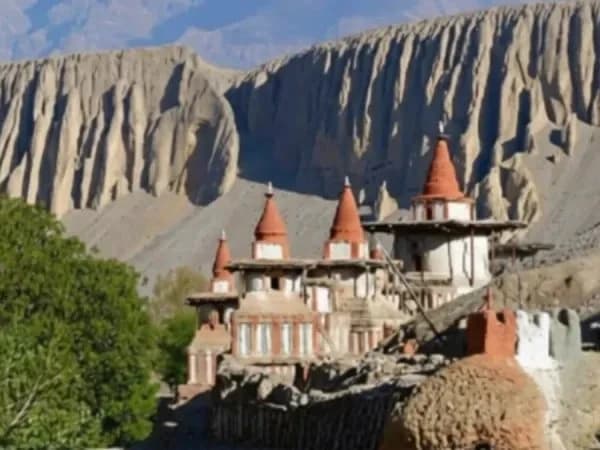
Trekking in Nepal in September 2027: Weather, Best Treks and Departures
Plan a September 2027 trek in Nepal: monsoon-tail weather, why Upper Mustang works, which treks to avoid and our departures on 6, 13, 20 and 27 September.
Read More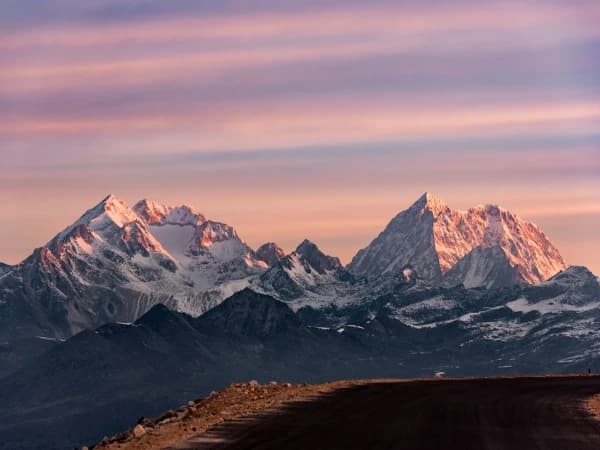
Trekking in Nepal in March 2027: Weather, Best Treks and Departures
Plan a March 2027 trek in Nepal: weather figures, the treks that suit the month, crowds, festivals and our departures on 8, 15, 22 and 29 March.
Read More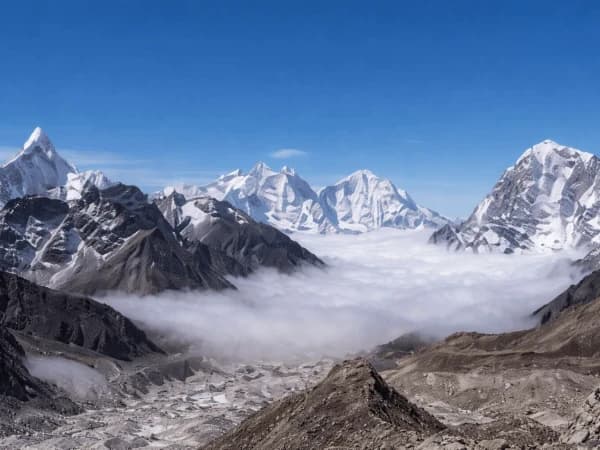
Trekking in Nepal in April 2027: Weather, Best Treks and Departures
Plan an April 2027 trek in Nepal: weather figures, the treks that suit the month, crowds, the Manthali flights and our departures on 5, 12, 19 and 26 April.
Read More Chat with Shreejan