Last updated 16 October 2026.
Short answer: Nepal's currency is the Nepali rupee (NPR). For a trek, bring US dollars or euros in cash, change some into rupees in Kathmandu or draw rupees from an ATM there, and carry enough cash for the trail, where cards rarely work.
- ATMs are easy to find in Kathmandu and Pokhara; there are few on the trails
- Carry rupees for snacks, showers, charging and tips on the trek
- We take trek payments in US dollars or euros; cash has no fee and a card adds 3.5%
- We do not take Nepali rupees from foreign guests for trek payments
Related: Money on a Nepal trek · ATM limits and fees · Booking and payment terms
Understanding the currency of a new country can be confusing. We have prepared a handy guide for you to better comprehend the Nepali Rupee. Unravel the mysteries of the best exchange rates, payment methods, and more before your trip to Nepal in 2027.
Nepali Rupees: The Nepali Currency
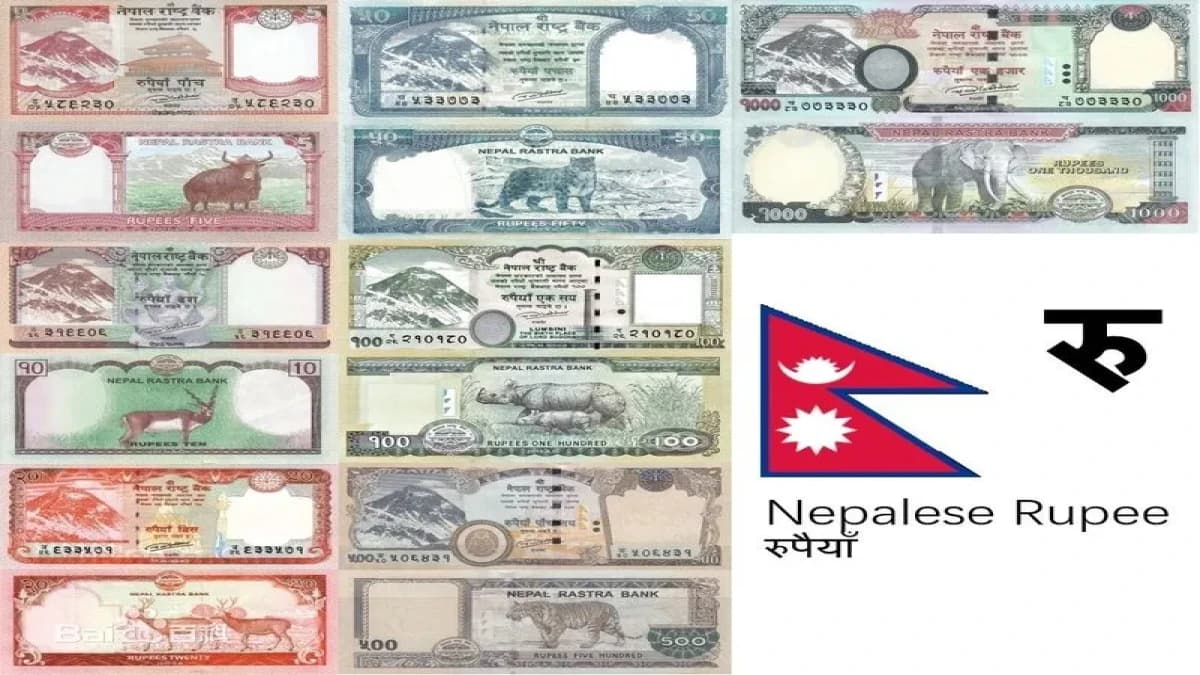
Nepal’s official currency is the Nepali Rupee. Its denotation is “Rs.” You can find banknotes of Rs. 1, 2, 5, 10, 20, 50, 100, 500, and 1000. Coins of Rs. 1, 2, 5, and 10 can also be found. However, with the advancement of the digital age, most businesses accept digital payments.
Where to Exchange Nepali Rupees?
There are several options for exchanging your country’s currency for Nepali Rupees. We have listed them below:
Airport Currency Exchange
You will find round-the-clock currency exchange counters at the Tribhuvan International Airport in Kathmandu. You may find the airport rates lower than the standard exchange rates.
Banks
Authorised banks all over Nepal provide currency exchange services. The rates are typically better than at the airport. However, banks are usually open between 10:00 AM and 5:00 PM on weekdays and are closed on public holidays.
Money Exchange
Money exchanges authorised by the government provide currency exchange facilities. Confirm the rates, as they may vary from the standard rates.
Hotels
You can use hotels as a last resort for money exchange. The rates are typically lower than those at banks and authorised money exchanges.
Things to Consider When Exchanging Currency
Exchange Rate: Exchange rates change, so confirm the day’s rates in advance. You can check the daily rates at Nepal Rastra Bank (the central bank of Nepal). You can directly check the NRB website at https://www.nrb.org.np/forex.
Fees: Your service providers may charge service fees. Banks typically charge less than authorised money changers or airports.
Denominations: Ask for mixed denominations. Smaller bills can be useful for everyday purchases, while larger ones can be used for bigger expenses.
Receipts: Keep your money exchange receipt safe. You may need it to convert your leftover Nepali Rupees back to your home currency at the end of your trip.
Cash Alternatives in Nepal
Cash is primarily used for transactions in Nepal. However, many stores, especially in urban areas, accept cards, ATMs, and online payments.
Credit Cards
Most shops and restaurants in Nepal do not accept credit cards. However, establishments with a VISA or Mastercard logo are more likely to accept international credit cards.
ATMs
You can find ATMs in big cities, but they can be hard to find in rural locations. It is advisable to inform your bank about your travel plans to avoid your card being blocked.
Fees
ATM withdrawal fees and international transactions can be reasonably high.
Nepal is a fairly inexpensive country to travel in. However, the prices can increase depending on the level of luxury you choose. Below is a rough breakdown of your budget for 2027:
- Budget Travel: Rs 3,000 - 5,000 per day
- Mid-Range Travel: Rs 6,000 - 10,000 per day
- Luxury Travel: Rs 12,000 - 20,000 per day
Frequently asked questions
Should I bring dollars or rupees to Nepal?
Bring US dollars or euros and change or withdraw rupees in Kathmandu. Rupees are what you spend on the trail.
Can I use a card on the trek?
Rarely. Most teahouses take cash only, so draw enough rupees in Kathmandu or Pokhara before you start.
How much cash should I carry on a trek?
On Standard and Luxury, where meals are included, plan for snacks, showers, charging and tips. On Budget, add your trail meals.
How do I pay The Everest Holiday?
A 10% deposit online, then the balance on arrival in Kathmandu in US dollars or euros. Cash has no fee and a card adds a 3.5% bank charge.
 Chat with Shreejan