The real reason EBC costs what it costs in 2026: every line item explained, no marketing fluff.
Govt Regd. No.: 147653/072/073
Travel Agency Licence: 2838/072
Why Is the Everest Base Camp Trek So Expensive in 2027? The Real Cost Breakdown

Short answer: The Everest Base Camp trek costs more than most treks because everything on the trail has to be carried up by porter, yak or helicopter, and the trek needs 12 days with acclimatisation built in. Permits alone are NPR 8,000 per person. Our 12-day trek costs US$1,399 on Budget, US$2,785 on Standard and US$4,999 on Luxury, per person for 2 to 4 guests. Much cheaper quotes usually cut days or safety. See our 12-day Everest Base Camp trek.
Some treks measure their cost in dollars. Others measure it in altitude. The Everest Base Camp trek measures it in both, and the numbers surprise almost everyone who looks at them honestly.
You searched "why is Everest Base Camp so expensive" because the quoted prices made you stop and read them twice. Fair reaction. A 12-day EBC trek in 2026 ranges from around USD 1,200 at the cheapest cut-corner end to over USD 7,000 for a fully supported luxury package. That is a huge spread, and every dollar of difference exists for a reason.
This is the breakdown we wish someone had given us before our first trek. Every line item, every fee, every cost the cheap operators leave out and expect you to discover at the airport, at the trailhead, or worse, at 5,000 metres with a headache. By the end of this you will know exactly where the money goes and whether the quote in front of you is fair, low, or padded.
Why is the Everest Base Camp trek so expensive in 2026?
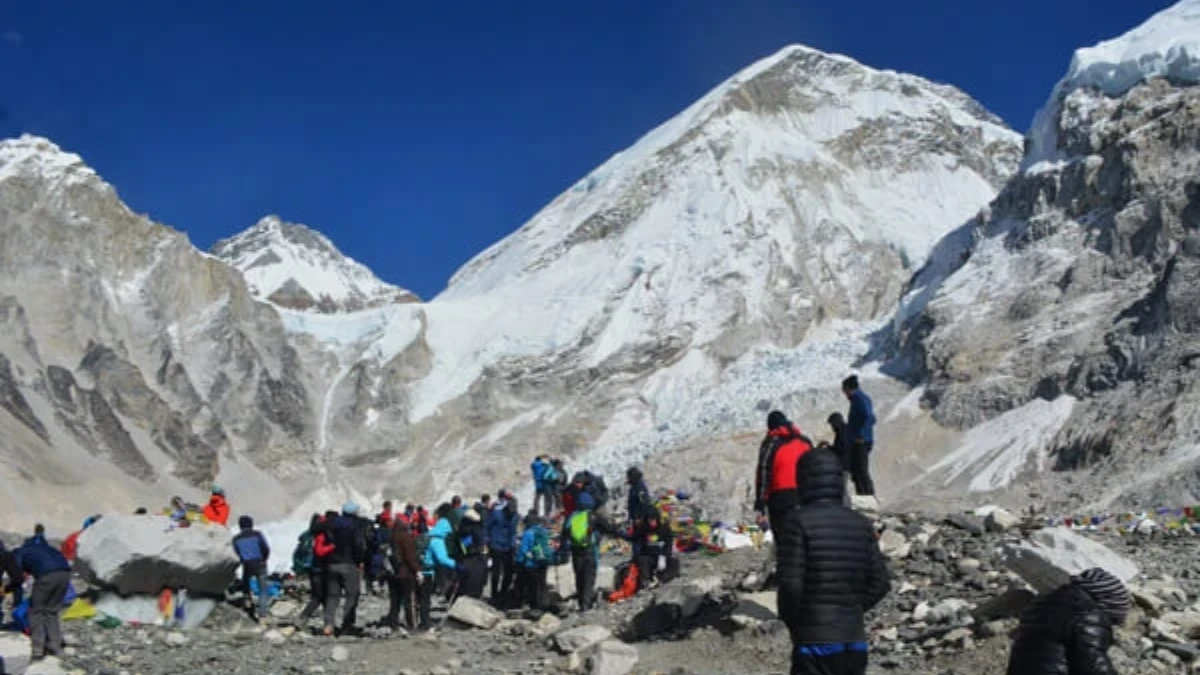
The Everest Base Camp trek is expensive because it is a 12 to 16 day operation at altitude, in the most remote inhabited region of Nepal, supported by a logistics chain that starts in Kathmandu and runs through one of the most weather-dependent airports in the world.
Every single cost on the trail exists because somebody had to carry it up, fly it in, or pay a permit fee that did not exist five years ago. Your tea at Tengboche. The porter carrying your bag to Lobuche. The helicopter on standby in case you get sick at Gorak Shep. The guide salary that means the person taking you up is rested and competent and not pushing you faster than your body can adapt.
A reasonable, safe, fully supported EBC trek in 2026 costs between USD 1,400 and USD 2,800 per person before international flights. Anything significantly cheaper is cutting something, and the things being cut are usually the things that keep you alive at 5,364 metres. Anything significantly more expensive is buying you better lodges, smaller groups, or helicopter convenience.
The Everest Holiday: Everest Base Camp Trek (12 Days), 2026 prices at a glance
- Cost: from budget USD $1,399 · standard USD $2,785 · luxury USD $4,999 per person (before international flights)
- Duration / Difficulty / Best time: 12 days · strenuous, high-altitude · spring (Mar–May) or autumn (Sep–Nov)
- What is included: licensed guide, all permits, Lukla flights and airport transfers, priced honestly, no airport surprises
Here is where every dollar goes. We will name each cost, show you what it actually buys, and tell you which ones are worth cutting and which ones are not.
How much do Everest Base Camp permits cost in 2026?
Before you take a step on the trail, the Nepal government collects three separate permits for the EBC route. The cost is small per traveller but the administrative friction is real, and any operator pretending these do not exist is one you should leave behind.
| Permit | 2026 cost (USD) | Notes |
|---|---|---|
| Sagarmatha National Park Entry | ~30 | Issued at Monjo or Kathmandu |
| Khumbu Pasang Lhamu Rural Municipality | ~20 | Bought by your guide at Lukla or Monjo |
| TIMS card | ~13 | Bought by us in Kathmandu before the trek |
Then 13% VAT on most services in Kathmandu, including transport, hotel, and equipment rental. Then a 2% to 5% Tourism Service Fee depending on the booking channel. Then the cost the operator builds in to actually file those permits, which involves a runner spending half a day at the National Park office in Bhrikutimandap.
Per trekker, before anything else, the government collects roughly USD 75 to USD 100 in 2026. None of this appears in the brochure photo of you at base camp, but every legitimate operator is paying it. If your quote does not show permits as a line item, ask why. The answer tells you a lot about whether the operator is short-cutting elsewhere too.
Does any of this change in 2027? The permit figures above are the current published rates from the Department of Immigration and the municipality, and we re-read them before every quote rather than trusting last year's page. Lodge and food prices on the trail move with fuel and with what it costs to carry goods uphill, so expect small rises rather than jumps. Our own trek prices do not move: the 2026 prices on this page hold for 2027 departures, Kailash and Tibet excepted.
How much does the Kathmandu to Lukla flight cost in 2026?
Lukla is the most expensive 30 minutes of your trek. A one-way Kathmandu to Lukla flight in 2026 costs about USD 254 on our tickets, and the operators add a Lukla surcharge on top because the airport is so weather-dependent that they routinely price cancellation risk into the base ticket.
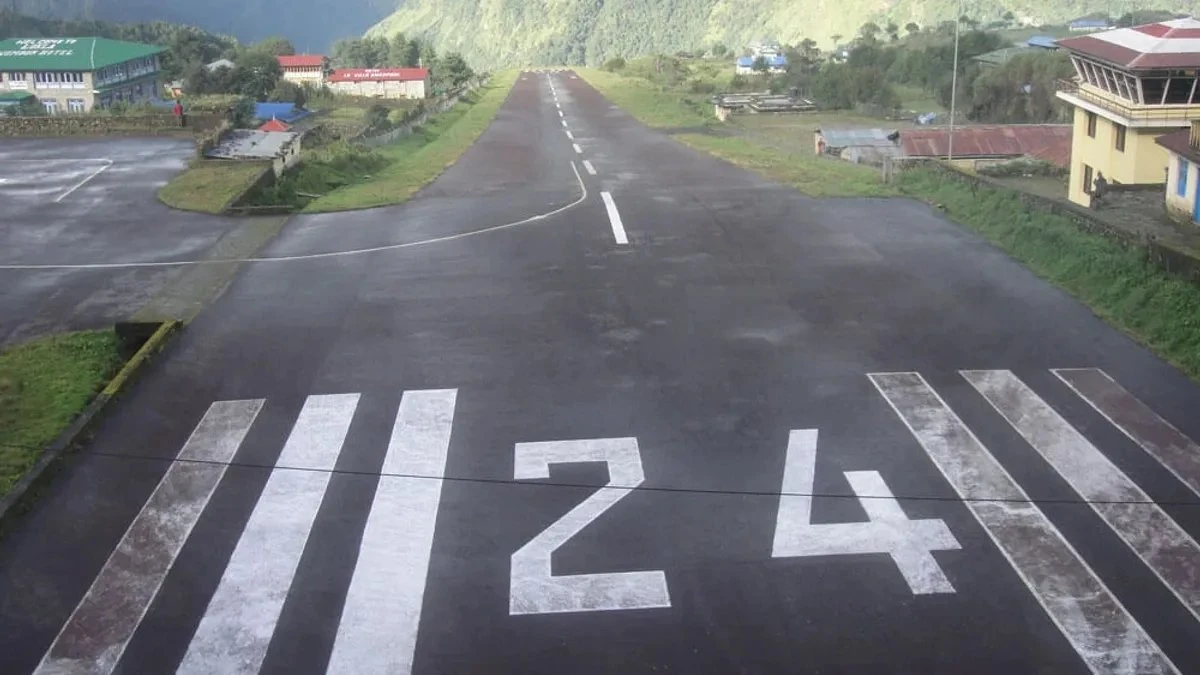
And in 2026 most flights do not actually leave from Kathmandu. They leave from Ramechhap, a four-hour drive east of the city, in pre-dawn convoys. That adds a USD 25 to USD 40 ground transfer per leg and forces an extra night in a hotel near the departure point. We have written about this shift in detail in our Ramechhap vs Lukla flight guide.
So the true Lukla cost in 2026 looks like this:
- Round-trip flight: USD 440 to USD 540
- Ramechhap transfer (both directions): USD 50 to USD 80
- One extra hotel night for the early departure: USD 30 to USD 80 depending on tier
- Helicopter backup, only if you choose it after a cancellation: about USD 640 per shared seat from Kathmandu to Lukla and about USD 710 from Lukla to Kathmandu, paid by you and not counted in the total below
That is USD 520 to USD 700 per trekker just to reach the trailhead and get back, before any helicopter. If your operator quotes "all-inclusive" and the per-person price is under USD 1,500, the Lukla cost is either being skipped (you pay it on arrival in cash) or being shifted onto a cheaper jeep-and-bus route through Salleri. The road option exists and we offer it in our EBC By Road Trip package, but it adds three to four days and a long drive that most trekkers prefer to skip.
If you have time and tight budget, the road option is the single biggest saving you can make on an EBC trek without cutting safety. If you have neither, the Lukla flight is a cost you accept.
Why guides and porters cost what they do
A licensed guide is required in most trekking areas under the Nepal Tourism Board rule from April 2023, and the Everest (Khumbu) region does not enforce it locally. We never run a guideless EBC trek, and we would not advise planning one. We covered the nuance in our piece on whether you actually need a guide for EBC.
A licensed English-speaking trekking guide costs the operator USD 30 to USD 45 per day in 2026. Multiply by 12 to 16 days and you are at USD 360 to USD 720 just for the guide. A porter, who carries up to 20 kilograms between two trekkers, adds USD 20 to USD 30 per day, so another USD 240 to USD 480.
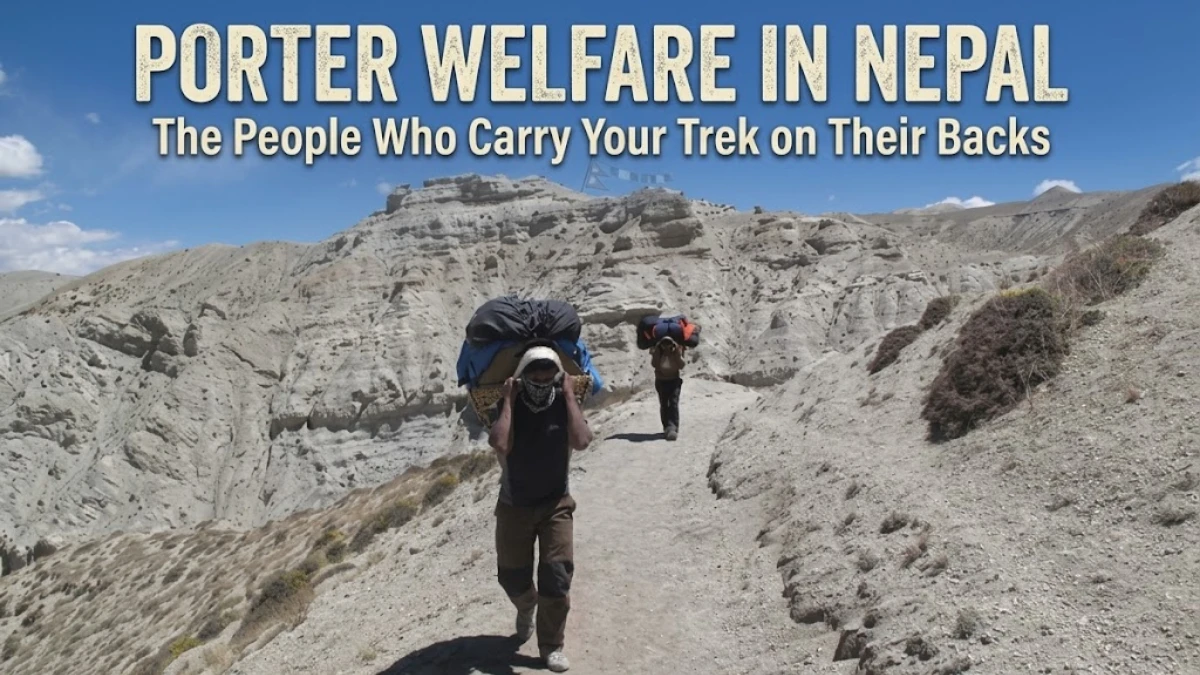
That is before insurance, before their food and lodging on the trail (which the operator pays), before the end-of-trek gratuity (typically USD 100 to USD 200 per trekker for the guide and USD 60 to USD 120 for the porter), and before the Sherpa premium for higher-altitude support if your trek extends to Kala Patthar or Three Passes. Our EBC vs Three Passes comparison covers when the higher-altitude support is actually needed.
If the price seems too good to be true, the guide is probably being paid USD 18 a day and sleeping on a dining-room bench. We do not work that way. Our guides have insurance, scheduled rest days between treks, and a salary that lets them turn down trips when the weather is wrong, instead of pushing forward to make the quota.
This is the single biggest invisible variable in EBC pricing. The same trek with a properly-paid, properly-rested guide and the same trek with an underpaid guide who has done three back-to-back rotations are two very different treks, but they look identical in the brochure.
Teahouses on the trail: what you actually pay per day
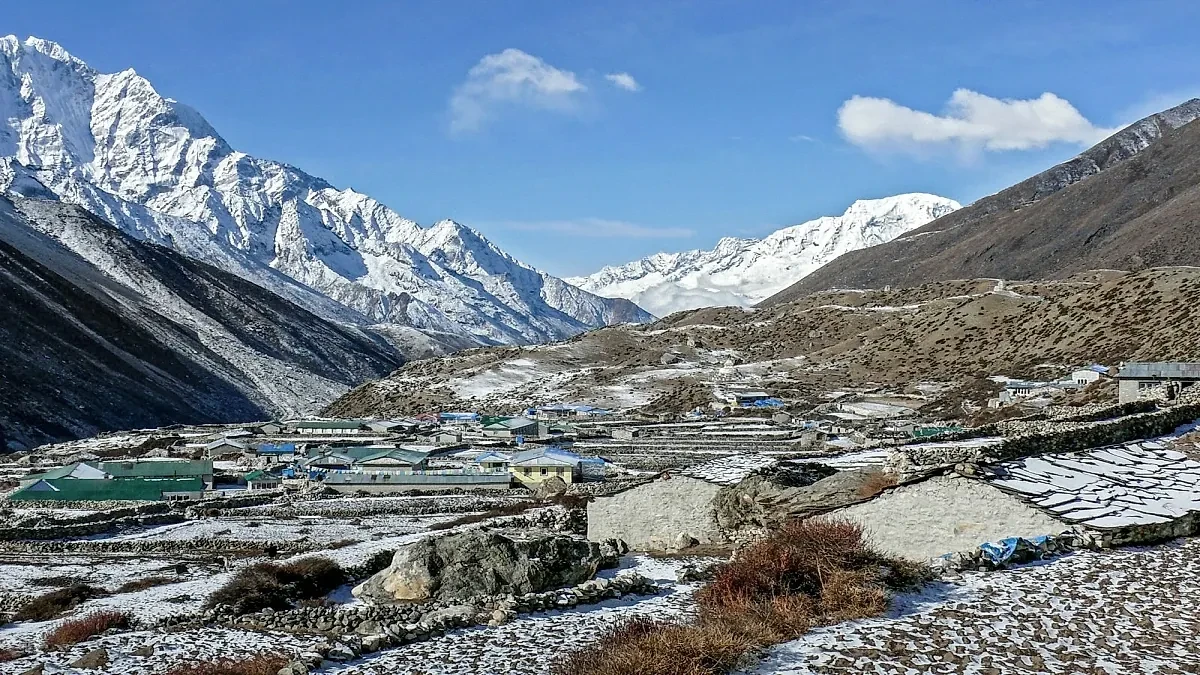
Teahouses are not what they were ten years ago. Below 3,500 metres in 2026 a basic twin room is USD 6 to USD 12 per night, but the real cost is the dining-room "minimum spend" rule. Most lodges expect you to eat dinner and breakfast on site, and those meals are priced for altitude.
| Item | Lower (Namche, 3,440m) | Upper (Lobuche, 4,940m) |
|---|---|---|
| Twin room with shared bath | USD 8-12 | USD 15-25 |
| Hot shower | USD 4-6 | USD 8-12 (when available) |
| Charging a phone | USD 2-3 per hour | USD 4-6 per hour |
| Wi-Fi (Everest Link) | USD 3-5 per day | USD 8-12 per day |
| Dal bhat (dinner) | USD 6-8 | USD 10-14 |
| Tea (per cup) | USD 1-2 | USD 3-5 |
| 1L bottled water | USD 1.50-2 | USD 4-6 |
An honest budget for self-paid food, drinks, charging, Wi-Fi, and showers on a 12-day trek is USD 25 to USD 35 per day if you eat modestly and skip extras, and USD 40 to USD 60 per day if you charge devices, take hot showers, and drink bottled water. Multiply by trek days and that is USD 300 to USD 720 on top of the operator quote unless your package explicitly covers all meals.
This is the line item most often missed in cheap quotes. Read carefully whether "meals included" means all three meals on trek or just breakfast. The two-word difference is worth USD 400.
Day-by-day cost on the trail
To make this real, here is what an honest budget tier walks through, day by day, on the classic 12-day Lukla-in-Lukla-out trek. Numbers are conservative averages.
| Day | Stop (altitude) | Self-paid daily total (USD) |
|---|---|---|
| 1 | Lukla (2,860m) → Phakding (2,610m) | 15-25 |
| 2 | Phakding → Namche Bazaar (3,440m) | 20-30 |
| 3 | Namche rest day (acclimatisation hike) | 25-40 (extras + Wi-Fi) |
| 4 | Namche → Tengboche (3,860m) | 25-35 |
| 5 | Tengboche → Dingboche (4,410m) | 30-40 |
| 6 | Dingboche rest day | 30-45 |
| 7 | Dingboche → Lobuche (4,940m) | 35-50 |
| 8 | Lobuche → Gorak Shep → EBC → Gorak Shep (5,164m) | 40-60 (the most expensive day) |
| 9 | Kala Patthar (5,545m) → Pheriche (4,250m) | 30-45 |
| 10 | Pheriche → Namche | 25-35 |
| 11 | Namche → Lukla | 20-30 |
| 12 | Lukla → Kathmandu | 10-20 |
Add it up and self-paid trail extras alone come to USD 305 to USD 455 on a 12-day trek, even with a properly-included package. That is the gap between brochure price and final spend that nobody warns you about.
Our EBC distance guide walks through what each of those days actually involves on foot, so you can see what you are paying for at each stage.
Do I need helicopter evacuation insurance for Everest Base Camp?
Real insurance for EBC must cover helicopter evacuation up to 6,000 metres. The cheap travel insurance you bought for your last European holiday will not cover this, and reading the fine print at 5,000m when you are unwell is not the time to find out.
Specialist trekking insurance for a two-week Nepal trip costs USD 80 to USD 200 in 2026, depending on age, provider, and pre-existing conditions. We require proof of insurance with helicopter cover before any departure, no exceptions. We will ask to see the policy schedule by email at least seven days before your trek starts.
An actual helicopter evacuation from Gorak Shep or Kala Patthar to Kathmandu costs the insurer USD 4,500 to USD 7,000 in 2026. Without insurance you pay this yourself, sometimes in cash before they will fly you out. We have seen this happen. It ruins a holiday and a savings account at the same time.
Most experienced trekkers buy specialist policies from providers that explicitly mention "trekking up to 6,000 metres" or "high-altitude evacuation". If those words are not in your policy schedule, your insurance is not enough for EBC.
Food and water above 3,500 metres
Food prices follow altitude almost linearly. Everything has to be carried up by porter, yak, or helicopter. A single tomato in Lobuche has been carried 80 kilometres up a trail by a person who is paid by the kilo. That is not exploitation, that is how mountain economies work, but it is why the menu prices change between Namche and Gorak Shep.
Hot drinks become the biggest hidden cost. At altitude you need to drink three to four litres a day, and bottled water at USD 4 to USD 6 a litre adds up fast. Most experienced trekkers carry purification tablets or a SteriPEN and refill from boiled tap water at lodges, cutting the daily water cost from USD 18 to USD 4. We cover this and other money-saving gear tactics in our EBC packing mistakes guide.
Honest food budget on trail: USD 25 to USD 45 per day. Honest hot-drink budget if you like your tea: USD 8 to USD 15 per day. Bottled water: USD 8 to USD 24 per day depending on altitude, or USD 0 if you treat your own. These are the numbers behind the line we wrote earlier about USD 305 to USD 455 in self-paid trail extras.
One small tip: pack high-calorie snacks from Kathmandu. Energy bars in Lobuche cost USD 4 each. The same bar in Thamel is USD 1.20. A small investment in Kathmandu saves a real amount over twelve days.
Should I rent or buy trekking gear for Everest Base Camp?
Down jacket, four-season sleeping bag, trekking poles, and proper boots are the four big-ticket items. From home, a starter kit runs USD 600 to USD 1,200 if you do not already own outdoor gear. In Thamel, Kathmandu, rentals are USD 1 to USD 3 per item per day, so the same kit costs USD 80 to USD 150 for the trek.
If you already have everything, this line is zero. If you do not, factor it in. Most first-time EBC trekkers spend USD 200 to USD 400 on gear they did not own before booking, whether bought at home or in Kathmandu. The Thamel rental shops carry Lhotse, Sherpa Adventure Gear, and various local brands; the quality is good for a single trek but not for a lifetime of climbing.
We do not include rental gear in our package price because most clients prefer to choose their own. We do recommend specific shops in Thamel that we trust, and we will walk you there free of charge during the Kathmandu briefing.
If you want to know what to skip buying, our packing mistakes guide lists ten items first-timers carry up and bring straight back down unopened.
Currency and payment realities on the trail
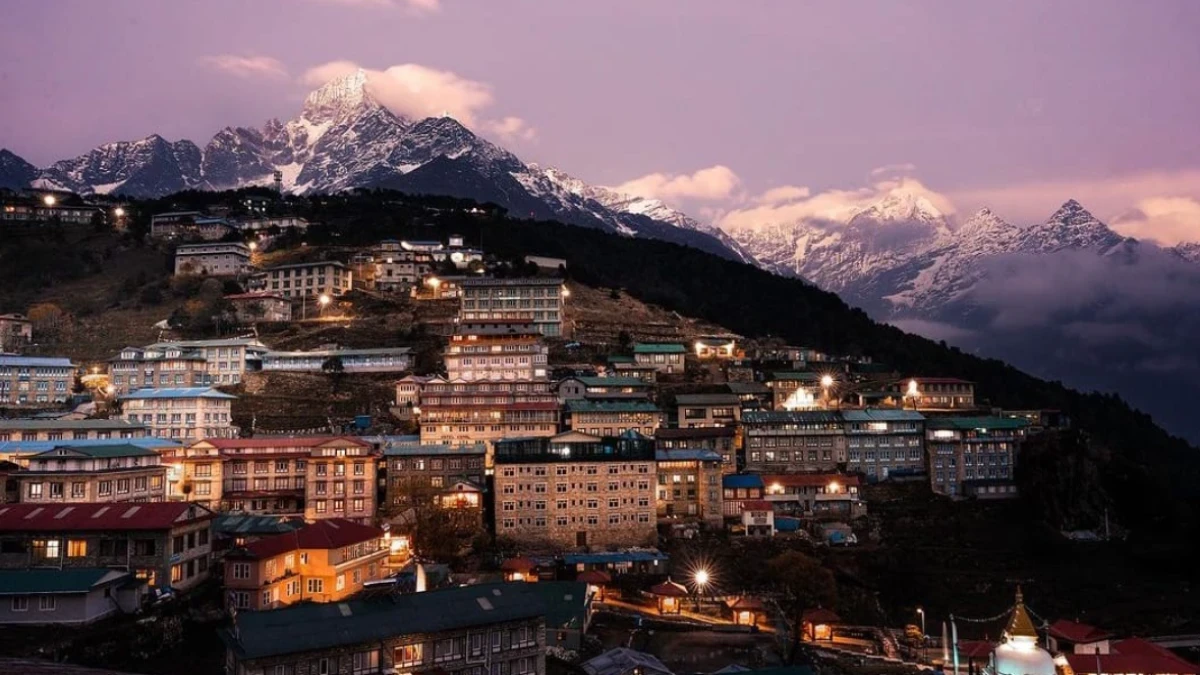
Bring USD 300 to USD 500 in small notes for personal spending on the trail. ATMs exist as far as Namche Bazaar but not above. Above Namche it is cash only, almost always in Nepali rupees, and the rate the teahouses give for USD is below the bank rate. A USD 5 tea is really USD 5.50 if you pay in dollars.
The practical rule: change USD to NPR in Kathmandu before you fly to Lukla, in small denominations (Rs 100, Rs 500). A small purse of Rs 100 notes makes you popular at teahouses where the owners cannot break a Rs 1000 note for a Rs 80 tea.
Card payments work in Namche at a few of the higher-end lodges but charge a 3% to 5% surcharge. We do not recommend relying on cards above Lukla.
Tipping culture: at the end of the trek your guide and porter receive a gratuity. Standard range in 2026 is USD 100 to USD 200 for the guide and USD 60 to USD 120 for the porter per trekker, paid in cash in an envelope at the final evening dinner. This is not optional in the way Western tipping sometimes is. Plan for it.
Hidden cost one: Lukla delays and rescheduling
Lukla weather is the most reliable variable in EBC trekking economics. In peak season (October and April), flights are cancelled an average of one day in every five. In the shoulder months (November and March), closer to one in eight. In the off months (December, January, February), almost daily.
When a flight is cancelled, three things happen, all of which cost money:
- You sleep an extra night in Lukla (if outbound) or Kathmandu (if inbound). Hotel + meals: USD 30 to USD 80.
- You eat three teahouse meals you had not budgeted for. Add USD 25 to USD 40.
- If you cannot wait for the weather, you can take a helicopter. As a guide, a shared seat costs about USD 640 per person from Kathmandu to Lukla and about USD 710 per person from Lukla to Kathmandu, including government tax, bank charges and the fuel supplement added since the Iran oil crisis pushed fuel prices up. Other sectors, including Gorak Shep to Lukla, and full charters are priced on request.
Over a 12-day trek, a one-day delay each way is more or less the average. Build a budget cushion of USD 150 to USD 300 for the extra nights and meals, on top of any helicopter seat. Better insurers reimburse weather-delay costs but only with receipts and only up to a per-day cap, so save every bill.
Our delay rule is simple. If the airline cancels or delays your flight, the extra nights in Lukla or Kathmandu and any helicopter are paid by you, as we cannot be liable for the weather or the airline. What we can do is move the value of your fixed-wing ticket across to a helicopter seat, less the airline cancellation charge, bank charges and tax, because those are lost once the ticket is cancelled.
If the entire return leg fails (which happens in maybe one trek in twenty) and you have a flight from Kathmandu to catch, the helicopter is the only way out. The cost is real. We do not pad our package price with this contingency because most trekkers never need it, but we plan for it explicitly.
Hidden cost two: altitude sickness and lost days
Acute Mountain Sickness affects about one in three trekkers above 4,000 metres. Mild symptoms (headache, nausea, fatigue) resolve with a rest day. Moderate symptoms force descent. Severe symptoms (HACE, HAPE) require evacuation.
The financial consequences scale fast:
- Mild AMS, one rest day: extra USD 30 to USD 80 in teahouse food and lodging. No insurance claim needed.
- Moderate AMS, forced descent: two to three rest days lower down, plus potentially missing the EBC summit attempt. Real cost USD 90 to USD 240 in lost trek days and changed plans.
- Severe AMS, evacuation: helicopter from Pheriche, Gorak Shep or Lobuche to Kathmandu, USD 4,500 to USD 7,000. Recoverable from insurance with proper paperwork. Not recoverable if your policy excluded high altitude.
- Diamox (acetazolamide): USD 5 to USD 10 for a course bought in Kathmandu pharmacies. Most trekkers carry it preventively for higher days.
The single biggest predictor of altitude problems is itinerary speed. A 10-day EBC trek does the same vertical as a 14-day EBC trek; the only difference is how fast you climb. The cheap operators sell short itineraries because the cost per day is fixed, so a 10-day trek is cheaper to deliver than a 14-day. The trade-off is on your body. We discuss this trade-off in our short EBC trek guide.
If you are over 55, fit, and time-flexible, the longer itinerary saves you money on average because it reduces the chance of an altitude-driven evacuation. The maths surprise people.
Hidden cost three: post-trek extras you did not budget for
You finish the trek. You fly back to Kathmandu. You think you are done spending. You are not. Here is what catches almost every trekker:
- Thamel shopping: souvenirs, prayer flags, singing bowls, North Face down jackets at a fraction of Western prices. Average post-trek Thamel spend in 2026 is USD 150 to USD 400.
- Massage and recovery: after twelve days at altitude, a Thai or Ayurvedic massage feels essential. USD 20 to USD 50 per session, most trekkers buy two.
- Celebration dinner: the steak and beer dinner with your guide and group at OR2K or Fire and Ice. USD 25 to USD 60.
- Extra Kathmandu night because Lukla weather delayed you: hotel + meals USD 40 to USD 120.
- Tips for hotel staff and Kathmandu driver: small but real, USD 20 to USD 50.
- Certificate of trek completion + photos: some operators charge USD 5 to USD 20 for a framed certificate, we include this.
Add it up: USD 270 to USD 700 in post-trek spending that most first-timers do not see in any budget. Build a cushion of USD 300 minimum.
What do cheap Everest Base Camp packages leave out?
A USD 999 EBC package exists in 2026. We have seen the listings. Here is what is being cut to get that price:
- The Lukla flight. "Domestic flight not included" sits in the small print. You pay USD 450+ at the airport.
- Real meal coverage. "Breakfast only" included; lunch and dinner on you. That is another USD 25 a day for 12 days.
- The guide salary. Paid below market, the guide is incentivised to push you faster than is safe so they finish the trek and start the next one.
- Insurance verification. They will not ask. If something happens, you are on your own.
- Acclimatisation days. The cheap itinerary is two days shorter, which is a polite way of saying altitude sickness risk is roughly doubled.
- Single-supplement honesty. Solo traveller gets quoted the group rate, then surcharged on arrival when they realise no group exists.
- Teahouse pre-booking. In October, lodges fill by mid-morning. Without pre-booked rooms, you walk an extra two hours to the next village or sleep in the dining room.
- Quality of teahouse. The difference between a USD 12 room and a USD 25 room above Namche is real: hot showers vs none, en-suite bath vs shared, walls thick enough to sleep vs not.
The real all-in cost of the USD 999 package usually lands at USD 1,600 to USD 1,900 by the end, with worse food, less rest, and a guide who is exhausted and underpaid. Cheap is not cheap when you add up what was missing.
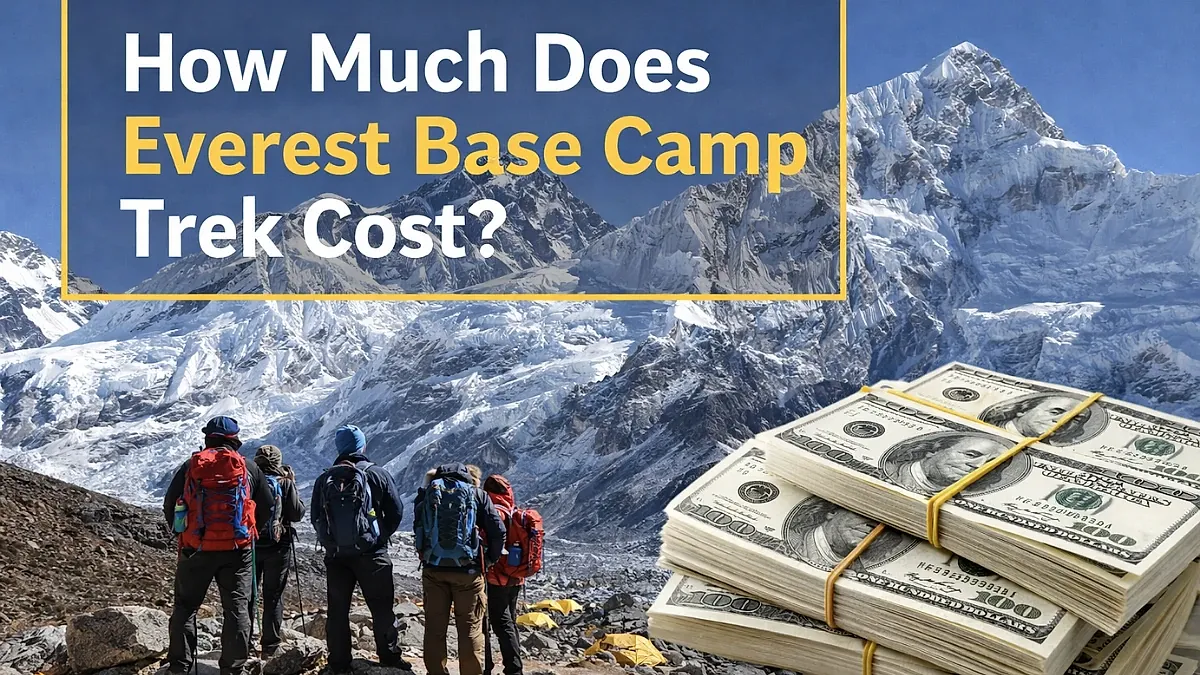
How much does the Everest Base Camp trek cost in 2026?
| Tier | Per-person price | What is included |
|---|---|---|
| Budget | USD 1,399 | Twin-shared basic teahouse on trek, English-speaking guide (no porter in Budget tier), no meals on trek (your daily food and drinks are on you), all permits, scheduled Lukla flight, airport transfers, basic Kathmandu hotel. |
| Standard | USD 2,499 | Standard teahouse with twin-shared private room (attached bathroom whenever available) on trek, three meals daily on trek, English-speaking guide, one porter per two trekkers (10 kg per person), all permits, scheduled Lukla flight, Kathmandu hotel. |
| Luxury | USD 4,999 | Premium teahouses with private deluxe rooms (attached bathrooms whenever available), three meals daily plus fruits, nuts and drinks (alcohol excluded), hot showers and device charging covered, dedicated guide and one porter per trekker, round-trip helicopter Kathmandu to Lukla (no Manthali, no flight delays), no Kathmandu hotel, no insurance for guests, they have to buy their own insurance. |
These are our 2026 prices for the 12-day EBC trek. If you want to skip the down-trek walk, our EBC Heli Return 10-day package starts at USD 4,499 and replaces three days of walking back with a 45-minute scenic helicopter from Gorak Shep to Lukla.
For a fuller comparison on time vs cost vs experience, our short EBC trek options guide and luxury EBC private guide article cover the trade-offs.
How much does Everest Base Camp cost including flights from my country?
The package price is only half the story. International flights, visa, gear, and post-trek extras vary enormously by where you live. Here is what an EBC trek actually costs by country in 2026, including round-trip flights to Kathmandu and the standard-tier package.
| Country | Flight (round trip) | Standard tier | Gear + insurance + extras | Honest total (USD) |
|---|---|---|---|---|
| USA (East Coast) | 1,400-2,200 | 2,499 | 500-900 | 4,400-5,600 |
| USA (West Coast) | 1,200-1,900 | 2,499 | 500-900 | 4,200-5,300 |
| UK | 900-1,600 | 2,499 | 450-800 | 3,850-4,900 |
| Australia | 1,000-1,700 | 2,499 | 450-800 | 3,950-5,000 |
| India | 200-500 | 2,499 | 300-600 | 3,000-3,600 |
| Singapore / Malaysia | 500-900 | 2,499 | 400-700 | 3,400-4,100 |
| Germany / France | 800-1,500 | 2,499 | 450-800 | 3,750-4,800 |
The cheapest EBC trek by total spend is one where the trekker lives in India. The most expensive is from East Coast USA, mostly because the flight cost is roughly equal to the trek itself. Knowing this matters when planning: a Bangalore trekker saves a thousand dollars over a New York trekker for the exact same trek, and that gap is what lets you upgrade tier.
If you are in the UK or Europe, the Nepal Visa-on-Arrival makes things easier: USD 50 for 30 days at Kathmandu airport. US passport holders have the same arrangement.
How 2026 prices compare to 2025
EBC pricing has moved in 2026, mostly upward. The drivers are visible if you know where to look:
- Teahouse rooms: up about 10% at the upper trail (Lobuche, Gorak Shep), flat at Namche.
- Permits: unchanged in 2026, last revised in 2024.
- Guide salaries: up about 12% in 2026 reflecting the post-2023 licensed-guide rule shifting bargaining power toward guides.
- Helicopter rates: the operators have added a fuel supplement since the Iran oil crisis pushed fuel prices up.
- Insurance premiums: up 5% to 15% depending on age and country, reflecting wider travel insurance market pricing.
The net effect is a real-terms increase of about 10% on a standard-tier EBC trek between 2025 and 2026. If you were quoted USD 2,200 in 2025 and you are seeing USD 2,499 now, that is the market moving, not the operator gouging. If you were quoted USD 2,200 in 2025 and are seeing USD 1,800 now, somebody is cutting something.
Red flags vs green flags in a quote
If you are comparing operators side by side, here is how to read the quote without being a Nepal trekking expert.
Green flags (operator is being honest):
- Permits listed as separate line items, not absorbed into "all in"
- Insurance verification language ("we will require proof of insurance with helicopter evacuation cover before departure")
- Twelve to fourteen day itinerary, not eight or nine
- Two acclimatisation days (Namche + Dingboche), not one
- Guide-to-porter ratio of one porter per two trekkers, not one per four
- Lukla flights priced at USD 440 to USD 540 round trip, flat market rate
- End-of-trek gratuity guidance with realistic numbers (USD 100-200 for guide)
- Clear refund policy if Lukla weather forces cancellation
- Named insurance partners or specific references to coverage requirements
- Photos of actual past clients on the trail, not stock mountain shots
Red flags (operator is cutting corners):
- Total package under USD 1,200: something is missing
- "All-inclusive" without listing what is included
- Guide listed but no porter
- Itinerary under ten days
- No mention of acclimatisation rest days
- No insurance requirement stated
- Lukla flights not mentioned
- Tipping not discussed
- Reviews on the website are 100% five stars with no specifics
- Sales pressure to book immediately to "lock in the price"
If a quote has three or more red flags, walk. The trek is too long, too high, and too remote to do with an operator who cuts corners.
Is Everest Base Camp more expensive than Annapurna or Manaslu?
If EBC is at the top of your budget, it is worth knowing what the alternatives cost. All three are spectacular treks. The cost structure is genuinely different.
| Trek | Days | Max altitude | Standard tier 2026 | Cheaper than EBC because... |
|---|---|---|---|---|
| EBC | 12-14 | 5,545m | USD 2,499 | EBC 12 Days (the benchmark) |
| Annapurna Base Camp | 7-10 | 4,130m | USD 1,200-1,800 | No Lukla flight, shorter, lower altitude |
| Manaslu Circuit | 14-18 | 5,160m | USD 1,900-2,400 | No Lukla flight (jeep access), restricted-area permit but cheaper logistics |
| Langtang Valley | 7-10 | 4,773m | USD 900-1,300 | Drive access from Kathmandu, no domestic flight |
The single biggest reason EBC is the most expensive standard trek in Nepal is the Lukla flight. Every other major trek has road access at the trailhead. If you can give up the Everest views (and we know that is asking a lot), you save USD 600 to USD 1,200 on the same length of trek.
Our EBC vs ABC comparison walks through which one suits which kind of trekker. Spoiler: the right answer is more often Annapurna than people expect.
How can I lower the cost of the Everest Base Camp trek?
If the budget tier still feels high, here are the real ways to save money without cutting the things that matter:
- Trek in shoulder months. September or early December lodges cost 20% to 30% less than October peak. Weather is usually still good. Our autumn timing guide covers when the savings start.
- Take the road option. Skip the Lukla flight entirely and remove a USD 500 return airfare, at the cost of three extra days of jeep and walking. On our own two Everest packages those extra days cancel the airfare out and the price is identical, so treat this as buying certainty rather than a saving. Detailed in our Jiri vs Lukla comparison.
- Treat your own water. Save USD 100 to USD 200 over the trek with a SteriPEN or chlorine tablets.
- Bring your own gear. If you already own a sleeping bag and down jacket, that is USD 100 saved on rentals.
- Group up. Single-supplement is real. A pair or trio splits costs 15% to 25% better than a solo trekker.
- Avoid Wi-Fi and charging. A 12-day trek with no Wi-Fi or daily charging saves USD 60 to USD 120. Take a battery pack and disconnect.
- Skip the helicopter return. A walking return adds three days but removes the helicopter charter from the price of a heli-return package.
- Pack your own snacks. Twenty energy bars from Kathmandu cost USD 24. The same twenty bars bought one at a time on the trail cost USD 80.
What we recommend against cutting: the guide quality, the acclimatisation days, the insurance with heli cover, and the food on the trail. Every one of those is a safety margin you want intact.
Why we charge what we charge
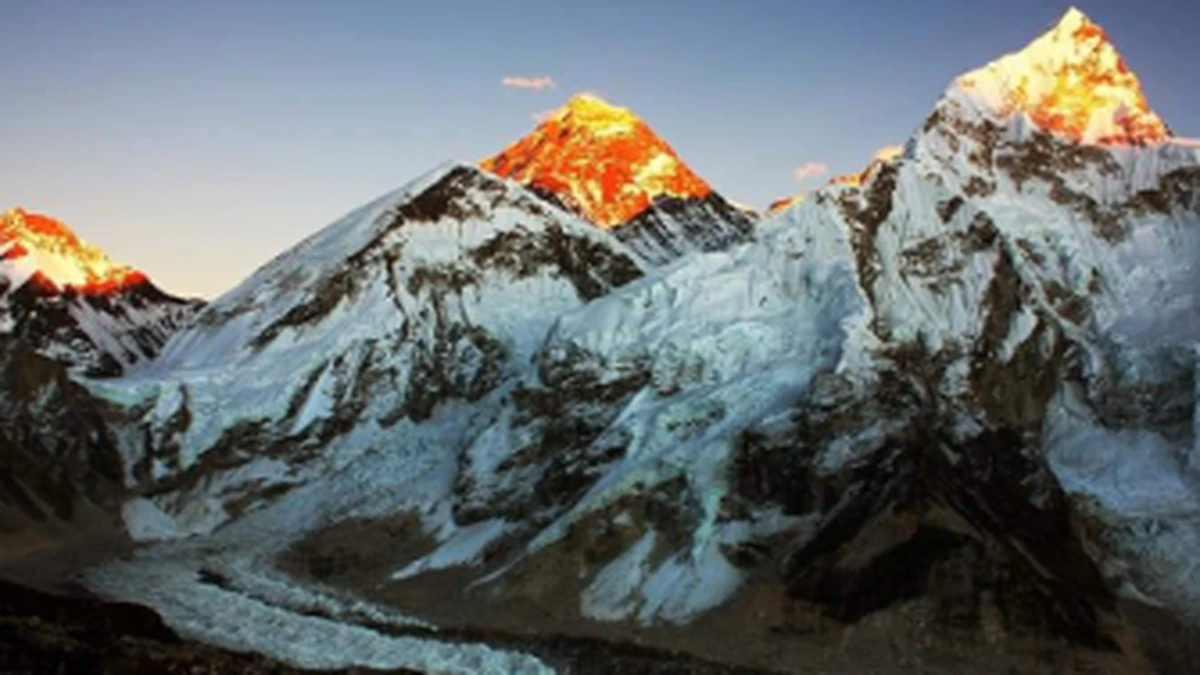
We have been running EBC treks under The Everest Holiday name since 2016, with three generations of family guides behind us. Our pricing reflects what it actually costs to run a safe trek with guides we pay properly, lodges we have relationships with, and a fallback plan if something goes wrong.
We are not the cheapest in Kathmandu. We are also not the most expensive. We are what the trek actually costs when you do it honestly. The savings the budget operators advertise come from somewhere, and you usually find out where on day six at 4,500 metres.
If you want a quote we will give you a line-by-line breakdown, not a single all-in number. We will explain why the Lukla flight is its own line, why the guide salary sits where it does, and why we recommend the standard tier over the budget tier nine times out of ten.
Frequently asked questions
Is USD 1,200 a realistic EBC trek price in 2026?
Only if it excludes the Lukla flight, includes one meal a day, and assumes you bring your own gear. The honest floor for a safe, fully-included EBC trek in 2026 is around USD 1,399 per person on the budget tier.
Why is the helicopter return option so much more expensive?
The Gorak Shep to Lukla helicopter is a charter, and charter prices are on request while the operators finish their new season rates, so we do not put a figure on it here. What it buys is three days of walking back replaced by a flight of about 45 minutes. The current package price is on the EBC Heli Return page.
Are permit fees changing in 2026?
The Khumbu Pasang Lhamu fee was raised from NPR 2,000 to NPR 3,000 in September 2024 and has not moved since. The Sagarmatha National Park entry was last raised in 2024. Watch the official rates as the autumn 2026 season approaches; we update our pricing automatically when fees change.
What does "all-inclusive" actually mean?
Ask the operator for a line-by-line breakdown. A real all-inclusive EBC package covers permits, Lukla flights (or road transfer), guide, porter, three meals on trek, all teahouse accommodation, airport pickups, and Kathmandu hotel. Anything missing is a USD 200 to USD 800 add-on later.
Is travel insurance really required?
Yes. We will not start a trek without seeing proof of insurance with helicopter evacuation cover up to 6,000 metres. This is not bureaucracy, it is the difference between a rescue and a tragedy.
Can I pay in Nepali rupees on the trail?
Yes. Bring USD 300 to USD 500 in small notes for personal spending. ATMs exist up to Namche Bazaar (3,440m) but not above, and they often run out of cash during peak season.
How much should I tip my guide and porter?
Standard 2026 ranges are USD 100 to USD 200 for the guide and USD 60 to USD 120 for the porter, per trekker, paid in cash in an envelope at the final group dinner. This is not optional.
Is the helicopter return worth the extra cost?
If you are over 50, time-limited, or worried about your knees on a three-day descent, yes. If you are under 40, fit, and have the time, no. The walking return passes through villages you did not see on the way up and is part of the trek experience.
What happens if Lukla weather cancels my flight on departure day?
You either wait, sometimes for days, or you take a helicopter. As a guide, a shared seat costs about USD 640 per person from Kathmandu to Lukla and about USD 710 per person from Lukla to Kathmandu, including government tax, bank charges and the fuel supplement added since the Iran oil crisis pushed fuel prices up. If the airline cancels or delays your flight, the extra nights in Lukla or Kathmandu and any helicopter are paid by you, as we cannot be liable for the weather or the airline. What we can do is move the value of your fixed-wing ticket across to a helicopter seat, less the airline cancellation charge, bank charges and tax, because those are lost once the ticket is cancelled. We help arrange both. Build a one-day buffer at the end of your trip if your international flight schedule allows.
Can I do EBC in winter to save money?
Yes but the savings are not as big as you would expect, because winter brings new costs: warmer gear rental, more frequent weather delays, fewer lodges open. Our winter EBC guide covers the trade-offs honestly.
Is the budget tier safe?
Yes when run properly by an operator who is not undercutting on the things that matter. The cheap end of the safe spectrum is around USD 1,399 with us. Below that, somebody is cutting something.
Should I book direct or through a foreign agent?
Direct is cheaper because foreign agents add 15% to 25% margin. The trade-off is recourse: a foreign agent may be easier to chase if something goes wrong, but the underlying trek is the same Nepal operator on the ground. For most travellers, booking direct with a TAAN-registered Nepal operator is the better value.
Why book your EBC trek with The Everest Holiday
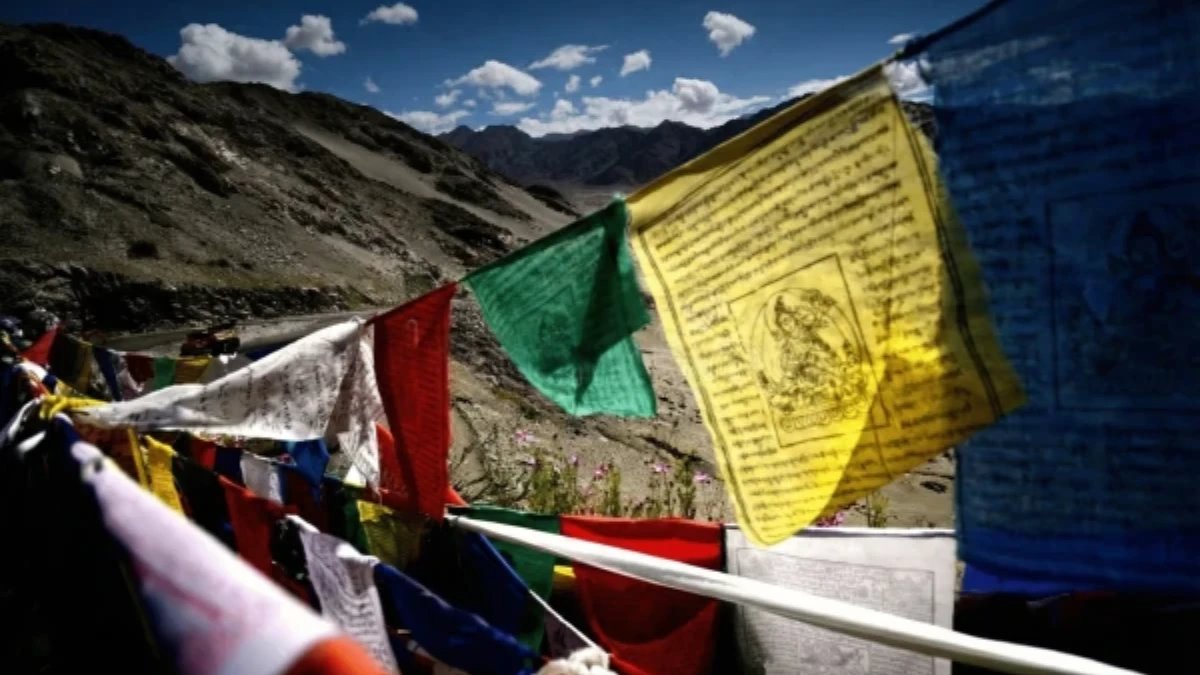
We are a family-run Nepal trekking company based in Kathmandu since 2016. We are rated 4.9 on TripAdvisor, 4.9 on Google and 4.7 on Trustpilot, from more than 300 reviews, and we are members of TAAN, the Trekking Agencies' Association of Nepal, under member number 1586.
Every trek we run includes a licensed guide, real all-meals coverage, proper acclimatisation, insurance verification, and a clear refund policy if Lukla weather forces a route change. We are happy to walk you through the cost breakdown of any quote we send you, line by line, before you commit.
If you have questions about EBC pricing, dates, or how to lower the cost without lowering the experience, message us on WhatsApp at +977 9810351300 or browse our current 2026 EBC departures on the 12-day EBC trek page. Whatever you decide, even if you book with someone else, we hope this article helped you understand where the money goes.
Why does EBC cost what it costs? Our Everest Base Camp Trek (12 Days) is private (your group only, no strangers), 2027 dates open, From USD $1,399. WhatsApp us for tailored 2027 dates and current departures.
Planning a trip to Nepal?
Drop us your details and tell us what you have in mind. We will put together a personalised plan and get back to you.
Not sure which Nepal trek is right for you?
Take our free 2-minute quiz and get personalised recommendations based on your fitness, experience, and travel style.
Find Your Perfect Trek →Need Help? Call Us+977 9810351300orChat with us on WhatsApp
Latest Travel Blogs

Kakani: The Hill Above Kathmandu with Ganesh Himal and Langtang Views
Kakani is a cool hill village at about 2,030 m on the north-west rim of the Kathmandu Valley, with Ganesh Himal and Langtang views. Here is what it is like and how to visit.
Read More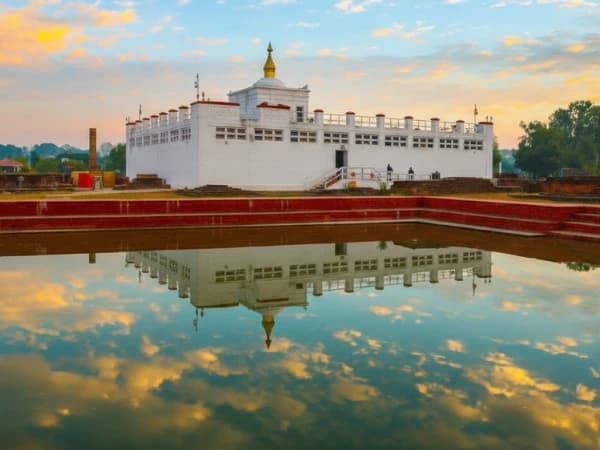
Bhairahawa (Siddharthanagar): The Airport Town for Lumbini, and What to Expect
Bhairahawa, officially Siddharthanagar, is the border town with the airport for Lumbini. Here is where it is, how you get there from Kathmandu and how it fits our Lumbini tours.
Read More
Sundarijal to Chisapani and Nagarkot in 3 Days: Route, Cost and Best Time (2027)
A 3-day trek on the Kathmandu Valley rim, from Sundarijal through Shivapuri to Chisapani and Nagarkot, ending at Changu Narayan. Route, 2027 cost, permits and best months.
Read More Chat with Shreejan