Nepal Travel Guide & Expert Trekking Tips
Jiri to EBC vs Lukla to EBC: The Original Route vs the Standard Route

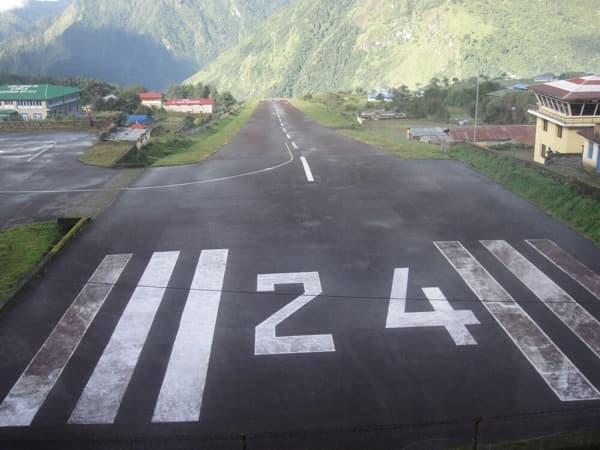
Short answer: Lukla to Everest Base Camp takes about 12 days and starts with a flight to 2,860 m. The old route from Jiri walks in from 1,905 m, crosses ridge after ridge through Sherpa and farming villages and takes about 18 days on our itinerary, with natural acclimatisation and far fewer people in the first week. Our Jiri to Everest Base Camp trek starts from US$1,205 and our 12-day Everest Base Camp trek from US$1,255, per person for 2 to 4 guests.
Every commercial Everest Base Camp trek starts with a flight to Lukla. But before Tenzing-Hillary Airport existed, every expedition walked in from Jiri, a market town in the foothills that is the original gateway to the Khumbu. The Jiri route adds a week to your trek, passes through country that most EBC trekkers never see, and changes the experience from a mountain trek into a cross-country journey through the full spectrum of Nepali life.
How Do the Two Routes Compare?
| Factor | Jiri to EBC | Lukla to EBC |
|---|---|---|
| Total duration | 20-24 days | 12-14 days |
| Days to Namche | 7-8 days | 2 days |
| Starting altitude | 1,905 m (Jiri) | 2,860 m (Lukla) |
| Maximum altitude | 5,645 m (Kala Patthar) | 5,645 m (Kala Patthar) |
| Lukla flight needed | No (one-way return only) | Yes (return) |
| Daily trekkers | 5-20 (Jiri section) | 200-500 (peak season) |
| Acclimatisation | Natural (gradual gain) | Needs rest days |
| Cost (budget package) | USD 1,205 | USD 1,255 |
| Physical difficulty | Hard (many ups and downs) | Moderate-Hard |
What Does the Jiri Section Add?
The first week from Jiri to Lukla crosses six major ridges, each one a full day of climbing and descending through terrain that changes with every valley. You start in Hindu farming communities growing rice and maize at 1,900 metres. By the third day you are in mixed Tamang and Sherpa villages surrounded by rhododendron forest. By the fifth day the landscape turns alpine and the first snow peaks appear on the northern horizon.
The villages between Jiri and Lukla, Bhandar, Sete, Junbesi, Nunthala and Kharikhola, are farming communities, not trekking towns. The teahouses are family homes that rent rooms. You eat what the family eats. The children are curious because foreigners are uncommon, not because they want to sell you something. This section feels like Nepal did twenty years ago, before the Lukla flight turned EBC into a two-week package.
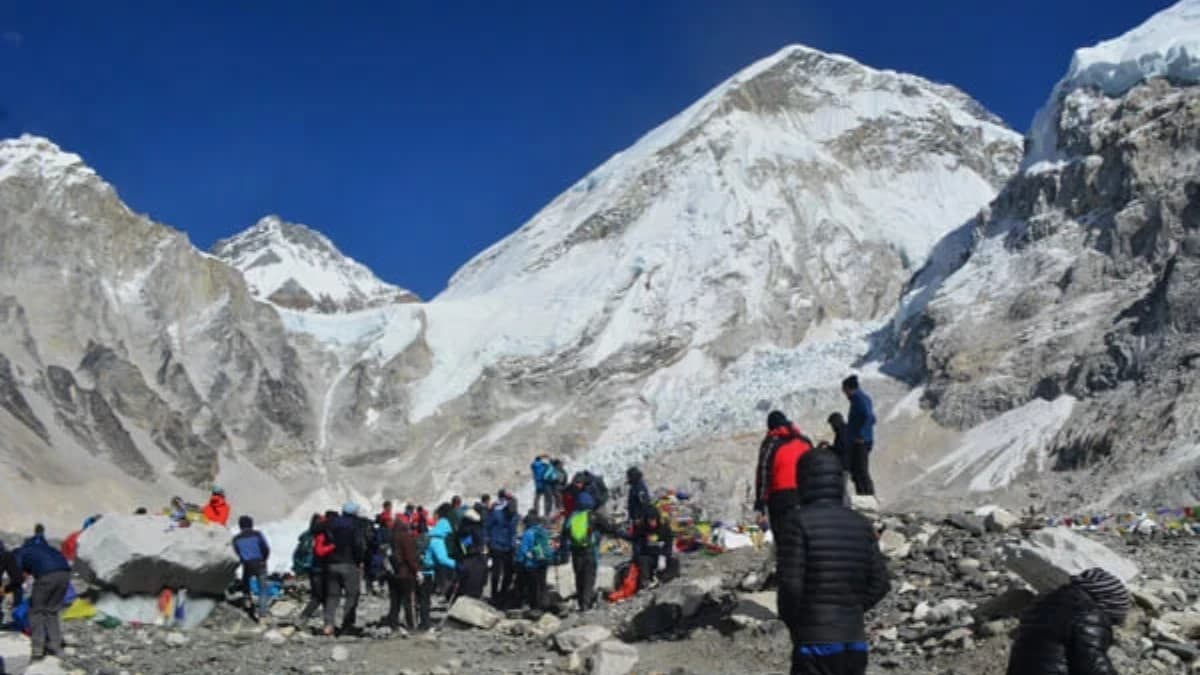
Junbesi is the highlight of the Jiri section. A Sherpa village at 2,675 metres with a monastery, apple orchards, and views of Everest from the ridge above town. Edmund Hillary built a school here. The village has a quiet dignity that nothing on the Lukla-to-EBC route matches. Related: Bhandar: The First Night on the Jiri Route to Everest Base Camp.
Why Does Almost Nobody Walk from Jiri Anymore?
Time. The Lukla flight saves a week. Most trekkers have twelve to fourteen days for the EBC trek, not twenty-four. And the Jiri section is physically hard. The daily ridge crossings involve 1,000 to 1,500 metres of climbing followed by 1,000 to 1,500 metres of descent, repeatedly, for a week. You arrive at Lukla fitter than you have ever been, but the first week is a grind.
The Lukla flight also eliminates one of the most dangerous road journeys in Nepal. The drive from Kathmandu to Jiri takes eight to ten hours on a narrow mountain road that is prone to landslides in monsoon and bus breakdowns year-round. The Lukla flight takes thirty minutes.
What Are the Advantages of Walking from Jiri?
Acclimatisation. This is the biggest advantage and the one that most affects your stay at altitude. The gradual altitude gain from 1,905 metres over seven days means your body adjusts naturally. By the time you reach Namche Bazaar at 3,440 metres, you have already spent a week walking at progressively higher altitudes. Trekkers who fly to Lukla arrive at 2,860 metres with no acclimatisation and must rest at Namche for a full day before continuing.
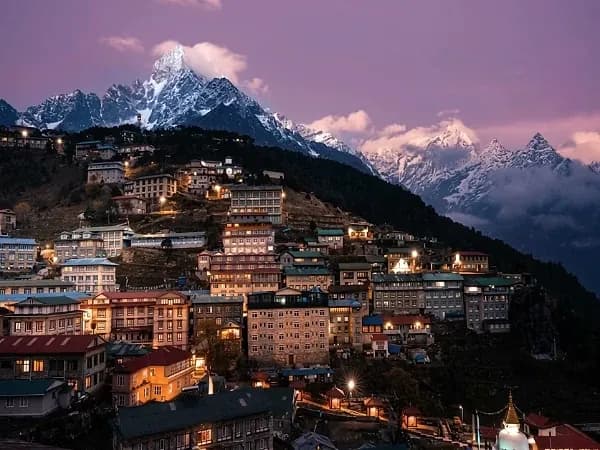
The result: Jiri trekkers report fewer headaches, better sleep, and stronger performance above 4,000 metres than Lukla trekkers. Altitude sickness rates on the Jiri route are lower because the body has had time to adapt gradually rather than being forced to adjust after a sudden jump.
Solitude. Between Jiri and Lukla you will see almost no other trekkers. The route that every Everest expedition walked before 1964 is now one of the quietest trails in the Khumbu. You get the villages, the views, and the trail to yourself.
The full journey. Walking from Jiri to EBC replicates the experience of the early expeditions, approaching the highest mountain on earth on foot, watching it grow from a distant white triangle on the horizon to an overwhelming wall of ice and rock. That sense of arrival is impossible to replicate when you fly to 2,860 metres and start walking from there.
What Are the Disadvantages?
Time and cost. An extra week means an extra week of guide and porter wages, food, accommodation, and permits. The Jiri route budget package costs USD 50 less than the standard Lukla route (USD 1,205 against USD 1,255), because the extra week on foot replaces one flight. You also need a Nepal visa that covers the longer duration, thirty days minimum.
Physical demand. The ridge crossings between Jiri and Lukla are relentless. You will climb and descend more in the first week than in the entire standard EBC trek. This is not a warm-up walk. It is a genuine physical challenge that leaves even fit trekkers with sore legs for days two through five.
The road from Kathmandu to Jiri. It is long, winding, and occasionally terrifying. The bus journey takes eight to ten hours and a private jeep takes six to seven. Neither is comfortable. This is the least pleasant day of the entire trek.
Can You Walk from Jiri One Way and Fly from Lukla?
Yes, and this is what most Jiri trekkers do. Walk in from Jiri to get the full approach experience and the acclimatisation benefit, then fly back from Lukla to save a week on the return. The one-way Lukla flight costs about USD 330 with us and needs to be booked in advance during peak season.
This is the best of both worlds: the historic approach, the gradual acclimatisation, and the quiet trail on the way in. The quick flight home when you are tired and satisfied on the way out.
Which Route Should You Choose?
Choose Jiri to EBC if you have three weeks or more, you value the journey as much as the destination, you want natural acclimatisation, and you are physically prepared for a demanding first week.
Choose Lukla to EBC if you have two weeks, you want to reach Base Camp efficiently, and you are comfortable with the Lukla flight and structured acclimatisation stops.
The Lukla route is the right choice for most people. The Jiri route is the right choice for the person who reads that and thinks: but I do not want what most people get.
See our Jiri to Everest Base Camp Trek for the full route or our standard EBC Trek for the Lukla route. Both include all permits and a licensed guide. Standard and Luxury add meals and porters; Budget does not include meals or a porter.
WhatsApp:+977 9810351300
Email:info@theeverestholiday.com
Written by Shreejan Simkhada, CEO of The Everest Holiday and third-generation Himalayan guide. TAAN Member #1586.
Jiri or Lukla? Jiri is the Hillary route. Our Jiri to Everest Base Camp Trek (18 Days) is private (your group only, no strangers), 2027 dates open, From USD $1205. WhatsApp us for tailored 2027 dates and current departures.
Planning a trip to Nepal?
Drop us your details and tell us what you have in mind. We will put together a personalised plan and get back to you.
Take our free 2-minute quiz and get personalised recommendations based on your fitness, experience, and travel style.
Find your trekMore from the travel blog
All stories and guides Nepal Travel Guide & Expert Trekking TipsBudget Trek vs Luxury Lodge Trek in Nepal: What the Price Difference Actually Buys
 Nepal Travel Guide & Expert Trekking TipsUpper Dolpo vs Lower Dolpo: Which Trek Should You Choose?
 Nepal Travel Guide & Expert Trekking TipsLangtang vs Annapurna: Which Trek Has Fewer Crowds in 2027?
 Nepal Travel Guide & Expert Trekking TipsHow to Stay Warm at Night in Nepal Teahouses: A Guide That Actually Works