
How the 10% Deposit Works When You Book a Nepal Trek

Almost everything we sell in Nepal can be confirmed with a 10% deposit, with the balance payable when you arrive in Kathmandu. People ask us about this constantly, usually with some version of the same question: what is the catch? This post explains exactly how the system works, what the deposit covers, and what happens if your plans change. There is no catch, but there is a logic to it, and you deserve to see it before you pay anyone anything.
What do I actually pay upfront?
Ten per cent of your package price, and nothing else. Book a US$1,399 Everest Base Camp trek and your card is charged US$139.90 today. The remaining 90% is payable in Kathmandu before the trek starts, by card or cash, once you have met us, seen the office and shaken hands with your guide. To be clear about what this is: a payment schedule, not a price reduction. You pay the same total either way; you just pay most of it after you have looked us in the eye.
Why do we let you pay the balance in Kathmandu?
Because the biggest fear in booking a Nepal trek from abroad is wiring a large sum to a company you have never met, in a country you have never visited. We cannot argue you out of that fear, so we removed the reason for it. If we were running a scam, holding 10% while committing to permits, flights and guide wages would be a terrible business model. Plenty of operators ask for 30 to 50% upfront, sometimes through informal channels; we ask for 10%, through a bank.
What does the deposit cover?
The deposit is our green light to spend money on your behalf. Once it lands we:
- apply for your permits against your passport details;
- book Lukla or other domestic flight seats where your itinerary needs them;
- assign your guide and porters and block their dates;
- reserve teahouse rooms, which matters enormously for October departures.
That is also why the deposit is treated differently from the balance if you cancel: much of it converts into real, non-recoverable costs within days of booking. We walk through the whole post-booking sequence in what happens after you book a trek with us.
How is the payment processed? Is it safe?
Card payments run through our online payment gateway operated by Himalayan Bank Limited, one of Nepal's major commercial banks, established in 1993. Your card details go to a regulated financial institution, not to us; we never see or store them. You will find the secure payment link on every package page.
As for the company on the other end: The Everest Holiday Pvt. Ltd. is a government-registered Nepali company, a member of the Trekking Agencies' Association of Nepal (TAAN registration no. 1586), and holds trekking and tour operating licences valid to 2031. We have been family-run since 2016 and carry over 300 reviews on TripAdvisor, Google and Trustpilot. We wrote more about why paying a Nepal-registered operator directly usually beats booking through a foreign reseller in why book direct with a Nepal trekking company.
What happens if I cancel?
Here is the honest answer, straight from our terms and conditions. If your plans change, you can reschedule free and your deposit moves with you to any date within a year (72 hours' notice, or 7 days for restricted areas, Tibet and Kailash). If you cancel instead, the 10% deposit is not refunded. It is not a fee we invented to punish cancellations; it is the money that has already gone out the door on your behalf: into permits, flight seats and guide wages we commit within days of receiving it. So if you cancel, that 10% is treated as the trip cancellation charge, and we do not refund anything else you have paid, including any amount above the 10% deposit.
But here is the part that matters most, and the reason so few people ever actually lose money with us: you almost never need to cancel outright. If your plans change, you reschedule instead, and your deposit moves with you to any future date at no extra cost. And if we are the ones who cancel your trip (for weather, safety or anything on our side), you receive a refund of what you have paid, less taxes, bank and card charges and any money already spent on your trip.
Can I change my dates instead of cancelling?
Yes, and most people in a bind do exactly that. Rescheduling to a different date costs nothing; your deposit simply moves with you. Life happens, flights get cancelled, knees complain in training. Moving a trek is nearly always better than losing one.
Does the 10% deposit apply to every trip?
It applies to our Nepal treks and tours, which is nearly everything we sell. The exceptions are cross-border itineraries such as Kailash and Tibet, where the Chinese permit system requires substantial prepayment on our side, so those trips carry a 25% deposit, with the balance due 60 days before departure. If the trip is a trek or a tour in Nepal, from a one-day Kathmandu hike to a 17-day Three Passes trek, the deposit is 10%. A small number of short adventure activities, such as rafting and bungee, carry a slightly higher advance because the operator we book them through wants confirming before the day. You will see the exact figure at checkout before you pay anything, and if it is ever not what you expected, tell us and we will explain it rather than take it.
How do I pay the balance in Kathmandu?
Two ways: by card, or in cash at the office, in US dollars or euros. Card payments carry a 3.5% bank charge and cash carries none, so many trekkers simply bring cash for the balance. We cannot take Nepali rupees from foreign clients. You will receive a written receipt either way, and the balance is always settled before the trek begins, never on the trail.
When should I pay the deposit?
Whenever you are ready to commit, but earlier is genuinely better for peak season. The deposit is what lets us lock flights and teahouse beds before they run out, and for October departures that means booking two to three months ahead. We laid out the timing logic in how far in advance you should book a Nepal trek.
What should I do before paying any operator a deposit?
Not just us, anyone. Check the company is registered in Nepal, ask for its TAAN membership and licence numbers, confirm the payment goes through a bank rather than a personal account, and read reviews on platforms the company cannot edit. You do not have to take anyone’s word for any of it. The Trekking Agencies Association of Nepal lists its member agencies, the Department of Tourism licenses trekking and travel agencies, and the Inland Revenue Department holds the tax registration behind any PAN number a company quotes you. Ours are TAAN member 1586, trekking licence 2090/072, travel licence 2838/072 and PAN 604243078, and we would rather you checked them than trusted us on sight. One honest caveat that most operators will not give you: every legitimate company holds these documents, and so have companies that later let people down. Paperwork is necessary and it is not sufficient. Ask for it, then read the reviews the company cannot edit. A legitimate operator will answer these questions quickly and in writing. If you want to put us through that test, message us on WhatsApp and ask for the documents; we send them the same day, and we would rather you asked than wondered.
Ready when you are: pick your trek, pay 10%, and the mountain logistics start moving the same week. The rest waits for you in Kathmandu.
Planning a trip to Nepal?
Drop us your details and tell us what you have in mind. We will put together a personalised plan and get back to you.
Not sure which Nepal trek is right for you?
Take our free 2-minute quiz and get personalised recommendations based on your fitness, experience, and travel style.
Find Your Perfect Trek →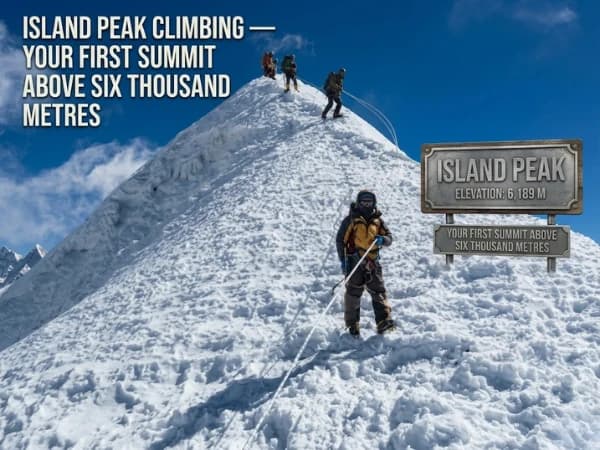
Island Peak Itinerary and Summit Day 2027: 14 Days, Base Camp to the Top
The 14-day Island Peak itinerary day by day, what summit day is like from base camp, where sources disagree on heights, best months and 2027 prices.
Read More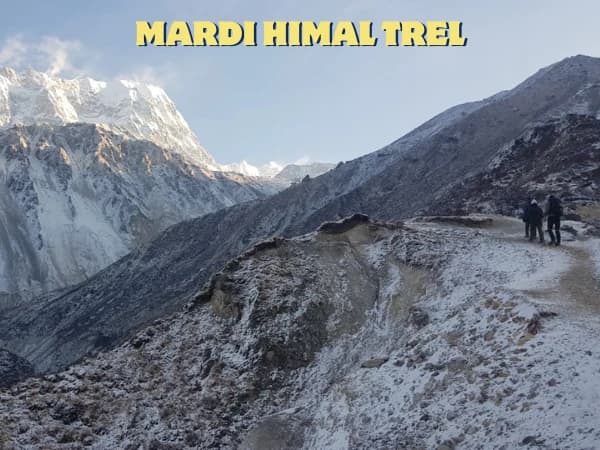
How Difficult Is the Mardi Himal Trek? An Honest Day-by-Day Rating for 2027
An honest day-by-day rating of the Mardi Himal trek: the steep climb to High Camp, the 4,500 m push to Base Camp, altitude risk, who finds it hard and 2027 prices.
Read More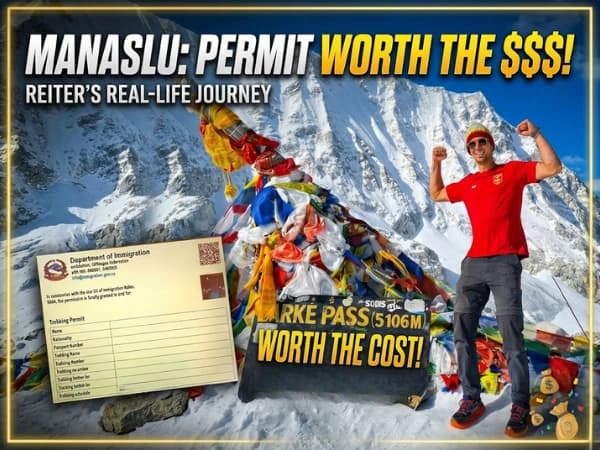
Manaslu Circuit Reopened: What Changed After the 2026 Floods and How to Plan 2027
The Manaslu Circuit over the Larke Pass is open again with extreme caution. What changed in the lower valley after the two 2026 floods, 2027 prices and permits, and how I would plan.
Read More Chat with Shreejan