

I have watched hundreds of trekkers arrive at Lukla or the trailhead with bags that are too heavy, gear they will never use, and critical items missing. The Everest Base Camp trek is 12-15 days of walking at altitude, and every extra kilogram matters. Here are the 10 most common packing mistakes I see, and what to do instead.
Why Do Most People Pack Too Many Clothes for EBC?
This is the single biggest mistake. You do not need a fresh outfit for every day. You are trekking, not attending meetings. Three sets of trekking clothes is the maximum you need. Wear one, pack one clean, and have one drying. Merino wool base layers can go 3-4 days without washing and still smell fine. Cotton takes forever to dry and gets cold when wet.
Leave behind: jeans, cotton t-shirts, anything you would wear in a city.
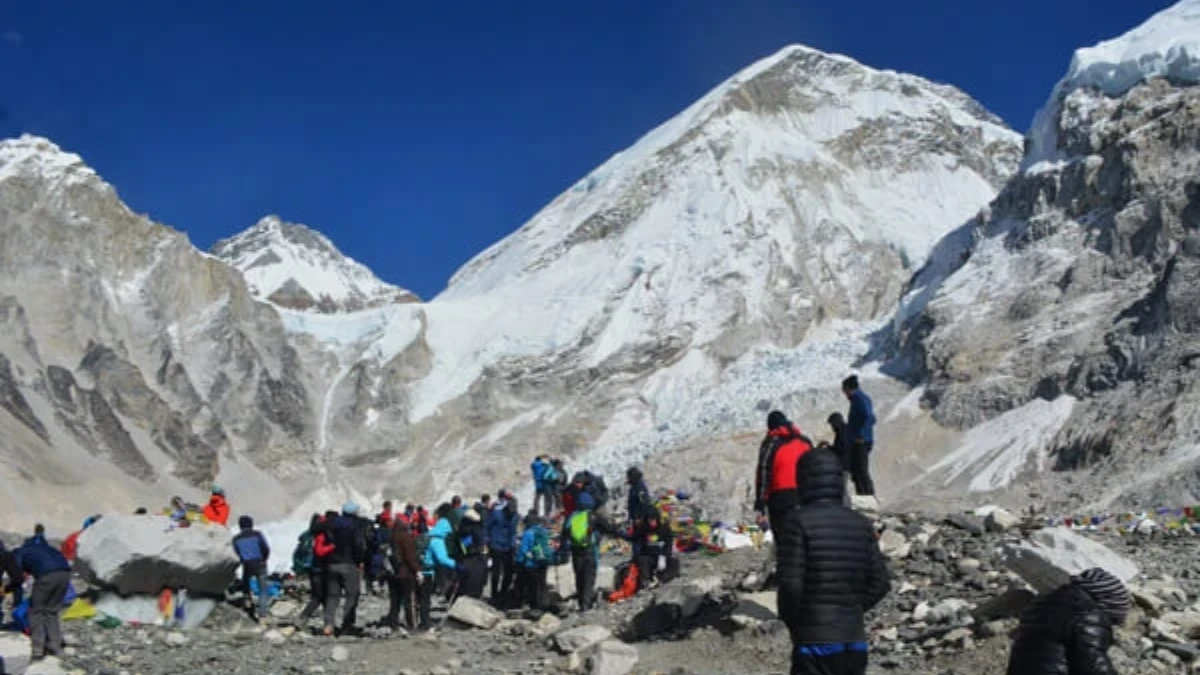
What sleeping bag rating do I need for Everest Base Camp?
You need a sleeping bag rated to minus 10 to minus 15 Celsius for EBC. But some trekkers bring expedition-grade bags rated to minus 30 or minus 40. These weigh 2-3 kg and take up half your bag. A good three-season bag rated to minus 15 weighs about 1 kg and is more than enough for teahouse trekking. We provide a free sleeping bag and down jacket on every tier, and a duffel bag on the Standard and Luxury packages, so you do not need to worry about those.
If you do not want to buy a sleeping bag, you can rent a decent one in Thamel, Kathmandu for about USD 1-2 per day. Related: 10 Mistakes First-Time Nepal Trekkers Make (and How to Avoid Them).
Why Do You Need Extra Warm Layers for Teahouse Evenings?
This is the opposite mistake to overpacking. Trekkers pack plenty for the walking days but forget that evenings at 4,000-5,000 metres are freezing. The dining room at Gorak Shep is not heated. You will be sitting still for hours. Bring a proper down jacket (or use the one we provide), a warm hat, gloves, and thick socks for evenings.
What Size Toiletries Should You Actually Bring?
You do not need a full bottle of shampoo, a full tube of sunscreen, or 15 days of moisturiser. Buy travel-size containers and bring only what you will actually use. Sunscreen and lip balm with SPF 50 are essential. Everything else is optional. Your skin will be dry and your hair will be a mess regardless. Accept this early and save half a kilogram.
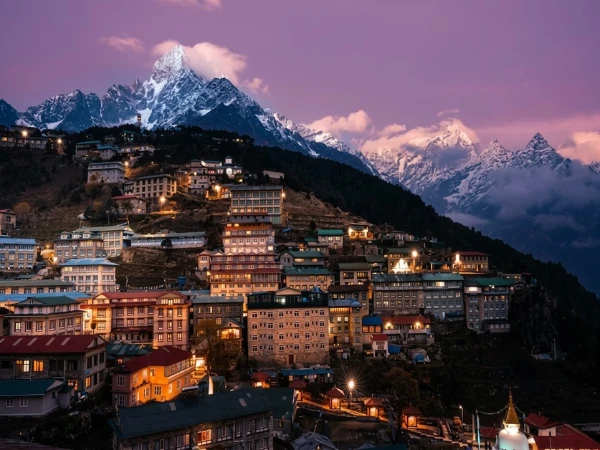
What electronics should I pack for the EBC trek?
I have seen trekkers bring laptops, tablets, Kindle readers, GoPros, drones, and multiple camera lenses. Each device needs its own charger and each charger costs NPR 200-500 per use at teahouses. A phone with a good camera and a 20,000 mAh power bank covers most trekkers perfectly. If photography is your priority, bring one camera body and one versatile lens (24-70mm or equivalent). Leave the drone at home unless you have a Nepal Civil Aviation Authority permit. Related: Nepal Photography Tips: Camera Gear, Light, and the Shots That Matter.
Do I need a rain jacket for the EBC trek?
Even in peak season (October-November), afternoon showers happen above 3,000 metres. A lightweight waterproof jacket weighs 200-300 grams and packs down to the size of a fist. There is no excuse for not carrying one. Ponchos work too but are harder to walk in on narrow trails. A rain cover for your backpack is equally important.
What footwear is best for the Everest Base Camp trek?
The trail to Everest Base Camp is well-maintained but rocky, uneven, and often wet. Running shoes and trainers do not provide enough ankle support or grip. You need proper trekking boots that are broken in before you arrive. "Breaking in" means wearing them on walks for at least 2-3 weeks before the trek, not just around the house for an afternoon.
Bring a pair of lightweight sandals or flip-flops for teahouse evenings. Walking around in your trekking boots after a long day is miserable.
What should be in my EBC trek first aid kit?
Teahouses do not have pharmacies. The nearest medical help above Namche is a small clinic in Pheriche, and even that has limited supplies. Your guide carries a basic kit, but you should have your own with:
- Diamox (acetazolamide) for altitude sickness prevention - get a prescription before you travel
- Ibuprofen for headaches and inflammation
- Imodium for stomach issues
- Oral rehydration salts
- Blister plasters (Compeed or similar)
- Antiseptic cream
- Any personal prescription medication (carry extra)
9. Overpacking "Just in Case" Items
A camp stove, a hammock, a pillow, playing cards, three books, binoculars, a towel, a sleeping mat. I have seen all of these come out of bags at Lukla. You are staying in teahouses, not camping. The teahouse provides a bed, a mattress, a pillow, and blankets. A quick-dry towel is useful but a full-size bath towel is not.
The rule is simple: if you cannot name a specific day and situation when you will use something, leave it behind.
10. Not Testing Your Pack Weight Before You Go
Pack your bag at home, put it on, and walk up and down stairs for 20 minutes. If it feels heavy in your living room, it will feel twice as heavy at 4,500 metres where you have 40 per cent less oxygen. Your daypack (what you carry yourself while the porter carries the main bag) should weigh no more than 5-7 kg. Your main duffel bag that the porter carries should stay under 10 kg.
How much should my Everest Base Camp backpack weigh?
| Bag | Max Weight | What Goes In It |
|---|---|---|
| Daypack (you carry) | 5-7 kg | Water, snacks, rain jacket, camera, sunscreen, warm layer |
| Duffel bag (porter carries) | 10 kg | Sleeping bag, spare clothes, toiletries, first aid kit, chargers |
| Total | 15-17 kg |
If your total exceeds 17 kg, you are almost certainly carrying something you do not need.
What snacks should I bring on the EBC trek?
Surprisingly, it is not gear. It is snacks from home. The food on the trail is good but repetitive - dal bhat, noodle soup, fried rice, repeat. After a week, a familiar chocolate bar or a handful of trail mix from home feels like a luxury. Bring a small bag of your favourite snacks. Your future self at 5,000 metres will thank you.
For the full Everest Base Camp Trek itinerary, gear list, and what we include in every package, check our trip page. We provide a sleeping bag rated to minus fifteen and a down jacket free on every tier, Budget included, and a duffel bag as well on the Standard and Luxury packages, so that is less to pack and less to buy.
The biggest packing mistake on the EBC trek is bringing too much. Your porter carries your duffel. You carry your daypack. If your daypack weighs more than 6 kilograms, you packed wrong. Water bottle, rain jacket, snacks, camera, sunscreen, headtorch. That is your daypack. Everything else goes in the duffel. And the duffel should weigh under 10 kilograms because your porter is a human being, not a mule.
We provide a sleeping bag rated to minus fifteen and a down jacket free on every tier, Budget included, and a duffel bag as well on the Standard and Luxury packages. Bring less, enjoy more.
WhatsApp:+977 9810351300
Email:[email protected]
Written by Shreejan Simkhada, CEO of The Everest Holiday and third-generation Himalayan guide. TAAN Member #1586.
Packed and ready for EBC? Our EBC Trek 12 Days includes a Kathmandu pre-trek briefing where we check your gear and walk you to the right Thamel rental shops free of charge. From USD 1,399. WhatsApp us for 2027 dates.
 Chat with Shreejan