Gokyo Trek Teahouses and Food: Where You Sleep Each Night
On our 10-day Gokyo trek you sleep in lodges in six places over nine nights: Phakding (2,610 m), Namche Bazaar (3,440 m, three nights in all), Dole (4,110 m), Machhermo (4,470 m, two nights), Gokyo (4,790 m) and Lukla (2,860 m). The highest bed is Gokyo, 4,790 m, and it is lower than Gorak Shep on the Base Camp trail. The food is the standard lodge menu cooked by the lodge family, and what we pay for depends on your tier: on Standard and Luxury three meals a day are in the price, on Budget they are not. Below is the night-by-night list from our live itineraries, what each tier gets in rooms and meals, and what to expect for food and extras.
I don't name lodges or quote room and menu prices for the Gokyo valley, so ask us for your dates. What I can give you is our own itinerary data, our own package inclusions and what our guides tell every group.
Where do you sleep each night on our 10-day Gokyo trek?
This is the night list from our Gokyo Valley Lakes Trek itinerary. Heights and walking times are the figures in our itinerary. The change in sleeping height is worked out from them.
| Night | Sleep at | Height | Change from the night before | The day's walk |
|---|---|---|---|---|
| 1 | Phakding | 2,610 m | 250 m lower than Lukla (2,860 m) | 40-minute flight, then about 3 hours, 6.2 km |
| 2 | Namche Bazaar | 3,440 m | +830 m | 5 to 6 hours, 7.4 km |
| 3 | Namche Bazaar | 3,440 m | 0 (rest day) | Acclimatisation day |
| 4 | Dole | 4,110 m | +670 m | 5 to 6 hours, 11 km |
| 5 | Machhermo | 4,470 m | +360 m | 5 to 6 hours, 7 km |
| 6 | Gokyo | 4,790 m | +320 m | 4 to 5 hours, 5.7 km |
| 7 | Machhermo | 4,470 m | 320 m lower | Gokyo Ri, then back down, 6 to 7 hours, 11 km |
| 8 | Namche Bazaar | 3,440 m | 1,030 m lower | 5 to 6 hours, 9.6 km |
| 9 | Lukla | 2,860 m | 580 m lower | 13.5 km; about 6 to 7 hours |
| 10 | Fly to Kathmandu | 40-minute flight (about 20 minutes from or to Manthali) |
Two things in that table need explaining. First, Gokyo is a one-night stop. Day 7 of the itinerary says you climb Gokyo Ri from Gokyo and "trek back to Machhermo", so the second night at Machhermo is a night on the way down, not an extra night at the top. Day 7 ends at Machhermo, because the next day starts at Machhermo and the 1,030 m drop to Namche only works from there. Second, some sources put Gokyo village at 4,750 m; we use 4,790 m, the height on our itineraries.
Our itinerary says the flight to and from Lukla goes from Kathmandu or from Manthali (Ramechhap), and our Manthali guide and domestic flights guide explain how that works. Kathmandu hotels before and after the trek are not included in any trek tier, so we quote them separately.
Is the sleeping height sensible, and what does the CDC say?
The sleeping height matters more than the height you walk to in the day. The US Centers for Disease Control and Prevention, in its Yellow Book (updated 23 April 2025), advises that once above 3,000 m you move your sleeping altitude by no more than 500 m per day, plan an extra day of acclimatisation for every additional 1,000 m of sleeping altitude gained, and never ascend to sleep higher when you have symptoms of altitude illness, however minor.
Held against that guideline, our 10-day nights look like this:
- Phakding to Namche is +830 m, but only the part above 3,000 m counts for the CDC line. That is 440 m, inside the 500 m guideline. The first 390 m is below it.
- Namche to Dole is +670 m. That is 170 m over the guideline, and it is the biggest single jump on the route.
- Dole to Machhermo (+360 m) and Machhermo to Gokyo (+320 m) are inside it.
- From Phakding to Gokyo you gain 2,180 m of sleeping height over four climbing nights, with one rest night, at Namche. By the CDC's rule of thumb that is a fast schedule.
That reading is mine, not a medical judgement, and the CDC wording does not say exactly where to start counting the 1,000 m. What I can tell you is what we do about it. Our packages include an oximeter in the first aid kit, and our Dole guide describes the guide checking your oxygen saturation in the evening and again the next morning. If you are getting worse, you do not go up. If you want a gentler schedule, ask us for an extra night at Dole, Machhermo or Gokyo before you book. I will quote it for your tier. We do not put an extra night in the standard price, so please do not assume it is there.
For the background on how altitude sickness works and how to lower your risk, our altitude sickness guide and our acclimatisation guide go into more detail than I can here.
What are the rooms like, and what changes by tier?
This is the part I can state exactly, because it is in our package inclusions for the Gokyo Valley Lakes Trek. The Base Camp with Gokyo Ri trek uses the same tier wording on rooms and meals.
| Budget | Standard | Luxury | |
|---|---|---|---|
| Rooms | Local teahouse or lodge, shared room | Standard lodge, twin room as a private room, attached bathroom whenever possible | Luxury lodge, private deluxe room, attached bathroom whenever available |
| Meals on the trek | Food and drinks not included | Breakfast, lunch and dinner, plus seasonal fresh fruit once a day | Breakfast, lunch and dinner with seasonal fruit and dry fruit and nuts, plus tea, coffee, soft drinks, juices and mineral water whenever you need them (no alcohol) |
| Hot showers, charging, bed heater, internet | Not listed as included | Not listed as included | Paid for you (hot showers, charging, bed heaters, internet), whenever available |
| Porter | None, you carry your own bag | One porter for every two trekkers | One porter for every trekker |
| Getting to Lukla | Fixed-wing flight | Fixed-wing flight | Round-trip helicopter from Kathmandu |
The words "whenever possible" and "whenever available" are in our package inclusions, and they are honest. At 4,110 m, 4,470 m and 4,790 m there is a limit to what any lodge can offer. Our Dole guide says it plainly: the difference between tiers narrows with height, because Standard and Luxury get a private room "where the lodge has them". Budget guests share a room at every stop. In every tier, a licensed guide is included, and you are in the same villages as everyone else on the trail.
Sleeping bags and down jackets are lent to you for the trek if you do not have your own, and Standard and Luxury also lend a duffle bag. Tell us at the online briefing or at the arrival briefing in Kathmandu so we can have them ready. Our sleeping bag guide and staying warm at night page cover the practical side.
What do you eat, and what does the package cover?
The meals column in our itinerary says breakfast, lunch and dinner for every trek day. In the package inclusions, Standard and Luxury include those meals, and Budget says food and drinks are not included. Read together, that means the lodge serves three meals a day, and on Budget you order and pay for them yourself. If you are on Budget, please ask us how to plan for it before you book.
Dal bhat is a dish of thick lentil soup (dal) and cooked rice (bhat), and it is one of the most common everyday meals in the region. Our guides and our own Dole guide describe the lodge menu as dal bhat, soup, potatoes, eggs, noodles and tea. That is our own experience, not a published menu. Our general teahouse menu guide has more on dishes, and our food poisoning page explains how to eat sensibly.
On prices, the honest answer is that everything above Lukla arrives by porter or animal, so food and extras cost more as you climb. Our Machhermo guide says phone signal is patchy and that hot showers and charging cost extra and get pricier the higher you go. Ask us for a current figure before you go.
Alcohol is worth a note. The CDC advises avoiding alcohol for the first 48 hours at high altitude. Luxury includes tea, coffee, soft drinks, juices and water but no alcohol, and I would pick tea.
Will there be hot showers, charging and wifi?
Where it matters, here is what is written down. On Luxury, hot showers, charging, bed heaters and internet are paid for "whenever available". On Budget and Standard they are not listed as included, so treat them as paid at the lodge. Mobile coverage is limited above Namche, according to the note in our package. All tiers get a SIM card arranged on arrival in Kathmandu. The Standard SIM has data for the lower sections, and the Luxury one has unlimited data wherever a signal exists.
From our own Dole guide: the dining room has a stove in the middle and is where everyone sits in the evening, the rooms are cold once the sun goes off the hill, charging costs money, and wifi, where it exists, is slow and sold by the hour. That is an account from our guides, not a published survey. Plan to charge your phone and camera batteries at Namche and bring a power bank. Keep the batteries inside your sleeping bag at night, because the cold drains them.
Do the lodges fill up or close, and how do you book them?
Beds are limited. Machhermo is a cluster of guesthouses, at 4,470 m, just below the terminal moraine of the Ngozumpa Glacier. Our Dole guide says Dole has few beds.
What I know from our own work is this. Our Dole guide says that when a group comes through it takes most of the village, so we book ahead rather than walking in and hoping. Our Gokyo guide says your guide books your room on arrival, so you do not contact lodges yourself. In October the whole Khumbu fills, and our page on booking teahouses in advance explains why.
In winter, our Gokyo guide says fewer lodges stay open and the trail can be icy above Machhermo, and our Dole and Machhermo guides say some or most lodges close from December to February. The owners decide which lodges open on which date, so there is no fixed list. For the month-by-month detail, see Gokyo trek best time. For a Gokyo trek from December to February or in the monsoon, ask us before booking.
Where do you sleep on the 15-day Base Camp with Gokyo Ri trek?
Our Everest Base Camp with Gokyo Ri Trek goes up the main trail first and crosses to the Gokyo valley afterwards. Heights below are from our itinerary, with the sleeping change my own calculation.
| Night | Sleep at | Height | Change from the night before |
|---|---|---|---|
| 1 | Phakding | 2,610 m | 250 m below Lukla |
| 2 | Namche Bazaar | 3,440 m | +830 m |
| 3 | Namche Bazaar | 3,440 m | 0 (rest day) |
| 4 | Tengboche | 3,860 m | +420 m |
| 5 | Dingboche | 4,410 m | +550 m |
| 6 | Lobuche | 4,940 m | +530 m |
| 7 | Gorak Shep | 5,164 m | +224 m |
| 8 | Pheriche | 4,250 m | 914 m lower |
| 9 | Phortse | 3,840 m | 410 m lower |
| 10 | Machhermo | 4,470 m | +630 m |
| 11 | Gokyo | 4,790 m | +320 m |
| 12 | Dole | 4,110 m | 680 m lower |
| 13 | Namche Bazaar | 3,440 m | 670 m lower |
| 14 | Lukla | 2,860 m | 580 m lower |
| 15 | Fly to Kathmandu |
The day 7 itinerary says "Lobuche to Everest Base Camp via Gorak Shep", and the night is at Gorak Shep (5,164 m), because day 8 starts with Kala Patthar and ends at Pheriche. Gorak Shep is the highest bed of this trek, and Gokyo at 4,790 m is lower than Gorak Shep and Lobuche.
Against the CDC's 500 m guideline, three steps are over it: Tengboche to Dingboche (+550 m, 50 m over), Dingboche to Lobuche (+530 m, 30 m over) and Phortse to Machhermo (+630 m, 130 m over). The itinerary has one rest night, at Namche, and no second night at Dingboche. So this is also a quick schedule, and the same offer stands: ask for an extra night and I will quote it. Machhermo is the sleeping jump to watch on the Gokyo side, which is why our Machhermo guide says to take the night seriously.
For the nights on the way, our guides to Dole, Machhermo, Gokyo, Phortse, Pheriche and Namche Bazaar describe each place. Our page on the Base Camp teahouses covers the main-trail half.
What if I feel unwell in the night?
Tell the guide at once, in the night if you have to. The oximeter is in the first aid kit our packages include, and the rule is the CDC rule: never go up to sleep higher with symptoms, however mild. If you are getting worse, the treatment is to go down. On the Gokyo side from Machhermo that means Dole or lower, and in the Everest valley it means going down before going on.
On medical help, plan as if there is no doctor or aid post close by in the Gokyo valley. The volunteer rescue post that used to run at Machhermo closed after the 2019 season. The nearest Himalayan Rescue Association aid post is at Pheriche, on the Base Camp side, which our Pheriche guide covers.
Buy your travel insurance at home, and never from Nepal. For the 10-day Gokyo trek your cover should include helicopter rescue and evacuation up to 5,500 m, which is the highest point (Gokyo Ri, 5,357 m) rounded up to the next 500 m. On the 15-day trek it is 6,000 m, because of Kala Patthar at 5,545 m. Our insurance page explains what to look for in the wording. Our packages arrange the rescue, and the insurance you bought at home funds it.
Who should not choose this trek, or this tier, for the nights?
- You need a private room and a hot shower every night. Standard gives you a private twin room with an attached bathroom whenever possible, and Luxury pays for showers and heaters whenever available, but above Dole nobody can promise either.
- You want to sleep low and go slow. The 10-day and 15-day nights are quick. Ask for the extra night, or choose a longer plan.
- You are on Budget and want a fixed food cost. Meals are not included, so ask us for a daily food budget for your dates.
- You are going in deep winter or the monsoon. Fewer lodges open in winter, and our Dole guide says the valley is under cloud in the monsoon. See our best time page.
- You want Base Camp itself. The 10-day Gokyo trek does not go there. Read our Base Camp versus Gokyo comparison first.
What does it cost, and how do you pay?
Our live package prices are, for one traveller, USD 2,085 (Budget), 2,965 (Standard) and 5,015 (Luxury) for the 10-day Gokyo Valley Lakes Trek. For the 15-day Base Camp with Gokyo Ri trek the prices are USD 1,699, 3,240 and 5,299 for two to four travellers (a solo Budget traveller pays USD 2,565), with lower prices for bigger groups. Permits are in the price: the Sagarmatha National Park permit, the Khumbu local fee and the TIMS card, which together come to NPR 8,000 (TIMS 2,000, Khumbu local fee 3,000, Sagarmatha National Park 3,000). For a deeper breakdown, see our Gokyo trek cost page.
The deposit is 10%. The balance is paid when you arrive in Kathmandu, in US dollars or euros, in cash or by card. A card payment carries a 3.5% charge, and we cannot take Nepali rupees from foreign guests. If your plans change, you can reschedule free of charge with at least 72 hours' notice, to any date within one year. The deposit itself is not refunded if you cancel. If we cannot run the trip, we refund what you paid less taxes, bank and card charges and any money already spent on permits or flights.
A licensed guide and agency-issued TIMS card are required on most trekking routes under the Nepal Tourism Board rule from 31 March 2023; the rule covers the Everest (Khumbu) region too, and we always trek with a licensed guide.
If a time or height differs from what your guide tells you on the trail, believe your guide.
The short version
You sleep in simple lodges in Phakding, Namche, Dole, Machhermo and Gokyo, with the highest bed at 4,790 m. Rooms are shared on Budget, a private twin on Standard and a private deluxe room on Luxury, whenever the lodge has them. Standard and Luxury include meals, Budget does not, and showers, charging and wifi are paid on Budget and Standard. The sleeping schedule is quick, so ask for an extra night if you want more time. Our Gokyo Valley Lakes Trek is 10 days and our Base Camp with Gokyo Ri Trek is 15. To talk it through, message me on WhatsApp on +977 9810351300.
Sources: CDC Yellow Book 2026 edition, High-Altitude Travel and Altitude Illness (updated 23 April 2025).
Written by Shreejan Simkhada, CEO of The Everest Holiday, from a family of three generations of family guides. TAAN Member #1586.
Planning a trip to Nepal?
Drop us your details and tell us what you have in mind. We will put together a personalised plan and get back to you.
Not sure which Nepal trek is right for you?
Take our free 2-minute quiz and get personalised recommendations based on your fitness, experience, and travel style.
Find Your Perfect Trek →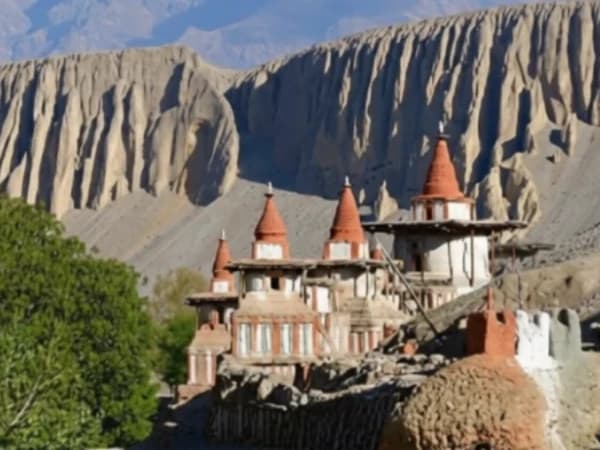
Upper Mustang Itinerary: 10, 12 or 14 Days? What Each Extra Day Adds for 2027
Our live 10-day Upper Mustang itinerary day by day, plus suggested 12 and 14 day outlines, with the USD 50 a day permit worked out for each length.
Read More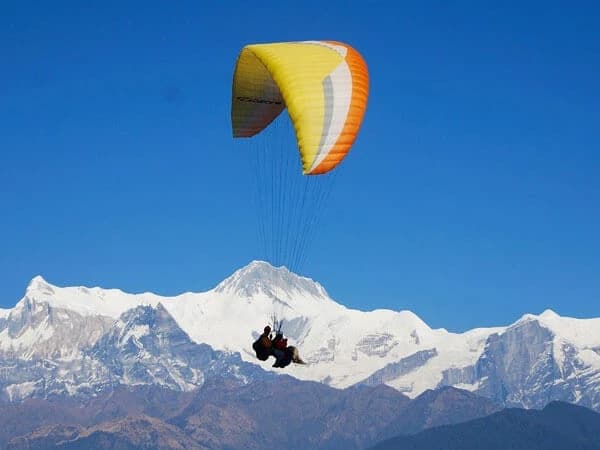
Nepal Weather Month by Month for 2027: Kathmandu, Pokhara and Namche
Average highs, lows and rainfall for Kathmandu, Pokhara and Namche Bazaar, the normal monsoon dates, and which of our treks suit each month in 2027.
Read More
Dunai Village Guide: Height, What Is There and the Trail North for 2027
Dunai is the district town of Dolpa where the Lower Dolpo walk starts. Its height, what is there, the 7 km walk from Juphal, the trail north, best months and 2027 prices.
Read More Chat with Shreejan