
A village-by-village guide to the best teahouses on the EBC trek. What to expect at each stop from Lukla to Gorak Shep, with honest advice from local guides.
Govt Regd. No.: 147653/072/073
Travel Agency Licence: 2838/072
Best Teahouses on the Everest Base Camp Trek: Where to Stay Each Night

What Are Teahouses on the EBC Trek Actually Like?
If you are picturing a quaint English tearoom with lace curtains and scones, adjust your expectations now. Teahouses on the Everest Base Camp trek are simple mountain lodges: stone or wood buildings with shared rooms, thin mattresses, and a communal dining area warmed by a yak-dung stove. They are basic, they are charming, and they are the reason the EBC trek does not require camping gear.
Not all teahouses are equal, though. Some have hot showers that actually work, heated dining rooms, and food that surprises you. Others have paper-thin walls, squat toilets, and questionable electricity. After years of sending trekkers along this route, our guides know exactly which lodges to book and which ones to walk past.
How Does the Teahouse System Work?
Teahouses operate on a simple model: cheap rooms, expensive food. Your room might cost 200 to 500 Nepali rupees (roughly $1.50 to $4), but dinner and breakfast will run $8 to $15 per meal at higher elevations. This is not a rip-off: everything above Lukla arrives on the back of a porter or a yak, and prices reflect the cost of getting supplies to 5,000m.
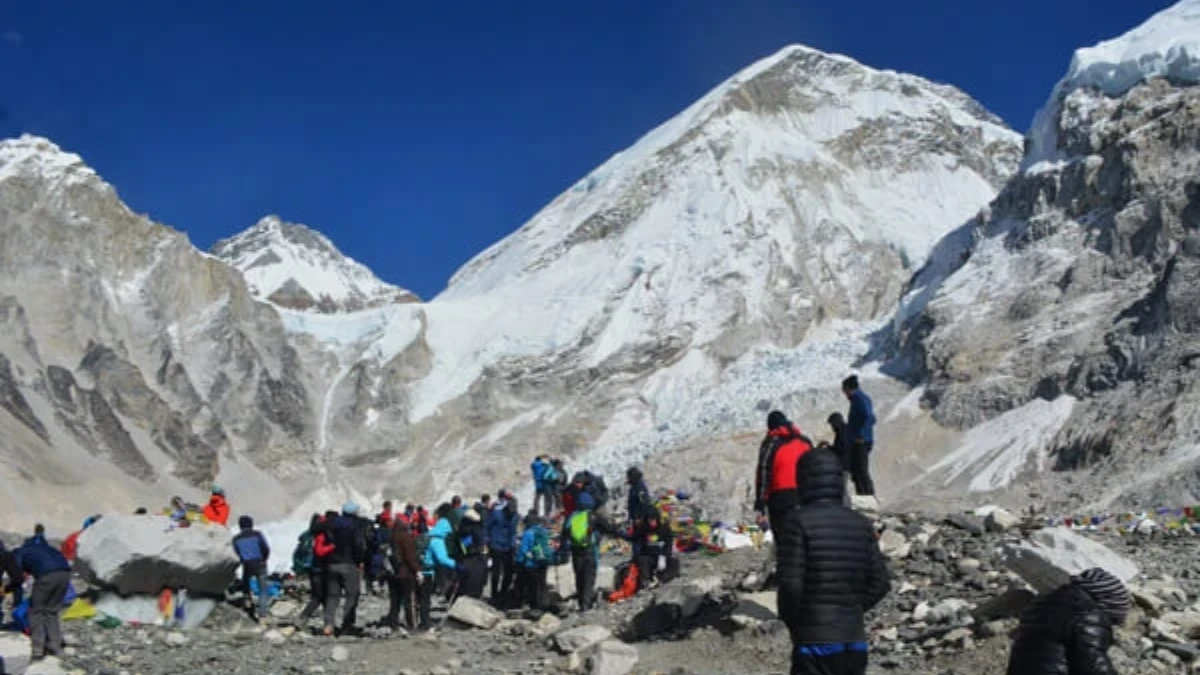
On our treks, accommodation and meals are included in the package price. Your guide books rooms in advance during peak season, which matters because the best teahouses fill up fast. Walking in without a booking during October means taking whatever is left, and "whatever is left" at 4,400m is not always pleasant.
Where should you stay in Lukla on the Everest trek?
Most trekkers spend one night in Lukla either on arrival or before flying out. The town has surprisingly comfortable lodges given that it is the starting point, not a trekking destination.
What to expect: Private rooms with attached bathrooms, hot showers, Wi-Fi, and restaurant menus with everything from pizza to Nepali dal bhat. This is as comfortable as it gets on the entire trek.
Our pick: The lodges near the main strip offer the best combination of comfort and proximity to the airport. Rooms are warm, beds are decent, and the dal bhat is genuinely good. Enjoy it, the next 11 days are simpler.
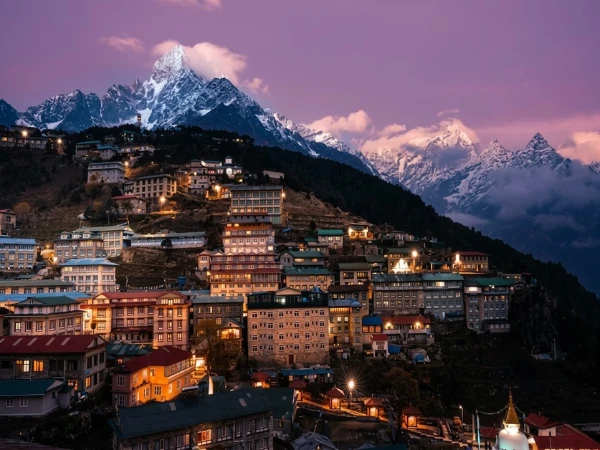
Where is the best teahouse to stay in Phakding?
The walk from Lukla to Phakding is only 3 to 4 hours, mostly downhill through pine forest. Phakding sits along the Dudh Koshi river, and the teahouses here are spacious with large garden areas.
What to expect: Clean rooms, attached or shared bathrooms, hot showers, decent food. Several lodges have river-view dining rooms where you can hear the water while eating. The altitude is low enough that sleep comes easily.
Guide tip: Do not overeat on the first night. Your stomach needs time to adjust to teahouse food, and an upset stomach on day two makes the climb to Namche miserable.
Where should you stay in Namche Bazaar for acclimatisation?
Namche is the largest settlement on the trail and feels like a proper town. Bakeries, gear shops, a Saturday market, and teahouses ranging from basic to borderline boutique. You spend two nights here for acclimatisation, so choosing the right lodge matters.
What to expect: The best teahouses in Namche have heated dining rooms, hot showers, Western toilets, Wi-Fi, and charging stations. Some even have espresso machines. Room quality varies wildly, the cheaper places on the outskirts are noticeably colder and darker than the centrally located lodges.
Guide tip: On your acclimatisation day, hike up to the Everest View Hotel (3,880m) for your first proper view of Everest. Come back down to Namche to sleep, this "climb high, sleep low" approach is key to adjusting. Many trekkers visit the Sherpa Culture Museum too.
Where should you stay in Tengboche on the EBC trek?
Tengboche is home to the largest monastery in the Khumbu region, and the teahouses here have some of the best mountain views on the entire trek. On a clear morning, you can see Everest, Lhotse, Ama Dablam, and Thamserku from the dining room window.
What to expect: Rooms are simpler than Namche but still comfortable. Hot showers available. The monastery holds afternoon prayer ceremonies that are worth attending, the chanting echoes off the mountains and it is one of those moments that makes the whole trek worthwhile.
Guide tip: Tengboche can be bitterly cold after sunset. The dining room stove is the warmest spot in town. Bring your sleeping bag liner and wear all your layers to bed.
What are teahouses like in Dingboche on the EBC trek?
Dingboche is the second acclimatisation stop. The town sits in a wide valley with Ama Dablam towering above, and this is where most trekkers first feel the altitude, slight headaches, disrupted sleep, and reduced appetite are normal here.
What to expect: Rooms are smaller and colder than lower elevations. Walls are thin. Hot showers cost 500 to 800 rupees and the water is lukewarm at best. Electricity is solar-powered and unreliable. But the views from the dining room are extraordinary.
Guide tip: On your acclimatisation day, hike up Nangkartshang Peak (5,083m) for a panoramic view of the valley. It is steep but the view of Makalu, Lhotse, and Island Peak is the best acclimatisation hike on the whole trek. Come back down to Dingboche to sleep.
What are teahouses like in Lobuche at high altitude?
Lobuche is a small cluster of lodges along the lateral moraine of the Khumbu Glacier. The terrain changes dramatically here, green valleys give way to grey rock and ice. This is where the trek starts feeling serious.
What to expect: Basic rooms, shared toilets (often outside), minimal heating. The dining room is the only warm space and it gets crowded in peak season. Food is simpler, dal bhat, noodle soup, and pancakes are the safest choices. Avoid meat dishes above 4,500m as refrigeration is unreliable.
Guide tip: Sleep is difficult at this altitude. Prop yourself up on your daypack to breathe easier. Avoid sleeping pills, they suppress breathing, which is the opposite of what you need when oxygen is already thin.
What are teahouses like at Gorak Shep before base camp?
Gorak Shep is the final settlement before base camp. It is a sand flat surrounded by glacial moraine, and the lodges here are the most basic on the trek. But you are sleeping higher than any permanent settlement in Europe, and tomorrow you walk to Everest Base Camp. The excitement tends to override the discomfort.
What to expect: Dormitory or shared rooms. No showers. Squat toilets that freeze overnight. The dining room doubles as everything, eating, socialising, warming up, and (for some trekkers) sleeping because it is warmer than the rooms. Meals are expensive: a simple plate of fried rice can cost $10 to $12.
Guide tip: Most groups visit base camp in the afternoon and climb Kala Patthar (5,545m) the next morning for sunrise. Kala Patthar gives you the classic Everest view that base camp itself does not: from base camp, Everest is hidden behind the Khumbu Icefall. Set your alarm for 4:30am. It is worth it.
Which Teahouses Should You Avoid?
We will not name specific lodges, but here are the warning signs our guides watch for:
Damp rooms: If the walls are wet or the mattress smells musty, ask for a different room or a different lodge. Sleeping in damp conditions at altitude invites respiratory problems.
No stove in the dining room: Above 4,000m, a heated dining room is not a luxury; it is essential. If the lodge is not willing to light the stove, they are cutting costs in the wrong place.
Kitchen hygiene: Peek into the kitchen if you can. If it looks dirty, eat something simple that requires boiling (noodle soup, boiled eggs) rather than anything that could be undercooked.
This is one of the genuine advantages of trekking with a company that knows the route. Our guides have relationships with teahouse owners built over years. They know which lodges maintain their standards and which ones have declined. Independent trekkers do not have this information.
How Do You Book the Best Teahouses?
During peak season (October and March to May), the best teahouses are booked weeks in advance by trekking companies. If you are walking independently, you may find the best places full by midday. Starting early helps, but a guide with pre-booked rooms is the most reliable solution.
All our EBC trek packages include accommodation at our preferred teahouses along the route. Our guides call ahead each morning to confirm bookings, and if plans change due to weather or group pace, they rearrange on the spot.
Have questions about teahouse quality or want help choosing the right EBC package? Message us on WhatsApp: we are happy to share photos and details of the specific lodges on your route.
Best EBC teahouses: handpicked in our Standard tier. Our Everest Base Camp Trek (12 Days) is private (your group only, no strangers), 2027 dates open, From USD $1399. WhatsApp us for tailored 2027 dates and current departures.
Planning a trip to Nepal?
Drop us your details and tell us what you have in mind. We will put together a personalised plan and get back to you.
Not sure which Nepal trek is right for you?
Take our free 2-minute quiz and get personalised recommendations based on your fitness, experience, and travel style.
Find Your Perfect Trek →Need Help? Call Us+977 9810351300orChat with us on WhatsApp
Latest Travel Blogs
Trekking in Nepal in September 2027: Weather, Best Treks and Departures
Plan a September 2027 trek in Nepal: monsoon-tail weather, why Upper Mustang works, which treks to avoid and our departures on 6, 13, 20 and 27 September.
Read More
Trekking in Nepal in March 2027: Weather, Best Treks and Departures
Plan a March 2027 trek in Nepal: weather figures, the treks that suit the month, crowds, festivals and our departures on 8, 15, 22 and 29 March.
Read More
Trekking in Nepal in April 2027: Weather, Best Treks and Departures
Plan an April 2027 trek in Nepal: weather figures, the treks that suit the month, crowds, the Manthali flights and our departures on 5, 12, 19 and 26 April.
Read More Chat with Shreejan