

Written by Shreejan Simkhada, CEO of The Everest Holiday and third-generation Himalayan guide. TAAN Member #1586.
Nepal has quietly become one of the best places in the world to do your 200-hour yoga teacher training. The combination of low cost, spiritual atmosphere, Himalayan backdrop, and Yoga Alliance-registered schools makes it hard to beat, especially compared to the prices you will pay for the same certification in Bali, India, or Costa Rica.
I get asked about yoga retreats and YTT courses regularly because many of our trekking clients want to combine a trek with a yoga programme. Some want to do a YTT before their trek as physical and mental preparation. Others want to do it afterwards as a way to decompress. Either way, the first question is always the same: how much does it actually cost?
How Much Does a 200-Hour YTT Cost in Nepal?
A 200-hour yoga teacher training in Nepal costs between 1,100 and 2,500 USD for the course fee, which typically includes tuition, accommodation, three vegetarian meals per day, course materials, and Yoga Alliance certification. Add flights, visa, insurance, and personal spending, and the total trip cost ranges from 1,800 to 4,000 USD depending on where you fly from and how long you stay.
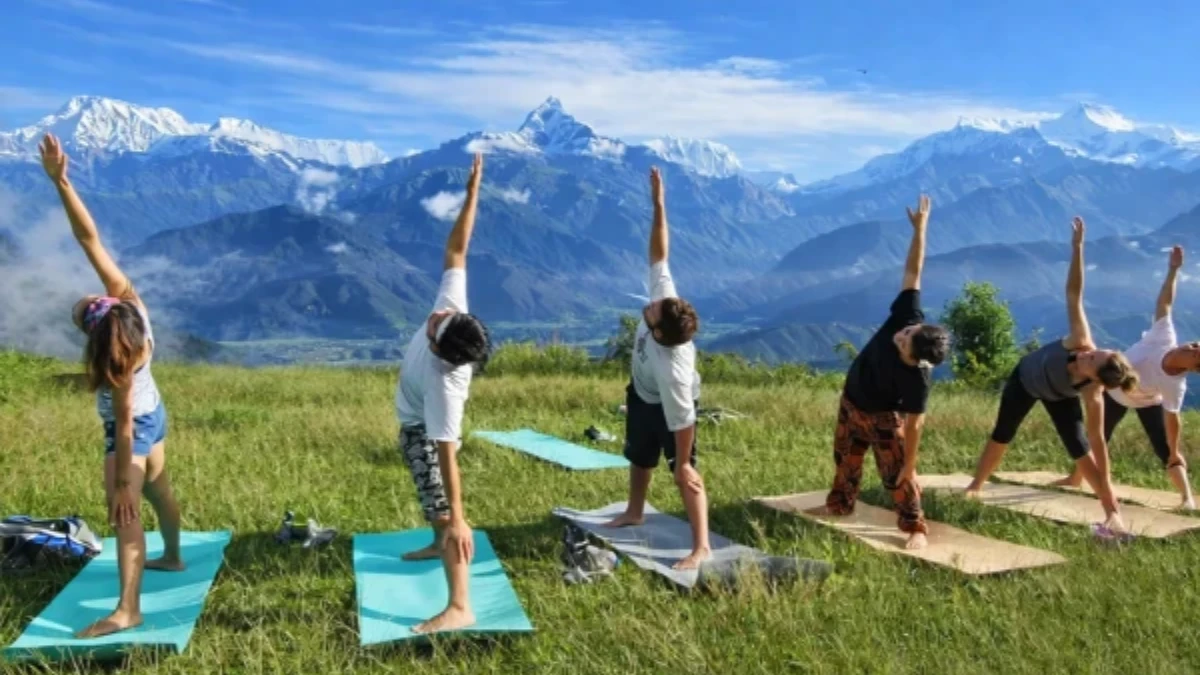
That is roughly 40 to 60 percent cheaper than equivalent programmes in Bali (2,500 to 5,000 USD for the course alone) and comparable to Rishikesh, India, but with smaller class sizes and a quieter, less commercialised setting.
What Is Included in a Nepal YTT Course Fee?
Most Yoga Alliance-registered schools in Nepal offer 200-hour YTT programmes lasting 20 to 24 days. Pricing varies by location, accommodation type, and school reputation:
Budget (shared/triple room): 1,100 to 1,300 USD. You share a room with one or two other students. Meals are vegetarian and communal. Facilities are basic but clean. This is the most popular option for solo travellers on a budget.
Mid-range (shared twin room): 1,300 to 1,700 USD. You share with one roommate. Rooms typically have attached bathroom, hot water, and WiFi. Meals may include more variety and occasional fruit or snack options between classes.
Premium (private room): 1,700 to 2,500 USD. Your own room with attached bathroom, hot shower, and sometimes a balcony with mountain views. Some premium programmes include additional workshops, excursions, or spa treatments.
What the Course Fee Includes
- 200 hours of instruction (asana, pranayama, meditation, anatomy, philosophy, teaching methodology)
- Accommodation for 20 to 24 nights
- Three vegetarian meals per day (some schools offer vegan options)
- Course materials (manuals, textbooks)
- Yoga Alliance RYT-200 certification upon completion
- Use of yoga props (mats, blocks, straps, bolsters)
- Tea and filtered water throughout the day
What the Course Fee Does Not Include
- International flights to Kathmandu
- Nepal visa (30 to 125 USD)
- Travel insurance
- Transport from Kathmandu to Pokhara (if the school is in Pokhara)
- Personal expenses (laundry, excursions, shopping)
- Yoga Alliance annual registration fee (75 USD after certification)
- Additional workshops or advanced modules
Is Pokhara or Kathmandu better for yoga teacher training?
Most YTT programmes in Nepal are based in one of two cities. The choice affects your experience significantly:
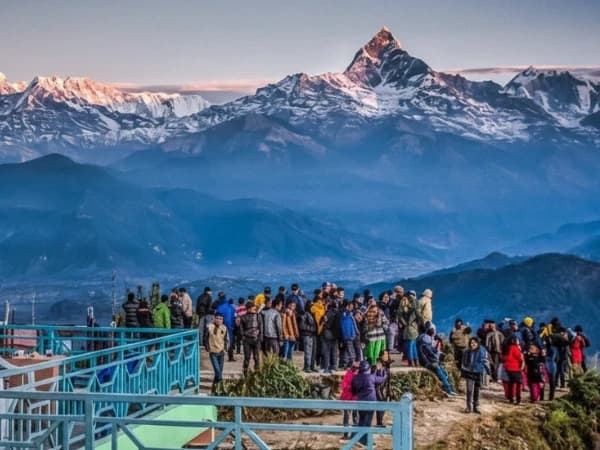
Pokhara is where the majority of yoga schools are located, and for good reason. The city sits at 800 metres beside Phewa Lake with a direct view of the Annapurna range. The pace is slow, the air is clean (compared to Kathmandu), and the lakeside area has a relaxed traveller atmosphere with cafes, bookshops, and easy access to nature walks. Most students find Pokhara more conducive to the introspective work that YTT demands. Pokhara also offers adventure activities on rest days: paragliding, boating, or short hikes.
Kathmandu has fewer YTT schools but offers a different energy. The city is chaotic, spiritual, and culturally dense. You can walk from your yoga school to Boudhanath Stupa, Pashupatinath Temple, or Kathmandu Durbar Square in the same afternoon. If you want to combine yoga with deep cultural immersion, Kathmandu works. If you want calm and concentration, choose Pokhara.
Transport between the two cities costs 12 to 22 USD by tourist bus or 120 to 180 USD by domestic flight. See our Kathmandu to Pokhara guide for details.
How do I choose a yoga teacher training school in Nepal?
Nepal has dozens of schools offering 200-hour YTT. Not all are equal. Here is what to look for:
- Yoga Alliance registration (RYS 200). This is non-negotiable if you want an internationally recognised certification. Check the school's status on the Yoga Alliance website before booking. An unregistered school's certificate has no value outside Nepal.
- Class size. Smaller is better for teacher training. Look for schools that cap at 15 to 20 students per batch. Some popular schools run batches of 30 or more, which reduces individual attention during teaching practicum.
- Teacher credentials. Check the lead teacher's background. How many years of teaching experience? What style do they specialise in? Are they Indian, Nepali, or international? This matters for the depth and authenticity of instruction.
- Reviews. Read Google and BookRetreats reviews carefully. Look for specific feedback about teaching quality, accommodation, and food, not just generic praise.
- Curriculum balance. A good 200-hour YTT balances physical practise (asana), breathwork (pranayama), meditation, anatomy, philosophy, and teaching methodology. If a school's marketing focuses only on beautiful photos and "transformation," ask for the detailed curriculum before booking.
What does a typical day of yoga teacher training look like?
A typical YTT day in Nepal looks like this:
- 5:30 or 6:00: Wake up
- 6:30-8:00: Morning practise (pranayama, meditation, mantra chanting)
- 8:00-9:00: Breakfast
- 9:00-12:00: Asana practise and alignment workshop
- 12:00-13:00: Lunch
- 13:00-14:30: Rest, self-study, or free time
- 14:30-16:00: Anatomy, philosophy, or teaching methodology lecture
- 16:00-17:30: Afternoon asana or teaching practicum
- 18:00-19:00: Dinner
- 19:30-20:30: Evening meditation or self-study
It is intense. You are in class or practise for eight to ten hours per day, six days per week, for three weeks. One rest day per week (usually Saturday) gives you time to explore, do laundry, or simply sleep. This is not a holiday with some yoga. It is a professional certification programme.
Is Nepal Cheaper Than India or Bali for Yoga Training?
| Nepal (Pokhara) | India (Rishikesh) | Bali | |
|---|---|---|---|
| Course fee (shared room) | 1,100-1,500 USD | 1,000-1,800 USD | 2,500-4,500 USD |
| Duration | 21-24 days | 25-28 days | 21-28 days |
| Visa cost | 50 USD (30 days) | 25-80 USD (e-visa) | Free (30 days) |
| Daily food outside school | 5-10 USD | 3-8 USD | 10-20 USD |
| Class sizes | 8-20 | 15-40 | 10-25 |
| Setting | Mountain lake, quiet | River town, spiritual | Tropical, tourist |
| Total trip cost (from UK) | 2,200-3,500 USD | 1,800-3,200 USD | 3,800-6,500 USD |
Nepal sits in a sweet spot: cheaper than Bali, comparable to India, but with smaller class sizes and a less commercialised yoga scene. Rishikesh has more schools but also more competition for attention. Bali is beautiful but expensive. Nepal is the choice for people who want quality training without the premium price tag.
For a more detailed comparison, read our Nepal yoga retreat guide.
Can I combine yoga teacher training with trekking in Nepal?
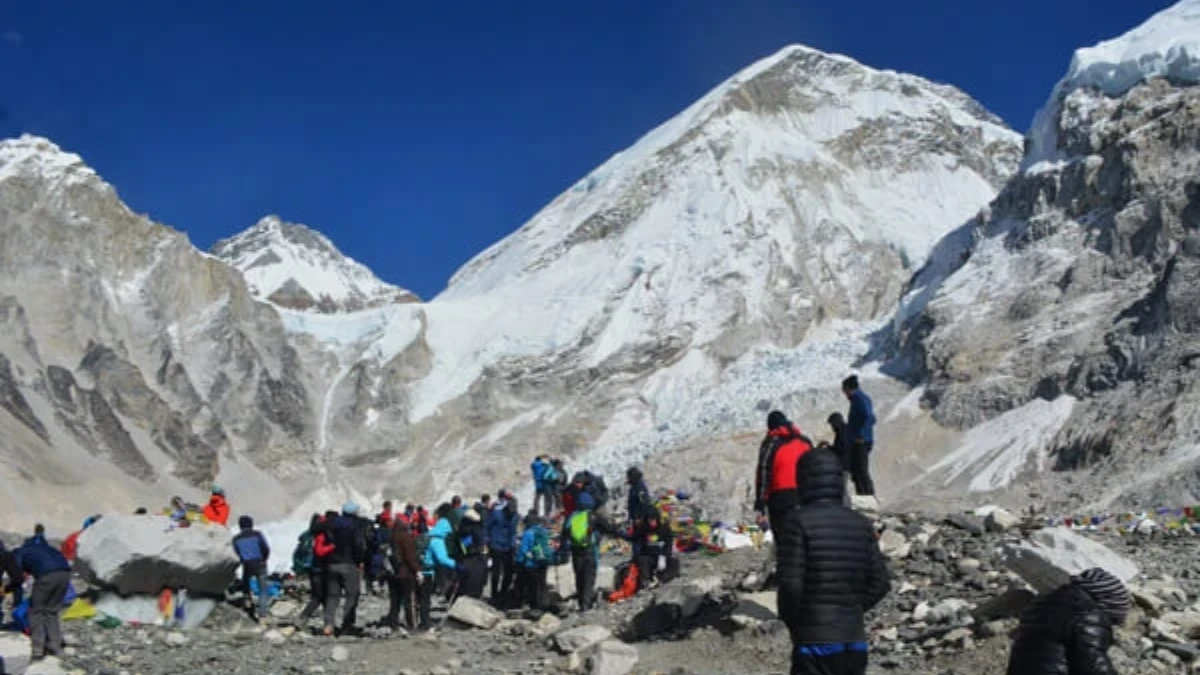
This is where Nepal has a unique advantage over every other YTT destination. You can complete your teacher training and then immediately trek to Annapurna Base Camp, Poon Hill, or the Langtang Valley. No other country offers world-class yoga certification and world-class Himalayan trekking in the same trip.
Popular combinations:
- YTT + Poon Hill trek (4 days): The easiest add-on. Four days of gentle trekking from Pokhara with sunrise views of the Annapurna and Dhaulagiri ranges. Perfect after three weeks of intensive yoga.
- YTT + Annapurna Base Camp trek (9 days): A more substantial trek that takes you into the heart of the Annapurna Sanctuary. Your body will be strong and flexible from three weeks of daily practice.
- YTT + Langtang Valley trek (8 days): A quieter alternative from Kathmandu. Eight days through Nepal's most underrated mountain valley.
We can arrange trekking packages to start the day after your YTT finishes. Many of our clients do exactly this.
What is the total cost of a yoga teacher training trip to Nepal?
Budget Student from the UK (shared room, Pokhara)
| Return flights UK to Kathmandu | 650 USD |
| Nepal visa (30 days) | 50 USD |
| Travel insurance (30 days) | 80 USD |
| Tourist bus Kathmandu to Pokhara return | 30 USD |
| 200-hour YTT course (shared room) | 1,200 USD |
| Personal spending (3 weeks at 8 USD/day) | 170 USD |
| Kathmandu accommodation (2 nights at 15 USD) | 30 USD |
| Yoga Alliance registration fee | 75 USD |
| Total | 2,285 USD |
Premium Student from Australia (private room + Poon Hill trek)
| Return flights Australia to Kathmandu | 750 USD |
| Nepal visa (30 days) | 50 USD |
| Travel insurance (45 days, trek cover) | 150 USD |
| Domestic flight Kathmandu to Pokhara return | 300 USD |
| 200-hour YTT course (private room) | 2,000 USD |
| Poon Hill trek Standard package | 425 USD |
| Personal spending (5 weeks at 12 USD/day) | 420 USD |
| Kathmandu accommodation (3 nights at 40 USD) | 120 USD |
| Tips for trek guide and porter | 80 USD |
| Yoga Alliance registration | 75 USD |
| Total | 4,370 USD |
What are the hidden costs of yoga teacher training in Nepal?
The course fee covers most of your essential costs, but there are extras that add up if you are not prepared:
- Yoga Alliance registration: 75 USD annual fee to maintain your RYT-200 status after certification. Many students do not realise this is separate from the school fee.
- Books and additional materials: Some schools recommend specific anatomy or philosophy textbooks not included in the course materials. Budget 20 to 40 USD.
- Laundry: Most schools do not include laundry. Pokhara laundry services charge 100 to 200 NPR per kilogram (roughly 0.70 to 1.30 USD). Over three weeks of daily practice, you will generate a lot of sweaty clothing. Budget 15 to 25 USD total.
- Rest day activities: Paragliding in Pokhara costs 70 to 100 USD. A boat ride on Phewa Lake is 5 to 10 USD. Paragliding is the most popular rest day activity among YTT students.
- Massage and bodywork: After three weeks of intensive daily practice, many students book massages in Pokhara's lakeside area. Budget 15 to 25 USD per session.
- Tips for school staff: Not mandatory but appreciated. Many students leave 20 to 50 USD collectively for the kitchen and housekeeping staff who supported their training.
- Additional nights: If your flight home departs from Kathmandu and your YTT ends in Pokhara, you need transport back (12 to 180 USD depending on bus or flight) plus at least one night in Kathmandu (15 to 50 USD).
Total hidden costs: roughly 100 to 300 USD depending on your choices. Not deal-breaking, but worth factoring into your budget upfront.
What can you do after a 200-hour yoga certification?
You leave Nepal with a 200-hour yoga teacher training certificate from a Yoga Alliance-registered school. To use it professionally:
- Register with Yoga Alliance as an RYT-200 (75 USD annual fee)
- Start teaching immediately at any yoga studio, gym, or retreat centre that requires Yoga Alliance certification
- Continue your education with a 300-hour advanced training if you want the full 500-hour RYT-500 qualification
- Build teaching experience, ideally 100 to 200 hours in the first year
Many graduates return to Nepal for their 300-hour training, combining it with another trek. Some stay in Nepal and teach at the school where they trained, exchanging teaching hours for room and board while building their portfolio.
When is the best time for yoga teacher training in Nepal?
Most schools run monthly batches year-round, but the best months for YTT in Nepal are:
- September to November: Post-monsoon. Clear skies, comfortable temperatures in Pokhara (20-28 Celsius), ideal for combining with an autumn trek.
- February to May: Spring. Warming weather, rhododendron blooms if you trek afterwards, longer daylight hours.
Avoid June to August (monsoon: heavy rain, humid, leeches on any treks) and December to January (cold mornings, some schools reduce heating to save costs, early yoga sessions can be uncomfortable). See our best time to visit Nepal guide for seasonal details.
Common Questions About Yoga Teacher Training in Nepal
Do I need to be experienced in yoga to do a 200-hour YTT?
Most schools recommend at least six months to one year of regular yoga practise before starting a YTT. You do not need to be advanced, but you should be comfortable with basic asanas (sun salutations, standing poses, seated poses) and have some familiarity with breathwork and meditation. A complete beginner would struggle with the intensity and pace.
Will my certification be recognised internationally?
Yes, if the school is registered with Yoga Alliance (RYS 200). Upon completion, you register as an RYT-200 (Registered Yoga Teacher) with Yoga Alliance, which is recognised worldwide. The annual registration fee is 75 USD paid directly to Yoga Alliance.
Is Nepal safe for solo female travellers doing YTT?
Yes. Nepal is one of the safest countries in Asia for solo female travellers. Pokhara in particular is relaxed, walkable, and has a large community of international yoga students and travellers. Most YTT batches have a majority of female students. Read our solo female travel guide for more context.
Can I get a longer visa if my YTT plus trek exceeds 30 days?
Yes. Nepal offers 15, 30, and 90-day tourist visas, with fees published by Nepal's Department of Immigration. A 90-day visa costs 125 USD and gives you plenty of time for a three-week YTT plus a two-week trek. You can also extend your visa at the Department of Immigration in Kathmandu or Pokhara.
Is the food good at yoga schools?
Generally yes. Most schools serve fresh, vegetarian Nepali and international food: dal bhat, vegetable curries, salads, fruit, porridge, and bread. Vegan and gluten-free options are increasingly available. The food is part of the practice: clean, simple, nourishing. If you have specific dietary needs, check with the school before booking.
Can I work as a yoga teacher in Nepal after completing YTT?
Not on a tourist visa. To work in Nepal, you need a work permit. However, many graduates use their Nepal YTT certification to teach anywhere in the world. The RYT-200 qualification is the global entry-level standard for professional yoga instruction.
Why do yoga teacher training in Nepal?
Nepal is the birthplace of the Buddha and a living centre of Hindu and Buddhist spiritual practice. The country's connection to meditation and mindfulness is not a marketing angle; it is woven into daily life. Temple bells ring at dawn. Prayer flags flutter in mountain wind. Monks chant in monasteries that have operated for centuries. Training here adds a dimension that studio-based programmes in Western countries simply cannot replicate.
If you are ready to combine your YTT with a Himalayan trek, we can arrange everything from the moment you arrive in Kathmandu. We work with trusted yoga schools in Pokhara and connect your training dates directly with our trek departures.
WhatsApp us at +977 9810351300 or email [email protected] to plan your yoga and trekking trip.
Read our full Nepal yoga and meditation retreat guide | View Annapurna Base Camp trek packages
If you'd rather move daily than sit in a shala for the full duration, our yoga trekking Nepal guide covers the routes that combine altitude practice with mountain time.
Yoga TT pairs with our Kathmandu Pokhara Yoga Tour. Our Kathmandu Pokhara Yoga Tour (8 Days) is private (your group only, no strangers), 2026 dates open, From USD $1049. WhatsApp us for tailored 2026 dates and current departures.
 Chat with Shreejan