
How much does paragliding in Pokhara cost? USD 105 per person for about 30 minutes with us, GoPro and pick-up included, and USD 145 for cross-country. Rates compared, safety and best months.
Govt Regd. No.: 147653/072/073
Travel Agency Licence: 2838/072
Paragliding in Pokhara: Everything You Need to Know Before You Fly

Short answer: Tandem paragliding in Pokhara costs USD 105 per person with us for a flight of about 30 minutes from Sarangkot. That includes hotel pick-up and drop-off, the pilot, insurance, taxes, and GoPro photos and video. A longer cross-country flight of 45 to 60 minutes is USD 145. Operators in Pokhara publish about NPR 8,500 (roughly USD 60 at NPR 140 to the dollar, approximate) for a standard flight on their own price lists, so check what is in the price before you compare. See the Paragliding in Pokhara, 1 Day page.
Updated 20 Oct 2026.
Paragliding in Pokhara: Everything You Need to Know Before You Fly
Thirty seconds. That's how long it takes from running down the grassy slope at Sarangkot to being airborne, your feet dangling 1,500 metres above Phewa Lake with the entire Annapurna range filling the sky in front of you. Most people have the same reaction at launch: a scream that starts as fear and becomes joy before they've climbed fifty metres.
Paragliding in Pokhara isn't an adventure sport in the extreme sense. It's a 30-minute flight strapped to a certified tandem pilot who does all the work while you sit in a harness and try to remember to breathe. No training required. No experience necessary. You don't even need to be particularly brave. You just need to be in Pokhara, which, if you're trekking in the Annapurna region, you almost certainly will be.
I'm not a paragliding pilot. I'm a trekking guide, and guests often ask me about flying from Sarangkot. This guide covers everything: the trip, the operators, the costs, the safety record, and the honest answer to the question everyone asks but nobody wants to voice out loud: is it actually safe?
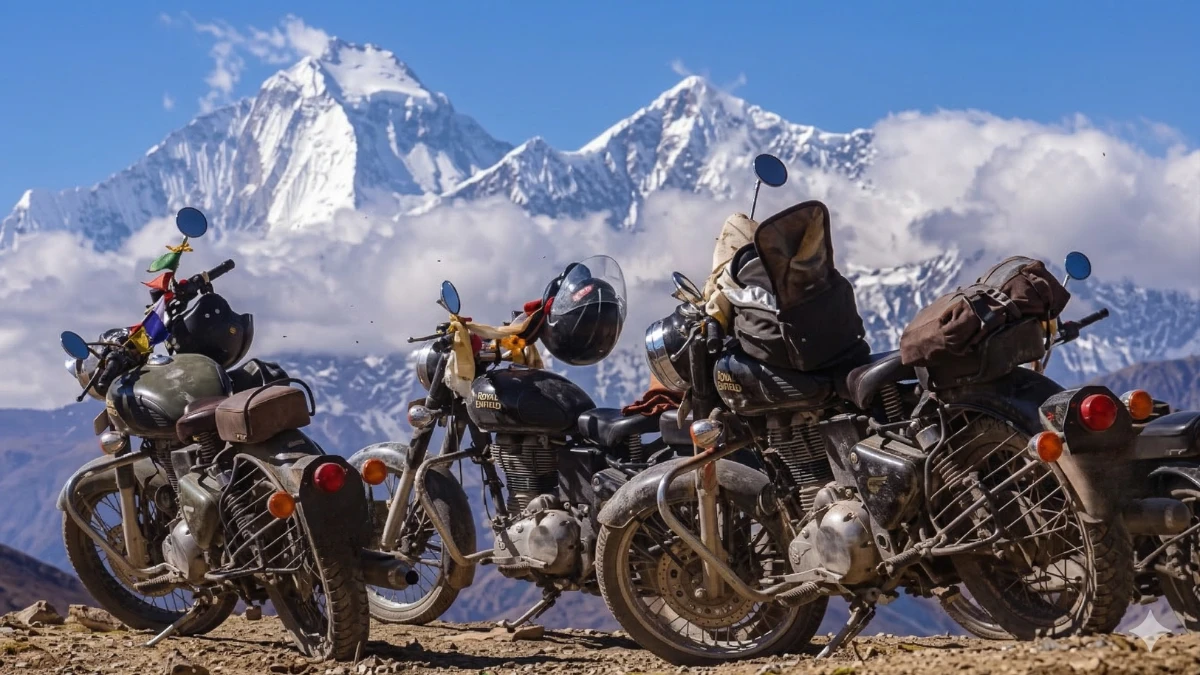
Pokhara paragliding quick facts
| Detail | What to know |
|---|---|
| Price | USD 105 per person with us for about 30 minutes, GoPro included. Cross-country upgrade (45 to 60 minutes) is USD 145. Prices on operator lists are in rupees and are usually lower for the flight alone, and photos can be extra. |
| Flight time | 20 to 45 minutes, depending on the operator and the thermals. |
| Launch and landing | Take-off at Sarangkot, 1,592 m. You land beside Phewa Lake in Lakeside at about 827 m, a drop of roughly 765 m. |
| Pick-up | From your Lakeside hotel. The drive up to Sarangkot takes about 30 minutes. |
| Best months | September to November and March to May. Late morning, when the thermals have settled, is the best time of day. |
| Weight limit | About 100 kg on most operators. Ask before you book. |
| Your pilot | Certified tandem pilots only. Ask to see the licence. |
If you would like the flight arranged for you, our Paragliding in Pokhara, 1 Day uses pilots with APPI tandem certification and includes the pick-up and drive to Sarangkot. The price is USD 105 per person. If you also want the dawn view, add our Sarangkot Sunrise and Pokhara Tour. Pay in USD or EUR. Rescheduling is free on 72 hours notice. The 10% deposit itself is not refunded if you cancel.
What is paragliding in Pokhara actually like?
The Launch: Sarangkot
Most flights launch from Sarangkot, a ridge at 1,592 metres on the northwestern edge of the Pokhara Valley. You'll be driven up from Lakeside in about 30 minutes. At the launch site, your pilot will strap you into a harness, attach you to the glider, and give you one instruction: "When I say run, run downhill and don't stop until your feet leave the ground."
The takeoff is the only moment that requires your active participation. Three to five steps downhill, the wing fills with air, and you're flying. It happens so fast that most people are airborne before they've had time to be scared.
The Flight
Standard tandem flights last 25-30 minutes. During this time, your pilot will catch thermal updrafts to gain altitude, sometimes climbing 500-800 metres above the launch point. The Pokhara Valley opens up below you: Phewa Lake a shimmering blue-green mirror, Pokhara city a grid of white buildings in the valley floor, and the Himalayas stretching across the northern sky from Dhaulagiri to Machhapuchhre.
The view is unlike anything else in Nepal. Not because the mountains are closer, they're actually about the same distance as from Sarangkot viewpoint. But because there's nothing between you and them. No window, no railing, no ground. Just air. It changes your relationship with the landscape in a way that's hard to describe and impossible to forget.
The Landing
Your pilot guides the glider to a designated landing field near Phewa Lake. The landing is gentle, a few running steps and you're on the ground. Some pilots offer a "splash landing" where you skim the surface of the lake with your feet. It's fun, but optional.
How much does paragliding in Pokhara cost?
Our price is USD 105 per person for a tandem flight of about 30 minutes, and USD 145 if you upgrade to a cross-country flight of 45 to 60 minutes. Both are paid in USD or EUR. We do not take Nepali rupees from foreign clients. The rupee figures below are what Pokhara operators publish on their own sites and price lists, and the dollar conversions are approximate, at about NPR 140 to the dollar.
| Flight | Duration | Price | What is in it |
|---|---|---|---|
| The Everest Holiday tandem flight | About 30 minutes | USD 105 per person | Hotel pick-up and drop-off, pilot, insurance, taxes including VAT, GoPro photos and video |
| The Everest Holiday cross-country upgrade | 45 to 60 minutes | USD 145 per person (105 + 40 upgrade) | Same inclusions, longer flight |
| Operator list price, standard flight | 20 to 30 minutes | NPR 8,500 (about USD 60, approximate) | Varies by operator. Some include the photos and video, some charge for them |
| Operator list price, cross-country | 40 to 60 minutes | NPR 12,250 to 13,000 (about USD 88 to 93, approximate) | Varies by operator |
Sources: published price lists of two Pokhara operators, read on 16 October 2026. Our price is higher than an operator's own list price because we arrange the booking and look after you on the day. It is the same whether you fly alone or in a group.
Check one thing when you compare: whether the video and photos are in the price. At some operators the GoPro package is an extra of about NPR 2,000 per person, so a cheaper-looking flight can end up costing the same.
Some operators include the GoPro video and photos and some charge extra, so ask before you book. Ours are included.
Our price covers the transport between your hotel and Sarangkot, all equipment, the tandem pilot, and insurance. You do not need to buy or bring anything except comfortable clothes and closed-toe shoes.
Flying while you are in Pokhara? Our Paragliding in Pokhara (1 Day) is USD 105 per person, private (your group only, no strangers), with 2027 dates open. WhatsApp us for your date.
Is paragliding in Pokhara safe?
This is the section most blogs gloss over. I won't.
Paragliding in Pokhara has an excellent safety record. The valley's geography creates consistent, predictable thermal patterns that make it one of the best paragliding locations in the world. Pilots fly here year-round, accumulating thousands of flight hours. The Civil Aviation Authority of Nepal (CAAN) regulates tandem paragliding, and operators must maintain certified equipment and employ licensed pilots.
That said, incidents do happen. Between 2010 and 2024, there have been a small number of serious accidents in Pokhara, including a few fatalities. In every investigated case, the cause was either an unlicensed operator, equipment failure from a budget company, or flying in conditions that should have grounded all flights (high wind, thunderstorms).
The safety rules are straightforward:
- Book with licensed operators only. Ask to see the CAAN licence. Legitimate companies display it proudly.
- Check your pilot's certification. They should have a tandem paragliding licence with logged flight hours.
- Inspect equipment visually. The glider and harness should look well-maintained, not frayed or patched.
- Refuse to fly in bad weather. If the wind is strong or the sky looks stormy, a good operator will cancel. A bad one will pressure you to fly.
- Don't choose by price alone. The cheapest operator is cheap for a reason. Equipment maintenance costs money.
When Is the Best Time to Paraglide in Pokhara?
| Season | Conditions | Flying Quality | Recommendation |
|---|---|---|---|
| October-November | Clear skies, moderate thermals | Excellent, best visibility | Peak season, book 1-2 days ahead |
| December-February | Cool, clear, weaker thermals | Good, shorter flights possible | Less crowded, still excellent views |
| March-April | Warming, stronger thermals | Very good, longer flights | Great for extended flights |
| May-June | Hot, strong thermals, pre-monsoon storms | Variable, cancelled days increase | Book flexible dates |
| July-September | Monsoon, rain, low cloud, poor visibility | Poor, many cancellations | Not recommended |
Within any given day, the best flying window is 9 a.m. to 1 p.m. Morning thermals build steadily, giving pilots the lift they need for extended flights. By afternoon, conditions can become turbulent or cloud cover may reduce visibility. Book a morning slot if possible.
Who Can Paraglide?
Almost everyone. The physical requirements are minimal:
- Weight: Most operators accept passengers between 30-100 kg. Heavier passengers may require a larger glider.
- Age: No legal minimum in Nepal. Most operators accept children aged 5 and above with parental consent. Upper age limit is your own fitness.
- Fitness: You need to be able to run 5-10 steps downhill for takeoff. That's it.
- Health: Heart conditions, severe vertigo, and recent back surgery are contraindications. Mild fear of heights is not; most people find that paragliding feels different from standing on a high ledge.
- Pregnancy: Not recommended.
The activity is open to a very wide range of people, though operators set their own age and weight limits, so ask before you book.
Can I combine Pokhara paragliding with a trek?
Here's where it gets interesting for our clients. Pokhara is the gateway to the Annapurna region, and most trekkers pass through before or after their trek. Adding a paragliding flight to your itinerary is logistically simple, one morning is all it takes.
Pre-trek paragliding: Fly over the mountains you're about to walk through. You'll see the Annapurna massif from above, identify passes and valleys, and build excitement for the days ahead. Works brilliantly before the Annapurna Circuit, Annapurna Base Camp, Mardi Himal, or Ghorepani Poon Hill treks.
Post-trek paragliding: After a week or more on the trail, floating above the landscape you just walked through feels surreal. The familiar peaks: Machhapuchhre, Annapurna South, Hiunchuli, now seen from the air rather than from a ridge trail. It's a perfect bookend to any Annapurna trek.
For those on our Kathmandu-Pokhara-Chitwan-Lumbini tour, paragliding fits into the Pokhara rest day. You fly in the morning and explore Phewa Lake or the Peace Pagoda in the afternoon.
Our Poon Hill Yoga trek and Kathmandu-Pokhara Yoga tour clients often add paragliding as a counterpoint to the meditative pace of yoga. After days of inward focus, the outward explosion of a paragliding flight creates a memorable contrast.
What Do First-Time Paragliders Need to Know?
What to Wear
- Comfortable clothing you can run in (no skirts, sarongs, or flip-flops)
- Closed-toe shoes: trainers or hiking boots are perfect
- Sunglasses (essential, the glare is intense at altitude)
- Light jacket (it's cooler 800 metres above the valley)
- Secure anything in your pockets: phones and wallets can slip out
Camera and Phone
Your pilot will carry a GoPro on a selfie stick, filming the entire flight. This footage is included in most packages. Your personal phone? Keep it zipped in a pocket or don't bring it at all. Phones do get dropped into Phewa Lake from 1,000 metres.
If you want your own footage, use a wrist-mounted GoPro or a phone with a secure lanyard. The pilot can sometimes hold your phone for photos, but this varies by operator and conditions.
Motion Sickness
About 5-10% of passengers feel nauseous during the flight, especially during thermal spirals where the pilot circles to gain altitude. If you're prone to motion sickness, take medication 30 minutes before the flight. Also tell your pilot, they can fly a straighter, gentler path that reduces the spinning.
Acrobatics
Some pilots offer aerobatic manoeuvres, wingover turns, spirals, and "big ears" (partial collapse of the wing edges for rapid descent). These are optional and your pilot will ask before performing them. If you want a calm, scenic flight, say so. If you want the adrenaline version, say that too. Both are safe with a qualified pilot.
Pokhara's Paragliding Culture
Pokhara isn't just a place where tourists paraglide. It's one of the world's genuine paragliding centres, hosting international competitions and attracting professional pilots from across the globe. The annual Pokhara Paragliding Festival draws competitors from 30+ countries, and cross-country flights from Sarangkot regularly cover 100+ kilometres.
This matters for tandem passengers because it means the pilot pool is deep. Pokhara's tandem pilots aren't seasonal workers, they're career paragliders with thousands of hours in this specific valley. They know every thermal, every wind pattern, every quirk of the Pokhara microclimate. That trip is your safety net.
What If the Weather Cancels My Flight?
It happens. Monsoon season (June-September) sees frequent cancellations. Even in peak season, the occasional cloudy or windy morning can ground flights. Reputable operators handle cancellations professionally:
- A reschedule to the next available day
- The decision is made at the launch site, not the office
- With us, if weather means no flight is possible at all, we refund what you paid less bank charges and any money already spent
- If conditions deteriorate after you arrive at Sarangkot, you wait (usually 30-60 minutes) and fly if it clears, or return to Lakeside and fly another morning
Build flexibility into your schedule. If paragliding is a priority, allocate two possible mornings in Pokhara so weather cancellation doesn't become a missed opportunity.
What other adventure activities can you do in Pokhara?
Pokhara is Nepal's adventure capital. If paragliding whets your appetite:
- Ultralight flights: Open-cockpit powered aircraft flights along the Annapurna range. Our Pokhara Ultralight Flight is USD 150 for 15 minutes, USD 220 for 30 minutes and USD 330 for 60 minutes, per person.
- Zip lining: One of the world's longest and steepest zip lines operates near Sarangkot.
- Bungee jumping: A tower bungee of about 80 m operates in Pokhara. See our Bungee Jumping in Pokhara day, USD 90 per person, for age and weight limits.
- Kayaking: Phewa Lake is perfect for beginners. Multi-day kayaking expeditions on the Seti River are available for experienced paddlers.
For two-wheeled adventure, our Nepal motorbike tour includes Pokhara as a key stop. And if you're drawn to more remote mountain regions after your Annapurna experience, the Upper Mustang trek, Manaslu Circuit, Everest Base Camp, and Langtang Valley are calling.
Why it hits people so hard
Paragliding is not just an adrenaline activity. For many people, it is an emotional experience. The combination of physical vulnerability (you're dangling in a harness above a valley), visual beauty (the Himalayas are right there), and the sheer novelty of human flight creates something that goes beyond tourism. Hard, practical people land from a flight with wet eyes and no explanation except "that was something."
What to ask before you pay for a flight
- How many minutes will I fly? Prices of USD 85 and USD 100 usually mean 20 to 30 and 30 to 40 minutes, so compare like with like.
- Is the video and photo package included, and how will I receive it?
- Is hotel pick-up and the drive to Sarangkot in the price?
- Does your insurance cover paragliding? Buy travel insurance at home and check that it covers adventure sports.
- Who is my pilot, and can I see the licence?
Frequently Asked Questions
How much does paragliding cost in Pokhara in 2027?
With us it is USD 105 per person for about 30 minutes, with hotel pick-up, insurance, taxes and GoPro photos and video included. A cross-country flight of 45 to 60 minutes is USD 145. Operators' own list prices in rupees are lower for the flight alone, about NPR 8,500, which is roughly USD 60 at NPR 140 to the dollar (approximate).
Is the GoPro video included in the price?
On our flight, yes. At some other operators the photo and video package is an extra of about NPR 2,000 per person, so compare like with like.
Do I pay the same price alone or in a group?
Yes. The price is USD 105 per person whether you fly alone or with friends. Your flight is private to your party, and we never add strangers to your booking.
Can I pay in Nepali rupees?
No. We take USD or EUR only from foreign clients, cash or by card. Card payments carry 3.5 per cent. The deposit itself is not refunded if you cancel, but you can reschedule free with 72 hours notice, to any date within one year.
Can I add paragliding to a trek?
Yes. Our Poon Hill Trek and Pokhara Adventure, 6 Days and the Pokhara Adventure Tour, 3 Days both include a flight. You can also add one morning to the end of the Annapurna Base Camp Trek, 7 Days from Pokhara.
Is tandem paragliding in Pokhara safe for beginners?
Yes. Tandem paragliding requires zero experience. Your pilot controls everything. You sit in the harness and enjoy the view. Pokhara's consistent weather patterns and experienced pilot pool make it one of the safest paragliding destinations in the world. Choose a licensed operator, follow their instructions, and you'll be fine.
What happens if I panic during the flight?
Your pilot is trained for this. They'll talk to you calmly, stabilise the flight, and if necessary, bring you down sooner than planned. Panic during takeoff is common and almost always passes within 30 seconds once you're airborne. The sensation of flying is so different from the sensation of standing on a ledge that most people who fear heights find paragliding surprisingly comfortable.
Can I paraglide if I'm overweight?
Most operators accommodate passengers up to 100-110 kg. Above this weight, you'll need a pilot with a larger, higher-rated wing. Call ahead and be honest about your weight so the operator can match you with the right equipment. There's no judgement, it's a physics calculation, not a fitness test.
How far in advance should I book?
During peak season (October-November), book 2-3 days ahead. During the off-peak months, same-day booking is usually possible. We arrange paragliding for our trekking clients as part of their overall itinerary, so if you're booking a trek with us, just mention it and we'll handle the scheduling.
Do I get photos and videos?
Most operators now include GoPro footage in the flight price. You'll receive a memory card or digital link with 30-60 minutes of video and 50-100 photos within an hour of landing. Confirm this before booking, as some budget operators still charge extra for media.
How do I book paragliding in Pokhara?
Added to an Annapurna trek or a wider Nepal tour, paragliding is the one activity many people call the highlight of their trip. Not everyone says that about a temple visit. Plenty say it about flying above Phewa Lake with the Himalayas in their face.
Let's plan your flight:
- WhatsApp: +977 9810351300
- Email: [email protected]
- Website: theeverestholiday.com
Written by Shreejan Simkhada, third-generation Himalayan guide and founder of The Everest Holiday. Licensed trekking operator, TAAN member #1586.
Pokhara paragliding is the world-class 30-minute fly. Our Paragliding in Pokhara (1 Day) is private (your group only, no strangers), 2027 dates open. WhatsApp us for tailored 2027 dates and current departures.
Planning a trip to Nepal?
Drop us your details and tell us what you have in mind. We will put together a personalised plan and get back to you.
Not sure which Nepal trek is right for you?
Take our free 2-minute quiz and get personalised recommendations based on your fitness, experience, and travel style.
Find Your Perfect Trek →Need Help? Call Us+977 9810351300orChat with us on WhatsApp
Explore Our Treks
Latest Travel Blogs
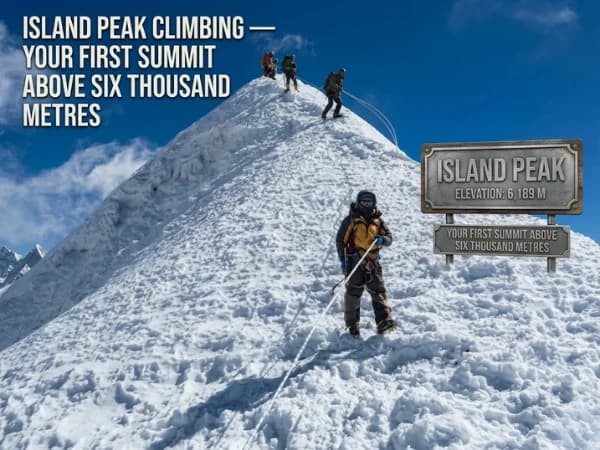
Island Peak Itinerary and Summit Day 2027: 14 Days, Base Camp to the Top
The 14-day Island Peak itinerary day by day, what summit day is like from base camp, where sources disagree on heights, best months and 2027 prices.
Read More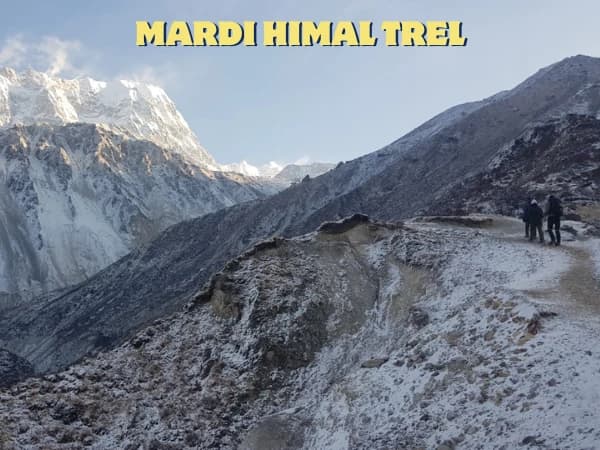
How Difficult Is the Mardi Himal Trek? An Honest Day-by-Day Rating for 2027
An honest day-by-day rating of the Mardi Himal trek: the steep climb to High Camp, the 4,500 m push to Base Camp, altitude risk, who finds it hard and 2027 prices.
Read More
Manaslu Circuit Reopened: What Changed After the 2026 Floods and How to Plan 2027
The Manaslu Circuit over the Larke Pass is open again with extreme caution. What changed in the lower valley after the two 2026 floods, 2027 prices and permits, and how I would plan.
Read More Chat with Shreejan