
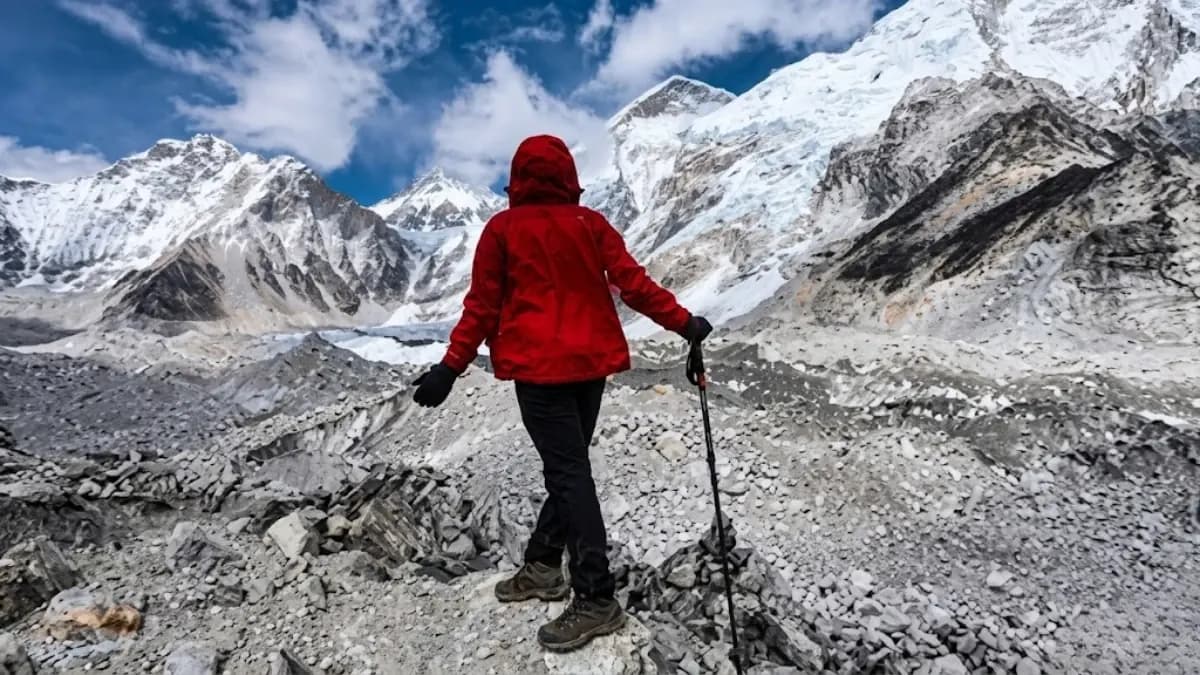
Walking into the Himalayas on your own for the first time can feel like a big step. This guide covers what solo female trekking in Nepal looks like with a licensed guide: how a solo booking works, what teahouses are like, what to wear, and what to plan for if your period might arrive on the trail.
Do you need a licensed guide to trek in Nepal in 2026?
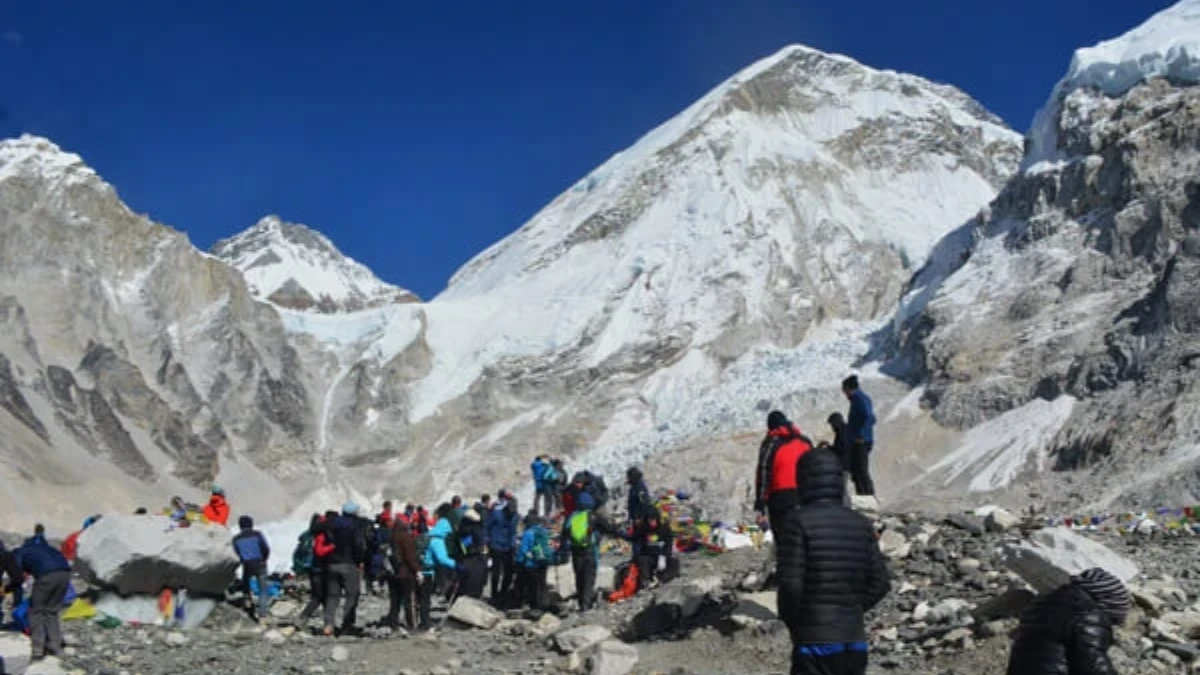
A licensed guide is required in most trekking areas under the Nepal Tourism Board rule from April 2023, and the listed restricted routes such as Manaslu, Tsum, Upper Mustang and Nar Phu also need an agency-issued TIMS card. The Everest (Khumbu) region does not enforce it locally, but we always trek with a licensed guide. The case for a guide is about safety, not revenue or politics, after several incidents involving solo trekkers who got lost, fell ill, or made dangerous decisions at altitude with nobody around to help.
For solo women, a guide quietly removes the single biggest concern. On our treks you are never alone on the trail. Your guide walks with you every day, handles every logistic, knows every teahouse owner by name, and, most importantly, is your safety net if anything goes wrong. They carry first aid kits with pulse oximeters. They have emergency communication. They have been doing this for years. If you would prefer a woman guide, tell us when you book and we will say plainly what we can arrange for your dates.
The guides at reputable companies are professionals. They are trained, certified, and experienced. They are not strangers you met at a bus station.
What "Solo" Actually Means in Nepal
Here is the part most travel articles get wrong. "Solo trekking" in Nepal does not mean walking alone through empty mountains for twelve days. It means you booked your trip by yourself, without a travel partner. What happens next depends on your preference.
On our treks a solo booking is a private trek: you and your own licensed guide, on your dates and at your pace. We never merge separate private bookings, so you will not be put in a group with strangers. If you would rather walk with a group, fixed group departures are a separate option that you choose when you book.
A private trek suits many solo women: introverts, writers, photographers, people who process the world quietly. The guide understands when to talk and when to let you walk in silence with nothing but the sound of your boots on stone and the wind through prayer flags. You will still meet other trekkers at the teahouses, share dinner and swap stories about the cold.
Is solo female trekking in Nepal safe?
In our experience Nepal is a welcoming country for women travellers. Nepali culture is deeply respectful towards guests. Curiosity about foreigners is genuine and warm, not threatening. The communities along trekking routes have welcomed travellers for decades and their hospitality is both cultural and economic, your presence supports their livelihoods.
Serious incidents against trekkers on established routes are extremely rare. Far rarer than in most Western cities. The real dangers on a trek are altitude sickness, weather, and the physical challenge of the trail itself, and these affect everyone equally regardless of gender.
The trekkers who get into trouble are almost always those who went without a guide, ignored altitude symptoms, or did not carry insurance. With a licensed guide and proper preparation, the risk profile of an EBC trek is comparable to a challenging hike in the Alps or the Appalachian Trail. Related: Is Solo Trekking Banned in Nepal? The 2026/2027 Mandatory Guide Rule Explained.
What are teahouses like for solo female trekkers in Nepal?
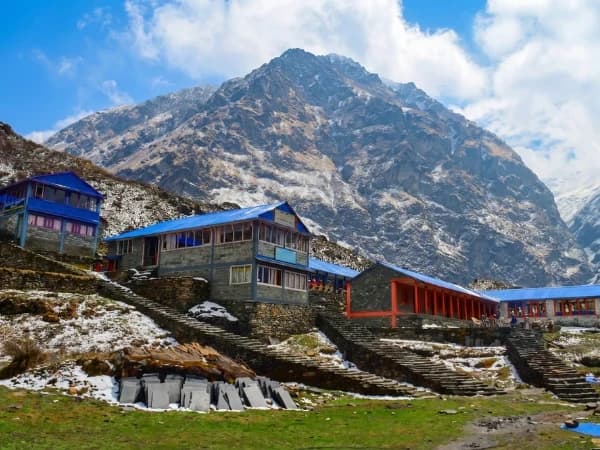
Teahouses along the major trekking routes are family-run guesthouses. The owners are frequently women, Sherpa, Tamang, and Gurung women who manage these businesses with remarkable efficiency while their partners farm, guide, or work in Kathmandu. You will be sleeping under the care of women who have fed and sheltered thousands of trekkers before you.
Rooms
Most rooms contain two single beds separated by a thin plywood wall from the next room. If you are travelling solo, you typically get the room to yourself. The rooms are simple, a bed, a pillow, sometimes a small table and a hook for your jacket. Walls are thin. Bring earplugs. Snoring at altitude is a universal phenomenon.
Bathrooms
Below Namche Bazaar, many teahouses have Western-style flush toilets and sometimes hot showers. Above four thousand metres, expect squat toilets and cold water. This is the same for every trekker, it is not a gender issue, it is an altitude issue. Infrastructure decreases as elevation increases. A head torch is essential for nighttime bathroom trips because the path from your room to the toilet block is dark, uneven, and occasionally icy.
Periods on the Trail
Every woman thinks about this. Almost no travel article addresses it. So here it is, plainly.
If your period might arrive during the trek, pack enough supplies for the full duration. Tampons and sanitary pads are available in Kathmandu and in Namche Bazaar, but above that, nothing. Bring ziplock bags for disposal. There are no proper waste bins above Namche; you carry your waste to the next larger settlement.
A menstrual cup, if you use one, is the most practical option at altitude. It reduces waste, requires less carrying space, and can be managed with minimal water.
Altitude can shift your cycle, delay it, advance it, or make it heavier than normal. This is a known physiological response to reduced oxygen and is nothing to worry about medically. If it happens, it happens.
Your guide is a professional. If you need extra rest stops, say "I need five minutes" and they will wait without questions or awkwardness. They have been guiding women for years. They understand.
Related: Making Friends on the Trail: Nepal for Solo Travellers.
What should women wear trekking solo in Nepal?
Nepal is culturally conservative in rural mountain communities. But trekkers exist in a slightly different social space, locals understand that foreign women dress differently, and the mountain communities have been hosting international visitors for decades.
On the trail, wear trekking trousers rather than shorts when walking through villages. A T-shirt or long-sleeve top is fine, you do not need to cover yourself from head to toe. At teahouses, whatever you are wearing from the trail is perfectly acceptable. At monasteries, cover your shoulders and knees. Your guide will remind you.
In practice, the question of what to wear becomes irrelevant after Day 2. You will be wearing the same trekking clothes for days on end. At four thousand metres, you are wearing every warm layer you own. Nobody, absolutely nobody, is looking at your outfit. They are looking at the mountains.
What are the best treks for solo women in Nepal?
Any trek in Nepal is suitable for solo women, but these five are particularly popular with the women we guide:
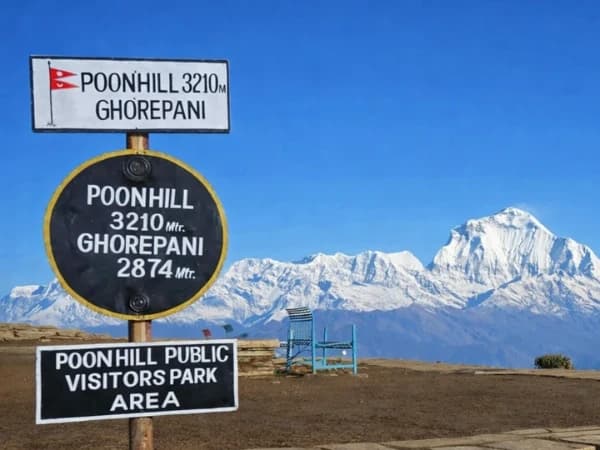
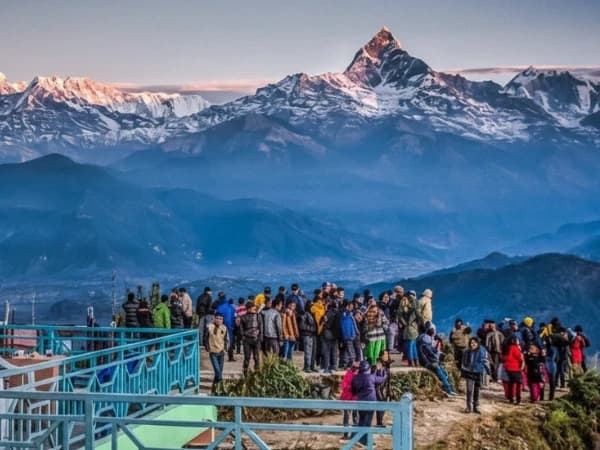
Poon Hill is six days of gentle walking to three thousand two hundred metres with comfortable teahouses and the most famous sunrise view in the Annapurna range. It is the perfect first trek, manageable, beautiful, and busy enough that you always see other people on the trail.
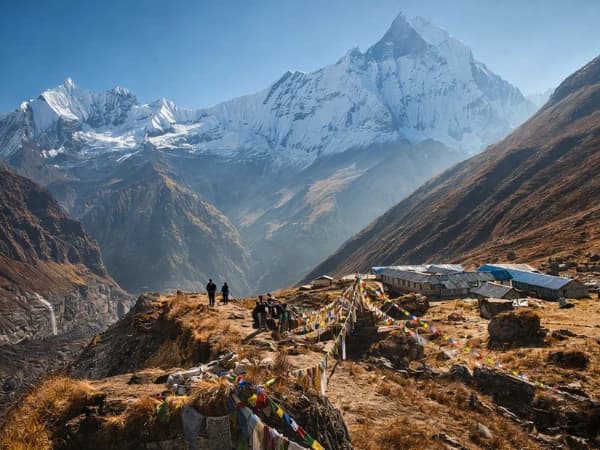
Annapurna Base Camp takes nine days through rhododendron forests into a natural amphitheatre surrounded by eight-thousand-metre peaks. The trail is well-paved with stone steps, the teahouses are comfortable, and the mountain sanctuary at the end is one of the most powerful places on earth.
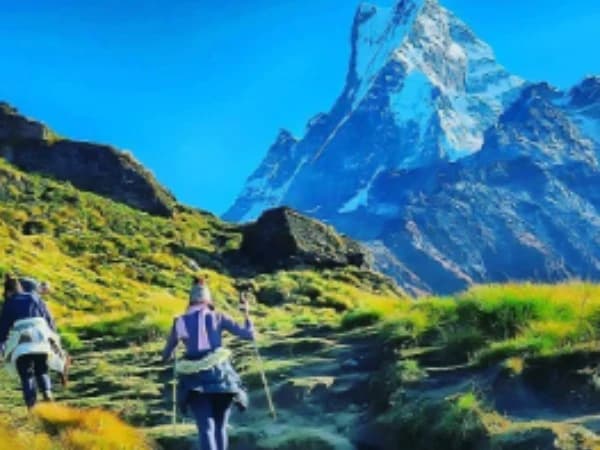
Mardi Himal is seven days of quieter trekking with clear views of Machhapuchhre, the sacred Fishtail mountain. Fewer crowds than the main Annapurna trails, more adventurous, and rising rapidly in popularity among women who want something less travelled.
Everest Base Camp is the classic. Twelve days to the foot of the highest mountain on earth. The infrastructure is the best of any trek in Nepal, comfortable teahouses, established trails, and plenty of other trekkers in season. Many women tell us EBC was the most empowering experience of their lives.
Langtang Valley is eight days through bamboo forests and Tamang villages to a beautiful glacial valley close to Kathmandu. No internal flights needed, fewer tourists than Everest or Annapurna, and a warm community feel in the rebuilt villages.
What Advice Do Solo Female Trekkers Give?
Chat with your trekking company before booking. How they communicate, their speed, their tone, their willingness to answer detailed questions, tells you everything about how they operate on the trail.
Read independent reviews, not just website testimonials. TripAdvisor and Google reviews from real travellers over multiple years are the most reliable signal.
Bring earplugs, a good head torch, and a small padlock for your duffel bag. Download offline maps and a few podcasts or audiobooks before leaving Kathmandu, teahouse evenings above four thousand metres are long and WiFi is unreliable.
The first day is emotionally the hardest. You are in a new country, surrounded by strangers, walking towards something enormous and unknown. By Day 3, the anxiety has been completely replaced by something you did not expect, a deep, quiet happiness at being exactly where you are.
Popular routes for solo women: Annapurna Base Camp | Poon Hill Trek | Everest Base Camp
Nepal is a welcoming country for solo female trekkers, and we say that from experience, not as a sales pitch. The guides are professional, the teahouse owners are welcoming, and the trails are well-travelled. Every trek we run includes a licensed guide, which adds another layer of safety. You will not be alone unless you want to be.
We have guided hundreds of solo female trekkers. Tell us your concerns and we will address every one of them honestly.
WhatsApp:+977 9810351300
Email:[email protected]
Written by Shreejan Simkhada, CEO of The Everest Holiday and third-generation Himalayan guide. TAAN Member #1586.
Solo female trekkers: book private with guide. Our Everest Base Camp Trek (12 Days) is private (your group only, no strangers), 2026 dates open, From USD $1399. WhatsApp us for tailored 2026 dates and current departures.
 Chat with Shreejan