
Autumn mornings at Poon Hill are the clearest of the year. The Annapurna and Dhaulagiri panorama in October light is what the postcards try to capture.
Govt Regd. No.: 147653/072/073
Travel Agency Licence: 2838/072
Poon Hill Trek in Autumn: The Clearest Views of the Year

Poon Hill Trek in Autumn: The Clearest Views of the Year
Published: 1 April 2026 | Author: Shreejan Simkhada, CEO, The Everest Holiday
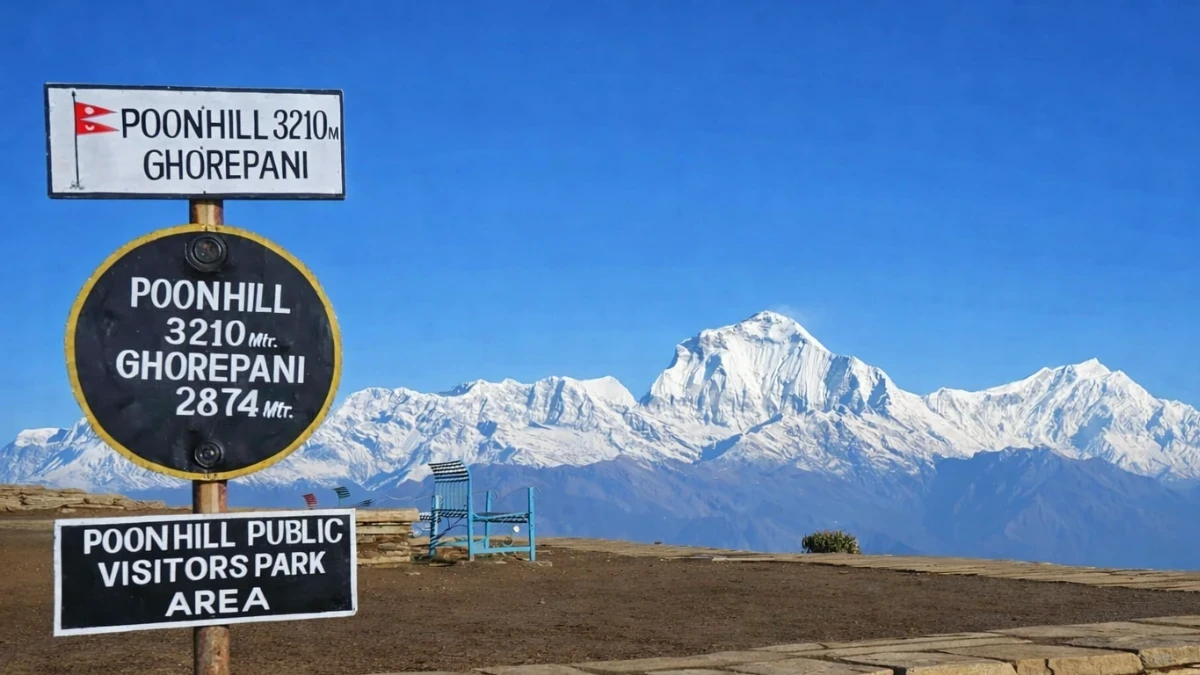
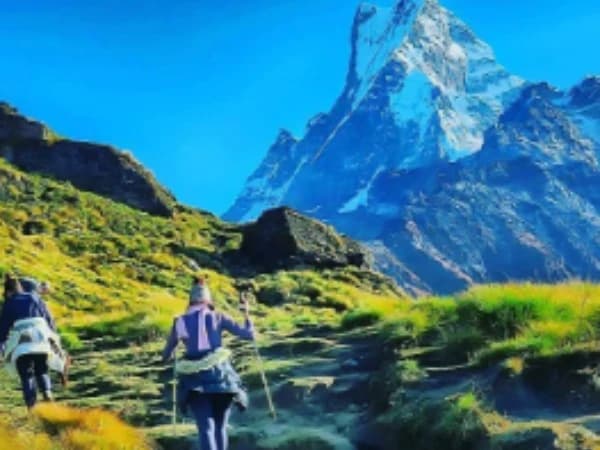
October mornings on Poon Hill have a quality of light that photographers spend careers chasing. The air is so clean after the monsoon that the mountains look closer than they are. Dhaulagiri, Annapurna, Machhapuchhre, Hiunchuli: every peak is sharp, every ridge line defined, every glacier catching the sunrise in colours that shift from purple to gold to white in the space of fifteen minutes.
I tell my team every year: if someone asks for the single best short trek in Nepal during the clearest season, the answer is Poon Hill in October. Five days, no extreme altitude, and a panorama that rivals anything you can see on a two-week expedition. This guide covers everything you need to plan an autumn Poon Hill trek, from the best timing to what the temperature feels like at every stop along the way.
Why are Poon Hill mountain views clearest in autumn?
Nepal's monsoon runs from June to September. During those months, the atmosphere fills with moisture. Rivers swell, waterfalls appear on every hillside, and the landscape becomes intensely green. By early October, the rain stops. The moisture clears. And what remains is an atmosphere that has been washed clean of dust, haze, and pollution.
For the first four to six weeks after the monsoon ends, the visibility across Nepal is at its annual peak. This matters enormously for a trek like Poon Hill, where the entire point is the view. The sunrise panorama from 3,210 metres includes peaks ranging from Dhaulagiri (8,167m) in the west to Manaslu (8,163m) in the east. In autumn, you can see all of them. In other seasons, haze or cloud may obscure the more distant peaks. In October, every one is visible.
The light itself has a warm, golden quality in autumn that is absent in spring. The sun sits lower in the sky, which extends the golden hour at dawn and dusk. Shadows are longer and more dramatic. If you are a photographer, or if you simply want the most visually striking version of this trek, autumn is the answer.
What is trekking Poon Hill during Dashain festival like?
One of the unique aspects of trekking Poon Hill in October is the chance to experience Dashain, Nepal's biggest and most important festival. Dashain is a fifteen-day Hindu celebration that falls in late September or October (the exact dates shift each year based on the lunar calendar). It is comparable in cultural significance to Christmas in the West.
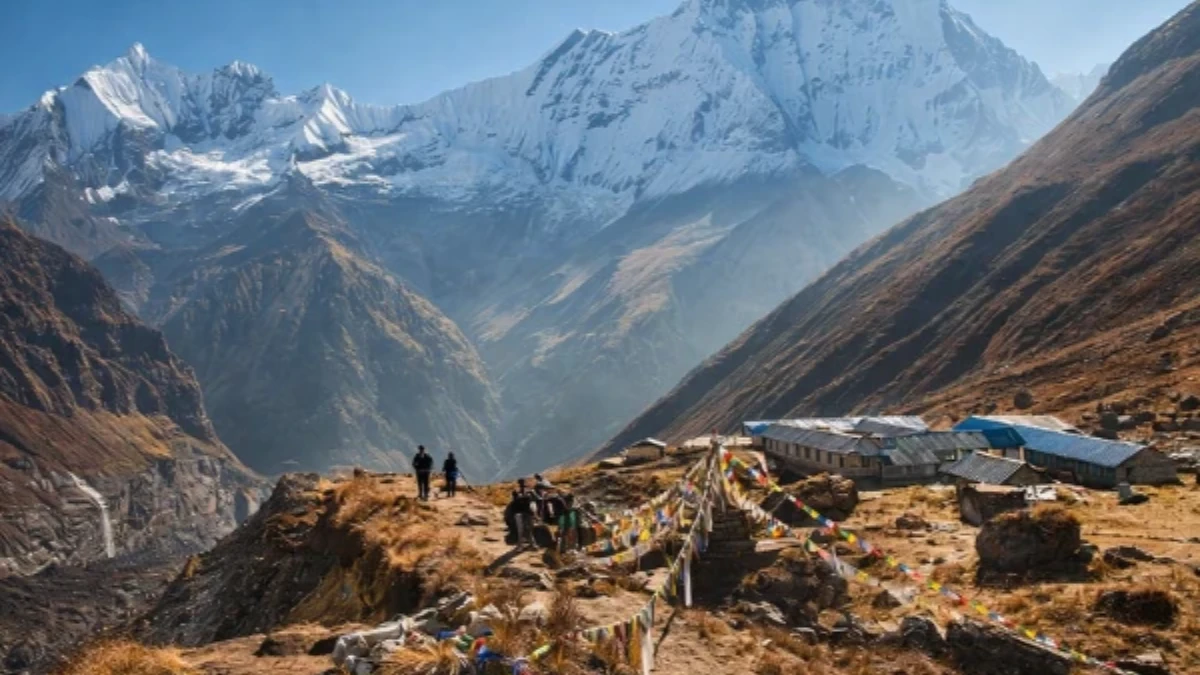
During Dashain, Nepali families gather, feasts are prepared, and communities come together. On the Poon Hill trail, this means several things for trekkers.
First, the villages along the route are festive and welcoming. You may see bamboo swings erected in village squares (a Dashain tradition), families in their best clothes, and goats being prepared for the feast. It is a window into Nepali life that you will not get at any other time of year.
Second, some teahouses and local businesses may operate on reduced hours during the peak Dashain days (particularly Dashami, the tenth day). Staff go home to be with their families. This is completely understandable, and a good trekking agency plans around it. We ensure our groups have accommodation confirmed in advance so there are no surprises.
Third, if your guide is Nepali (and ours always are), Dashain is a meaningful time for them too. It is common for guides to share sweets or tika (the red blessing mark on the forehead) with trekkers. Accept it warmly. It is a genuine gesture of goodwill.
For more on how festivals shape the trek itself, our Nepal safety guide touches on the cultural context of travelling during major celebrations.
What should I pack for the Poon Hill trek in October?
I know the gear question keeps people up at night. Here are the real temperatures you will encounter at each major stop on the Poon Hill trek in October and November, based on years of our guides recording conditions on the ground.
| Location | Altitude | October Daytime | October Night | November Daytime | November Night |
|---|---|---|---|---|---|
| Nayapul (trailhead) | 1,070m | 24 to 28°C | 12 to 16°C | 20 to 24°C | 8 to 12°C |
| Tikhedhunga | 1,540m | 20 to 24°C | 8 to 12°C | 16 to 20°C | 4 to 8°C |
| Ulleri | 2,070m | 16 to 20°C | 6 to 10°C | 12 to 16°C | 2 to 6°C |
| Ghorepani | 2,860m | 12 to 16°C | 2 to 6°C | 8 to 12°C | -2 to 2°C |
| Poon Hill (sunrise) | 3,210m | N/A | N/A | N/A | N/A |
| Pre-dawn at summit | 0 to 4°C | -4 to 0°C | |||
| Tadapani | 2,630m | 14 to 18°C | 4 to 8°C | 10 to 14°C | 0 to 4°C |
The pattern is clear. Daytime walking is comfortable in a base layer and light fleece. Mornings and evenings require a warm jacket. The pre-dawn climb to Poon Hill is the coldest part of the entire trek, and you need a proper down jacket, warm hat, and gloves for those 45 minutes.
October is noticeably warmer than November, particularly at lower elevations. If cold sensitivity is a concern for you, aim for October. If you prefer cooler conditions for walking and do not mind bundling up in the evenings, November is excellent.
Our complete packing list breaks down every item you need, with autumn-specific recommendations.
How do I photograph Poon Hill sunrise in autumn?
Poon Hill in autumn is one of the most photographed viewpoints in Nepal. Here are practical tips from our guides who stand on that summit several times every October.
Timing
Arrive at the viewpoint at least 30 minutes before sunrise. The pre-dawn light, when the sky turns from black to deep blue to orange, is often more dramatic than the sunrise itself. Stay at least 30 minutes after sunrise too. The early morning light shifts constantly, and the second wave of warmth often produces the best colours on the peaks.
Composition
The obvious shot is the panorama with prayer flags in the foreground. Take it, of course. But also look for less obvious compositions. The silhouettes of other trekkers against the dawn sky. The tea-seller's steaming kettle with Dhaulagiri behind. The trail of headlamps coming up the hill in the darkness before dawn. The back-lit rhododendron branches (even in autumn, the leaves provide interesting foreground framing).
Gear
Your phone camera will do a respectable job if the light is good, and October light is very good. If you carry a dedicated camera, bring a wide-angle lens for the panorama and a telephoto (70-200mm equivalent) for isolating individual peaks. A tripod is useful for the pre-dawn low-light shots but not essential. Battery performance drops in cold temperatures, so keep your spare battery in an inside pocket close to your body.
The Walk Down
Do not put your camera away after leaving the summit. The trail back to Ghorepani passes through forest that catches the early morning light beautifully. Shafts of sunlight through the trees, dew on spiderwebs, birds in the canopy. Some of the best photographs on this trek are taken on the walk back to breakfast.
What is the best 5-day Poon Hill autumn itinerary?
Timing matters in autumn. Here is the itinerary we recommend to maximise your chances of clear skies and comfortable walking.
Day 1: Kathmandu to Pokhara
Fly or drive to Pokhara. If you fly, take the morning flight. The 25-minute journey offers aerial views of the Himalayan range that set the tone for the trek. In Pokhara, spend the afternoon at Phewa Lake. The autumn afternoon light on the Annapurna range reflected in the lake is a classic scene.
Day 2: Pokhara to Tikhedhunga
Drive to Nayapul (1.5 hours), then walk to Tikhedhunga (3 to 4 hours). The trail is gentle, following the riverside through villages and farmland. In October, the harvest is underway and the terraced fields are golden with rice. This is an easy day designed to ease you into the rhythm of trekking.
Day 3: Tikhedhunga to Ghorepani
The hardest day: 1,300 metres of elevation gain over five to six hours. The 3,300 stone steps to Ulleri are the crux. Above Ulleri, the trail enters forest and the gradient eases. In autumn, the forest is green and lush (the monsoon moisture lingers in the canopy), and the trail is dry and well maintained. Arrive in Ghorepani by early afternoon. Rest. Prepare for tomorrow.
Day 4: Poon Hill Sunrise, then Ghorepani to Tadapani
Wake at 4:30am. Climb to Poon Hill. Watch the sunrise. Return to Ghorepani for breakfast. Then walk to Tadapani (4 to 5 hours) through forest and past the Gurung village of Ban Thanti. The afternoon walk to Tadapani is one of the most pleasant sections of the entire trek: mostly downhill through open hillside with continuous mountain views.
Day 5: Tadapani to Nayapul, Drive to Pokhara
A long descent through Ghandruk village to Nayapul (5 to 6 hours). Ghandruk is worth a stop. The Gurung Heritage Museum is small but interesting, and the village itself is photogenic. From Nayapul, drive back to Pokhara. Celebrate with a lakeside dinner.
This itinerary works best when you start the trek between the second week of October and the second week of November. Earlier than that, and residual monsoon cloud may linger. Later, and the cold starts to bite, particularly at Ghorepani and on the pre-dawn climb.
Is Poon Hill better than Mardi Himal or ABC trek?
If you are choosing between short treks in Nepal this autumn, here is how Poon Hill stacks up.
Poon Hill vs Mardi Himal: The Mardi Himal trek is newer, less crowded, and takes you closer to the base of Machhapuchhre. It is slightly more challenging than Poon Hill, with higher elevation (4,500m) and more exposed ridge walking. If you want a quieter, more adventurous alternative to Poon Hill with a bit more altitude, Mardi Himal is excellent. If you want the classic, proven, photogenic experience, Poon Hill wins.
Poon Hill vs Annapurna Base Camp: The ABC trek is longer (10 to 12 days) and higher (4,130m), but it shares some of the same trail as Poon Hill in the lower sections. ABC gives you the thrill of standing inside a mountain amphitheatre surrounded by 7,000 and 8,000 metre peaks. Poon Hill gives you the panoramic view from outside. Both are outstanding autumn treks.
Poon Hill vs Langtang:Langtang is closer to Kathmandu and reaches higher altitude (3,870m at Kyanjin Gompa). It offers a more remote feel and Tibetan culture. Poon Hill offers Gurung culture and better infrastructure. For a first trek, Poon Hill is easier. For someone wanting more mountain immersion, Langtang is the pick.
What Should You Know About Poon Hill in Autumn?
Booking Teahouses
October is the busiest month on the Poon Hill trail. Ghorepani teahouses can fill up, especially during the peak two weeks around mid-October. We book accommodation in advance for all our groups, securing rooms at the best lodges on the route. Independent trekkers should arrive at Ghorepani before 2pm to avoid being turned away.
Permits
You need an Annapurna Conservation Area permit and a TIMS card. Both are arranged by us as part of the package. For the full breakdown of Nepal trekking permits, read our 2026 permits guide.
Guides and Porters
A licensed guide is required on the Poon Hill route under the Nepal Tourism Board rule from April 2023. A porter is optional but recommended, especially on Day 3 when the climb is sustained and you will appreciate not carrying a heavy pack. Our porter welfare guide explains our ethical standards, and our tipping guide covers appropriate gratuities.
Acclimatisation
At 3,210 metres, Poon Hill is below the threshold where most people experience serious altitude problems. However, some trekkers feel mild symptoms: shortness of breath, a slight headache, or disrupted sleep. These are normal at this elevation and pass quickly. If you are concerned, our acclimatisation guide covers the science and the practical steps.
Food and Water
Autumn is harvest season, and teahouse kitchens are well stocked. Dal bhat is the best value meal on the trail. Freshly cooked, unlimited refills, and nutritionally balanced. Fried rice, noodle dishes, and soups are also available everywhere. For a full menu breakdown, see our food on Nepal treks guide.
Frequently Asked Questions
Is October or November better for Poon Hill?
October offers warmer temperatures and the Dashain festival atmosphere. November offers fewer crowds and equally clear skies, but colder mornings. Both months deliver excellent views. If forced to choose one week, I would pick the last week of October: warm enough to be comfortable, clear enough for perfect views, and the Dashain festivities add a cultural layer that November lacks.
How cold is the Poon Hill sunrise in autumn?
Expect 0 to 4 degrees Celsius at the summit in October, and minus 4 to 0 degrees in November. With wind chill, it can feel colder. You will be standing still for 30 to 60 minutes, so dress warmer than you think you need. A down jacket, fleece, warm hat, and gloves are essential for the sunrise.
Can I see Everest from Poon Hill?
No. Poon Hill faces the Annapurna and Dhaulagiri ranges. Everest is too far east to be visible. What you can see is equally impressive: Dhaulagiri (world's 7th highest), Annapurna I (10th highest), Manaslu (8th highest), and more than twenty other peaks above 6,000 metres.
Is Poon Hill too easy for experienced trekkers?
It depends on what you want. The physical challenge is moderate, and experienced high-altitude trekkers will find it comfortable. But "easy" does not mean "not worth doing." The views from Poon Hill are among the best in Nepal at any difficulty level. Many experienced trekkers do Poon Hill as a warm-up before a bigger trek, or as a short trip when time is limited. The quality of the trip is not determined by the difficulty.
Do I need trekking poles?
They are not required, but they help enormously on the stone-step descent from Ulleri to Tikhedhunga (Day 5 or equivalent). If you have knee issues, bring poles. We can lend you a pair if you do not want to carry your own from home.
What if it rains in October?
Brief showers are possible in early October as the monsoon tail fades. By mid-October, rainfall is rare. A light rain jacket is worth carrying just in case, but you are very unlikely to need it. If morning cloud covers the Poon Hill sunrise (this happens perhaps two or three times per month in October), the usual strategy is to wait. Autumn clouds tend to burn off quickly, and the view may clear within 30 minutes.
How do I book a Poon Hill trek in autumn?
Clear skies, warm days, a panorama of giants. Autumn on Poon Hill is hard to beat. Our Poon Hill Trek package includes transport, permits, a licensed guide, a porter, meals, and teahouse accommodation. October and November dates fill quickly, so reach out early.
WhatsApp us on +977 9810351300 or email [email protected]. We will have a plan in your inbox within hours.
About the Author: Shreejan Simkhada is the CEO of The Everest Holiday and a third-generation Himalayan guide. The Everest Holiday is a TAAN member (#1586), and he firmly believes that the view from Poon Hill on a clear October morning is one of the great experiences available to any traveller, regardless of their fitness level or trek itself.
Autumn Poon Hill has the clearest mountain views. Our Ghorepani Poon Hill Trek (6 Days) is private (your group only, no strangers), 2027 dates open, From USD $499. WhatsApp us for tailored 2027 dates and current departures.
Planning a trip to Nepal?
Drop us your details and tell us what you have in mind. We will put together a personalised plan and get back to you.
Not sure which Nepal trek is right for you?
Take our free 2-minute quiz and get personalised recommendations based on your fitness, experience, and travel style.
Find Your Perfect Trek →Need Help? Call Us+977 9810351300orChat with us on WhatsApp
Related Trek Packages
 US$1,020
9 DaysMax 20
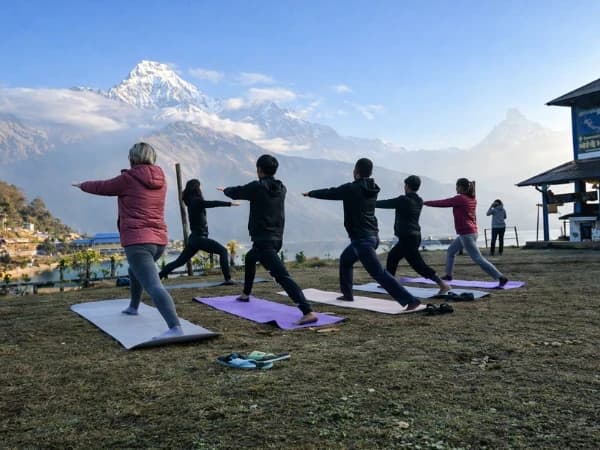
Ghorepani Poon Hill Yoga Trek - 9 Days Itinerary and Costs
Starts From
ExploreUS$1,020
Latest Travel Blogs
Christmas and New Year Treks from Pokhara 2026/27: 3 to 5 Days
<p>Short treks from Pokhara for Christmas and New Year 2026/27: Panchase 3 days, Poon Hill 4 days and Mardi Himal 5 days. Weather, snow, what is open, and prices by group size.</p>
Read More
Thamdanda and Surke: The Road Head for Everest Base Camp by Road
Thamdanda is the road head where our Everest Base Camp trek by road starts and ends on foot. How to get there from Phaplu and what the first walk to Paiya is like.
Read MorePoon Hill Trek Permits 2027: ACAP, TIMS, Cost and What You Need
Poon Hill needs two permits: ACAP at NPR 3,000 and a TIMS card at NPR 2,000. Who arranges them, where they are checked, SAARC rates and the 2027 trek prices.
Read More Chat with Shreejan