Why spring is the best season for rhododendrons on the Everest trail. March vs April vs May, temperatures at every stop, packing differences, and what the flowers actually look like. By a guide who treks EBC every spring.
Govt Regd. No.: 147653/072/073
Travel Agency Licence: 2838/072
Everest Base Camp Trek in Spring: Rhododendrons, Weather and What to Expect (March-May)

Short answer: Spring on the Everest Base Camp trek runs from March to May. March is cold with snow above about 4,500 m, April is the classic month with rhododendrons in bloom between about 2,800 and 3,800 m, and May is warmer with more afternoon cloud. Views are hazier than in autumn, but the trail is greener and more colourful. Walk it on our 12-day Everest Base Camp trek.
Update, 7 October 2026: The Everest region is open and unaffected by the floods, as at our 29 September update. We check 48 hours before departure; if the road is not open we move your dates free.
The First Thing You Notice Is the Colour
The trail from Namche Bazaar to Tengboche in late March looks nothing like the trail in October. Where autumn gives you sharp blue skies and brown hillsides, spring wraps the same path in pink and red. Rhododendron forests explode between 2,800m and 3,800m, and for about three weeks in late March through mid-April, the Khumbu valley looks like someone spilled paint across the mountainside.
I've guided this trail in every season. Spring is louder, warmer, and more alive than autumn. It's also hazier, wetter in the afternoons, and harder to photograph above 5,000m. If you're thinking about trekking to Everest Base Camp in spring, this is what you actually need to know.
What is the weather like on the Everest Base Camp trek in spring?
March, April, and May each feel like different seasons on the same trail.
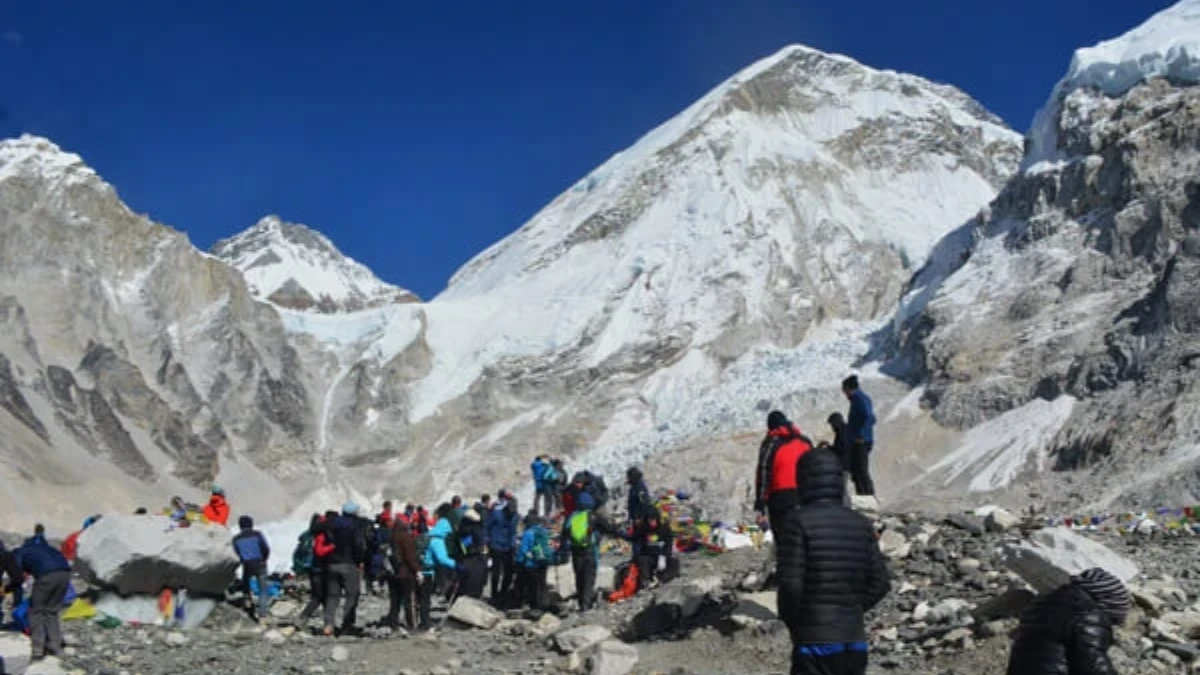
March starts cold. Mornings at Namche Bazaar (3,440m) hover around -2°C to 3°C. By midday, the sun pushes temperatures to 12-15°C in sheltered spots. Above Dingboche (4,410m), nights still drop to -10°C or colder. The rhododendrons begin blooming at lower altitudes, and the days get noticeably longer. Snow lingers above 4,500m on north-facing slopes.
April is what most people picture when they think "spring in Nepal." Daytime temperatures at Namche reach 15-18°C. The rhododendrons peak between 3,000m and 3,500m. Afternoon clouds build almost every day after midday, which means morning views are spectacular but afternoons often turn hazy or misty. At Gorak Shep (5,164m), nights still freeze hard at -8°C to -12°C.
May is the warmest month before monsoon. Lower altitudes feel genuinely hot, with Lukla reaching 20°C in the afternoon. But May is also the wettest spring month. Afternoon showers become near-daily above 3,500m. The Khumbu Icefall is more active. Pre-monsoon clouds often obscure Everest by 11am. Most trekkers finish by mid-May.
Spring Temperature Table: EBC Trail Stops
| Location | Altitude | March (Day/Night) | April (Day/Night) | May (Day/Night) |
|---|---|---|---|---|
| Lukla | 2,860m | 12°C / 1°C | 15°C / 4°C | 18°C / 7°C |
| Namche Bazaar | 3,440m | 10°C / -2°C | 14°C / 2°C | 16°C / 5°C |
| Tengboche | 3,860m | 8°C / -5°C | 12°C / -1°C | 14°C / 2°C |
| Dingboche | 4,410m | 6°C / -8°C | 10°C / -4°C | 12°C / -2°C |
| Lobuche | 4,940m | 3°C / -12°C | 7°C / -8°C | 9°C / -5°C |
| Gorak Shep | 5,164m | 1°C / -15°C | 5°C / -10°C | 7°C / -7°C |
| Kala Patthar | 5,545m | -2°C / -18°C | 2°C / -12°C | 4°C / -9°C |
March vs April vs May: Which Spring Month Is Best?
March suits trekkers who want quieter trails and don't mind colder nights. The rhododendrons start blooming at lower elevations. Mountain views are often clearer than April because the pre-monsoon haze hasn't fully set in. The downside is colder temperatures above 4,500m and occasional late-winter snowfall.
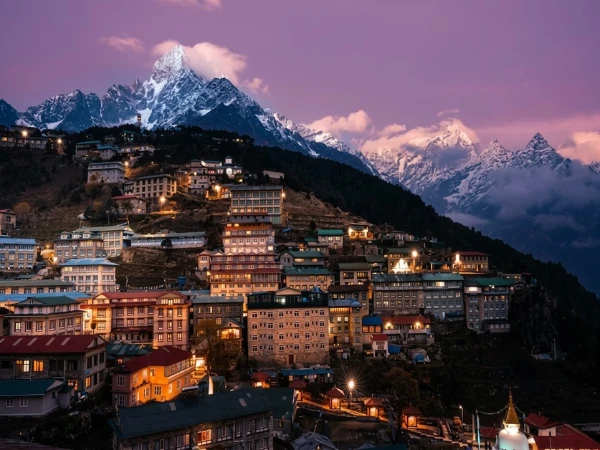
April is the most popular spring month. The rhododendrons peak. Temperatures are comfortable. Teahouses are fully open and well-stocked. The main downside is afternoon cloud build-up. You'll get your best views of Everest, Lhotse, and Ama Dablam before 10am. Plan your Kala Patthar sunrise early and it won't disappoint.
May is for experienced trekkers comfortable with unpredictable weather. It's the quietest spring month because most people avoid the approaching monsoon. But there are real advantages: fewer trekkers at Gorak Shep means easier teahouse bookings, and the trails feel genuinely remote. You just need to accept that clear summit views aren't guaranteed after mid-morning.
When and where do rhododendrons bloom on the Everest Base Camp trek?
Nepal's national flower blooms between 2,400m and 4,000m, and the EBC trail passes through one of the finest rhododendron forests in the Himalayas. The stretch between Namche Bazaar and Tengboche is where you'll see the most colour.
The bloom depends on altitude:
- 2,400m-2,800m (Lukla to Phakding): Blooms start mid-March, peak late March
- 2,800m-3,200m (Phakding to Namche): Peak late March to mid-April
- 3,200m-3,800m (Namche to Tengboche): Peak mid-April to early May
- Above 3,800m (Tengboche to Dingboche): Scattered blooms, mostly pink and white varieties, April-May
The red tree rhododendrons are the most dramatic. They grow 10-12 metres tall and form canopies over the trail. If you time your trek for the first two weeks of April, you'll walk through tunnels of red and pink between Namche and Tengboche. Autumn has clearer skies, but it has nothing like this.
Crowds in Spring: Is It Busy?
Yes. Spring is one of two peak seasons (the other being autumn). But spring crowds feel different from autumn crowds.
In autumn, you share the trail with trekkers and mountaineers heading for Ama Dablam, Mera Peak, and Island Peak. In spring, the mountaineers are there too, but they're heading for Everest itself. April and May are Everest climbing season. You'll see expedition teams at Gorak Shep and may even watch helicopters ferrying gear to Base Camp. It adds an atmosphere that autumn doesn't have.
Practical crowd tips for spring EBC:
- Book teahouses at Gorak Shep in advance through your trekking company. We do this for all our EBC 12-day and EBC by Road groups.
- Start the Kala Patthar climb by 4:30am to get the best sunrise position
- Mid-March and late May are quieter than the April peak
- The road route via Salleri avoids the Lukla airport chaos entirely
Are Lukla flights delayed during the spring trekking season?
Spring is the busiest season for Lukla flights, and delays happen. Morning fog in the Lukla valley can ground all flights until it clears, sometimes not until mid-morning or not at all. April sees the most delays because of increased afternoon cloud.
If delays worry you, consider our EBC by Road trip. You drive to Salleri and bypass Lukla entirely. No flight anxiety and no lost days waiting for a weather window. Many of our spring trekkers prefer this option specifically because they've read about Lukla delays.
If you do fly: build in a buffer day in Kathmandu at the end. Flight delays on the return are just as common as on the way in.
What Spring Trekking Feels Like Day by Day
The first few days feel warm. You'll be peeling layers off by 9am below Namche. Afternoons on the trail are pleasant, with temperatures rarely dropping below 10°C at lower altitudes.
Above Namche, you start noticing the afternoon cloud pattern. Mornings are crisp and clear. By 11am-noon, clouds drift up from the valleys below. They don't always bring rain, but they obscure the peaks. Get your photography done early.
The acclimatisation day at Namche (Day 4) is perfect in spring. The hike to Everest View Hotel (3,880m) on a clear morning gives you Everest, Lhotse, Nuptse, and Ama Dablam all in one panorama. In autumn, you get the same view but in sharper light. In spring, the peaks often have fresh snow on their flanks, which catches the morning sun beautifully.
Above Dingboche, spring and autumn begin to feel more alike. At 4,400m+, the flowers are gone, the vegetation thins, and it's all rock, moraine, and glacier. Nights are cold regardless of season. The biggest difference is the pre-monsoon cloud that creeps in from the south. You can literally watch it approaching during the day.
At Gorak Shep and Kala Patthar, spring mornings can be magical. Fresh snow on Everest's summit pyramid, golden light on Nuptse's face, and the Khumbu Icefall glinting below. But the window is narrow: 5am to about 9am is your best chance for unobstructed views.
Spring Packing: What's Different from Autumn
Your packing list for spring EBC is nearly the same as autumn, with a few important differences:
- Rain jacket: Non-negotiable in spring. Afternoon showers are common from late March. In autumn, you might never use it.
- Pack cover or dry bag: Protect your gear. A wet sleeping bag liner is miserable at 4,940m.
- Lighter sleeping bag: You can get away with a -10°C bag in April. Autumn needs -15°C or colder.
- Sun protection: UV intensity increases in spring because snow reflects at higher altitudes. SPF 50 and quality sunglasses are essential.
- Fewer thermal layers: You won't need four layers below Namche. Two base layers, one fleece, and a down jacket is enough. Save the heavy thermals for above Dingboche.
- Antihistamines: If you have allergies, the rhododendron pollen between 2,800m and 3,500m can be intense in early April.
Check our complete EBC packing list for the full gear guide.
What wildlife can you see on the Everest Base Camp trek in spring?
Spring is the best season for birdwatching on the EBC trail. Himalayan monals (Nepal's national bird), blood pheasants, and various species of laughingthrush are active and visible between 2,500m and 4,000m. The musk deer, while always shy, are more often spotted in the national park forests during spring mornings.
The vegetation is noticeably greener and more alive compared to the dry brown tones of autumn. Wildflowers beyond rhododendrons, including primulas, blue poppies (above 4,000m in late May), and various orchids, add colour to the trail. If you're a photography trekker, spring offers more subject variety than any other season.
Is the Everest Base Camp trek better in spring or autumn?
| Factor | Spring (March-May) | Autumn (October-November) |
|---|---|---|
| Mountain views | Excellent mornings, hazy afternoons | Excellent all day, sharpest light |
| Temperatures | Warmer, more comfortable at lower altitudes | Cooler, crisp |
| Flowers | Rhododendrons, wildflowers, green trails | Brown, dry, minimal flowers |
| Rain | Afternoon showers likely (April-May) | Very rare |
| Crowds | Busy (trekkers + Everest climbers) | Busy (trekkers + peak climbers) |
| Trail conditions | Some muddy sections below Namche | Dry and dusty |
| Photography | More variety (flowers, snow, green) | Cleaner light, sharper contrasts |
| Lukla flights | More delays (fog + cloud) | Generally more reliable |
| Best month | Late March to mid-April | Late October to mid-November |
Neither season is "better." They're different experiences on the same trail. Autumn is the photographer's choice. Spring is the nature lover's choice.
How do I book a guided Everest Base Camp trek in spring?
We run EBC 12-day treks throughout March, April, and May. Our spring departures include:
- All teahouse accommodation booked in advance (essential in peak spring)
- An experienced Nepal government well-trained guide who knows the spring weather patterns
- Porters carrying your main pack (max 20kg per porter, which is 10kg each for two trekkers)
- All permits: Sagarmatha National Park entry, Khumbu Pasang Lhamu Rural Municipality permit and TIMS card
- Kathmandu airport transfers and welcome dinner
For those who want to avoid Lukla flights entirely, our EBC by Road (15 days) is especially popular in spring. You drive through Nepal's mid-hills, passing through villages and farmland before joining the classic Everest trail. No flight stress, and you save money.
We also offer Gokyo Lakes trek and the combined EBC + Gokyo route for trekkers who want to see the turquoise lakes that are at their most vivid when spring snowmelt feeds them.
Frequently Asked Questions
Is spring or autumn better for EBC?
Neither is objectively better. Autumn has clearer skies and drier trails. Spring has warmer temperatures, rhododendron blooms, and greener scenery. If you want the most reliable mountain views, go in October. If you want colour and warmth, go in late March or April.
Does it rain on the EBC trail in spring?
Short afternoon showers are common from late March through May, especially below 4,000m. Mornings are almost always dry. These are typically brief (30-60 minutes), not day-long monsoon downpours. Carry a good rain jacket and pack cover.
When exactly do the rhododendrons bloom?
The bloom moves uphill through the season. Lower elevations (2,400-2,800m) peak in late March. The Namche-Tengboche corridor (3,000-3,800m) peaks from mid-April. The best two-week window for combined flowers and trekking is roughly April 1-15.
How cold is it at Everest Base Camp in spring?
At Gorak Shep (5,164m), expect daytime temperatures of 1-7°C and overnight temperatures of -7°C to -15°C depending on the month. April and May are noticeably warmer than March at altitude. You still need a good down jacket, warm sleeping bag, and thermal layers for nights.
Can I trek EBC in May?
Yes, but with caveats. Early May is fine. The pre-monsoon weather builds through the month, and by late May afternoon rain is almost daily. Mountain views become increasingly rare after mid-morning. If you trek in May, plan your high points for early morning.
Are Lukla flights reliable in spring?
Less reliable than autumn. Morning valley fog and afternoon cloud cause delays, particularly in April and May. Build in a buffer day at either end. Or take our road route and skip Lukla entirely.
Do I need different gear for spring vs autumn?
Mostly the same kit. Add a reliable rain jacket, pack cover, sun protection (stronger UV in spring due to snow reflection), and consider a lighter sleeping bag rating (-10°C vs -15°C). See our full EBC packing list for details.
Is the trail muddy in spring?
Sections below Namche can be muddy after rain, particularly on steeper descents. Above 4,000m, the trail is rocky and dry regardless of season. Waterproof boots with good grip are essential.
Ready to plan your spring EBC trek? Get in touch with our team. We've been guiding the Everest trail for years, and we'll match the right departure date to the experience you're looking for.
WhatsApp:+977 9810351300
Email:[email protected]
Written by Shreejan Simkhada, CEO of The Everest Holiday and third-generation Himalayan guide. TAAN Member #1586.
Spring EBC (Mar-May) is our second peak season. Our Everest Base Camp Trek (12 Days) is private (your group only, no strangers), 2027 dates open, From USD $1399. WhatsApp us for tailored 2027 dates and current departures.
Planning a trip to Nepal?
Drop us your details and tell us what you have in mind. We will put together a personalised plan and get back to you.
Not sure which Nepal trek is right for you?
Take our free 2-minute quiz and get personalised recommendations based on your fitness, experience, and travel style.
Find Your Perfect Trek →Need Help? Call Us+977 9810351300orChat with us on WhatsApp
Related Trek Packages
 US$1,399
15 DaysMax 20
(6 reviews)
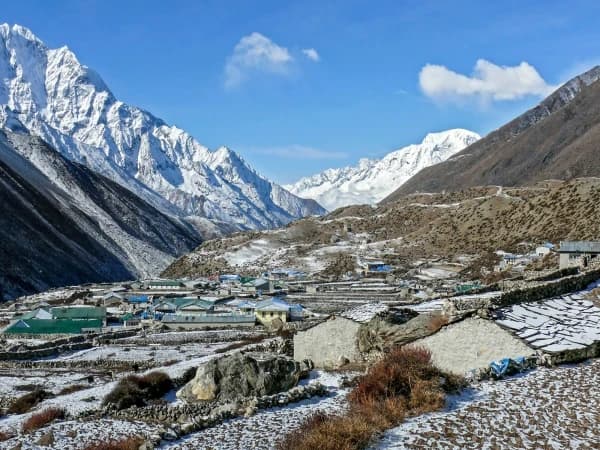
Everest Base Camp Trek By Road Trip - 15 Days Itinerary and Cost
Starts From
ExploreUS$1,399
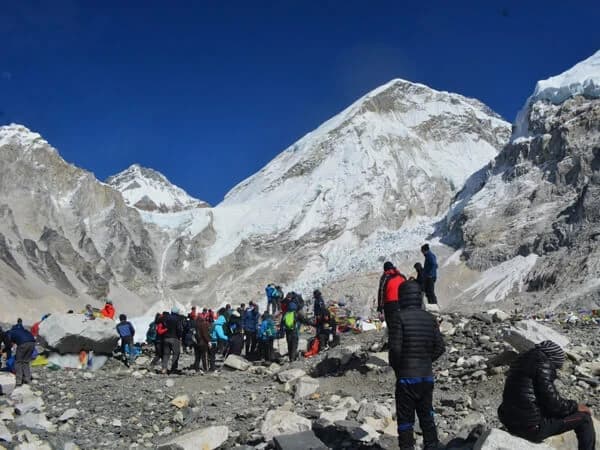
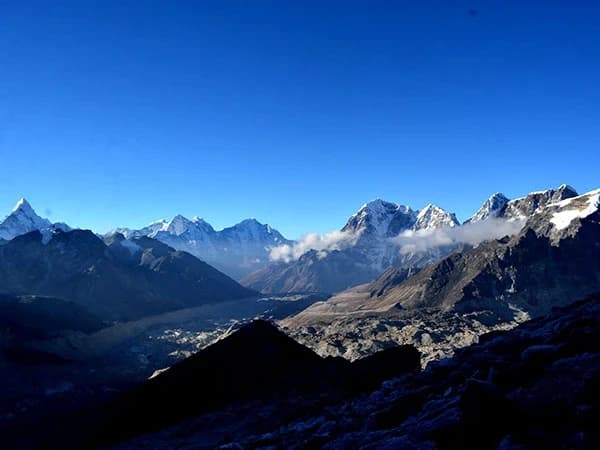
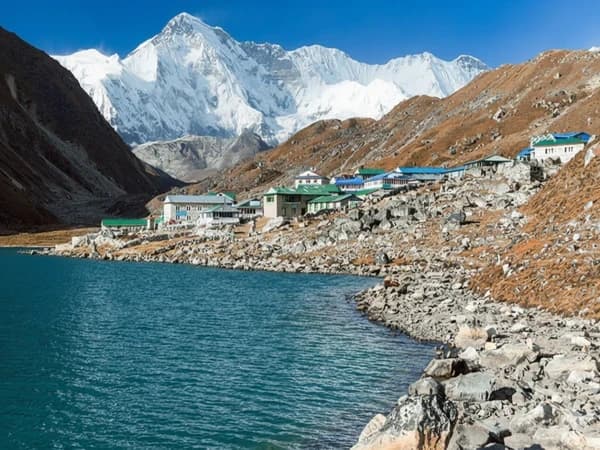
Everest Base Camp with Gokyo Lakes Trek via Chola Pass - 15 Days
Starts From
ExploreUS$1,699
Latest Travel Blogs
Christmas and New Year Treks from Pokhara 2026/27: 3 to 5 Days
<p>Short treks from Pokhara for Christmas and New Year 2026/27: Panchase 3 days, Poon Hill 4 days and Mardi Himal 5 days. Weather, snow, what is open, and prices by group size.</p>
Read More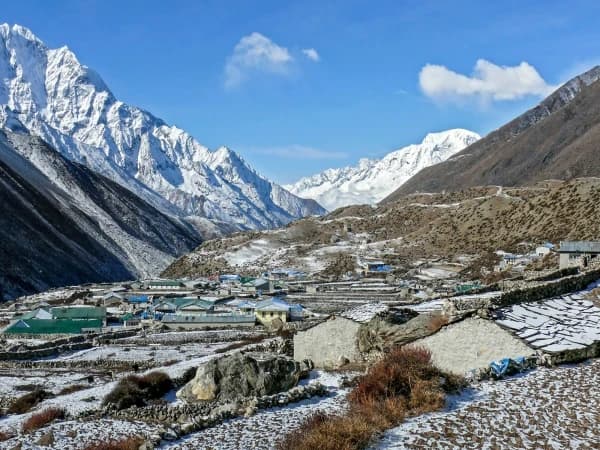
Thamdanda and Surke: The Road Head for Everest Base Camp by Road
Thamdanda is the road head where our Everest Base Camp trek by road starts and ends on foot. How to get there from Phaplu and what the first walk to Paiya is like.
Read MorePoon Hill Trek Permits 2027: ACAP, TIMS, Cost and What You Need
Poon Hill needs two permits: ACAP at NPR 3,000 and a TIMS card at NPR 2,000. Who arranges them, where they are checked, SAARC rates and the 2027 trek prices.
Read More Chat with Shreejan