Autumn turns Langtang into a golden valley with crystal views. October is warm and festive. November is cold and empty. Both are beautiful.
Govt Regd. No.: 147653/072/073
Travel Agency Licence: 2838/072
Langtang Valley Trek in Autumn: October, November and the Golden Valley

Short answer: October and November are the main months for the Langtang Valley. After the monsoon the air is clear, the birch and rhododendron forests turn gold in late October, and mid-October to mid-November gives the most reliable views of Langtang Lirung. The valley starts only a day's drive north of Kathmandu, and the road to Syabrubesi is open again. Walk it on our Langtang Valley trek.
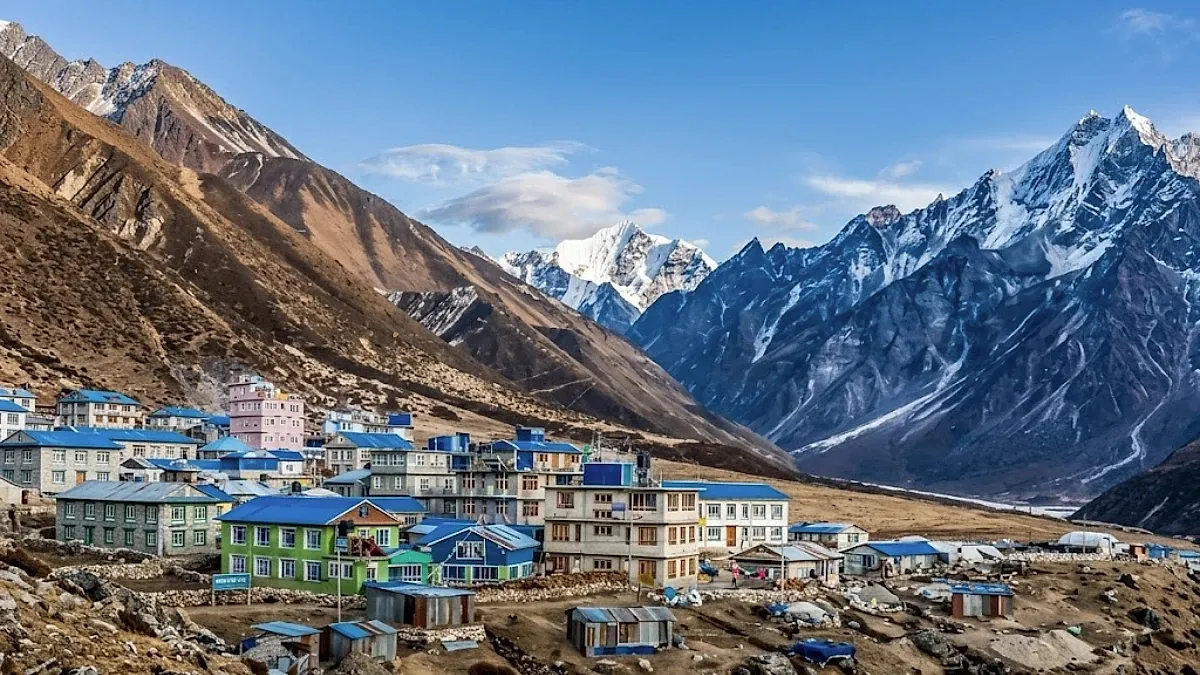
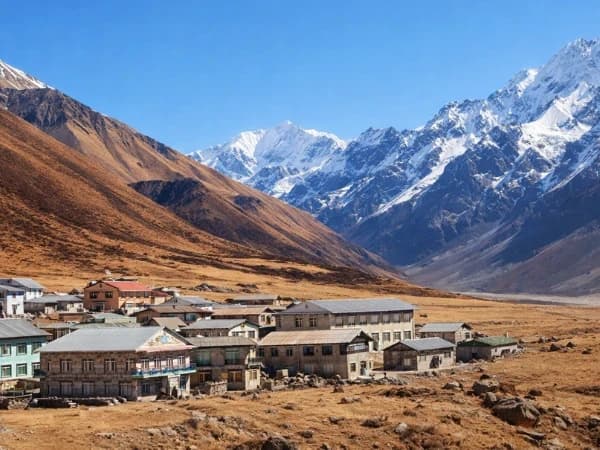
There is a moment in late October when the Langtang Valley turns gold. Not a soft, hazy gold, but the kind that punches you in the chest. The birch and rhododendron forests blaze with colour. The meadows above Langtang village glow amber in the afternoon light. And behind it all, Langtang Lirung stands impossibly white against a sky so blue it almost hurts to look at.
I have been walking this valley since I was a teenager, following in the footsteps of my father and grandfather. Every season paints it differently, but autumn is the one that keeps pulling me back. If you are considering a Langtang trek and trying to decide when to go, this guide covers everything you need to know about trekking here in October and November.
Why is autumn the best time for the Langtang Valley trek?
Langtang sits just 30 kilometres north of Kathmandu as the crow flies, but it feels like another world entirely. The valley runs east to west, which means it catches the full force of the autumn sun. After the monsoon clears in late September, the atmosphere is washed clean. Visibility jumps dramatically, and on most days between mid-October and mid-November, you can see every ridge, every glacier, every prayer flag on the high passes with startling clarity.
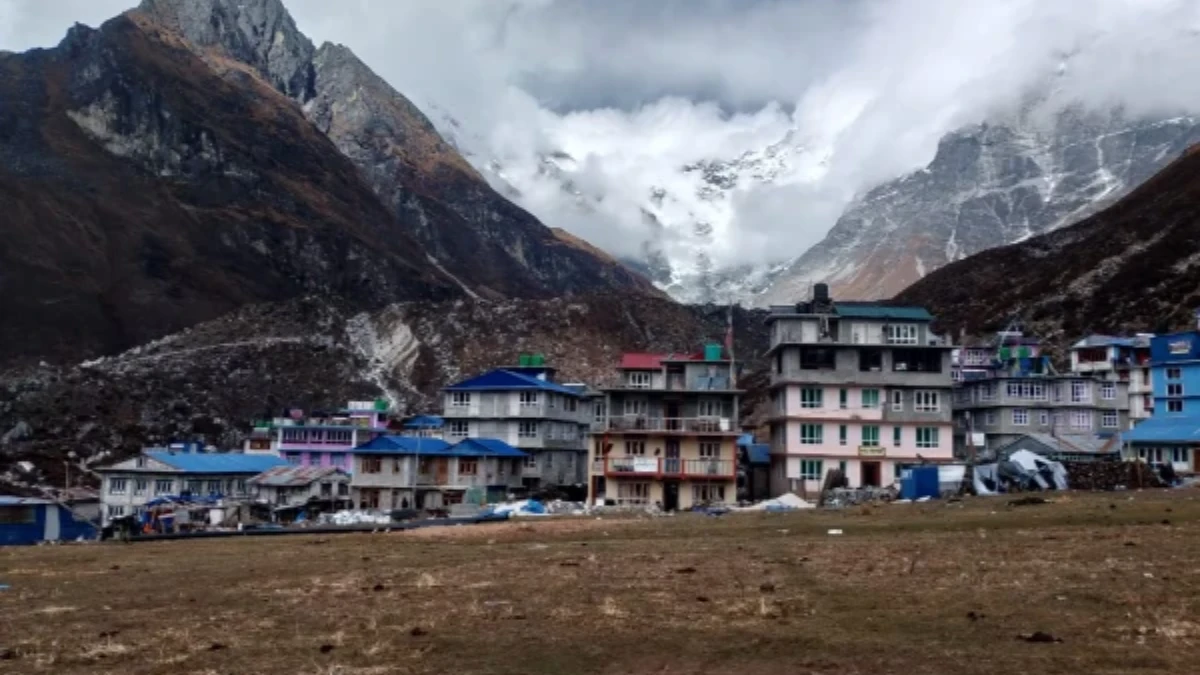
The monsoon dumps enormous amounts of rain on the Langtang region between June and September. All that water feeds the rivers, fills the waterfalls, and turns every hillside green. By October, the rain has stopped but the landscape still carries that lushness. The difference is that the clouds are gone. You get the green plus the views. That combination only lasts about six weeks before winter cold starts to brown everything out.
If you are weighing up different treks for autumn, our Langtang Valley Trek is one of the most rewarding options available, with far fewer trekkers than the Everest or Annapurna regions during this peak season.
The Tamang Harvest Festivals
One thing most trekking guides leave out is the cultural richness of autumn in Langtang. The valley is home to the Tamang people, an ethnic group with deep Tibetan roots. October and November are harvest months, and the Tamang communities along the trail celebrate with festivals, prayer ceremonies, and communal gatherings that you simply will not witness at any other time of year.
In the lower villages like Lama Hotel and Ghodatabela, you may see families threshing grain on stone patios. Higher up, around Mundu and Kyanjin Gompa, yak herders begin moving their animals down from the high pastures. The yak migration is a sight in itself: dozens of shaggy, bell-wearing yaks plodding down narrow trails, their herders whistling commands from behind.
The Tamang Lhosar (New Year) does not fall in autumn, but smaller harvest thanksgivings do. Monasteries hold prayer sessions. Butter lamps glow in the windows of stone houses. It is the kind of authentic cultural encounter that no amount of planning can replicate. You simply have to be there in the right season.
If the cultural side of trekking matters to you, our blog on Nepal trekking permits for 2026 explains the paperwork needed to enter the Langtang National Park area.
What will you see on the Langtang trek in autumn?
Let me walk you through the visual highlights of an autumn Langtang trek, day by day.
Syabrubesi to Lama Hotel
The trek begins with a steep descent into the Langtang Khola valley, then follows the river upstream through dense forest. In autumn, the canopy is a mix of deep green conifers and deciduous trees turning yellow and orange. Langur monkeys swing overhead. The river runs high but clear, with that distinctive glacial turquoise tint.
Lama Hotel to Langtang Village
As you climb above 3,000 metres, the forest thins and the valley opens dramatically. This is where autumn really shows its hand. The meadows flanking the trail turn golden. Wild grasses catch the light. On clear mornings, which is most mornings in October, Langtang Lirung (7,227m) fills the entire northern horizon. Its south face is a wall of ice and rock that glows pink at sunrise.
Langtang Village to Kyanjin Gompa
The final push to Kyanjin Gompa (3,870m) crosses wide, open yak pastures. In autumn, these meadows are dotted with grazing yaks and the occasional yak calf. The monastery at Kyanjin is small but atmospheric, and the cheese factory (yes, a cheese factory at 3,870 metres) is usually still operating in October. Try the yak cheese. It is surprisingly good.
Tserko Ri in Autumn Light
If you have an acclimatisation day at Kyanjin Gompa, climb Tserko Ri (4,984m). In autumn, the summit offers what many experienced trekkers consider the finest viewpoint in the entire Langtang region. The panorama stretches from Shishapangma in Tibet to the Ganesh Himal range. The air is so clear in late October that you can pick out individual seracs on glaciers twenty kilometres away.
The climb starts before dawn. You walk across frozen yak pastures by headlamp, then hit the steep ridge as the sky turns orange. The summit itself is a rocky point with prayer flags. On a good autumn morning, you might be the only person up there. That solitude is rare in Nepal these days, and it is one of the reasons I keep recommending Langtang to trekkers who want something real.
Understanding how altitude affects your body is critical for Tserko Ri. Read our guide on acclimatisation on Nepal treks before you plan this side trip.
How cold is Langtang Valley in October and November?
One of the biggest fears trekkers have about autumn is the cold. Let me give you the real numbers based on years of guiding this route.
| Location | Altitude | October Daytime | October Night | November Daytime | November Night |
|---|---|---|---|---|---|
| Syabrubesi | 1,550m | 18 to 22°C | 8 to 12°C | 14 to 18°C | 4 to 8°C |
| Lama Hotel | 2,380m | 14 to 18°C | 4 to 8°C | 10 to 14°C | 0 to 4°C |
| Langtang Village | 3,430m | 10 to 14°C | -2 to 2°C | 6 to 10°C | -6 to -2°C |
| Kyanjin Gompa | 3,870m | 8 to 12°C | -5 to 0°C | 4 to 8°C | -10 to -5°C |
| Tserko Ri Summit | 4,984m | 2 to 6°C | N/A (day hike) | -2 to 2°C | N/A (day hike) |
The key takeaway: October is warmer than November, but both months are perfectly comfortable for trekking if you pack correctly. A good down jacket is essential for evenings at Kyanjin Gompa. Our complete packing list covers exactly what you need for this temperature range.
October vs November: Which Month Should You Choose?
October
October is the most popular month for trekking in Nepal, full stop. The post-monsoon clarity is at its peak. Temperatures are warmer. The meadows are still green in the lower sections and just starting to turn gold higher up. Dashain, Nepal's biggest festival, falls in October, and you may find some teahouses closed for a few days in the early part of the month. Plan around it.
The downside of October is that trails are busier. Even in Langtang, which sees a fraction of the traffic that Everest Base Camp or Annapurna Base Camp receive, you will share the trail with other trekkers in October. This is not a bad thing. It means teahouses are fully staffed, the trail is well maintained, and there is a sociable atmosphere in the evening dining rooms.
November
November is colder but quieter. The golden meadows have deepened to amber and brown. Snow starts to appear on the higher ridges, adding contrast to the views. The crowds thin out noticeably after the first week of November, and by the third week, you may have stretches of trail to yourself.
Late November can bring early winter weather. Tserko Ri may have snow on the upper sections, making the climb more challenging. Kyanjin Gompa nights drop well below freezing. But if you are prepared for the cold and you value solitude over comfort, late November in Langtang is magical.
The Yak Migration: A Uniquely Autumn Experience
I mentioned the yak migration earlier, but it deserves its own section because it is one of the most underrated experiences in Nepal trekking.
Yaks spend the summer months grazing on the high pastures above 4,000 metres. As autumn progresses and temperatures drop, herders move them down to lower elevations for the winter. This migration happens gradually through October and November. On any given day, you might encounter a herd of twenty or thirty yaks being driven down the trail.
A word of practical advice: when a yak train comes towards you on a narrow trail, always move to the uphill side. Yaks are gentle animals, but they are heavy, and if one bumps you on the downhill side, you do not want a cliff below you. Stand still, let them pass, and enjoy the spectacle. The bells around their necks create a sound you will never forget.
Is Langtang better than Everest or Annapurna in autumn?
Trekkers often ask me why they should choose Langtang over the more famous routes in autumn. Here is my honest comparison.
Langtang vs Everest Base Camp: The EBC trek is a bucket-list item, and autumn is perfect for it. But it is crowded, expensive, and the flights to Lukla add both cost and uncertainty. Langtang starts with a bus ride from Kathmandu. No flights, no altitude-related flight delays, no queuing for boarding passes at Ramechhap. If you want big mountains without the logistics headaches, Langtang wins.
Langtang vs Annapurna Circuit: The Annapurna Circuit is longer and takes you over Thorong La at 5,416 metres. It is a fantastic trek, but it requires more time and a higher fitness level. Langtang gives you a similar cultural immersion with less time commitment.
Langtang vs Poon Hill:Poon Hill is shorter and easier, making it a great choice for first-time trekkers. But it lacks the raw, high-altitude grandeur that Langtang delivers. If you have the fitness for moderate altitude, Langtang is the better autumn experience.
What Should You Pack for Autumn in Langtang?
Getting There
The drive from Kathmandu to Syabrubesi takes six to seven hours by jeep. The road has improved significantly since the 2015 earthquake, though it is still bumpy in places. We arrange private jeep transfers for all our trekkers because public buses on this route are uncomfortable and unreliable.
Teahouse Quality
Teahouses in Langtang have improved enormously in recent years. At Kyanjin Gompa, several lodges now offer private rooms with thick mattresses and decent blankets. Lower down, Lama Hotel has comfortable options with hot showers (solar-heated, so better in sunny autumn weather). Our guide on what teahouses are really like gives you an honest picture of what to expect.
Food on the Trail
Autumn is the best season for teahouse food because the supply lines are open, the kitchens are fully stocked, and vegetables are fresh from the harvest. Dal bhat is the staple, and it is excellent. At Kyanjin Gompa, you can add yak cheese to almost anything. For a full breakdown of what is on the menu, check our food on Nepal treks guide.
Tipping Your Guide and Porter
Our guides and porters work hard on every trek, and autumn is their busiest season. If you are wondering about appropriate gratuities, read our tipping guide. It covers standard amounts and explains why tips matter so much in the Nepali trekking economy.
Safety and Insurance
Langtang is a safe trek. The trail is well marked, the altitude is manageable for most people, and the teahouses are reliable. That said, altitude sickness can affect anyone above 3,000 metres. Our guides carry pulse oximeters and are trained to recognise the early signs. Our honest assessment of safety in Nepal covers the broader picture.
What to Pack for Autumn Langtang
Autumn packing for Langtang is straightforward. You need layers. Mornings are cold, midday is warm, evenings are cold again. A down jacket, a fleece, and a good base layer will cover most situations. Sunglasses are essential because the autumn sun is strong at altitude and the glare off snow above 4,000 metres can cause snow blindness.
Walking poles help enormously on the steep sections between Syabrubesi and Lama Hotel. A good sleeping bag rated to minus ten degrees Celsius will keep you comfortable at Kyanjin Gompa in November. And bring a water bottle with a filter or purification tablets. Tap water is not safe, and buying bottled water creates plastic waste.
Frequently Asked Questions
Is the Langtang Valley Trek difficult?
Langtang is rated moderate. The highest point on the main trail is Kyanjin Gompa at 3,870 metres. If you add Tserko Ri, you reach 4,984 metres. Anyone with reasonable fitness who walks regularly can complete this trek. The key is to take the acclimatisation days seriously and not rush the ascent.
How crowded is Langtang in October?
Much less crowded than Everest or Annapurna. On a typical October day, you might see twenty to thirty other trekkers on the trail. At Kyanjin Gompa, the lodges fill up but rarely turn people away. It is a comfortable level of activity: enough company to be sociable, but plenty of quiet stretches where you have the trail to yourself.
Can I trek Langtang in late November?
Yes, but be prepared for cold nights and possible snow above 4,000 metres. The main trail to Kyanjin Gompa remains open through November. Tserko Ri may require crampons or microspikes in late November if there has been recent snowfall. Our guides assess conditions daily and will advise whether the climb is safe.
Do I need a guide for Langtang?
A licensed guide is required in Langtang under the Nepal Tourism Board rule from April 2023. Beyond the requirement, a guide adds real value in Langtang. They know the teahouse owners personally, they handle logistics, and they can translate when you want to chat with local Tamang families. Every guide at The Everest Holiday is licensed, trained in altitude medicine, and from the region they guide in.
What permits do I need?
You need a Langtang National Park entry permit and a TIMS card. Both are arranged by us before the trek starts. The total permit cost is included in our package price, so there are no hidden charges. For details on all Nepal trekking permits, see our 2026 permits guide.
Is Langtang safe after the 2015 earthquake?
Yes. Langtang village was devastated in 2015, and the community has rebuilt with extraordinary resilience. The new village sits slightly above the original site. Teahouses, monasteries, and the cheese factory are all operational. The trail is stable and well maintained. Trekking here directly supports the local economy and helps the community continue its recovery.
Book Your Autumn Langtang Trek
If the golden valley is calling, we are ready to make it happen. Our Langtang Valley Trek package includes everything: transfers, permits, an experienced guide, a porter, meals, and teahouse accommodation. October and November departures fill early, so get in touch sooner rather than later.
Send us a WhatsApp message on +977 9810351300 or email [email protected]. We typically reply within a few hours.
About the Author: Shreejan Simkhada is the CEO of The Everest Holiday and a third-generation Himalayan guide. The Everest Holiday is a TAAN member (#1586), and he has led treks across every major trail in Nepal. When he is not on the mountain, he is in Kathmandu making sure every client gets the trek they came for.
Autumn Langtang (Oct-Nov) is the golden valley. Our Langtang Trek (8 Days) is private (your group only, no strangers), 2027 dates open, From USD $490. WhatsApp us for tailored 2027 dates and current departures.
Planning a trip to Nepal?
Drop us your details and tell us what you have in mind. We will put together a personalised plan and get back to you.
Not sure which Nepal trek is right for you?
Take our free 2-minute quiz and get personalised recommendations based on your fitness, experience, and travel style.
Find Your Perfect Trek →Need Help? Call Us+977 9810351300orChat with us on WhatsApp
Related Trek Packages
 US$750
13 DaysMax 20
Langtang Gosainkunda trek - 13 Days
Starts From
ExploreUS$750
 US$1,200
12 DaysMax 20
Langtang Ganja La Pass trek - 12 Days Itinerary and Cost
Starts From
ExploreUS$1,200
Tamang Heritage Trail - 12 Days
Starts From
ExploreUS$1,020
Latest Travel Blogs
Christmas and New Year Treks from Pokhara 2026/27: 3 to 5 Days
<p>Short treks from Pokhara for Christmas and New Year 2026/27: Panchase 3 days, Poon Hill 4 days and Mardi Himal 5 days. Weather, snow, what is open, and prices by group size.</p>
Read More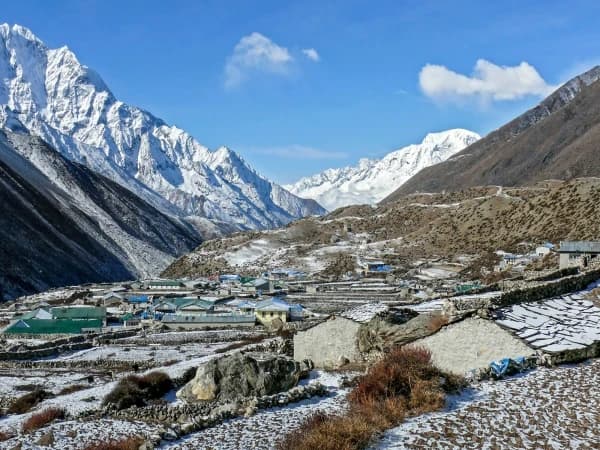
Thamdanda and Surke: The Road Head for Everest Base Camp by Road
Thamdanda is the road head where our Everest Base Camp trek by road starts and ends on foot. How to get there from Phaplu and what the first walk to Paiya is like.
Read MorePoon Hill Trek Permits 2027: ACAP, TIMS, Cost and What You Need
Poon Hill needs two permits: ACAP at NPR 3,000 and a TIMS card at NPR 2,000. Who arranges them, where they are checked, SAARC rates and the 2027 trek prices.
Read More Chat with Shreejan