
Nepal requires guides on all major treks since 2023. Here is how much they cost, what to look for, and how to avoid the agencies that cut corners.
Govt Regd. No.: 147653/072/073
Travel Agency Licence: 2838/072
How to Hire a Trekking Guide in Nepal: 2026/2027 Rules, Costs and What to Look For

The Law Changed in 2023. Here's What It Means for You.
In April 2023, Nepal made trekking guides mandatory for all foreign trekkers in national parks and conservation areas. That covers every popular trek: Everest, Annapurna, Langtang, Manaslu, all of them. The days of walking into the mountains with just a backpack and a map are over.
This rule wasn't created to take your money. It exists because trekkers died. People got lost above 4,000m without phone signal. People ignored altitude sickness symptoms without anyone to tell them to descend. The mandatory guide law is a safety measure, and having guided hundreds of treks myself, I think it's the right call.
But now you need to work through a system with over 2,000 registered trekking agencies, freelance guides of wildly varying quality, and a few bad actors looking to take advantage. This guide tells you how to hire well.
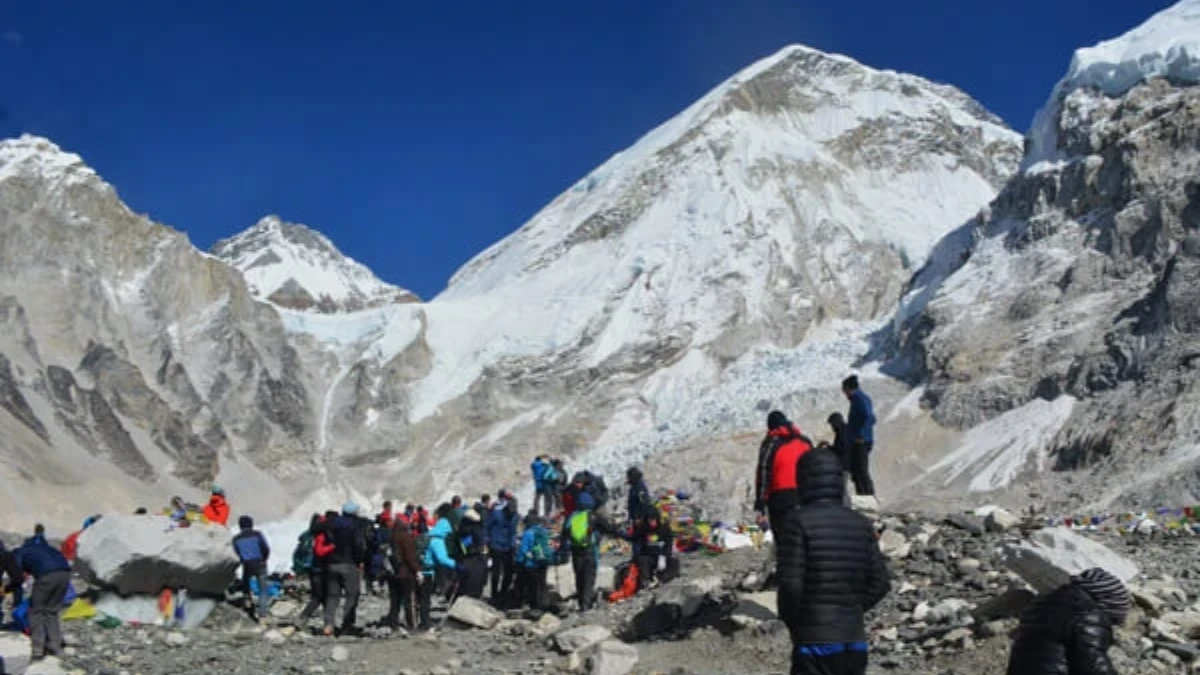
Do you need a licensed guide to trek in Nepal in 2026?
Foreign trekkers must be accompanied by a licensed guide arranged through a government-registered trekking agency. The guide must hold certification from the Nepal Academy of Tourism and Hotel Management (NATHM) or equivalent. The trekking agency must be registered with the Department of Tourism and ideally a member of TAAN (Trekking Agencies' Association of Nepal).
In practice, enforcement varies by region. The Annapurna and Everest regions check permits at entry checkpoints, and these checkpoints now verify guide credentials. Other areas are less strictly enforced. But regardless of enforcement, hiking without a guide puts you at legal risk and, more importantly, safety risk.
Guide vs Porter vs Full Package: What's the Difference?
| Option | What You Get | Daily Cost | Best For |
|---|---|---|---|
| Guide only | Licensed guide walks with you. You carry your own pack. You pay your own teahouse meals. | $25-35/day | Budget trekkers, fit travellers who can carry 8-10kg |
| Guide + porter | Guide navigates and manages safety. Porter carries your main bag (max 20kg per porter, 10kg each for two trekkers). You carry a daypack. | $40-55/day combined | Most trekkers. The sweet spot of cost and comfort. |
| Full package | Everything: guide, porter, permits, accommodation, meals, transport. You just show up. | $80-150/day (varies by trek) | First-timers, anyone who wants zero logistics hassle |
Our EBC 12-day trek starts at $1,399 on the Budget tier. That covers your licensed guide, the Lukla flights, every permit, teahouse accommodation and airport transfers, and we lend you a down jacket and a sleeping bag rated to minus fifteen at no charge. On Budget you carry your own bag and buy your own meals on the trail, which is exactly why it is the cheapest tier. Standard adds one porter between every two trekkers, all three meals a day with fresh fruit, and a private twin room. For most first-timers Standard is the tier that removes the planning and lets you focus on the walk.
How Much Does a Trekking Guide Cost?
Rates vary by experience, season, and route:
- Standard guide (3-5 years experience): $25-30/day
- Senior guide (5-10 years, English fluent): $30-40/day
- Specialist guide (climbing peaks, remote areas): $40-60/day
- Porter: $15-25/day
For a 12-day EBC trek with a guide only, expect to pay $300-420 for the guide alone. Add your own meals ($15-25/day on trail), accommodation ($3-5/night), and permits (~$45). Total: roughly $700-1,000 for a DIY-with-guide approach versus $1,100-1,800 for a full package.
The difference shrinks when you factor in the time and stress of arranging everything yourself. Most trekkers who try the DIY route on their first trip tell me they wish they'd booked a package.
What should you look for when choosing a trekking guide?
A good guide does more than walk in front of you. Here's what separates a guide who's worth the money from one who's just checking a legal box:
- Route knowledge: They've walked the specific trail multiple times, in different seasons. They know where the trail splits, which teahouses have the best food, and where the afternoon cloud typically hits.
- Altitude awareness: They carry a pulse oximeter and check your oxygen saturation above 3,500m. They know the difference between "tired" and "in trouble."
- First aid training: Basic wilderness first aid certification at minimum. They should know how to manage altitude sickness, blisters, sprains, and stomach illness.
- Language skills: Clear English communication. On a mountain, misunderstanding "we need to go down" could be dangerous.
- Emergency planning: They have a phone with signal knowledge (which ridges get coverage), helicopter evacuation contacts, and insurance coordination experience.
- Cultural bridge: They introduce you to local life, explain monastery customs, translate conversations with teahouse owners, and make the trek more than a walk.
How do you spot a bad trekking agency in Nepal?
- No TAAN membership number. Every legitimate trekking agency has a TAAN number verifiable at taan.org.np. If they can't provide one, walk away.
- Extremely low prices. If someone offers EBC for $400 all-inclusive, something is being cut. Usually guide pay, porter welfare, or insurance.
- Pressure to book immediately. "This price is only valid today" is a manipulation tactic.
- No written itinerary or contract. You should receive a clear breakdown before paying.
- No online presence or reviews. Check TripAdvisor and Google. Zero reviews in 2026 is suspicious.
Read our guide to choosing a trekking company and scam awareness guide for more.
Is it better to book a trekking guide online or in Kathmandu?
Online: Confirmed dates, guaranteed guide, permits arranged, airport pickup. Slightly higher cost but zero stress.
In Thamel: Meet agencies in person, possibly negotiate. Risk: peak season guides booked out, quality varies between the office and the actual guide at the trailhead.
Our recommendation: book online with a verified company. Meet your guide in Kathmandu before the trek. If something feels wrong, any reputable company will address it.
What safety equipment do Nepal trekking guides carry?
- Pulse oximeter for daily oxygen checks above 3,500m
- First aid kit with altitude medication, bandages, rehydration salts
- Working mobile phone with emergency contacts
- Physical map of the route (phones die in cold)
- Your insurance details and helicopter evacuation numbers
How much should you tip a trekking guide and porter in Nepal?
Tipping is customary. Standard: guide $8-15/day, porter $5-10/day. Given on the last evening of the trek. Read our tipping guide for full details.
Frequently Asked Questions
Can I trek without a guide?
Legally, no, in national parks and conservation areas. Enforcement is increasing. In restricted areas such as Upper Mustang, Manaslu and Nar Phu the rules are stricter again and only a registered agency can lodge the permit at all, although since 22 March 2026 there is no longer a minimum group size, so a solo trekker can now be permitted. Beyond legality, a guide adds safety that solo trekking at altitude simply cannot match.
How do I verify a company is legitimate?
Check TAAN membership at taan.org.np, and check the agency holds a licence from the Department of Tourism. Ask for their government registration number. Read independent reviews on TripAdvisor, Google, and Trustpilot. For the record, ours are TAAN 1586, trekking licence 2090/072 and travel licence 2838/072, so you can run the same checks on us. Worth saying plainly though: every legitimate company holds these documents, and so have companies that later let people down. The paperwork is necessary and it is not sufficient.
Should I book a package or hire a guide separately?
First trek in Nepal: book a package. Experienced Nepal trekker: guide-only can save money. Either way, you need a licensed guide.
Can I request a female guide?
Yes. Female guides are available and increasingly common. Ask when booking. Companies with established female guide rosters include ours. Read our Nepal safety guide for more on solo female trekking.
What if my guide isn't good?
Contact your agency immediately. Reputable companies arrange replacements, sometimes same-day on popular routes.
The right guide turns a walk into an experience. Take time to choose well.
WhatsApp:+977 9810351300
Email:[email protected]
Written by Shreejan Simkhada, CEO of The Everest Holiday and third-generation Himalayan guide. TAAN Member #1586.
Hiring a guide in 2027
The mandatory-guide rule is not going away, and our guide rates for 2027 are the same as for 2026. Guides who speak a language other than English are few and are booked months ahead for spring and autumn, so if language matters to you, say so when you enquire, not when you land.
Hiring a guide for Nepal in 2026 or 2027? The mandatory rule applies. Our Everest Base Camp Trek (12 Days) is private (your group only, no strangers), 2026 and 2027 dates open, From USD $1399. WhatsApp us for tailored 2026 and 2027 dates and current departures.
With your guide sorted, our Nepal Trekking Holidays 2026/2027 guide helps you choose the route itself, with costs and best seasons for each.
Planning a trip to Nepal?
Drop us your details and tell us what you have in mind. We will put together a personalised plan and get back to you.
Not sure which Nepal trek is right for you?
Take our free 2-minute quiz and get personalised recommendations based on your fitness, experience, and travel style.
Find Your Perfect Trek →Need Help? Call Us+977 9810351300orChat with us on WhatsApp
Related Trek Packages
 US$1,399
15 DaysMax 20
(6 reviews)
Everest Base Camp Trek By Road Trip - 15 Days Itinerary and Cost
Starts From
ExploreUS$1,399
Latest Travel Blogs
Everest Base Camp Trek Cost from Poland: Złoty Prices, Flights, Visa and Insurance
What Everest Base Camp really costs from Warsaw or Kraków, in dollars and złoty: the trek price by tier, flight snapshots via the Gulf, the visa, permits, why EKUZ does not cover you, and the full arithmetic.
Read More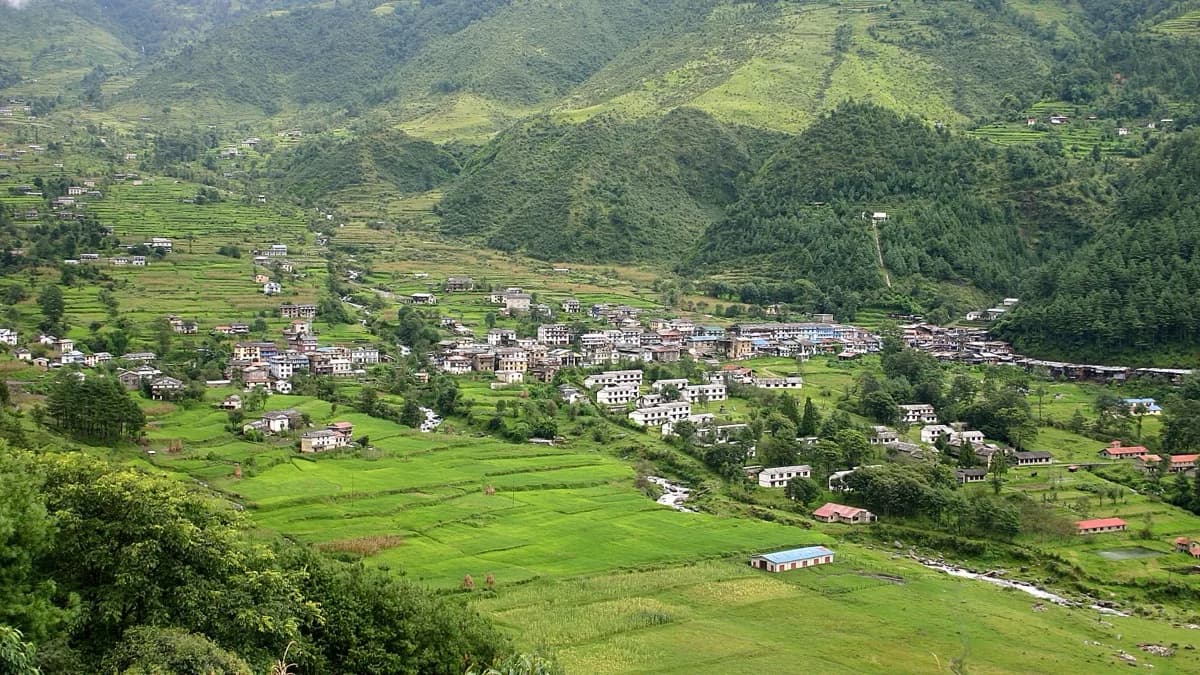
Thaknak: The Hinku Valley Night Below Khare on the Mera Peak Route
Thaknak is the first night above 4,000 metres on our Mera Peak route, between Kothe and Khare in the Hinku valley. Here is where it is, how high it really is, what the 1998 Sabai Tsho flood did, and where it fits in our itinerary.
Read More Chat with Shreejan