A week-by-week training plan to prepare for the EBC trek. Covers walking, strength, hill work, gear testing, and common mistakes to avoid.
Govt Regd. No.: 147653/072/073
Travel Agency Licence: 2838/072
12-Week Everest Base Camp Training Plan: Get Trek-Ready at Home

Can You Train for Everest Base Camp in 12 Weeks?
Yes, and honestly 12 weeks is the sweet spot. Shorter than that and you are rushing. Longer and people tend to lose motivation halfway through. We have sent hundreds of trekkers to base camp over the years, and the ones who follow a structured training plan almost always have a better time on the trail.
This is not about turning yourself into an athlete. The EBC trek sits between 2,860m and 5,545m altitude, covers roughly 130km return, and takes 12 to 14 days. You need steady cardiovascular fitness, strong legs, and the mental resilience to keep walking when your body wants to stop. This plan builds all three.
What Fitness Level Do You Actually Need?
Lower than most people think. If you can walk uphill for four hours without stopping and climb 20 flights of stairs without collapsing, you are already close to EBC-ready. The trek is graded moderate: long days on uneven terrain, but no technical climbing, no ropes, no scrambling.
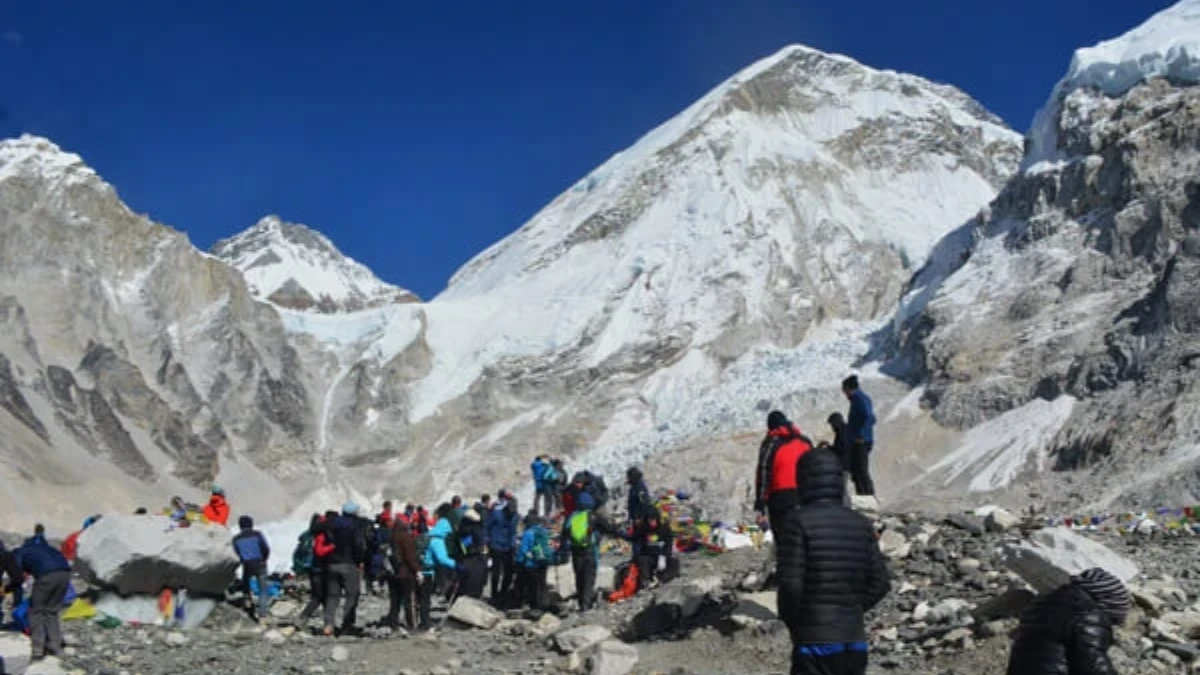
The real challenge is altitude. No amount of gym work prepares your lungs for 5,000m. What training does is make the walking part easy so your body can focus on adjusting to thin air. The fitter you are at sea level, the more energy you have left to cope with altitude.
Our guides say the single best predictor of a good EBC experience is not age, not fitness, not experience: it is preparation. People who trained enjoy it. People who did not train survive it.
Weeks 1 to 4: Building the Base
The first month is about consistency, not intensity. You are teaching your body to move for longer periods without breaking down.
Walking: Three to four walks per week. Start at 45 minutes on flat ground and add 10 minutes each week. By week 4 you should be comfortable walking 90 minutes without stopping. If you have hills nearby, use them; even gentle inclines make a difference.
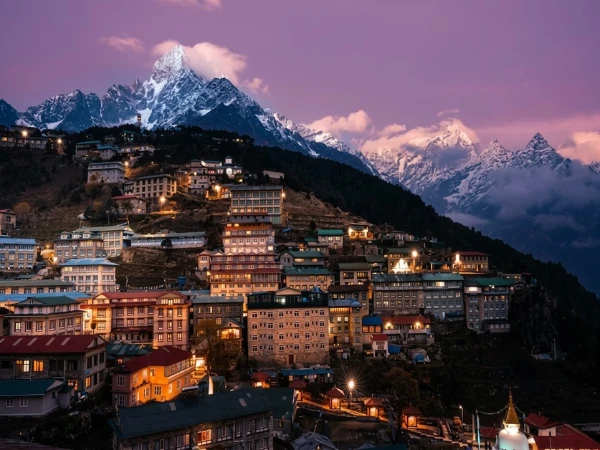
Stairs: Twice a week, climb stairs for 15 to 20 minutes. A stairwell in an office building, a stadium, a multi-storey car park, anything works. This mimics the relentless uphill sections between Namche Bazaar and Gorak Shep. Wear your trekking boots if you have them.
Strength: Two sessions per week focusing on legs and core. You do not need a gym. Bodyweight squats (3 sets of 15), lunges (3 sets of 12 each leg), calf raises (3 sets of 20), and planks (3 sets of 45 seconds) are enough. Your legs carry you up the trail. Your core keeps your back from aching under a daypack.
Rest: Take at least one full rest day per week. Recovery is when your body actually gets stronger. Related: How to Train for Everest Base Camp: The Programme That Actually Works.
Weeks 5 to 8: Adding Altitude Simulation
By now walking should feel natural. This phase pushes you harder and starts simulating trek conditions.
Long walks: One long walk per week, building from 2 hours to 3.5 hours. Ideally on trails with elevation gain, but even road walking with a loaded daypack works. Carry 5 to 8kg in your pack, this is roughly what you will carry on the trek (your main bag goes on a porter or yak).
Hill repeats: Once a week, find a steep hill and walk up it 4 to 6 times. Each repeat should take 5 to 10 minutes. Walk down slowly between repeats. This is the single most EBC-specific exercise you can do.
Stairs with load: Continue stair sessions but add your loaded daypack. Aim for 30 minutes of continuous climbing. The EBC trail has roughly 3,000m of total ascent, your legs need to handle it.
Strength progression: Add weight to squats and lunges if you can (hold a backpack, use dumbbells, or just increase reps). Introduce step-ups onto a bench (3 sets of 15 each leg), these directly train the motion of climbing stone steps, which you will do thousands of on the trek.
Cardio: Add one session of swimming, cycling, or jogging if your joints allow it. Cross-training prevents overuse injuries and builds aerobic capacity from a different angle.
Weeks 9 to 12: Trek Simulation
The final month is about building confidence. You should be finishing this phase thinking "I am ready" rather than "I hope I survive."
Back-to-back long walks: On two consecutive days, walk 3 to 4 hours each day with a loaded pack. This simulates consecutive trekking days and teaches your body to recover overnight. On the actual trek, you walk 5 to 7 hours per day for 12 days straight.
Peak long walk: In week 10 or 11, do one 5 to 6 hour walk. Ideally with 500m or more of elevation gain. This is your confidence builder. If you can do this without issues, EBC is well within your ability.
Taper: In the final week before departure, reduce volume by half. Walk for 30 to 45 minutes daily but nothing strenuous. Your body needs to arrive in Nepal rested, not exhausted from last-minute training.
Gear testing: Use your final long walks to test every piece of gear you plan to bring. Break in your boots properly, blisters from new boots are the most common preventable problem we see at base camp.
What Should You Eat During Training?
Nothing fancy. Eat enough protein to support muscle recovery (chicken, fish, eggs, lentils, dairy), enough carbohydrates to fuel your walks (rice, pasta, bread, potatoes), and plenty of vegetables. Stay hydrated, aim for 2 to 3 litres of water daily.
On the trek itself, teahouse food is surprisingly good. Dal bhat (rice and lentil soup) is the staple, and it is genuinely the best fuel for trekking. Our guides eat it twice a day and walk these trails year-round.
If you are curious about how much trekking in Nepal costs, food is included in all our packages, budget, standard, and luxury.
Do You Need to Train at Altitude?
No. Unless you live near mountains, altitude training is impractical and unnecessary. Your body acclimatises on the trek itself, that is why the itinerary includes rest days at Namche Bazaar (3,440m) and Dingboche (4,410m). These are not wasted days. They are the reason most people reach base camp successfully.
Altitude sickness does not discriminate by fitness level. Marathon runners get it. Couch potatoes do not. The best prevention is proper acclimatisation, adequate hydration, and listening to your body. Our guides monitor every trekker daily and adjust the pace if needed.
Read more about altitude sickness prevention on Nepal treks.
What If You Are Over 50?
Some of our best trekkers are in their 50s and 60s. Age is genuinely not a barrier, preparation is. If anything, older trekkers tend to train more diligently and pace themselves better, which often leads to a more enjoyable experience than younger trekkers who charge ahead and burn out.
The main adjustment: allow more recovery time between training sessions. Instead of training 5 days per week, aim for 4 with more rest. Focus on joint-friendly exercises, walking, swimming, and cycling rather than running. And get a medical check-up before starting. Your doctor should know you are planning a trek to 5,545m.
We have a detailed guide on trekking in Nepal over 50 with specific advice for older trekkers.
What If You Only Have 8 Weeks?
It is tight but doable if you are already reasonably active. Skip the base-building phase (weeks 1-4) and jump straight into the loaded walks and hill repeats. Compress the plan: three long walks per week instead of one, plus daily stair climbing. You will be tired, but you will be ready.
If you have less than 6 weeks and are starting from zero fitness, honestly consider a shorter trek first. Our Poon Hill trek is 4 to 5 days and gives you a taste of Himalayan trekking without the altitude demands of EBC. You can always come back for base camp next season.
What Gear Do You Need for Training?
Three things matter: boots, a daypack, and layers.
Boots: Buy them early and train in them. They need at least 50km of walking before the trek. Ankle-height waterproof boots with good grip are ideal. Do not buy mountaineering boots, they are overkill for EBC.
Daypack: A 25 to 35 litre pack that fits comfortably with a hip belt. Load it with 5 to 8kg for training walks. On the trek, your main duffel goes on a porter (we provide the down jacket and sleeping bag free of charge on every tier, and the duffel bag on the Standard and Luxury packages), so your daypack carries water, snacks, camera, and a layer.
Layers: Train in conditions that mimic the trek. If it is cold, train outside. If it is raining, train in the rain. Trekking is not a gym activity, the trail does not have air conditioning.
For a complete list, see our EBC packing list.
Sample Weekly Schedule
Here is what a typical week looks like in the middle phase (weeks 5-8):
Monday: 60-minute walk with daypack (flat or gentle hills)
Tuesday: Strength training, squats, lunges, step-ups, core (45 minutes)
Wednesday: Stair climbing with pack (30 minutes) + stretching
Thursday: Rest day
Friday: Hill repeats, 4 to 6 ascents of a steep hill (45 minutes)
Saturday: Long walk, 2.5 to 3.5 hours with loaded pack, ideally on trails
Sunday: Easy walk or swim (active recovery, 30 minutes)
Adjust this based on your schedule. The non-negotiables are: one long walk, one stair/hill session, and one strength session per week. Everything else is bonus. Related: Mera Peak Training Plan: 8 Weeks to Your First 6,000m Summit.
How Does This Training Compare to the Actual Trek?
On the EBC trek, a typical day looks like this:
Wake at 6:00. Breakfast at the teahouse. Walk for 3 to 4 hours. Lunch. Walk for 2 to 3 hours. Arrive at the next teahouse. Tea, rest, dinner, sleep. Repeat for 12 days.
The terrain varies hugely. The walk from Lukla to Phakding is a gentle downhill stroll through rhododendron forest. The climb from Lobuche to Gorak Shep is a slow, breathless slog across glacial moraine at 5,000m. Your training prepares you for both.
The distances are not extreme, 10 to 15km per day. But add altitude, uneven terrain, and a heavy pack, and those kilometres feel twice as long. If your training has you comfortable with 4-hour loaded walks on hills, the trek will feel challenging but manageable.
See the full EBC distance breakdown by day.
Common Training Mistakes to Avoid
Only running: Running builds cardio but does not train your body for slow, sustained uphill walking with a pack. Hiking and stair climbing are far more specific.
Ignoring descents: The walk down from base camp hammers your knees. Train downhill too, walk down stairs, descend hills deliberately. Strong quads prevent the wobbling knees that plague trekkers on day 10.
Starting too hard: Overtraining injuries (shin splints, knee pain, plantar fasciitis) are the number one reason people arrive in Nepal less fit than when they started training. Build gradually.
Skipping gear testing: Training is not just about fitness. It is about discovering that your boots rub your left heel, your pack straps dig into your shoulders, and your waterproof jacket makes you sweat. Find these problems in week 3, not on the trail to Namche.
Neglecting flexibility: Stretch after every session. Tight hip flexors, hamstrings, and calves make uphill walking painful and increase injury risk. Ten minutes of stretching saves you from days of discomfort.
Ready to Book Your EBC Trek?
If you have been following this plan, by week 12 you will be more than ready for base camp. We run EBC treks year-round with departures every week during peak season (March to May and September to November). Our packages include a government-licensed guide, porters, all accommodation, meals, permits, and airport transfers.
Have questions about training, gear, or the trek itself? Message us on WhatsApp: we reply within hours, and our team has collectively walked to base camp over 500 times.
You can also explore our complete EBC trek guide for everything you need to know about the route, costs, permits, and what to expect day by day.
Our 12-week EBC training plan: pair with our 2027 dates. Our Everest Base Camp Trek (12 Days) is private (your group only, no strangers), 2027 dates open, From USD $1399. WhatsApp us for tailored 2027 dates and current departures.
Planning a trip to Nepal?
Drop us your details and tell us what you have in mind. We will put together a personalised plan and get back to you.
Not sure which Nepal trek is right for you?
Take our free 2-minute quiz and get personalised recommendations based on your fitness, experience, and travel style.
Find Your Perfect Trek →Need Help? Call Us+977 9810351300orChat with us on WhatsApp
Latest Travel Blogs
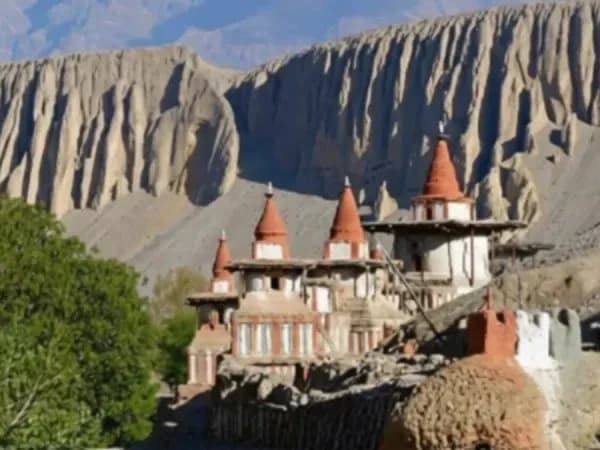
Trekking in Nepal in September 2027: Weather, Best Treks and Departures
Plan a September 2027 trek in Nepal: monsoon-tail weather, why Upper Mustang works, which treks to avoid and our departures on 6, 13, 20 and 27 September.
Read More
Trekking in Nepal in March 2027: Weather, Best Treks and Departures
Plan a March 2027 trek in Nepal: weather figures, the treks that suit the month, crowds, festivals and our departures on 8, 15, 22 and 29 March.
Read More
Trekking in Nepal in April 2027: Weather, Best Treks and Departures
Plan an April 2027 trek in Nepal: weather figures, the treks that suit the month, crowds, the Manthali flights and our departures on 5, 12, 19 and 26 April.
Read More Chat with Shreejan