
Honest advice for trekkers over 50 planning a Nepal trek. Real challenges, best treks by difficulty, training adjustments, medical checks, and gear that matters most.
Govt Regd. No.: 147653/072/073
Travel Agency Licence: 2838/072
Trekking in Nepal Over 50: The Honest Guide for Older Trekkers

Can You Trek in Nepal If You Are Over 50?
Absolutely. Some of the strongest trekkers we guide are in their 50s, 60s, and even 70s. Age is not a barrier to trekking in Nepal: preparation, realistic expectations, and choosing the right trek are what matter.
I have walked alongside older trekkers who reached Everest Base Camp without a single complaint, and a 28-year-old marathon runner who struggled above 4,000m. Altitude does not care about your age, and neither does the trail. What it cares about is whether you trained, whether you acclimatised properly, and whether you listened to your body along the way.
What Are the Real Challenges for Older Trekkers?
Let me be honest rather than encouraging. There are genuine differences between trekking at 30 and trekking at 55, and pretending otherwise does not help anyone.
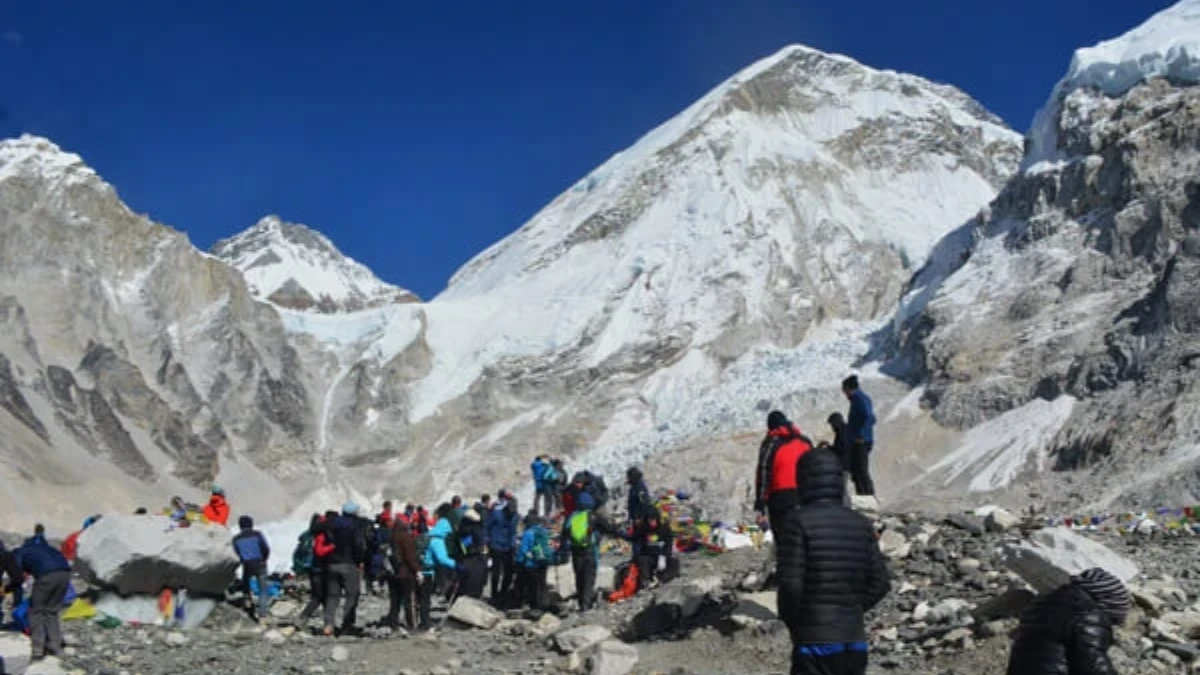
Recovery time: Your body takes longer to recover between walking days. What a 25-year-old shakes off overnight (sore knees, tired muscles, disrupted sleep) may take you two days to bounce back from. This is not a problem if the itinerary accounts for it.
Joint stress: Knees, hips, and ankles take more punishment on uneven terrain, particularly on descents. The stone steps between Namche and Tengboche are relentless, and 5,000 steps of downhill on a 55-year-old knee feels different from the same steps on a 25-year-old knee.
Altitude response: There is no clear evidence that age increases altitude sickness risk, but pre-existing conditions like high blood pressure or heart disease (more common with age) can complicate altitude acclimatisation. Get a thorough medical check before booking.
Sleep: Sleep quality at altitude is poor for everyone, but older trekkers often find it worse. Thin air, cold rooms, and an unfamiliar bed combine to produce very disrupted nights above 3,500m.
Pace: You will likely walk slower than younger trekkers, and that is perfectly fine. Our guides adjust the pace to the slowest member of the group. On private treks, the entire itinerary is built around your pace.
Which Treks Are Best for Over-50 Trekkers?
The best trek is the one that matches your fitness and experience, regardless of age. But if you are over 50 and this is your first Himalayan trek, here are the routes I recommend most often:
Poon Hill Trek (4-5 days, max 3,210m): The perfect introduction. Short, low altitude, spectacular views of Annapurna and Dhaulagiri. The walking is moderate, teahouses are comfortable, and altitude sickness is unlikely below 3,500m. Start here if you are unsure about your capacity.
Annapurna Base Camp (9-11 days, max 4,130m): Moderate difficulty with a spectacular payoff. The altitude is manageable, the trail is well-maintained, and the mountain amphitheatre at base camp is worth every step. Many over-50 trekkers complete this comfortably.
Langtang Valley Trek (7-10 days, max 4,984m): Quieter than EBC or Annapurna, accessible by road from Kathmandu (no flights), and shorter than most. The optional Tserko Ri summit is demanding but can be skipped without losing the core experience.
Everest Base Camp (12-14 days, max 5,545m): Doable for fit over-50 trekkers, but requires proper training and acclimatisation. The altitude is the main challenge, not the walking. Consider the 14-day itinerary rather than 12-day for extra acclimatisation time.
How Should You Train Differently?
The same principles apply at any age, walk uphill, climb stairs, build leg strength, but the approach needs adjustment:
Start earlier: Give yourself 16 weeks rather than 12. Older bodies adapt more slowly, and rushing training invites injury.
Focus on joints: Swimming and cycling build cardiovascular fitness without hammering your knees. Mix these with hill walks rather than walking every day.
Train descents: Walk downhill deliberately. Descending is harder on knees than ascending, and the Nepal trails involve thousands of stone steps. Strong quadriceps and controlled descent technique prevent the knee pain that plagues trekkers in the second week.
Prioritise recovery: Take two rest days per week instead of one. Sleep well. Stretch after every session. Your body is doing the same work as a younger trekker's, it just needs more time to repair.
Trekking poles: Use them from day one. They reduce knee impact by 25 to 30 percent on descents and improve balance on uneven ground. This is non-negotiable advice for over-50 trekkers.
Read our full fitness guide by trek difficulty for specific training benchmarks.
What Medical Checks Do You Need?
See your doctor before booking. Tell them you are planning a trek to a specific altitude (e.g., 5,545m for EBC) and ask them to assess:
Blood pressure and heart health. Lung function. Joint condition (knees, hips, ankles). Any medications that might interact with altitude (beta-blockers, blood thinners, sleeping pills). Diabetes management at altitude if relevant.
Your doctor may prescribe Diamox (acetazolamide) for altitude prevention. This is common and safe for most people, but discuss it specifically, some medications interact with it.
Get travel insurance that covers trekking to your target altitude and helicopter evacuation. Standard policies exclude altitude trekking. We recommend World Nomads, Global Rescue, or Battleface; all cover trekking to 6,000m.
Should You Do a Private Trek or Group Trek?
Private. For over-50 trekkers, a private trek is worth the slight extra cost. The guide adjusts the pace to you, the itinerary flexes around how you are feeling, and there is no pressure to keep up with faster, younger trekkers.
On a private trek, if you need an extra rest day at Dingboche, you take it. If your knees are struggling on a descent, the guide finds an alternative path. If you want to stop at a viewpoint for twenty minutes instead of five, nobody is waiting.
All our treks can be arranged as private departures. Message us on WhatsApp to discuss what is right for you.
What Gear Matters Most for Older Trekkers?
Trekking poles: Already mentioned, but worth repeating. Adjustable, with cork or foam grips. Use them on every section, not just downhill.
Boots: Well-broken-in, ankle-height, with good cushioning. Your joints need the support more than a 25-year-old's. Do not compromise on boot quality.
Sleeping bag: Go warmer than recommended. Older bodies lose heat faster. If the guide says -15°C bag, bring -20°C. You will thank yourself at Gorak Shep.
Knee supports: Compression sleeves or neoprene supports for below the knee. Not a brace, just gentle compression to stabilise the joint during long descents.
Medications: Bring a personal first aid kit with ibuprofen (joint inflammation), paracetamol (headache at altitude), and any prescription medications you take daily. Pharmacies above Namche do not exist.
What Do Our Guides Say About Older Trekkers?
Our senior guides have a theory: older trekkers succeed more often because they listen better. Younger trekkers charge ahead, ignore altitude advice, and push through symptoms. Older trekkers walk steadily, drink water when told, rest when rest days are scheduled, and report symptoms honestly. The result is a higher completion rate and a more enjoyable experience.
Between them our guides have led trekkers from 18 to 74 years old. Their advice for anyone over 50 is simple. Walk slowly, eat everything, sleep well, and let the mountains come to you.
Ready to Plan Your Trek?
Tell us your age, fitness level, and which trek interests you. We will give you honest advice about what is realistic, what training you need, and which itinerary gives you the best chance of a successful, enjoyable trek.
WhatsApp us or browse our full range of packages to find the right fit. No age limit, no judgement, just honest guidance from people who walk these trails every day.
Over 50? Poon Hill is the honest starting point. Our Ghorepani Poon Hill Trek (6 Days) is private (your group only, no strangers), 2027 dates open, From USD $499. WhatsApp us for tailored 2027 dates and current departures.
Planning a trip to Nepal?
Drop us your details and tell us what you have in mind. We will put together a personalised plan and get back to you.
Not sure which Nepal trek is right for you?
Take our free 2-minute quiz and get personalised recommendations based on your fitness, experience, and travel style.
Find Your Perfect Trek →Need Help? Call Us+977 9810351300orChat with us on WhatsApp
Latest Travel Blogs
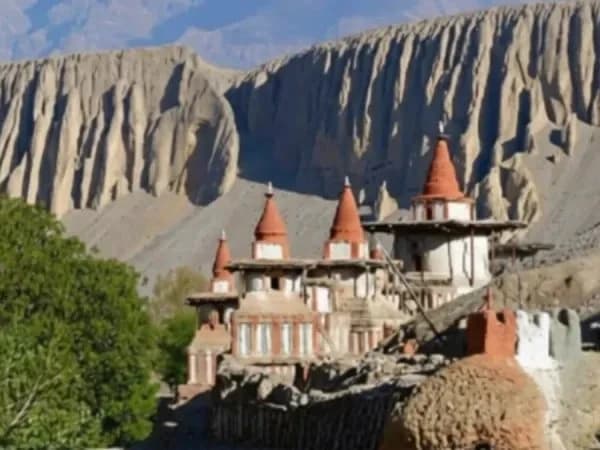
Trekking in Nepal in September 2027: Weather, Best Treks and Departures
Plan a September 2027 trek in Nepal: monsoon-tail weather, why Upper Mustang works, which treks to avoid and our departures on 6, 13, 20 and 27 September.
Read More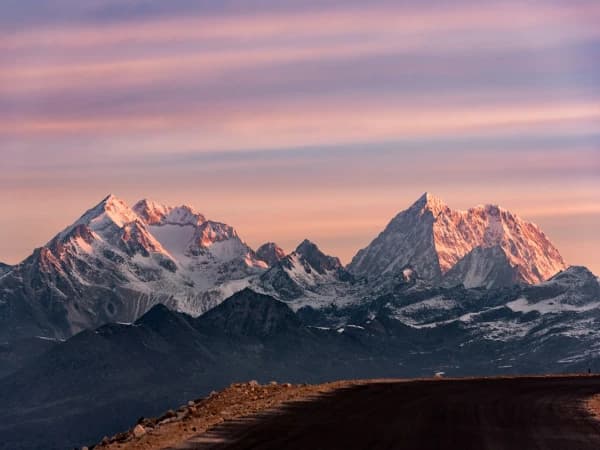
Trekking in Nepal in March 2027: Weather, Best Treks and Departures
Plan a March 2027 trek in Nepal: weather figures, the treks that suit the month, crowds, festivals and our departures on 8, 15, 22 and 29 March.
Read More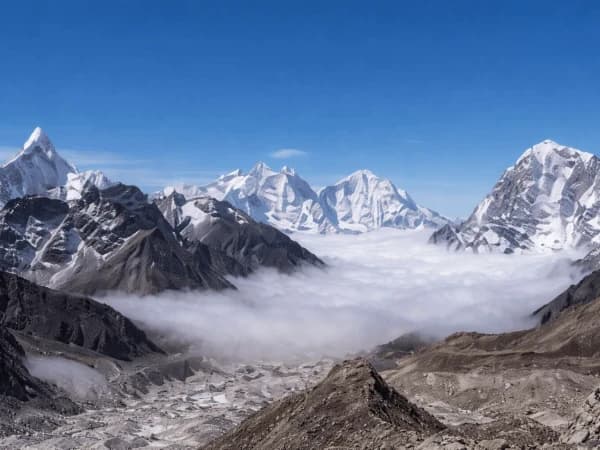
Trekking in Nepal in April 2027: Weather, Best Treks and Departures
Plan an April 2027 trek in Nepal: weather figures, the treks that suit the month, crowds, the Manthali flights and our departures on 5, 12, 19 and 26 April.
Read More Chat with Shreejan