How Much Does a Bardia National Park Safari Cost in 2027?

A Bardia National Park safari costs most travellers between $300 and $500 per person for a 3-night, 4-day overland package in 2026, or $500 to $900 per person if you fly from Kathmandu to Nepalgunj instead of taking the 14-hour bus. Those are the honest market bands you will find across reputable Nepali operators. The park entry fee itself is small: NPR 1,500 (about US$11) per person per day for foreigners. What moves the total is how you travel, where you sleep and how many days you give the jungle.
I am Shreejan Simkhada, founder of The Everest Holiday, a family-run operator in Kathmandu. We have been sending guests to Nepal's national parks since 2016, and Bardia is the trip I recommend to anyone who wants tigers rather than crowds. Because every Bardia trip we run is built around your dates, group size and lodge preference, we price it as a tailored quote rather than a fixed brochure rate. Message us on WhatsApp with your dates and we will send a same-day quote, typically aligned with the market bands above.
This guide covers the full 2026 cost picture: park fees, flights, the drive from Nepalgunj, lodge price tiers, how many days you actually need, and a frank answer on tiger odds. If you want the story of why Bardia feels the way it does, read our companion piece on Bardia, the safari most tourists never find. This page sticks to money and planning.
How much does a Bardia National Park safari cost in 2026?
Plan on $300–500 per person for a standard 3-night, 4-day package travelling overland, and $500–900 per person for the same trip with return flights between Kathmandu and Nepalgunj. Multi-traveller pricing brings the per-person figure down: across the operators we benchmark against, a solo traveller on a fly-in package pays around $800–850, a pair around $700–750 each, and groups of three or more around $650–710 each. Day-by-day, the core jungle activities (a full-day jeep safari or a guided walking safari) cost roughly NPR 3,000–4,000 per person plus the daily park fee if you book them locally.
Here is the full cost breakdown for 2026:
| Cost item | Typical 2026 price | Notes |
|---|---|---|
| Park entry fee (foreigner) | NPR 1,500 (~US$11) per person, per day | Official Nepal Tourism Board rate; SAARC nationals NPR 750, Nepalis NPR 100. A new ticket is needed each day you enter. |
| Kathmandu–Nepalgunj flight | ~US$150–180 each way (foreigner fare) | About 1 hour with Buddha Air, Yeti or Shree; several departures daily. The single biggest line in a fly-in package. |
| Nepalgunj airport to the park | Included in most packages | Roughly 85 km, a 2.5–3 hour drive to Thakurdwara, the lodge village at the park gate. |
| Overland bus from Kathmandu | A small fraction of the flight cost | 14–16 hours each way. This is why overland packages sit in the $300–500 band. |
| Budget guesthouse (Thakurdwara) | US$10–20 per night, room only | Simple, clean, family-run; meals ordered separately. |
| Mid-range lodge | US$30–50 per night | The sweet spot for most guests: garden compounds, good food, hot water. |
| Luxury camp (e.g. Tiger Tops Karnali) | US$100+ per night; all-inclusive stays can run to several hundred per night | Legacy safari lodges with naturalists, full board and activities bundled. |
| Full-day jeep or walking safari | NPR 3,000–4,000 per person, per day | Booked locally, on top of the park fee. Licensed guides are mandatory; you cannot enter alone. |
| Extras (rafting on the Karnali, Tharu village visits, tips) | Variable | Budget a modest daily allowance; guide tips are customary and earned. |
All package figures are per-person market ranges compiled from published 2026 rates across established Nepali operators. If a company quotes you far below the bottom of these bands, ask hard questions about guide licensing and what is actually included.
What is the Bardia National Park entry fee for foreigners?
The Bardia National Park entry fee is NPR 1,500 per person per day for foreign nationals, NPR 750 for SAARC nationals and NPR 100 for Nepali citizens, per the Nepal Tourism Board's official fee schedule. That is roughly US$11 a day at 2026 exchange rates. The permit is valid for a single day, so a three-day safari means three tickets. You may still see NPR 1,000 quoted on older websites; that figure is out of date.
Two things worth knowing. First, the fee is almost always folded into your package price, so you will rarely pay it at a counter yourself. Second, a licensed guide is mandatory inside the park. This is not an upsell; it is park regulation, and given that you are walking in habitat shared with tigers, elephants and the odd rhino, it is regulation you want.
What actually drives the price of a Bardia safari?
Three variables set your final cost: how you get there, the lodge tier you choose, and how many safari days you book. Everything else is rounding error next to those.
Transport is the biggest swing
Bardia sits in far-west Nepal, about 500 km from Kathmandu by road. Flying to Nepalgunj takes around an hour and the foreigner fare runs roughly $150–180 each way, so the return flights alone add $300–360 per person against the overland option. The bus costs a small fraction of that but takes 14–16 hours each way. If your time in Nepal is short, fly; if you are travelling slowly on a budget, the bus is how the $300–500 packages happen. A middle path we often build for couples: fly one way, then route the return overland via Lumbini or Chitwan so the road hours buy you something.
Lodge tier changes the trip more than the wildlife does
The jungle is the same whichever bed you sleep in. A family guesthouse in Thakurdwara at $10–20 a night and a legacy camp at several hundred a night both put you at the same park gate at dawn. What you are buying at the top end is atmosphere, food, naturalist guides on staff and everything bundled. Most of our guests are happiest in the middle band, $30–50 a night, where the lodges are comfortable, the owners often guide themselves, and more of your money stays in the village.
Days in the park compound your odds and your cost
Each extra day adds a park fee, a guided activity and a night's accommodation, call it $40–80 per person per day at the budget-to-mid level. It is the best money you will spend on this trip, because wildlife viewing in Bardia rewards patience. One day gives you a lottery ticket; three days gives you a genuine chance at a tiger.
How many days do you need in Bardia?
Three nights and four days is the realistic minimum, and that is exactly why the standard package is built that way. Getting to Bardia consumes the better part of a day in each direction even when you fly, so a two-night trip leaves you a single full day in the park. After that much travel, one jungle day is a poor return.
The 3-night structure gives you two full safari days plus arrival and departure half-days. If seeing a tiger is the point of your trip, add a third full safari day: sightings in Bardia tend to come to people who put in consecutive long days at the riverbanks and grasslands rather than to the lucky. A 4-night, 5-day trip typically adds only $60–120 per person at budget and mid-range lodges, which is cheap insurance for a sighting most people only get once.
How do you get to Bardia National Park?
The standard route is a one-hour flight from Kathmandu to Nepalgunj followed by a 2.5–3 hour drive covering about 85 km to Thakurdwara, the village at the park entrance. Buddha Air, Yeti Airlines and Shree Airlines all fly the route several times daily, and packages normally include the lodge pickup at Nepalgunj airport. Door to door, Kathmandu to your lodge is roughly half a day.
The overland alternative is a long-distance bus taking 14–16 hours, usually overnight. It is genuinely cheap and genuinely tiring. Travellers already heading west (Lumbini and Pokhara both shorten the journey) can break the trip sensibly. Coming from India, Nepalgunj sits close to the border crossing at Rupaidiha, which makes Bardia surprisingly convenient for travellers connecting from Lucknow or Delhi by rail.
Whichever way you come, do not plan to self-drive into the park or wander in independently: entry requires the daily permit and a licensed guide, and the good guides get booked ahead in peak months.
When is the best time to visit Bardia?
October to April is the season, and February to April is the prime tiger window. As the dry season deepens, the heat concentrates animals at the remaining water, the phanta grasslands are cut and burned back, and sight lines open up. October to January is greener and cooler with excellent birding and comfortable walking, though early-winter mornings can be foggy and cold in the Terai.
Avoid the monsoon, June to September. Rivers flood, tracks close and many lodges shut entirely through July and August. If those are the only months you have in Nepal, put your wildlife budget into a different experience and come back to Bardia in season; we would rather tell you that than sell you a compromised trip. Prices do not swing much by season here the way they do in trekking; availability at the better lodges in February–April is the constraint, so book those months early.
What are the chances of actually seeing a tiger in Bardia?
Bardia offers the best tiger-sighting odds in Nepal, but no honest operator will guarantee you one. The 2022 national census counted roughly 125 tigers in Bardia against 128 in the much larger and much busier Chitwan, which is why Bardia's sighting rates per visitor are the strongest in the country. A new national census began in late 2025, and most people who follow the parks expect the Bardia number to hold or rise when results publish.
Experienced local guides put the odds at around 60–70% across two to three full safari days in the February–April window, and materially lower on a single day or in the green months. Treat any company advertising a "guaranteed tiger" as a red flag. What Bardia reliably delivers even without the tiger is a wild day: wild elephants (a population of around 120 moves between Bardia and India), swamp deer, langurs, crocodiles, Gangetic dolphins in the Karnali on a good day, and the particular thrill of tracking on foot. For the full method behind that, our Bardia tiger-tracking guide goes deep on how the walking safaris work.
Is Bardia cheaper than Chitwan?
On the ground, yes; door to door, usually no. Bardia's park fee is lower (NPR 1,500 versus Chitwan's NPR 2,000 per entry), its lodges are cheaper at every tier, and daily activity costs are similar. But Chitwan is a 5–6 hour tourist-bus ride from Kathmandu while Bardia needs flights or a very long bus, so a comparable Chitwan trip totals less: typically $150–250 for 2 nights against Bardia's $300–900 for 3 nights.
The right way to frame it is value rather than price. Chitwan gives you near-certain rhinos, easy access and comfort; Bardia gives you the best tiger odds in Nepal and a park you often have to yourselves. We compare them properly, park by park and traveller by traveller, in our Chitwan vs Bardia guide. Plenty of guests do both: Chitwan for the rhinos and culture, then the Nepalgunj flight for Bardia's tigers, about a week all told.
How much does The Everest Holiday charge for a Bardia safari?
We price Bardia as a tailored quote rather than a fixed package, and the final figure typically lands within the market bands above: $300–500 per person overland, $500–900 with flights, for 3 nights and 4 days. The reason is simple: flight fares move with your dates, lodge choice swings the cost more than anything we control, and half the Bardia trips we build are combinations (Bardia with Chitwan, Lumbini or a post-trek wind-down) rather than the standalone standard itinerary.
A quote from us always itemises the park fees, transport, accommodation tier, guided activities and meals, so you can see exactly where every dollar sits against this guide. As a licensed, family-run Kathmandu operator (Tourism Licence 2838/072, TAAN member), we use the licensed local guides we know personally, and we will tell you plainly when a cheaper configuration serves you better.
Ready to price your Bardia trip?
Here is what to do next:
- Pick your window: February to April for the best tiger odds, October to January for cooler, greener days.
- Decide fly versus overland: flying saves two long days and adds roughly $300–360 per person.
- Give the park three nights minimum, four if the tiger is the whole point.
- Choose your lodge tier: $10–20 budget, $30–50 mid-range, or a legacy luxury camp.
Then message us your dates and group size on WhatsApp for a same-day Bardia quote. We will come back with an itemised price, honest availability at the lodges we trust, and a straight answer on your tiger odds for the dates you have. No deposit is needed to get a quote, and if Bardia is not the right fit for your window, we will say so and suggest what is.
Planning a trip to Nepal?
Drop us your details and tell us what you have in mind. We will put together a personalised plan and get back to you.
Not sure which Nepal trek is right for you?
Take our free 2-minute quiz and get personalised recommendations based on your fitness, experience, and travel style.
Find Your Perfect Trek →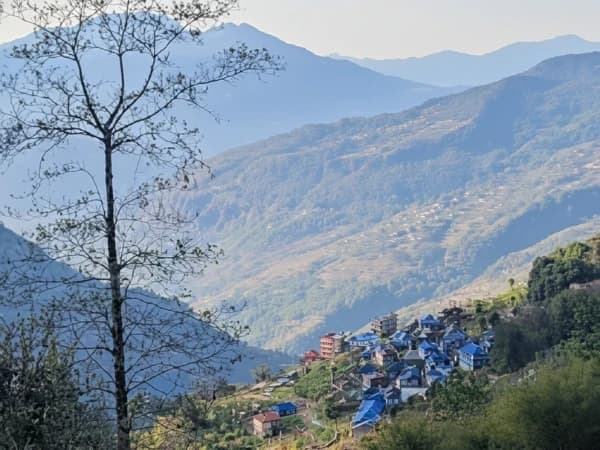
Tikhedhunga: The First Night on the Poon Hill Yoga Trek and the Foot of the Stone Steps
Tikhedhunga is a village at about 1,500 m at the foot of the Ulleri stone steps. Distances to Ghorepani, permits, best months and the trips that pass through.
Read More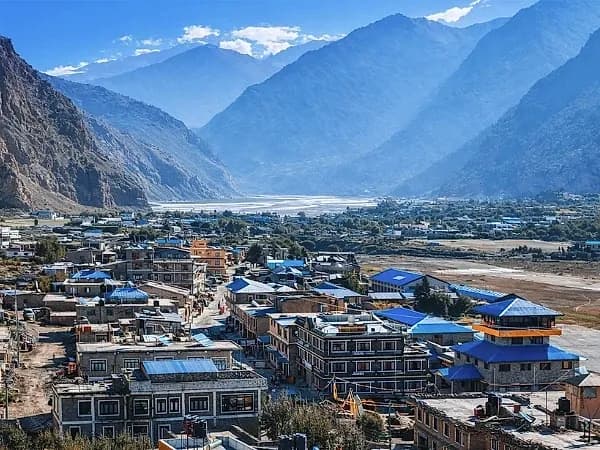
Tukuche: The Thakali Village on the Kali Gandaki Road
Tukuche is a Thakali trading village at about 2,590 m in the Kali Gandaki valley. Distances to Marpha and Kalopani, permits, best months and the trips that pass through.
Read More
Everest Base Camp Trek Cost from Uzbekistan: Soum Prices, Flights, Visa and Payment
Everest Base Camp trek cost from Uzbekistan: trek prices in dollars and soum, Tashkent to Kathmandu fares, visa on arrival, halal food and how to pay.
Read More Chat with Shreejan