
Short answer: Tserko Ri (about 4,984 m) is a rocky summit above Kyanjin Gompa in the Langtang Valley, higher and harder than Kyanjin Ri, with wide views of peaks and glaciers. It is the side trip that turns the valley walk into a high-mountain day. Climb it on our Langtang Valley trek.
Perched above the scenic village of Kyanjin Gompa in Nepal’s Langtang Valley, Tserko Ri is one of the most iconic viewpoints in the region. Rising to an impressive height of approximately 4,984 metres, this rocky summit offers panoramic views of the surrounding Himalayan peaks, vast glaciers, and sweeping valleys. For trekkers undertaking the Langtang Valley Trek, the side trip to Tserko Ri is the day that turns a good valley walk into a proper high-mountain trek.
Tserko Ri sits within Langtang National Park, a protected area known for its rich biodiversity and dramatic mountain landscapes. Unlike some more crowded trekking destinations in Nepal, Tserko Ri remains relatively peaceful, giving visitors a sense of solitude and connection with the high Himalayas. The climb is challenging but deeply rewarding, offering wide Himalayan vistas at every step.
Where is Tserko Ri?
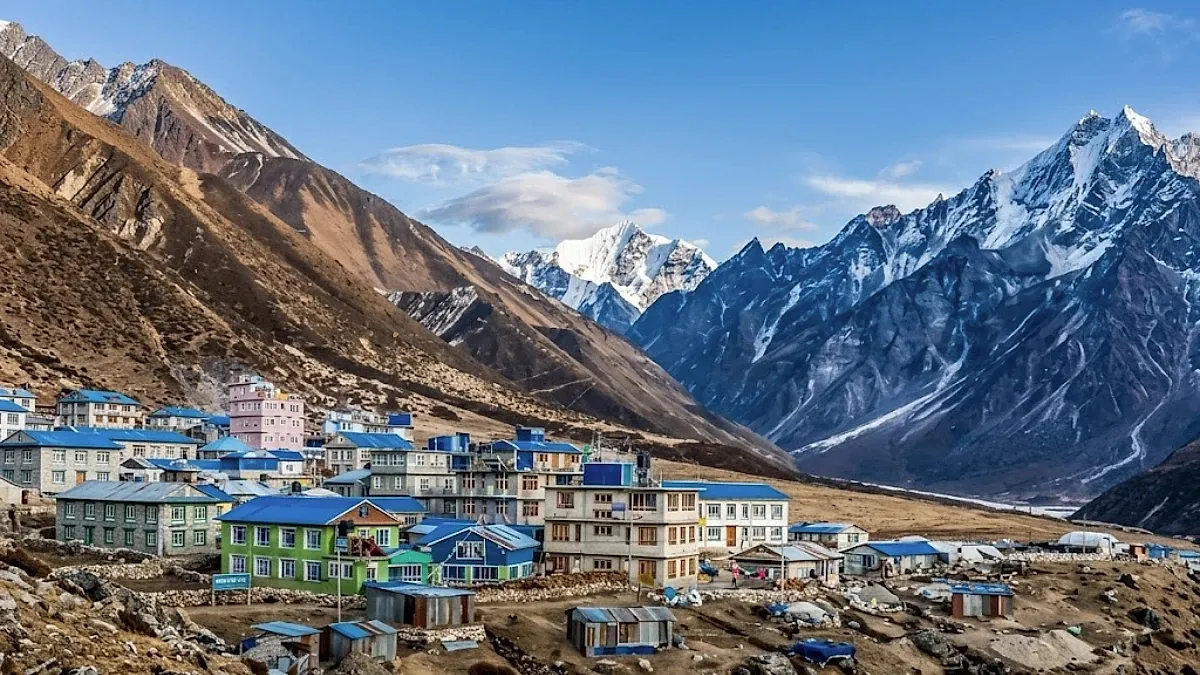
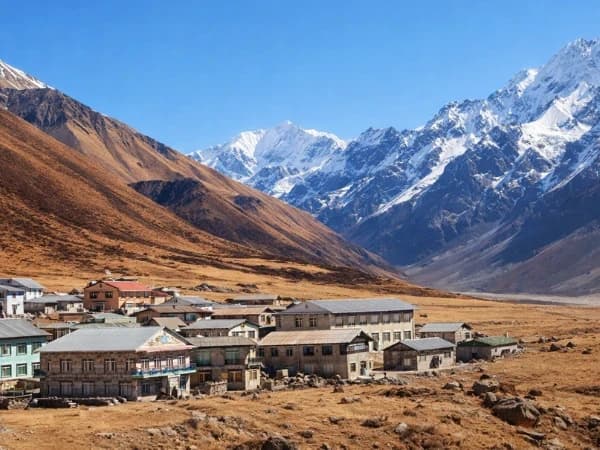
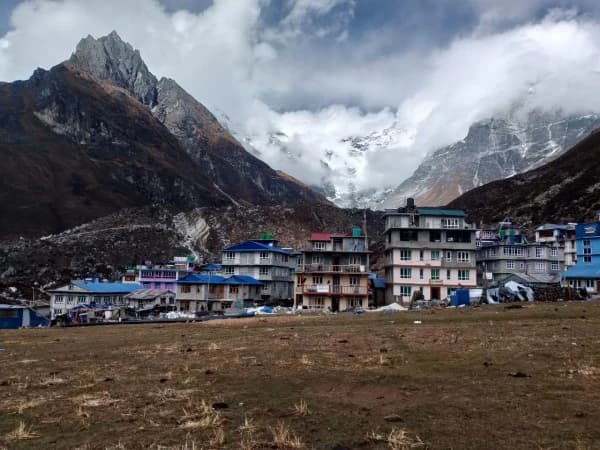
Tserko Ri is located just above Kyanjin Gompa, the highest permanent settlement on the Langtang Valley Trek. Kyanjin Gompa is itself a highlight of the trek, known for its Buddhist monastery, yak cheese production, and panoramic scenery. From this village, trekkers can choose to rest, explore the local culture, or begin the ascent to the summit of Tserko Ri.
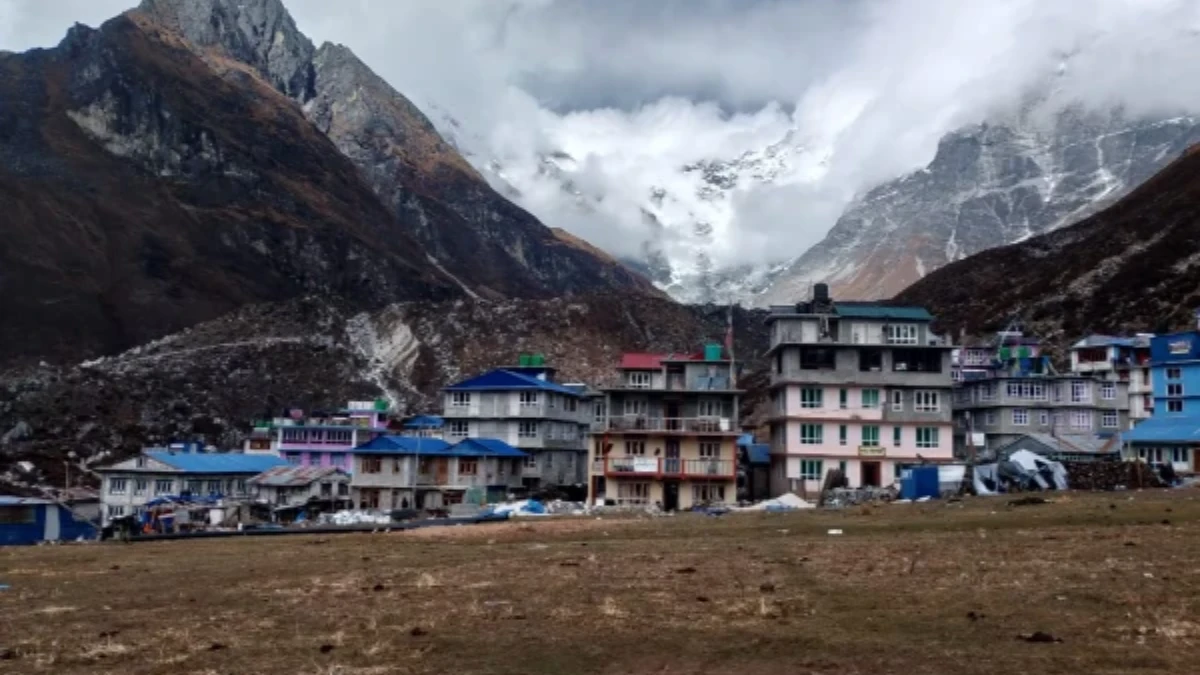
The viewpoint lies within the broader Langtang Valley, which stretches from the lower forested regions near Syabrubesi to the high alpine landscapes above Kyanjin Gompa. This region is part of Langtang National Park, one of Nepal’s oldest protected areas.
Why Visit Tserko Ri?
There are several reasons why Tserko Ri is considered one of the most rewarding climbs in the Langtang region:
Panoramic Himalayan Views
From the summit, trekkers are rewarded with sweeping views of some of Nepal’s most dramatic peaks, including Langtang Lirung (7,245m), Yala Peak, Langtang II, and neighbouring mountainous ridges and glaciers. The vista seems to extend endlessly, providing a 360-degree Himalayan perspective.
Sense of Achievement
Climbing to over 5,000 metres is a serious accomplishment for most trekkers. The challenge and the views combine to create a powerful sense of achievement that few other viewpoints can match.
Photographer’s Dream
The summit offers excellent photographic opportunities: snow-clad peaks, glacial formations, early morning light over the valley, and dramatic shadow play that changes with weather and time of day.
Acclimatisation Opportunity
For trekkers planning to explore higher passes like Ganja La, the ascent to Tserko Ri can serve as a valuable acclimatisation activity, helping the body adapt to thinner air while still delivering spectacular scenery.
What can you see from the top of Tserko Ri?
The summit of Tserko Ri is one of the most rewarding viewpoints in Nepal. From here, you can see:
-
Langtang Lirung: Towering above the valley floor, this peak dominates the skyline with its massive presence. It’s one of the highest and most striking mountains in the Langtang range.
-
Yala Peak: A popular trekking peak visible from the summit, known for its pyramid-like shape and snow-covered slopes.
-
Langtang Glacier: The glacier and icefall systems near the summit provide dramatic ice formations and cavernous landscapes that contrast beautifully with the rocky terrain.
-
Valley Below: Looking down toward Kyanjin Gompa and the lower Langtang Valley reveals lush forested basins, river systems, and terraced pastures.
How long does it take to hike Tserko Ri?
Starting Point: Kyanjin Gompa
Most trekkers begin the ascent to Tserko Ri from Kyanjin Gompa, where they usually spend at least one night acclimatising. The village, at around 3,860 metres, is an excellent spot to rest, enjoy local food, and prepare for the climb ahead.
The Ascent
The climb from Kyanjin Gompa to the summit of Tserko Ri is approximately 4–5 kilometres round-trip but feels longer due to the steep altitude gain. The trail is rugged and rocky, with uneven surfaces, loose gravel, and occasional snow patches depending on the season.
The ascent typically takes 5–7 hours round-trip, depending on fitness level, weather, and acclimatisation. The initial sections wind through moraines and rocky slopes, gradually becoming steeper as you approach the summit plateau.
How difficult is the Tserko Ri hike?
Climbing Tserko Ri is considered moderate to strenuous. While no technical climbing skills are required, the altitude and steep gradients make it challenging for novice trekkers. Good stamina, proper acclimatisation, and steady pacing are crucial for a safe and successful ascent. Related: Ganja La Pass Trek: Complete Guide to Nepal’s Hidden Himalayan Adventure.
Where Can You Stay Near Tserko Ri?
Tserko Ri itself has no accommodation; trekkers always begin and end the climb in Kyanjin Gompa, where several tea houses and guesthouses offer basic but comfortable rooms. These establishments serve traditional Nepali dishes such as dal bhat, noodles, soups, and local yak cheese.
Facilities are simple, and electricity and Wi-Fi service may be limited or inconsistent, which adds to the remote and authentic Himalayan experience.
What plants and wildlife will you see around Tserko Ri?
Being within Langtang National Park, the area around Tserko Ri supports diverse flora and fauna. Lower elevations feature forests of rhododendron, bamboo, and pine, while higher altitudes open up to alpine pastures dotted with sturdy shrubs and hardy grasses. Birdlife is abundant, and trekkers may spot Himalayan birds, pheasants, and small mammals along the trail.
In spring and early summer, colourful wildflowers bloom, adding splashes of red, pink, and yellow against the rocky backdrop of the valley and ridges.
Tips for Trekkers
Here are a few tips to make your Tserko Ri climb safer and more enjoyable:
-
Start early: Begin your summit attempt at first light to avoid afternoon winds and ensure better visibility.
-
Pace yourself: Slow and steady climbing reduces the risk of altitude sickness and helps conserve energy.
-
Carry layers: Alpine weather changes quickly; warm, layered clothing helps you adapt to cold winds near the summit.
-
Stay hydrated: Drink water frequently to support acclimatisation and maintain energy levels.
- Respect the environment: Pack out all trash and minimise impact to preserve the beauty of the Langtang region.
What can you experience at Kyanjin Gompa?
The village of Kyanjin Gompa is more than just a base for the Tserko Ri climb. It is a cultural highlight of the trek. Known for its Buddhist monastery, prayer flags, and yak cheese production, the village offers trekkers a window into local Himalayan life. Visitors can explore the monastery, interact with locals, and learn about traditional Buddhist practices in this serene mountain setting.
Is Tserko Ri Worth the Extra Day?
Yes. Without question. The Langtang Valley trek is already one of Nepal's best, but Tserko Ri turns a great trek into one you will talk about for years. The summit view at dawn, with Langtang Lirung catching the first light and the Tibetan plateau stretching north, is one of the finest in all of Nepal. I have seen it dozens of times and it still stops me.
We include Tserko Ri as a summit day on our Langtang Valley Trek. The acclimatisation schedule is built so you are ready for it.
WhatsApp:+977 9810351300
Email:[email protected]
Written by Shreejan Simkhada, CEO of The Everest Holiday and third-generation Himalayan guide. TAAN Member #1586.
Tserko Ri is the bonus viewpoint above Kyanjin. Our Langtang Trek (8 Days) is private (your group only, no strangers), 2027 dates open, From USD $490. WhatsApp us for tailored 2027 dates and current departures.
 Chat with Shreejan