

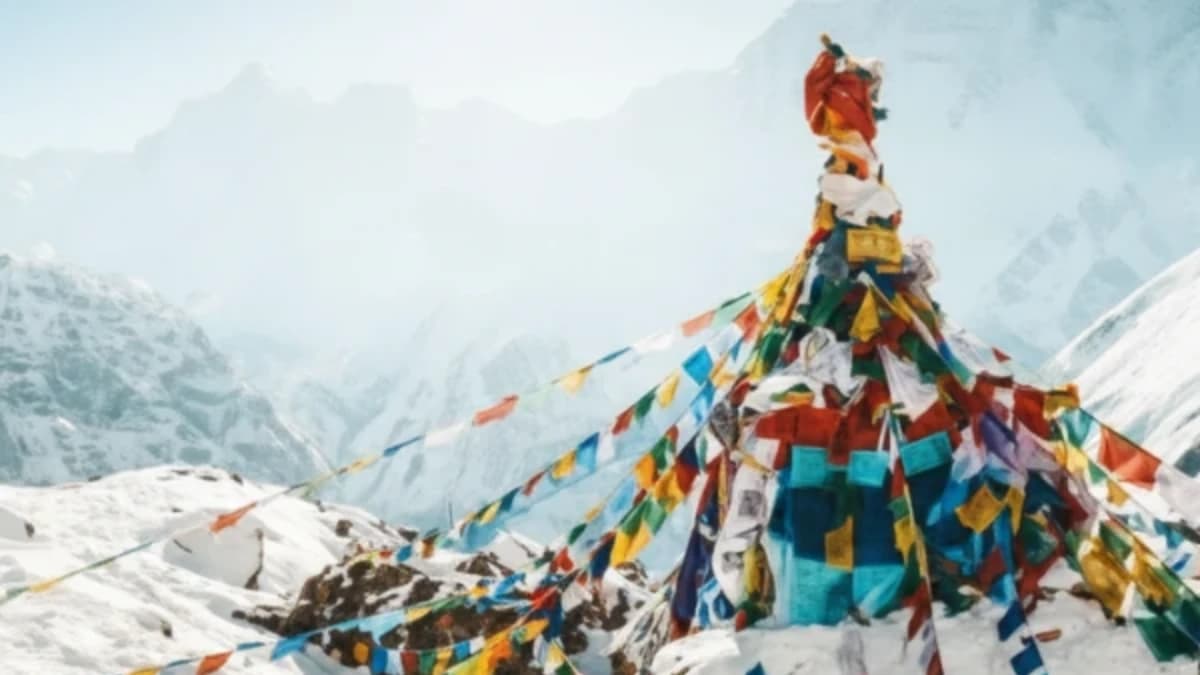
Short answer: Ganja La (over 5,100 m) is a high pass linking the Langtang Valley with Helambu, with glacier crossings and remote high camps, and it suits experienced trekkers who want quiet trails. You camp for part of the route. Cross it on our Langtang Ganja La Pass trek.
The Ganja La Pass Trek is one of Nepal’s most adventurous and least-explored Himalayan journeys, connecting the dramatic Langtang Valley with the culturally rich Helambu Region. Located within Langtang National Park, this high-altitude trek offers a rare combination of remote wilderness, dramatic mountain scenery, and authentic Himalayan culture far from crowded trekking routes.
Unlike popular trails, the Ganja La Pass route takes trekkers beyond comfortable tea-house paths into rugged alpine terrain, glacier crossings, and remote high camps. Standing at over 5,100 metres, Ganja La Pass challenges adventurers both physically and mentally while rewarding them with wide views of snow-covered peaks, untouched landscapes, and peaceful mountain valleys.
This trek is ideal for experienced hikers seeking solitude, adventure, and a deeper connection with the Himalayas. Along the walk, trekkers pass traditional Tamang villages, ancient monasteries, yak pastures, and untouched forests before descending into the serene settlements of Helambu, where rich Buddhist culture and warm local hospitality complete the experience.
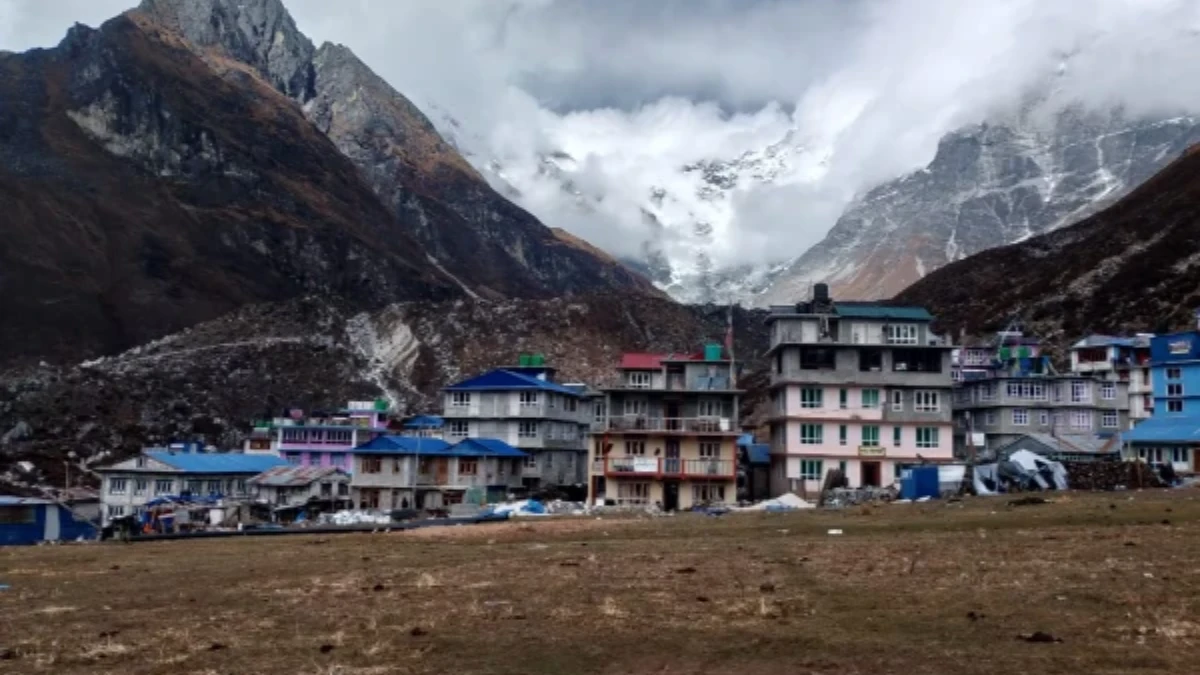
The Ganja La Pass Trek is not just a crossing between two regions; it takes you into Nepal’s wild Himalayan heart, with no teahouse trail to follow.
How Difficult is the Ganja La Pass Trek?
The Ganja La Pass Trek is regarded as one of the most demanding trekking adventures in Nepal. Unlike classic Himalayan routes that follow established tea-house trails, this trek combines high-altitude exposure, remote wilderness, and physically challenging terrain. The journey links Langtang Valley with the culturally rich Helambu Region, crossing a high mountain pass above 5,100 metres. Because of its elevation, unpredictable weather, and limited facilities, the trek is best suited for experienced hikers seeking a true Himalayan challenge rather than a comfortable trekking holiday.
Overall Ganja La Pass Trek Difficulty Level
Overall, the Ganja La Pass Trek falls into the strenuous category. The early part of the walk follows moderate trails through forests and villages, allowing trekkers to gain altitude gradually. However, once trekkers move beyond Kyanjin Gompa, the environment changes dramatically. The trail becomes steeper, more remote, and physically demanding. Long walking days, high elevation, and exposure to alpine conditions make the trek significantly more challenging than popular routes such as Everest Base Camp or Annapurna Base Camp.
Ganja La Pass Trekking Grade
In trekking classification systems, Ganja La Pass is generally rated as a strenuous or alpine-level trek. This grading reflects not only the altitude but also the endurance and mountain awareness required. Trekkers should be comfortable walking six to nine hours daily while carrying essential gear in cold conditions. Although technical climbing skills are usually not necessary, prior high-altitude trek itself greatly improves safety and overall enjoyment.
Altitude and acclimatisation Challenges
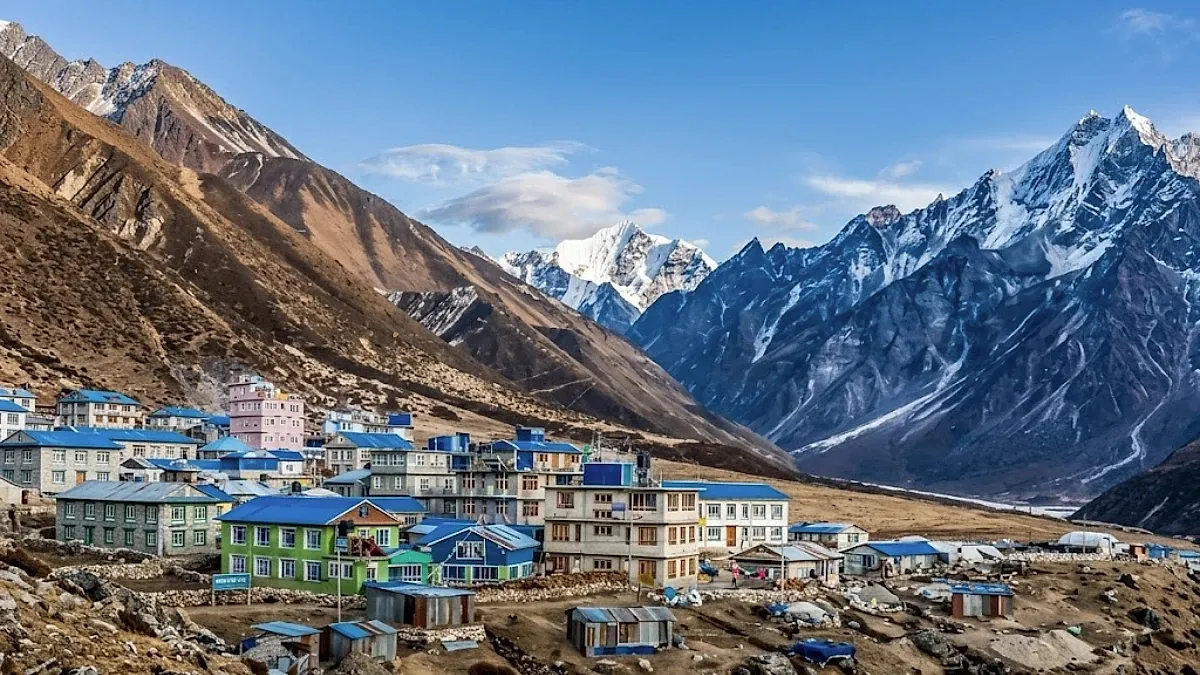
Altitude is the most serious factor influencing the difficulty of the trek. The pass rises above 5,100 metres, where oxygen levels are significantly lower than at sea level. As trekkers ascend through Langtang National Park, the body requires time to adapt to thinner air. Without proper acclimatisation, trekkers risk altitude sickness, which can affect anyone regardless of physical fitness. Rest days, gradual ascent, proper hydration, and listening to the body are essential for successful acclimatisation.
Trekking Trail and Weather Conditions in Ganja La
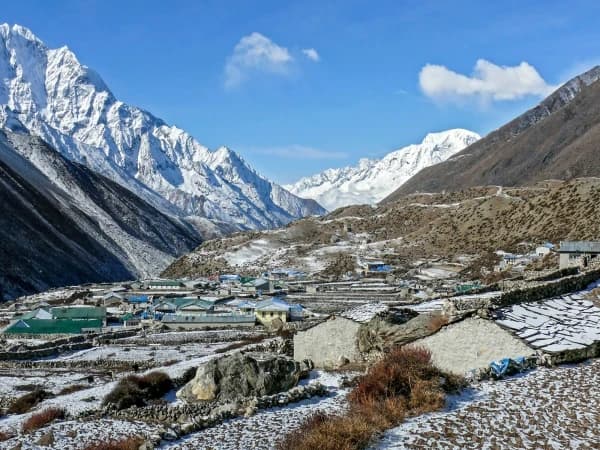
The trekking trail changes continuously throughout the walk. Lower sections consist of stone paths, forests, and traditional settlements, while higher elevations introduce rocky terrain, glacier moraines, and snow-covered slopes. Weather conditions in the Himalayas can shift rapidly. Clear skies in the morning may turn into snowfall or strong winds by afternoon, adding complexity to navigation and requiring trekkers to remain flexible and well prepared.
What makes the Ganja La Pass Trek so challenging?
Several combined challenges make this trek demanding. Trekkers must manage high-altitude fatigue, steep ascents, freezing temperatures, and remote camping conditions. The pass-crossing day itself is particularly challenging, often requiring an early start and many hours of continuous walking over snow or loose rock. Physical endurance and careful pacing are essential to complete this section safely.
High Altitude Trekking in the Langtang Region
High-altitude trekking in the Langtang Himalaya offers incredible scenery but requires awareness and discipline. Compared with more commercial trekking areas, the Langtang region remains quieter and less developed. This remoteness enhances the adventure but also means trekkers must be more self-reliant. Experienced guides and proper planning play an important role in monitoring health conditions and ensuring safe progress at higher elevations.
Weather Conditions at Ganja La Pass
Weather plays a major role in determining trekking difficulty. Spring and autumn provide the most stable conditions, with clear mountain views and safer trail surfaces. During winter, heavy snowfall frequently blocks the pass, while the monsoon season brings slippery trails and poor visibility. Even during ideal seasons, temperatures can drop well below freezing at night, and strong winds are common near the pass.
Technical Sections on Ganja La Pass
Although the trek is primarily a hiking adventure, certain sections near the pass can become technical depending on snow conditions. Trekkers may encounter steep snow slopes, icy crossings, or unstable rocky terrain. In some cases, guides may use ropes or basic mountaineering equipment to assist with safe passage. These technical elements contribute to the trek’s reputation as one of Nepal’s more serious trekking routes.
Trail Condition and Terrain of Ganja La Pass
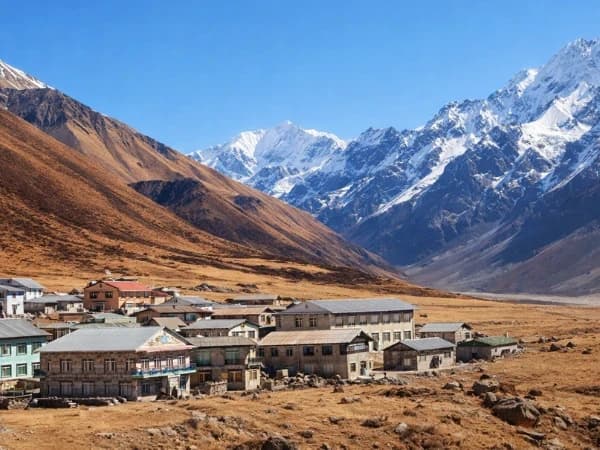
The terrain of Ganja La Pass is highly diverse. The journey begins with lush forests and river valleys before transitioning into alpine meadows, glacial landscapes, and rugged mountain ridges. Trails become faint and less maintained near the pass, requiring careful navigation. The descent toward Helambu includes steep downhill sections that can be physically demanding on the knees and ankles after several days at high altitude.
Remoteness and Limited Facilities
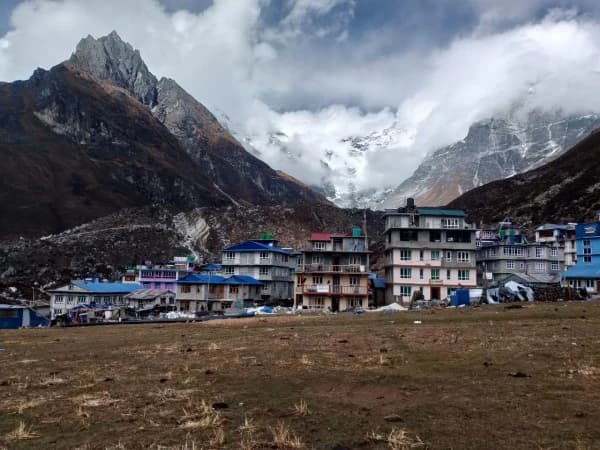
One of the defining characteristics of the Ganja La Pass Trek is its remoteness. Tea houses are available up to Kyanjin Gompa, but beyond this point trekkers enter a wilderness environment where camping is necessary. Limited communication networks, fewer trekkers, and restricted rescue access mean that thorough preparation and experienced support staff are strongly recommended. The isolation adds to the adventure but also increases responsibility for safety.
Physical and Mental Demands
Completing Ganja La Pass requires both physical strength and mental resilience. Trekkers face long days of walking, cold temperatures, basic camping conditions, and unpredictable mountain weather. Mental endurance becomes especially important during high-camp nights and the demanding pass crossing. Those who arrive well prepared are rewarded with extraordinary Himalayan views, peaceful landscapes, and a deep sense of achievement that few trekking routes can match.
How do you prepare for the Ganja La Pass Trek?
The Ganja La Pass Trek is a serious Himalayan adventure, but with proper preparation and the right mindset, trekkers can safely overcome its challenges. Good planning, physical fitness, and an understanding of high-altitude trekking principles greatly improve the chances of success.
Start Training Early
Preparation should begin at least two to three months before the trek. Cardiovascular fitness and leg strength are essential for long hiking days at altitude. Regular hiking, stair climbing, jogging, and endurance training help the body adapt gradually.
Pack Smart and Light
Carrying unnecessary weight increases fatigue at high altitude. Focus on essential gear such as warm layers, waterproof clothing, comfortable trekking boots, and personal medical supplies. Efficient packing helps conserve energy throughout the trek.
Stay Hydrated and Eat Well
Proper hydration helps prevent altitude sickness. Trekkers should drink plenty of water and maintain balanced meals rich in carbohydrates and protein to sustain energy and recovery.
Pace Yourself
Walking at a slow and steady pace allows the body to acclimatise naturally. Regular breaks and controlled breathing reduce exhaustion and improve overall performance.
Follow Your Guide’s Advice
Local guides understand mountain conditions and altitude risks. Following their instructions regarding acclimatisation, timing, and safety decisions greatly increases trekking success.
Prepare Mentally
Mental preparation is equally important. Remote camping, cold weather, and long trekking days can be challenging, but patience and a positive mindset help trekkers stay motivated throughout the walk.
Who Should Attempt Ganja La Pass Trek
This trek is ideal for experienced trekkers who have previously completed high-altitude routes above 4,000 metres. Adventure seekers looking for remote Himalayan wilderness, fewer crowds, and a challenging mountain crossing will find Ganja La Pass highly rewarding.
Who should not attempt the Ganja La Pass Trek?
Beginners without trek itself or individuals uncomfortable with high altitude should avoid this route. travellers seeking luxury accommodation or easy walking trails may find the trek too demanding. Those with serious health concerns, mobility limitations, or low endurance should consider alternative trekking routes in Nepal.
Related Treks & Guides
- Langtang Gosaikunda trek
- Langtang Ganja La Pass trek
- Langtang Trek
- Chandanbari Nepal
- Kyanjin Gompa, Nepal: Complete Travel Guide to Langtang Valley’s Himalayan Gem
Ganja La Pass at 5,122 metres is the serious option in the Langtang region. Unlike the valley trek, this pass requires crampons, a rope, and a guide who has crossed it before. The reward is a route that connects Langtang to Helambu through some of the most remote terrain in central Nepal. If you have done the standard Langtang trek and want something harder, Ganja La is the answer.
The Langtang Ganja La Pass Trek is one of our more challenging routes. We only send experienced guides.
WhatsApp:+977 9810351300
Email:[email protected]
Written by Shreejan Simkhada, CEO of The Everest Holiday and third-generation Himalayan guide. TAAN Member #1586.
Ganja La is the high pass option above Langtang. Our Langtang Ganja La Pass Trek (12 Days) is private (your group only, no strangers), 2027 dates open, From USD $725. WhatsApp us for tailored 2027 dates and current departures.
 Chat with Shreejan