

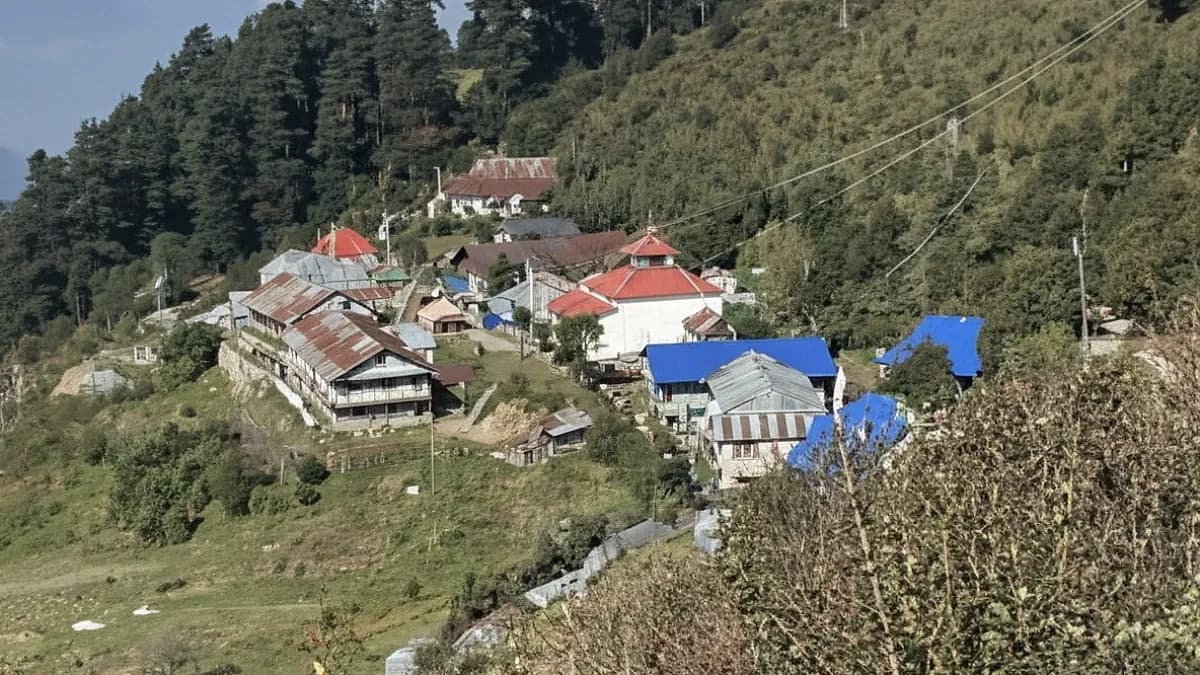
Along the paths in the Himalayas, some spots are only for getting things done, including shelter, food, and a place to sleep. Then there are areas that have more to offer. One of those localities is Chandanbari.
Chandanbari is a tranquil place along the trail from Dhunche to the holy lakes of Gosaikunda. It is atop a forested ridge about 3,250 metres above sea level. This point is not the end of the road. It is not the beginning. It is a pause in the climb, a high valley where trekkers can rest, the woods thin out, and the first real views of the Himalayas appear.
The name Chandanbari means "sandalwood garden"; however, sandalwood doesn't grow at this height. Maybe the name is more poetic. It could mean "a garden of fragrance in the thin mountain air," where the scents of rhododendron and pine trees mix with the wind. Whatever the reason, the name fits a site that feels quite special.
Chandanbari occurs when hikers going to Gosaikunda leave the lower forests and enter the high alpine environment. Below this point, the trail goes through thick woods where the sun shines through the trees, and the sound of birds fills the air. The trees get shorter above this point and ultimately disappear completely, leaving behind brush and exposed rock. Chandanbari is right at the brink, where two worlds meet.
There are only a few stone buildings in the town, and they are all close together along the trail. Some lodges have rooms and food for guests. A little monastery sends prayer flags flying in the breeze. When the weather is perfect, yaks munch grass on the slopes around them. And there are always mountains, even when the sky is foggy and you can't see them. You can feel them in the air and see how the light falls.
Chandanbari is the last pleasant halt before the high country for people who are going to Gosaikunda. The path from here goes up steadily toward Laurebina and the lakes beyond, getting higher with each step. The air gets thinner. The scenery gets barer. But for one night, trekkers stay in this high valley, eating dal bhat by kerosene light, telling stories with other passengers, and getting ready for the hardships ahead.
This book looks at every aspect of Chandanbari, including its location and height, its amenities and lodging, its role in the Gosaikunda trip, and the little bit of enchantment that makes it more than just another halt on the trail.
Where Is Chandanbari?
Located in the Rasuwa district's hilly interior, Chandanbari has a prime location. Situated on a broad incline that divides the forest floor from the alpine zone above, the hamlet sits in a natural clearing. Its location shapes everything about it.
In the middle of a mountainous terrain, the valley floor gently rises to create an unusually level spot. Because of its spaciousness, people can live in places where the land isn't big enough to accommodate settlements. Additionally, it offers the initial expansive views of the path that leads south to the foothills and north to the ascending peaks that demarcate the Tibetan border.
On the slopes around it, you can find dense rhododendron, pine, and juniper woods. The hillsides of these woods are carpeted with rhododendron blooms in various shades of pink and red in the spring, adding a burst of colour to the forests. Trees at higher elevations tend to be shorter than those at lower ones as a defence mechanism against the cold and wind that characterise this environment.
From above, the tree line reveals Chandanbari. Just beyond it, on slopes that seem to be getting ever bigger and more open, you can see nothing but grasses and shrubs. Chandanbari is an obvious spot to stop because it is the last area with many trees before reaching the barren highland. Related: Dhunche Nepal: Complete Guide to the Gateway of Langtang valley and Goasikunda.
How far is the Chandanbari to Gosaikunda trek?
The hardest part of the hike is the path that goes from Chandanbari to Gosaikunda. It is helpful to know this route so you can prepare ahead of time.
Complete Adventure
Depending on one's physical level, the total distance covered by the trip from Chandanbari to Gosaikunda might range from 7 to 9 kilometres and have a duration of 5 to 7 hours. This is the most difficult day of the entire Gosaikunda journey due to the route's elevation climb of more than 1,100 metres.
Description of the Path
The trail starts at Chandanbari and ascends steeply through a forest that is gradually dying off. At higher elevations, juniper scrub takes the place of rhododendron trees. Ascending through a network of switchbacks, the trail opens up ever-wider panoramas of the valleys below with each bend.
At about 3,900 metres, there is a little town called Laurebina. It has simple teahouses and is an alternate rest point for hikers who would rather do the ascent in two days. The trail leaves Laurebina and heads north, among ridges that provide wide panoramas in every direction.
As the trail rises over the last hill on the way to Gosaikunda, you'll pass through broad alpine terrain and see the lakes pop up out of nowhere. The view of azure water, contrasting with exposed rock, and snow alone makes the ascent worthwhile.
What facilities are available at Chandanbari?
It is fitting for its secluded setting and high elevation. People should change their expectations accordingly.
Lodging
Guests of the several modest teahouses can rest their heads during their hike. These businesses provide:
-
Bedrooms with thin beds, wooden walls, and minimal decor
-
Blankets shared (it's advised to bring your own sleeping bag)
-
Common eating spaces equipped with fireplaces
-
Simple yet sanitary amenities
Dining and Food
Hungry hikers can find hearty meals prepared in teahouse kitchens. Common items for sale are:
-
Dal Bhat is a curry made with lentils and rice.
-
Thukpa and noodle soups
-
Potatoes and jam on Tibetan bread
-
When released, momos
-
Eating beverages such as tea, coffee, and hot chocolate
-
Few prepackaged food options
Power grid
Most teahouses get their electricity from solar panels. Usually, there is a small fee for charging electronics. Weather and battery capacity determine the power availability.
The liquid
The principal resource is water from streams. For a little price, you can have boiling water to drink. As a backup plan, you might bring along purification tablets or a filter.
Communication
At Chandanbari, you won't find much, if any, mobile phone coverage. There is no Wi-Fi. This detachment from the real world is intrinsic to the experience.
What is there to see at Chandanbari?
There are things to see at Chandanbari that are worth the time it takes to explore beyond the teahouse.
The Monastery
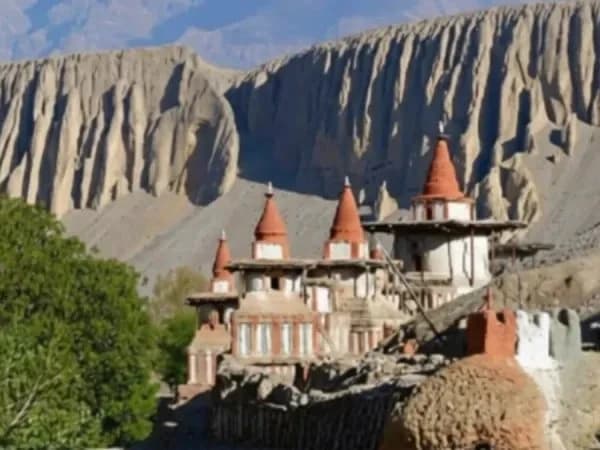
You may see a modest Buddhist monastery with whitewashed walls and prayer flags from the trail. It is close to the hamlet. Monks who live there from time to time keep to the everyday practices of their tradition. Visitors are welcome to come in, but they must take off their shoes and be quiet. Buddhist images and offerings inside the building show how spiritual this site is.
Forests of Rhododendrons
In the spring, the rhododendron trees bloom, and the woodlands around Chandanbari come to life with colour. These old trees, some of which are enormous, have blossoms that are pale pink to deep crimson. It is almost mystical to walk among them when they are in full bloom.
Views of the Mountains
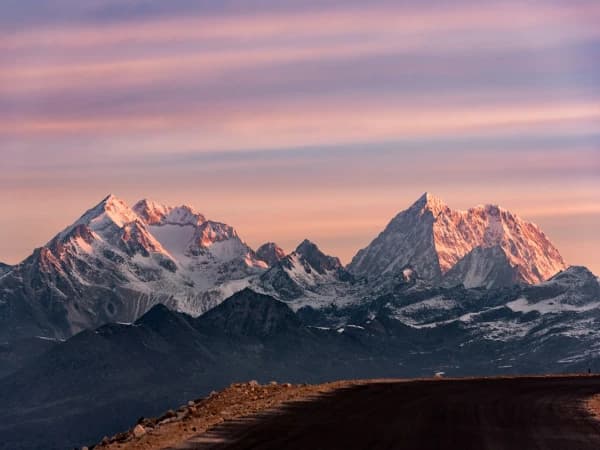
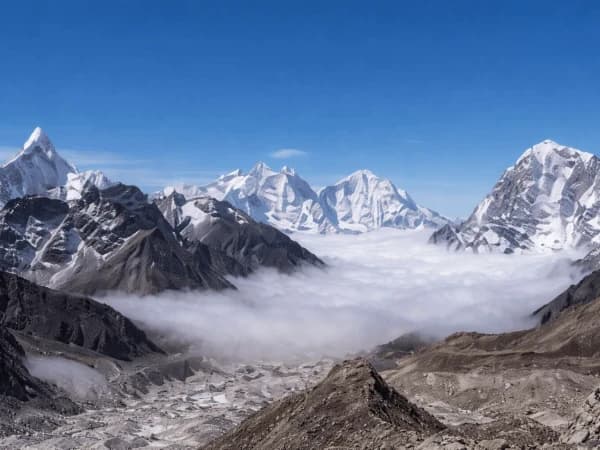
On clear days, one can see a lot of the peaks around Chandanbari. The Ganesh Himal range is the most prominent feature on the northern horizon. To the northeast, you can see Langtang Lirung and its neighbours. These peaks change colours as the sun rises and sets.
Animals in the wild
Several kinds of animals live in the woodlands around Chandanbari. Birds from the Himalayas make noise and move about in the trees. Red pandas inhabit these woodlands, despite their infrequent sightings. Pikas and marmots are two little mammals that live in rocky places. Patient people may see signs of bigger animals.
Stargazing
Chandanbari has amazing night skies at 3,250 metres with very little light pollution. Going outside after dinner reveals a sky full of stars that are invisible from lower altitudes. On clear nights, the Milky Way arches overhead, and satellites move across the blackness.
Where Can You Stay in Chandanbari?
The teahouses in Chandanbari provide hikers passing through with a place to stay and keep warm.
What You Can Expect
-
Rooms: Small, simple, and not heated. Thin walls let sound through. There is privacy, but not luxury.
-
Wooden platforms with thin foam mattresses make up the beds. There are blankets, but a customised sleeping bag will keep you warmer and more comfortable.
-
Dining Room: The most important part of every teahouse. A wood-burning stove keeps this room warm while the wind blows outside. People who are on a trek come here to eat, tell stories, and plan their next day's travel.
-
Bathrooms: Most of the time, there are just basic squat toilets. If the solar water heaters have done their job, you might be able to pay for hot bucket showers.
Teahouses that are well-liked
Chandanbari has several long-running teahouses. The name may change when the owner changes, but the character stays the same. Lodge owners usually know some English and have been hosting trekkers for years, so they can give you great advice about what the trails are like ahead.
Making a reservation
During busy times, beds fill up rapidly. Getting there early in the day makes it more likely that you'll be able to find a place to stay. In the spring and fall, it's helpful to call ahead through local networks. Space is more available during the off-season.
What is Chandanbari known for?
Chandanbari is known to different travellers for several things.
For Those Who Enjoy Hiking
On the way to Gosaikunda, many hikers stop at Chandanbari. The teahouses, forests, and setting on the edge of the tree line make it stand out. As they ate their final supper amidst the trees at Chandanbari, several hikers recalled the intense altitude for the first time. From there, they continued into the stark high terrain.
By Pilgrims
Hindu pilgrims stop at Chandanbari on their route to Gosaikunda. Many believe that Lord Shiva resides in the lakes beyond, and the monastery here helps them prepare spiritually for their journey there. On their way to the sacred waters, pilgrims frequently pause to offer prayers.
For Nature Lovers
Those concerned with the preservation of the Himalayan environment will find Chandanbari to be an ideal location due to its proximity to a particularly biodiverse forest. Attractive to ecotourists and birdwatchers, this location features rhododendron woods and various habitat transitions.
What food and drink can you get at Chandanbari?
What the teahouses provide at Chandanbari is modest but delicious food.
A Regular Menu
On a Himalayan journey, Dal Bhat is a staple. Soup made with lentils, vegetable curry, rice, and occasionally chutney or pickles. Ravenous hikers will appreciate the fact that seconds are typically free.
-
Noodle soups, such as thukpa and simple vegetable soups, are perfect for a chilly night in.
-
Flemish bread served with potatoes, curries, or jam is known as Tibetan bread. A morning staple.
-
When available, momos, which are Tibetan dumplings, provide variety.
-
Hot and seemingly endless tea is available in several varieties, including milk tea, masala tea, and black tea.
Dining Out
Everybody eats their meals in the common dining room. A wood-burning stove keeps the room warm. Around shared tables, hikers can swap stories and advice. Every so often, lodge owners will jump in to give everyone a heads-up on the trail conditions. We shall always cherish these evenings.
What should you know before visiting Chandanbari?
Get the most out of your Chandanbari trip with these practical tips.
Cash
Bring enough money to cover your lodging, meals, and any miscellaneous expenses. There are no automated teller machines located here. Payment by card is not possible.
Comfortable Bedding Set
Although teahouses do provide blankets, it is more comfortable to bring your sleeping bag with a temperature rating of at least -5°C. Winter hikes aren't complete without warmer bags.
Beam light
The power goes off. Having a fully charged headlamp is essential for finding your way to the restroom while it's dark outside.
Purification of Water
Boil or purify water before drinking it. Boiling water is sold at teahouses for a low price. Be prepared with a filter or purification tablets.
Vests and Hats
Extreme temperature swings are common. Thanks to layers, you can change it up all day long. Make sure there's warm insulation for the nights.
Observe Local Practices
To enter dining rooms and monasteries, please remove your shoes. Obtain consent before taking pictures of individuals. Keep your voice low when in public areas.
Is Chandanbari worth visiting on the Gosaikunda trek?
No hike ends in Chandanbari. It is neither the tallest nor the most well-known landmark. However, it is still deserving of notice.
The high valley stands for a crucial aspect of Himalayan travel: the spaces in between, the pauses that enrich journeys. Hikers take a break and contemplate in Chandanbari. They cook their food over wood fires. They open themselves up to the strangers, who end up becoming friends. They rejoice in the progress they've made thus far and get ready for the obstacles that lie ahead.
For many years, the woods surrounding Chandanbari have observed the passage of hikers. Innumerable pilgrims en route to the holy lakes have received blessings from the monastery. Despite all the foot activity below, the mountains remain serene and unmoved. Something significant arises as a result of the coming together of culture, nature, and purpose.
Take a moment to relax at Chandanbari. That alone sets it apart in a society were taking a moment to reflect is becoming less and less acceptable.
Last Remarks
There are many stops along the way to Gosaikunda. Travellers can find something special in every landscape feature, including villages, woods, ridges, and valleys. However, Chandanbari gives you a different experience: a break before the final climb, a gathering place for those rushing upward, and an opportunity to shift perspectives.
As dusk settles in and the clouds roll in over the peaks, the murmurs of other passengers in languages all over the globe fill the air, and you begin to grasp the place's purpose. This is its purpose in life. Because of the break. To get ready. The stillness precedes the mountainous terrain.
Laurebina and Gosaikunda, as well as sacred rivers and heart-stopping views, await the hikers as they ascend the trail above Chandanbari. The path continues its descent below Chandanbari, taking hikers closer to Kathmandu and Dhunche, as well as the bustle of city life and its marketplaces. However, the track comes to a stop at 3,250 metres. And you should as well.
Hotel & Contacts
|
Hotel |
Context |
|
The Hotel Yak & Nak |
+977 9808385489 |
|
Hotel Red Panda and Lodge |
+977 9745728244 |
|
Hotel Green Hill |
+977 9741203099 |
Related Treks & Guides
- Langtang Gosaikunda trek
- Langtang Ganja La Pass trek
- Langtang Trek
- Kyanjin Gompa, Nepal: Complete Travel Guide to Langtang Valley’s Himalayan Gem
- Lama Hotel Langtang Nepal: Peaceful Himalayan Trek Stop in Langtang Valley
Chandanbari is where the Gosaikunda trail leaves the road behind and enters the forest. The altitude gain from here is steady and relentless: you climb from 3,250 metres to the holy lakes at 4,380 in two days. But the rhododendron forest in spring, with red and white blooms at every turn, makes the climb feel shorter than it is.
Chandanbari is the starting point of our Langtang Gosaikunda Trek. We drive you from Kathmandu and your trek begins here.
WhatsApp:+977 9810351300
Email:[email protected]
Written by Shreejan Simkhada, CEO of The Everest Holiday and third-generation Himalayan guide. TAAN Member #1586.
Chandanbari is your stop into Gosaikunda, or pair with EBC. Our Everest Base Camp Trek (12 Days) is private (your group only, no strangers), 2027 dates open, From USD $1399. WhatsApp us for tailored 2027 dates and current departures.
 Chat with Shreejan