

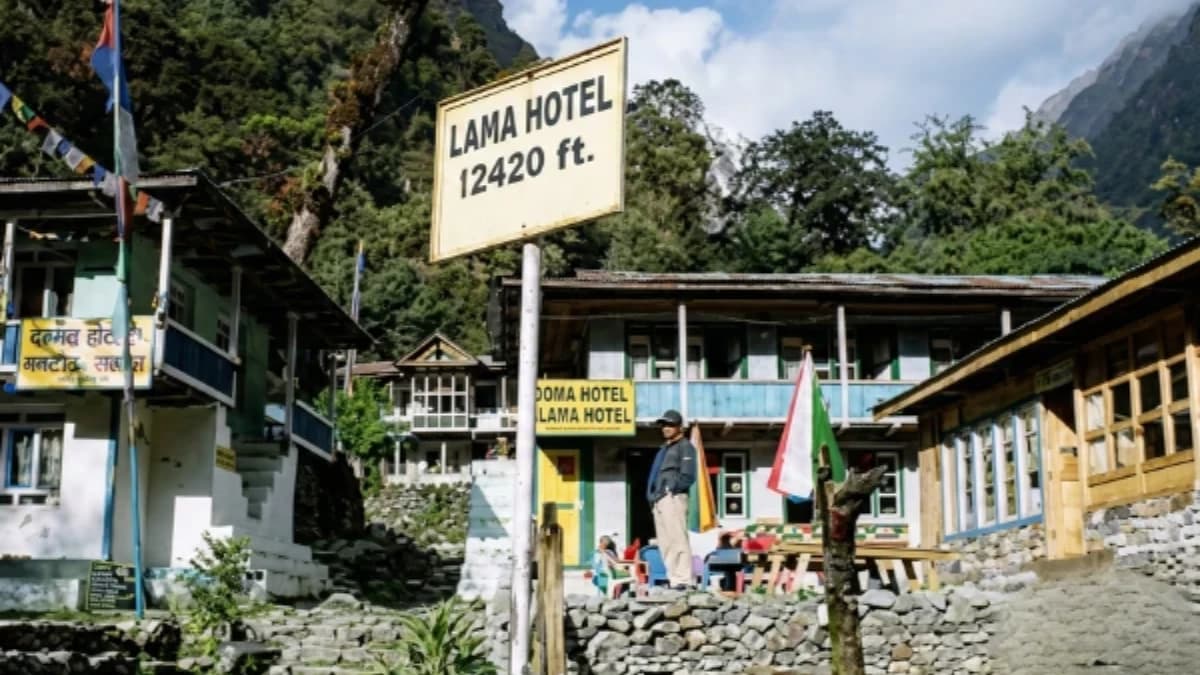
Short answer: Lama Hotel (about 2,470 m) is a cluster of teahouses in the forest of the Langtang Khola, not a single hotel, and the usual first night on the trail on the Langtang Valley trek. It is your first taste of the Langtang wilderness. Stay there on our Langtang Valley trek.
The Langtang Valley, often called the "Valley of Glaciers," is one of the most accessible trekking destinations in Nepal. At the very centre of this trek lies a small, rustic settlement known as Lama Hotel. While the name sounds like a single building, it is actually a vital cluster of tea houses tucked deep within the forest. For many trekkers, Lama Hotel is the first real taste of the Himalayan wilderness, offering a unique blend of natural beauty, physical challenge, and mountain hospitality. This blog explores everything you need to know about this essential stop on your Nepalese adventure.
Where Is Lama Hotel on the Langtang Trek?
Lama Hotel is located in the Rasuwa District of Nepal and lies within the protected area of Langtang National Park. It sits at an elevation of about 2,470 metres (8,104 feet) above sea level. Unlike the higher parts of the Langtang trail, which are marked by glacial landscapes and open terrain, Lama Hotel is found in the “middle hills” zone. This area is known for its steep, V-shaped valleys and thick, lush vegetation.
The settlement is built on a small flat area beside the Langtang Khola (river). Because it is tucked inside a narrow gorge, the surroundings are dominated by tall cliffs rising on both sides and a dense forest of oak, maple, and rhododendron trees. The geography strongly influences the local climate, which is often humid and misty. This creates a quiet, almost ancient forest atmosphere. The constant sound of the flowing river adds to the sense of isolation, making Lama Hotel feel far removed from the outside world.
Why Has Lama Hotel Been a Rest Stop for Centuries?
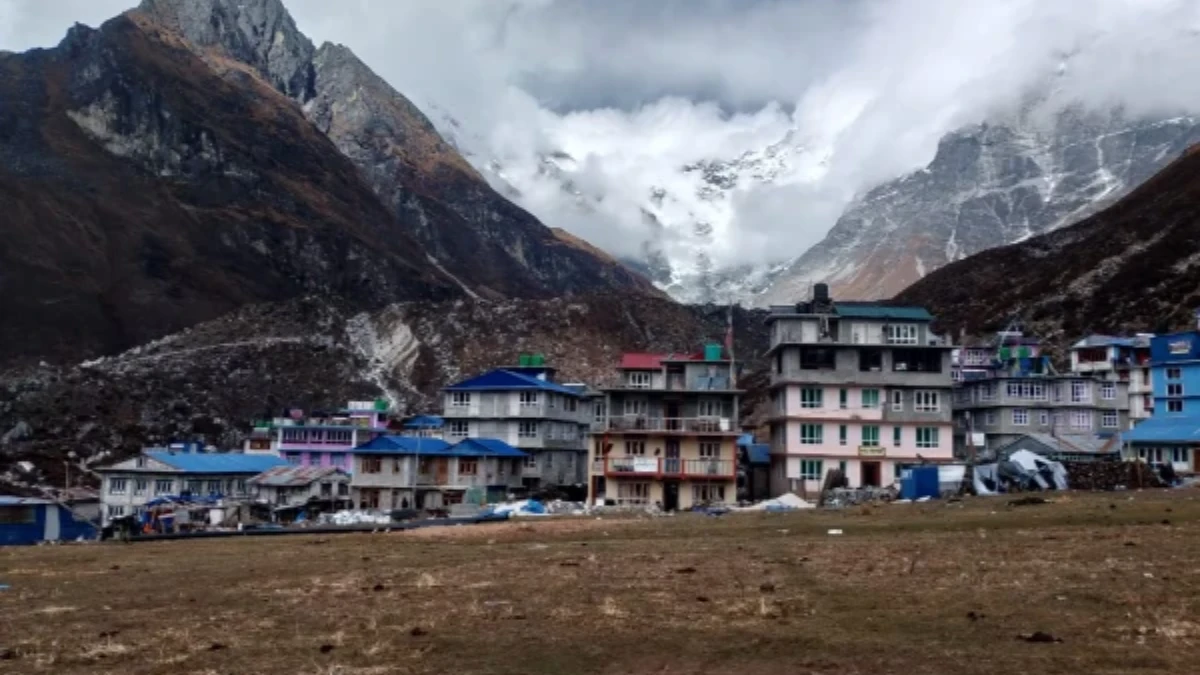
The history of Lama Hotel is fairly recent when compared to the ancient villages of the upper Langtang Valley. While places such as Kyanjin Gompa have existed for centuries as spiritual centres and seasonal grazing areas, Lama Hotel developed during the trekking boom of the 1970s and 1980s. Before tourism began, there was no permanent settlement in this area. Families from higher villages, especially Langtang Village, saw the need for a resting point where travellers could stop before continuing the long climb toward the alpine regions.
Today, the importance of Lama Hotel is hard to ignore. It is the main staging point for the Langtang Valley trek. Most trekkers begin their journey in Syabrubesi, and reaching the upper valley in a single day is not realistic. Lama Hotel offers the ideal halfway stop. It also plays an important role in acclimatisation. Spending a night at an elevation of 2,470 metres allows the body to slowly adjust to thinner air before moving toward elevations above 4,000 metres. Without this stop, many trekkers would face a much higher risk of altitude sickness. Related: Machha Khola Village: Gateway to Manaslu Trek, Nepal.
How do you get to Lama Hotel from Syabrubesi?
Reaching Lama Hotel is an adventure in itself, as there are no roads leading to the area. The journey begins with a scenic but bumpy 7 to 8-hour drive from Kathmandu to the trailhead at Syabrubesi. From Syabrubesi, the only way to continue is on foot or by mule. The trek to Lama Hotel usually takes around 6 to 7 hours, depending on your walking pace and how often you stop to rest or take photos.
The trail follows the Langtang Khola upstream. Along the way, you will cross several high suspension bridges decorated with prayer flags, offering a classic Nepali trekking experience. The path includes stretches of “Nepali flat,” which actually means a series of gentle ups and downs, along with some steep stone staircases. You will pass through small settlements such as Tiwari and Bamboo before reaching Lama Hotel. Although the trail is well maintained, it can be rocky and slippery, especially near waterfalls that flow across the path. Since the trail is narrow and runs close to the river, trekkers often share it with mule caravans carrying supplies, adding a traditional and lively touch to the journey.
When is the best time to trek to Lama Hotel?
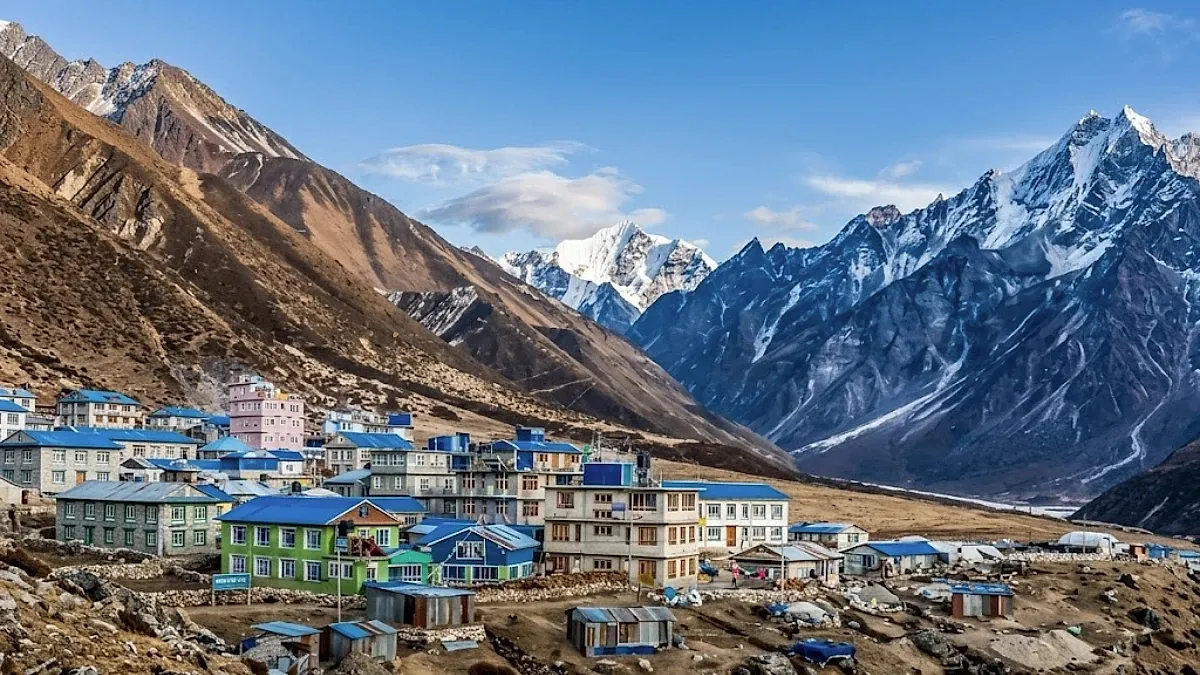
The best time to visit Lama Hotel is during the spring and autumn seasons. These periods offer the most comfortable weather, clear mountain views, and safe trekking conditions. Located in Langtang National Park, Lama Hotel is best visited when the trails are dry and the landscape is at its most scenic.
Spring Season (March to May)
Spring is one of the most popular seasons to visit Lama Hotel. From March to May, the weather remains mild and pleasant, making trekking comfortable. Forests along the trail are filled with blooming rhododendrons and other wildflowers, adding colour and life to the journey. Rainfall is low, and skies are generally clear, allowing trekkers to enjoy clear views of snow-covered peaks.
Daytime temperatures at Lama Hotel during spring are usually around 15°C. Nights can be cold, but tea houses provide blankets for warmth. The trails are green and lively, and wildlife is more active during this season. Spring is perfect for trekkers who love natural scenery, photography, and comfortable weather.
Autumn Season (September to November)
Autumn is another excellent time to trek to Lama Hotel. The season begins in September after the monsoon rains and continues until November. Clean trails, fresh air, and clear skies make autumn the most reliable trekking season in Langtang Valley. Views of mountains such as Langtang Lirung are sharp and uninterrupted.
Temperatures during the day are comfortable, similar to spring, while nights are slightly cooler. Most tea houses are fully open and well prepared for trekkers. Although the trail sees more visitors during autumn, it never feels overcrowded. Stable weather and excellent visibility make this season a favourite for many trekkers.
Winter Season (December to February)
Winter in Lama Hotel is cold, especially at night. Snowfall is common at higher elevations, and temperatures drop significantly. Because of the harsh conditions, fewer trekkers choose to visit during winter. However, the trails are very quiet and peaceful. Well-prepared trekkers who enjoy solitude may find this season rewarding, but proper winter gear is essential.
Monsoon Season (June to August)
The monsoon season causes frequent and heavy rain across the Langtang region. Trails become muddy and slippery, and there is an increased risk of landslides. Leeches are common in the forest areas, and cloud cover often blocks mountain views. Due to these challenges, most trekkers avoid visiting Lama Hotel during the summer months.
Where Can You Stay at Lama Hotel?
Lama Hotel offers simple, clean, and comfortable accommodation in Langtang forest at 2,470 metres. Most lodges are family-run tea houses with basic rooms, usually featuring two single wooden beds with foam mattresses and warm blankets. Bathrooms are generally shared, with a mix of squat and Western-style toilets, and hot showers are often available.
Local tea houses serve fresh, traditional food. Dal Bhat is the main meal, along with noodles, soups, fried rice, pasta, and breakfast items like porridge, pancakes, and eggs. Dining areas are warm and cozy, often heated by gas or yak-dung stoves. Trekkers enjoy relaxing here, sharing stories, and sipping ginger tea or garlic soup.
Accommodation and food are reasonably priced, with rooms costing around NPR 500–800 per night. Prices are slightly higher than lower altitudes due to transport challenges. Supplies are carried up the trail by porters or pack animals.
In short, Lama Hotel provides a safe and welcoming stop for trekkers. Despite its simplicity, it meets essential needs with warm food, cozy rooms, and friendly hospitality, making it a popular overnight spot in Langtang
What can you see around Lama Hotel on the trek?
The biggest attraction of Lama Hotel is the nature that surrounds it. Because it is located in Langtang National Park, it is one of the best places in Nepal to spot rare wildlife. If you are quiet and lucky, you might see the endangered Red Panda, which lives in the bamboo thickets nearby. You are almost guaranteed to see Langur monkeys swinging through the trees and various species of colourful Himalayan birds.
Another attraction is the atmosphere of the forest itself. The trees are draped in long strands of moss and lichens, and the air smells of pine and damp earth. There are several beautiful waterfalls within a short walk of the lodges. For many, the "attraction" is simply the peace and quiet. With no cars, no roads, and limited internet, Lama Hotel offers a rare chance to disconnect from modern stress and reconnect with the natural world. It is a place where you fall asleep to the sound of the river and wake up to the sound of the forest. Related: Tatopani: Nepal’s Natural Hot Spring Retreat in the Himalayas.
What is the local culture like around Lama Hotel?
The people living around Lama Hotel mostly belong to the Tamang community, one of the indigenous groups of the Himalayas. They lead a simple life that is closely connected to nature and the trekking industry. Many locals run small tea houses and lodges for trekkers, providing warm meals and cozy rooms. Visitors often feel welcome because of their friendly and helpful attitude. Around the lodges, colourful prayer flags flutter in the wind, and small Buddhist symbols or shrines can be seen, reflecting the spiritual traditions and deep-rooted culture of the region. This mix of hospitality, culture, and nature gives trekkers something different of mountain life.
Is the Langtang trek to Lama Hotel worth it?
Lama Hotel is a key stop for trekkers exploring the Langtang Valley. It provides a peaceful setting with fresh mountain air and scenic forested areas along the Langtang River. Visitors can get a glimpse of the simple life of the local Tamang people, enjoy freshly prepared home-cooked meals, and observe cultural details like prayer flags and small Buddhist shrines.
The lodges, though basic, are clean and comfortable, offering a safe and welcoming place to rest. Lama Hotel gives trekkers an authentic Himalayan experience, where nature, culture, and adventure come together in one essential stop.
Where to Stay at Lama Hotel
Teahouse accommodation at Lama Hotel is included in every Langtang trek package we run. Your guide books your room on arrival, so you do not need to contact lodges directly. Lama Hotel sits at 2,470 metres on Day 2 of the Langtang Valley trail, deep in the rhododendron forest, and the lodges here are simple riverside stops with twin rooms, hot dal bhat, and a stove-warmed common room.
Related Treks & Guides
- Langtang Gosaikunda trek
- Langtang Ganja La Pass trek
- Langtang Trek
- Chandanbari Nepal
- Kyanjin Gompa, Nepal: Complete Travel Guide to Langtang Valley’s Himalayan Gem
Lama Hotel is not a hotel and there is no lama. It is a cluster of lodges in the forest at 2,380 metres where the Langtang trail stops climbing for the night. The name stuck because a lama once lived here, and now every trekker on the Langtang route sleeps where he did. The rhododendron forest around it is dense and green and full of birds you will hear but not see.
Lama Hotel is night one on our Langtang Valley Trek.
WhatsApp:+977 9810351300
Email:[email protected]
Written by Shreejan Simkhada, CEO of The Everest Holiday and third-generation Himalayan guide. TAAN Member #1586.
Lama Hotel is your first major stop on Langtang. Our Langtang Trek (8 Days) is private (your group only, no strangers), 2027 dates open, From USD $490. WhatsApp us for tailored 2027 dates and current departures.

 Chat with Shreejan