

Written by Shreejan Simkhada, CEO of The Everest Holiday and third-generation Himalayan guide. TAAN Member #1586.
The Langtang region, set in the northern Himalayas of Nepal, is known for its mountain scenery and for its living culture. Home to the Tamang and Sherpa communities, Langtang offers trekkers and travellers a unique opportunity to immerse themselves in traditional Himalayan life. From lively festivals and ancient rituals to age-old agricultural practices and artisanal crafts, the region showcases a culture deeply intertwined with the mountains, rivers, and forests of Langtang National Park. A trek here also takes you through the living heritage of Nepal’s indigenous mountain communities.
Langtang culture at a glance
| Detail | Facts |
|---|---|
| Peoples | The Tamang and Sherpa, both with deep Tibetan Buddhist roots |
| Religion | Tibetan Buddhism, layered over older Bon and shamanic traditions |
| Languages | Tamang and Sherpa, both Tibeto-Burman languages |
| Where | The Langtang valley and the Tamang Heritage Trail villages north of the Trishuli |
| Biggest festival | Losar, the Tibetan and Tamang New Year |
| Best trek for culture | The Tamang Heritage Trail, which is built around the villages rather than the peaks |
| Best time | Spring (March to May) and autumn (September to November) |
| Our treks | The Tamang Heritage Trail, the Langtang Trek, or the Langtang Gosainkunda trek |
How Did the Tamang and Sherpa Settle in Langtang?
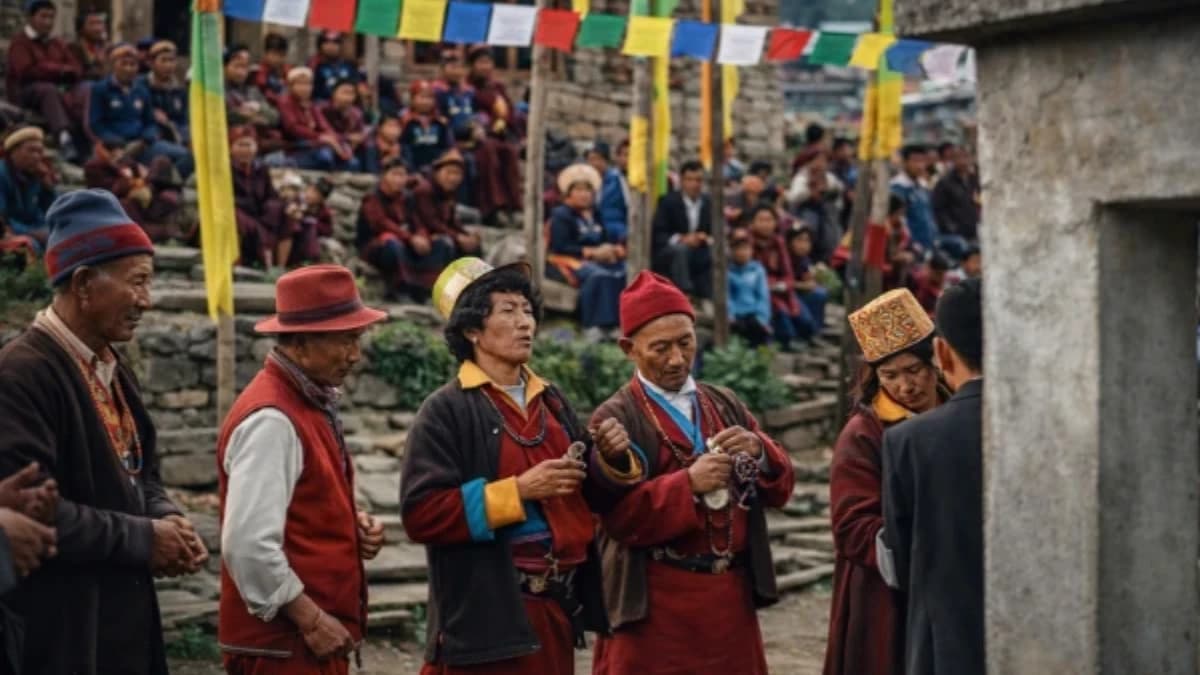
The Tamang people are among the oldest Himalayan inhabitants of Nepal. Linguistically and culturally related to Tibetan groups, they migrated southwards over centuries, settling in the valleys and hills around Langtang. The Sherpa community, historically traders and yak herders from eastern Nepal and Tibet, gradually established settlements in the high passes and alpine zones. Both communities have maintained strong ties to Tibetan Buddhism, shaping their spiritual, social, and cultural practices. Historically, Langtang served as a critical trading route connecting the Kathmandu Valley with Tibet, and the Tamang and Sherpa people were integral to this exchange, acting as guides, traders, and caretakers of mountain paths.
What is daily life like in Langtang trek villages?
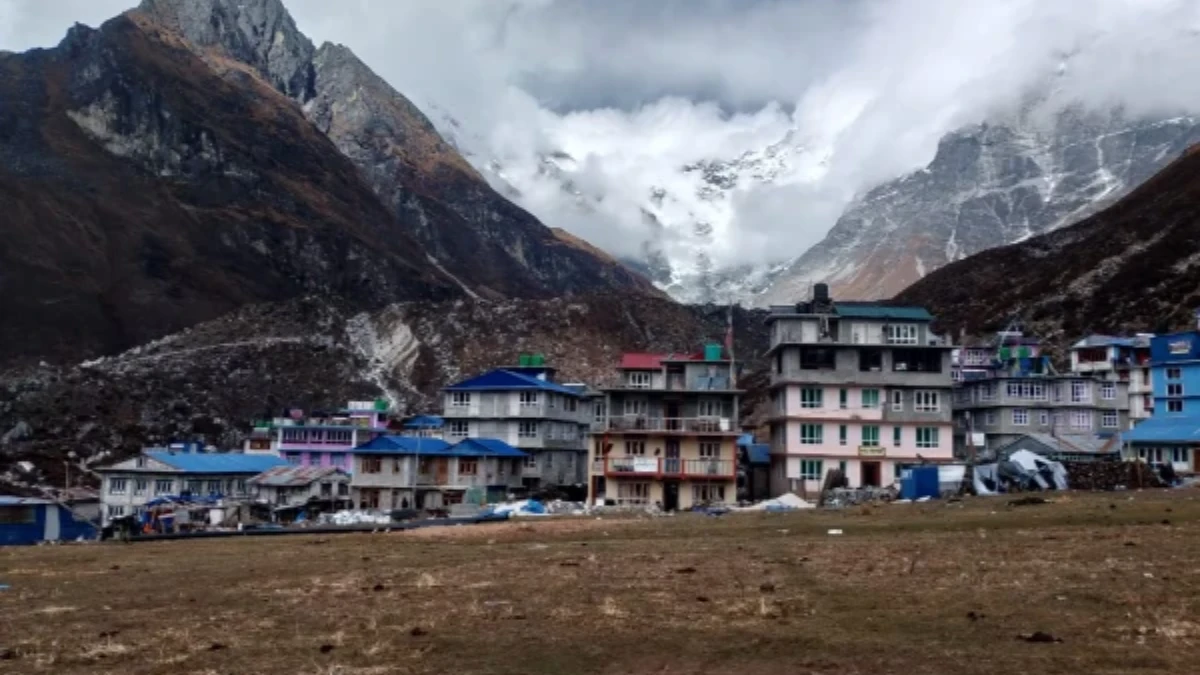
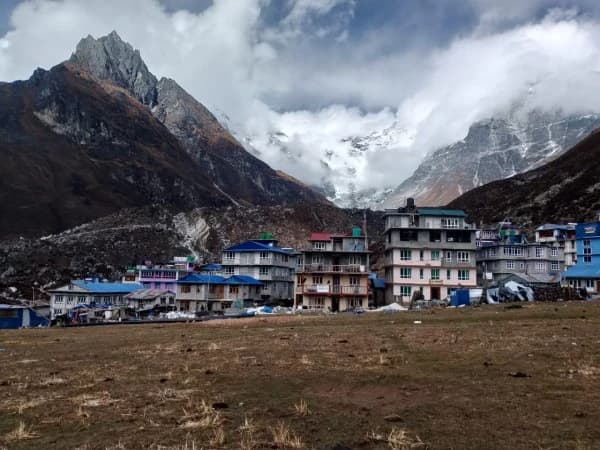
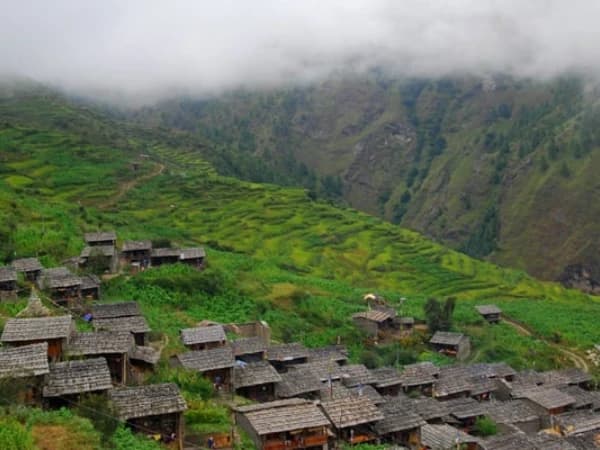
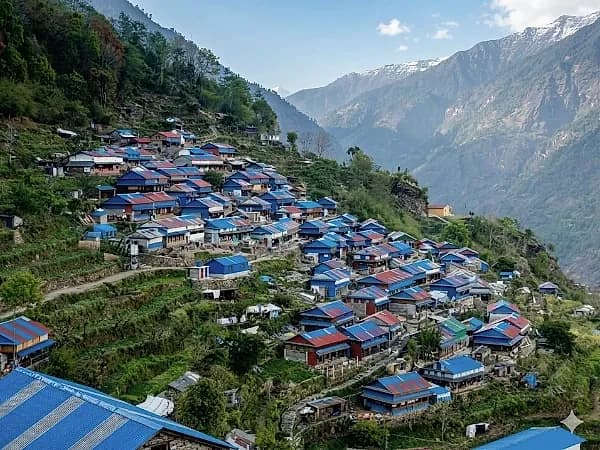
Life in the Langtang region revolves around the rhythms of the mountains. Villages such as Langtang, Lama Hotel, Kyanjin Gompa, and remote hamlets along trekking trails maintain a simple but resilient lifestyle. Homes are often made of stone and wood, with sloping roofs designed to withstand heavy snowfall. Traditional architecture incorporates detailedly carved windows and Buddhist prayer flags, reflecting the spiritual orientation of the community. Daily life revolves around household chores, caring for livestock, and attending to small fields that supply grains and vegetables. Despite the region’s remoteness, the communities have preserved a lifestyle that is both sustainable and deeply connected to nature.
How do Tamang and Sherpa people make a living in Langtang?
Agriculture is central to the economy of Tamang and Sherpa villages. Terrace farming on steep mountain slopes allows cultivation of crops such as maize, millet, barley, and potatoes. Livestock, including yaks, cows, and goats, provides milk, meat, and transport assistance. In higher alpine zones, yaks are essential for carrying goods and for trade purposes. Many households also grow medicinal herbs and collect wild vegetables, which serve both nutritional and economic purposes. Seasonal trade, especially in traditional crafts or surplus crops, complements agricultural income. Trekking tourism has increasingly become an economic lifeline, providing employment through homestays, guiding, portering, and handicrafts.
What religion do the Tamang and Sherpa of Langtang follow?
The Tamang and Sherpa communities of Langtang follow Tibetan Buddhist traditions, which shape their spiritual and daily lives. Monasteries, prayer flags, mani walls, and chortens (stupas) are common in villages, serving as centres for worship and community gatherings. Rituals mark every aspect of life, from birth and marriage to harvests and seasonal transitions. Offerings of butter lamps, incense, and prayers are standard practices in homes and monasteries. Shamans, or lamas, play an essential role in conducting healing rituals and guiding spiritual ceremonies. These religious practices not just preserve cultural identity but also strengthen community bonds.
What festivals do Tamang and Sherpa people celebrate in Langtang?
Festivals are a lively expression of Tamang and Sherpa culture. Lhosar, the Tamang New Year, is the most celebrated event in Langtang, marked by traditional dances, feasts, and communal prayers. Other Buddhist festivals such as Buddha Jayanti, Mani Rimdu, and local monastery rituals bring villagers together in spiritual devotion and social interaction. During these occasions, colourful traditional attire is worn, sacred dances performed, and local foods shared. Festivals are a time to honour ancestors, seek blessings for good harvests, and celebrate the continuity of cultural traditions amidst the challenging Himalayan environment.
Cultural Expressions: Music, Dance, and Art
Music, dance, and art are essential aspects of life in Langtang. Tamang and Sherpa communities have rich musical traditions, often using drums, flutes, and string instruments during festivals and rituals. Traditional dances, such as the Tamang Selo, combine rhythmic steps with singing and storytelling, preserving oral histories and moral lessons. Artistic expressions, including hand-painted thangkas (Buddhist scrolls), wood carvings, and detailed textiles, reflect religious devotion, local beliefs, and aesthetic appreciation. Through these cultural expressions, both communities transmit knowledge, values, and identity to younger generations.
How has trekking tourism changed the local Langtang economy?
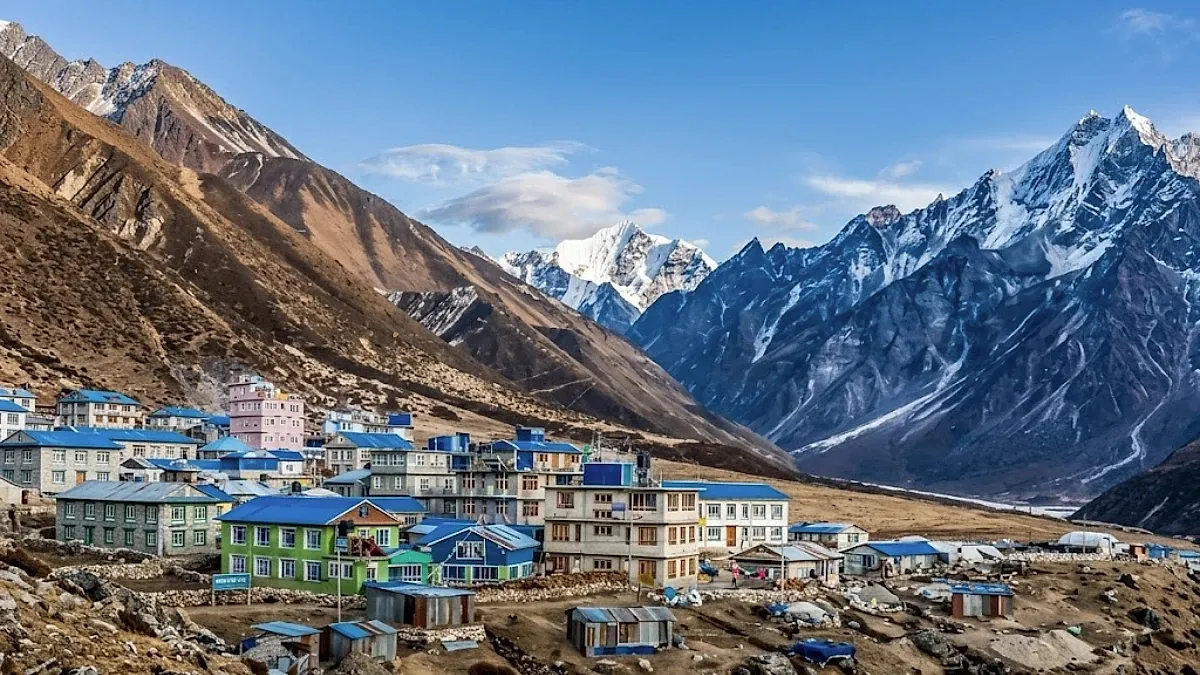
While agriculture remains central, tourism has become increasingly important for local economies. Trekkers visiting the Langtang Valley and surrounding high passes contribute to the livelihood of villagers by staying in homestays, hiring guides, and purchasing handicrafts. Tea houses, small guest lodges, and local shops cater to visitors, creating employment opportunities and generating income for families. Many villagers also supplement their earnings through seasonal labor in Kathmandu or abroad, reflecting a balance between traditional livelihoods and modern economic pressures. This integration of tourism and local economy allows communities to maintain cultural practices while benefiting from new income streams.
What challenges threaten Tamang and Sherpa culture in Langtang?
Despite modernisation and the influx of trekking tourism, Tamang and Sherpa communities continue to preserve their cultural heritage. Local schools teach Tibetan script, Buddhist practices are upheld, and festivals remain central to social life. However, challenges such as climate change, natural disasters, and economic pressures pose threats to these traditional lifestyles. Efforts by NGOs, local committees, and the government, through the Department of National Parks and Wildlife Conservation, aim to protect Langtang National Park and promote sustainable tourism while supporting cultural preservation. Visitors play a role in respecting traditions, supporting local businesses, and engaging responsibly with communities.
What Makes Langtang Culture Different from Other Treks?
The Tamang and Sherpa communities of Langtang embody the resilience, spirituality, and richness of Himalayan culture. Their traditions, agriculture, festivals, rituals, and artistic expressions are not just a reflection to their heritage but also a living guide for visitors seeking authentic journeys in Nepal. Trekking through Langtang National Park is more than a scenic adventure; it is a walk through the culture and history of people who have harmoniously coexisted with the mountains for centuries. Understanding and appreciating this heritage adds depth and meaning to any visit, making the Langtang region an essential destination for cultural and natural exploration in the Himalayas.
The Tamang people of the lower Langtang valley and the Sherpa people of the upper valley are two different cultures separated by one day's walk. The Tamang are Hindu-Buddhist, the Sherpa are Tibetan Buddhist. The food changes, the architecture changes, and the language changes. Understanding this transition makes the Langtang trek twice as interesting.
Our guides on the Langtang Valley Trek explain the cultural shifts as you walk through them.
WhatsApp:+977 9810351300
Email:[email protected]
Tamang and Sherpa culture is the soul of Langtang. Our Langtang Trek (8 Days) is private (your group only, no strangers), 2027 dates open, From USD $490. WhatsApp us for tailored 2027 dates and current departures.
Continue planning your trek
This is one stop on the Langtang and Helambu trail. For the full route, read our Helambu region guide. When you are ready for dates and prices, see the Langtang Trek (8 days), the culture-focused Tamang Heritage Trail, or the Langtang Gosainkunda trek, or WhatsApp us directly. We reply personally.


 Chat with Shreejan