
Solo doesn't mean lonely. Most trekkers are solo. Here's how you'll meet people, stay safe, and have the best time on a Nepal trek, from someone who sees it daily.
Govt Regd. No.: 147653/072/073
Travel Agency Licence: 2838/072
Making Friends on the Trail: Nepal for Solo Travellers

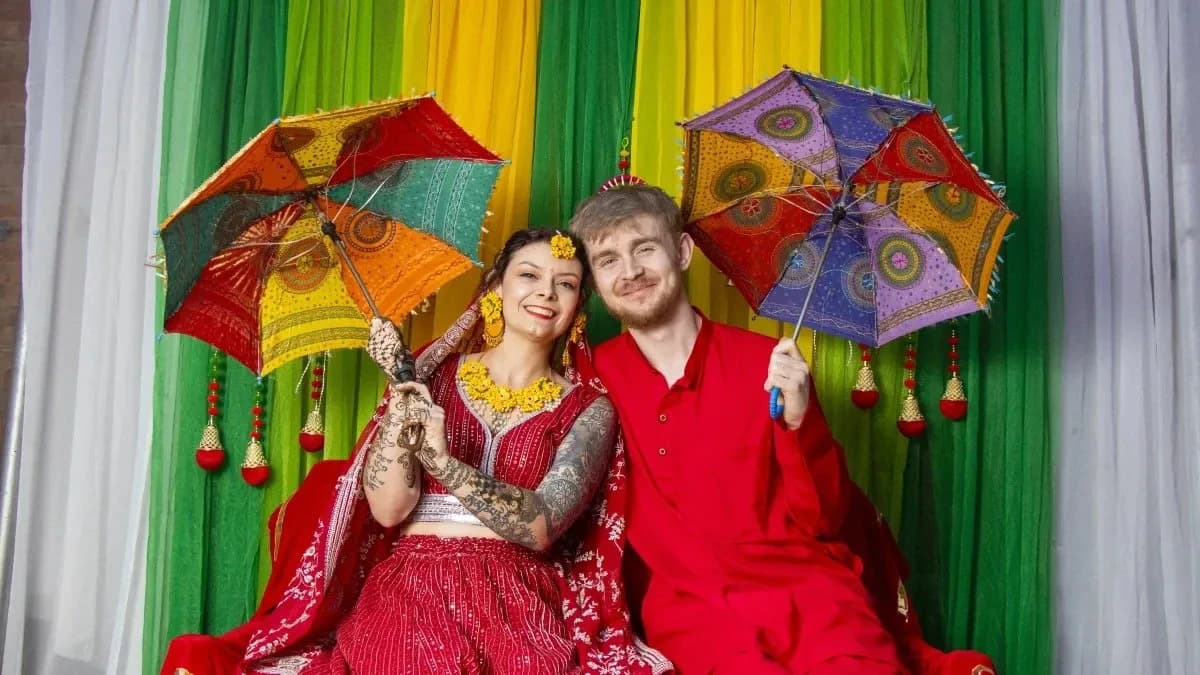
Short answer: Trekking alone in Nepal is common, and you rarely feel alone. Teahouses have shared dining rooms where trekkers eat together every evening, so it is easy to make friends on the trail. You can book a private trek for one person with your own guide, and we never put separate private bookings together. If you want company, ask about our fixed group departures. A good solo choice is our Annapurna Base Camp trek.
Making Friends on the Trail: Nepal for Solo Travellers
Here's something that surprises most people: roughly 60% of the trekkers we take into the mountains came to Nepal alone. No partner, no group of mates, no pre-arranged squad. Just one person, a backpack, and a slightly nervous WhatsApp message that usually starts with "Is it weird if I come by myself?"
It's not weird. It's the most common thing in the world.
I'm Shreejan, third-generation guide from a family that's been walking these trails since before they had signposts. My grandfather carried loads for early Everest expeditions. My father built one of the first trekking agencies in Kathmandu. I grew up watching solo travellers arrive looking uncertain and leave looking like they'd found something they didn't know they were missing. I've seen it happen hundreds of times, and I still find it brilliant.
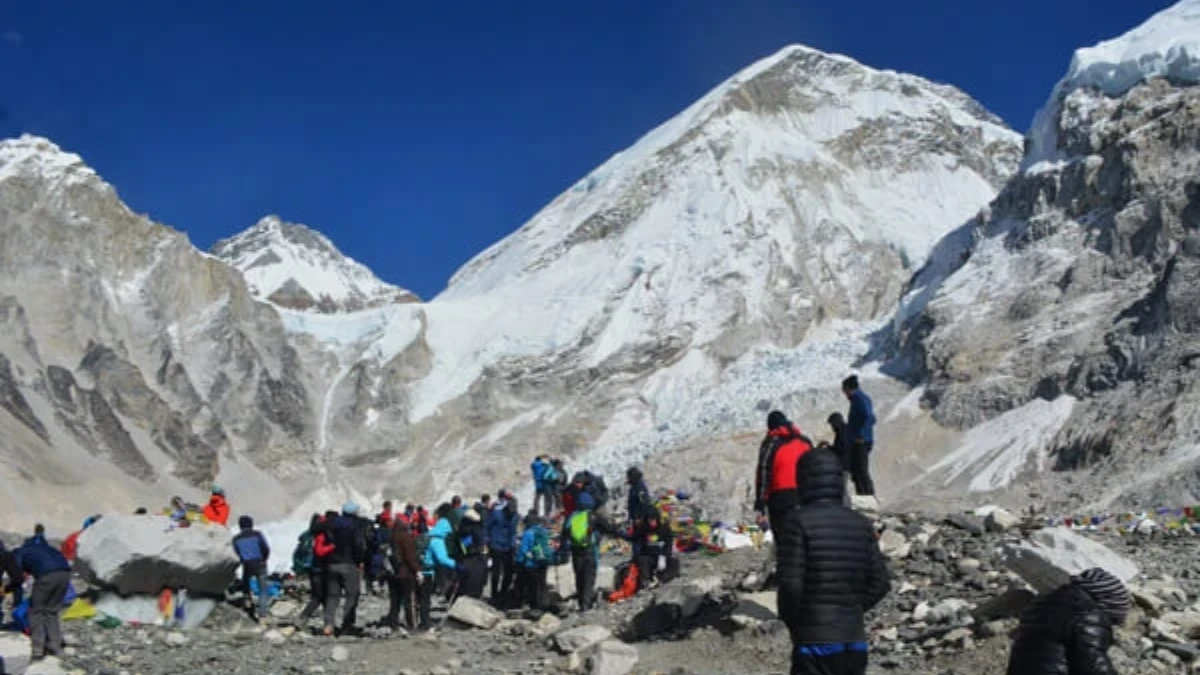
This guide is everything I tell solo travellers when they ask me honest questions. Not the glossy version. The real one.
Will I be lonely trekking solo in Nepal?
Nepal's trekking culture is built around teahouses. That changes everything. You're not camping alone in a silent forest. You're walking into a warm lodge every evening where twenty other trekkers are sitting around the same dining table, eating the same dal bhat, and asking each other the same question: "Where did you start today?"
That's all it takes. One question over dinner, and suddenly you've got a walking partner for the next three days.
The teahouse system creates natural meeting points. There are only so many lodges in each village, and trekkers moving at similar paces tend to cluster together. You'll see the same faces at breakfast, pass them on the trail, and sit across from them at dinner. Friendships form without any effort because the environment does the work for you.
On popular routes like the Everest Base Camp trek or the Annapurna Base Camp trek, you'll rarely walk more than twenty minutes without seeing another trekker. The trails are social by nature. On quieter routes like the Manaslu Circuit or Upper Mustang, groups are smaller but the bonds form faster because you're sharing something more remote.
What are the downsides of solo trekking in Nepal?
I'm not going to pretend it's all campfire songs and lifelong friendships. There are real drawbacks, and you should know about them before you book.
Cost
Single rooms cost more, or they simply don't exist. In busy seasons on the Everest route, you might share a room with a stranger or pay a supplement. Teahouse rooms are basic, thin plywood walls, two beds, and a door that may or may not lock properly. If you're someone who needs privacy to recharge, budget for the single-room supplement (usually 200-500 NPR extra per night, roughly £1.50-£3.50). It's not much, but it adds up over twelve days.
Decision fatigue
When you're with others, you share the mental load. Solo, every choice is yours: when to stop, where to eat, whether to push on or rest. Some days that's freedom. Other days, when you're tired and your knees hurt and the weather looks dodgy, it's just exhausting.
Illness and injury
Getting sick alone is miserable anywhere. Getting sick at 4,000 metres with no one to fetch you water or check on you at night is worse. This is the single biggest reason I recommend solo trekkers hire a guide. Not because you can't read a map, but because having someone who notices when you're not eating, who checks your oxygen levels, who knows exactly where the nearest health post is, that's not hand-holding. That's common sense.
Is it safe to trek solo in Nepal?
Nepal is genuinely safe for trekkers. I say that not as a salesperson but as someone who'd tell you if it wasn't. Violent crime against tourists on trekking routes is extremely rare. The mountains don't care about your nationality or gender, the risks are altitude, weather, and terrain, and those apply equally to groups and solo walkers.
That said, here's what solo trekkers should do:
- Register your trek. TIMS cards and permit systems exist partly so authorities know who's on which trail. If you don't check in, nobody knows to look for you.
- Tell someone your itinerary. Send your day-by-day plan to a friend or family member back home. Update them when you can: mobile signal exists in most villages on major routes.
- Don't skip the guide on remote routes. The Everest Three Pass trek and Manaslu Circuit have sections where you won't see another person for hours. A guide isn't optional there. On the Poon Hill trek or Short Trek to Namche Bazaar, all our trips include a licensed guide, and I would not go without at least a porter-guide.
- Carry a basic first aid kit. Painkillers, rehydration salts, blister plasters, altitude sickness medication (Diamox). Your guide will carry a more full kit, but having your own basics matters.
- Get proper insurance. Helicopter rescue above 3,000m isn't covered by standard travel insurance. You need a policy that specifically includes high-altitude evacuation. This costs more but is non-negotiable.
Is Nepal safe for solo female trekkers?
I get asked about this more than anything else, usually by women themselves or their worried parents. So let me be direct.
Nepal is one of the safer countries in Asia for solo female travellers, particularly on trekking routes. The mountain communities are conservative, respectful, and accustomed to seeing women trekkers from around the world. You won't face the kind of street harassment common in some other South Asian destinations.
But "safer" isn't the same as "risk-free," and I won't insult anyone by pretending otherwise.
Practical advice for women trekking solo:
- Hire a guide, ideally through a registered agency. We have female guides on our team, and you can request one when booking. There's no awkwardness, just ask.
- Dress for the culture, not Instagram. Mountain communities are conservative. Shoulders and knees covered is respectful and also practical at altitude. Nobody's wearing shorts at 4,500 metres anyway.
- Trust your instincts. If a situation feels wrong, leave. This applies everywhere, not just Nepal.
- Join up with others on the trail. You'll naturally fall into groups. There's no need to walk alone if you don't want to.
On routes like the Langtang Valley trek and Mardi Himal trek, I regularly see solo women in their 20s, 30s, 40s, and beyond. It's normal. You won't stand out.
What are the best treks in Nepal for solo travellers?
Not all routes are equally suited to solo trekking. Here's my honest ranking based on social atmosphere, safety, and ease of meeting people.
Best for first-time solo trekkers
- Ghorepani Poon Hill Trek: Four to five days, busy trail, incredible sunrise, and you'll share the viewpoint with fifty new friends. Perfect starting point.
- Mardi Himal Trek . Quieter than Poon Hill but still well-trodden. Open ridge walking and small enough that everyone at the high camp knows each other by name.
- Short Trek to Namche Bazaar: Gets you into the Everest region without the full commitment. Namche is a proper little mountain town with bakeries, bars, and plenty of other trekkers.
Best for confident solo trekkers
- Everest Base Camp (12 Days) . The classic. Busy, social, and the shared goal of reaching base camp creates real camaraderie. You'll celebrate with strangers who feel like old friends.
- Annapurna Circuit: Longer and more varied. The social dynamic shifts as people join and leave at different points, so you'll meet a wider range of people.
- Langtang Valley Trek . Fewer trekkers than Everest or Annapurna, which means the people you do meet tend to stick together. The Tamang communities here are incredibly welcoming.
Guide essential (don't go solo without one)
- Everest Three Pass Trek: Serious route. High passes, remote sections, real navigation required.
- Manaslu Circuit . Restricted area, guide legally required. Worth it: one of the best treks in Nepal.
- Upper Mustang . Also restricted. Cultural experience more than a physical challenge. You'll need a guide and permits arranged through an agency.
How do you make friends while trekking solo in Nepal?
Some people are natural social butterflies. Others would rather chew their own arm off than start a conversation with a stranger. Nepal works for both types because the trail culture does most of the heavy lifting.
But if you want to speed things up:
- Eat in the common dining room. Every teahouse has one. Sitting there instead of in your room is the single easiest way to meet people. Order a pot of tea and wait. Someone will talk to you within ten minutes.
- Walk at a moderate pace. Speed demons who blast through the trail miss all the social moments. Slow down at suspension bridges, viewpoints, and lunch stops. That's where conversations start.
- Carry a pack of cards or a small game. Sounds silly, but a deck of cards at a teahouse has started more friendships than any app ever will.
- Ask your guide to introduce you. Our guides know everyone: other guides, lodge owners, fellow trekkers. If you're shy, just say so. Your guide will make sure you're not eating alone unless you want to be.
What can solo travellers do in Nepal besides trekking?
Not everyone comes to Nepal for the mountains. If you want culture, history, and a bit of wildlife without the altitude, the Kathmandu, Pokhara, Chitwan & Lumbini tour is perfect for solo travellers. It covers Nepal's highlights with a private guide, so you get company without needing to find a group.
Kathmandu and Pokhara are both excellent solo-travel cities. Thamel in Kathmandu is packed with travellers, and Lakeside in Pokhara has that relaxed backpacker vibe where strangers become mates over a lakeside coffee. Chitwan National Park is best with a guide (for obvious reasons: rhinos and tigers), and Lumbini is peaceful enough to explore alone.
Should I trek Nepal solo or join a group?
Some agencies push group treks hard because they're more profitable. I'll be honest about our approach: we run private treks for solo travellers with their own guide, and on our luxury tier their own porter too. You're not waiting for a group to fill up. You're not compromising on pace or itinerary. You go when you want, walk at your speed, and stop when you feel like it.
The trade-off is cost. A private guide for one person can cost more per head than splitting expenses with a group. But you gain flexibility, personal attention, and the freedom to change plans on the fly. Most solo trekkers tell us afterwards that the extra cost was worth it.
If budget matters most, we can sometimes pair you with another solo trekker heading to the same route around the same dates. Just ask, it happens more often than you'd think.
What Should Solo Trekkers Know Before Heading Out?
- Pack light. You're carrying your own day pack. Everything else goes with your porter, or on our standard tier your guide carries up to 10 kg of it. Bring less than you think you need: you can buy forgotten items in Kathmandu or Namche.
- Download offline maps. Maps.me or the Gaia GPS app with Nepal trails downloaded. Mobile signal drops out above certain elevations and in valleys.
- Bring a power bank. Charging at teahouses costs 200-500 NPR per device, and outlets are limited. A 20,000mAh power bank saves money and frustration.
- Learn five words of Nepali. Namaste (hello), dhanyabad (thank you), mitho (delicious), ramro (beautiful), bistari (slowly). People's faces light up. It costs nothing and means everything.
- Book your first night's teahouse in advance during peak season (October-November). After that, your guide handles it. But that first night's certainty helps settle the nerves.
What About the Everest Base Camp by Road Trip?
This is one I recommend specifically to solo travellers who hate small planes. The road trip to Everest Base Camp skips the Lukla flight (which, let's be honest, makes everyone a bit nervous) and drives through the Nepali countryside instead. You see more of the country, meet more locals, and start the trek at a lower elevation. The jeep ride itself is an adventure, bumpy, dusty, and completely memorable. Solo travellers love it because the driving days are social in a different way. You're sharing the vehicle with your guide, driver, and often other travellers.
Frequently Asked Questions
Is it safe to trek alone in Nepal without a guide?
Since April 2023 Nepal's rules require a licensed guide on most trekking routes, including Poon Hill and the lower Annapurna trails, so trekking there alone is no longer allowed. I would recommend a guide for everyone anyway, solo trekkers especially, and all our trips include a licensed guide. The cost is modest (from $30-50/day including their food and accommodation), and the safety, navigation, and cultural access they provide is worth far more. On restricted routes like Manaslu and Upper Mustang, a guide is legally mandatory.
Will I feel lonely trekking solo?
Almost certainly not, at least not on popular routes. The teahouse system naturally brings trekkers together every evening. The more honest answer is that you might feel lonely for an hour on day one before you've spoken to anyone. After that first dinner in the common room, loneliness stops being a concern for most people.
How much more expensive is trekking solo versus in a group?
It depends on the route. On some routes the main extra cost is not splitting the guide fee with anyone. On our Everest Base Camp trek, a solo trekker pays the same per-person rate as a couple, because your guide usually joins you in Lukla. It's noticeable but not prohibitive.
Can I join a group trek if I'm solo?
Yes. We can match you with other solo trekkers departing around the same dates. This works best during peak season (October-November and March-April) when more people are booking. During off-peak months, private treks with your own guide are more practical and honestly more enjoyable.
What's the best time of year for solo trekking?
October and November, without question. Clear skies, moderate temperatures, and the trails are busy enough that you'll always have company. March-April is the second-best window. Avoid monsoon season (June-August) for solo trekking, trails are slippery, leeches are relentless, and the reduced visibility makes navigation harder even with a guide.
The Part Nobody Tells You
Solo trekking changes something in you. I've watched it happen to hundreds of people, and it still catches me off guard. Someone arrives in Kathmandu looking nervous, clutching a printed itinerary, checking their phone every five minutes. Two weeks later, they're sitting in a teahouse at 4,000 metres, laughing with people they met three days ago, completely at ease in a world that looked terrifying from their sofa back home.
The mountains have a way of stripping away the noise. When you're walking uphill for six hours, you don't have the energy for pretence. Conversations become honest quickly. People share real things, not small talk but actual stories about their lives, their fears, why they came. I've seen friendships form in three days on the trail that run deeper than ones people have had for years at home.
You don't come to Nepal solo. You arrive solo. That's a very different thing.
Ready to Go?
If you're thinking about trekking solo in Nepal and you've got questions, about routes, safety, costs, or anything else, just ask. No pressure, no sales pitch. I answer every message personally.
WhatsApp:+977 9810351300
Email:[email protected]
Website:theeverestholiday.com
Written by Shreejan Simkhada, third-generation trekking guide and founder of The Everest Holiday. Licensed trekking operator, TAAN member #1586. Born in the foothills, raised on the trails, still walking them every season. If you've got a question about solo trekking, send it over . I've probably heard it before, and if I haven't, I'll find out the answer.
Solo trekker, but always with a guide. Our Everest Base Camp Trek (12 Days) is private (your group only, no strangers), 2027 dates open, From USD $1399. WhatsApp us for tailored 2027 dates and current departures.
Planning a trip to Nepal?
Drop us your details and tell us what you have in mind. We will put together a personalised plan and get back to you.
Not sure which Nepal trek is right for you?
Take our free 2-minute quiz and get personalised recommendations based on your fitness, experience, and travel style.
Find Your Perfect Trek →Need Help? Call Us+977 9810351300orChat with us on WhatsApp
Latest Travel Blogs
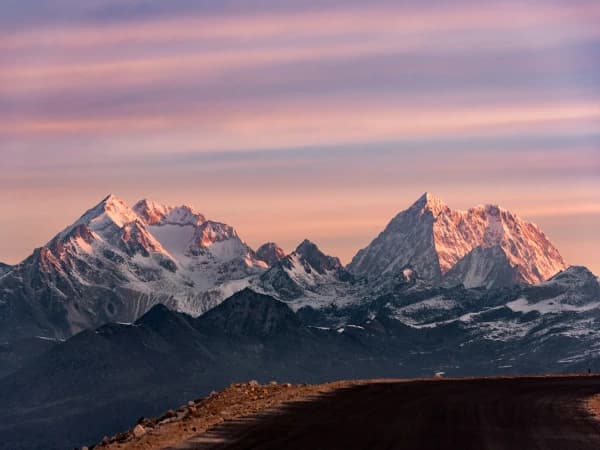
Christmas and New Year Treks from Pokhara 2026/27: 3 to 5 Days
<p>Short treks from Pokhara for Christmas and New Year 2026/27: Panchase 3 days, Poon Hill 4 days and Mardi Himal 5 days. Weather, snow, what is open, and prices by group size.</p>
Read More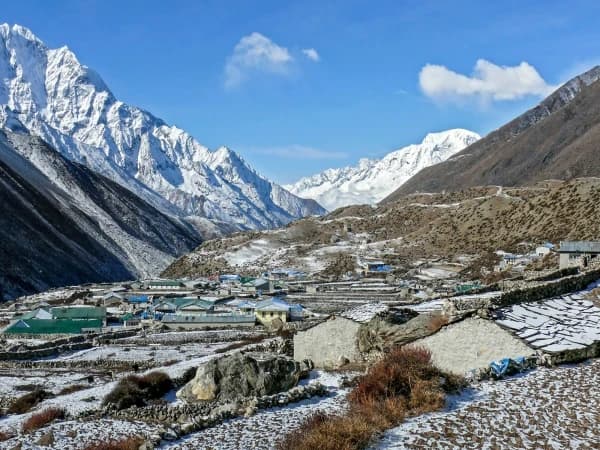
Thamdanda and Surke: The Road Head for Everest Base Camp by Road
Thamdanda is the road head where our Everest Base Camp trek by road starts and ends on foot. How to get there from Phaplu and what the first walk to Paiya is like.
Read MorePoon Hill Trek Permits 2027: ACAP, TIMS, Cost and What You Need
Poon Hill needs two permits: ACAP at NPR 3,000 and a TIMS card at NPR 2,000. Who arranges them, where they are checked, SAARC rates and the 2027 trek prices.
Read More Chat with Shreejan