The Langtang Valley in spring is quieter, greener, and cheaper than Everest or Annapurna. Rhododendron forests, yak cheese, and Tamang villages without the crowds.
Govt Regd. No.: 147653/072/073
Travel Agency Licence: 2838/072
Langtang Valley Trek in Spring: Wildflowers, Quiet Trails and What Makes It Special

Short answer: Langtang in spring is quieter and closer to Kathmandu than Everest or Annapurna. From mid-March the trail from Syabrubesi to Kyanjin Gompa is usually clear of snow, rhododendrons bloom between about 2,800 and 3,500 m, and primulas cover the forest floor. You reach the start by road, with no flights. Walk it on our Langtang Valley trek.
The Valley That Smells Like Spring
There's a morning in late March, somewhere between Lama Hotel and Langtang Village, when the air changes. It stops smelling like cold granite and woodsmoke and starts smelling like flowers. The forest floor along the Langtang Khola is carpeted with primulas. Rhododendrons line the trail in thick bands of red and white between 2,800m and 3,500m. The yaks have come down from winter pasture. The cheese factories are reopening.
Most trekkers think of Everest or Annapurna when they picture spring in Nepal. They're missing one of the best walks in the Himalayas. The Langtang Valley trek in spring is quieter, cheaper, and closer to Kathmandu than either. And in March and April, it's arguably more beautiful.
Why is spring the best time to trek the Langtang Valley?
Langtang is a narrow glacial valley running east to west, and this orientation matters. In spring, the southern sun floods the valley floor for most of the day. The north-facing slopes still hold snow, but the trail itself thaws quickly. By mid-March, the path from Syabrubesi to Kyanjin Gompa is clear of snow and fully walkable.
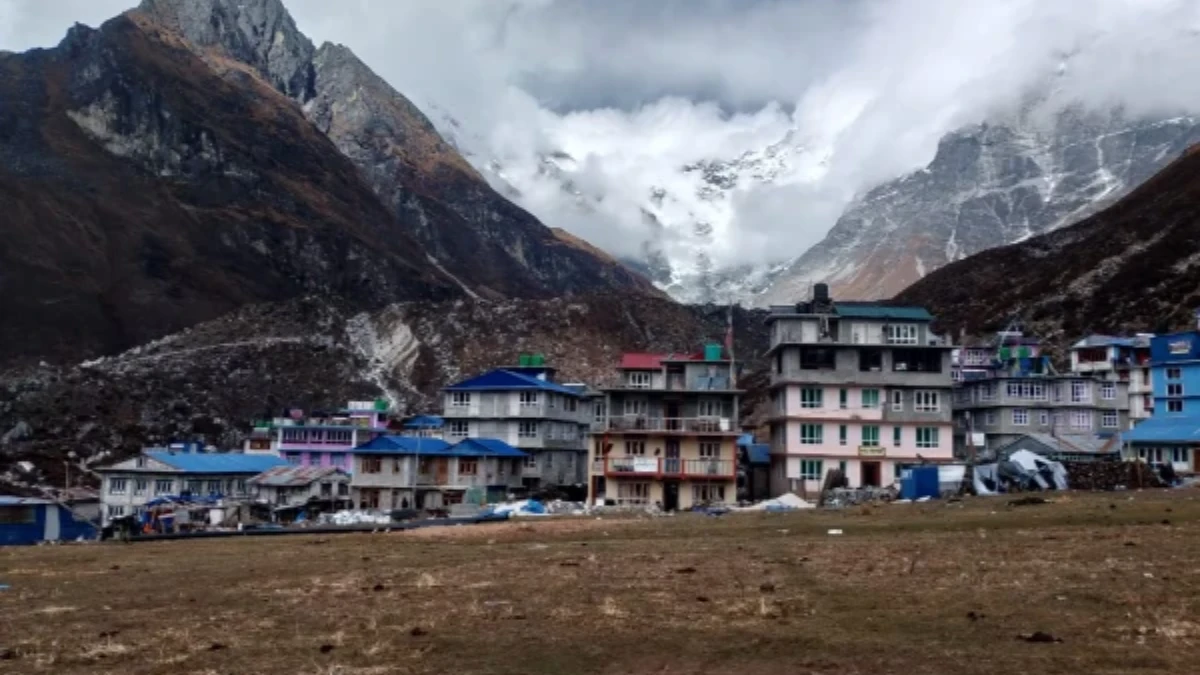
The valley sits between 1,460m (Syabrubesi) and 4,984m (Tserko Ri), which means you walk through multiple climate zones in a few days. Subtropical forest. Temperate bamboo and oak. Rhododendron canopy. Alpine meadow. Glacial moraine. In spring, each zone is at its most alive.
The other advantage is accessibility. Langtang is just 7-8 hours by road from Kathmandu. No flights, no permits beyond the standard Langtang National Park fee and TIMS card. You can be on the trail the day after landing in Nepal.
What is the weather like in Langtang Valley during spring?
March is the transitional month. Lower sections of the trail (below 3,000m) are warm during the day, reaching 15-18°C. Nights at Langtang Village (3,430m) drop to -3°C to -5°C. The rhododendrons start blooming at lower altitudes. Snow patches may remain on the trail above 4,000m in early March but disappear by month's end. Morning skies are generally clear, with afternoon cloud building from the south.
April is the best spring month for Langtang. The rhododendron bloom peaks along the trail between Lama Hotel and Langtang Village. Daytime temperatures at Kyanjin Gompa (3,870m) reach 10-14°C, making the acclimatisation day comfortable for exploring. Afternoon showers become more frequent but are typically short. The high viewpoints, Kyanjin Ri (4,773m) and Tserko Ri (4,984m), offer sharp morning views of Langtang Lirung (7,227m), Ganesh Himal, and the Tibetan peaks to the north.
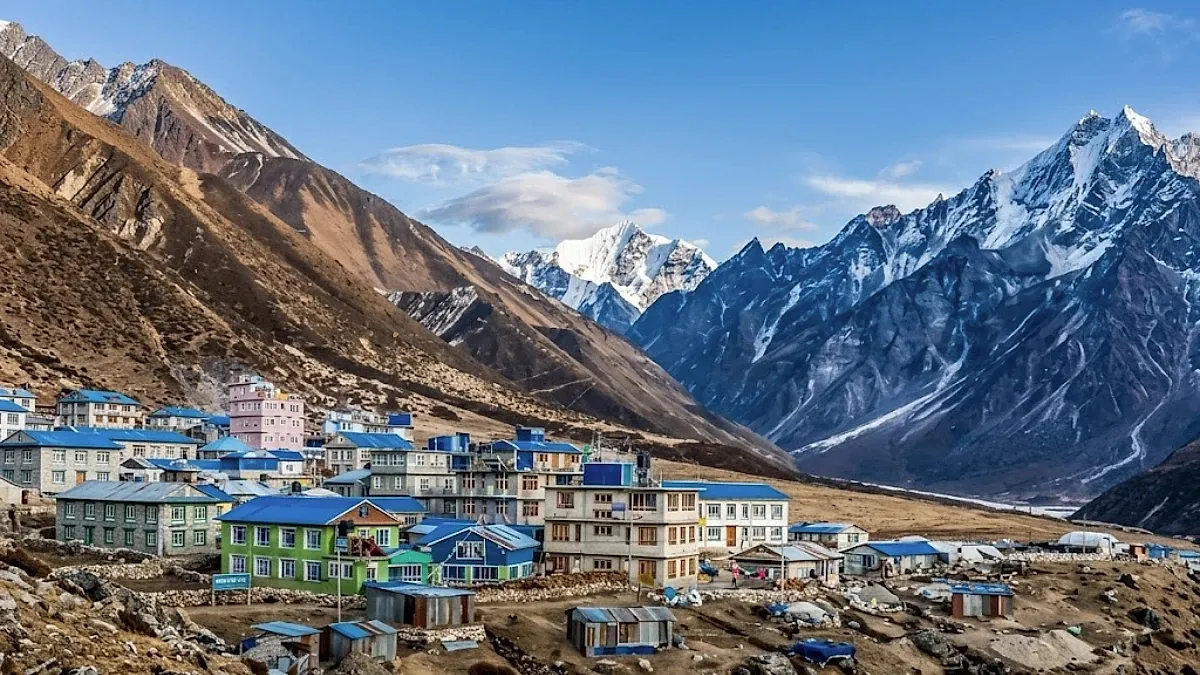
May brings the pre-monsoon warmth. Trails below 3,000m can feel hot. The valley floor is lush and green. Afternoon rain is almost daily by late May, and cloud obscures the peaks earlier in the morning. Trekking is still possible but you need waterproof gear and an early start each day. Most spring trekkers finish by mid-May.
Temperature Table: Langtang Trail in Spring
| Location | Altitude | March (Day/Night) | April (Day/Night) | May (Day/Night) |
|---|---|---|---|---|
| Syabrubesi | 1,460m | 18°C / 5°C | 22°C / 8°C | 25°C / 12°C |
| Lama Hotel | 2,480m | 14°C / 2°C | 18°C / 5°C | 20°C / 8°C |
| Langtang Village | 3,430m | 10°C / -5°C | 14°C / -1°C | 16°C / 3°C |
| Kyanjin Gompa | 3,870m | 8°C / -7°C | 12°C / -3°C | 14°C / 0°C |
| Tserko Ri | 4,984m | 2°C / -12°C | 6°C / -8°C | 8°C / -5°C |
The Rhododendrons: Langtang's Spring Signature
The rhododendron forests between Lama Hotel (2,480m) and Gumnachok (3,200m) are some of the densest in Nepal. In April, the trail passes through tunnels of red, pink, and white blooms that arch overhead. The trees here grow 8-15 metres tall, and the forest floor catches dappled light through the canopy.
Unlike the Everest region, where rhododendrons compete with dramatic mountain backdrops, the Langtang rhododendrons ARE the attraction. You walk through them for hours. The fragrance on warm mornings is real, not something guidebooks exaggerate.
The bloom schedule in Langtang:
- 2,400-2,800m (Bamboo to Lama Hotel): Late March peak
- 2,800-3,200m (Lama Hotel to Gumnachok): Early to mid-April peak
- 3,200-3,500m (Gumnachok to Langtang Village): Mid to late April
- Above 3,500m: Scattered alpine varieties, late April to May
Do the Langtang yak cheese factories reopen in spring?
One of Langtang's unique features is the yak cheese tradition started by a Swiss development project in the 1950s. The cheese factories at Kyanjin Gompa and Langtang Village close for winter and reopen in March or early April, depending on the year.
If you visit in April or May, you can watch yak cheese being made and buy fresh blocks to carry down. It tastes somewhere between Gruyere and cheddar, made from yak and dzo (yak-cow crossbreed) milk. With crackers and a cup of butter tea at Kyanjin Gompa, it's one of the best meals you'll eat on any trek in Nepal.
Is the Langtang Valley Trek crowded in spring?
Langtang gets a fraction of the traffic that Everest and Annapurna receive. In spring 2025, approximately 8,000 trekkers entered the Langtang region compared to over 50,000 for the Everest region. That's the kind of ratio that changes the feel of a trek entirely.
In practical terms: you might share a teahouse dining room with 10-15 other trekkers, not 50-80. The trail between Lama Hotel and Langtang Village can feel genuinely empty on weekday mornings. Kyanjin Gompa has enough lodges to always have space, even without advance booking.
If you specifically want solitude, trek in March. The season is just opening, some teahouses are still clearing winter cobwebs, and you may have entire sections of trail to yourself.
Is the Langtang Valley safe after the 2015 earthquake?
The 2015 earthquake destroyed the original Langtang Village. A massive landslide buried the settlement, killing over 300 people including foreign trekkers. The village has been rebuilt slightly higher on the valley slope, and today's Langtang Village shows the resilience of the Tamang people who call this valley home.
You'll pass the memorial site on the trail. Most guides pause here to explain what happened. It's a sobering moment that adds depth to the trek. The rebuilt lodges are strong, modern, and welcoming. The community wants trekkers to come back. Coming here supports them directly.
How high are Kyanjin Ri and Tserko Ri viewpoints?
The acclimatisation day at Kyanjin Gompa gives you two incredible viewpoint options.
Kyanjin Ri (4,773m) is a 2-3 hour climb from Kyanjin Gompa. It gives you a panoramic view of the entire upper Langtang Valley: Langtang Lirung (7,227m) dominates to the north, the glacier spills down the valley, and on clear mornings you can see into Tibet. In spring, the early morning light on Langtang Lirung's ice walls is extraordinary.
Tserko Ri (4,984m) takes 4-5 hours and is more demanding. The reward is a 360-degree view that includes Ganesh Himal, Shishapangma (8,027m, in Tibet), and the entire Langtang range. Few trekkers attempt it, which means you often have the summit to yourself. In spring, aim for a 5am start to reach the top before cloud builds.
Who Should Trek Langtang in Spring?
Langtang in spring is ideal for:
- First-time trekkers: It's shorter (7-10 days), lower altitude than EBC, and doesn't require a flight to Lukla. Our Langtang Valley trek is one of the most accessible multi-day treks in Nepal.
- Photographers: The combination of rhododendrons, snow-capped peaks, and Tamang villages makes for varied compositions
- Budget trekkers: No Lukla flight (roughly $420 to $510 return saved), shorter duration, lower permit costs. See our Langtang cost breakdown.
- Short-trip trekkers: With just 10 days, you can fly into Kathmandu, trek Langtang, and fly home. Our Langtang + Gosaikunda route extends it to 14 days for those with more time.
- Families: The lower altitude ceiling and gentler trail make Langtang more suitable for trekking with older children
How do you get to Langtang Valley from Kathmandu?
The drive from Kathmandu to Syabrubesi takes 7-8 hours. The road passes through Trishuli Bazaar and follows the Trishuli River northward, climbing through terraced farmland and small towns. In spring, the roadside is green and the river runs high with snowmelt.
We provide private transport for all our Langtang treks. Public buses also run daily and cost a fraction of the price, though the seats are cramped and the ride is longer. Our standard Langtang package includes all ground transport.
What should I pack for the Langtang trek in spring?
Langtang is generally warmer than the Everest region at equivalent altitudes because of its valley orientation. Spring packing should include:
- Rain jacket and pack cover (afternoon showers from late March)
- Light layers below 3,000m. T-shirt trekking is common on warm April afternoons
- Down jacket for evenings at Kyanjin Gompa and viewpoint climbs
- Good sun protection. The valley floor reflects UV from remaining snow above
- A sleeping bag rated to -5°C to -10°C (warmer than EBC requirements)
Check our full Langtang packing list for the complete guide.
Frequently Asked Questions
Is Langtang open in March?
Yes. The trail is fully open from early March through May. Some higher teahouses may not open until mid-March, but the main route from Syabrubesi to Kyanjin Gompa operates year-round. Snow above 4,000m in early March is possible but trail-breaking isn't needed on the main path.
Can beginners do Langtang in spring?
Absolutely. Langtang is one of the best first treks in Nepal. The maximum altitude (Kyanjin Gompa at 3,870m, or 4,984m if you climb Tserko Ri) is lower than Everest Base Camp. The trail is well-marked, teahouses are frequent, and our guides are experienced with first-time trekkers.
How does Langtang compare to Poon Hill for beginners?
Poon Hill is shorter (4-5 days) and lower altitude (3,210m max). Langtang is longer (7-10 days) and higher (3,870-4,984m). Poon Hill gives you a sunrise panorama. Langtang gives you a full valley experience with glaciers, cheese factories, and Tamang culture. If you have 7+ days, Langtang is the richer experience.
Is Langtang safe after the 2015 earthquake?
Yes. The trail and all lodges have been rebuilt. The village was relocated to safer ground. Langtang received significant reconstruction support and the teahouses now meet improved standards. Trekking here also directly supports the community's recovery.
Do I need permits for Langtang?
Two permits: Langtang National Park entry fee (NPR 3,000 / ~$23) and TIMS card (NPR 2,000 / ~$15). Both are included in our Langtang trek packages. We arrange them in Kathmandu before departure.
When do the rhododendrons bloom in Langtang?
The peak bloom between Lama Hotel and Langtang Village is early to mid-April. Lower elevations bloom in late March. The best two-week window for flowers and good weather together is roughly April 5-20.
Spring in Langtang isn't the loudest trek in Nepal. It's the one that stays with you longest. The flowers, the cheese, the quiet trail, and the faces of the Tamang people who rebuilt their valley after everything fell down.
WhatsApp:+977 9810351300
Email:[email protected]
Written by Shreejan Simkhada, CEO of The Everest Holiday and third-generation Himalayan guide. TAAN Member #1586.
Spring Langtang has wildflowers and quiet trails. Our Langtang Trek (8 Days) is private (your group only, no strangers), 2027 dates open, From USD $490. WhatsApp us for tailored 2027 dates and current departures.
Planning a trip to Nepal?
Drop us your details and tell us what you have in mind. We will put together a personalised plan and get back to you.
Not sure which Nepal trek is right for you?
Take our free 2-minute quiz and get personalised recommendations based on your fitness, experience, and travel style.
Find Your Perfect Trek →Need Help? Call Us+977 9810351300orChat with us on WhatsApp
Related Trek Packages
 US$750
13 DaysMax 20
Langtang Gosainkunda trek - 13 Days
Starts From
ExploreUS$750
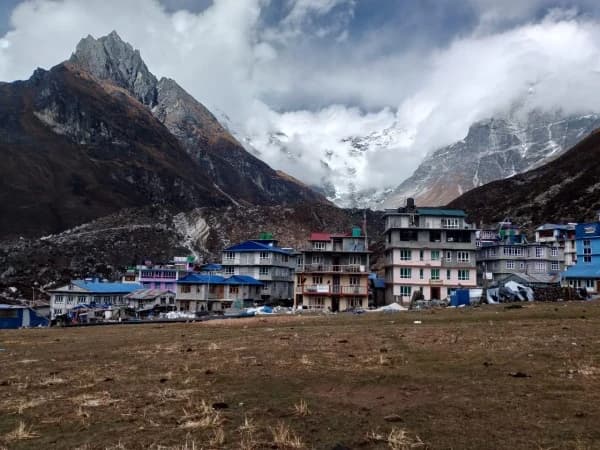
 US$1,200
12 DaysMax 20
Langtang Ganja La Pass trek - 12 Days Itinerary and Cost
Starts From
ExploreUS$1,200
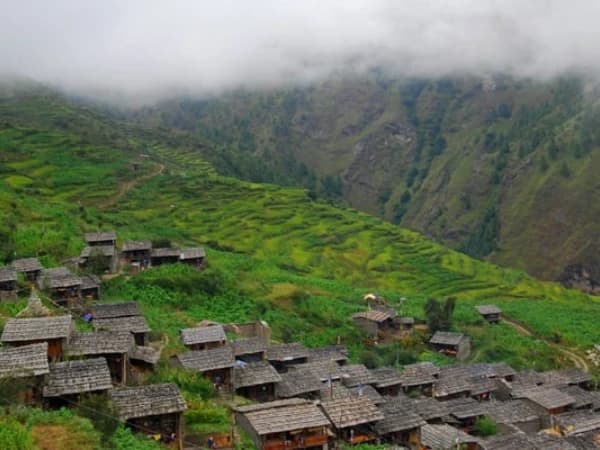
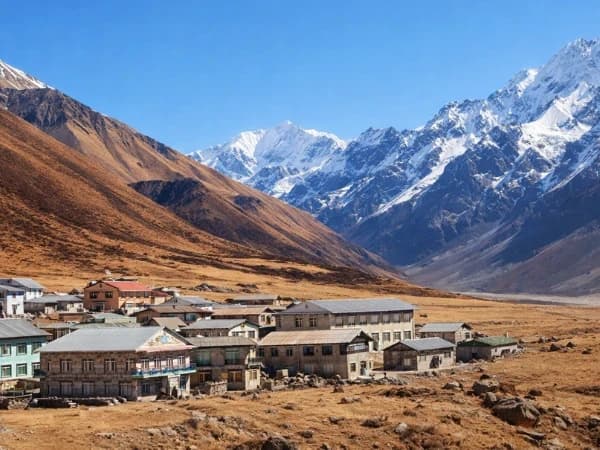
Tamang Heritage Trail - 12 Days
Starts From
ExploreUS$1,020
Latest Travel Blogs
Christmas and New Year Treks from Pokhara 2026/27: 3 to 5 Days
<p>Short treks from Pokhara for Christmas and New Year 2026/27: Panchase 3 days, Poon Hill 4 days and Mardi Himal 5 days. Weather, snow, what is open, and prices by group size.</p>
Read More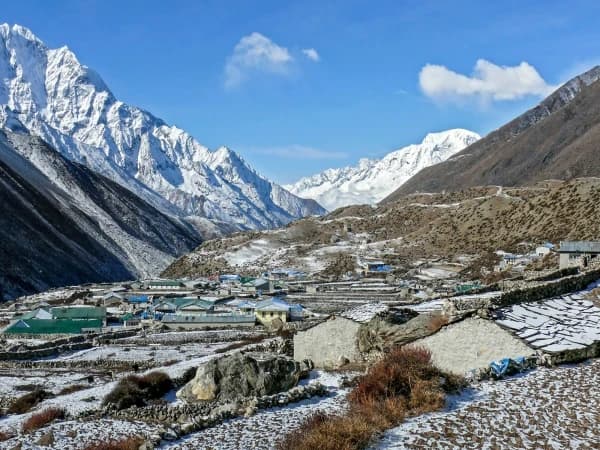
Thamdanda and Surke: The Road Head for Everest Base Camp by Road
Thamdanda is the road head where our Everest Base Camp trek by road starts and ends on foot. How to get there from Phaplu and what the first walk to Paiya is like.
Read MorePoon Hill Trek Permits 2027: ACAP, TIMS, Cost and What You Need
Poon Hill needs two permits: ACAP at NPR 3,000 and a TIMS card at NPR 2,000. Who arranges them, where they are checked, SAARC rates and the 2027 trek prices.
Read More Chat with Shreejan