What is Kathmandu like to visit?
Kathmandu is the capital of Nepal, home to roughly three million people in the valley, and it's the gateway to every major trek in the country. It's chaotic, beautiful, spiritual, noisy, and surprisingly affordable. You'll find thousand-year-old temples standing next to mobile phone shops. A sadhu covered in ash sitting on the same street as a coffee shop selling flat whites for 400 rupees.
The city is divided into distinct areas, but as a trekker you'll spend most of your time in and around Thamel, the travellers' district in the old city. From Thamel, everything you need is within walking distance or a short taxi ride: gear shops, restaurants, temples, the old royal palace at Durbar Square, and dozens of trekking agencies including ours.
Don't expect it to be polished. The pavements are uneven, the power lines look like tangled wool, and you'll probably dodge a stray dog or two on your morning walk. But Kathmandu has a warmth to it that's hard to explain until you've felt it. People are genuinely kind. Strangers will help you find your way. Shopkeepers will invite you for tea before you've bought anything. It's that kind of place.
How Do You Get to Kathmandu?
All international flights land at Tribhuvan International Airport (KTM), which is about 6 kilometres east of Thamel. The airport is small by international standards, there's one international terminal and one domestic terminal side by side.
When you land, you'll need a Nepal tourist visa. You can get one on arrival at the immigration counters before baggage claim. Bring a passport photo (or use the photo machines there, they cost about $5) and cash in USD. A 15-day visa costs $30, a 30-day visa costs $50, and a 90-day visa costs $125. The queue can take anywhere from 20 minutes to over an hour depending on how many flights have just landed, so be patient.
Once you're through immigration and have your bags, you'll walk out into a crowd of taxi drivers and hotel representatives. If you've booked with us, our team will be there holding a sign with your name. We include airport pickup with every trek package because honestly, your first Kathmandu taxi negotiation after a long flight isn't the best welcome.
If you're arranging your own transfer, a taxi from the airport to Thamel should cost between 700 and 1,000 Nepali rupees (roughly $5-8 USD). Agree on the price before you get in. There are no metres. The drive takes 20-40 minutes depending on traffic, and Kathmandu traffic is something you simply have to experience to believe.
From India Overland
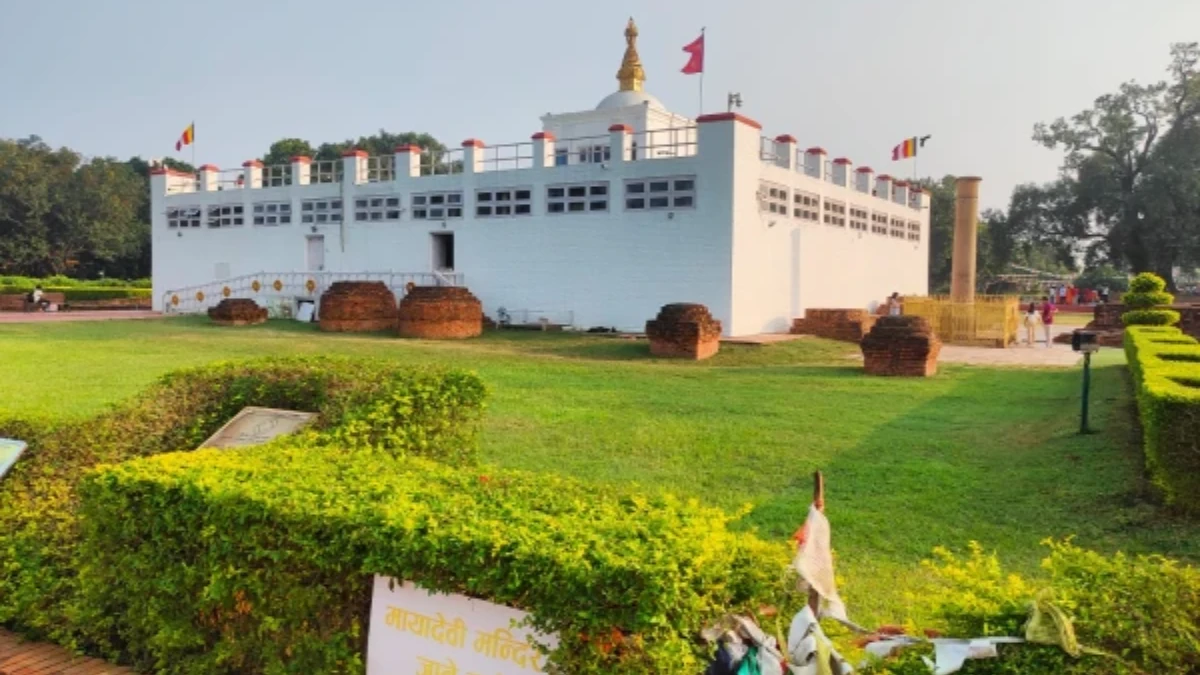
If you're travelling overland from India, the most common crossing points are Sunauli/Bhairahawa (near Lumbini) and Kakarbhitta in the east. From either border, it's a long bus ride to Kathmandu, roughly 8-12 hours on winding mountain roads. Tourist buses run daily from the border towns and cost around $10-15 USD.
Where is the best place to stay in Kathmandu?
Thamel is where 90% of trekkers stay, and for good reason. It's walkable, packed with restaurants and gear shops, and you can find accommodation for every budget within a few hundred metres.
Budget (Under $20/night)
Thamel has dozens of guesthouses where a clean double room with an attached bathroom and hot water costs $10-20 per night. Don't expect luxury, but you'll get a comfortable bed, Wi-Fi, and usually a rooftop with mountain views on clear days. Look along the narrow lanes off the main Thamel Marg road, places like Mandala Street and JP Road have good options. Ask to see the room before you pay. It's completely normal here and nobody will be offended.
Mid-Range ($30-70/night)
For a bit more comfort, there are excellent mid-range hotels in Thamel and the neighbouring area of Paknajol. You'll get air conditioning (useful in the hot pre-monsoon months), a proper restaurant, and a quieter setting while still being five minutes from everything. The streets around Chhetrapati, just south of Thamel, tend to be a bit calmer and offer good value.
Higher End ($80-200/night)
If you want something special, Kathmandu has some genuinely beautiful hotels. Dwarika's Hotel near Battisputali is built with reclaimed medieval woodcarvings and is one of the most extraordinary hotels in Asia. In and around Thamel, you'll find well-appointed boutique hotels that blend Newari architecture with modern comforts. Many of our premium package trekkers stay in these, they're a lovely way to bookend a physically demanding trek.
A Local Tip
Wherever you stay, ask for a room at the back of the building if street noise bothers you. Thamel doesn't really sleep, especially on Friday and Saturday nights. And if you're arriving the night before a trek, don't stay up late exploring the bars, your body will thank you on Day 2 when you're climbing uphill for six hours. Related: Where to Stay in Kathmandu Before Your Trek.
What are the best things to do in Kathmandu?
Most trekkers have one or two days in Kathmandu before and after their trek. That's enough to see the highlights, but honestly, you could spend a week here and still find new corners. Here's what we'd recommend with limited time.
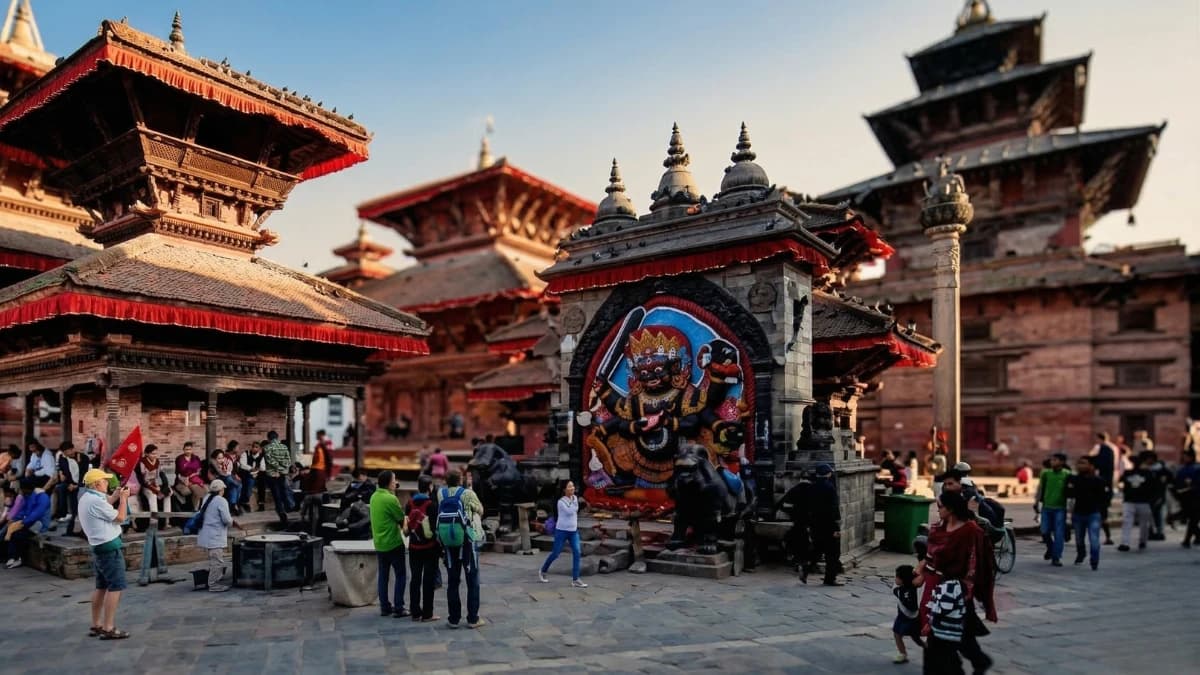
Kathmandu Durbar Square
This is the old royal palace complex in the centre of the city, about a 15-minute walk south of Thamel. It's a UNESCO World Heritage Site filled with pagoda-style temples, carved wooden struts, and the Kumari Ghar, home of the living goddess, the Kumari. The 2015 earthquake damaged several structures, and you'll still see reconstruction work, but it remains one of the most atmospheric places in Nepal. Entry for foreign visitors costs 1,000 rupees (about $7.50 USD). Go early morning before the crowds build.
Swayambhunath (The Monkey Temple)
Perched on a hilltop west of Thamel, Swayambhunath is one of the oldest religious sites in Nepal. Climb the 365 stone steps (yes, the monkeys are everywhere, keep your sunglasses in your pocket) and you're rewarded with panoramic views of the entire Kathmandu Valley. The golden spire with Buddha's eyes is probably the most photographed thing in Nepal after Everest itself. Best at sunrise or late afternoon. A taxi from Thamel costs about 300-400 rupees, or it's a pleasant 30-minute walk if you follow the road past the Vishnumati River.
Boudhanath Stupa
The largest stupa in Nepal and one of the largest in the world. Boudhanath sits in the eastern part of the valley, about a 20-minute taxi ride from Thamel (500-700 rupees). The massive white dome with those all-seeing eyes is surrounded by a circuit of Tibetan monasteries, shops selling singing bowls and prayer flags, and rooftop cafes where you can sit and watch pilgrims circle the stupa at dusk. The kora, walking clockwise around the stupa, is one of the most peaceful experiences in Kathmandu. Entry is 400 rupees for foreigners.
Patan Durbar Square
Just across the Bagmati River in the neighbouring city of Lalitpur (locals call it Patan), this is arguably the most beautiful of the valley's three Durbar Squares. The Krishna Mandir temple here is exquisite, all stone, no wood, which is rare for Nepali architecture. The Patan Museum inside the old palace is one of the finest in South Asia. A taxi from Thamel takes about 20 minutes and costs 400-600 rupees.
Garden of Dreams
When the noise gets too much, slip into the Garden of Dreams on Tridevi Marg, right at the southern edge of Thamel. This restored neo-classical garden was built in the early 1900s and feels like stepping into another world. Quiet pathways, fountains, pavilions, and a small cafe. Entry is 200 rupees. Perfect for an hour of calm before your trek briefing. Related: First Time in Kathmandu: What Nobody Tells You Before You Land.
What are the must-see temples in Kathmandu?
Nepal is the birthplace of the Buddha and one of the only countries where Hinduism and Buddhism exist side by side with virtually no friction. In Kathmandu, you'll see this everywhere, Hindu and Buddhist shrines sharing the same courtyard, prayer flags hanging next to marigold garlands.
Pashupatinath Temple
This is Nepal's most sacred Hindu temple, dedicated to Lord Shiva, sitting on the banks of the Bagmati River in the eastern valley. Non-Hindus can't enter the main temple complex, but you can walk the grounds, visit the smaller shrines, and (if you're comfortable with it) observe the open-air cremation ghats along the river. It's confronting and beautiful at the same time. It gives you a sense of how differently death is understood in Hindu culture, openly, communally, as part of life's cycle. Entry is 1,000 rupees for foreigners.
Changu Narayan Temple
If you've got a spare half day, this hilltop temple about 12 kilometres east of Kathmandu is the oldest Hindu temple in the valley, dating back to the 4th century. The stone carvings here are extraordinary. It's far less visited than the big sites, which makes it feel more authentic. You can combine it with a short hike from Nagarkot for wonderful views.
Buddhist Monasteries Around Boudhanath
The streets surrounding Boudhanath Stupa are lined with Tibetan Buddhist monasteries. Several are open to respectful visitors. You might hear monks chanting, see young novices studying, or catch a ceremony with horns and drums. Shechen Monastery and Kopan Monastery (a short drive up the hill above Boudhanath) both welcome visitors. Kopan even runs meditation courses if you're interested.
What should you eat in Kathmandu?
Forget what you think you know about Nepali food. It's far more diverse than most travellers expect, and Kathmandu is the best place to try everything before you spend two weeks eating dal bhat on the trail.
Dal Bhat
You'll eat this every day on your trek, so you might as well start in Kathmandu. Rice, lentil soup, vegetable curry, pickle (achar), and usually some greens. It's the national dish, it's endlessly variable, and the saying is true: dal bhat power, 24 hour. A good local dal bhat set in Thamel costs 300-500 rupees. For a more authentic version, try the small local restaurants (called bhojanalaya) on the lanes around Chhetrapati or Asan, that's where the Nepali staff from the tourist restaurants go to eat.
Momos
Nepali dumplings, and the country's favourite snack. Steamed or fried, filled with buffalo meat, chicken, or vegetables, served with a spicy tomato achar. You'll find them everywhere from street carts (30-50 rupees a plate) to proper restaurants. The buff (buffalo) momos with jhol achar, a soupy, spicy dipping sauce, are a must-try. Places around New Road and Ason have some of the best street momos in the city.
Newari Food
The Newar people are the original inhabitants of the Kathmandu Valley, and their cuisine is exceptional. Look for choyla (spiced grilled buffalo meat), yomari (sweet rice flour dumplings), bara (lentil pancakes), and chatamari, sometimes called Nepali pizza, which is a rice flour crepe topped with minced meat and egg. The backstreets of Patan and the area around Ason in old Kathmandu are the best places for Newari food. Ask anyone local and they'll point you somewhere good.
Thakali Food
Thakali cuisine comes from the Thak Khola region along the Annapurna trail. It's a refined version of dal bhat with exceptional pickles, black lentils, and often goat or chicken. There are several Thakali restaurants in Thamel, look for the ones where Nepali people are eating, not just tourists.
International Food in Thamel
When you've had enough dal bhat (it happens, usually around day 10 of your trek), Thamel has surprisingly good international food. You'll find wood-fired pizza, proper espresso, Japanese food, Korean barbecue, and excellent bakeries. The cafes along Mandala Street and the streets near Thamel Chowk are particularly good. A full meal with a drink at a mid-range Thamel restaurant costs $5-10 USD.
What to Drink
Try chiya, Nepali milk tea, sweet and spiced, served in small glasses for 20-30 rupees on every street corner. Tongba (hot millet beer sipped through a bamboo straw) is traditional in the mountain regions and available in some Thamel restaurants. Nepal also produces its own beer, Gorkha, Everest, and Nepal Ice are the common ones. A large bottle costs 400-600 rupees in a restaurant. And yes, the rum here is surprisingly good. Khukri Rum is a local favourite.
What Should You Know About Visiting Kathmandu?
Money
The currency is the Nepali Rupee (NPR). As of 2026, $1 USD is roughly 133-135 NPR. ATMs are everywhere in Thamel, Nabil Bank and NIC Asia usually work well with international cards. Withdraw in Nepali rupees. Many restaurants and shops accept cards, but carry cash for smaller places, taxis, and temples. You'll need cash for the trek too, there are very few ATMs above Namche Bazaar.
SIM Cards and Internet
Buy a Nepali SIM card at the airport or in Thamel. Ncell is the most popular choice for travellers, a tourist SIM with data costs about 500 rupees and gives you coverage in Kathmandu and along the major trekking routes up to certain altitudes. You'll need your passport and a photo. Wi-Fi is available in most hotels and cafes in Thamel, though speeds vary wildly.
Getting Around the City
Within Thamel, walk. It's the only sensible way. For longer trips, to Boudhanath, Patan, or Pashupatinath, taxis are cheap but always agree the price before you get in. Ride-hailing apps like inDrive and Pathao work well in Kathmandu and are often cheaper than street taxis. A typical cross-city taxi ride costs 300-700 rupees ($2-5 USD).
Safety
Kathmandu is generally safe for travellers. Petty theft can happen in crowded areas, keep your phone and wallet in a front pocket around Ason market and Durbar Square. Don't walk alone through poorly lit areas late at night (common sense anywhere). The traffic is the biggest genuine danger, there are no real pedestrian rules, so cross roads slowly and make eye contact with drivers.
Altitude
Kathmandu sits at 1,400 metres, so you won't feel any altitude effects here. But it's worth knowing that if you're flying directly to Lukla (2,860m) the next day, you're making a significant altitude jump. Our road route to Everest Base Camp avoids this by starting lower and ascending gradually, one of many reasons we prefer it.
Water
Don't drink the tap water. Buy bottled water (20-50 rupees) or bring a reusable bottle with a filter. Many hotels and restaurants offer filtered water. On the trek, we provide safe drinking water, but it's good to get into the habit of checking before you drink in Kathmandu too.
Tipping
Tipping isn't mandatory in Kathmandu restaurants, but 10% is appreciated for good service. For your trekking guide and porters, tipping is customary and important, we provide guidance on appropriate amounts during your pre-trek briefing.
When Is the Best Time to Visit Kathmandu?
Kathmandu is pleasant for most of the year, but the best months align with the trekking seasons:
- October to November, The best time. Clear skies, comfortable temperatures (15-25C during the day), low humidity, and the city is alive with the Dashain and Tihar festivals. This is peak trekking season too.
- March to May, Spring brings warmer weather, blooming rhododendrons in the surrounding hills, and the Holi festival. It gets hot by late April (up to 30C), and haze can obscure mountain views from the city.
- December to February, Cool and dry. Mornings can be cold (2-5C), and there's no central heating in most buildings. But the skies are often clear, tourist numbers drop, and it's a wonderful time if you don't mind layering up.
- June to September, Monsoon season. Heavy rain most afternoons, occasional flooding, leeches on the trails. The city is green and lush, and prices drop significantly, but it's not ideal for trekking unless you're heading to rain-shadow areas like Upper Mustang or Dolpo.
Is Kathmandu the starting point for Nepal treks?
Every major trek in Nepal starts from Kathmandu. Here's how the city fits into the most popular routes:
Everest Base Camp by Road (Our Signature Route)
You'll spend your first night in Kathmandu for a welcome dinner and trek briefing, then drive east towards the Solukhumbu region the next morning. This road route skips the delay-prone Lukla flight entirely and gives you a gradual altitude gain through beautiful hill country. You'll return to Kathmandu at the end for a farewell dinner and a well-earned hot shower.
Everest Base Camp Classic (Via Lukla Flight)
The traditional route flies from Kathmandu's domestic terminal to Lukla (about 30 minutes, weather permitting). You'll need at least one night in Kathmandu before and after. Flights leave early, expect a 4am taxi to the airport. Delays are common, especially during the monsoon shoulder months, so we always build buffer days into our itineraries.
Annapurna Region Treks
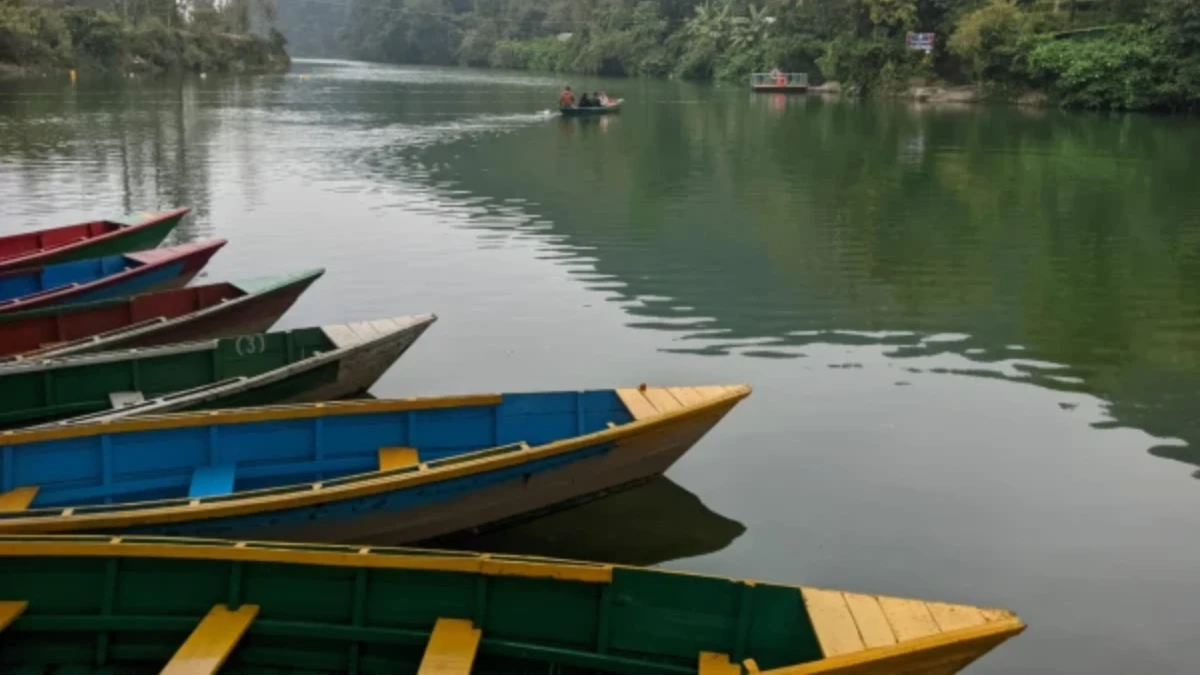
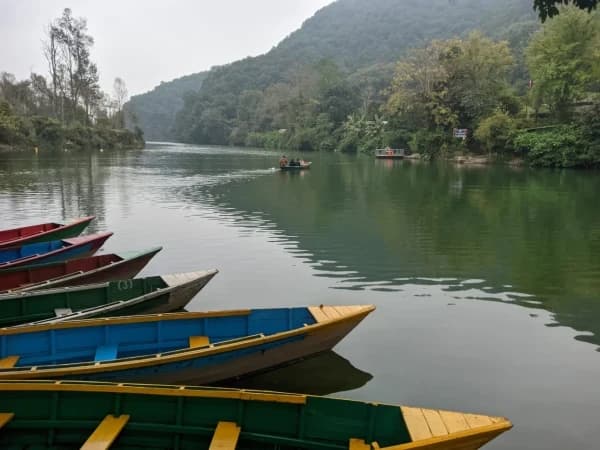
For Annapurna Circuit, Annapurna Base Camp, and Poon Hill treks, you'll drive or fly from Kathmandu to Pokhara first (a scenic 25-minute flight or 6-7 hour drive). We usually recommend a night in Pokhara before heading to the trailhead, it's a beautiful lakeside city and worth seeing in its own right.
Manaslu Circuit
The drive from Kathmandu to Soti Khola (the Manaslu trailhead) takes about 7-8 hours through the hills. It's a long day, but the scenery through the Gorkha district is beautiful and you'll start the trek properly rested the next morning.
Langtang Valley
Langtang is the closest major trek to Kathmandu. The drive to Syabrubesi takes about 7-8 hours, heading north through terraced farmland and into the mountains. It's one of the best treks for people with limited time, you can complete it in 7-10 days and be back in Kathmandu with time to spare.
What We Do for You in Kathmandu
When you book any trek with The Everest Holiday, we handle your Kathmandu logistics completely. That means:
- Airport pickup with a driver holding your name
- Hotel accommodation in Thamel (included in all packages)
- Welcome dinner with your guide where you'll go through the full itinerary, check your gear, and ask any last questions
- All permits arranged in advance, no queuing at government offices
- Farewell dinner when you return, usually at one of our favourite local restaurants
- Airport transfer for your departure
You don't need to worry about anything except enjoying the city and getting a good night's sleep before your trek begins.
Gear Shopping in Thamel
If you need trekking gear, Thamel is the place. The main road and side streets are lined with shops selling everything from down jackets to trekking poles. A few honest tips: most of the branded gear (North Face, Mammut, etc.) is locally made rather than genuine, the quality is decent for a single trek but won't last years. If you want authentic gear, the North Face store on Tridevi Marg sells genuine products at close to international prices. For good-quality local gear at fair prices, the shops along Mandala Street and JP Road are reliable. Expect to bargain, start at about 60% of the first price offered.
Don't over-pack. We see it every trek, people arrive with 25kg of gear they never use. You need a good pair of broken-in hiking boots, layers for warmth, a decent rain jacket, and a sleeping bag rated to -10C or colder (you can rent these in Thamel for about $1-2 per day). We send all our trekkers a detailed packing list before departure.
A Final Word About Kathmandu
Kathmandu isn't a city you fall in love with immediately. It's noisy, it's dusty, and on a bad traffic day you'll wonder why you didn't fly straight to Lukla. But sit on a rooftop in Thamel at sunset, watch the prayer flags flutter against the Himalayan foothills, eat a plate of momos with fiery achar, and listen to the temple bells from Swayambhunath drifting across the valley, and you'll get it.
This city has been welcoming travellers and mountaineers for over a century. It welcomed our grandfather, Hari Lal Simkhada, when he first started helping expeditions reach the high peaks. It welcomed our father. And now it welcomes you.
We'll be at the airport when you land.
Ready to plan your trek?
Chat with Shreejan on WhatsApp: +977 9810351300
Email: [email protected]
Browse our treks: www.theeverestholiday.com
Remote workers and digital nomads should also read our Nepal digital nomad guide for monthly co-living options, internet reliability, and SIM/data plan picks.
For travellers planning a longer visit, our one-month Nepal career break guide covers visa, budget, and route planning for a full sabbatical.
Visiting Kathmandu first? Our Kathmandu & Pokhara Tour (7 Days) is private (your group only, no strangers), 2026 dates open, From USD $749. WhatsApp us for tailored 2026 dates and current departures.
 Chat with Shreejan