
Written by Shreejan Simkhada, CEO of The Everest Holiday and third-generation Himalayan guide. TAAN Member #1586.
Chitwan National Park is Nepal below the mountains. While most tourists come to Nepal for the Himalayas, Chitwan offers something completely different: subtropical jungle, one-horned rhinoceros grazing in grasslands, Bengal tigers hunting in sal forest, and gharial crocodiles basking on river banks. It is a UNESCO World Heritage Site and one of the best wildlife destinations in Asia.
But the experience changes dramatically depending on when you visit. The wrong month means flooded trails, invisible animals, and lodges operating at half capacity. The right month means clear sightings, comfortable temperatures, and the jungle at its most accessible. Here is what each season actually looks like.
| Months | Conditions | Wildlife | Crowds / price |
|---|---|---|---|
| Oct–Nov | Lush and clear, 25–30°C | Excellent; peak birding | Peak season, book ahead |
| Dec–Feb | Cool, foggy mornings | Thin cover, near-guaranteed rhino; migratory birds | Quieter, lower prices |
| Mar–May | Hot, 35–40°C by April | Best visibility, animals at water | Very quiet, lowest prices |
| Jun–Sep | Monsoon, floods, leeches | Dispersed and hard to spot; birding still good | Some lodges shut, 30–50% off |
What Is the Best Month for a Chitwan Safari?
The best months for Chitwan are October to March. Within that window, October to December is the sweet spot: warm days, cool nights, dry trails, and animals concentrated around water sources that are starting to shrink. January and February are slightly colder but still excellent for wildlife. March gets hot but the thinning vegetation makes animals easier to spot.
Avoid June to September (monsoon). The park floods, trails are impassable, leeches are everywhere, and most activities are suspended.
What Is Chitwan Like Month by Month?
October to November: The Best Months
The monsoon has just ended. The jungle is lush green from four months of rain, the rivers are full but receding, and the air is clear after being washed clean by the rains. Temperatures are ideal: 25 to 30 degrees Celsius during the day, 15 to 20 at night. Mosquitoes are present but manageable with repellent.
Wildlife activity is high. The tall elephant grass has been cut or flattened by monsoon floods, improving visibility from jeep safaris. Rhinos are frequently seen in the grasslands near the river edges. Bird migration is underway, with over 500 species recorded in the park. October and November are the best months for birdwatchers.
This is also peak tourist season, which means lodges book up and safari slots fill. Reserve at least two weeks ahead for October and November visits.
December to February: Cold but Clear
Winter in Chitwan is not like winter in the mountains. Daytime temperatures remain 15 to 25 degrees Celsius, comfortable for safari activities. Mornings and evenings are cool (5 to 10 degrees) and fog is common in December and January, sometimes reducing visibility on early morning safaris until the fog lifts around nine or ten AM.
The big advantage of winter: the vegetation is at its thinnest. Deciduous trees lose their leaves, grass is short, and animals are concentrated around the few remaining water sources. This makes rhino and deer sightings almost guaranteed on jeep safaris. Tiger sightings, always rare, are slightly more likely in winter because the reduced vegetation means less cover for the cats.
January and February also bring migratory birds from Siberia and Central Asia, making this an excellent period for birding. The park is quieter than October and November, with lower lodge prices and easier availability.
March to May: Hot but Rewarding
Temperatures rise sharply from March onwards. By April, daytime temperatures reach 35 to 40 degrees Celsius. The heat is intense, especially during midday jeep safaris. Most lodges schedule activities for early morning (6 to 9 AM) and late afternoon (3 to 6 PM) to avoid the worst heat.
The upside: the vegetation is at its absolute thinnest. The dry season concentrates animals around rivers and water holes, making sightings easier than any other time of year. March is arguably the single best month for seeing rhinos up close. The park is also very quiet, with few tourists, and lodge prices are at their lowest.
If you can tolerate heat, March and April offer the best wildlife visibility at the lowest prices. Bring sunscreen, a hat, and plenty of water.
June to September: Monsoon (Not Recommended)
The monsoon transforms Chitwan from accessible jungle to flooded wilderness. The Rapti and Narayani rivers swell dramatically, submerging low-lying trails and making canoe rides dangerous or impossible. Jeep safaris operate on a limited basis on higher ground, but many trails are waterlogged.
Leeches are abundant during monsoon. They are harmless (the bites do not hurt and heal quickly) but most visitors find them unpleasant. Mosquitoes are at their peak, and the humidity is oppressive (80 to 95 percent).
Some budget lodges close during monsoon. Those that remain open offer discounted rates (30 to 50 percent off peak prices) but the experience is significantly diminished. The animals are dispersed across a wider area because water is everywhere, making sightings harder. Birdwatching is the one activity that remains excellent during monsoon, as many resident species are nesting and breeding.
If you are in Nepal during monsoon for a trek in a rain shadow area like Upper Mustang or Upper Mustang, you can add a Chitwan visit at either end of your trip, but set expectations low for wildlife activities.
What You Can See at Chitwan
Chitwan is home to some of Asia's most endangered species. Here is what you can realistically expect to see:
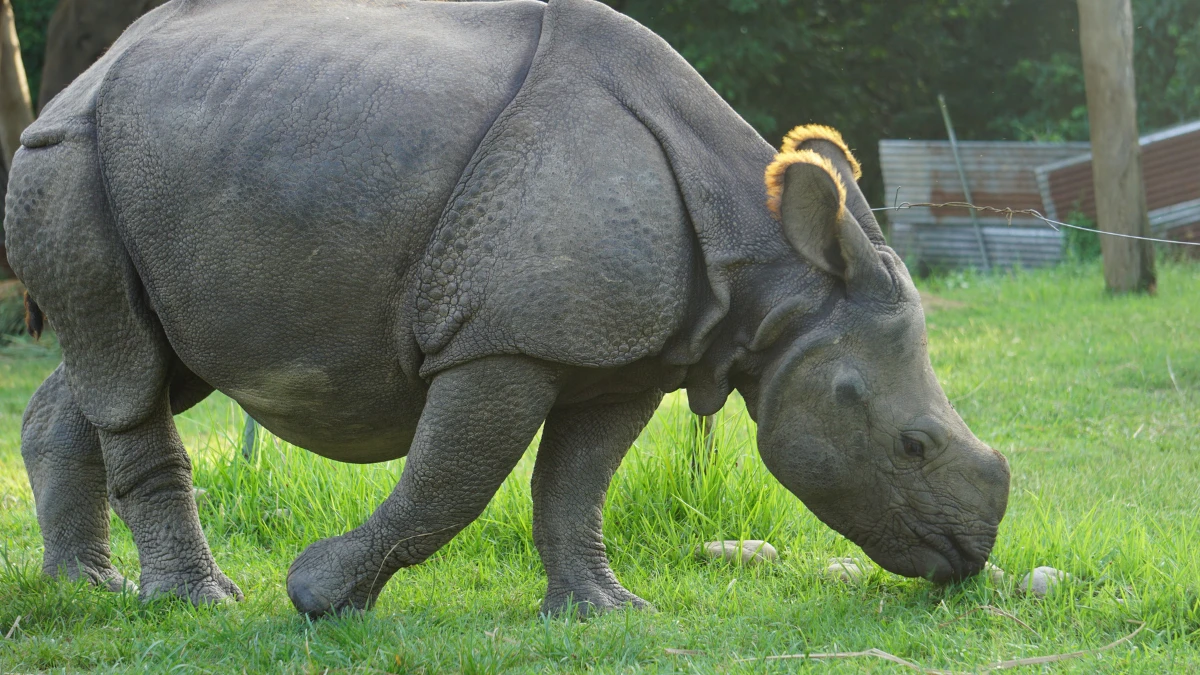
One-horned rhinoceros: Chitwan has roughly 700 rhinos, the second-largest population in Asia after Kaziranga in India. Sightings are near-guaranteed on jeep safaris in any season except deep monsoon. You will likely see multiple rhinos in a single safari drive, sometimes with calves.
Bengal tiger: Chitwan has roughly 120 tigers, but they are masters of camouflage in dense jungle. A tiger sighting is a genuine event, not a routine occurrence. Your odds are roughly 5 to 15 percent per safari day, higher in winter when vegetation is thin. Guides track tiger signs (pugmarks, scrapes, alarm calls from deer) and position vehicles accordingly.
Gharial crocodile: The Rapti and Narayani rivers host a healthy population of these critically endangered fish-eating crocodiles with their distinctive narrow snouts. Canoe safaris almost always spot them basking on sandbanks.
Mugger crocodile: The broader-snouted cousin of the gharial, also common along the rivers.
Sloth bear: Elusive but present. Sightings are uncommon but increase during the fruiting season (November to January) when bears forage more openly.
Wild elephant: A small population of wild Asian elephants moves through the park, particularly in the western sections. Sightings are unpredictable.
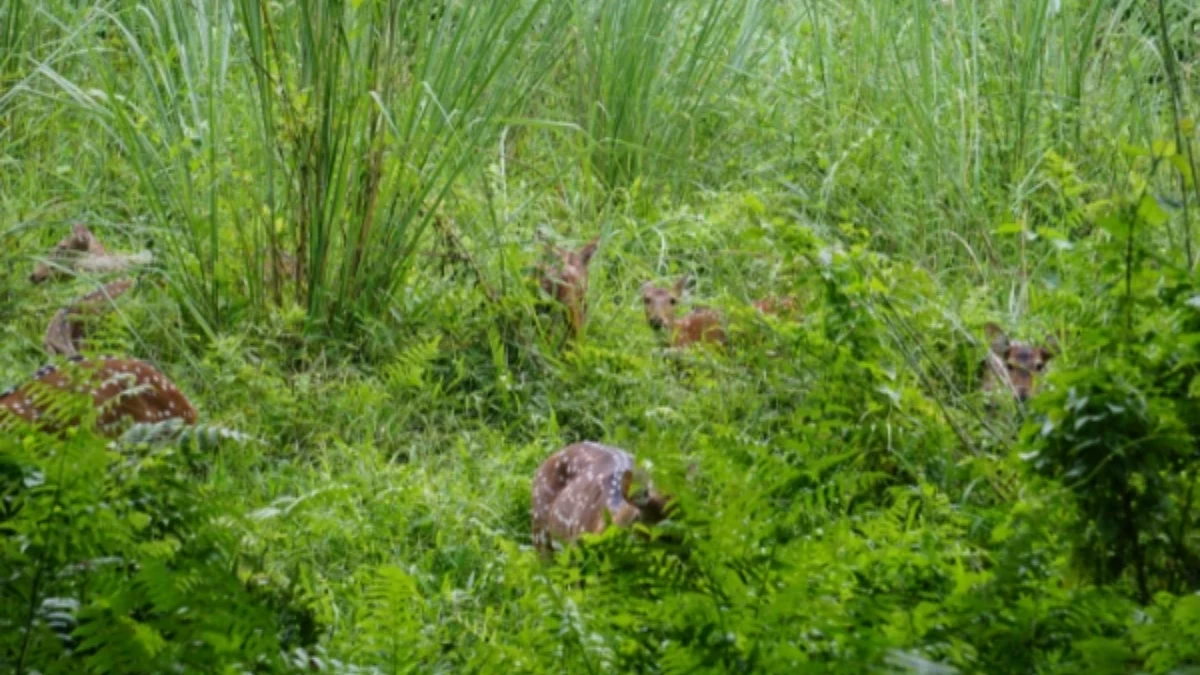
Deer species: Spotted deer (chital), barking deer, sambar deer, and hog deer are abundant and seen on virtually every safari.
Birds: Over 500 species recorded, including giant hornbills, peacocks, kingfishers, eagles, owls, and dozens of migratory species. Chitwan is one of the top birding destinations in South Asia.
How Much Does a Chitwan Safari Cost?
- Jeep safari (3-4 hours): 25 to 40 USD per person. The most effective way to cover ground and find animals. A 4x4 vehicle with a naturalist guide drives through grasslands, forest roads, and river crossings. Morning safaris (6 to 9 AM) offer the best animal activity.
- Canoe safari (1-2 hours): 10 to 15 USD per person. A dugout canoe on the Rapti River. Silent, peaceful, excellent for crocodiles and waterbirds. Often combined with a guided nature walk on the return.
- Guided nature walk (2-3 hours): 10 to 15 USD per person. Walking through community forest with a naturalist. Focus on plants, birds, and animal signs rather than big animal sightings.
- Tharu cultural programme: Usually included with lodge stay. Traditional stick dance and peacock dance performances in the evening.
National park entry fee: NPR 2,000 (about USD 15) per person per entry for foreign nationals, and NPR 1,000 for SAARC nationals, as published by the Nepal Tourism Board.
How to Combine Chitwan with Trekking
Chitwan sits between Kathmandu and Pokhara, making it a natural addition to any trek-based itinerary:
- Before your trek: Spend two days in Chitwan on the way from Kathmandu to Pokhara, then continue to your Annapurna trailhead. The wildlife experience is a perfect contrast to the mountains ahead.
- After your trek: Add Chitwan after completing your trek and before returning to Kathmandu. Your body will welcome the flat terrain and warm temperatures after days of walking uphill in the cold.
- As part of a cultural itinerary: Kathmandu (2 days) + Chitwan (2 days) + Pokhara (2 days) is the classic Nepal golden triangle that works even without trekking.
We arrange Chitwan as part of combined packages with any of our treks. The logistics (transport, lodge, safari activities) are included and handled by our team.
Where Should You Stay in Chitwan National Park?
Sauraha, the village on the park boundary, is the main base for Chitwan visitors. Accommodation ranges from basic guesthouses (10 to 20 USD per night) to luxury jungle lodges inside or bordering the park (100 to 300 USD per night including meals and activities).
For most trekkers adding Chitwan to their trip, a mid-range lodge in Sauraha (30 to 80 USD per night including meals) offers the best balance of comfort, value, and proximity to the park. Many lodges include a full safari package (jeep safari, canoe ride, nature walk, cultural show, and meals) for 80 to 120 USD per person for a two-night stay.
Common Questions About Visiting Chitwan
How many days do I need in Chitwan?
Two nights, three days is ideal. Day one: arrive, village walk, cultural show. Day two: full-day safari (morning jeep, afternoon canoe, nature walk). Day three: depart after breakfast. One night is too rushed. Three or more nights is worthwhile only for dedicated wildlife enthusiasts or photographers.
Is Chitwan safe?
Yes. All safari activities are guided by trained naturalists. Jeep safaris keep you inside the vehicle. Walking safaris stay on established paths with armed guides. The animals are wild but encounters are managed professionally. Follow your guide's instructions and you are safe.
Should I visit Chitwan or Bardiya National Park instead?
Chitwan is more accessible (five to six hours from Kathmandu), has more tourist infrastructure, and has higher rhino density. Bardiya is more remote (twelve hours from Kathmandu), wilder, and has better tiger density. For a first visit or a short trip, Chitwan is the practical choice. For serious wildlife enthusiasts on a longer trip, Bardiya is worth the extra travel time.
Is there malaria in Chitwan?
The risk is low but not zero, particularly during monsoon. Most doctors do not prescribe antimalarials for Chitwan, but check with your travel health clinic before departure. Mosquito repellent (DEET 30 percent or higher) and long sleeves in the evening are the standard precautions.
Can I visit Chitwan during monsoon?
Technically yes. Some lodges remain open and offer discounted rates. But jeep safari routes are limited, canoe safaris may be suspended, leeches are abundant, and animal sightings are harder. If monsoon is your only option, set expectations accordingly.
Why Book Your Chitwan Safari With Us?
- Over 300 reviews, 4.9-star TripAdvisor rating
- Chitwan included in our combined trek + cultural packages
- Private transport from Kathmandu or Pokhara to Chitwan
- Trusted lodge partnerships with experienced naturalist guides
- TAAN member (#1586)
- Every booking supports the Nagarjun Learning Center
Planning a trip that includes Chitwan? WhatsApp us at +977 9810351300 with your dates and I will recommend the best season and lodge for your budget.
Read our full Chitwan safari guide | View 7-Day Nepal Cultural Itinerary
For a full itinerary, month-by-month wildlife calendar, and pricing, see our Kathmandu-Pokhara-Chitwan Tour which includes Chitwan safari, or the Chitwan Photography Tour for dedicated wildlife photography.
Travellers combining a Chitwan safari with mountain time should also see our Nepal 14-day itinerary, which sequences jungle and trek with proper rest days.
Best time for Chitwan is Oct-Mar. Our Kathmandu, Pokhara, Chitwan Tour (8 Days) is private (your group only, no strangers), 2027 dates open, From USD $949. WhatsApp us for tailored 2027 dates and current departures.
 Chat with Shreejan