
Nepal trekking meal is naturally vegan: dal bhat. Rice, lentils, vegetables, unlimited refills. Here is the full guide to eating plant-based on the trail.
Govt Regd. No.: 147653/072/073
Travel Agency Licence: 2838/072
Vegan and Vegetarian Trekking in Nepal: What You Can Actually Eat

Short answer: Yes, you can trek in Nepal as a vegan or vegetarian. Dal bhat, the standard trekking meal of rice, lentil soup, vegetable curry and pickle, is naturally vegan and comes with free refills. Most teahouses also offer vegetable fried rice, noodles, thukpa and potatoes. Ask for no butter or ghee where it matters. Eat well on our Annapurna Base Camp trek.
Can you eat vegan or vegetarian while trekking in Nepal?
I get this question at least once a week. Someone emails asking whether they can do the Everest Base Camp trek as a vegan. The worry is always the same: will there be anything to eat? Will I have enough protein? Will the teahouse owners understand what vegan means?
Here's what I tell them. Nepal's most popular trekking meal, dal bhat, is naturally vegan. Rice, lentil soup, vegetable curry, spinach, pickle. No dairy, no meat, no eggs unless you add them. It's also all-you-can-eat with free refills. You will not go hungry. You may actually eat better than the people ordering the yak steak.
What vegan and vegetarian food do Nepal teahouse menus offer?
Every teahouse on the major trekking routes (Everest, Annapurna, Langtang, Manaslu) has a menu. These menus are remarkably similar across the Himalayas. Here's what vegans can eat at almost every stop:
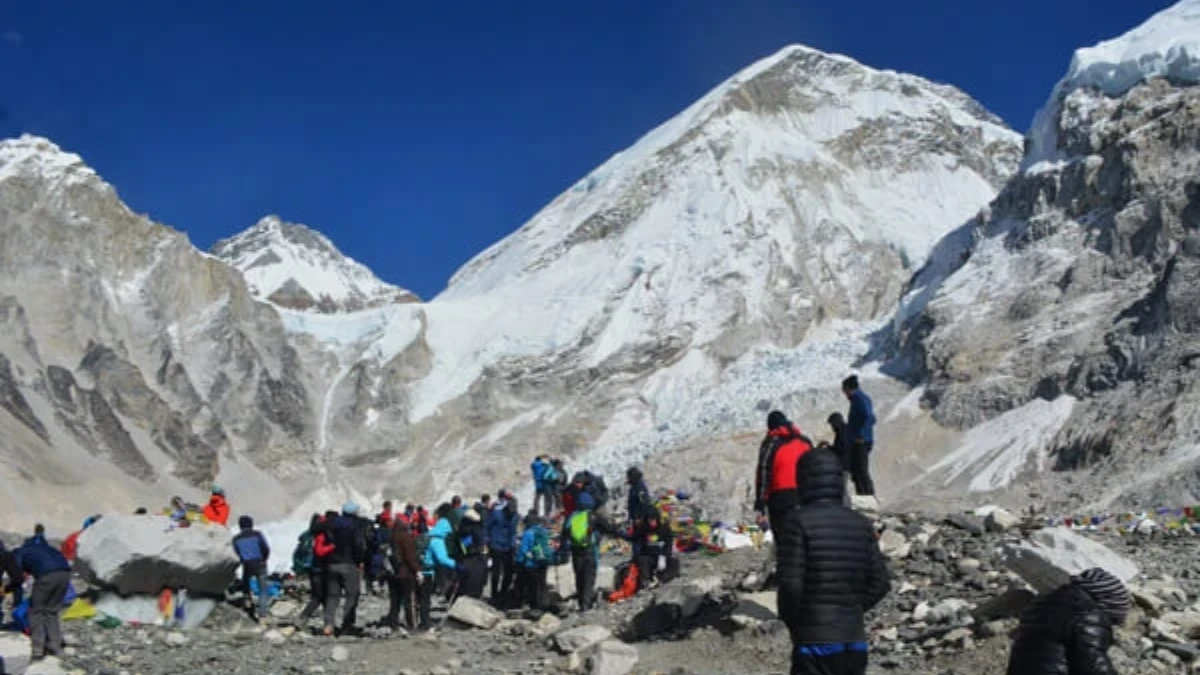
Always Available (Every Teahouse, Every Altitude)
- Dal bhat (rice + lentil soup + vegetable curry + pickle). NPR 500-900 ($4-7). Unlimited refills.
- Vegetable fried rice. Made with oil, not butter, unless you specify.
- Vegetable noodles / chow mein. Same caveat about butter.
- Thukpa (Tibetan noodle soup with vegetables). Warming, filling, cheap.
- Boiled potatoes with salt and chilli. Simple fuel above 4,000m.
- Chapati / roti with vegetable curry. Some are made with ghee, so ask.
- Vegetable soup. Usually tomato, mushroom, or mixed veg.
- Seasonal vegetables. Whatever the teahouse has: cauliflower, spinach, potato, cabbage, beans.
Available at Most Stops (Below 4,000m)
- Vegetable momos (dumplings). Usually steamed. The dough is flour and water, no egg.
- Spring rolls. Fried vegetable rolls.
- Tibetan bread with jam. Check whether butter is used in the dough.
- Porridge (if made with water, not milk). Ask.
- Pancakes with honey or jam. Most teahouse pancakes use egg, so ask for eggless if available.
- Fresh fruit (lower altitudes only: bananas, apples, oranges).
Tea and Drinks (Vegan by Default)
- Black tea, green tea, ginger lemon tea, mint tea. All vegan.
- Hot lemon with honey. Perfect for sore throats at altitude.
- Boiled water. Your best hydration option. NPR 100-200 per litre.
What foods should vegans avoid while trekking in Nepal?
Be aware of these common non-vegan items that look safe:
- Butter tea (po cha): Traditional Tibetan tea made with yak butter. Offered frequently in Sherpa homes. Politely decline or ask for plain tea.
- Cheese momos: Obviously not vegan, but worth stating because they're everywhere.
- Snickers, Mars bars, chocolate: Contain milk. Available at every shop. The vegan alternatives (dark chocolate) are rare above Namche.
- Bread and pancakes: May contain egg, butter, or milk. Always ask.
- Sherpa stew: Usually contains meat or dairy.
- "Vegetarian" dishes: In Nepal, vegetarian often means no meat but YES to dairy and eggs. "Vegan" is a less understood concept. You need to specify: no milk, no butter, no egg, no cheese, no ghee.
How do you tell teahouse cooks you are vegan in Nepali?
Most teahouse cooks speak limited English. "Vegan" means nothing to them. "Vegetarian" means no meat. You need specific words:
- "Doodh na halnus" = Don't add milk
- "Ghee na halnus" = Don't add ghee/butter
- "Anda na halnus" = Don't add egg
- "Cheese na halnus" = Don't add cheese
- "Masu chaina" = No meat
Write these phrases down and show them to the cook. Better yet, ask your guide to explain at each teahouse. Our guides brief every kitchen before meals. It takes 30 seconds and prevents confusion.
How do you get enough protein on a vegan trek in Nepal?
Trekking 5-8 hours per day at altitude burns 3,000-4,500 calories. You need protein for muscle recovery. On a vegan diet, your main sources on the trail are:
- Lentils (dal): Every dal bhat serving has 15-20g of protein from the lentil soup alone. Eat it twice a day and you get 30-40g from dal alone.
- Beans: Sometimes available in teahouse curries.
- Nuts: Buy mixed nuts and peanuts in Kathmandu or Namche. Carry a bag daily. 30g of peanuts = 8g protein.
- Soy chunks: Available in some lower-altitude teahouses.
- Chapati: About 4g protein per piece.
Realistic daily protein on a vegan trek diet: 50-70g. Is that enough? For most people doing a moderate trek, yes. Bodybuilders might disagree, but you're trekking, not lifting. If you're concerned, bring vegan protein powder from home and mix it with boiled water in the evening.
What vegan trekking food should you pack from home for Nepal?
The Kathmandu supermarkets (Bhatbhateni, Salesberry) stock some vegan items, but selection is limited. Bring these from home:
- Protein powder sachets (individual servings, not a 2kg tub)
- Trail mix / energy bars (check labels: many contain milk powder)
- Nutritional yeast (sprinkle on rice for B12 and flavour)
- Vitamin B12 supplements (essential for long-term vegans at altitude)
- Dark chocolate (70%+ cocoa, no milk. Reward yourself at camp.)
- Peanut butter sachets (spread on chapati for quick calories)
- Electrolyte tablets (most are vegan, but check)
Pack these in your daypack, not your porter bag. You'll want access throughout the day.
Does high altitude reduce your appetite while trekking?
Above 4,000m, almost everyone loses appetite. This affects vegans and meat-eaters equally. The difference is that vegans have fewer calorie-dense comfort options. At Gorak Shep (5,164m), the menu shrinks to dal bhat, noodle soup, potatoes, and tea. There's no vegan pizza waiting for you.
The solution: eat more at lower altitudes. Front-load your calories. When appetite drops above 4,000m, focus on warm soup, tea with sugar, and whatever rice and dal you can manage. Your body will survive a few days of reduced intake. The acclimatisation process matters more than perfect nutrition at this point.
Which Nepal treks are best for vegans and vegetarians?
Some routes are easier for vegans than others:
| Trek | Vegan Friendliness | Why |
|---|---|---|
| Annapurna Base Camp | Excellent | Busy trail, good teahouses, varied menus. Max 4,130m so appetite stays strong. |
| Poon Hill | Excellent | Short trek, low altitude, best teahouse food in Nepal. |
| Langtang Valley | Good | Tamang cuisine is naturally lentil-heavy. Yak cheese is everywhere but easy to avoid. |
| EBC 12 Days | Good | Menus are standard. Above Dingboche (4,410m), options narrow but dal bhat is always there. |
| Manaslu Circuit | Moderate | More remote. Fewer teahouses, simpler menus. Carry extra snacks. |
| Upper Mustang | Moderate | Tibetan-influenced cuisine is heavier on meat and dairy. Specify clearly at every stop. |
Frequently Asked Questions
Is dal bhat really vegan?
The standard dal bhat is: rice, lentil soup, vegetable curry (tarkari), pickle, and greens. No dairy or animal products. Some teahouses add a small amount of ghee to the rice or curry. Ask them not to: "Ghee na halnus."
Can I get enough calories as a vegan trekker?
Yes. Dal bhat with refills provides 800-1,200 calories per sitting. Eat it twice a day, add fried rice or noodles for lunch, snack on nuts, and you'll hit 3,000+ calories. It's enough for moderate to challenging trekking.
Should I tell my trekking company I'm vegan when booking?
Absolutely. We brief our guides on dietary requirements before every trek. The guide then communicates with each teahouse kitchen in advance. This simple step prevents 90% of vegan trekking problems.
Are there any vegan restaurants in Kathmandu?
Several. OR2K in Thamel is fully vegan. Places of Nepal in Patan has vegan options. Bhojan Griha (traditional Nepali dining) can prepare vegan sets on request. Stock up on protein bars at Bhatbhateni Supermarket before your trek.
What about food allergies (gluten, nuts)?
Gluten-free trekking is harder than vegan trekking because rice is the main carb (good), but noodles and bread contain wheat. Nut allergies are manageable since nuts are optional. Communicate all allergies to your guide AND directly to the kitchen. "Allergy" is not well understood in remote teahouses, so be specific about what you cannot eat.
You won't starve. You won't miss out. You'll eat the same meal as most Nepali people eat every day, and they've been trekking these mountains on lentils and rice for centuries. It works.
WhatsApp:+977 9810351300
Email:[email protected]
Written by Shreejan Simkhada, CEO of The Everest Holiday and third-generation Himalayan guide. TAAN Member #1586.
Vegetarian on ABC? Every teahouse covers it. Our Annapurna Base Camp Trek (9 Days) is private (your group only, no strangers), 2027 dates open, From USD $725. WhatsApp us for tailored 2027 dates and current departures.
Planning a trip to Nepal?
Drop us your details and tell us what you have in mind. We will put together a personalised plan and get back to you.
Not sure which Nepal trek is right for you?
Take our free 2-minute quiz and get personalised recommendations based on your fitness, experience, and travel style.
Find Your Perfect Trek →Need Help? Call Us+977 9810351300orChat with us on WhatsApp
Related Trek Packages
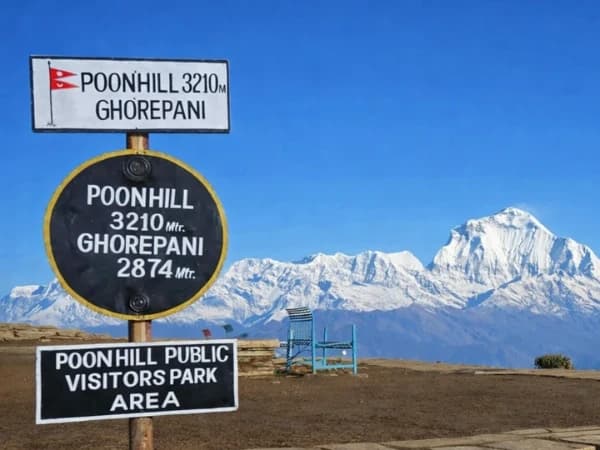
Latest Travel Blogs
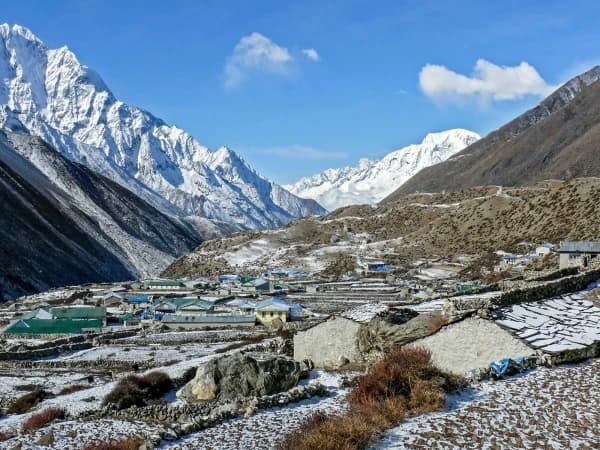
Thamdanda and Surke: The Road Head for Everest Base Camp by Road
Thamdanda is the road head where our Everest Base Camp trek by road starts and ends on foot. How to get there from Phaplu and what the first walk to Paiya is like.
Read More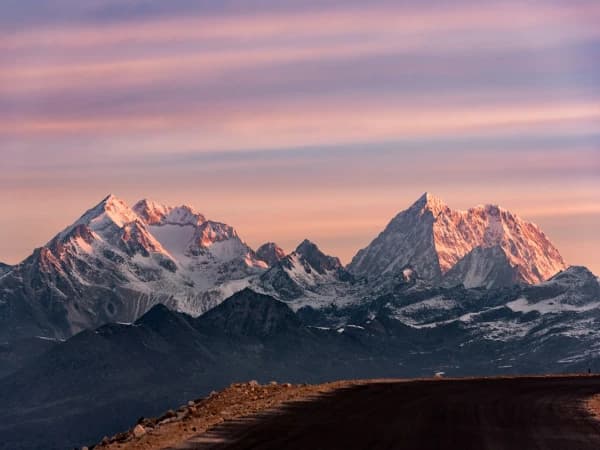
Poon Hill Trek Permits 2027: ACAP, TIMS, Cost and What You Need
Poon Hill needs two permits: ACAP at NPR 3,000 and a TIMS card at NPR 2,000. Who arranges them, where they are checked, SAARC rates and the 2027 trek prices.
Read More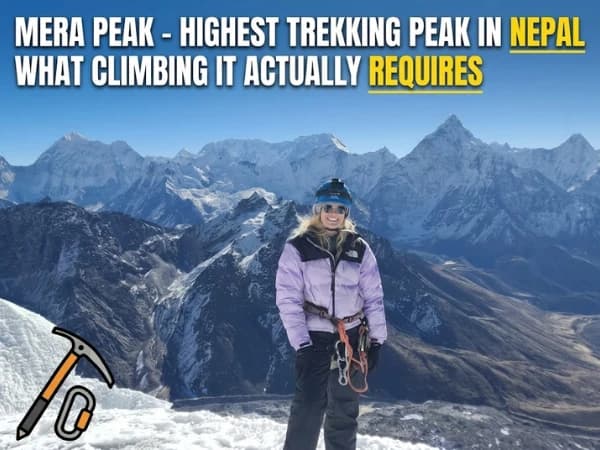
Mera Peak Climbing Itinerary 2027: 14 Days, Day by Day
Mera Peak in 14 days, night by night. The Hinku valley, a full rest day at Khare, Mera High Camp at 5,780 m, summit day, 2027 prices and the best months.
Read More Chat with Shreejan