

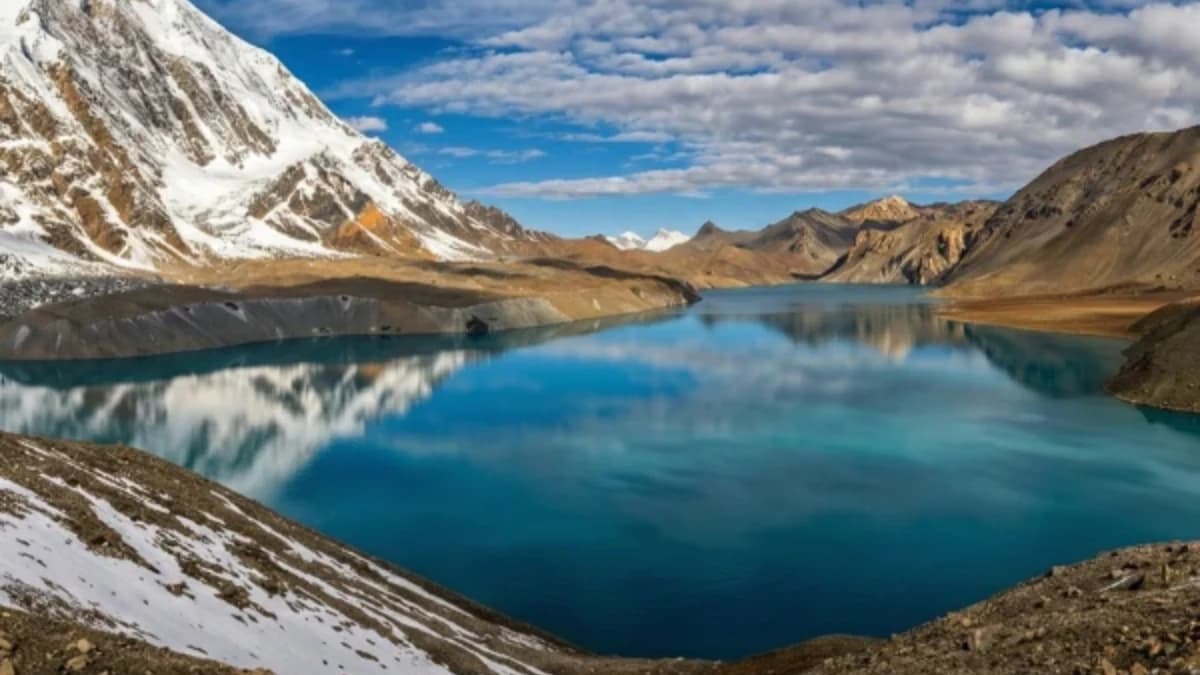
Short answer: Tilicho Lake sits at 4,919 m in the Manang region and is one of the highest lakes of its size in the world. Most people reach it as a side trip from Manang on the Annapurna Circuit, which adds a few days and a lot of altitude before Thorong La. You need a licensed guide, the ACAP permit and a TIMS card. Do it on our Annapurna Circuit with Tilicho Lake.
There are spots in the Himalayas that make you feel a little right away. One of them is Tilicho Lake.
Imagine standing at the border of a frozen planet, where the air is so thin that every breath feels like a conscious effort. Not only is your heart pounding from the exertion, but also from the realisation that what lies ahead is unattainable. A huge sheet of turquoise water covers a high-altitude basin and reflects rugged hills that have been silent for millions of years. The wind howls for a short time before stopping completely. The silence is so deep that you can hear your blood pumping in your ears. This is Tilicho Lake, which feels more like a dream than a place to go.
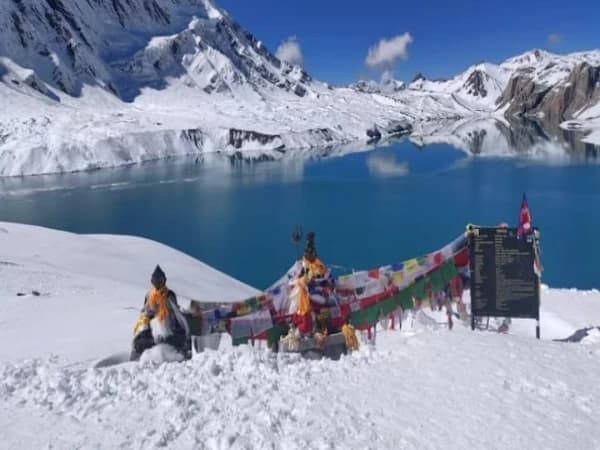
This glacier lake is officially one of the highest bodies of water on Earth, sitting at an incredible 4,919 metres (16,138 feet) above sea level in Nepal's remote Manang region. But figures can't show everything that Tilicho has to offer. This site is more than just a point on a map or a box for people who collect altitudes. It is a trip to the most unspoiled splendour of the Himalayas, where the mountains lose their green slopes and show their bones: huge cliffs of grey and brown with permanent snow on top, and their peaks scraping a sky that is impossible blue.
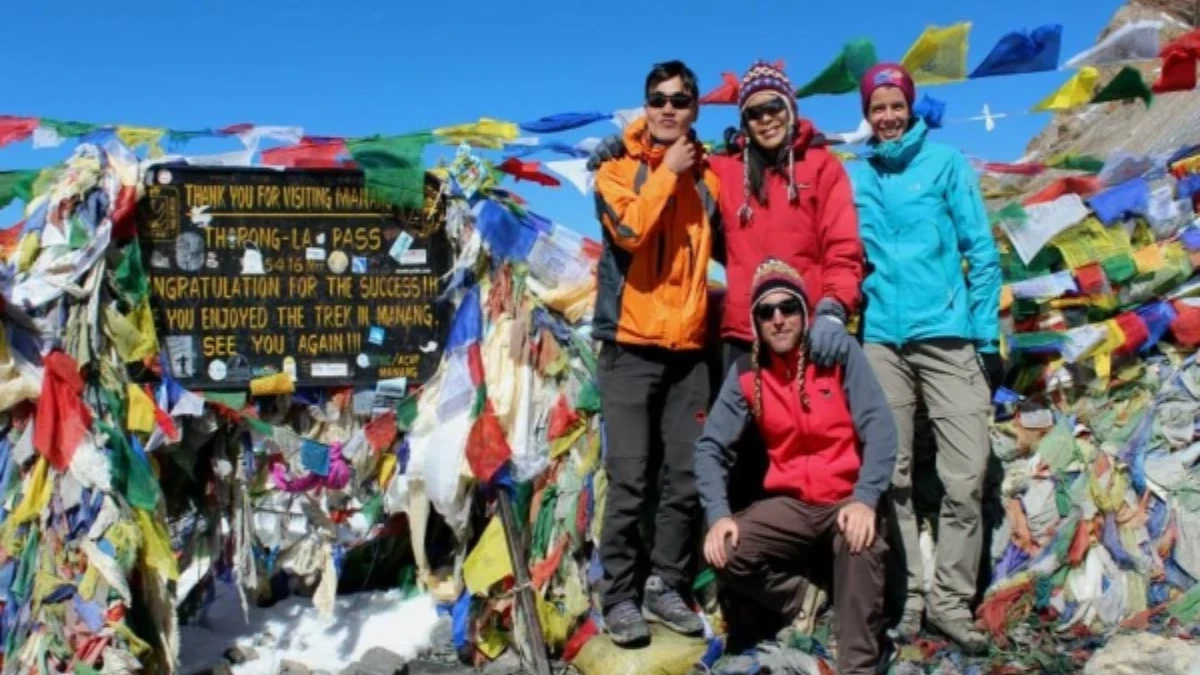
After hours of hard climbing, the lake suddenly appears. One minute you're ascending a steep moraine and carefully placing each foot on loose stone, wondering why you did this to yourself. Then you reach the top of the ridge and see it: a burst of colour in a universe of black and white. The water sparkles in shades of deep sapphire on the margins and bright turquoise in the middle. This colouration is because of glacial silt and the reflection of the sky above. The enormous peak of Tilicho stands behind it like a sentinel. Its sides are covered in hanging glaciers that feed the lake with their meltwater.
This water is holy to Hindus and Buddhists. Many people think that Tilicho is the legendary Kak Bhusundi Lake from the ancient epic Ramayana, where the sage Kak Bhusundi told the whole story to Garuda, Lord Vishnu's eagle mount. For hundreds of years, pilgrims have come here and left prayer flags and little stone cairns along the coast. These gifts show how strong this location is. Even those who aren't religious can feel something spiritual when they stand at such a high place, surrounded by peaks that are much bigger than people, and watch the light change on the sea as clouds race by.
Not everyone can make the trip to see this. It requires you to be honest about your boundaries and respect the mountains. The trail goes up into the high-altitude desert, where only the toughest plants can live. It leaves behind the rhododendron forests and cultivated fields of lower elevations. You cross hills that are open to the air, where a wrong step could be detrimental. In some places, the path is so narrow that only one person can fit on it, and you have to cross loose rocks. And the altitude is always there, reminding you with every difficult step that you are a tourist in a place where people don't really belong.
But people still come. People come from all over the world, from busy cities and peaceful towns, and from all walks of life. They are pulled by something challenging to put into words. Maybe it's the challenge of putting yourself up against the highest spots on Earth. Perhaps it's the opportunity to witness unspoiled beauty untouched by roads or buildings. Maybe it's just the yearning to be in a place so far away and so lovely that the cacophony of everyday life stops totally.
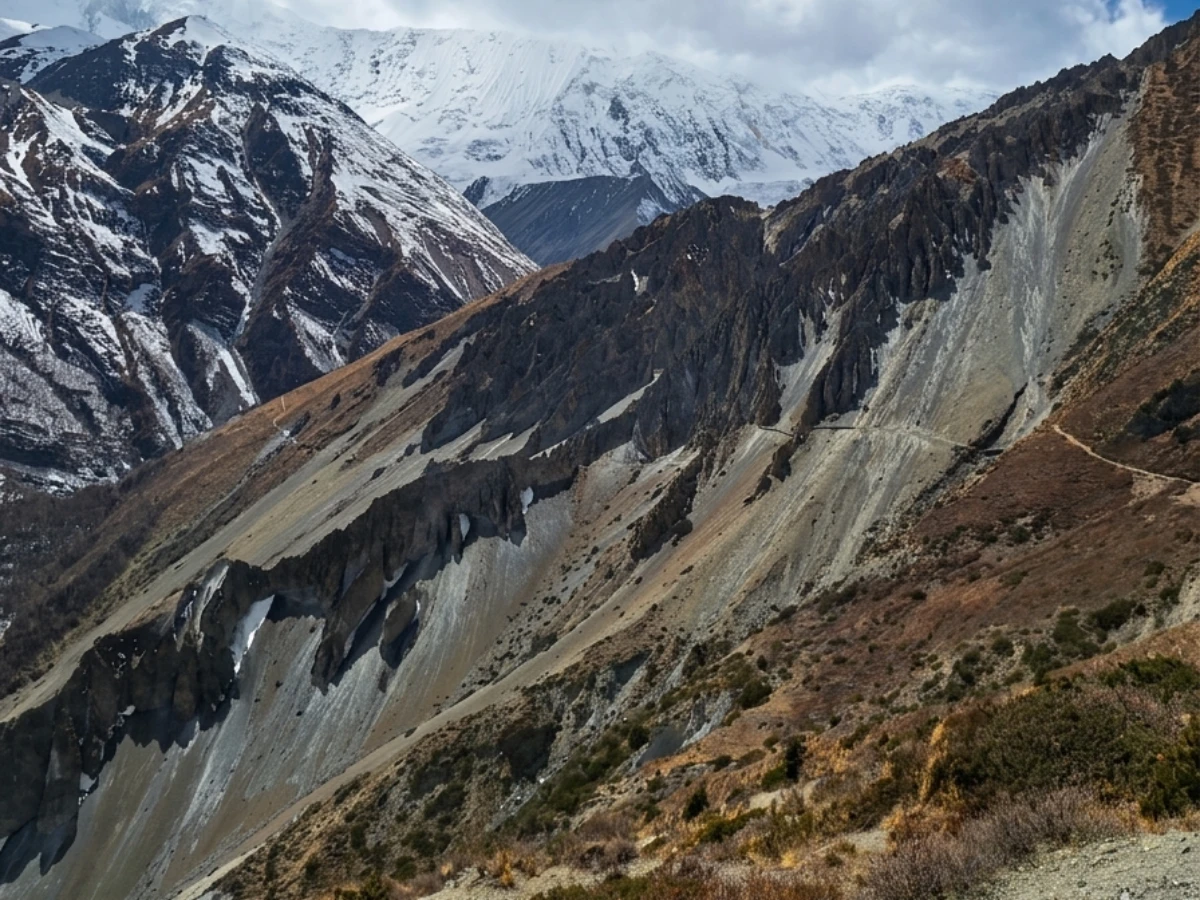
Whatever your reason for considering this trip, Tilicho Lake lives up to its reputation. Tilicho Lake offers both challenging and rewarding journeys, challenging your physical abilities while uplifting your emotions. Before daybreak, the mornings start with icy breath and sore muscles. The days are long and difficult. But when you get to the shore, you see why the wise men came here. You can see why this lake has attracted travellers and pilgrims for hundreds of years. You know that some places are worth the effort when you're in blue water surrounded by huge rocks and ice.
This handbook is here to help you get ready for that trip. The following pages have all the information you need, if you're an experienced hiker seeking your next high-altitude challenge or someone dreaming of going to the Himalayas for the first time. This part includes the best times to go, the level of difficulty you'll face, the permits you'll need, and the costs involved. Tilicho Lake is waiting for you, trapped in time at almost five thousand metres. It will humble and inspire everyone who makes the journey to its shores.
Why go to Tilicho Lake?
The Altitude Factor
The lake is about 5,000 metres above sea level, which means there isn't much oxygen, and the views are endless. People from all around the world come to this height because it is such an amazing feat.
Religious Importance
Hindus and Buddhists hold this lake in high regard. Many people think it is the mythical Kak Bhusundi Lake from the Ramayana, where the sage Kak Bhusundi told Garuda the story. This spiritual link makes the walk more than just a physical hardship.
Beauty that hasn't been touched
Unlike other increasingly marketed hiking spots, Tilicho maintains its wild, unspoiled feel. The walk is less crowded, the views are still sharp, and the lake itself is in a beautiful spot, surrounded by huge peaks like Nilgiri, Muktinath Himal, and Tilicho Peak.
When is the best time to hike to Tilicho Lake?
When you go will affect everything, from the safety of the trails to the views you will see.
March – May is spring.
In the spring, the lower pathways get warmer, and the rhododendrons bloom. The days get longer, and the skies stay mostly clear. This season is one of the most common ways to get to the trek.
Fall is from September to November.
Everyone agrees that fall is the greatest time to go to Tilicho Lake. The weather is consistent, the views of the mountains are clear, and the temperatures for walking are reasonable. After the monsoon season, the air cleans off the dust and shows off the Himalayas in all their grandeur.
From December to February, it's winter.
In the winter, the area becomes a frozen wonderland. But heavy snow can obstruct trails, and the temperature near the lake might drop a lot. Only experienced hikers with the right gear should try this season.
Rainy season (June to August)
The monsoon brings rain, leeches on lower routes, and clouds that come and go a lot. There is a chance of landslides, and views are often blocked. People usually don't recommend these conditions for the Tilicho trek.
How challenging is the Tilicho Lake Trek?
This walk is challenging, let's be honest.
-
The Tilicho Lake walk is moderate to very demanding. This ranking is based on several things:
-
Altitude Gain: Consider the time it takes to adjust to the new height during the quick climb from Manang to the lake.
-
The Last Climb: The morning hike from Tilicho Base Camp to the lake is steep, rocky, and tiring at high altitude.
-
Trail Conditions: Some parts of the trail are across open areas with loose stones. You need to be careful when you drive through the famed landslide area near the lake.
-
Weather Extremes: The weather can change quickly, even during the busiest times. The wind at the lake is often fierce, and the temperature drops quickly.
-
That being said, persons who are in good health, have been to high elevations before, and walk at a respectable speed can accomplish this trip every season.
Can you trek to Tilicho Lake in winter?
If you want to be alone, Tilicho Lake in the winter is a whole different place. The lake freezes over a lot, making a strange scene of ice and snow. The trails get quieter, and the mountains look clean and white.
But you need to get ready for winter trekking. Snow blocks the trails, teahouses temporarily close, and the temperature plummets below freezing. Only those who have hiked in the cold, have the right gear, and know the area should try this.
How long is the trek route from Manang to Tilicho Lake?
The distance from Manang to Tilicho Lake is about 30 to 35 kilometres each way, depending on the route you take. Most people who hike this trail do it in three days: through Manang to Khangsar, then Khangsar to Tilicho Base Camp, and back to the lake.
The trail from Manang slowly moves away from the trees and into a desert area at a high altitude. You can see Annapurna II, III, and Gangapurna before the scenery narrows and leads you to the Tilicho valley.
Is the Tilicho Lake trek worth it?
It's not merely a hike to Tilicho Lake. It is a trip to the heart of the High Himalayas, where the physical and spiritual worlds merge. The turquoise lake reflecting the rugged peaks, the prayer-sculpted cairns along the coast, and the thin air filling your lungs all come together to make something you will never forget.
Tilicho Lake gives you something that resonates with you long after you leave, whether you come for the height record, the sacred legend, or just the challenge.
How do you avoid altitude sickness on the Tilicho Lake trek?
Altitude sickness doesn't care who you are. Follow these important rules:
- Take your time. "Walk high, sleep low" is the slogan.
- Every day, drink at least three to four litres of water.
- Stay completely away from alcohol and smoking.
- Headaches, nausea, dizziness, and loss of appetite are all signs to look out for.
If your symptoms get worse, get down right away. Always pay attention to severe altitude sickness.
Where do you stay on the Tilicho Lake trek?
Along the way to Tilicho Lake, there are teahouses at every turn. These inexpensive lodges provide basic accommodations, shared eating spaces, and filling meals. Expect:
-
Beds made of wood with thin mattresses
-
You can use shared blankets, but you need to bring your sleeping bag.
-
Tibetan bread, noodles, soups, and Dal Bhat
-
Charging stations for an additional fee
-
Dining rooms that are warm because of kerosene heaters
The amenities at Tilicho Base Camp are still fairly rudimentary. Be realistic about what you expect and enjoy the mountain adventure.
What permits do you need for the Tilicho Lake trek?
You can't trek to Tilicho Lake without the right permits. You need two permits:
1. The Annapurna Conservation Area Permit (ACAP)
This permission helps protect the environment in the area. The Nepal Tourism Board or the ACAP office in Pokhara or Kathmandu gives it out.
2. The Trekkers' Information Management System (TIMS) Card
For safety and statistical reasons, the TIMS card helps keep track of trekkers. It is just as important and is examined at several locations along the course.
For permission applications, bring your passport and several passport-sized photos.
Tilicho Lake Trek Cost: Making a Plan for Your Trip
The cost of the Tilicho Lake trip depends on your group size, trek type, and what you bring. For hikers who are going on their own, here is a rough breakdown:
Estimated Cost of the Expense
| TIMS Card | 15 USD |
| Permit for ACAP |
22 USD |
| Local Transportation | 50 to 100 USD |
| A place to stay and food |
$20 to $30 per day |
| Guide |
25 to 30 US dollars a day |
| Porter | 15 to 20 US dollars a day |
Most trekkers plan to spend between 700 and 1,200 USD on the whole 12- to 16-day trip, not counting the cost of foreign flights and gear.
Last Thoughts
The path to Tilicho Lake is not easy. It needs you to be ready, patient, and humble. But it also gives you pure Himalayan magic that reminds you why we love mountains.
Set your sights on this high-altitude treasure if you're planning your next trip to Nepal. The path is steep, and the air is thin, but every step is worth it.
Related Treks & Guides
- Annapurna Circuit Trek with Tilicho Lake
- Annapurna Circuit Trek
- Annapurna Base Camp Trek
- Thorong La Pass
- Manang Village
Tilicho Lake at 4,919 metres is one of the highest lakes in the world, and the walk to reach it is one of the most dramatic single days on any trek anywhere. The trail cuts across a landslide-prone slope with a thousand-metre drop below, and then opens onto a glacial lake so blue it looks artificial. It is not. It is just cold and clean and impossibly high.
Tilicho Lake is a side trip on our Annapurna Circuit Trek. We add an extra day to the itinerary so you are properly acclimatised before the climb.
WhatsApp:+977 9810351300
Email:[email protected]
Written by Shreejan Simkhada, CEO of The Everest Holiday and third-generation Himalayan guide. TAAN Member #1586.
Tilicho is the highest lake in the world on AC. Our Annapurna Circuit with Tilicho Lake (16 Days) is private (your group only, no strangers), 2027 dates open, From USD $1,195. WhatsApp us for tailored 2027 dates and current departures.
 Chat with Shreejan